




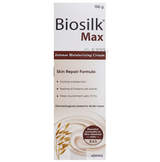
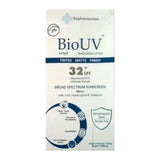










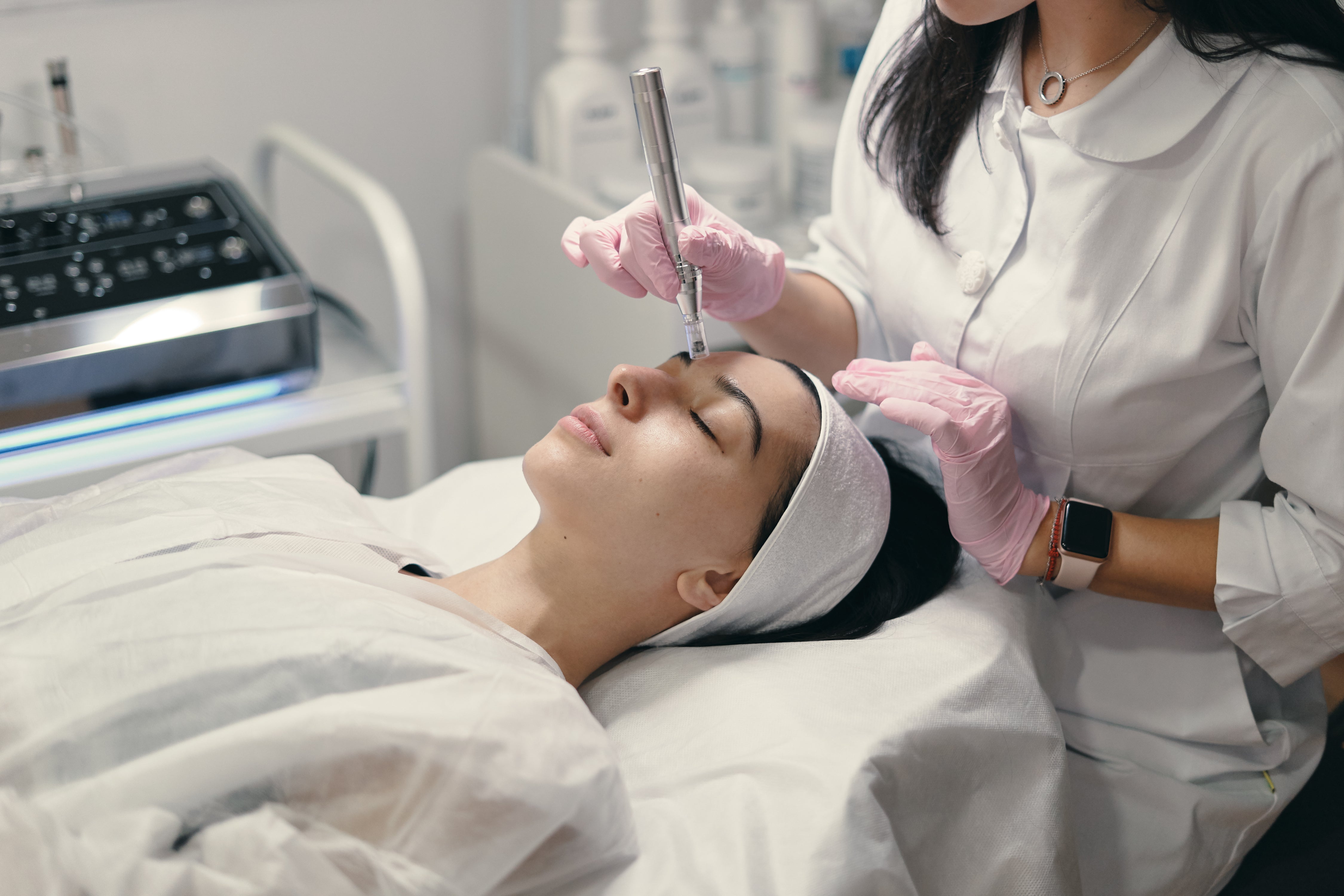


A tan isn't colour. It's a defence response.
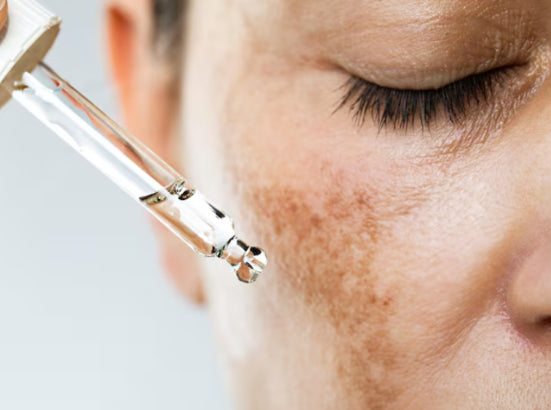
Tanning is your skin producing melanin to shield deeper layers from UV radiation. It looks temporary — but it signals stress that has already happened underneath.
What a tan actually is

A tan occurs when skin produces and redistributes melanin in response to ultraviolet exposure. That pigment absorbs and disperses UV radiation — genuinely protective work.
But the tan itself is evidence the damage already happened. Visible tanning reflects DNA stress and oxidative damage that occurred before the pigment arrived.
Eumelanin gives a tan its brown colour. With repeated exposure that melanin oxidises, making pigmentation appear darker — and considerably harder to reverse.
The clinical point: tanning isn't the problem to treat. It's the visible signal of a process that needs addressing before it becomes permanent pigmentation.
Three forces driving pigmentation
Sunlight is only the trigger most people know about. Two other categories matter just as much.
External
- UVA & UVB radiation from sunlight and tanning beds
- Heat exposure
- Environmental pollution
Internal
- Increased melanocyte activity
- Hormonal fluctuations
- Certain medications
- Oxidative stress
- Nutritional deficiencies affecting repair (vitamin A & D pathways)
Behavioural
- Inadequate or inconsistent sunscreen use
- Intermittent high-intensity sun exposure
- Photosensitising skincare or cosmetic products

Your phototype decides your protocol
Skin response to UV is classified into six phototypes, from skin that always burns to skin that tans deeply. This isn't cosmetic detail — it determines what is safe to use on you.
Always burns, never tans
Burns easily, tans minimally
Burns mildly, tans gradually
Burns minimally, tans well
Rarely burns, tans deeply
Never burns, deeply pigmented
Which laser wavelengths are safe for your skin
Appropriate chemical peel strength
Post-inflammatory hyperpigmentation (PIH)
Who is at higher risk
Frequent or occupational sun exposure
Fair skin that burns easily
Darker skin prone to post-inflammatory hyperpigmentation
Children and older adults with thinner, UV-sensitive skin
Inflammatory skin conditions such as acne or eczema
Use of photosensitising medications or products
Cheaper than any treatment
Every procedure below works better — and lasts longer — when these are in place first.
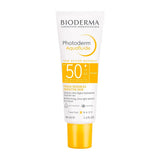
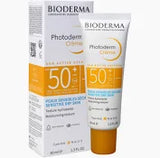
Broad-spectrum SPF 30 or higher, applied 20–30 minutes before exposure and reapplied every 2 hours
Avoid peak sun hours between 10:00 AM and 4:00 PM
Wide-brim hats, sunglasses and UPF-rated clothing
Avoid tanning beds completely — there is no safe dose
Maintain barrier repair with gentle cleansers, moisturisers and antioxidant support

What we use, and when
Clinical principle: best results come from combination therapy — not aggressive single procedures.
 Treatment One
Laser Toning
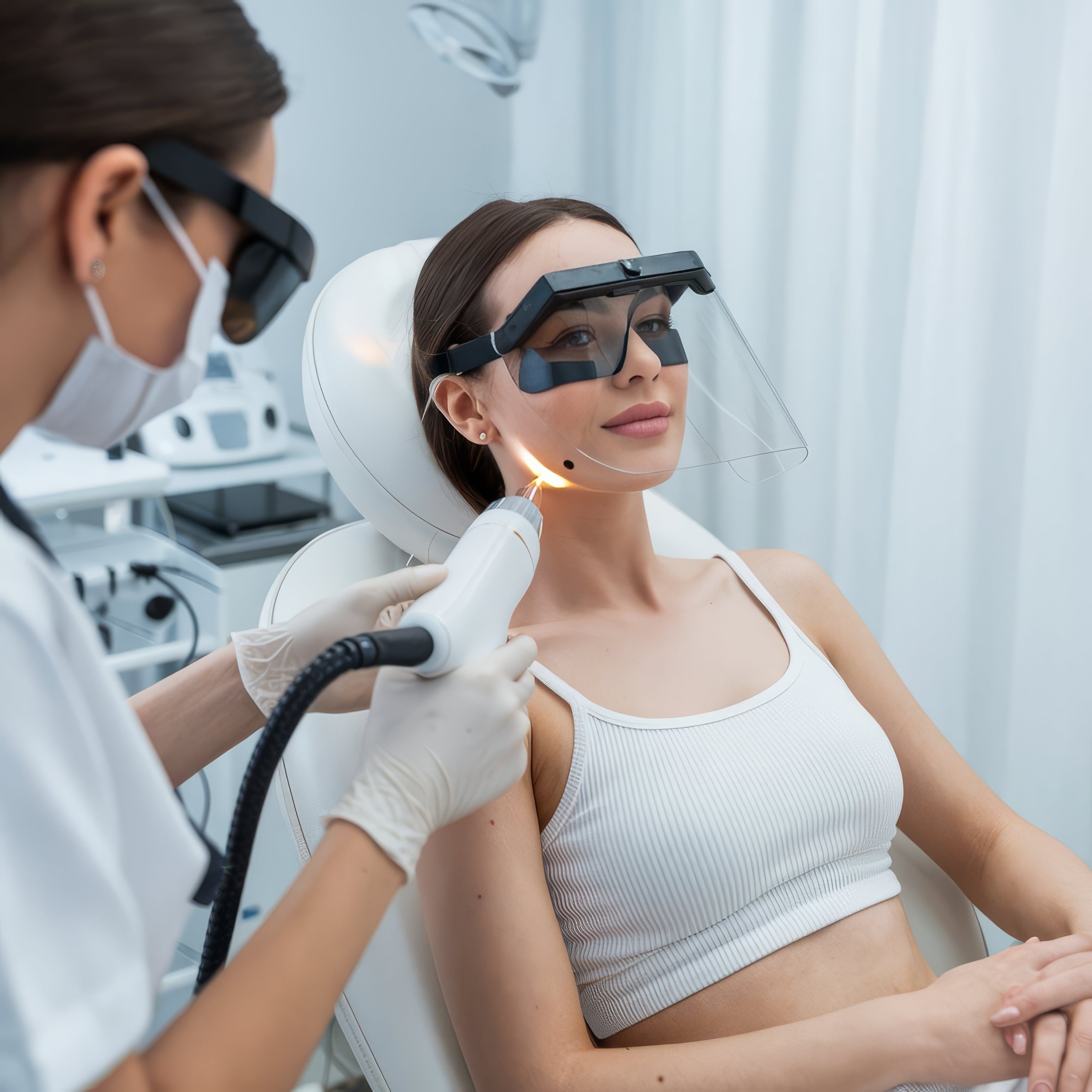
Low-fluence Q-Switched Nd:YAG. Fragments melanin and corrects tone — effective for diffuse tanning when performed conservatively.
 Treatment Two
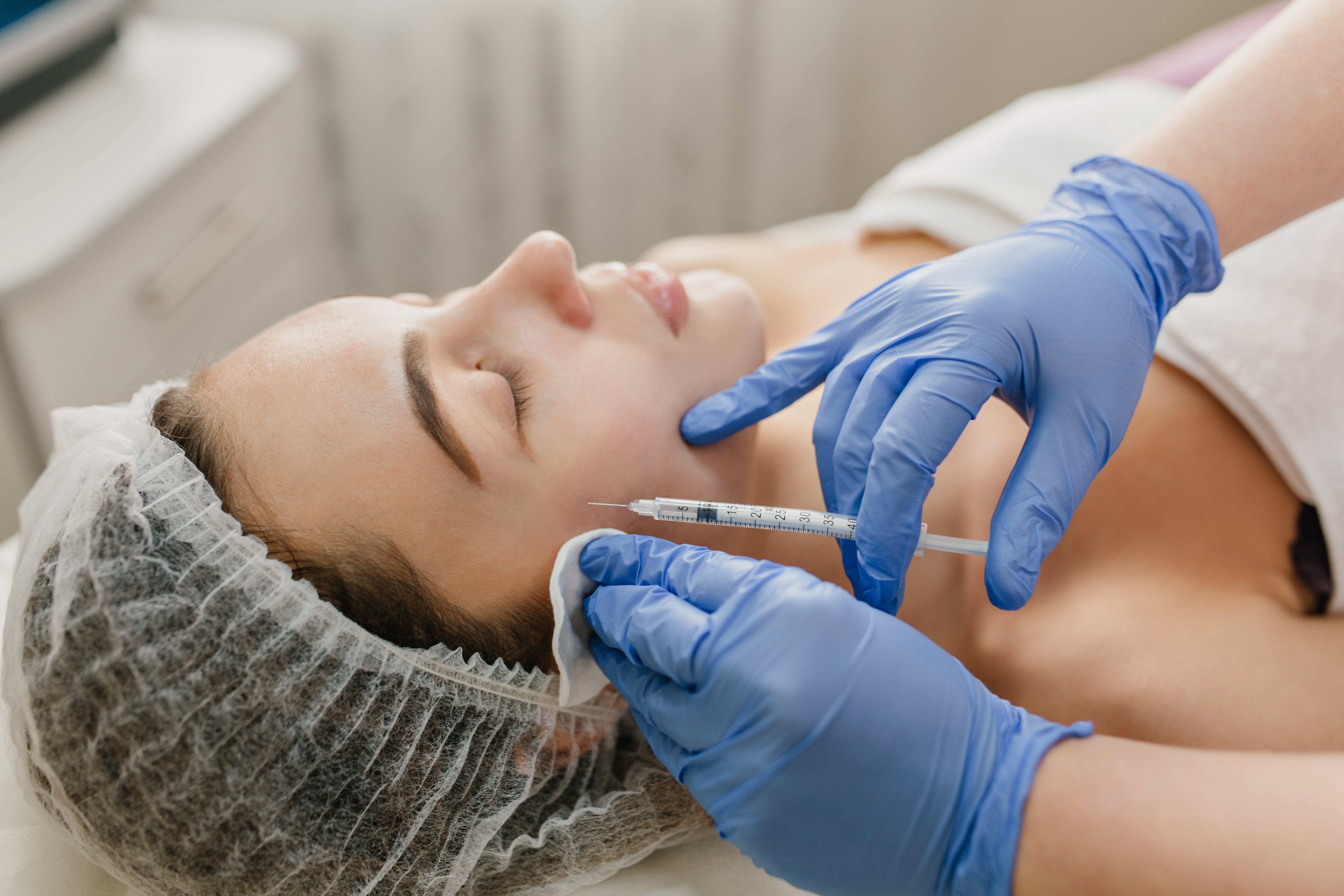
Fractional Laser Resurfacing
Er:YAG or CO₂. Controlled micro-injury removes pigmented tissue and stimulates collagen — for deeper pigmentation and texture.
 Treatment Three
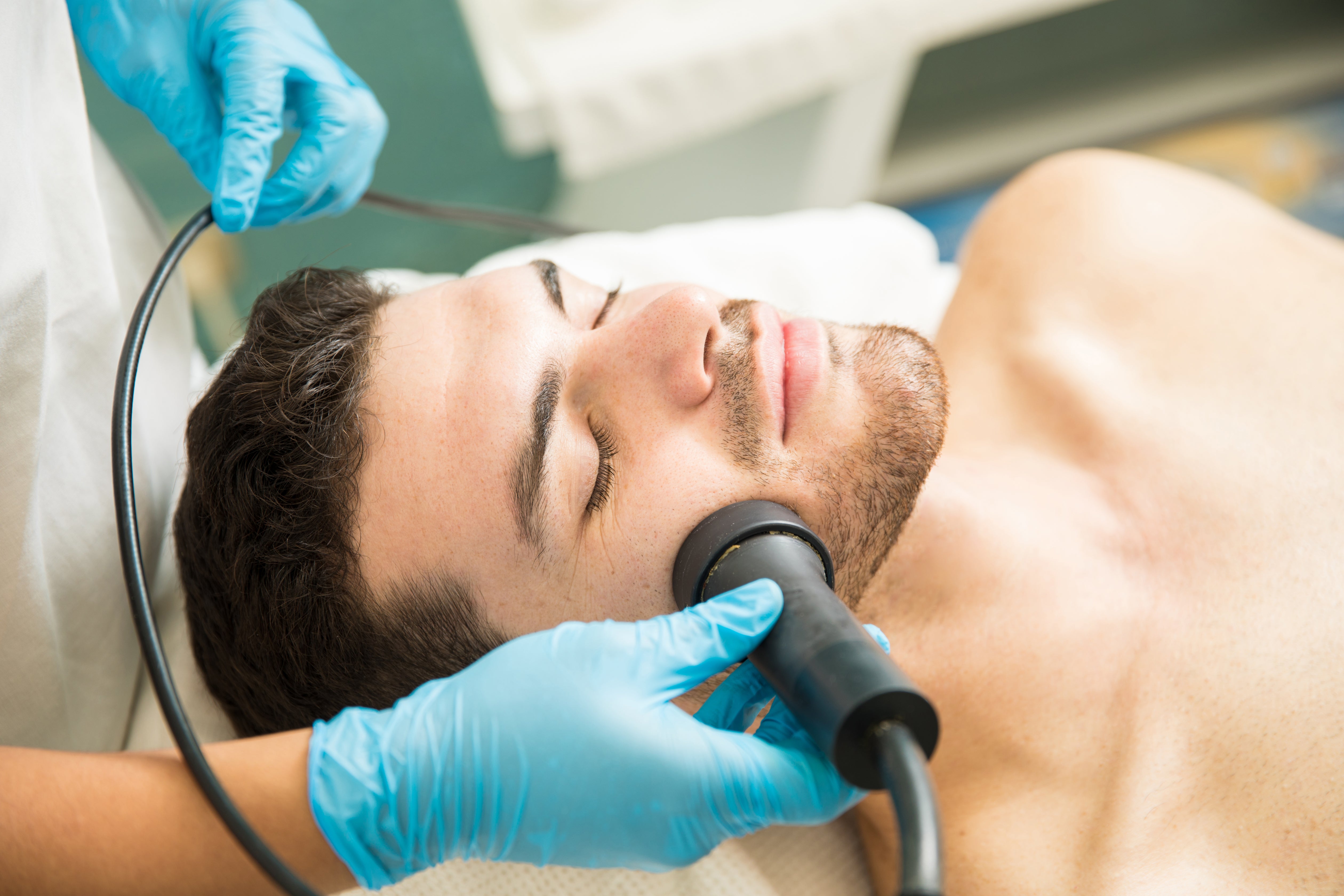
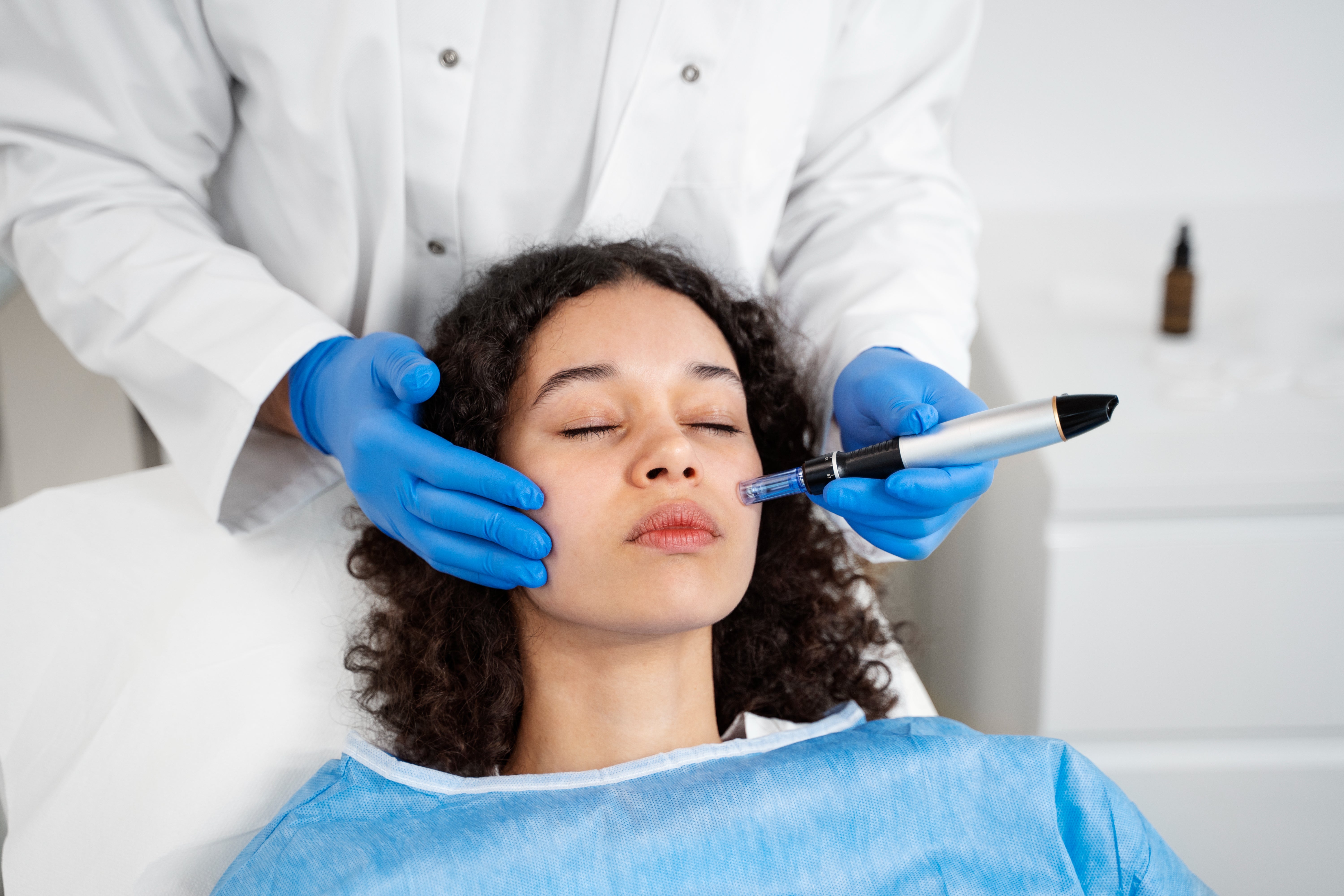
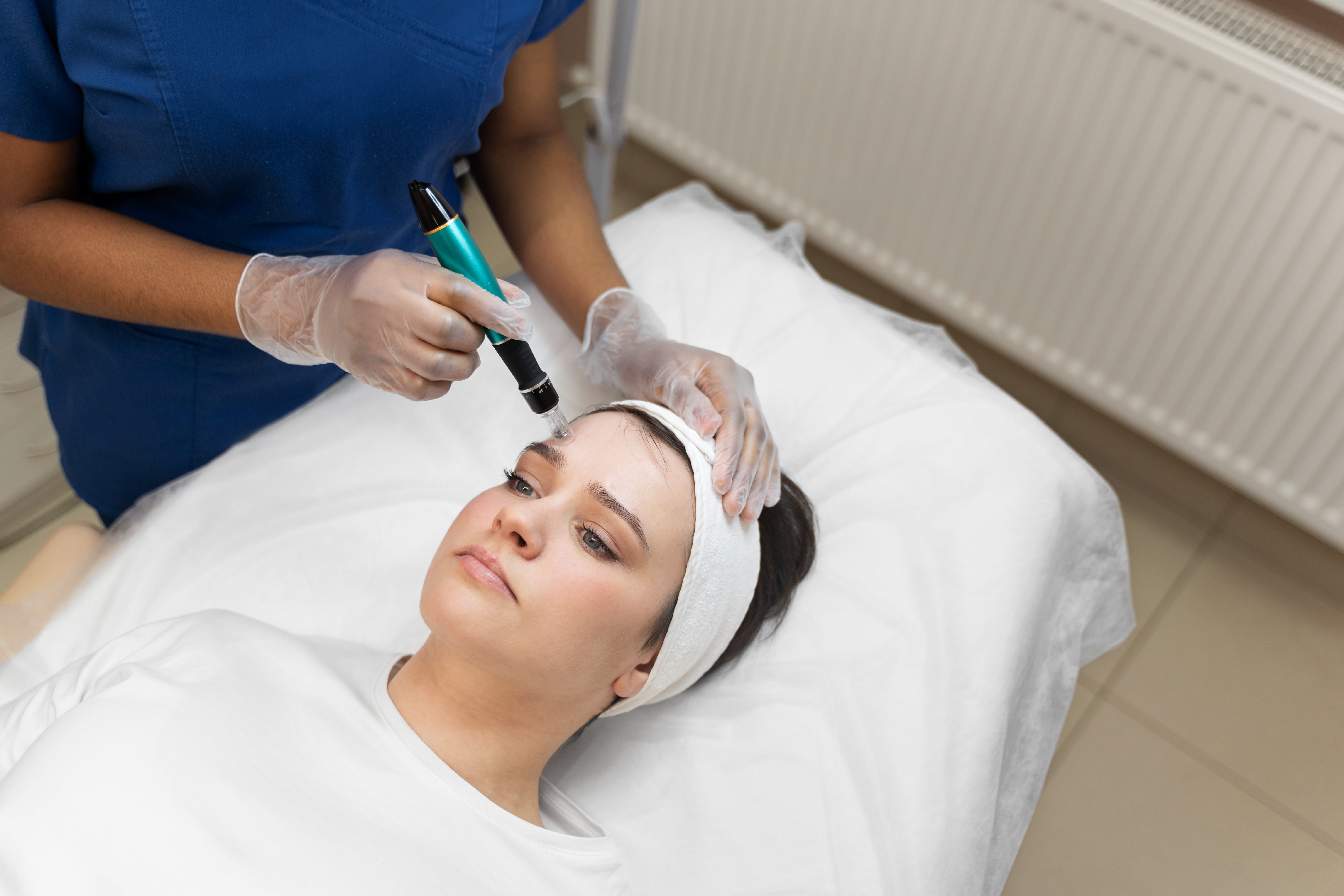
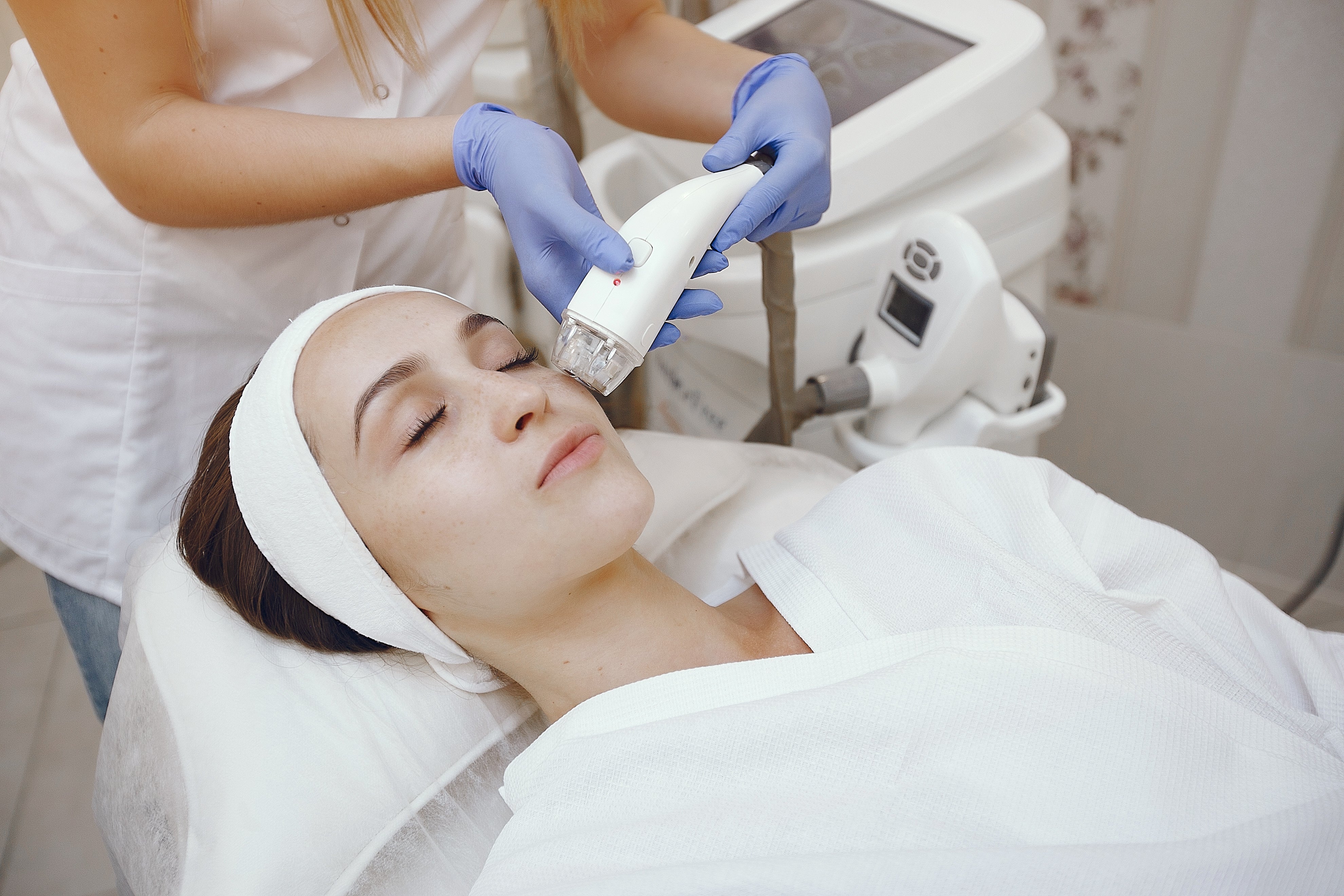
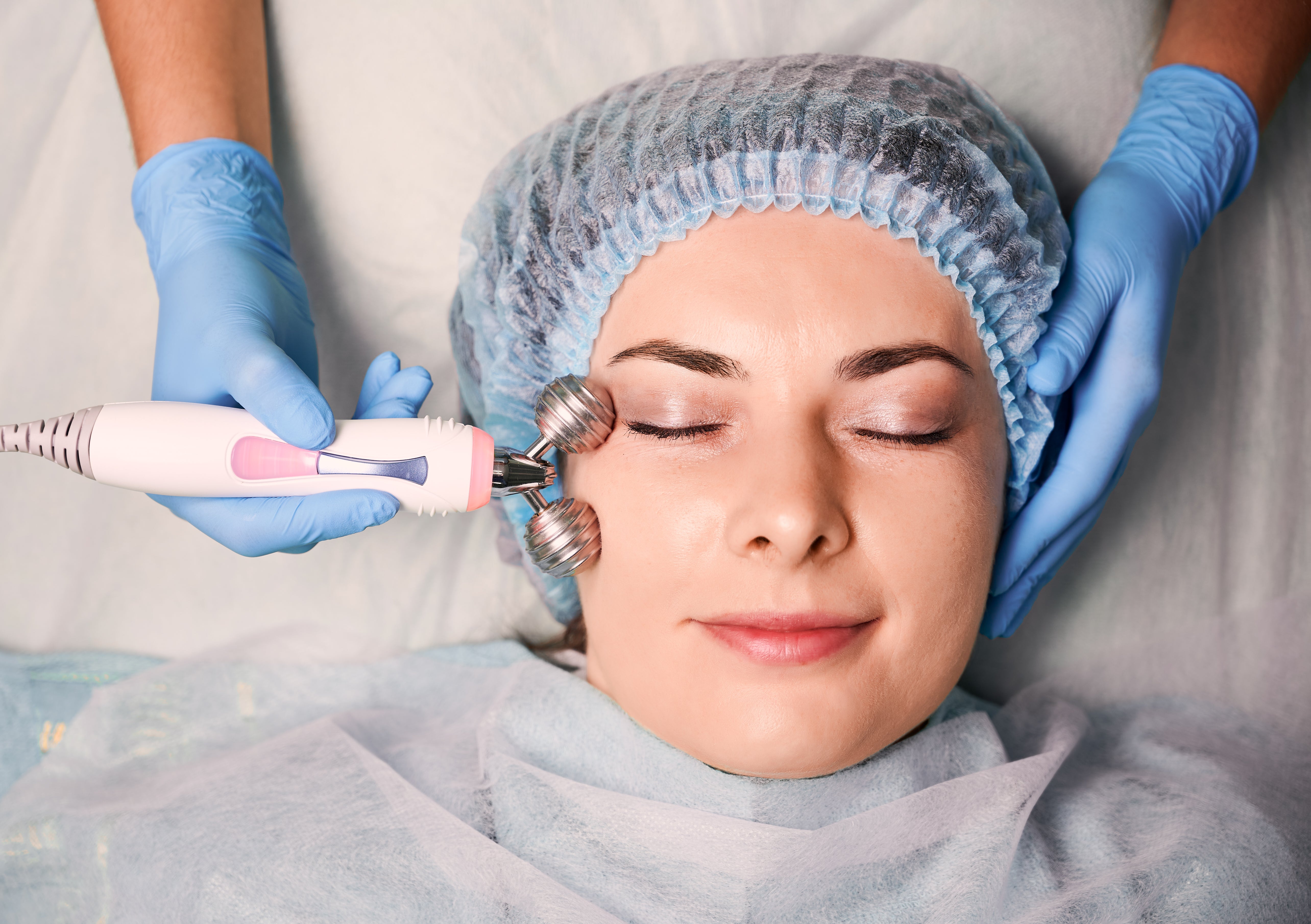
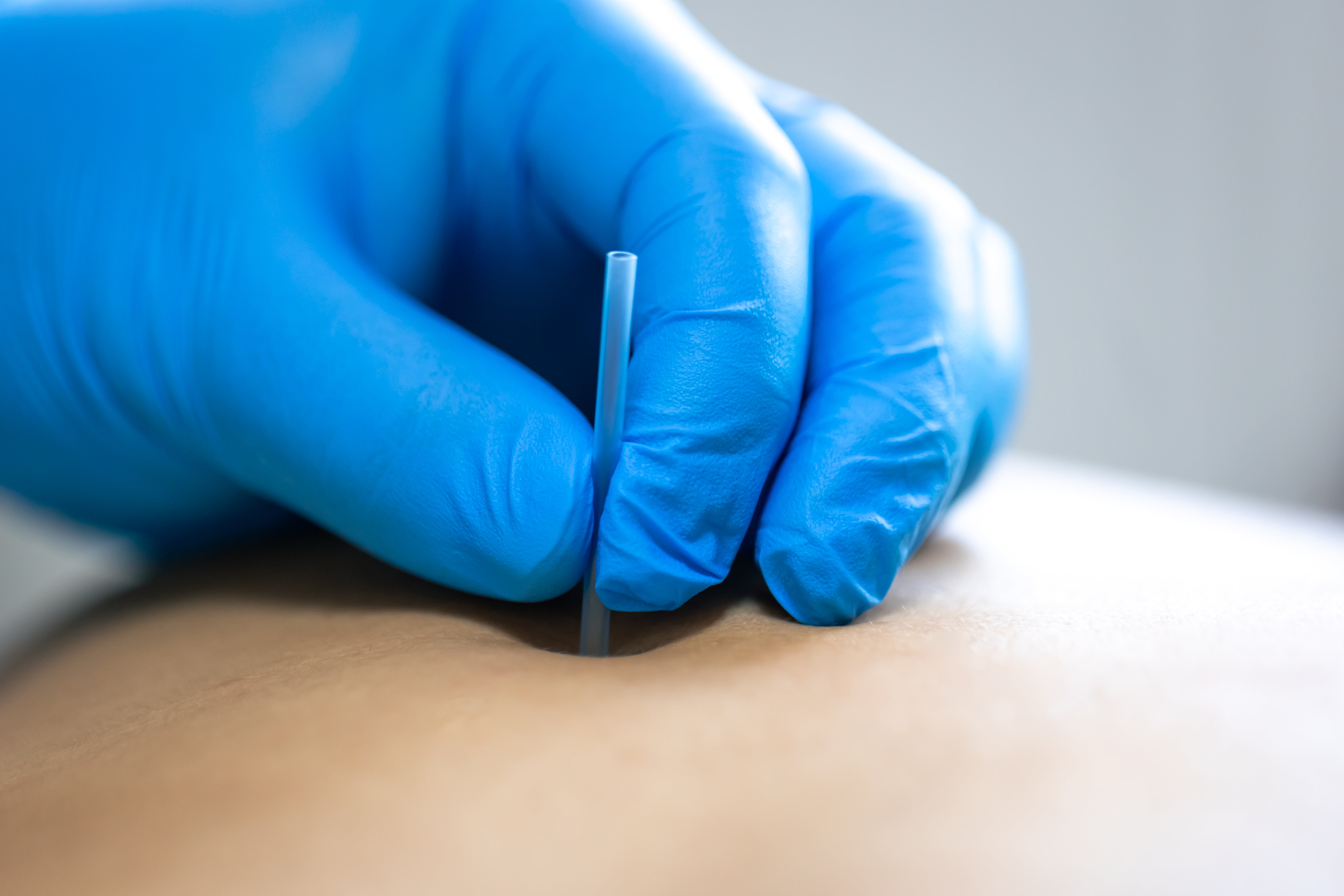
Microneedling RF (MNRF)
Remodels dermal collagen and improves pigment linked to texture irregularities — where tone and surface both need work.
 Treatment Four
Chemical Peels
Accelerates epidermal turnover. Salicylic, glycolic, mandelic or low-strength TCA — selected by phototype and pigment depth.
What works alongside procedures
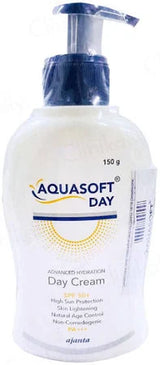
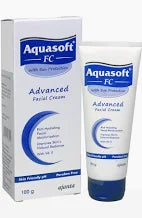
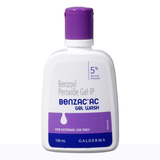
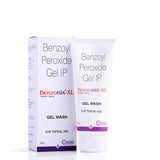
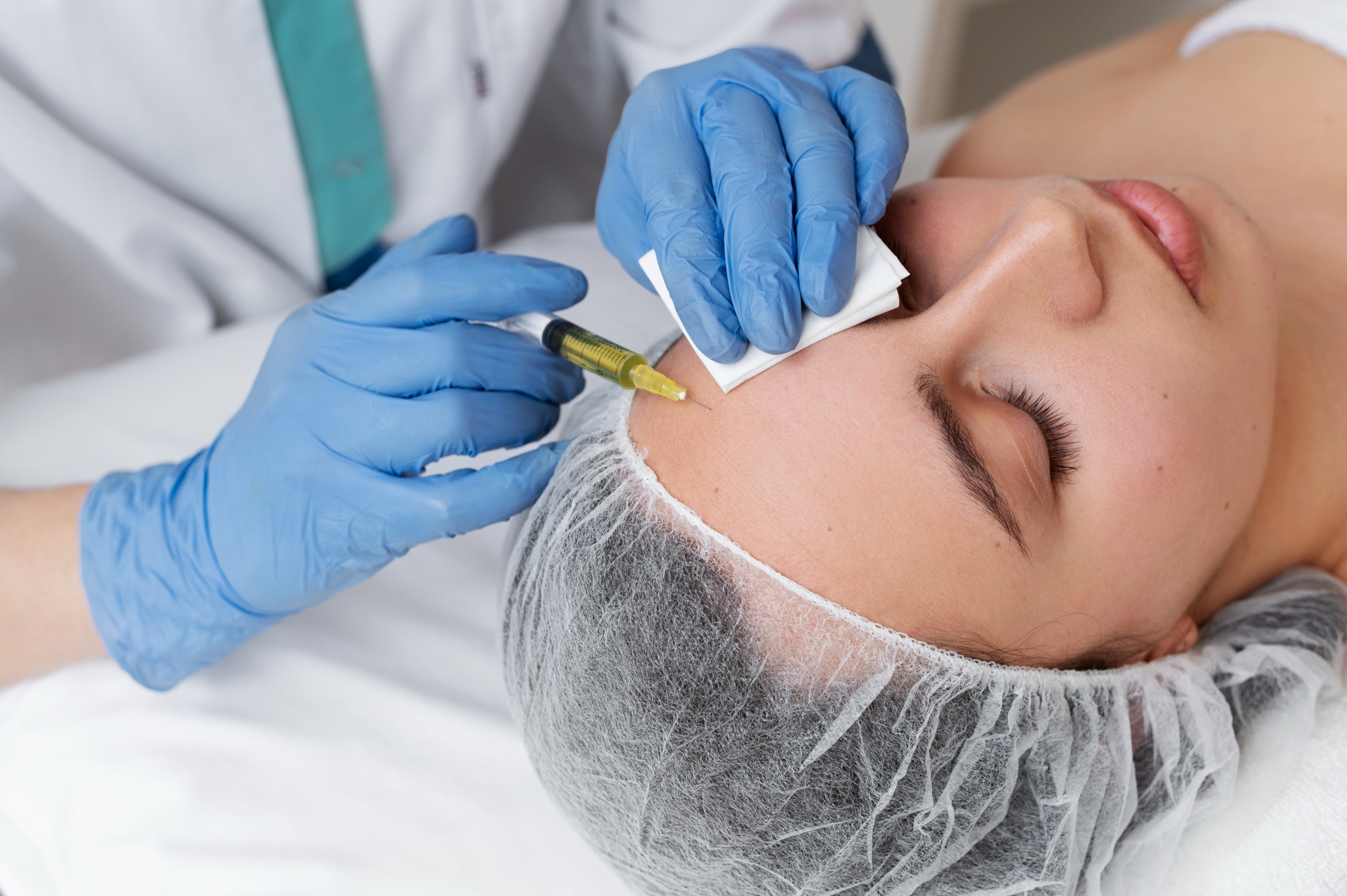
💊 Prescribed depigmenting agents
*Hydroquinone only when clinically indicated and dermatologist-supervised.
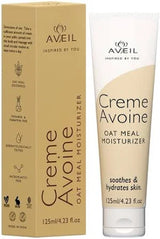
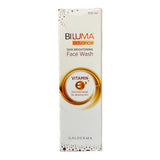
🛡️ Barrier & protection
Sun protection before and after every procedure is non-negotiable — it prevents rebound pigmentation undoing the work.
What to realistically expect
Epidermal tanning often improves within weeks to months with combination therapy.
Deeper pigmentation may require multiple modalities across several months of treatment.
Acting early significantly reduces the risk of permanent pigment changes.
Protecting the result
Strict daily SPF
Every day, regardless of weather or season.
Gentle skincare
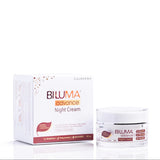
Plus prescribed night treatments only.
No aggressive exfoliation
Especially in the weeks after a procedure.
Periodic maintenance
Sessions scheduled to hold long-term results.
Review with your doctor
Protocols adjust as your pigment responds.
The 5-step root cause protocol
Right products, only when needed
Only what truly serves your skin — nothing more.
Root cause diagnosis
We uncover why pigmentation happens — hormones, nutrition, stress.
Dermatologists you can trust
MD Dermatologists from AIIMS New Delhi.
Science that serves you
USFDA-approved technology, evidence-based protocols.
Inside-out wellness
Mind, body and skin as one ecosystem.
Questions, answered
Is tanning permanent?+
Is laser safe for darker skin?+
How soon will results be visible?+
Which sunscreen is best?+
Start Here
Your skin doesn't need correction. It needs understanding.
Get a pigmentation plan matched to your phototype — not a one-size protocol that risks making it worse.
Book your consultation →Scientific references
- UV Radiation & Skin Damage — World Health Organization. who.int
- Sunscreen & Photoprotection — American Academy of Dermatology. aad.org
- Fisher GJ — Skin Aging & UV Damage. NEJM. nejm.org
- Zouboulis CC — Melanin & Pigmentation Biology. doi.org/10.4161/derm.1.2.936
- Piccolo D et al. — Laser Treatment for Pigmentation. ncbi.nlm.nih.gov