














Acne is biology — not a hygiene problem.
We don't just treat the pimples you can see. We treat the biological imbalances underneath them — hormones, barrier, inflammation, stress.

of teenagers are affected by acne at some point
of adults still experience it well past their twenties
every case is unique — and treated that way
Acne is not caused by poor hygiene. It's a medical condition.
— and it deserves dermatologist-led care, not guessworkFour mechanisms that build every breakout
Acne forms in stages, deep inside the follicle. Treat only the surface and it returns — so we interrupt the chain at its origin.
Hyperkeratinization
Dead skin cells accumulate and block the pore, forming the first microcomedone.
Excess sebum
Androgens, stress and genetics drive oil production that feeds bacterial growth.
Bacterial overgrowth
C. acnes multiplies in the clogged, oxygen-free pore and triggers immune response.
Inflammation
Redness, pain, pigmentation — and, untreated, permanent scarring.
The types of acne we treat
Hormonal acne runs deeper and recurs along the jawline, chin and neck — common in PCOS, pre-menstrual phases, post-pregnancy and under high stress.
Non-inflammatory acne
Clogged pores without the redness — the earliest, most treatable stage, where the right routine makes the biggest difference.
Inflammatory acne
Red, tender and often painful. This is where the immune response takes over — and where early intervention prevents scarring.
Post-acne concerns
What acne leaves behind. Marks and texture changes respond well to treatment — but the approach differs entirely from active acne.
How acne progresses
Left untreated, acne moves through three stages — each harder to reverse than the last.
Active acne
Live inflammation in the pore. This is the most treatable stage — and the point where intervention prevents everything that follows.
- Red, tender bumps
- Painful cysts
- Oily skin
- Pus-filled pimples
- Monthly flare-ups
Acne marks
Pigment left behind after inflammation settles. Marks are flat, not textured — and they still respond well to treatment.
- Brown spots (PIH)
- Red inflammatory marks (PIE)
Acne scars
Structural damage to collagen. Scars are permanent without procedural treatment — which is why we act before this stage.
- Pits
- Depressions
- Thick raised scars
- Irregular texture
Every scar type has its own treatment
Different scars form through different biological processes. We grade yours before designing the protocol.
| Scar Type | Clinical Description | Grade | Best Treatment |
|---|---|---|---|
| Ice Pick | Deep, narrow pits with sharp vertical margins | Moderate–Severe | TCA Cross Peel, Subcision |
| Rolling | Broad, undulating depressions with sloped margins | Mild–Moderate | Subcision, MNRF |
| Boxcar | Defined, sharp-edged depressions, wider than ice pick | Mild–Moderate | MNRF, Laser Resurfacing |
| Hypertrophic / Keloid | Raised, thick, fibrous tissue above the skin surface | Severe | Intralesional Injections, Laser Toning |
Are you at risk?
Some risks you can change today. Others are written into your biology — and those are exactly the ones a dermatologist should manage.
Habits & choices
- Popping, squeezing or picking pimples
- Using heavy, pore-blocking makeup
- Delaying a dermatologist consultation
- Living or working under high stress
Biology & history
- PCOS or other hormonal disorders
- Cystic or persistent acne
- Family history of severe acne or scarring
factors? Book a consult.
The more that apply, the higher your chance of permanent scarring — and the more early treatment changes the outcome.
Book your consultationAdvanced acne & scar treatments
💊 Medical therapies
- Prescription retinoids
- Anti-inflammatory medicines
- Short-course antibiotics
- Hormonal therapy for PCOS acne
- Dermatologist-monitored isotretinoin
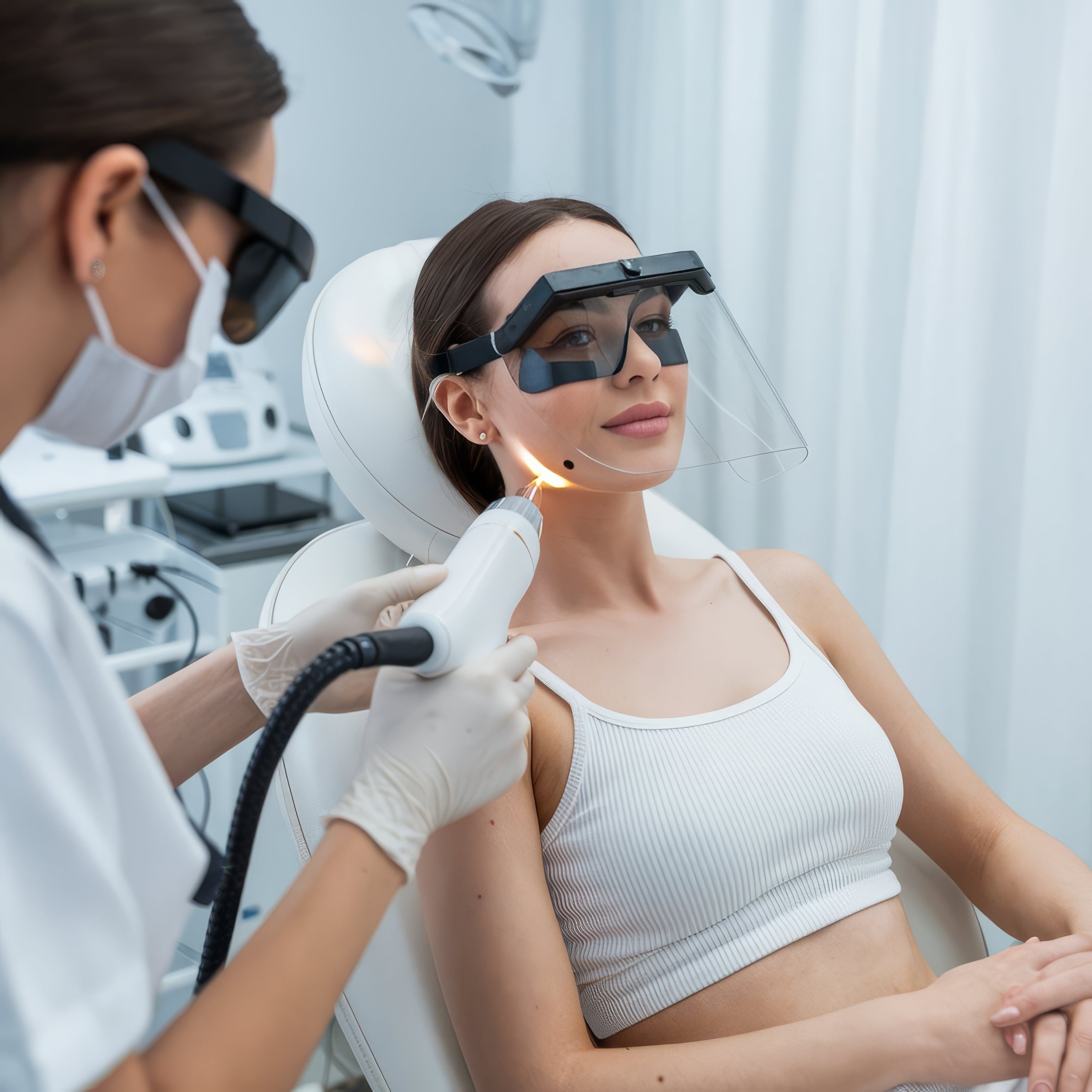
⚙️ Dermatology procedures
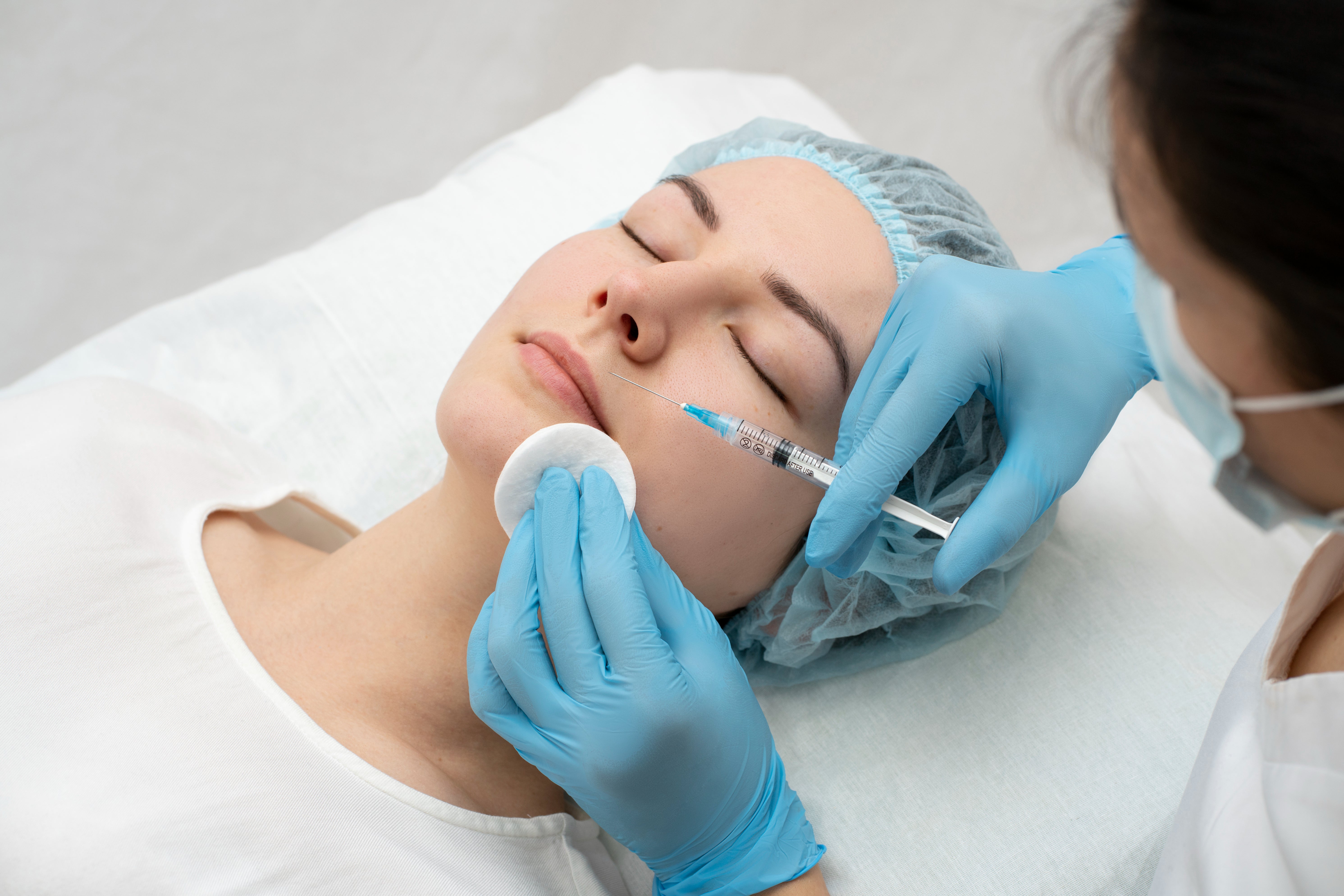
- Chemical peels & laser toning
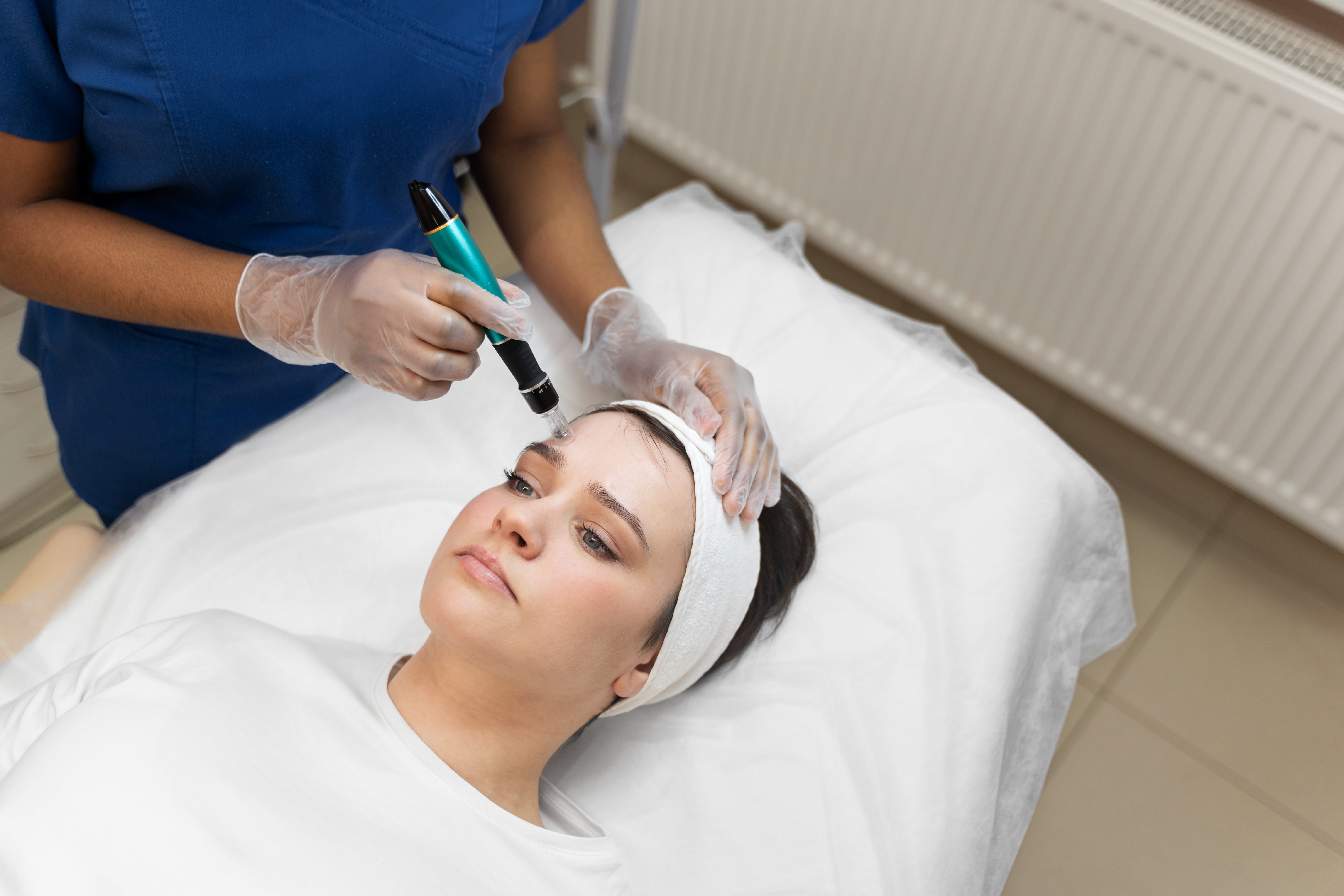
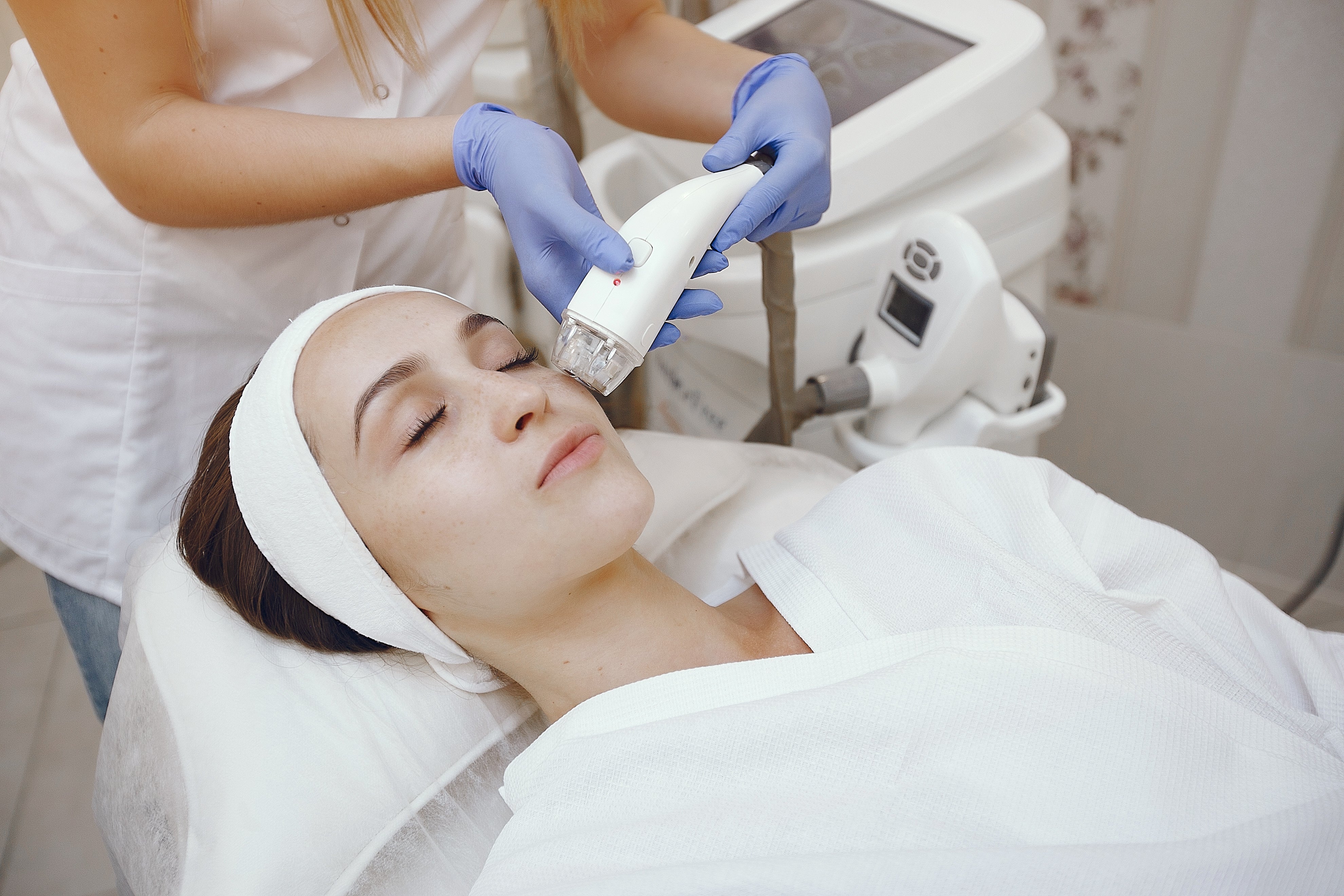
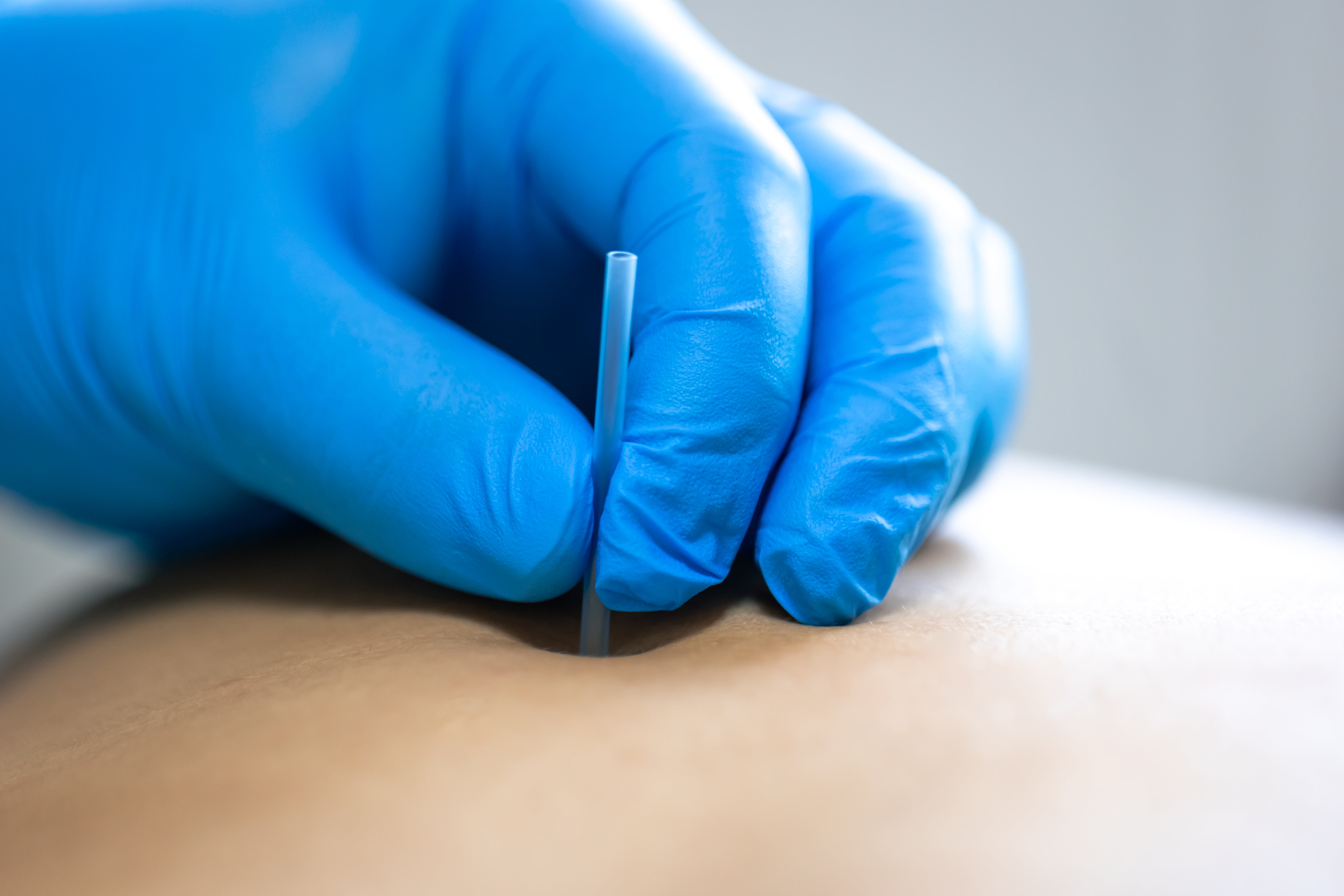
- MNRF (microneedling radiofrequency)
- Laser acne treatment
- Subcision
- Intralesional injections
What improvement actually looks like
Honest timelines, based on the grade of your acne or scarring.
| Grade | Sessions | Timeline | Expected Improvement |
|---|---|---|---|
| Mild | 3–5 sessions | 4–8 weeks apart | Up to 70% |
| Moderate | 5–8 sessions | 4–6 weeks apart | Up to 80% |
| Severe / Deep | 8–12 sessions | 4–6 weeks apart | Up to 90% |
The 5-step root cause protocol
Right products, only when needed
We don't believe in routines overloaded with products. We prescribe only what truly serves your skin — and nothing more.
Root cause diagnosis
We don't chase breakouts. We uncover why they happen — from hormones to nutrition to stress — and address them from the inside out.
Dermatologists you can trust
Our team includes MD Dermatologists from AIIMS New Delhi, trained in the science of skin and the art of empathy.
Science that serves you
Only USFDA-approved technologies and evidence-based protocols. No pseudoscience. No gimmicks. Just the truth that shows.
Inside-out wellness
We bridge dermatology and lifestyle — treating mind, body and skin as one ecosystem, because healthy skin is built into everyday life.
Questions, answered
Does stress worsen acne?+
Are acne scars treatable?+
Is isotretinoin safe?+
Can acne return?+
When should I consult a dermatologist?+
Can acne be controlled long term?+
Your skin doesn't need correction. It needs understanding.
Get a personalized acne treatment plan built around the biology of your skin — not guesswork.
Book your consultation →Scientific references
- Goodman GJ, Baron JA — Acne scar grading. pubmed.ncbi.nlm.nih.gov/17317487
- Kang S et al. — Inflammation & collagen breakdown in acne. pubmed.ncbi.nlm.nih.gov/18462855
- Tan JKL et al. — Acne epidemiology & prevalence. pubmed.ncbi.nlm.nih.gov/25597339
- Fabbrocini G et al. — Acne & scar treatment review. pubmed.ncbi.nlm.nih.gov/20671995
- Zouboulis CC — Hormones & sebum regulation. doi.org/10.4161/derm.1.2.936
- Elias PM — Skin barrier function. doi.org/10.1016/j.clindermatol.2011.08.015