







01AGA · Pattern baldness
Androgenetic Alopecia
- Most common form; affects both men and women
- Driven by DHT hormone sensitivity
- Gradual thinning progressing to pattern baldness



































Alopecia affects confidence, identity and daily life — but it is also a biological condition driven by hormones, genetics, nutritional gaps, inflammation and stress. At Allodermis we don't chase symptoms. We diagnose the root mechanism behind your hair loss and build a treatment plan that heals from the inside out.

The Basics · 01
Alopecia refers to partial or complete loss of hair from the scalp or body due to internal or external triggers. Losing 50–100 strands a day is normal; losing more — rapid thinning, a widening parting or patchy hair loss — requires medical evaluation.
The most common form is androgenetic alopecia, also called patterned baldness, caused by genetics and hormone sensitivity.
Medical Classification · 02
Treatment follows the type. Naming the mechanism correctly is what separates a reversible pattern from one that needs urgent intervention.
Root Cause Understanding · 03
We evaluate three groups of drivers before a single treatment is discussed.
Hair loss is never caused by one factor — effective treatment requires a multi-dimensional approach.
Symptoms & Red Flags · 04
You may be experiencing alopecia if you notice any of these eight signs.
Alopecia rarely stabilises on its own — early diagnosis increases the chance of reversal.
Get your scalp assessed →Diagnosis at Allodermis · 05
Four stages, in order. Nothing is prescribed until the mechanism is identified.
A comprehensive history covering medical background, nutrition, menstrual health, stress, genetics, lifestyle and past procedures.
High-magnification analysis of the scalp to assess exactly what is happening below the surface.
Investigations are ordered when the history and trichoscopy point towards a systemic driver, never as a default panel.
Your AIIMS MD dermatologist uses the findings to build a personalised plan addressing all causative pathways — not just the shedding.
Risk Profile · 06
Certain profiles carry a materially higher likelihood of developing alopecia. If more than one applies to you, earlier assessment is worth it.
Prevention & Lifestyle · 07
No clinical protocol survives a hostile scalp environment. These five habits protect the work.
 01
01Heat breaks keratin bonds and chemicals weaken the follicle.
 02
02A mild shampoo two to three times a week. Avoid overwashing.
 03
03Hair is 85–90% protein — keratin — so diet genuinely matters.
 04
04Chronic stress triggers telogen effluvium. Meditation, yoga and breathwork lower cortisol.
 05
05Avoid tight ponytails, braids and extensions that keep the follicle under tension.
Allodermis Treatments · 08
Seven clinical routes. Which of them you need — and in what combination — comes out of the diagnosis, not a package.
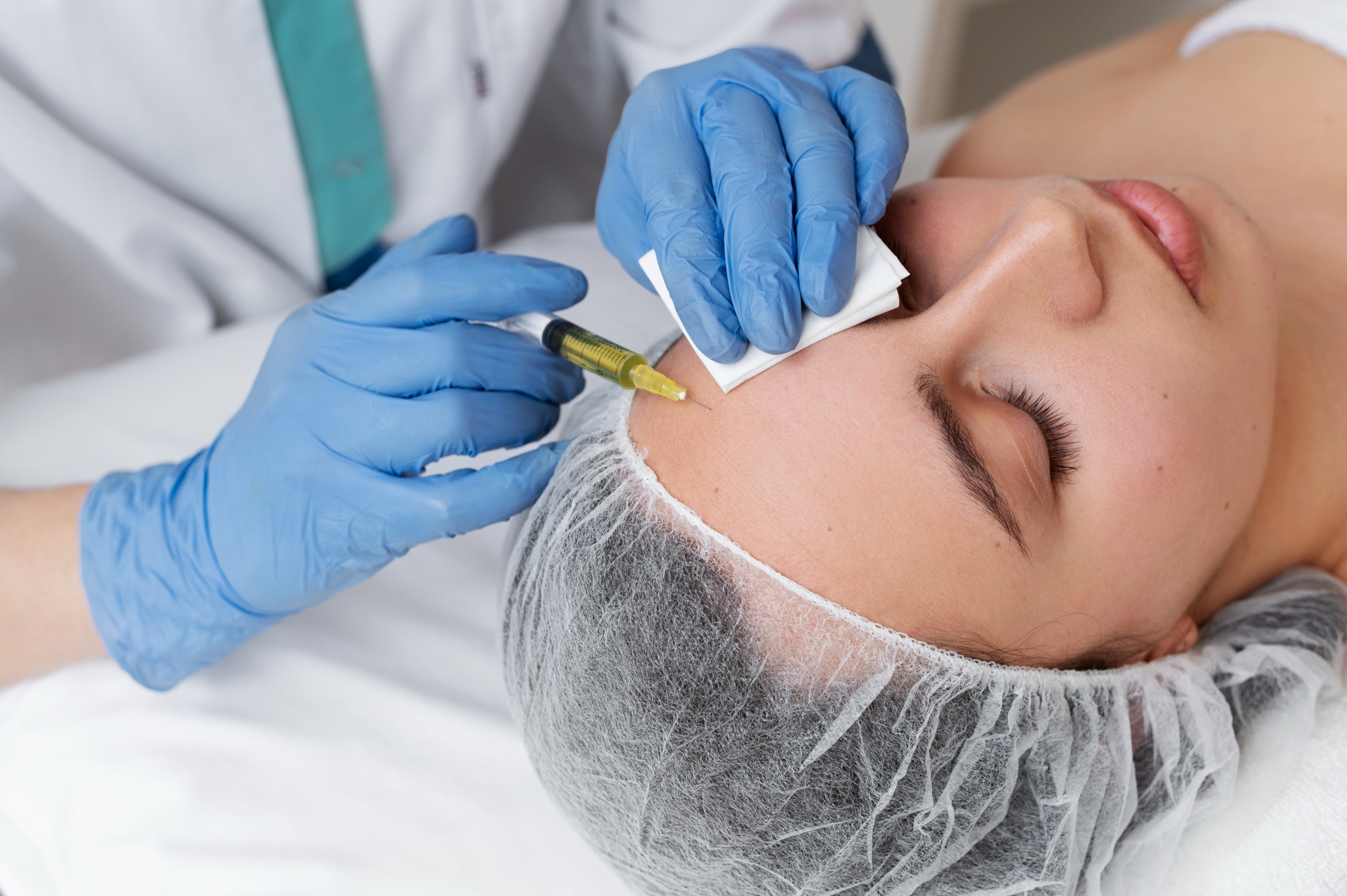
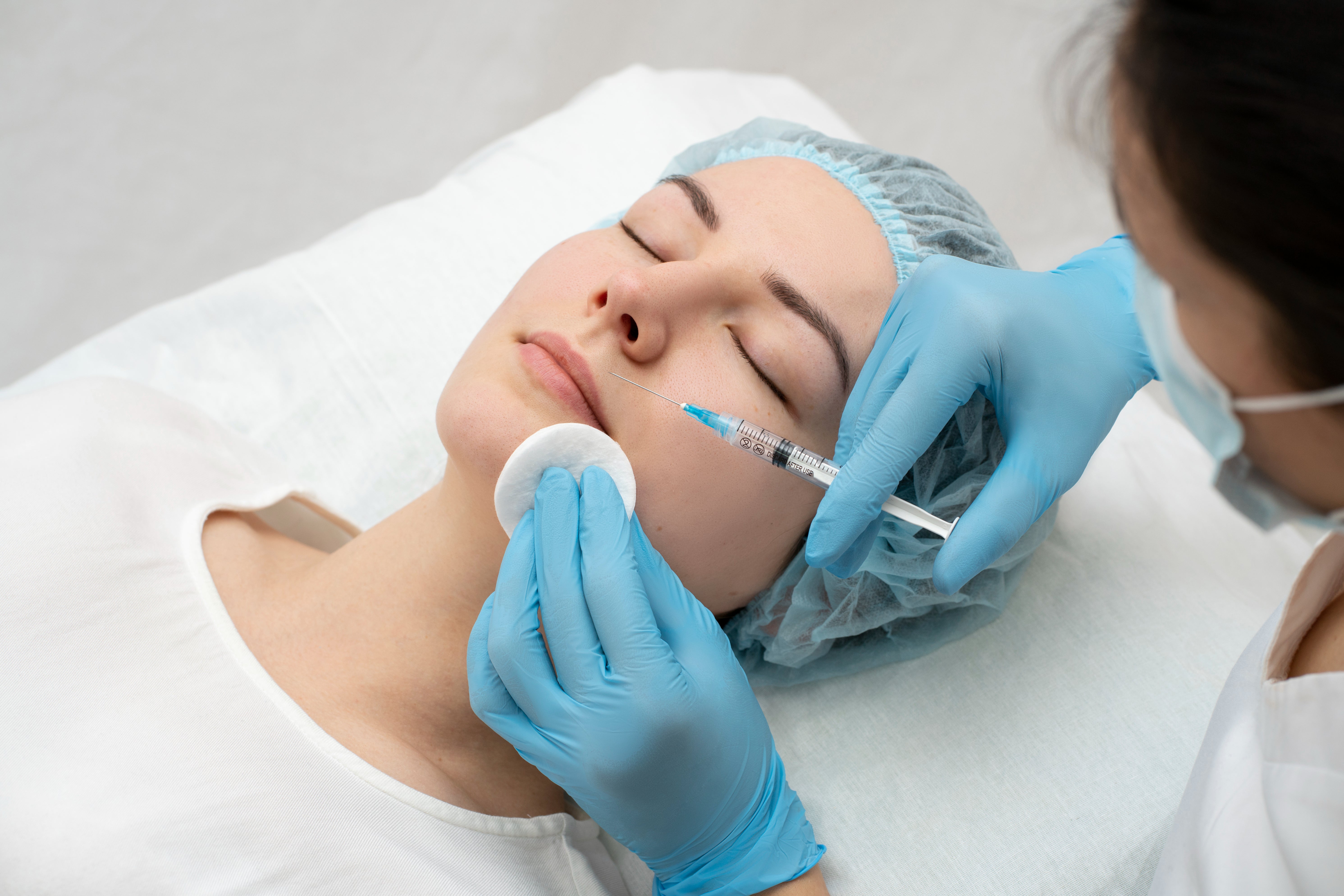
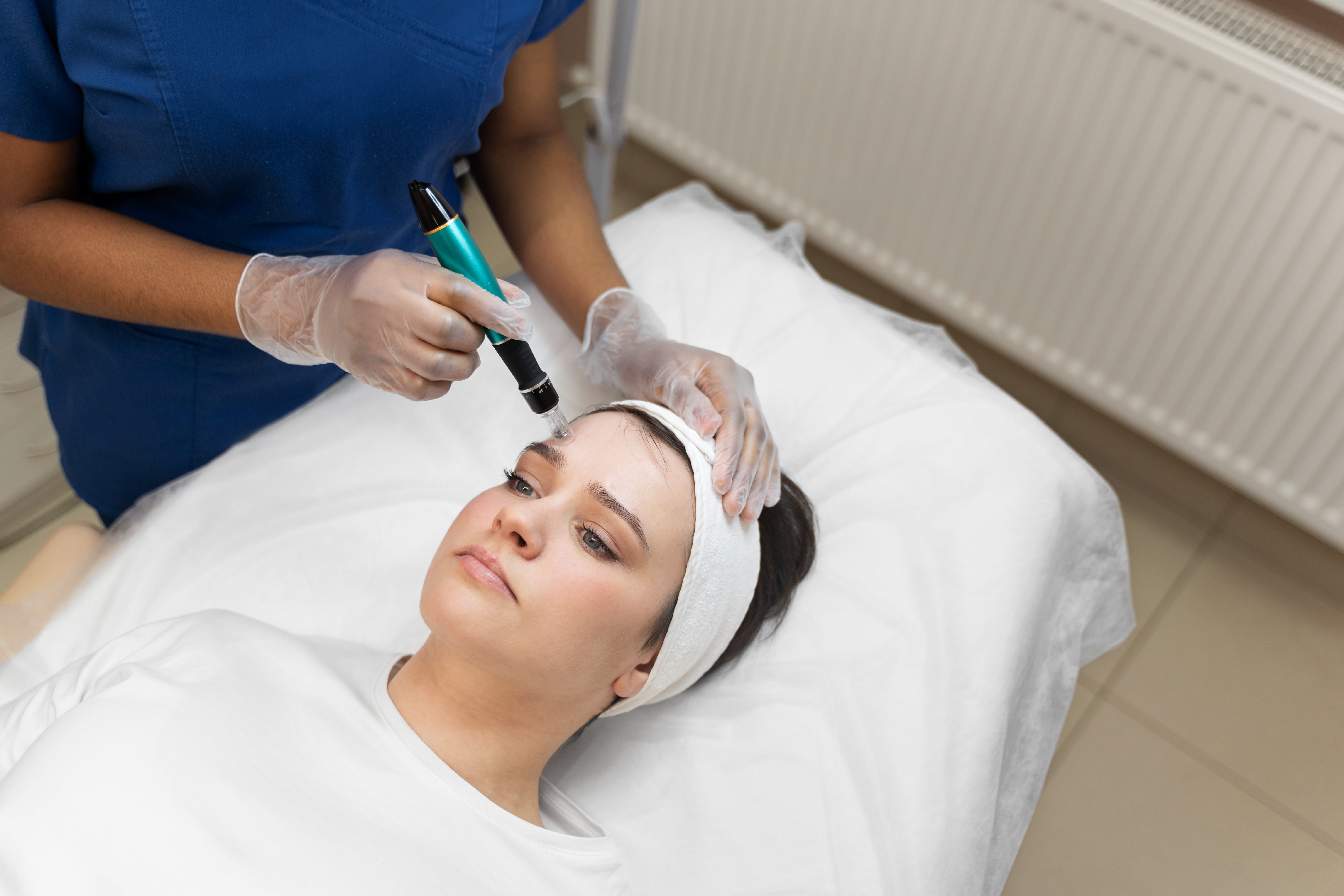
Concentrated growth factors improve follicle signalling and stimulate dormant follicles. Best for early androgenetic alopecia and telogen effluvium.
GFC — advanced, purified growth factors with higher potency than PRP. Excellent for severe thinning.
Severe thinningIntralesional corticosteroids placed directly into the patch to reduce the autoimmune attack on the follicle.
AutoimmuneMinoxidil, proven to prolong the anagen phase, with peptide serums and anti-inflammatory scalp solutions.
Daily useFinasteride or dutasteride for DHT blocking in men, anti-androgens such as spironolactone for women, plus test-based supplementation.
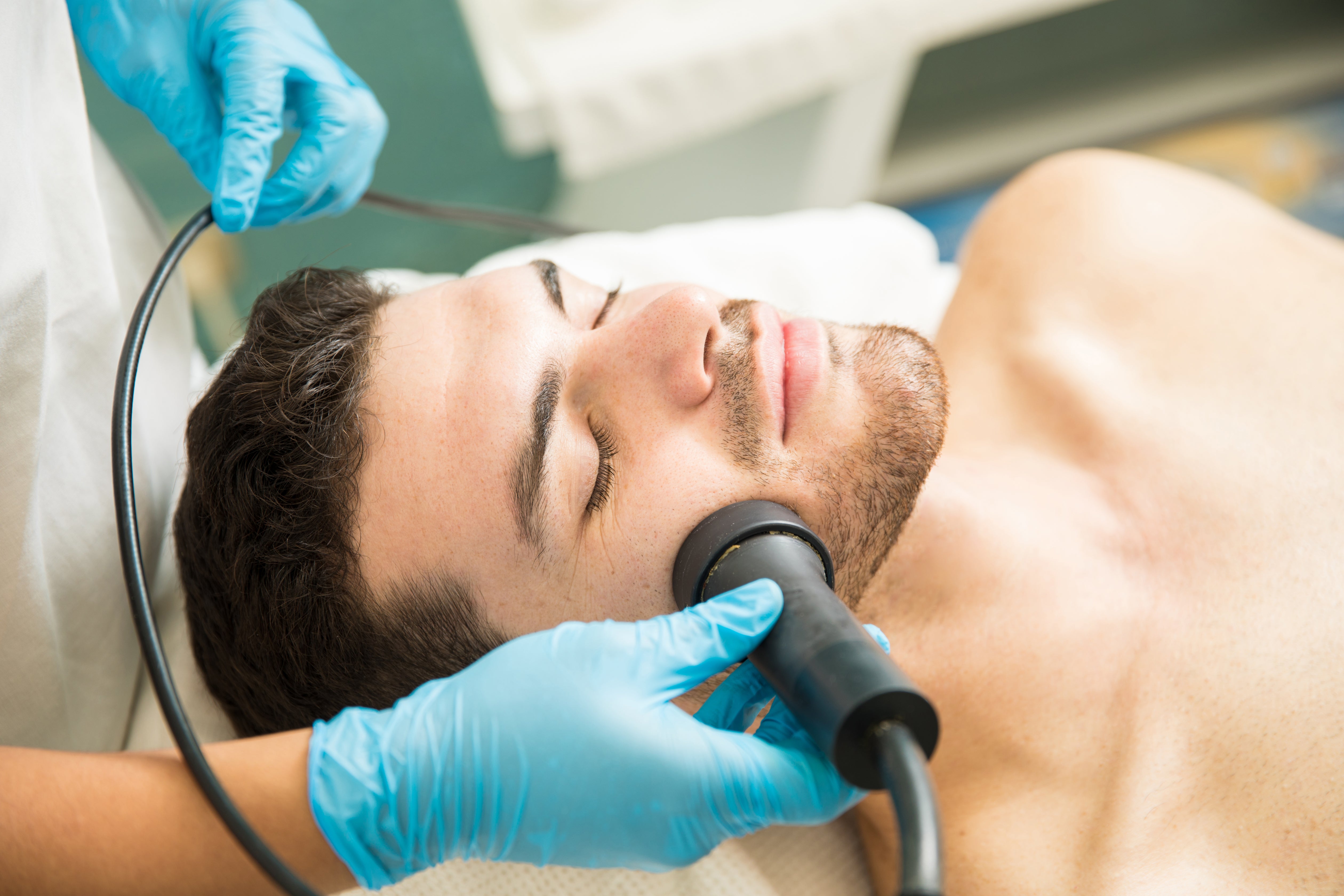
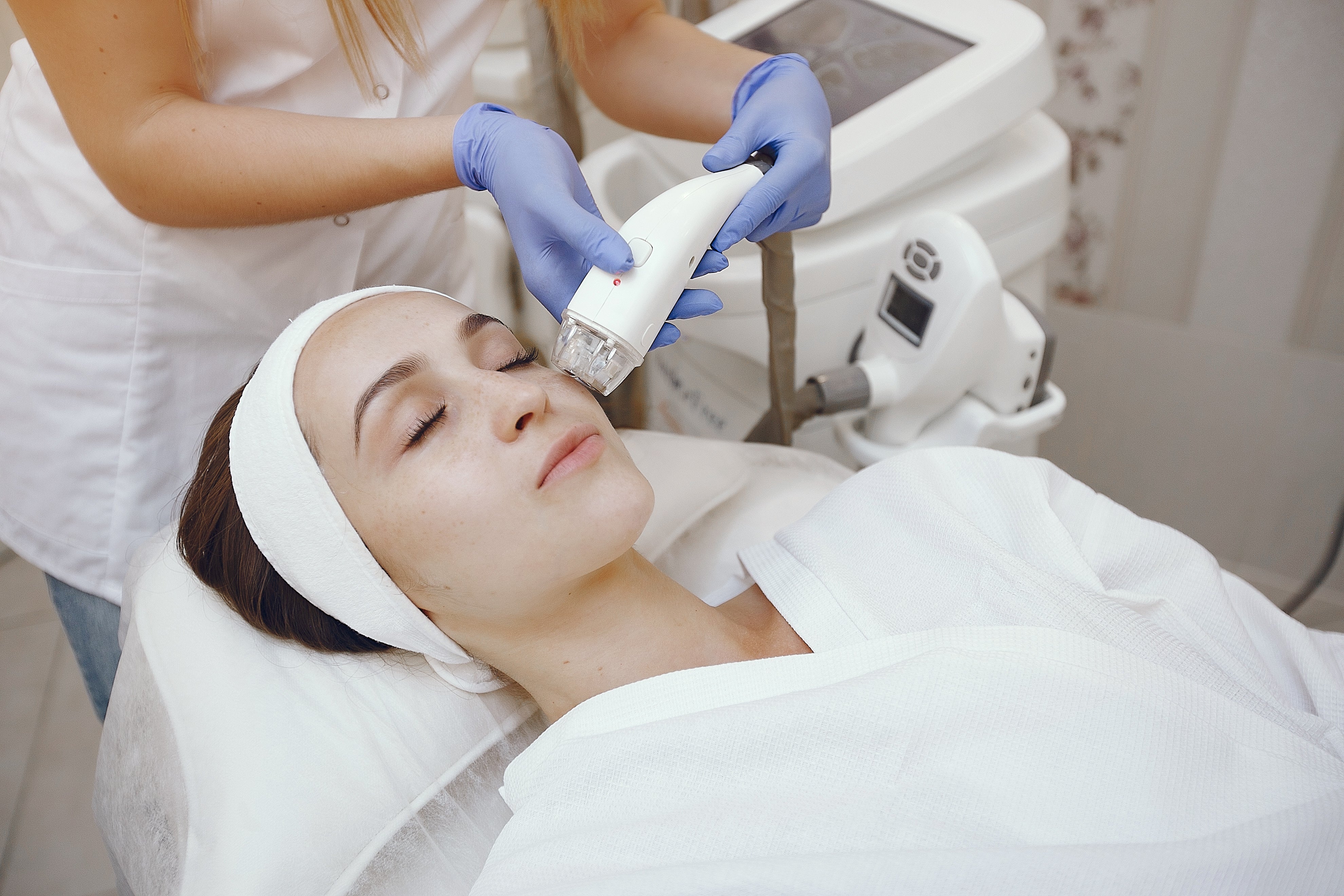
PrescriptionLLLT improves follicular blood flow, reduces inflammation and enhances overall hair density.
In-clinicFor advanced male pattern baldness with depleted follicles, we guide you towards ethical, scientific transplant options.
When indicatedFormulated for your scalp, not off the shelf.
Prognosis · 09
Hair regrowth is a slow biological process. Here is the outcome you can reasonably expect, by type.
Excellent outcomes when the mechanism is caught before significant miniaturisation.
Often fully reversible once the underlying trigger is identified and corrected.
Manageable, not curable. Requires ongoing maintenance to hold the gains.
Needs urgent treatment to prevent permanent, irreversible loss of the follicle.
Why Allodermis
We avoid product overload. Every prescription has a purpose and clinical evidence behind it.
We don't just treat shedding. We target hormones, nutrition, inflammation, stress and the scalp environment.
Highly specialised doctors trained in both medical and procedural trichology.
USFDA-approved technologies. No myths, no quick fixes, no commercial hair packages.
Hair health is scalp plus hormones plus lifestyle plus nutrition — treated as one ecosystem.
Results
Documented outcomes across the three presentations we treat most often, each with its own timeline.
Developer note: add 6–8 images with timelines — TE reversal, male pattern improvement, female diffuse thinning. Replace each placeholder slot with the real image and keep the timeline caption.
Questions
It depends on the cause.
Yes. It uses your own blood, so side effects are minimal.
Eight to sixteen weeks for visible regrowth, with the full response over six to twelve months.
Absolutely. Dermatologist-monitored formulations are safe and effective for women.
Not always. Early diagnosis is the deciding factor.
Start Here
A healthier scalp begins with an honest medical diagnosis. Book your AIIMS MD trichology consultation today.
Book your consultation →Evidence
This page is for general education and does not replace an in-person medical consultation. Diagnosis, medication and procedure suitability are determined by a qualified dermatologist after individual assessment.