








Pimple–Acne–Scar Treatment at Allodermis
Where Clear Skin Begins with Understanding — Not Guesswork.
Book Your Consultation
AIIMS MD Dermatologists · Root Cause Dermatology
Or call 📞 9717503031
Acne & Acne Scars: A Skin Condition That Deserves Science — Not Stigma
Acne affects 200–300 million people in India, yet most treatments focus only on “controlling pimples,” not understanding why the acne is happening.
At Allodermis, we follow a Root Cause Dermatology Protocol to diagnose:
- Why your acne started
- Why it keeps recurring
- Why it leads to marks or scars
- What your skin barrier needs to heal
- What internal factors (hormones, stress, lifestyle) are driving flares
Because clear skin is not created by quick fixes — it is created by understanding.
🔬 What Exactly Is Acne? The Science Behind Breakouts
Acne is a chronic inflammatory skin condition driven by:
- Excess sebum (oil production)
- Clogged pores due to dead skin cell buildup
- C. acnes bacterial overgrowth
- Hormonal fluctuations
- Inflammation & barrier impairment
This leads to:
- Whiteheads
- Blackheads
- Papules
- Pustules
- Nodules
- Cysts
- Pigmentation (PIH)
- Permanent scars
Acne is NOT caused by dirt. It is a medical condition.
⚠️ The 4 Biological Mechanisms Behind Acne
Follicular Hyperkeratinisation
Pores get clogged due to excess dead skin buildup.
Sebum Overproduction
Triggered by hormones, stress, diet, and genetics.
Bacterial Overgrowth (C. acnes)
Blocked pores create anaerobic environments → inflammation.
Inflammation & Skin Barrier Damage
Leads to redness, pain, pigmentation, and early scarring.
Hormonal Acne — The Hardest to Control Without Medical Guidance
Common in:
🧫 Types of Acne We Treat
Non Inflammatory Acne
- Whiteheads
- Blackheads
Inflammatory Acne
- Papules
- Pustules
- Nodules
- Cysts
Post Acne Concerns
- Dark spots (PIH)
- Red marks (PIE)
- Uneven texture
- Scarring
🩸 Types of Acne Scars
Atrophic (Depressed) Scars
- Ice Pick Scars (deep, narrow)
- Boxcar Scars (sharp edges)
- Rolling Scars (wave like)
Hypertrophic or Keloid Scars
- Thick, raised scars with excess collagen buildup
Each scar needs a different treatment — one size fits all treatment NEVER works.
🔍 Allodermis 5 Step Root Cause Dermatology Protocol
We don’t begin with procedures. We begin with your story + your biology.
Personal & Health Assessment
Stress, sleep, diet, hormones, lifestyle, skincare routine, metabolic health.
AIIMS MD Dermatology Consultation
Severity grading, acne mapping, scar analysis, hormonal pattern evaluation.
Clinical Diagnosis Using Advanced Tools
- Dermoscopy
- Barrier function assessment
- Sebum analysis
- Scar morphology mapping
Relevant Tests (Only If Needed)
Hormones, PCOS markers, thyroid profile, nutrition markers.
Precision Treatment Plan
Minimal. Scientific. Tailored for your skin type and root cause.
✨ Advanced Acne & Scar Treatments (Evidence Based Only)
Medical Therapies
- Retinoids
- Anti inflammatory agents
- Oral + topical antibiotics (short duration)
- Hormonal therapy (for PCOS driven acne)
- Isotretinoin (safe & monitored)
Chemical Peels
For mild–moderate acne, pigmentation, clogged pores.
Comedone Extraction
Safe removal of whiteheads & blackheads (no scarring).
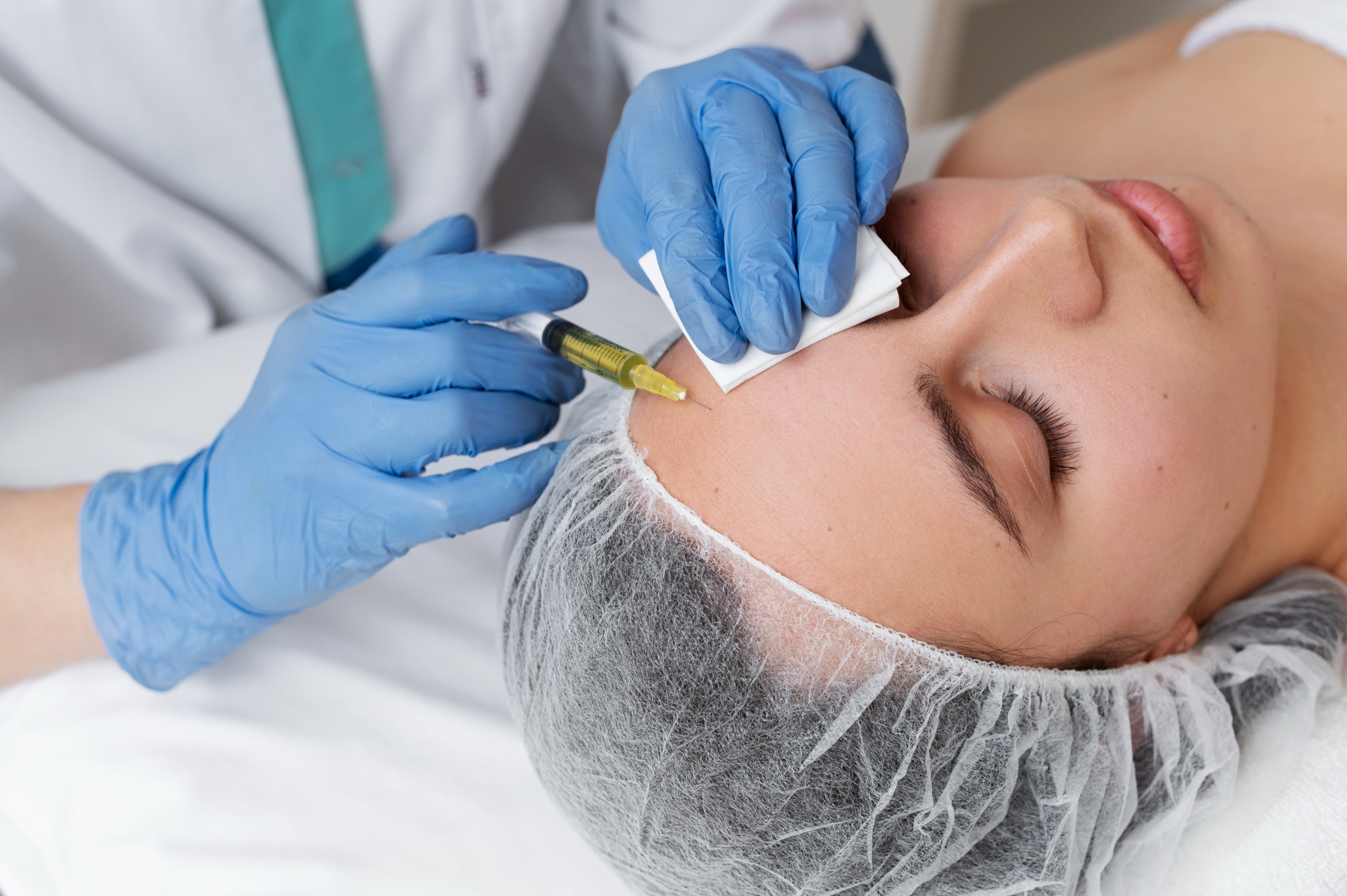
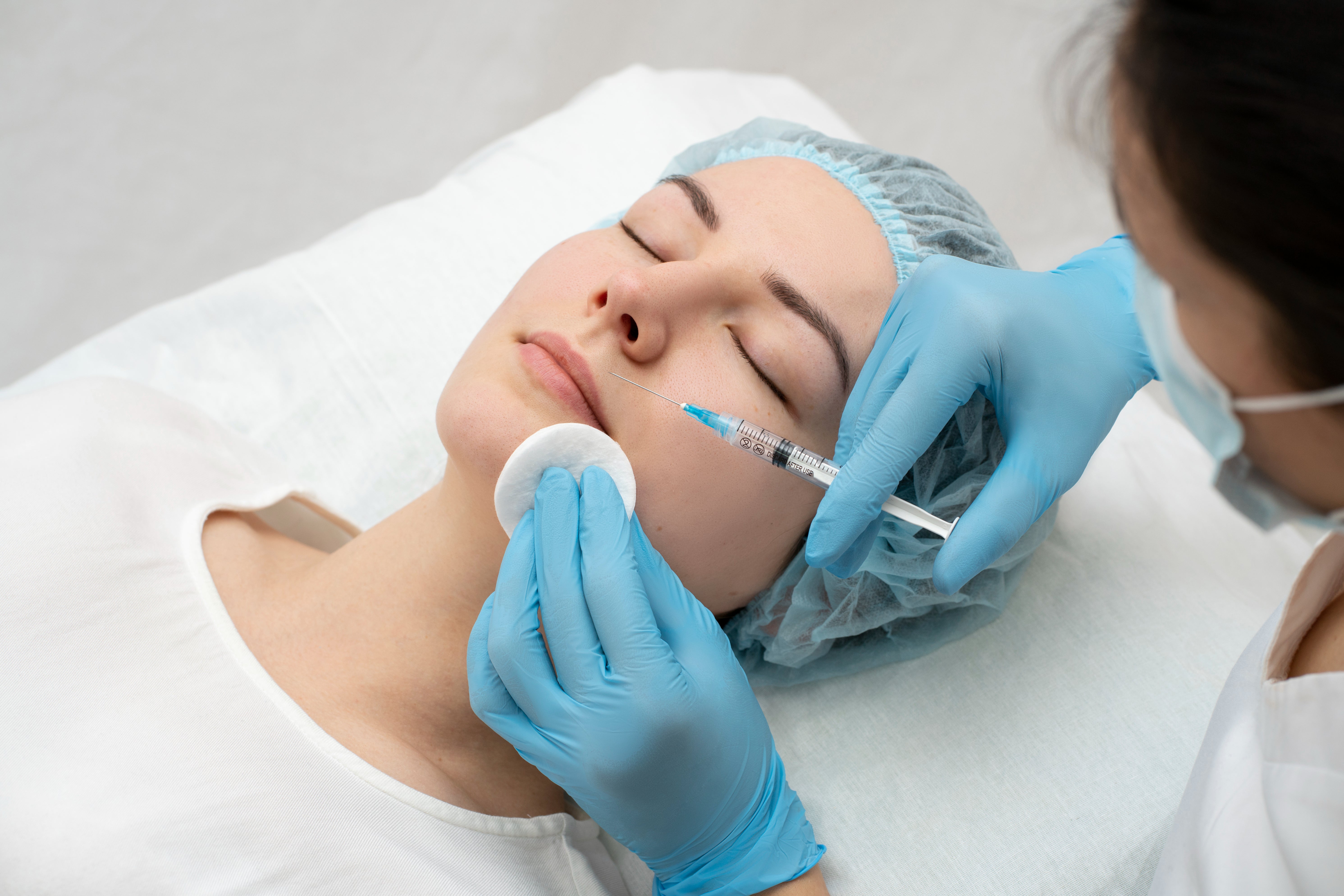
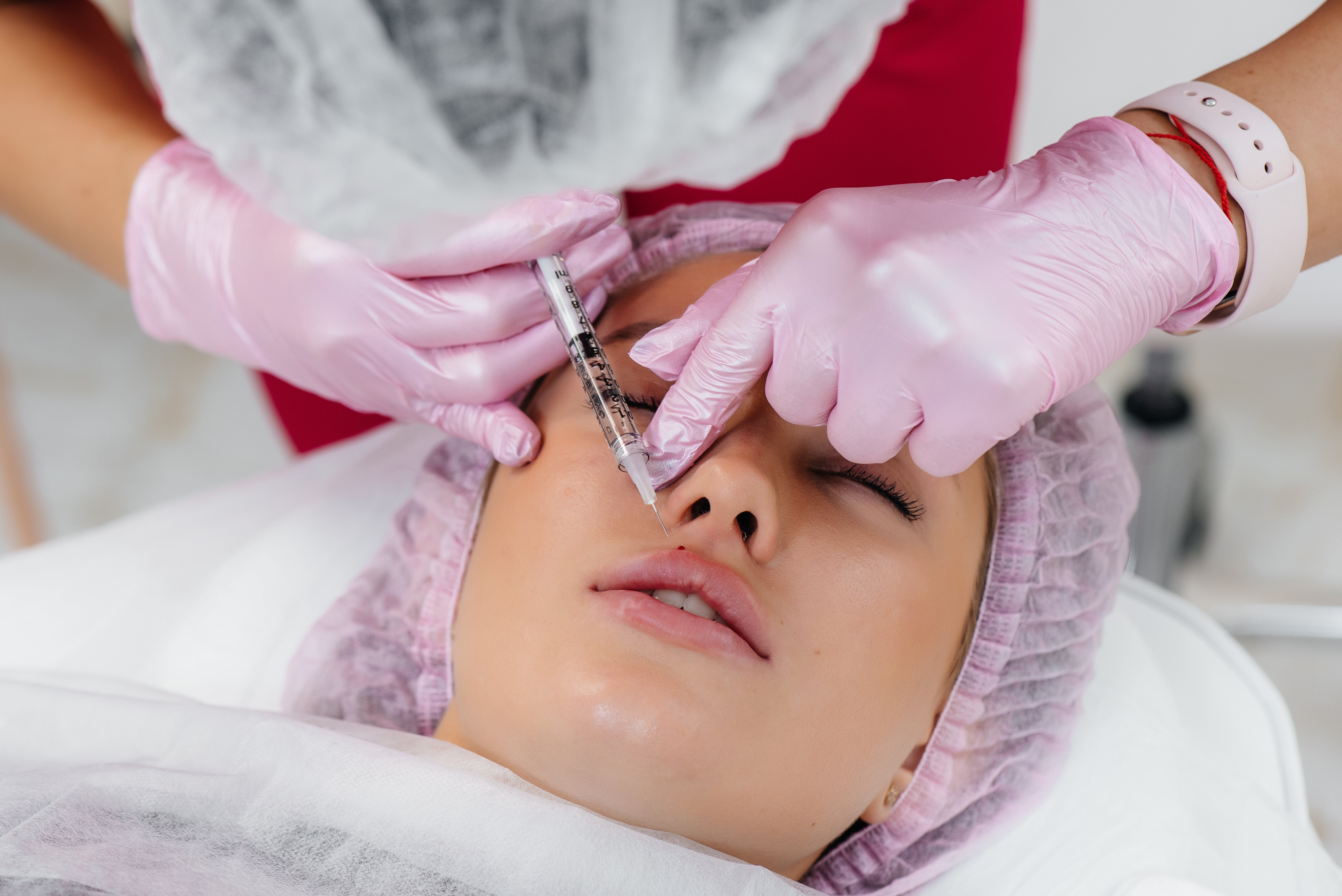
Intralesional Injections
Instant relief for big cysts or nodules.
Laser Acne Reduction
Targets bacteria + reduces inflammation.
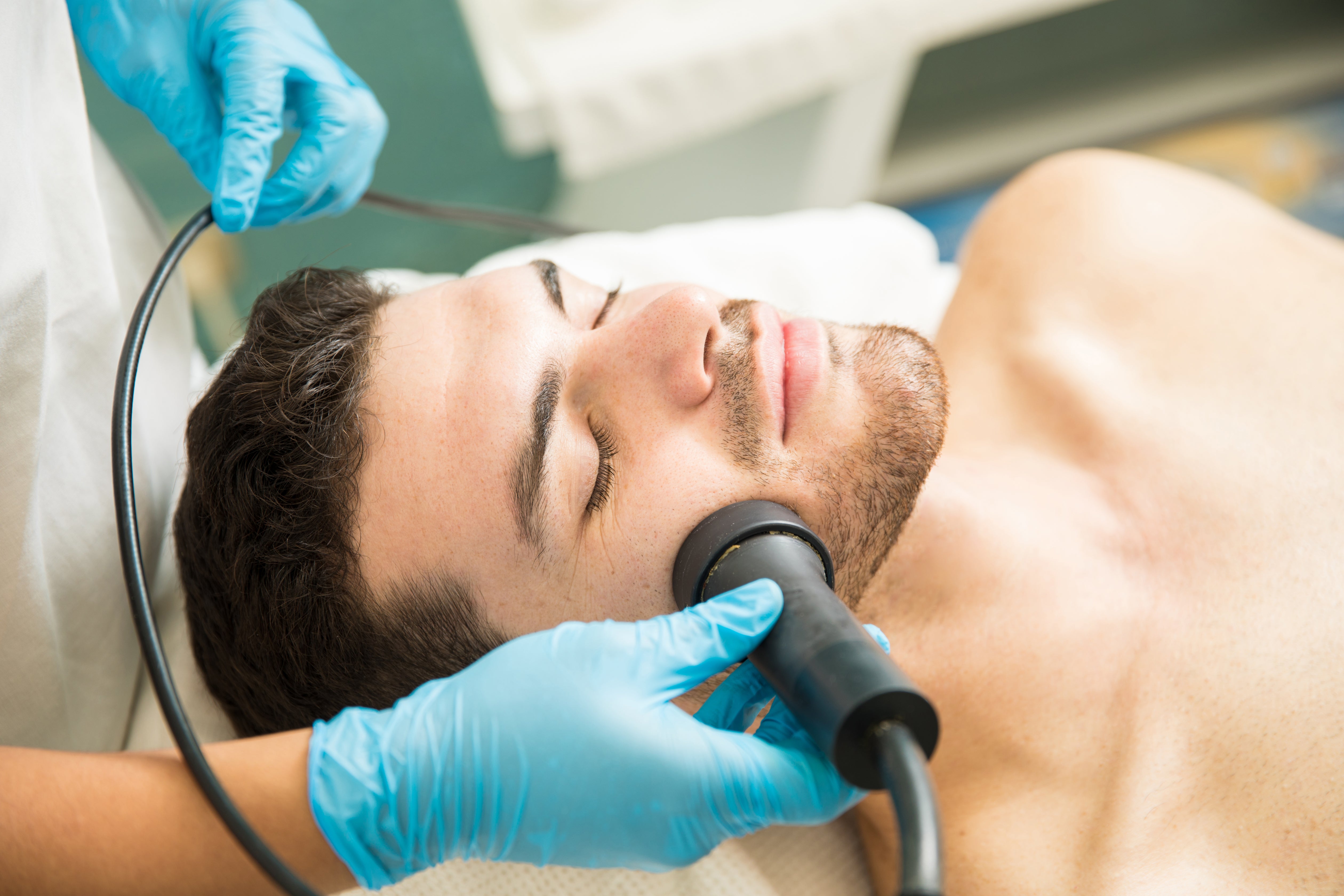
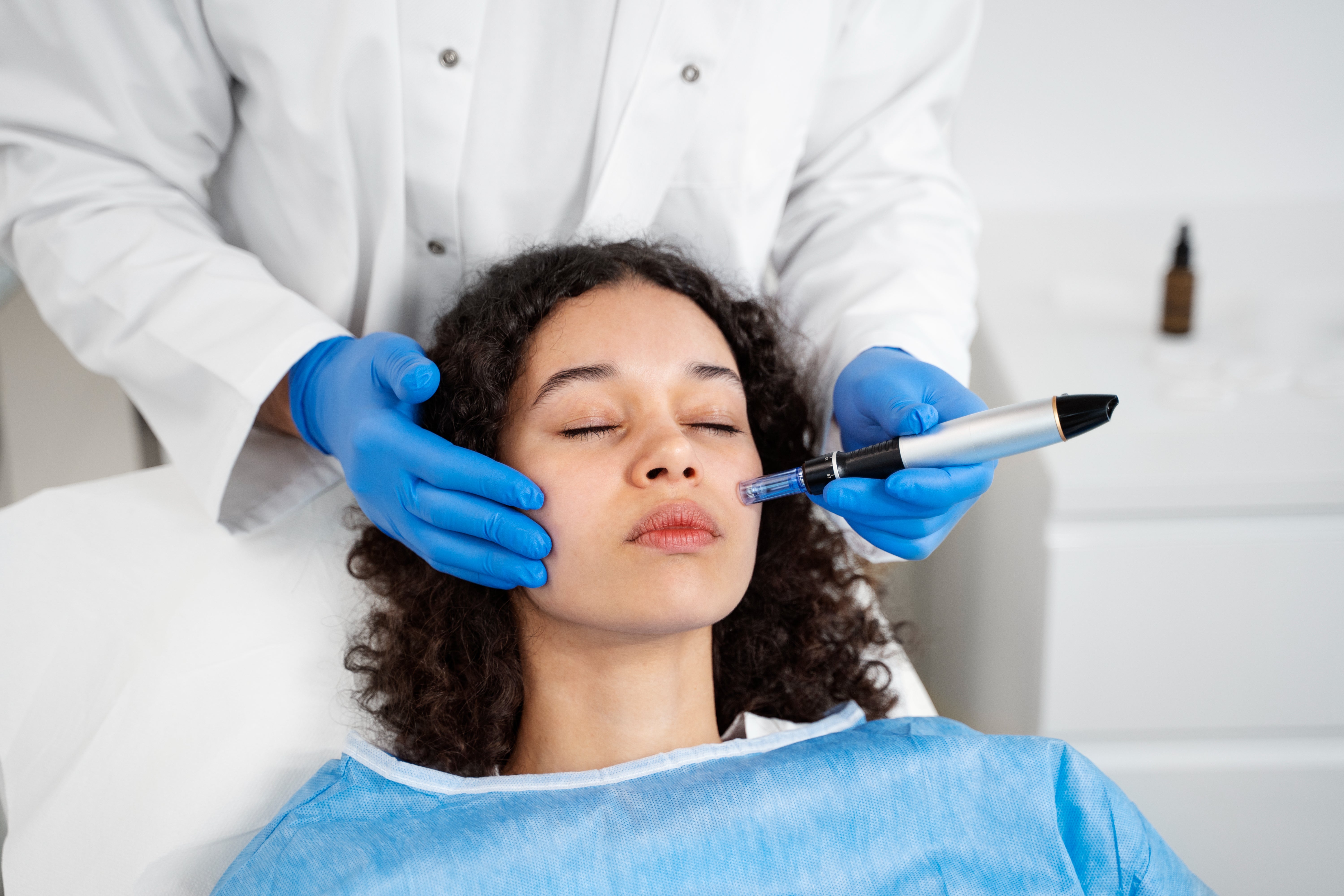
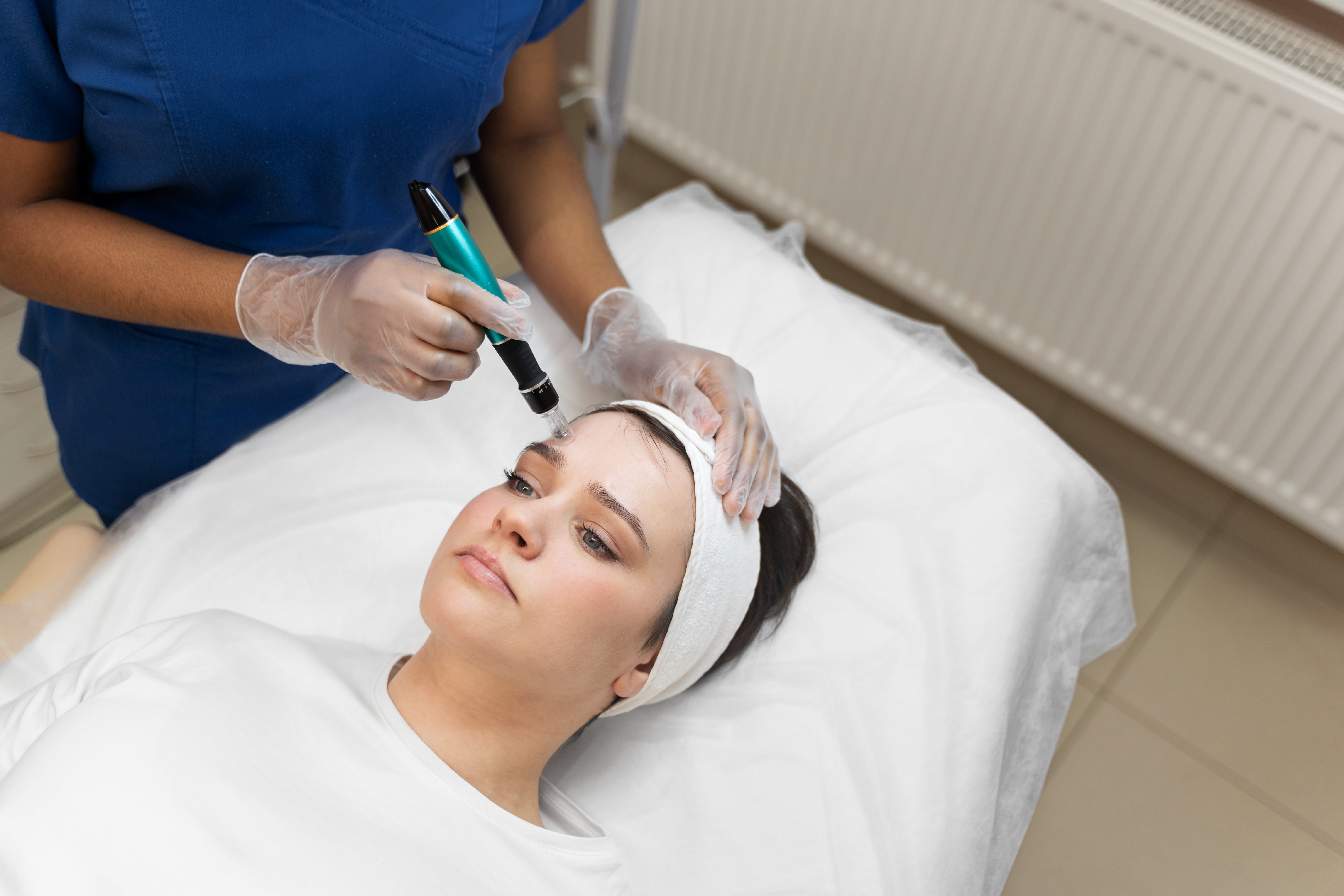
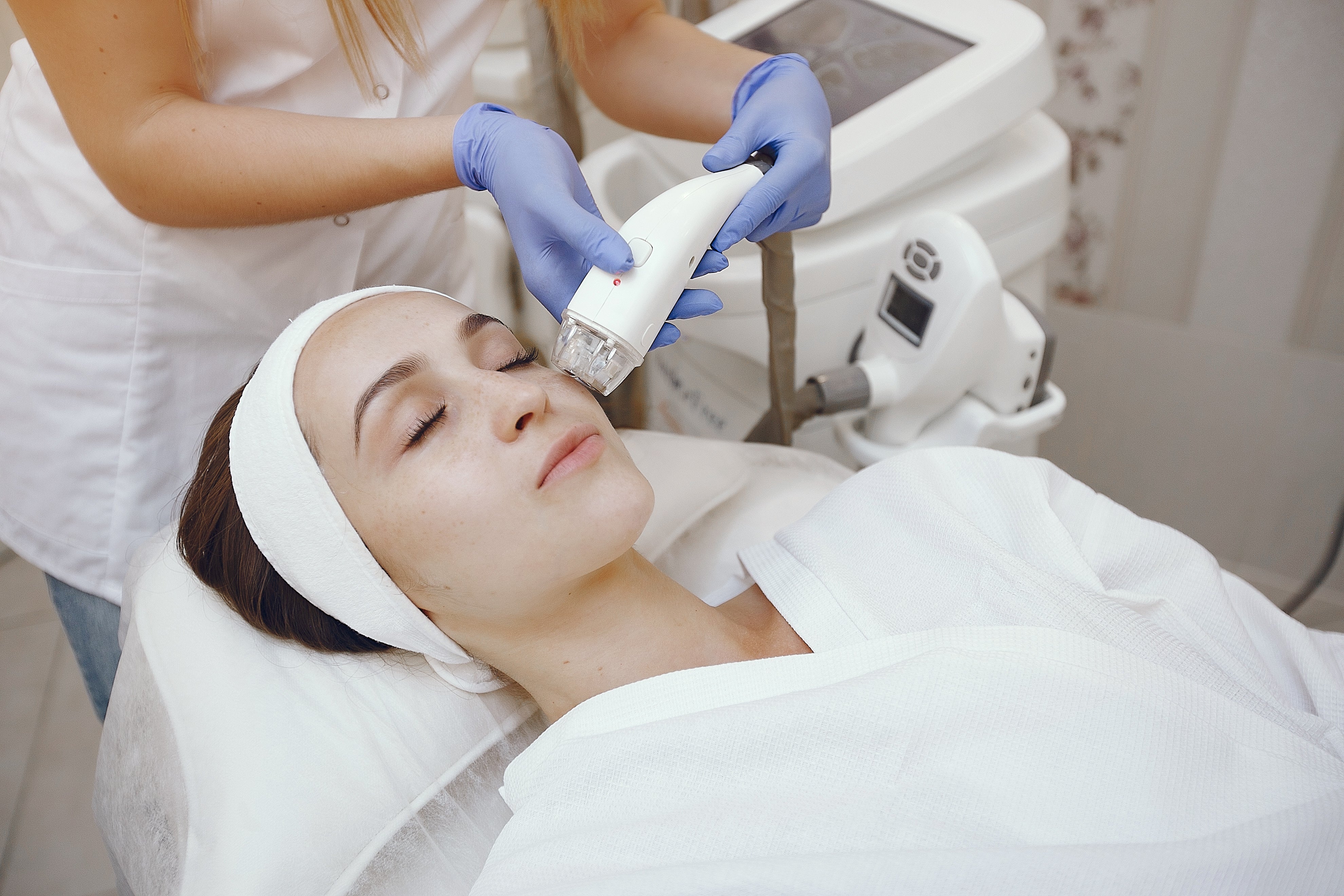
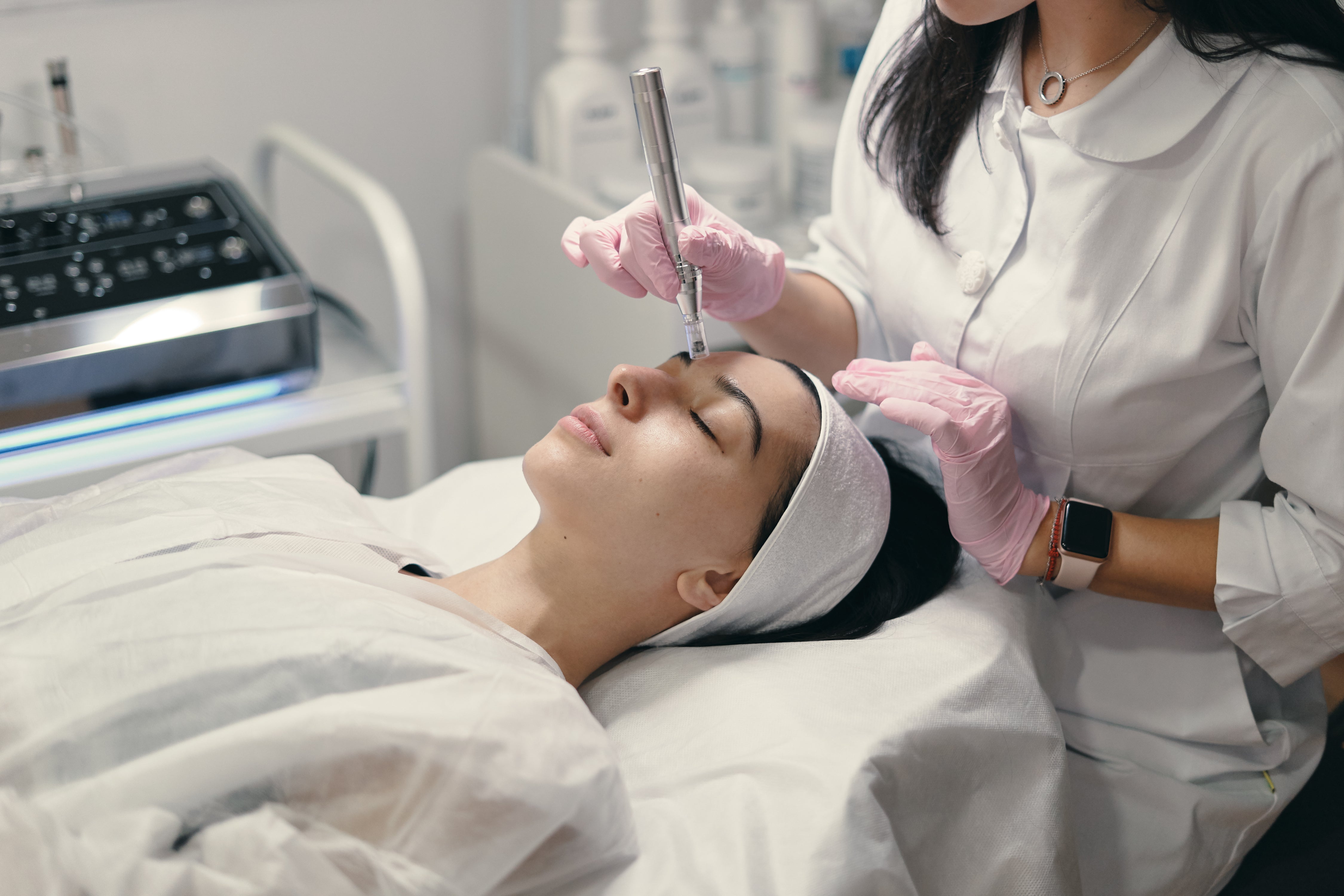
MNRF (Microneedling Radiofrequency)
Best for rolling scars, texture irregularities & collagen repair.
Fractional Laser Resurfacing
Corrects deeper scars with precision.
Subcision
Releases tethered scars from underneath — essential for rolling scars.
TCA CROSS
Gold standard for ice pick scars.
🔮 Results & Recovery Timeline
Acne Improvement
- Mild acne → 4–6 weeks
- Moderate acne → 8–12 weeks
- Severe/hormonal → 3–6 months
Acne Marks (PIH/PIE)
- Red marks → 2–4 sessions
- Dark marks → 3–6 sessions
Acne Scars
- Mild → 3–5 sessions
- Moderate → 5–8 sessions
- Severe → 6–10 sessions
Up to 90% improvement possible with combination therapy.
Why Choose Allodermis?
Science led & ethical care — built on Root Cause Dermatology.
Book Appointment →Right Products, Only When Needed
Minimalism backed by science — no product pushing.
Root Cause Diagnosis
We uncover WHY skin reacts — from hormones to stress to nutrition.
AIIMS Trained MD Dermatologists
Clinical expertise + compassionate care.
Science That Serves You
USFDA approved technologies only. No gimmicks. No pseudoscience.
Inside Out Wellness Approach
Skin, body, and lifestyle treated as one ecosystem.
🧠 Frequently Asked Questions
1. What causes acne?
Clogged pores, hormones, bacteria, inflammation, and barrier damage.
2. Can acne scars be removed completely?
No — but 70–90% improvement is possible.
3. Are chemical peels safe for acne?
Yes — when done medically, not at salons.
4. What is the best treatment for acne scars?
Combination therapy (subcision + MNRF + Laser + TCA CROSS).
5. How long does acne treatment take?
4–12 weeks depending on severity.
6. Is isotretinoin safe?
Absolutely — when prescribed & monitored.
7. Does stress cause acne?
Yes — cortisol increases sebum and inflammation.
8. Can I treat acne at home?
Home remedies often worsen acne and cause scarring.
And that begins here.
📚 Scientific References
- Elias PM. Skin Barrier Function. Current Allergy and Asthma Reports. 2008;8(4):299–305. https://pubmed.ncbi.nlm.nih.gov/18606081/
- Fisher GJ, Kang S, Varani J, et al. Mechanisms of Photoaging and Chronological Skin Aging. Archives of Dermatology. 2002;138(11):1462–1470. https://pubmed.ncbi.nlm.nih.gov/12437452/
- Krutmann J, Liu W, Li L, et al. Pollution and Skin: From Epidemiological and Mechanistic Studies to Clinical Implications. Journal of Dermatological Science. 2014;76(3):163–168. https://pubmed.ncbi.nlm.nih.gov/25278222/
- Rawlings AV, Harding CR. Moisturization and Skin Barrier Function. Dermatologic Therapy. 2004;17(Suppl 1):43–48. https://pubmed.ncbi.nlm.nih.gov/14728698/
- Zouboulis CC. The Skin as an Endocrine Organ. Dermato Endocrinology. 2009;1(5):250–252. https://pubmed.ncbi.nlm.nih.gov/20808511/
- Harding CR, Watkinson A, Rawlings AV, Scott IR. Dry Skin, Moisturization and Corneodesmolysis. International Journal of Cosmetic Science. 2000;22(1):21–52. https://pubmed.ncbi.nlm.nih.gov/18503538/