



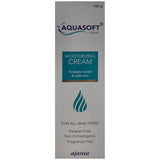
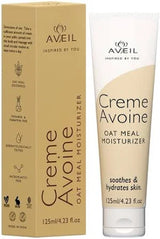


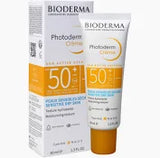







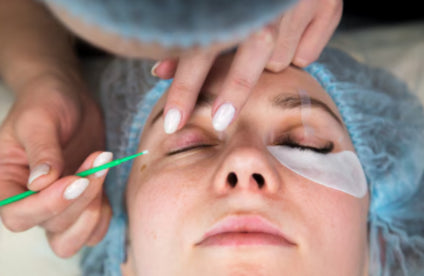

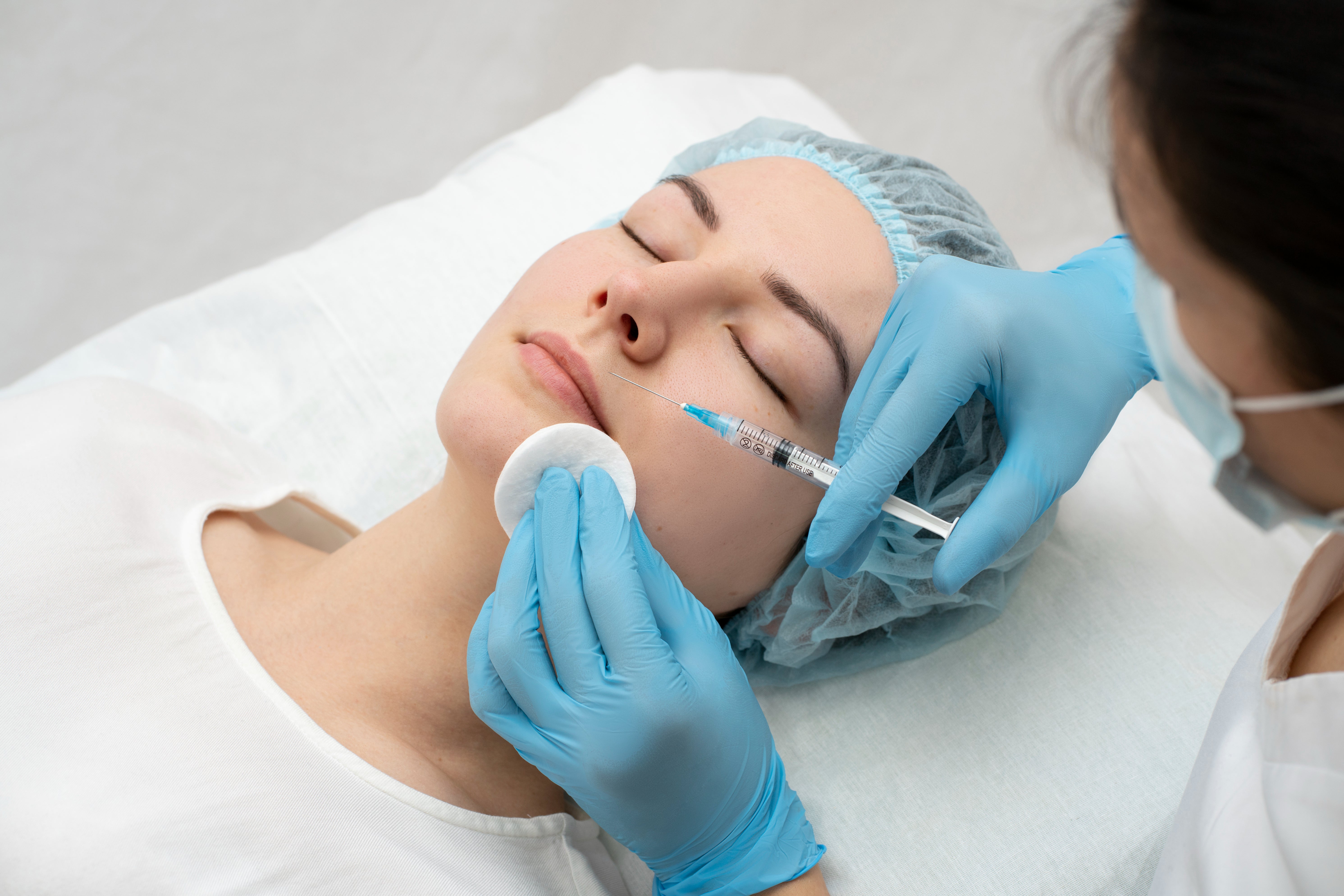
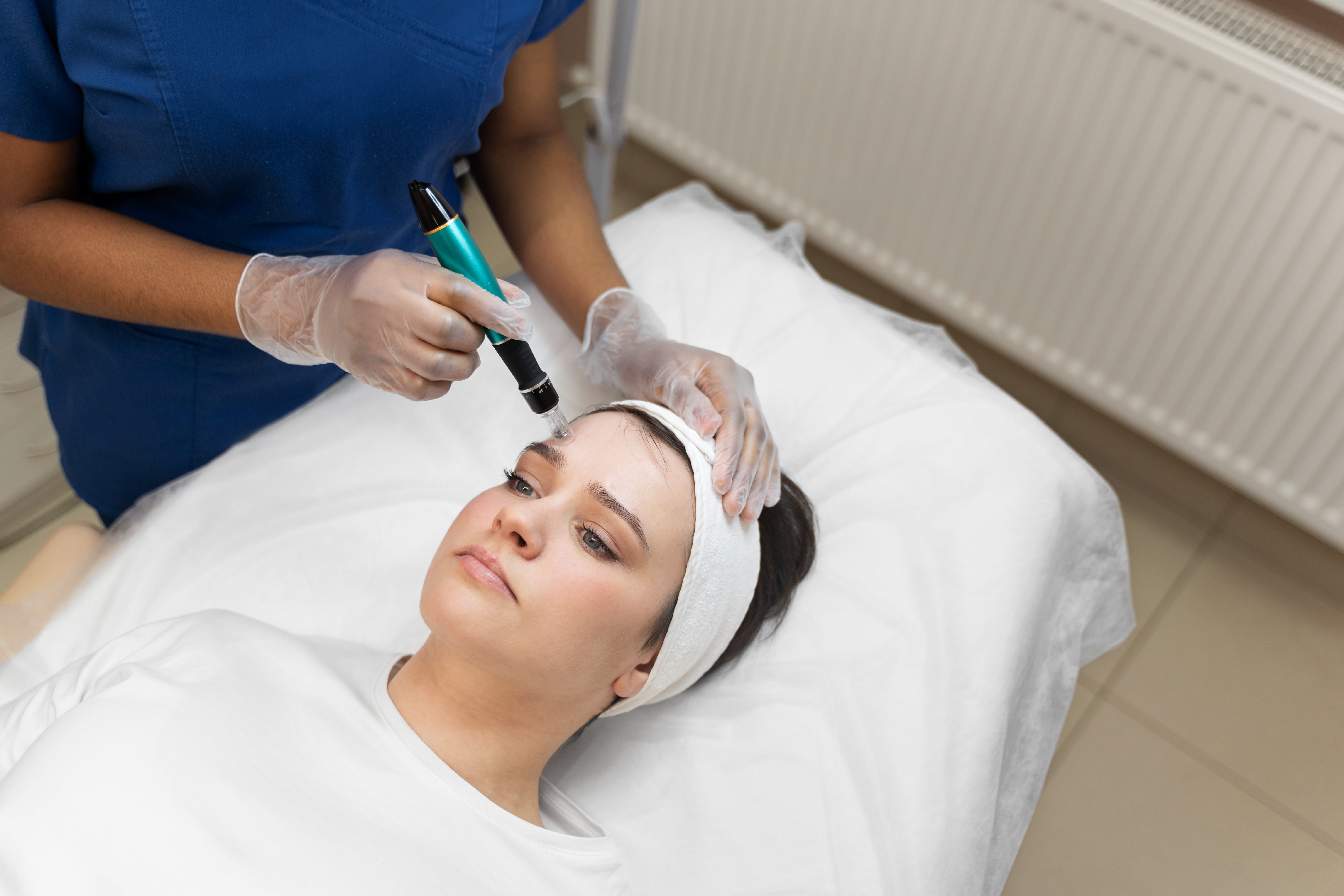

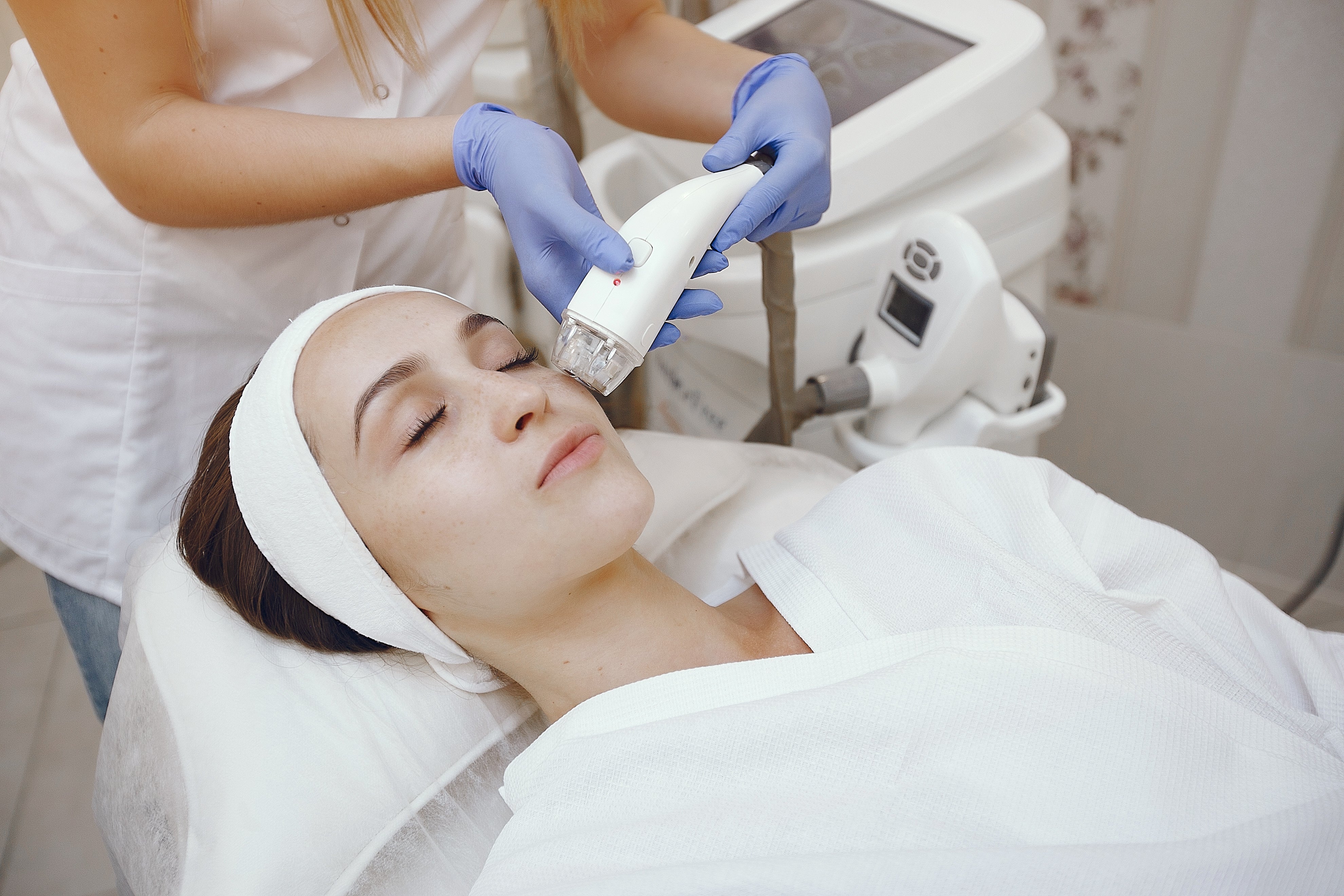





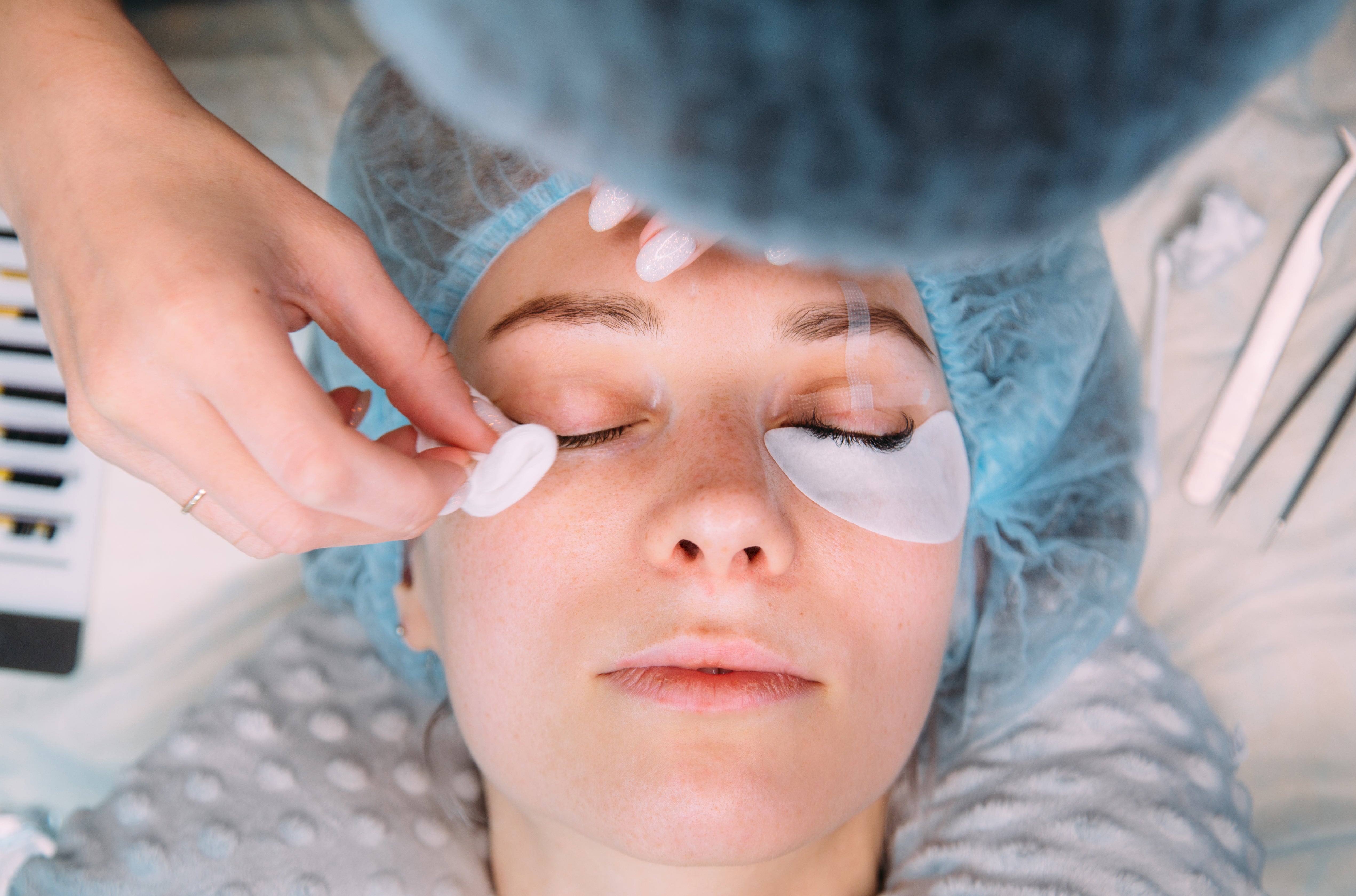

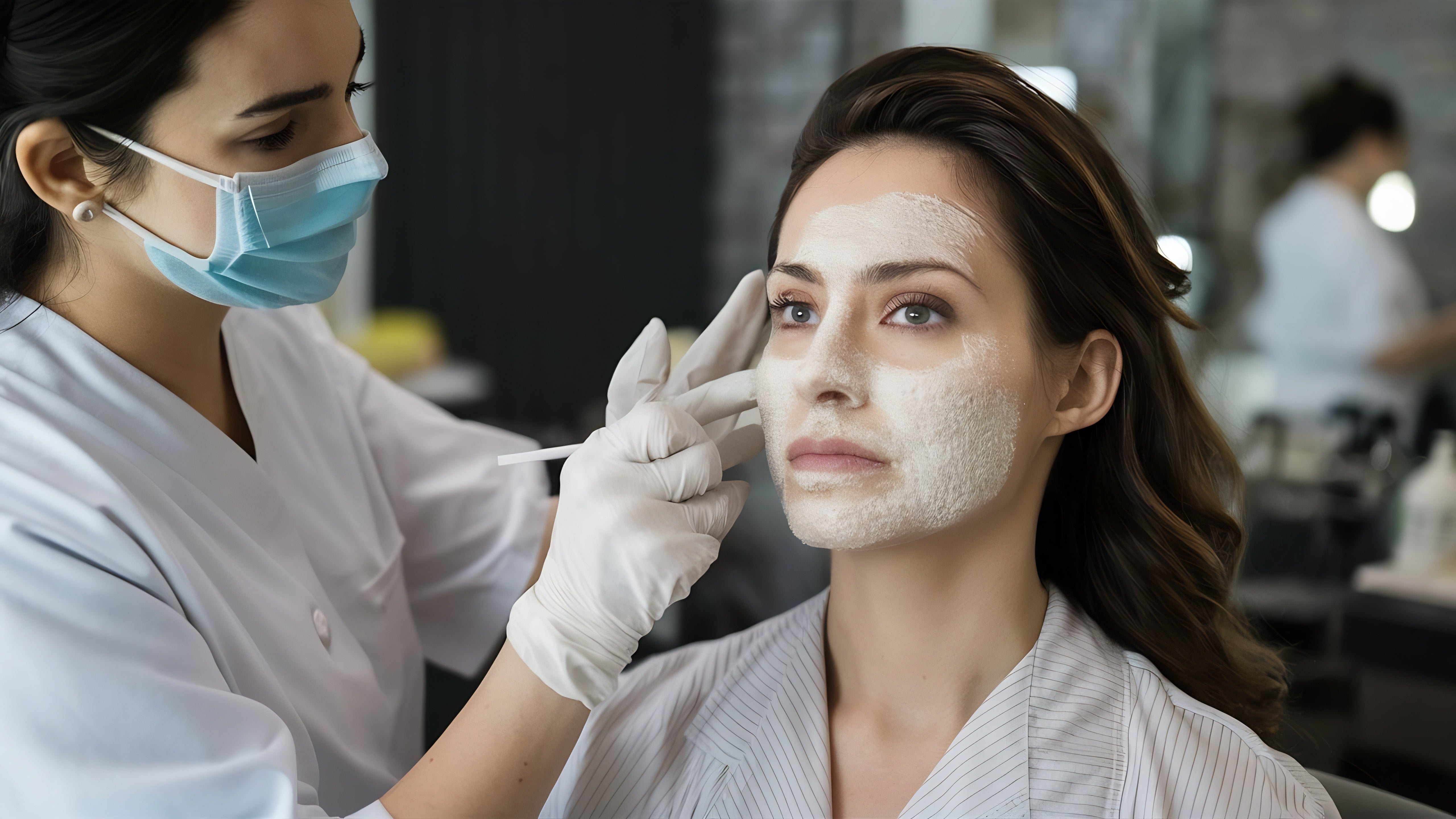










Four different problems. One tired look.
Periorbital hyperpigmentation isn't one condition — it's four, and each needs an entirely different treatment. Identifying which you have is the whole job.

A filler will do nothing for pigment. A laser will do nothing for hollowness.
Which is why the diagnosis comes first
What dark circles actually are
Dark circles occur when the under-eye area looks darker than the surrounding facial skin. They may appear brown, bluish, purple or simply shadowed — and that colour is your first clue to the cause.
Five distinct mechanisms can produce them, often in combination:
Increased melanin production
Visible underlying blood vessels
Shadowing from hollowness
Skin thinning due to aging
Puffiness casting a light-blocking shadow
The four true dermatological types
Colour and cause travel together. Getting this right decides whether treatment works — or wastes your time and money.
Vascular
Visible blood vessels showing through thin skin, worsened by poor circulation.
Pigmented
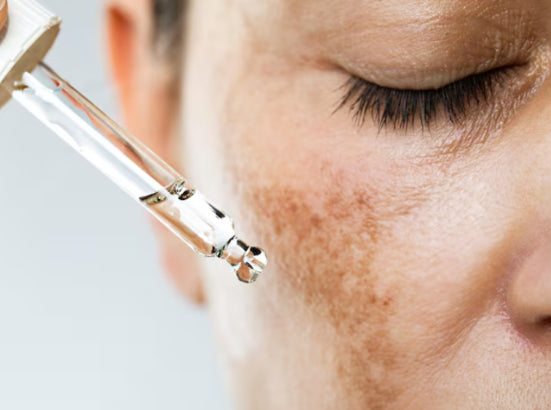
Melanin overproduction from sun exposure, genetics and repeated friction.
Structural
Tear trough hollowness and volume loss casting a shadow — not pigment at all.
Mixed
Pigment, vascular and structural factors together — the most common presentation.
What drives the discolouration
Usually multifactorial — most patients present with several of these acting together.
Irregular sleep & fatigue
The single most common lifestyle triggerStress, smoking & alcohol
All constrict vessels and worsen discolourationSun exposure
The under-eye area is thin and highly UV-sensitiveEye rubbing & allergies
Repeated friction darkens the skin over timeGenetic predisposition
Often runs in families, present from a young ageHormonal fluctuations
Pregnancy, thyroid and menstrual cyclesAging & collagen loss
Creates the hollowing that casts a shadowIron or vitamin B12 deficiency
Worth checking with bloodwork if persistentCertain medications
Some increase pigmentation or vascularityWhat you'll notice
Under-eye discolouration in brown, blue, purple or grey. Puffiness or swelling. A tear trough depression beneath the eye. Skin thinning or sagging, fine lines, and shadowing that appears under certain lighting but not others.

Six habits that actually help
Dermatologist-approved, and the foundation every treatment below builds on.
Do home remedies work?
Here is the honest split — what genuinely helps, and what needs a dermatologist.
Cold compress — reduces vascular congestion
HelpsHead elevation at night — reduces puffiness
HelpsGentle under-eye massage
HelpsCucumber slices — hydration only
MildPigment-based dark circles
Needs clinicStructural hollowness
Needs clinicGenetic or hormonal causes
Needs clinicChronic under-eye issues
Needs clinicHome remedies support treatment. They don't replace it.
Matched to your type
Each option treats a specific type. Note which one applies to you.
Chemical Peels
Specialised low-strength, under-eye-safe formulations improving pigmentation, texture and fine lines. Glycolic, lactic, mandelic or very controlled TCA.

Laser Therapy
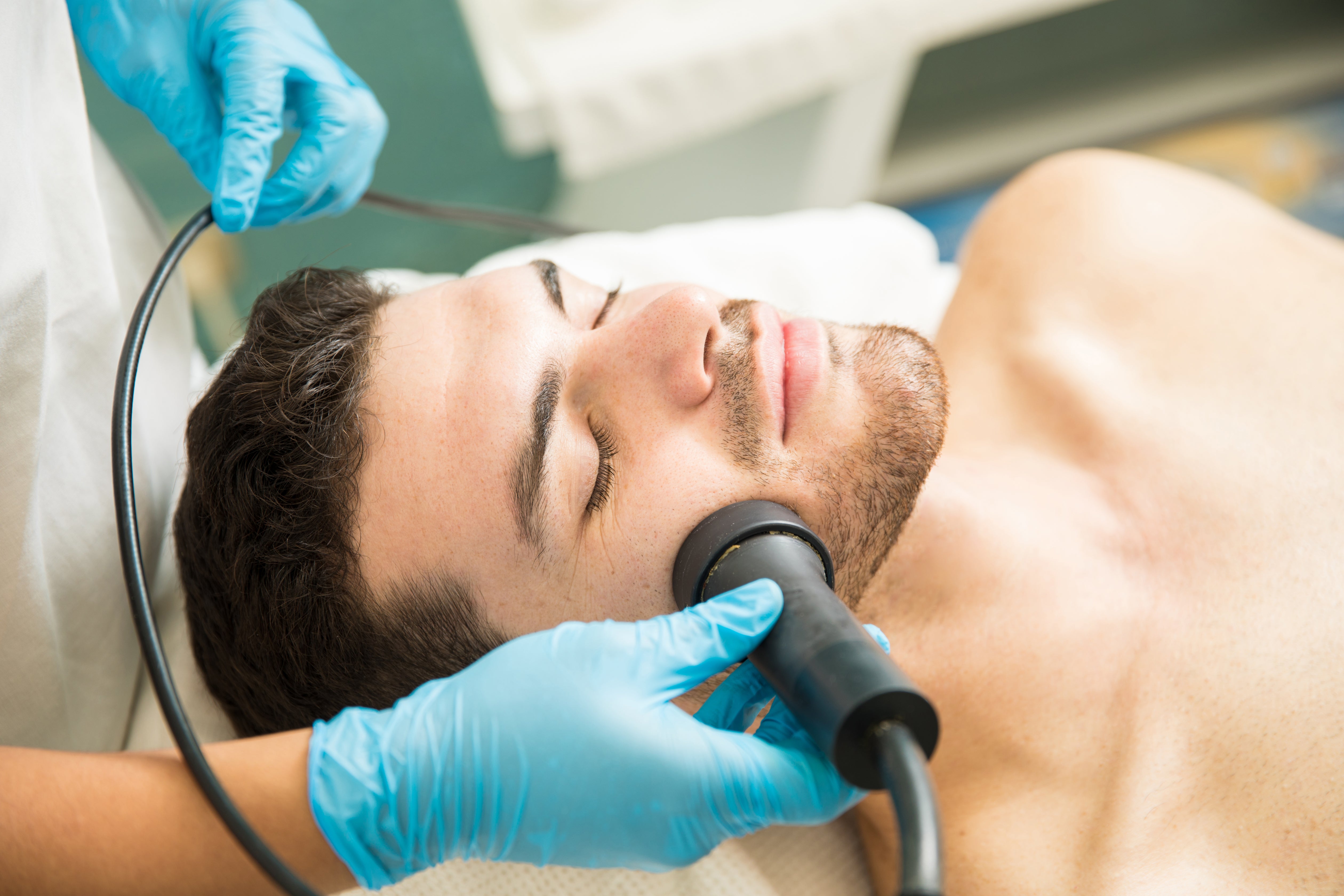
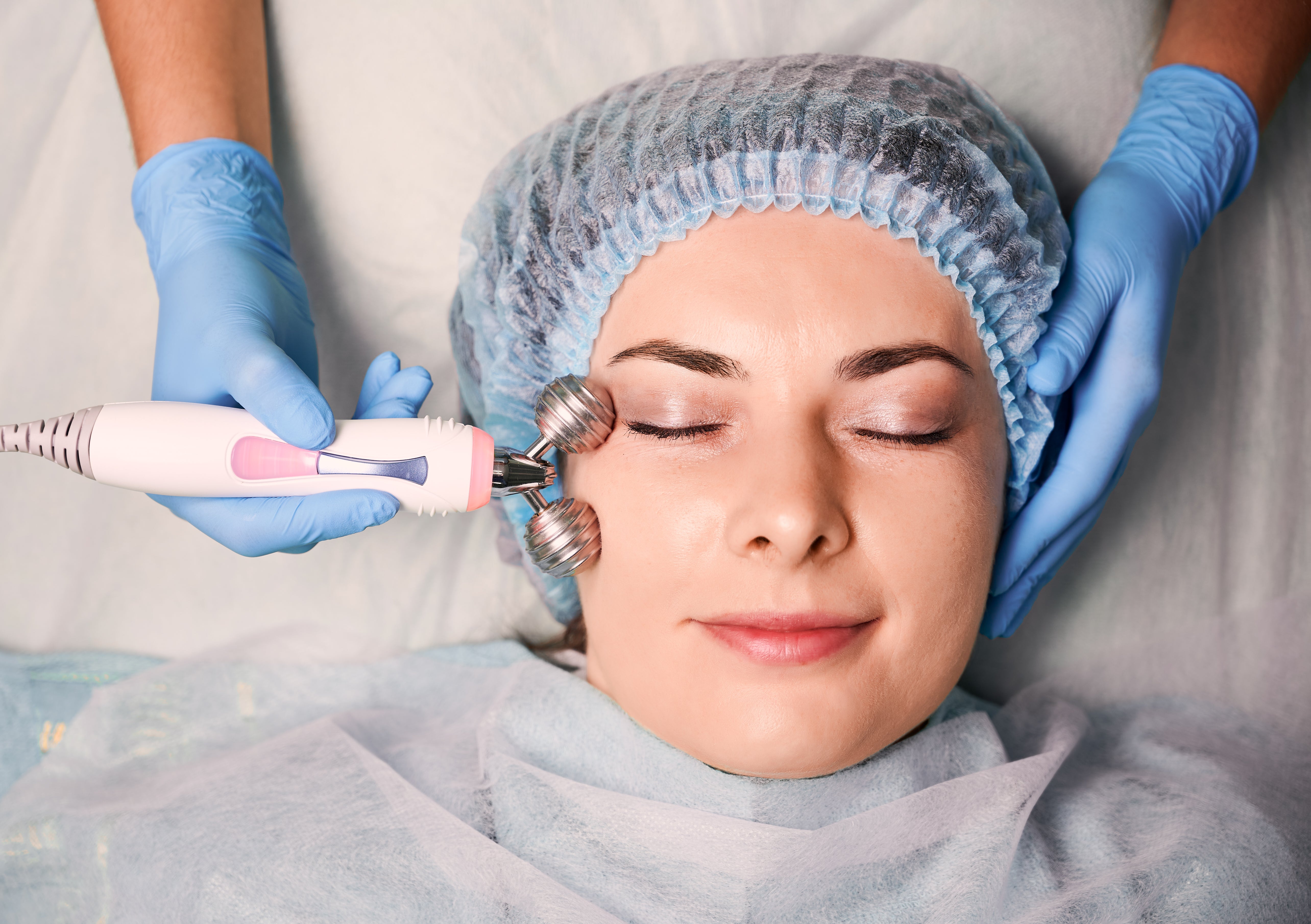
Q-Switched and non-ablative lasers targeting melanin, vascular congestion and skin tightening — performed only after type assessment.

Dermal Fillers
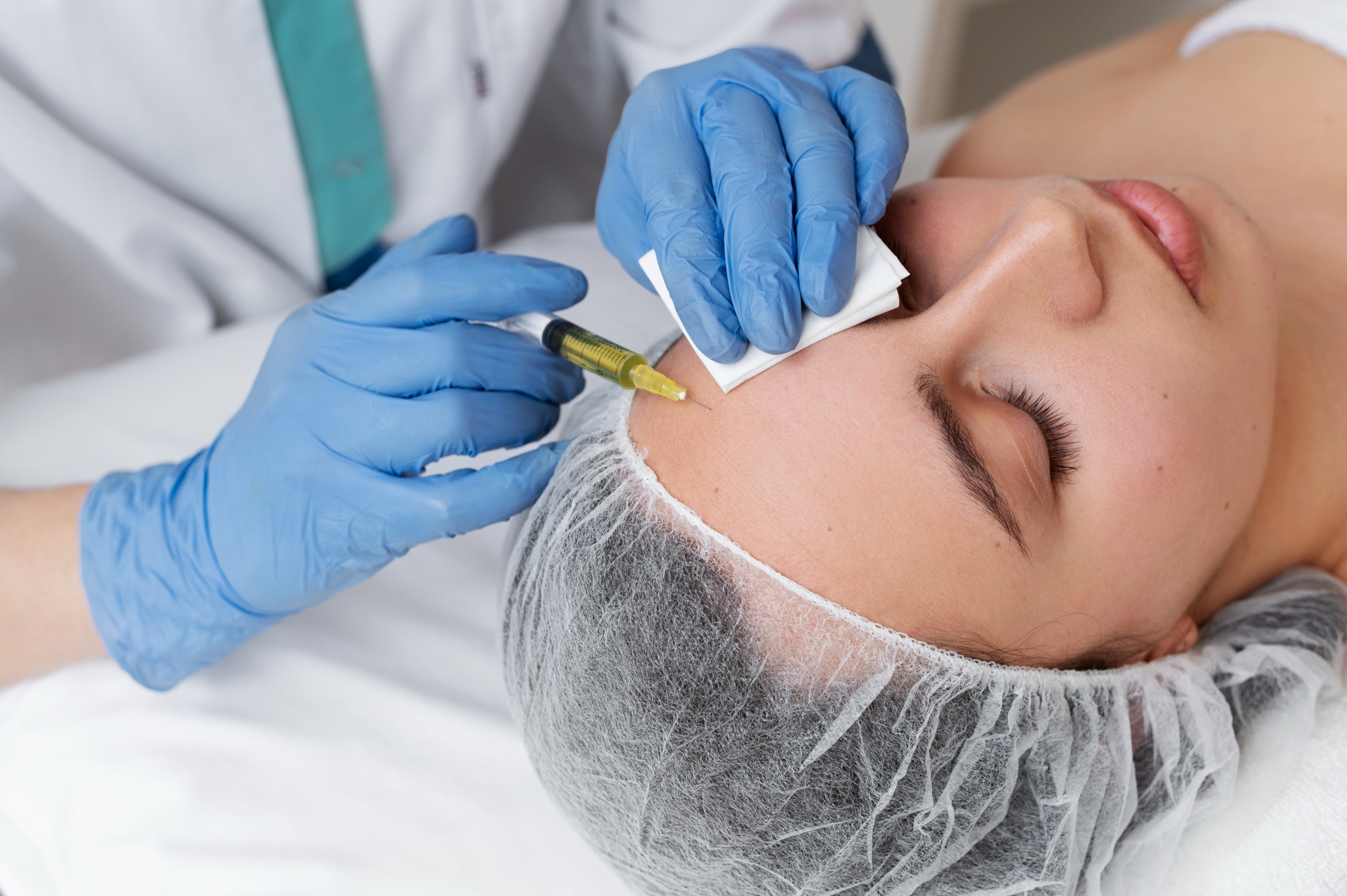
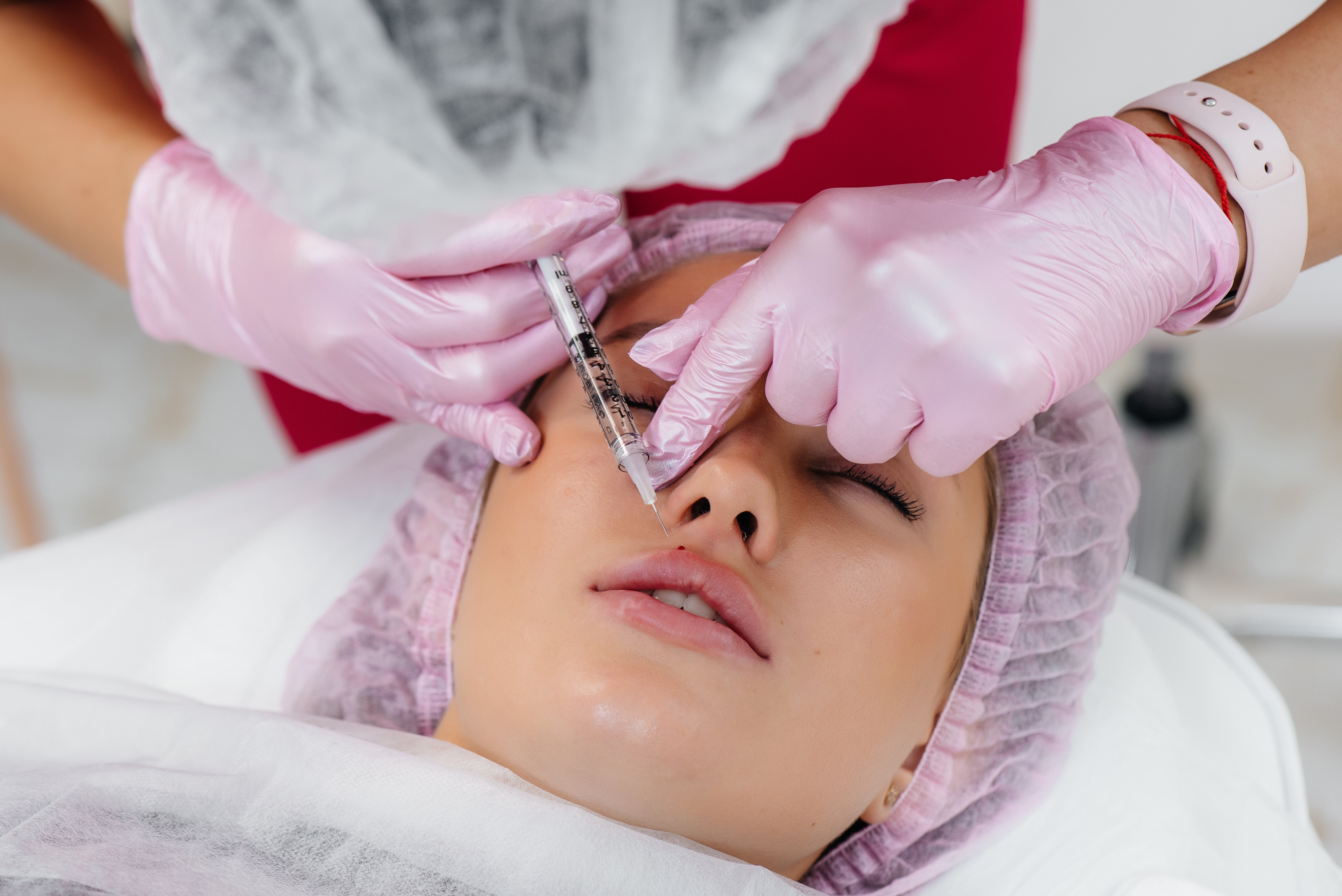
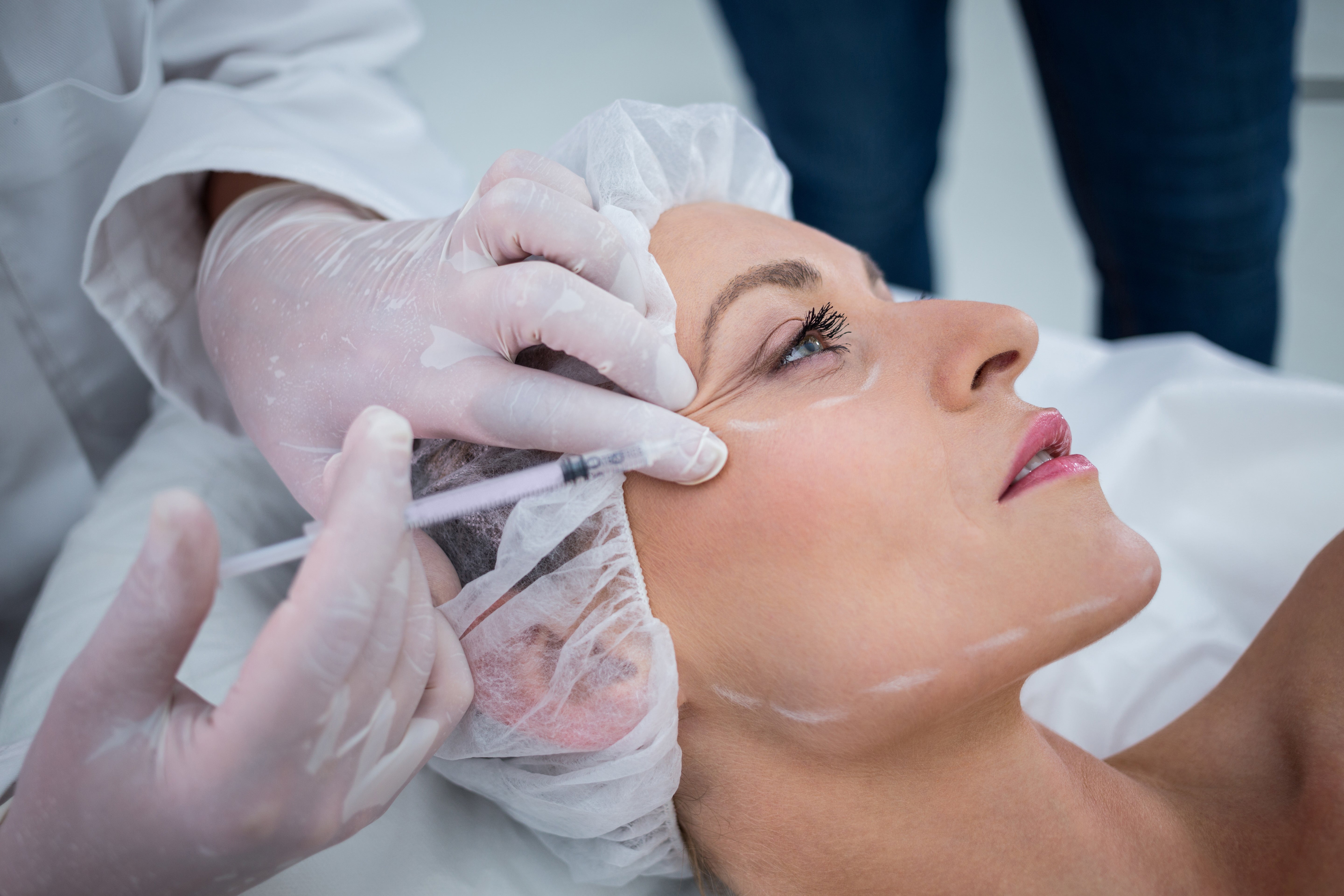
Hyaluronic acid treating tear trough hollowness, structural shadowing and volume loss. Results are instant and natural in experienced hands.

Platelet-Rich Plasma (PRP)
Stimulates collagen and improves colour, texture and skin thickness together — particularly where the skin has thinned with age.

Prescription Topicals
Medical-grade vitamin C, azelaic acid, kojic acid, tranexamic acid and carefully controlled retinoids. Improves pigment and strengthens the barrier.

Blepharoplasty
Surgical correction, used only for excess skin, fat prolapse or severe eye bags. Performed by experienced oculoplastic surgeons.
What to realistically expect
Improvement is gradual and layered — here is the honest timeline.
To visible improvement with the right plan
Recommended maintenance interval
How long dermal fillers typically last
Where the best results consistently come from
The 5-step root cause protocol
The same framework behind every plan we write.
Right products, only when needed
We prescribe only what truly serves your skin — nothing more.
Root cause diagnosis
We uncover why dark circles happen — hormones, nutrition, sleep, genetics.
Dermatologists you can trust
MD Dermatologists from AIIMS New Delhi, trained in both the science and the empathy.
Science that serves you
Only USFDA-approved technology and evidence-based protocols.
Inside-out wellness
Mind, body and skin treated as one ecosystem, not three separate problems.
Answered plainly
What is the best treatment for dark circles?+
Can lasers remove dark circles permanently?+
What vitamin deficiency causes dark circles?+
Are dark circles permanent?+
Which under-eye creams do dermatologists recommend?+

Your skin doesn't need correction. It needs understanding.
Get your type identified first — then a plan built for that type, not a general under-eye package.
Book your consultation →Scientific references
- Sheth PB et al. — Periorbital hyperpigmentation: a comprehensive review. ncbi.nlm.nih.gov
- Sarkar R et al. — Periorbital melanosis: etiology and management. ncbi.nlm.nih.gov
- Draelos ZD — Skin aging and periorbital changes. doi.org/10.1016/j.det.2009.08.002
- Shoshani D et al. — Tear trough anatomy and filler correction. pubmed.ncbi.nlm.nih.gov/25225994
- Manuskiatti W et al. — Laser treatment for pigmentation. pubmed.ncbi.nlm.nih.gov/17338687
Swaraj Dhar
Co-Founder, Allodermis
Dr. Alok Sahoo
MBBS, MD Dermatology & Venereology, AIIMS Delhi