












Restore your skin's
strength & smoothness
Stretch marks are structural changes in the deeper skin, not just surface lines. Our AIIMS dermatologists rebuild collagen at the root with USFDA-approved, science-led protocols.
What are stretch marks?
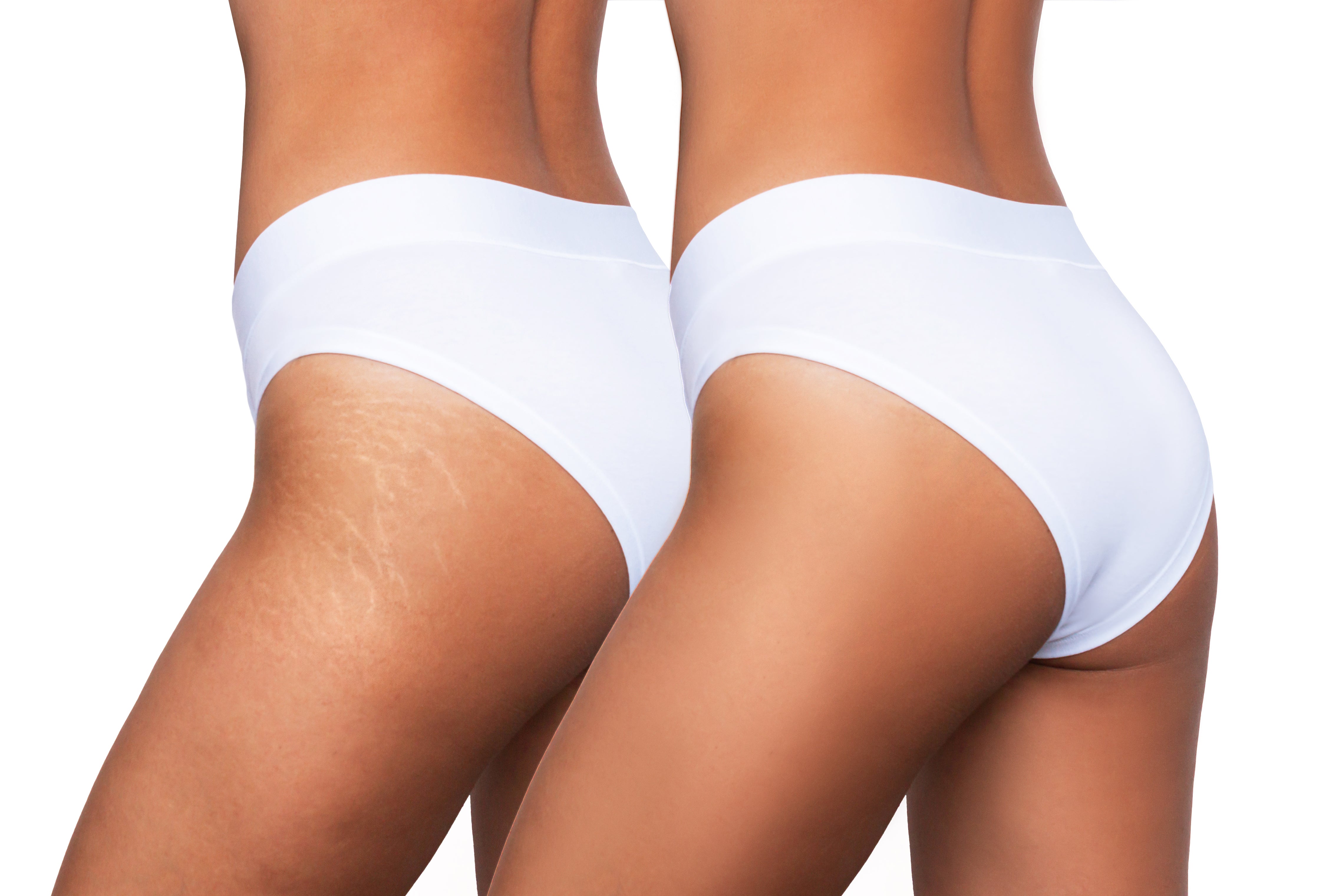
Stretch marks — medically known as striae — are linear scars that form when skin stretches faster than its collagen and elastin support can adapt, disrupting the fibre structure within the dermis.
They are not just surface changes. Because they represent deeper structural damage, they rarely resolve completely without medical intervention. Common areas include the abdomen, thighs, hips, breasts, buttocks, shoulders and calves.
Why stretch marks form
Striae develop through a combination of mechanical stress and biological change that weakens the skin's ability to stretch.
External Factors
- Rapid weight gain or weight loss
- Intense muscle growth (bodybuilding)
- Prolonged use of corticosteroids
- Skin dehydration and barrier damage
Internal Factors
- Puberty and growth spurts
- Pregnancy
- Hormonal disorders such as Cushing's syndrome
- Genetic predisposition
- Reduced collagen from nutritional deficiencies
Types of stretch marks
Identifying the stage is essential for choosing the right treatment plan.
Striae Rubrae
- Red, pink or purple in colour
- Indicate active inflammation
- Respond faster & better to treatment
Striae Albae
- White or silvery appearance
- Deeper and more fibrotic
- Need advanced collagen remodeling
The 5-Step Root Cause Protocol
We don't chase symptoms. We uncover why they happen and treat skin as one connected ecosystem.
Root Cause Diagnosis
We uncover why marks happen — from hormones to nutrition to stress — and address them inside out.
Right Products, Only When Needed
No overloaded routines. We prescribe only what truly serves your skin, and nothing more.
Dermatologists You Can Trust
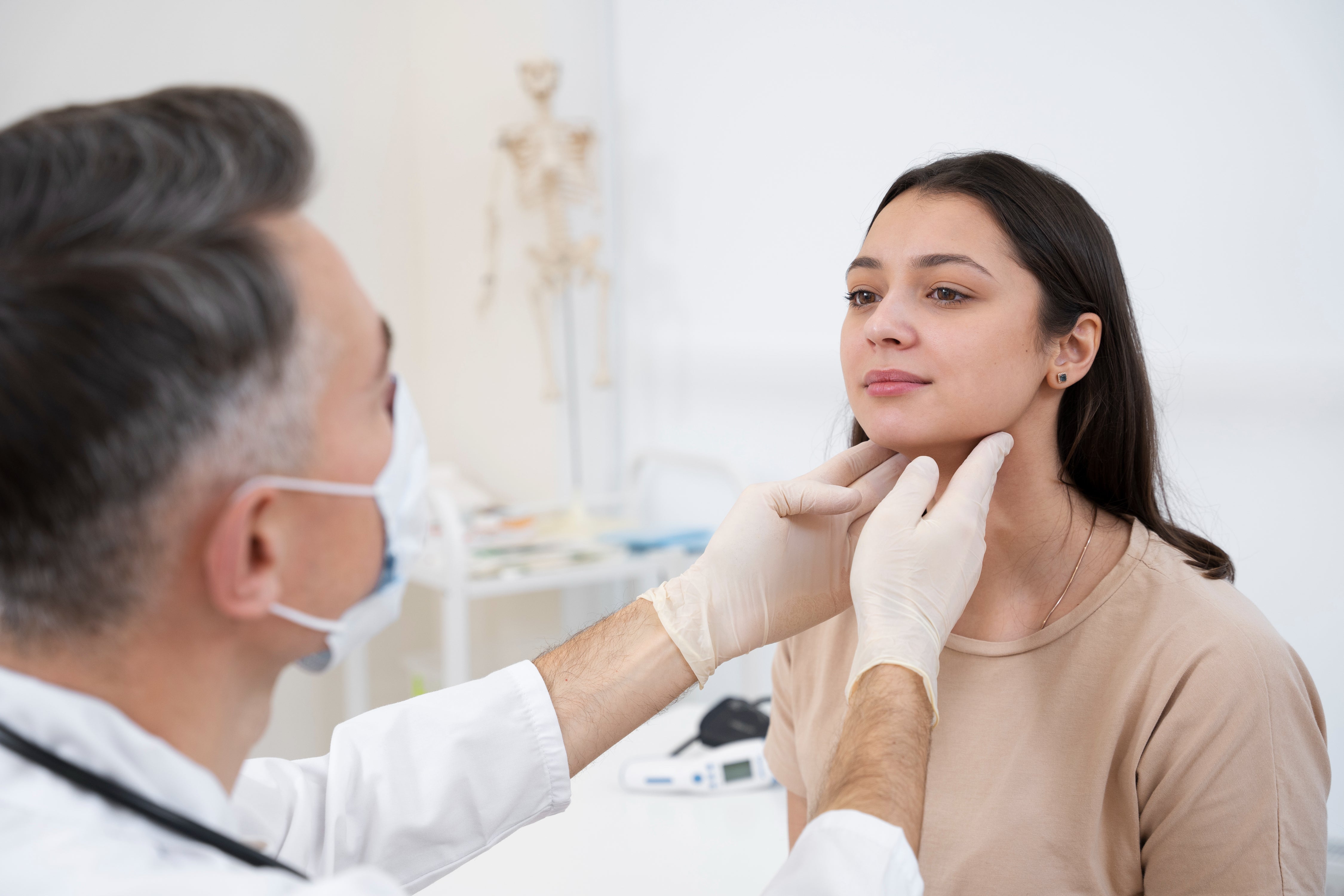
MD Dermatologists from AIIMS, New Delhi — trained in the science of skin and the art of empathy.
Science That Serves You
Only USFDA-approved technologies and evidence-based protocols. No pseudoscience, no gimmicks.
Inside-Out Wellness
We bridge dermatology and lifestyle — treating your mind, body and skin as one ecosystem.
Healthy skin isn't built in a clinic
It's built into your everyday life. That's why our protocol goes beyond the treatment room into sustainable, root-level care.
How we treat stretch marks
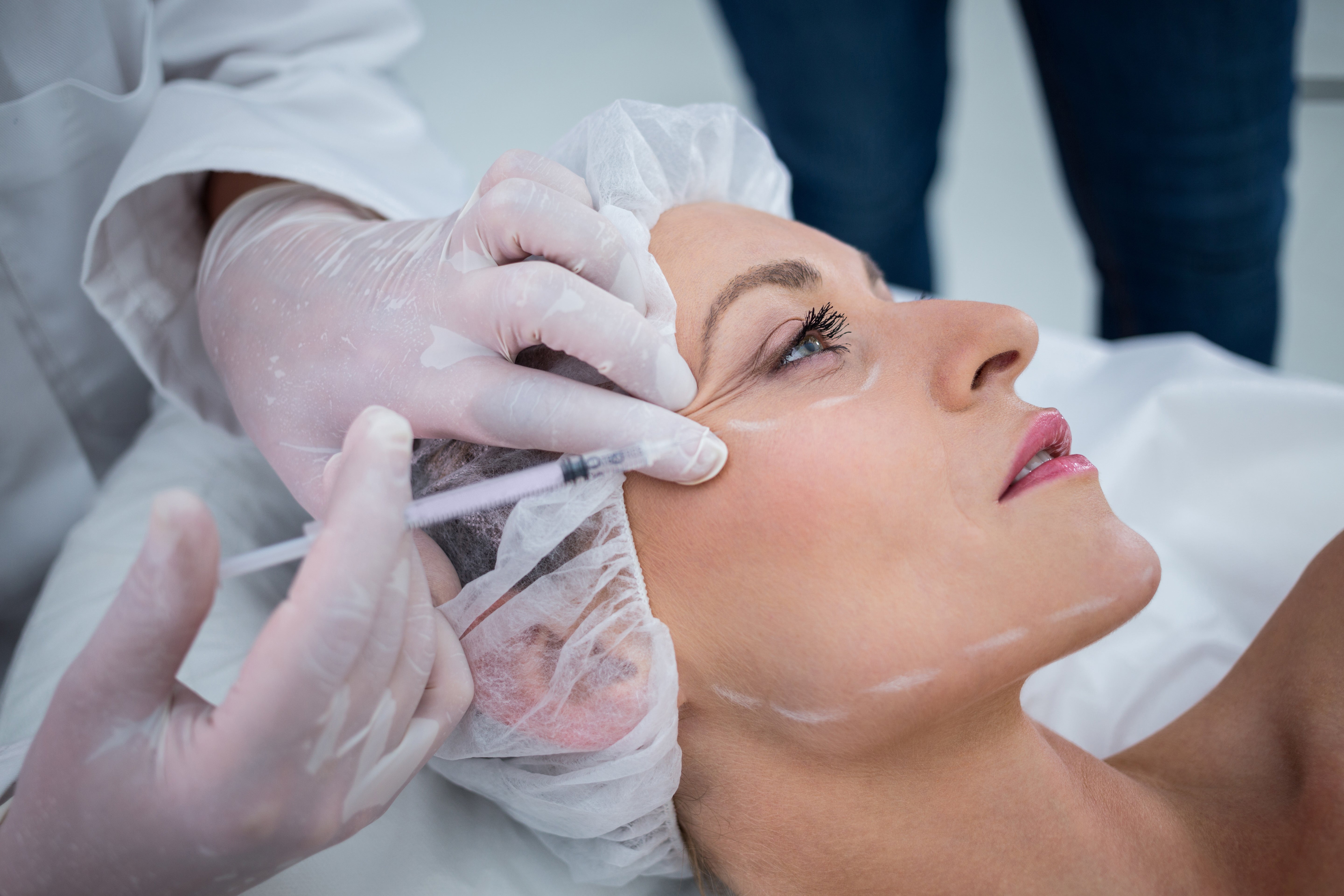
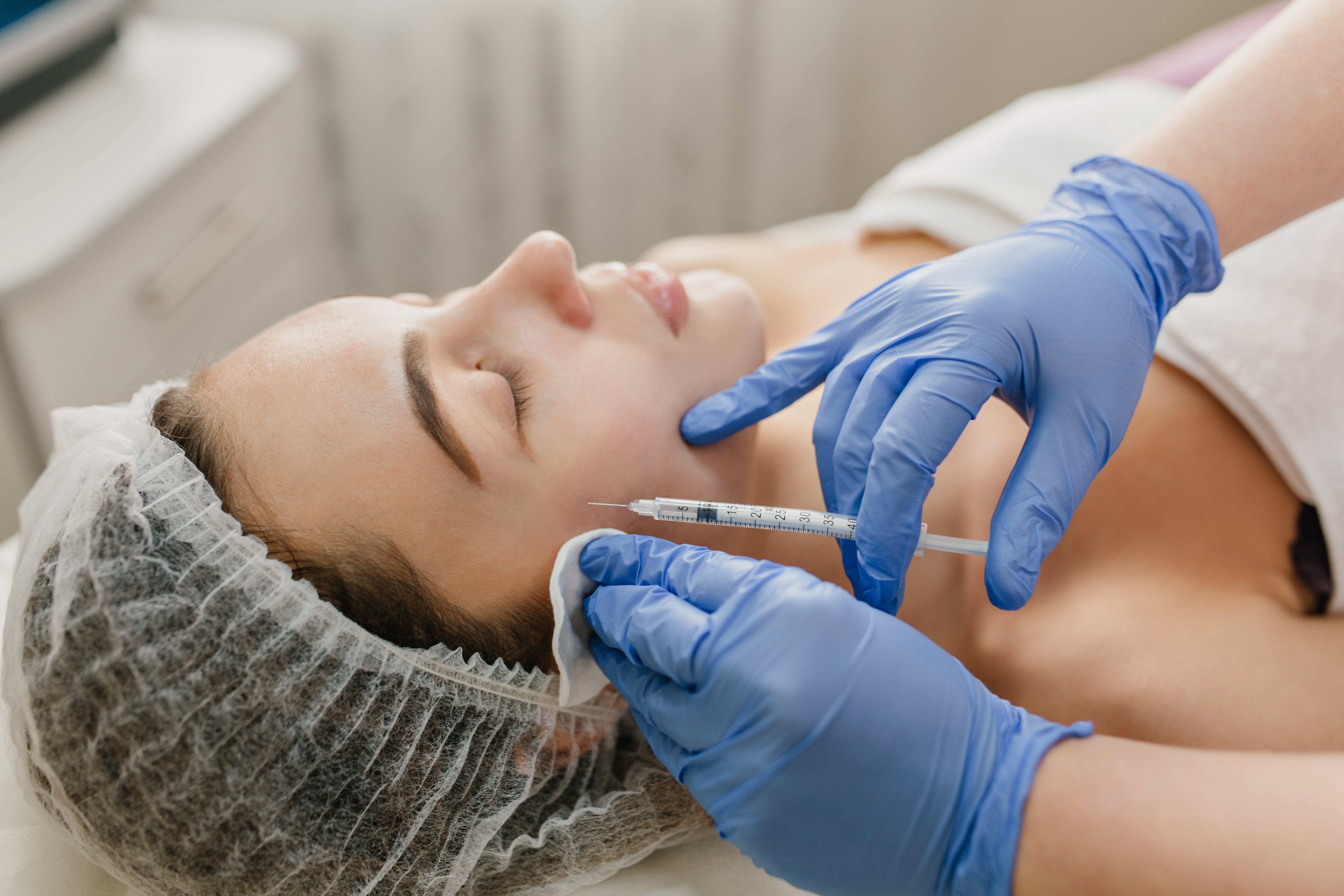
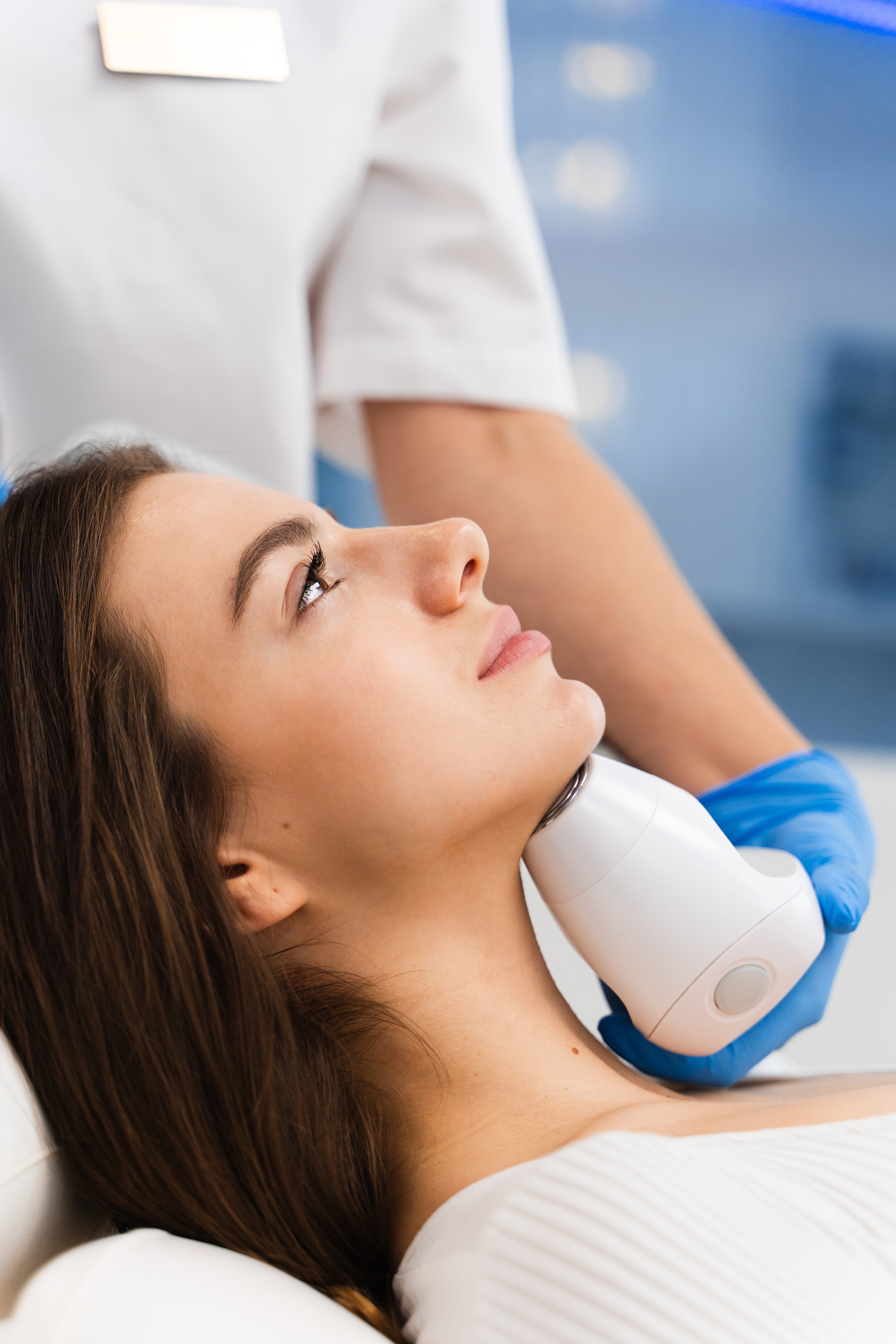
Stretch marks respond best to multi-modality dermatology that stimulates collagen regeneration with medical-grade technology.
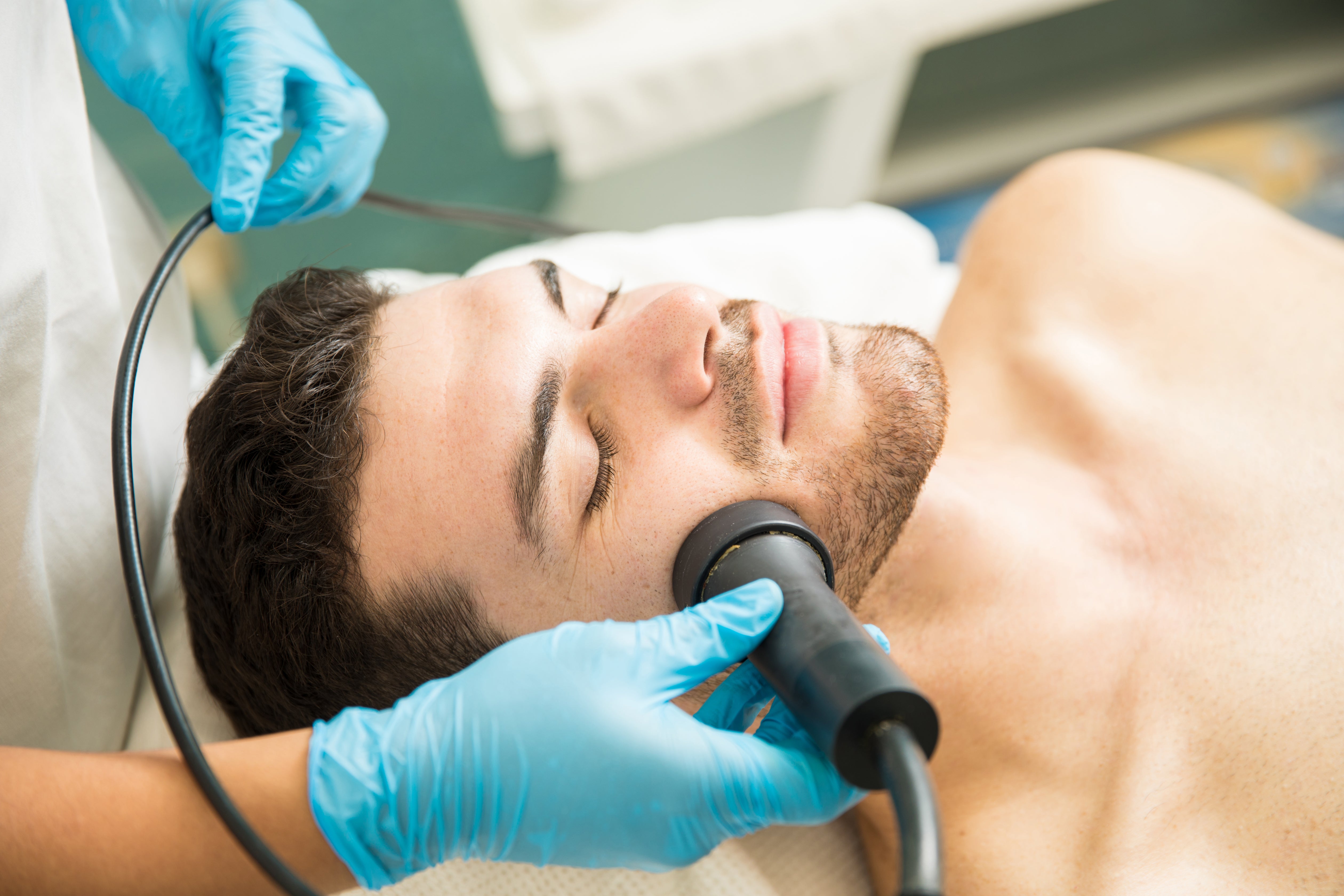
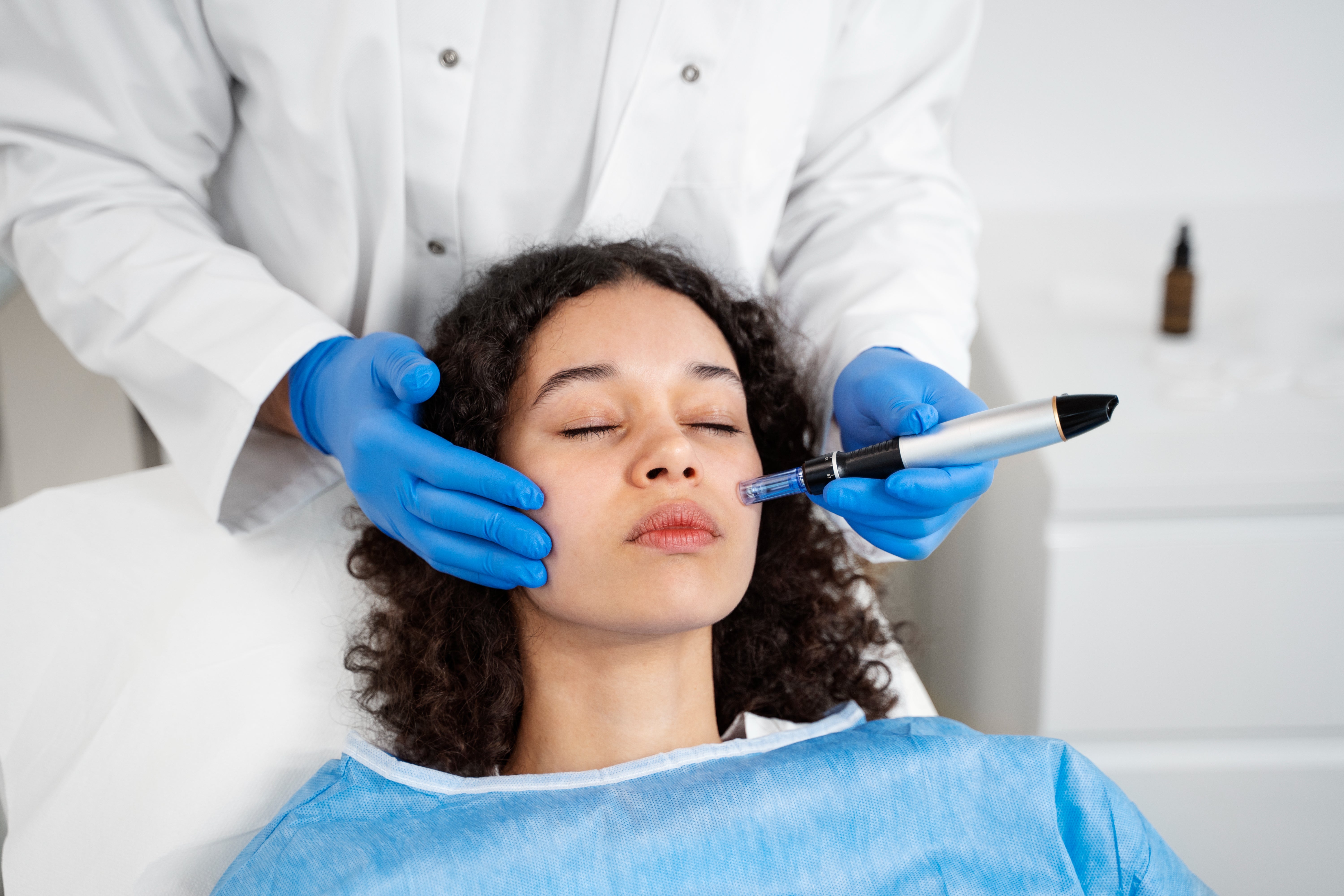
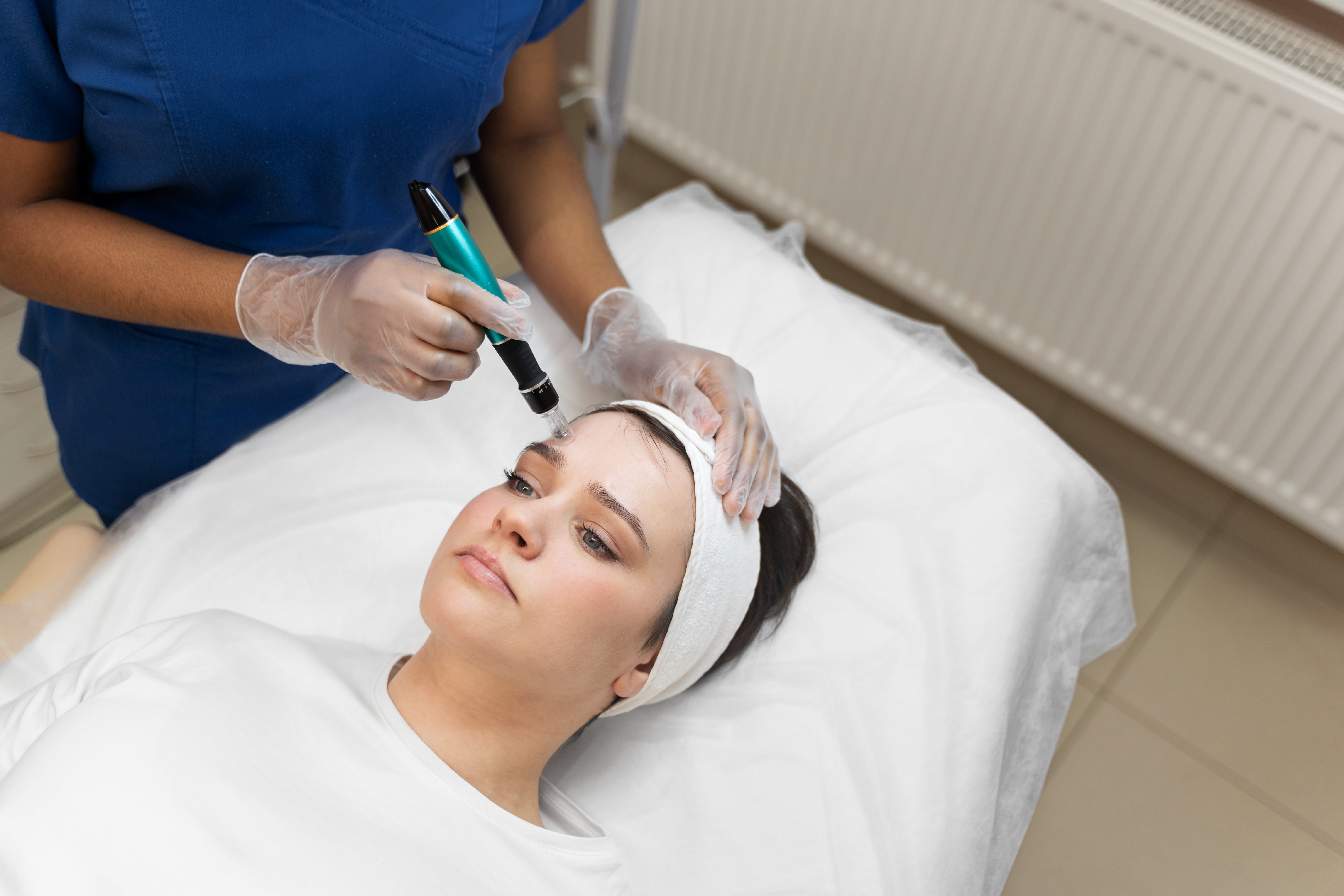
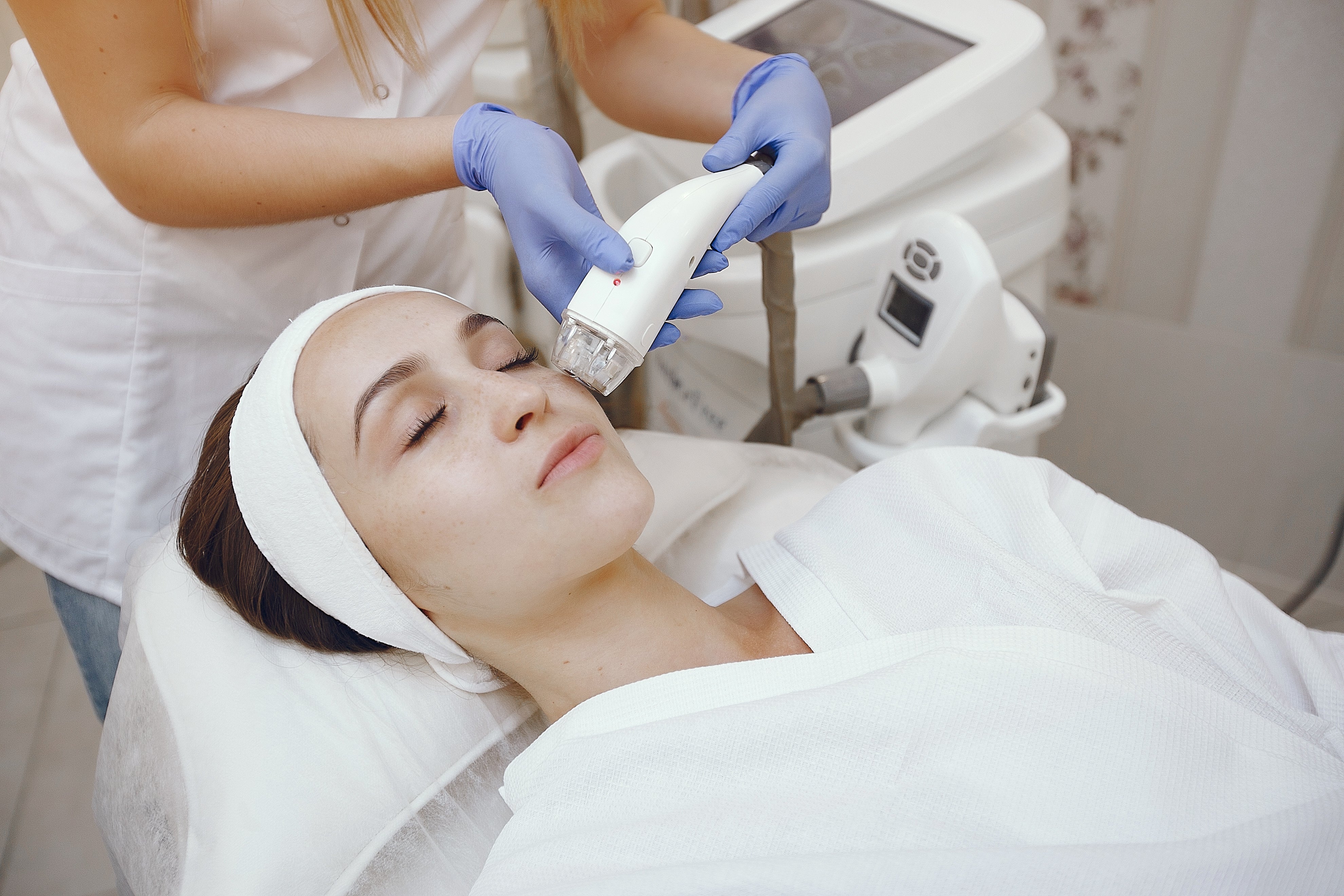
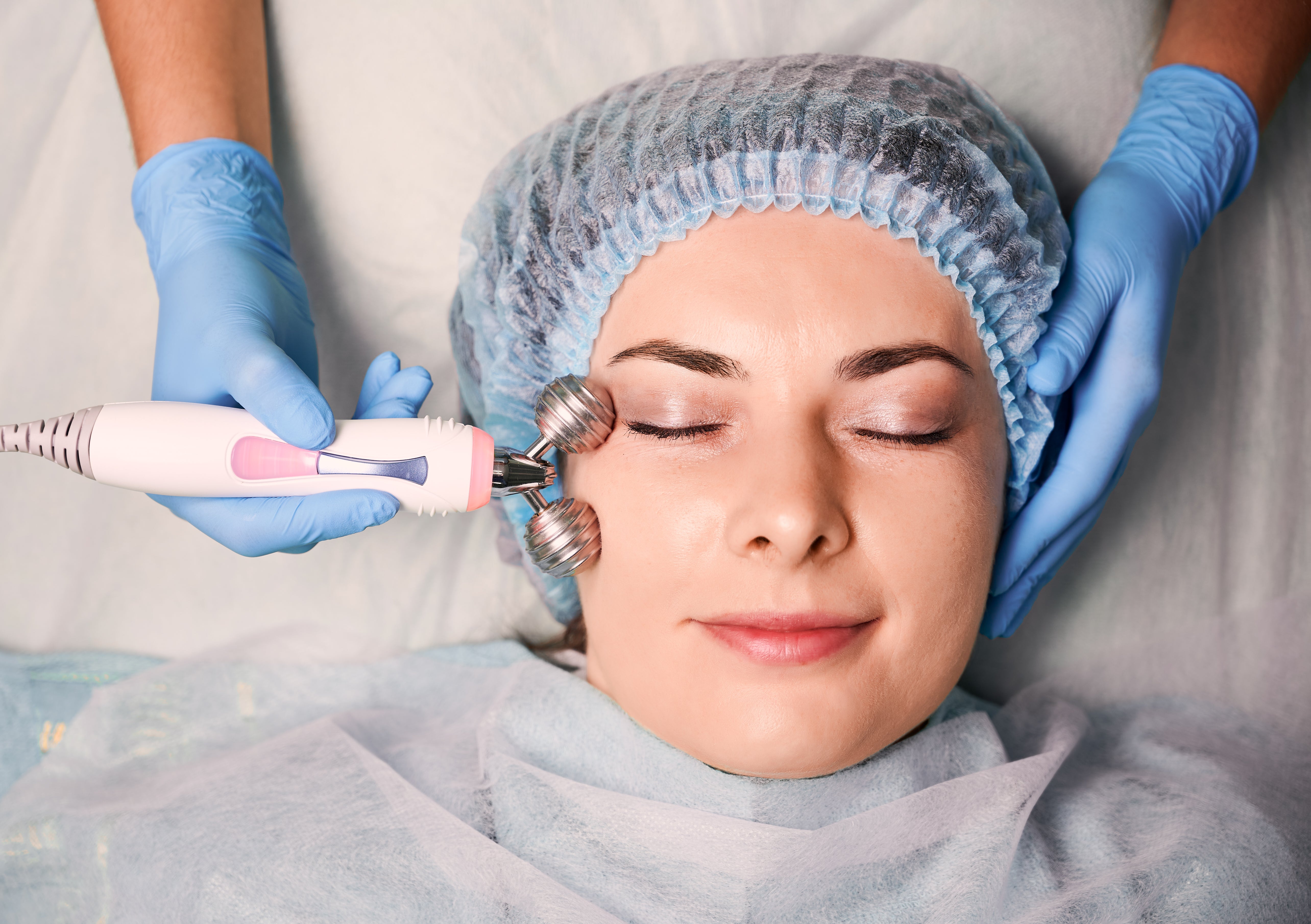
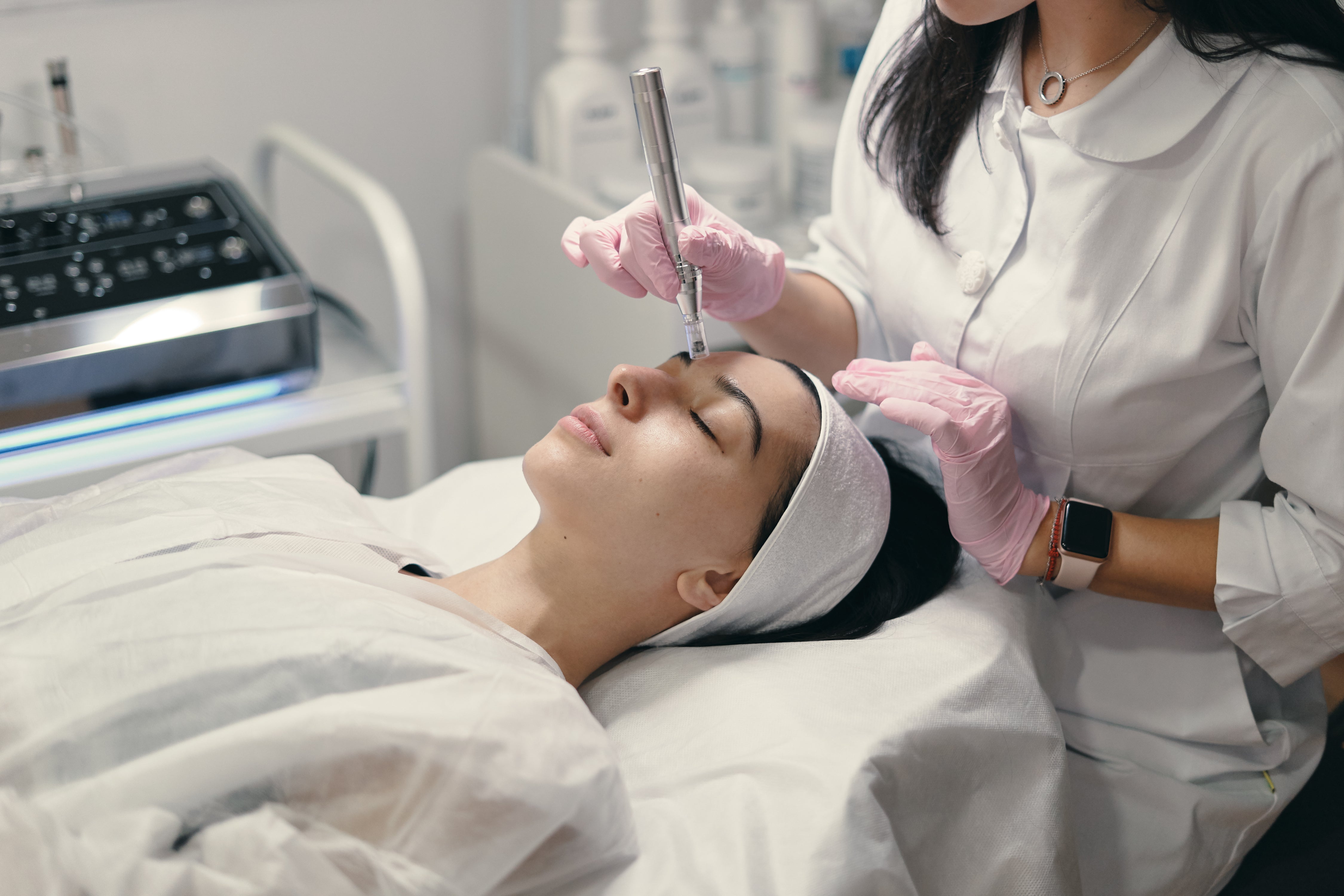
Microneedling RF (MNRF)
Delivers radiofrequency energy into deeper dermal layers to remodel collagen and elastin.
- Reduces width, depth & discolouration
- Improves texture & firmness

Fractional Laser Resurfacing
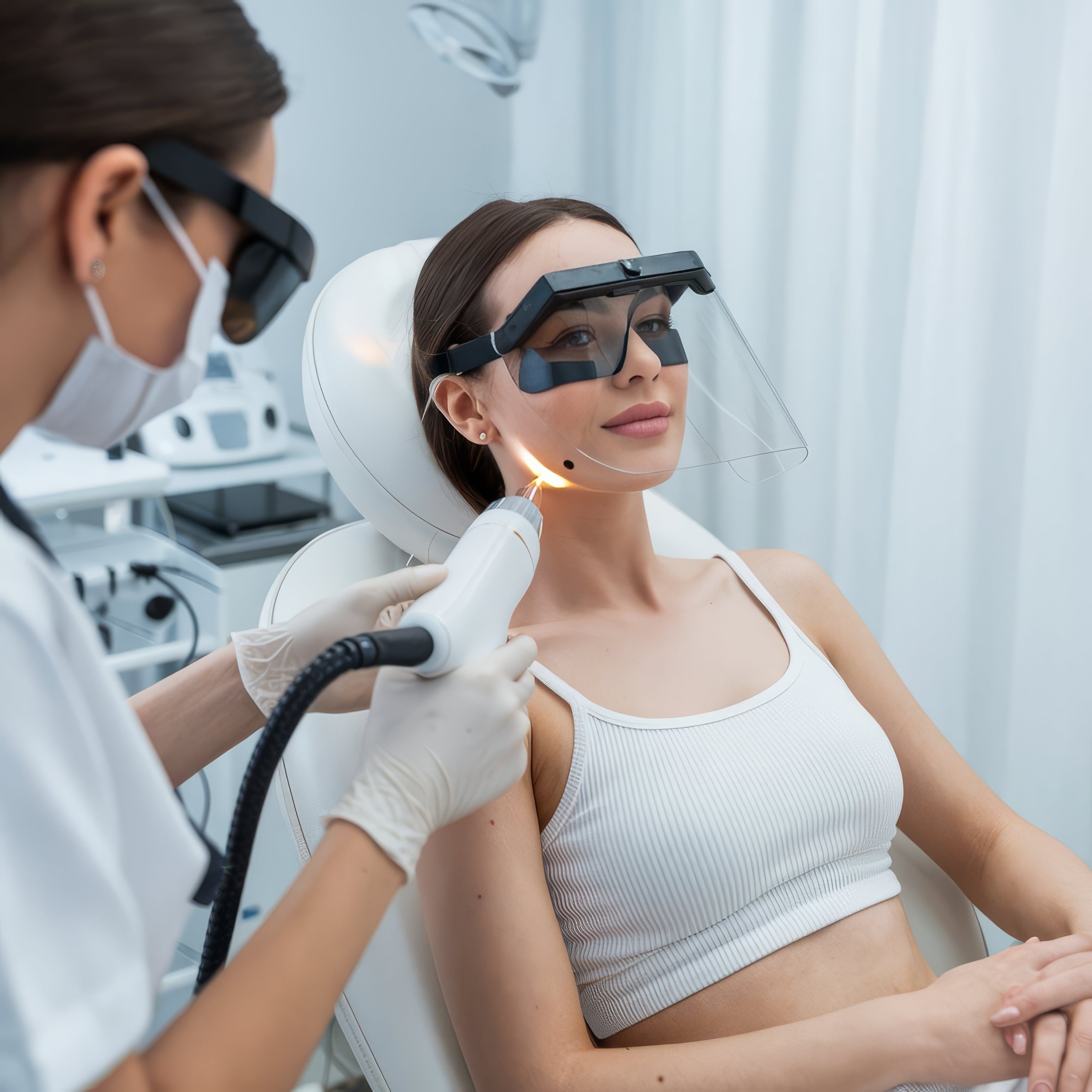
Creates microthermal zones that trigger collagen regeneration and refine atrophic texture.
- Lightens discolouration
- Enhances skin elasticity

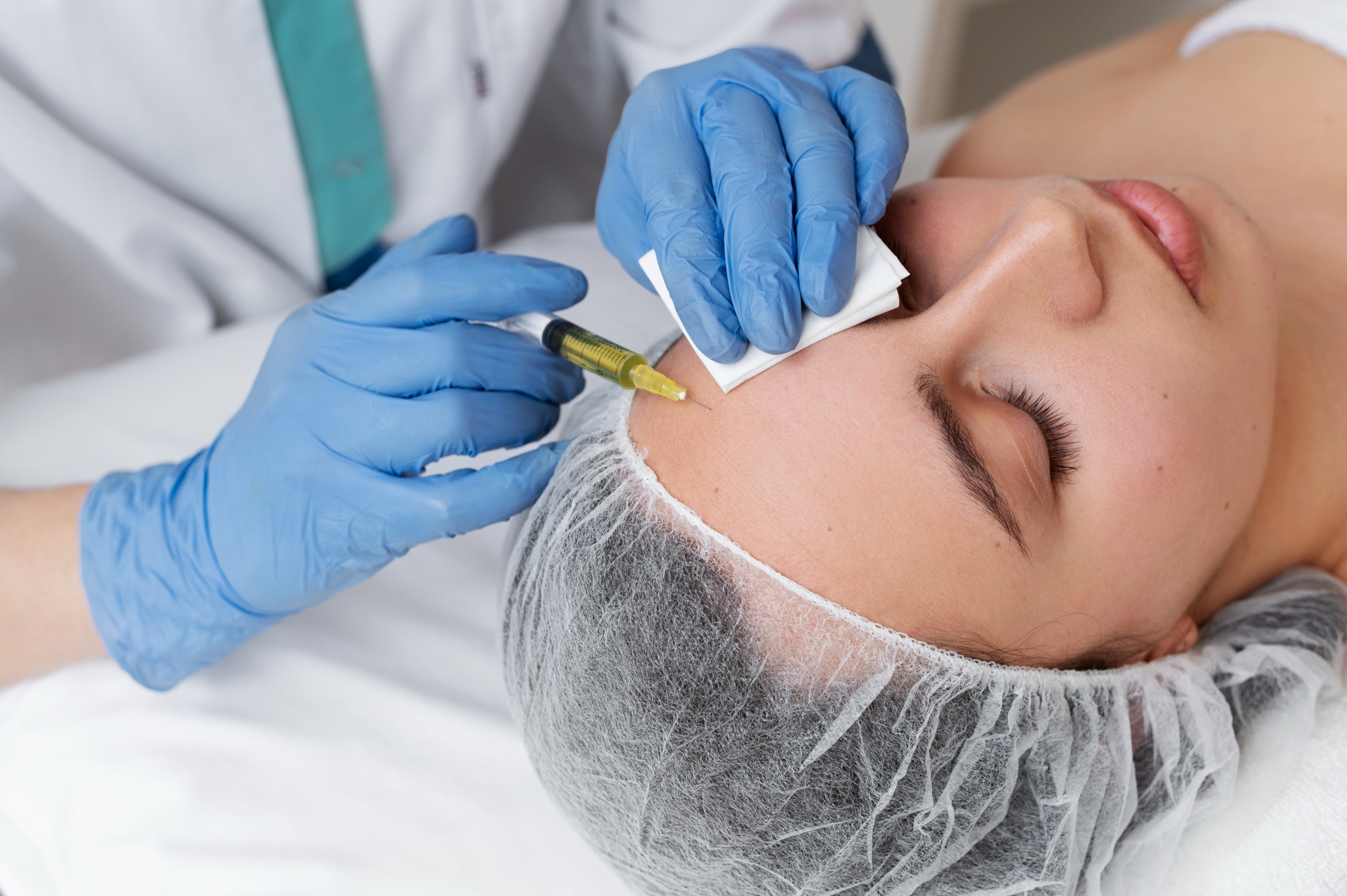
PRP Regenerative Therapy
Uses your own growth factors to speed tissue repair and improve elasticity.
- Speeds up tissue repair
- Enhances MNRF & laser results
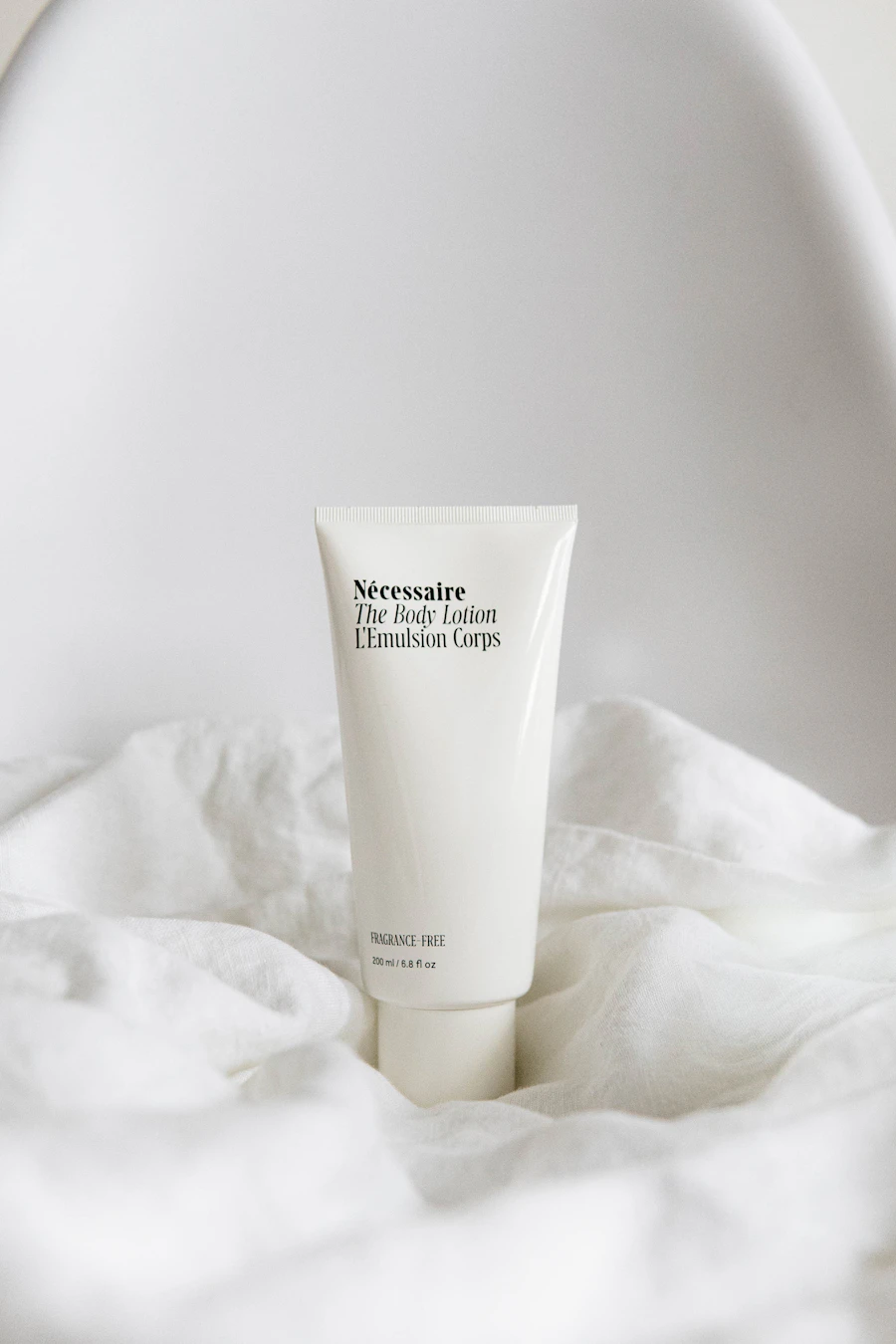
Topical Medical Therapy
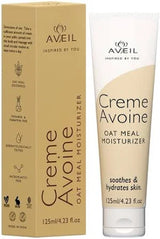
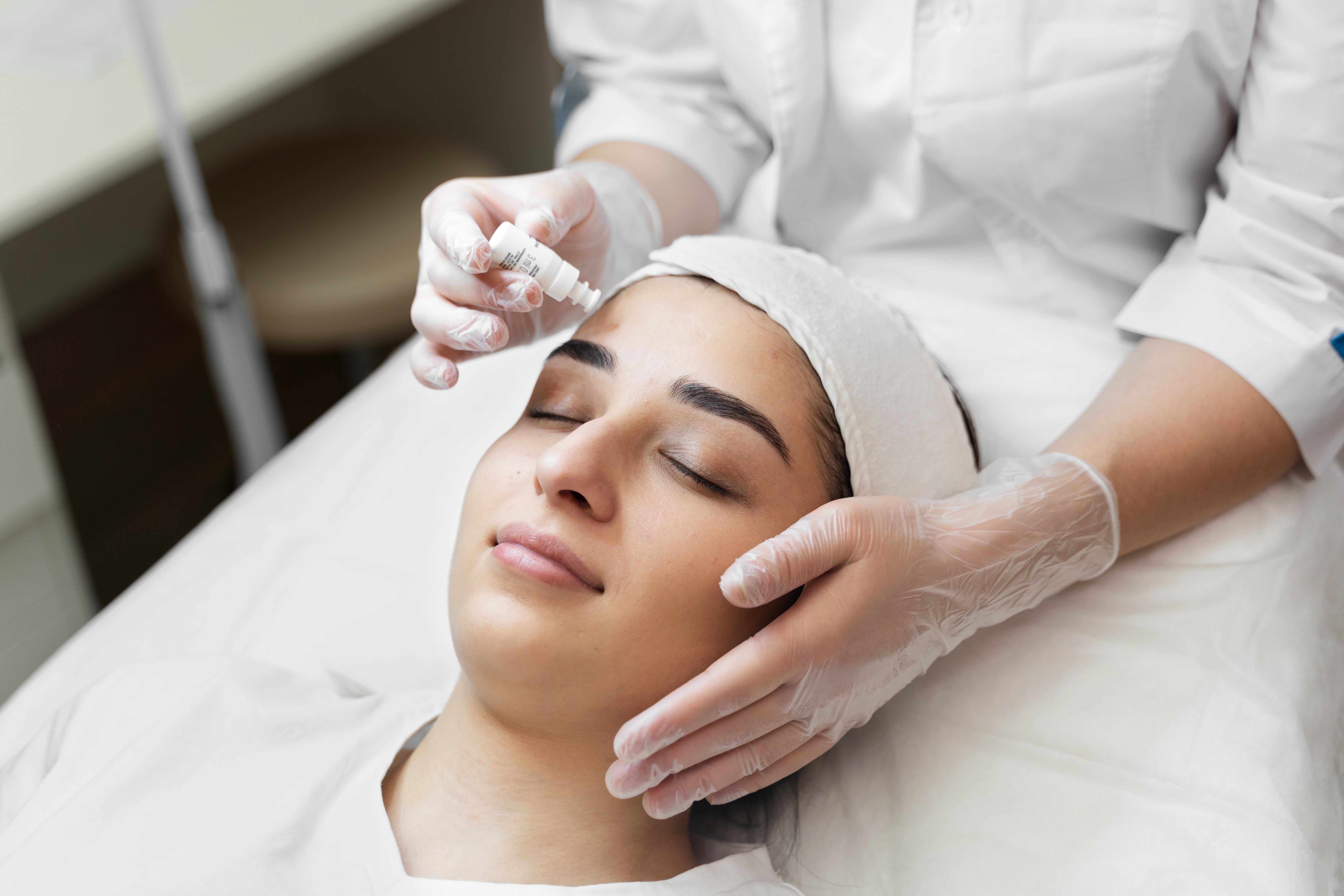
Retinoids, hyaluronic acid, growth factor serums and barrier-restoring creams for early marks and maintenance.
- Supports early (red) stretch marks
- Maintains results after procedures
Reduce severity, support your skin
While not always preventable, these measures help maintain elasticity and slow progression.
Weight Management
Maintain steady weight; avoid sudden gain or loss.
Skin Hydration
Daily moisturisation helps maintain elasticity.
Barrier Repair
Dermatologist-prescribed ceramide-rich formulations.
Active Topicals
Retinoids or hyaluronic acid help early red marks.
Balanced Nutrition
Protein, Vitamin C, Zinc & Omega-3 fatty acids.
Early Action
Red marks respond faster — treat sooner for best results.
Realistic, honest outcomes
We believe in the truth that shows. Here is what consistent, science-led treatment can achieve.

- 01Early marks improve fasterRed striae show better and quicker response.
- 02Mature marks improve graduallyWhite striae respond with consistent treatment over time.
- 032–6 months to visible changeNoticeable improvement builds steadily with each session.
- 0450–80% improvement achievableCombination therapy gives optimal results; complete removal is unlikely.
Frequently asked questions
Can stretch marks be permanently removed?
Do stretch marks fade naturally?
Are stretch marks a sign of a medical condition?
Is laser safe for Indian skin?
Your skin doesn't need correction
It needs understanding — and that begins here. Get a personalised treatment plan built around your skin's root cause.