










The damage isn't on your skin. It's under it.
Acne scars are permanent structural changes caused by deep inflammation destroying collagen. What you see on the surface is the shadow of an injury millimetres below.


Four failures, one permanent result
Scars form when normal wound healing breaks down. Each stage runs deeper than the last — and by the fourth, the structure is set.
Inflammation
Severe acne triggers an intense immune response inside the follicle. The longer it runs, the more collateral damage follows.
Collagen breakdown
Inflammation raises matrix metalloproteinases (MMPs) — enzymes that dissolve the collagen scaffolding holding your skin's structure.
Healing imbalance
The repair response either undershoots or overshoots. This is the fork in the road — and it decides which scar you're left with.
Remodeling failure
Skin never restores its original architecture. The change becomes structural, not superficial — which is why creams can't reach it.
Too little collagen
Surface sinks below its natural level — atrophic scars: ice pick, boxcar, rolling.
decides
Too much collagen
Fibrous tissue builds above the surface — hypertrophic and keloid scars.
Each scar type needs its own procedure
We grade your scars before designing anything — the wrong procedure on the wrong scar wastes time and money.
Type 01 · AtrophicIce Pick
Deep, narrow pits with sharp vertical margins reaching far into the dermis.
Best treatment Type 02 · Atrophic
Rolling
Wave-like depressions with sloped edges, caused by fibrous bands tethering skin down.
Best treatment Type 03 · Atrophic
Boxcar
Sharp-edged, well-defined depressions — wider than ice pick, with flat bases.
Best treatment Type 04 · Hypertrophic
Hypertrophic / Keloid
Raised, thick fibrous scars sitting above the skin surface, often firm and red.
Best treatment
What scars look like
Scars announce themselves through texture and shadow rather than colour — which is exactly how we tell them apart from marks.

Why some people scar more
Scarring risk arrives from two directions — what your biology does on its own, and what gets done to your skin along the way.
Your biology
- Severe cystic acne
- Hormonal imbalance (PCOS, androgens)
- Genetic tendency toward fibrosis
- Delayed treatment
- Strong inflammatory response
What's done to your skin
- Picking or squeezing pimples
- Harsh scrubs and aggressive facials
- Incorrect or unsupervised treatments
- Comedogenic products
Medical scar treatments at Allodermis
Most protocols combine two or three of these — because scar types rarely appear alone.
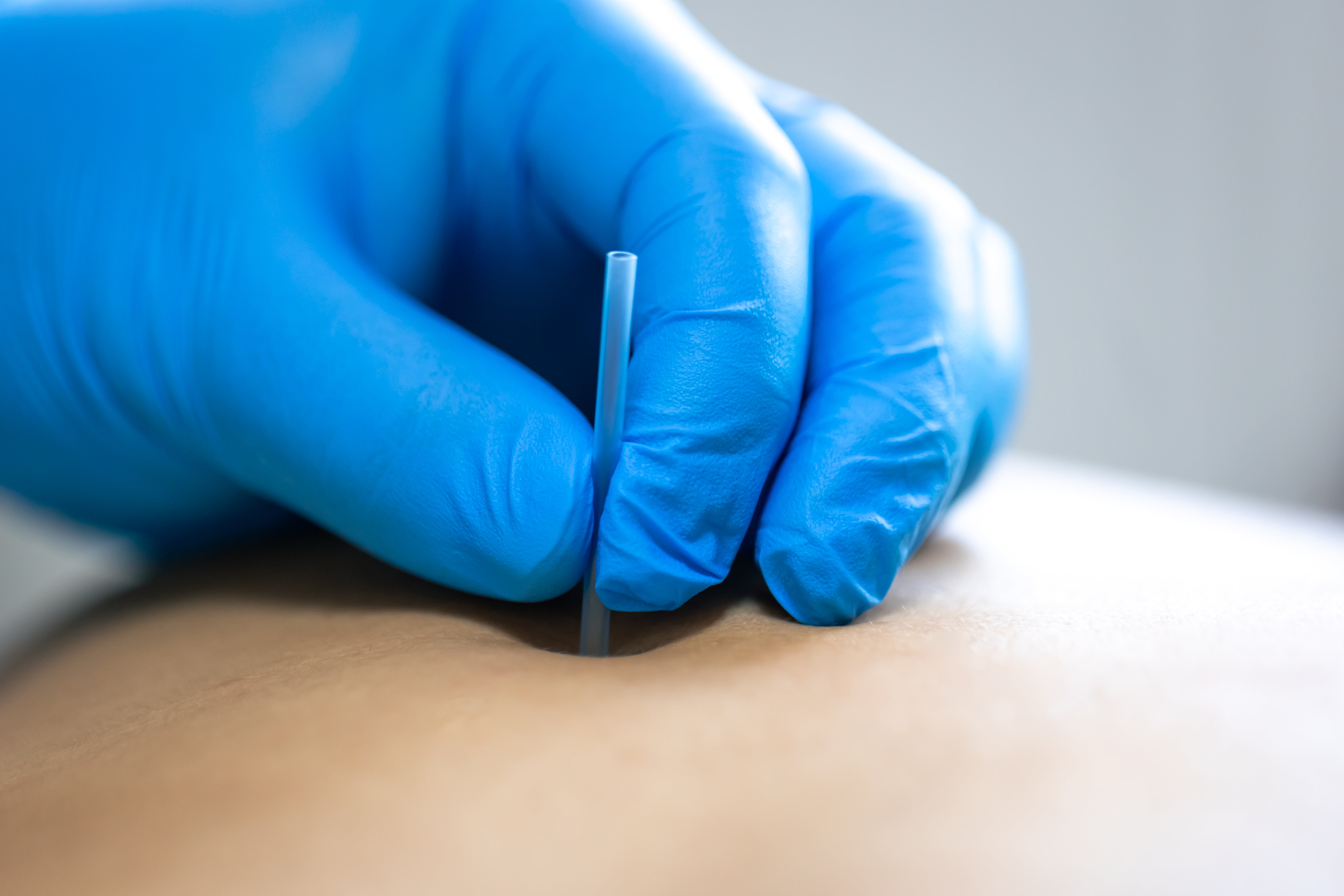
Subcision
Releases fibrous bands tethering skin downward, lifting rolling and boxcar scars.
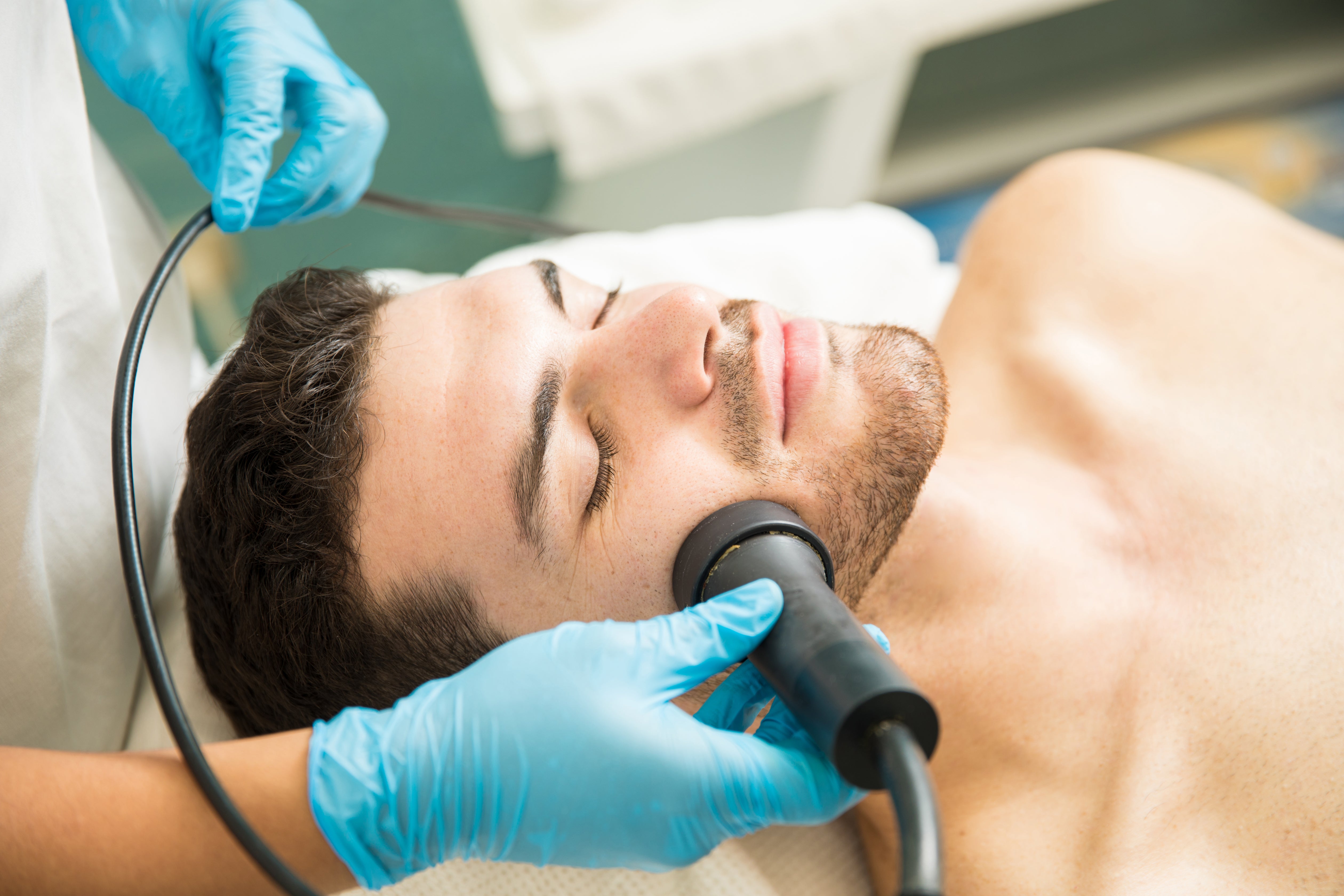
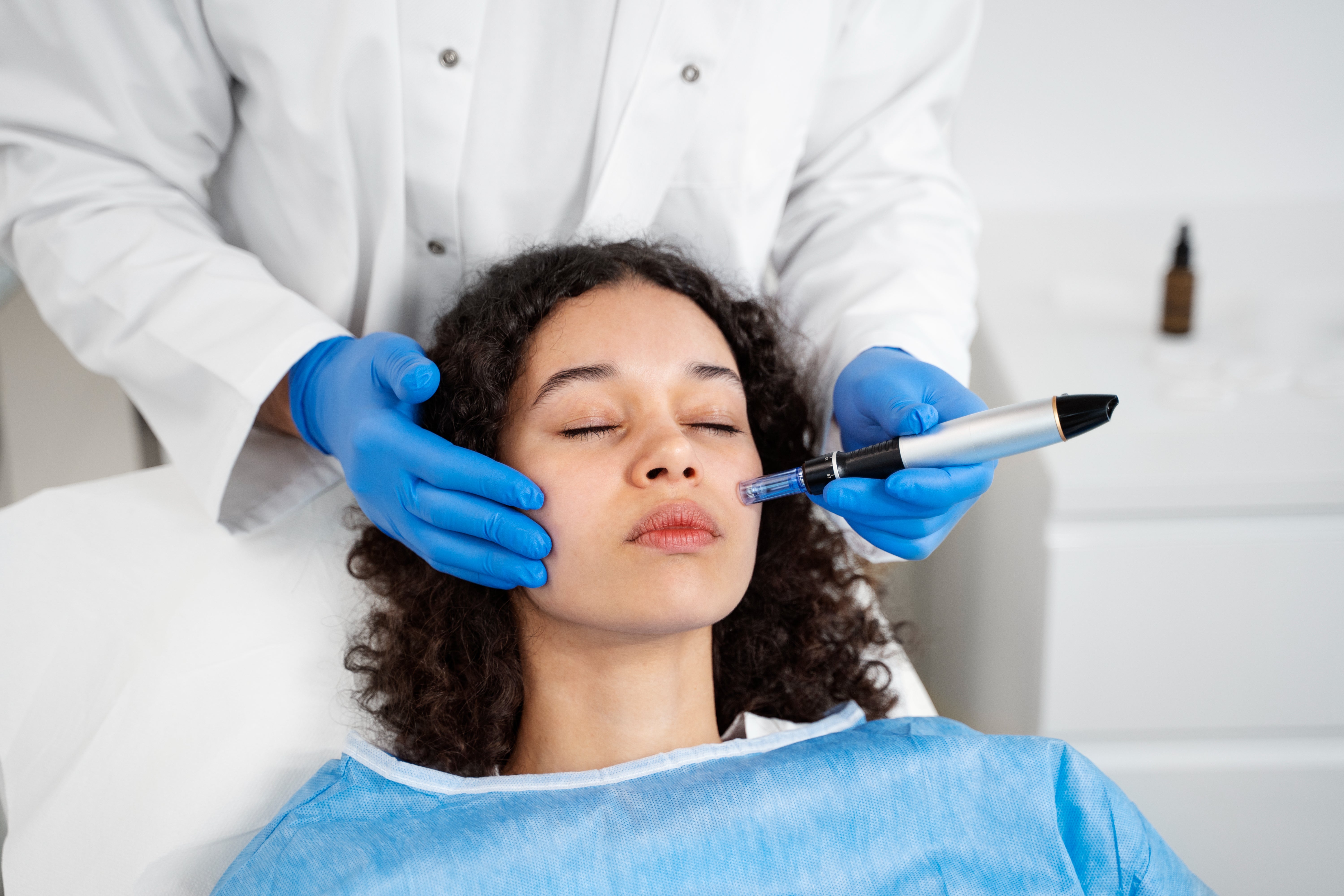
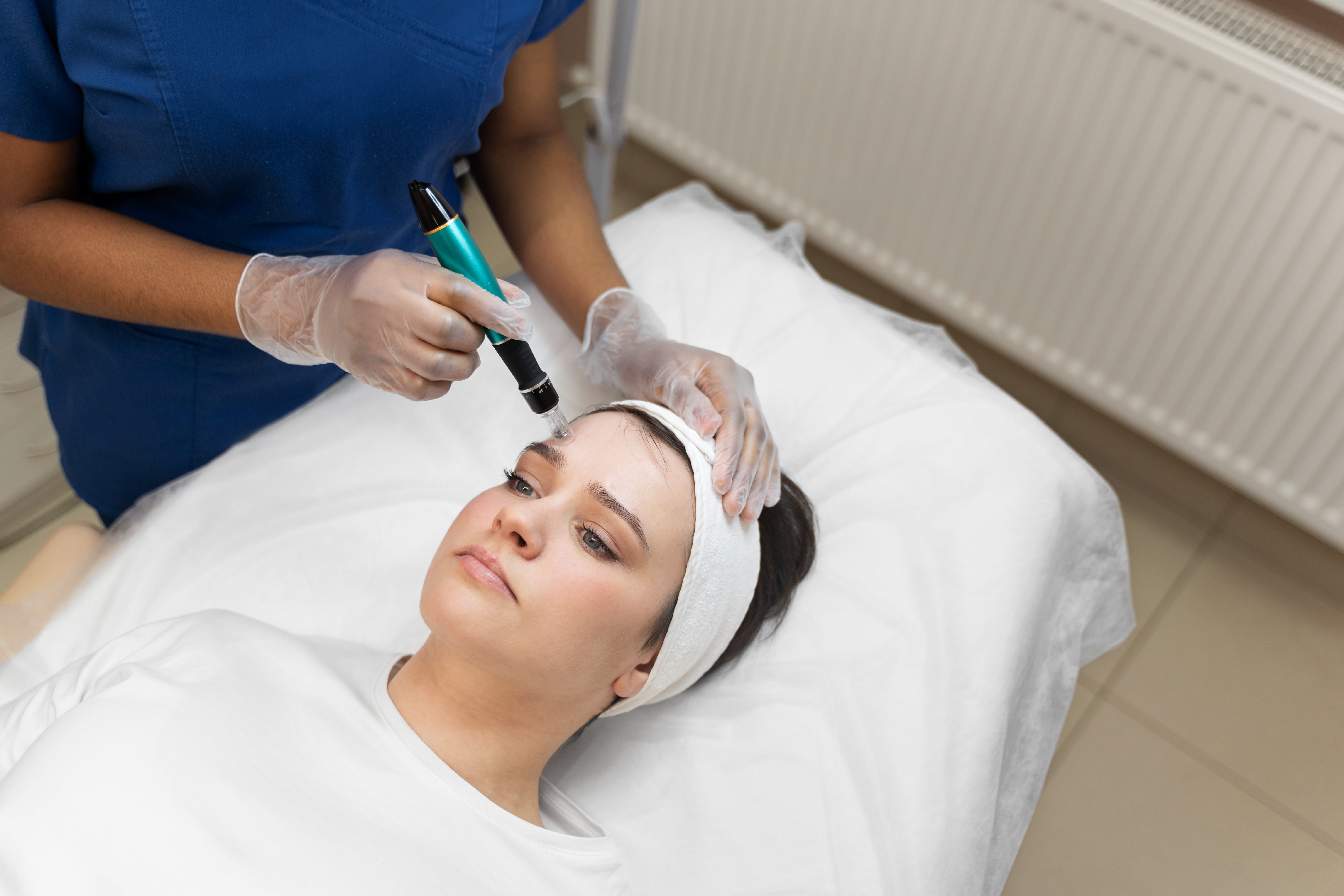
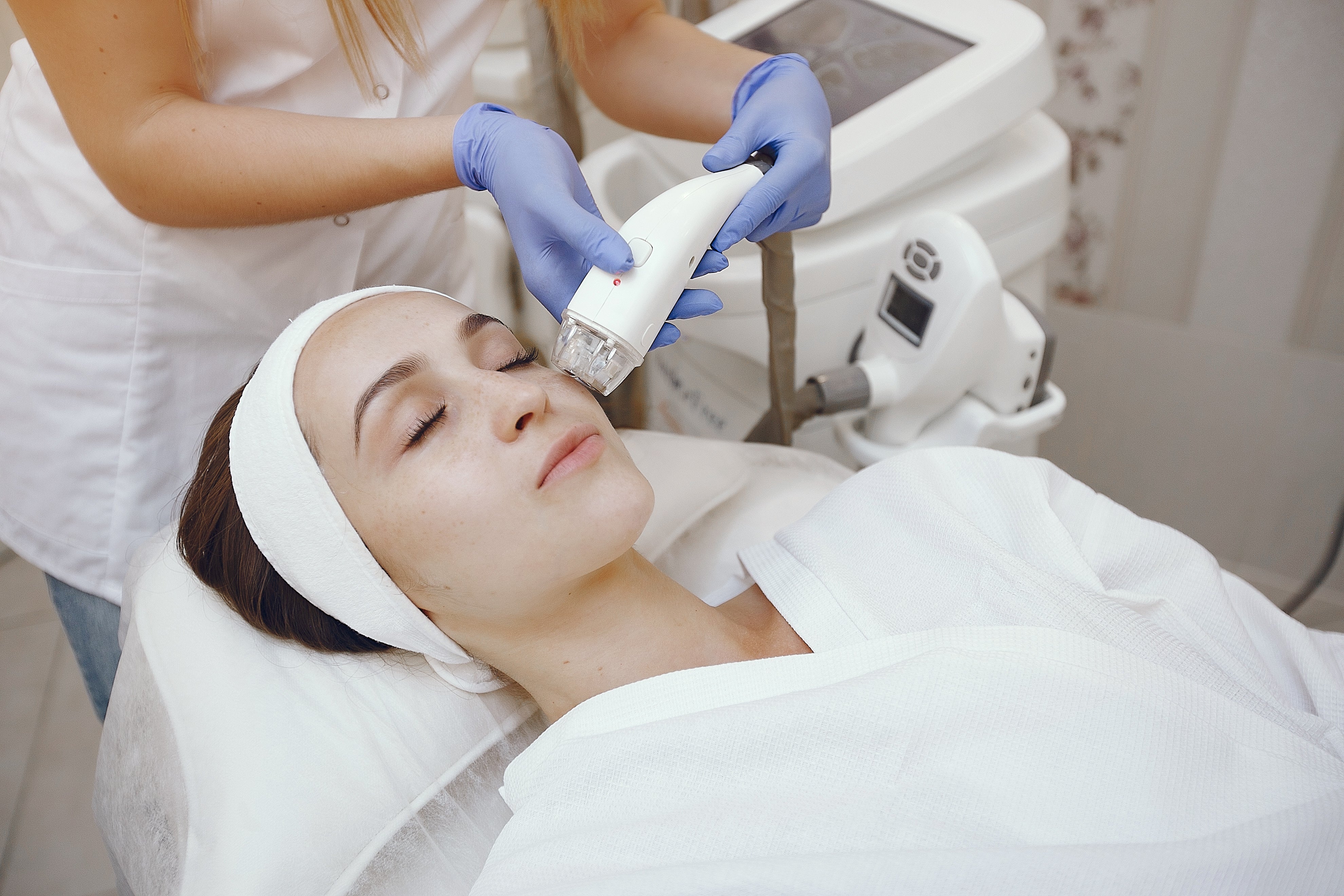
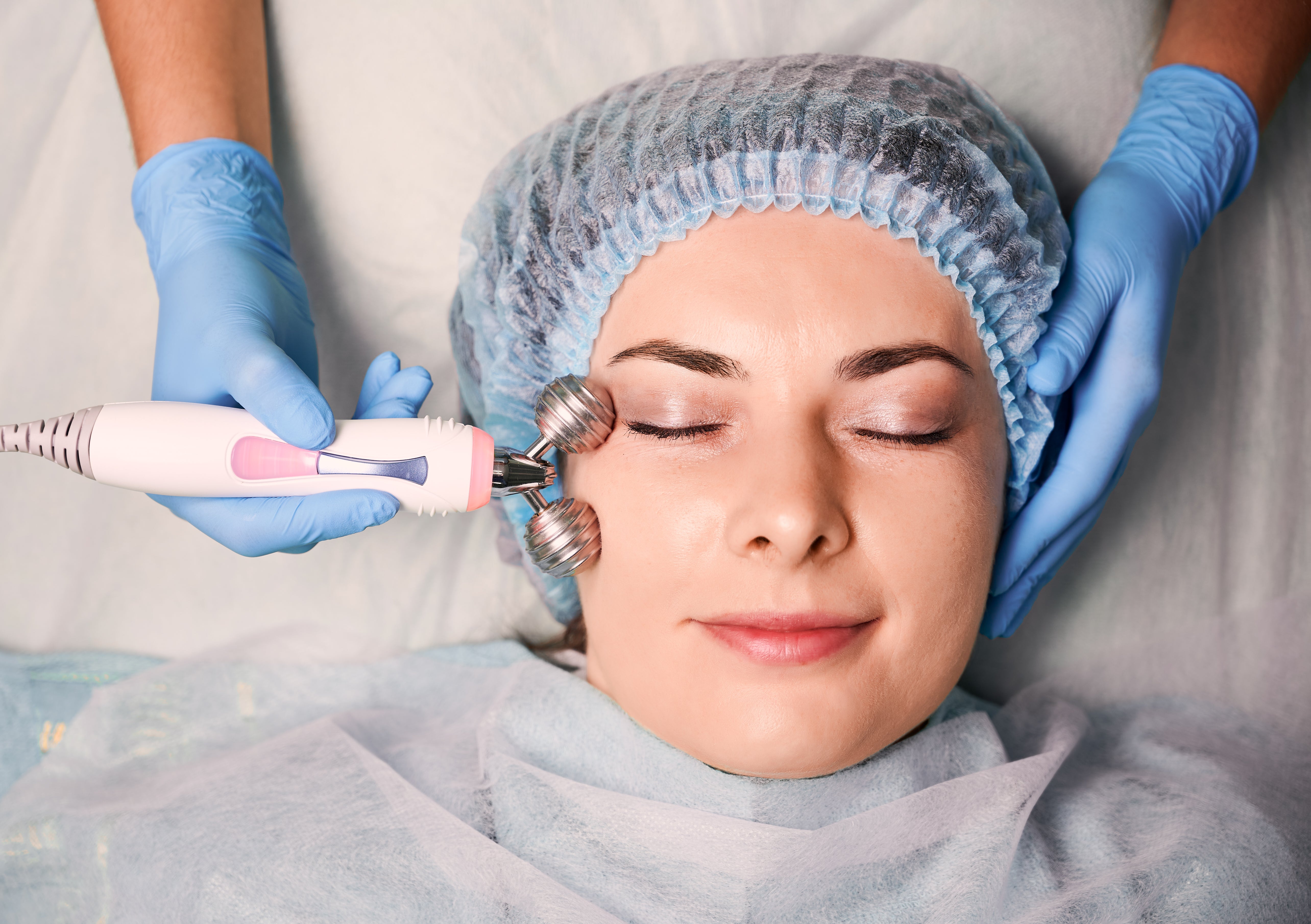
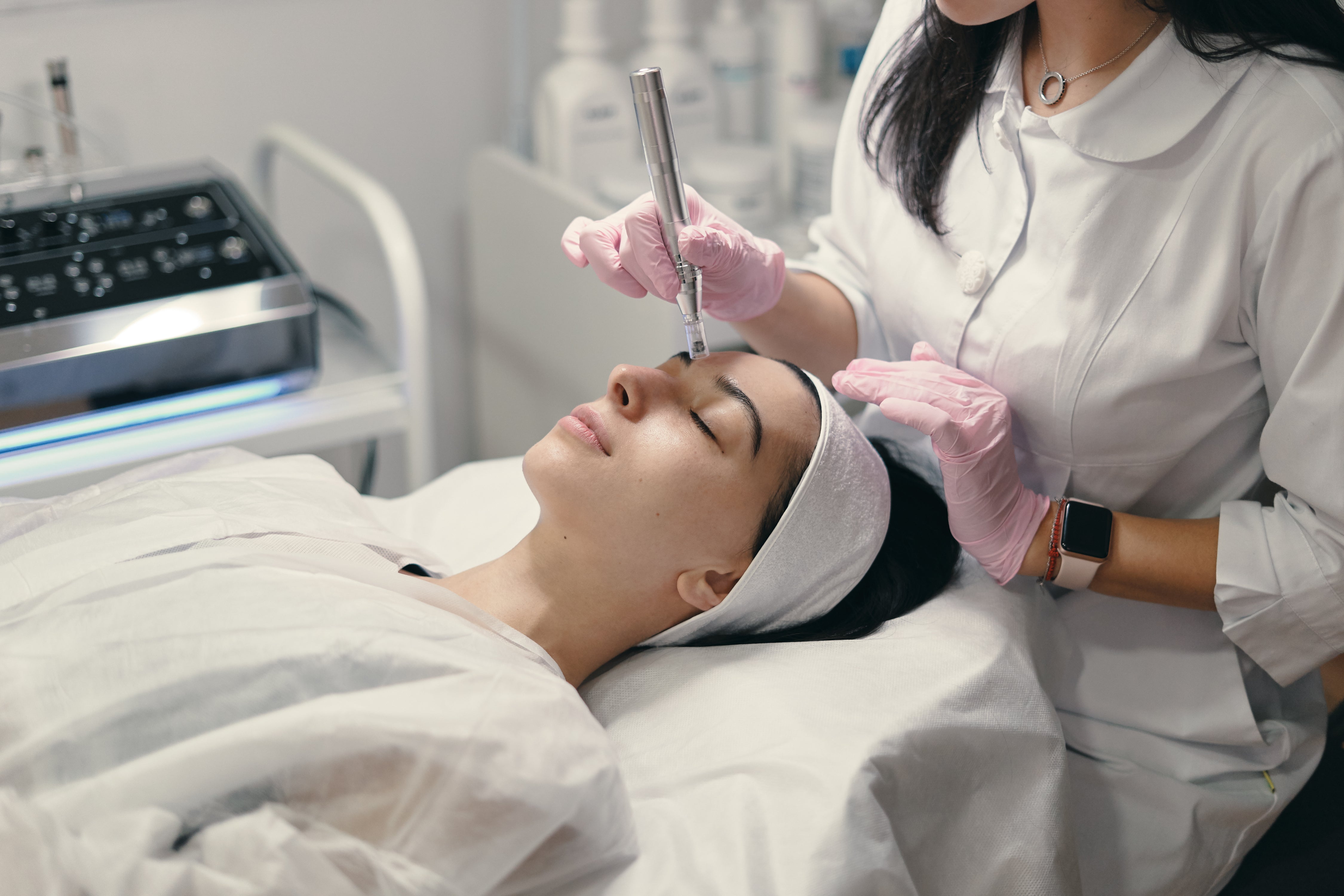
Microneedling RF
MNRF / Morpheus8 — heat plus micro-injury stimulates fresh collagen and improves texture.
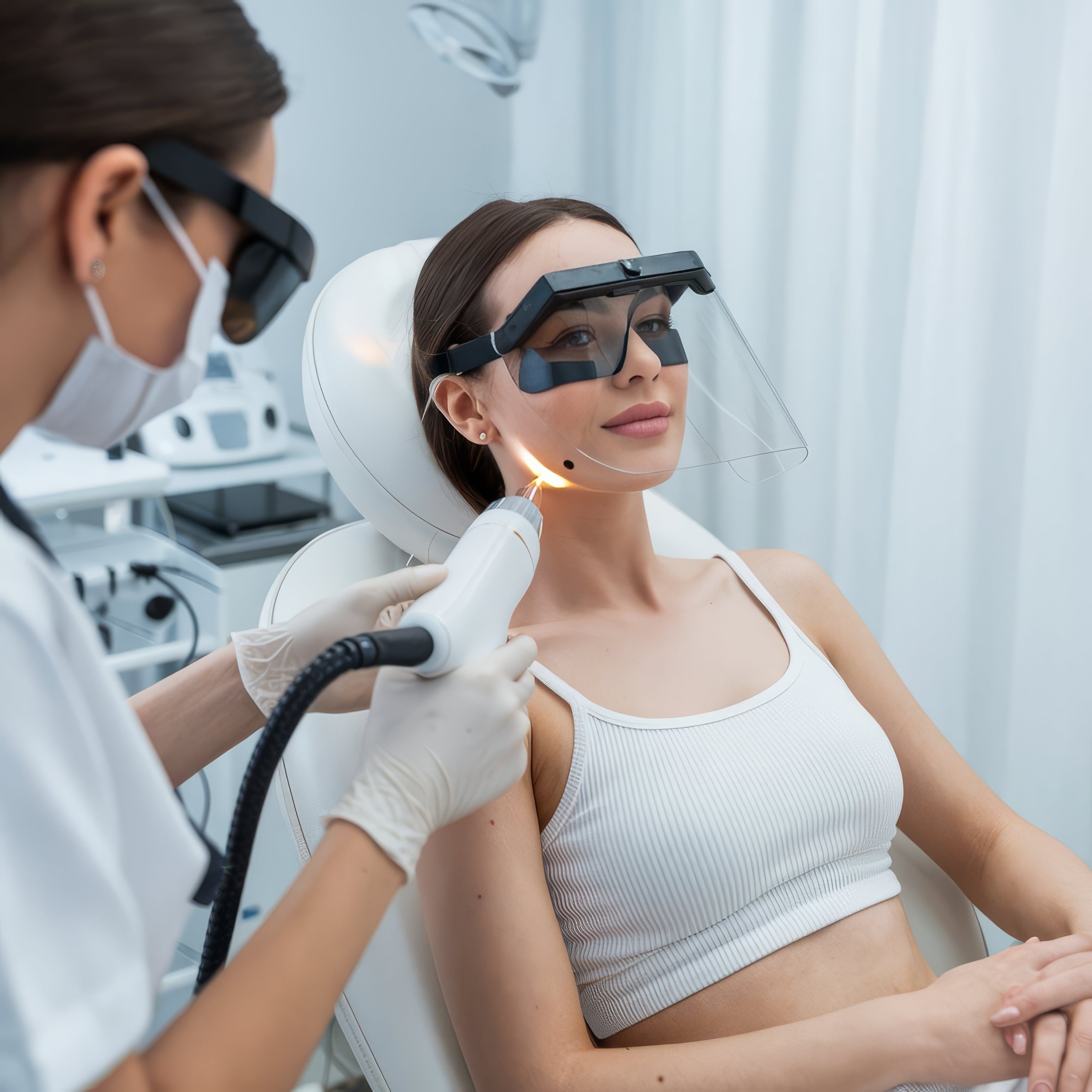
Fractional Laser
CO₂, Er:YAG or Pixel — controlled ablation for medium to deep scars.
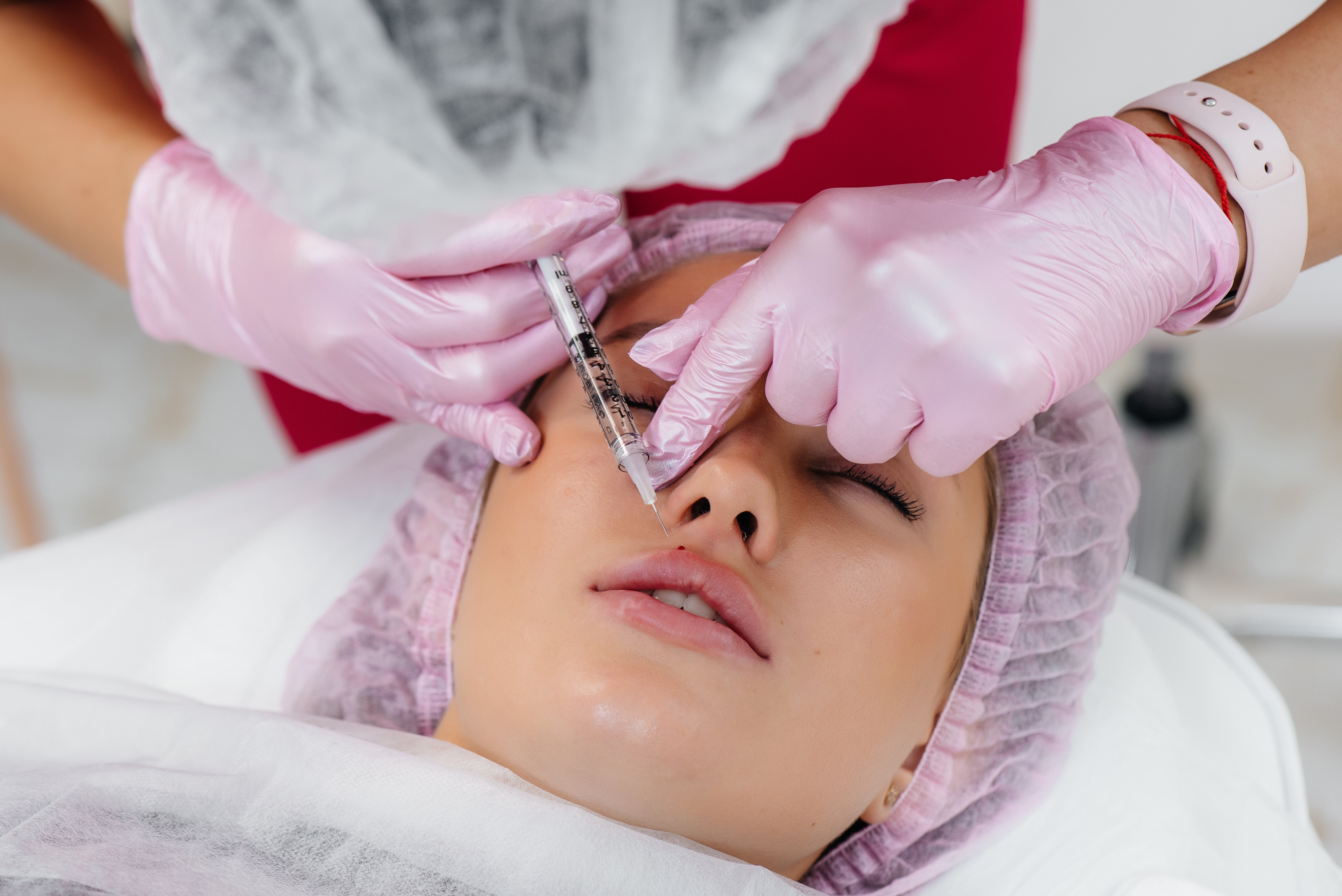
TCA CROSS
The definitive treatment for ice pick scars, inducing collagen formation inside deep, narrow pits that no other method reaches.
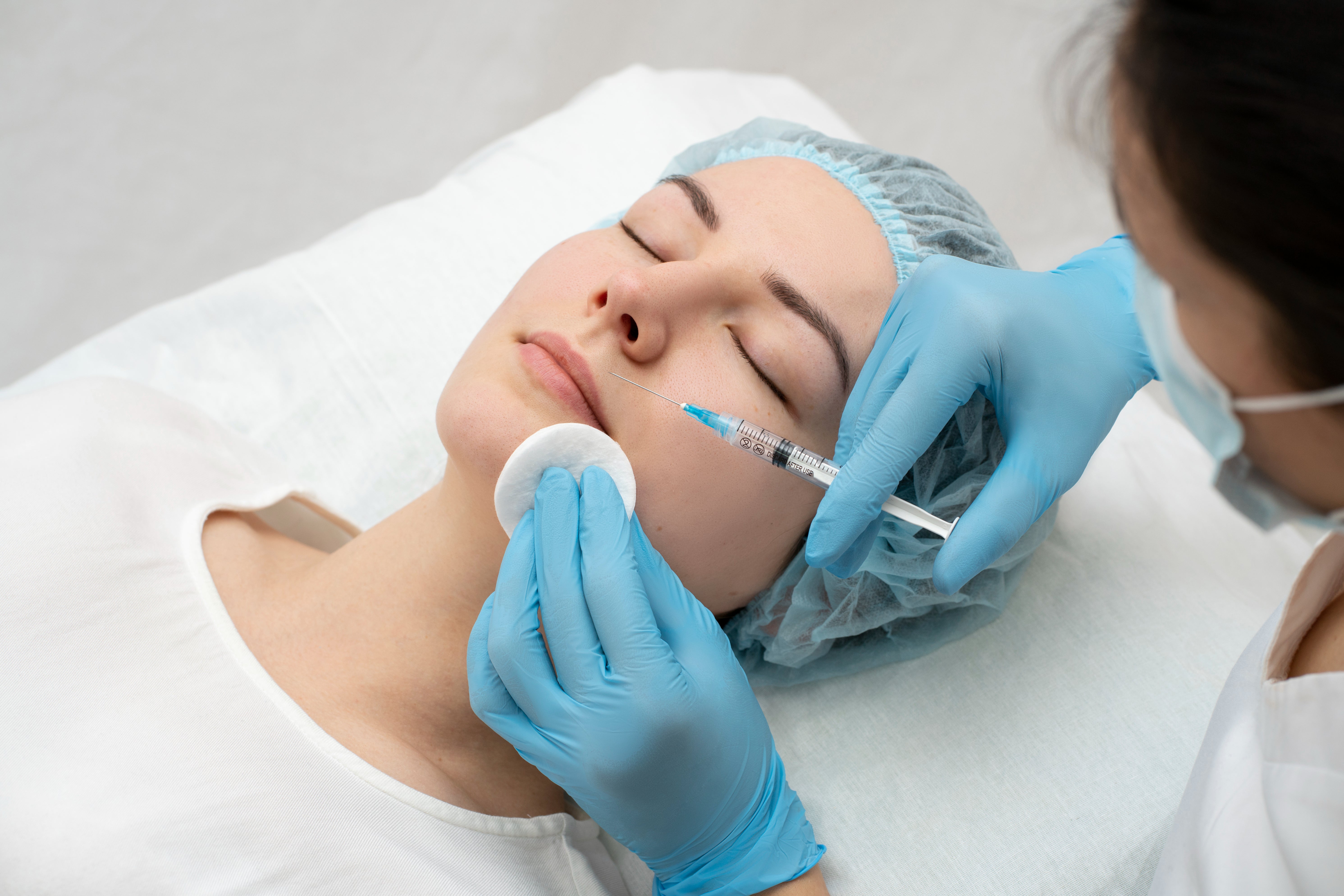
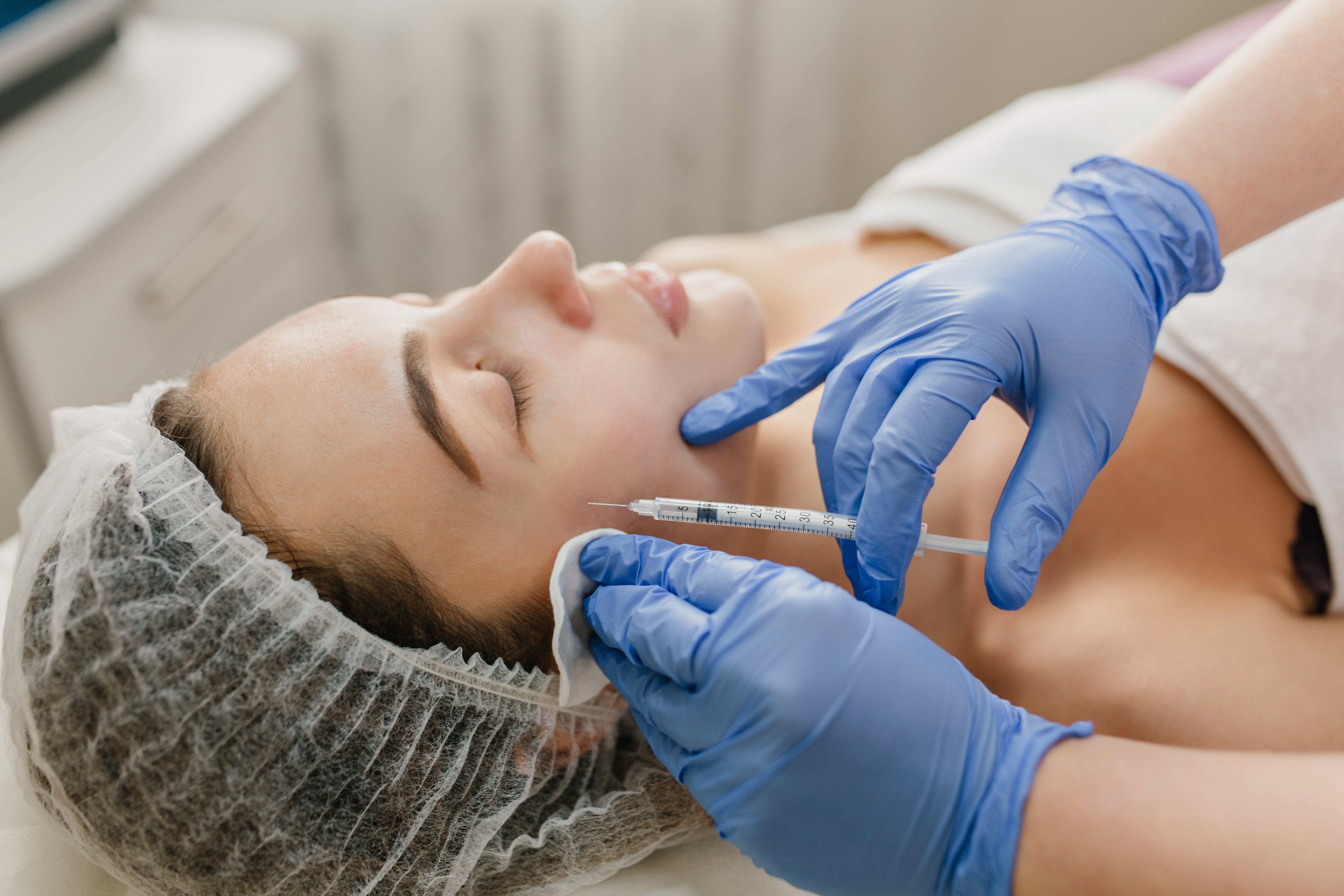
Intralesional Steroids
Reduces thickness, redness and firmness in hypertrophic and keloid scars.
Laser Toning / Q-Switch
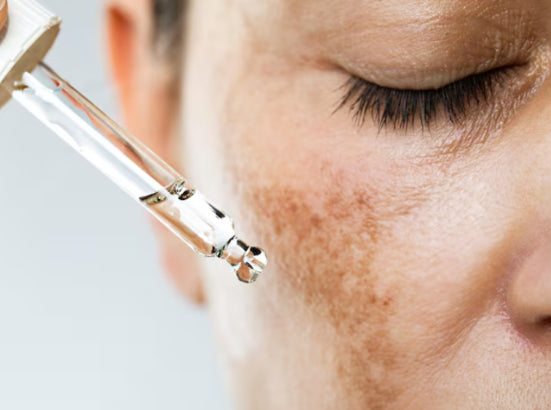
Targets pigmentation and residual inflammation surrounding the scar.
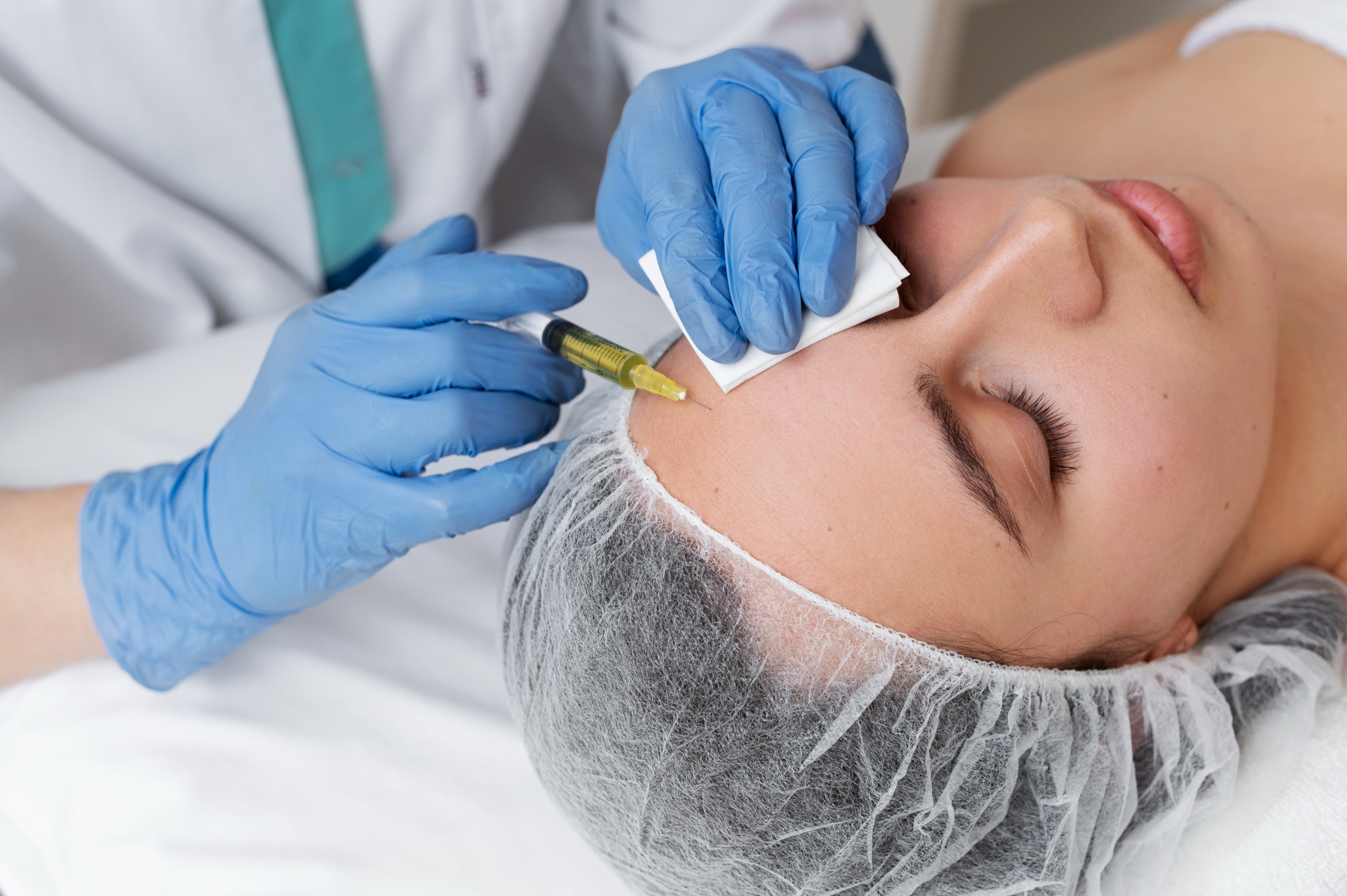
PRP
Boosts healing and collagen remodeling when layered with other procedures — rarely used alone.
improvement depending on severity, with collagen rebuilding gradually over 6–12 months.
 A Note on Honesty
Scars improve significantly — but rarely disappear completely.
Any clinic promising total erasure isn't being straight with you. Collagen can be rebuilt, not rewound.
What we can promise is measurable, lasting improvement — and a plan graded to your actual scar type rather than a package sold off a menu.
The 5-step root cause protocol
The same framework behind every treatment plan we write.
Right products, only when needed
We prescribe only what truly serves your skin — nothing more.
Root cause diagnosis
We uncover why breakouts happen — hormones, nutrition, stress.
Dermatologists you can trust
MD Dermatologists from AIIMS New Delhi, science and empathy both.
Science that serves you
Only USFDA-approved technology and evidence-based protocols.
Inside-out wellness
Mind, body and skin treated as one ecosystem, not three problems.
Questions, answered
Can acne scars be removed permanently?+
How many sessions are needed?+
Can I treat scars while I still have active acne?+
Is laser safe for Indian skin?+
Your skin doesn't need correction. It needs understanding.
Here's exactly what happens when you book — no packages, no pressure.
Scar grading
Your dermatologist identifies every scar type present and grades the severity.
A protocol built for you
Procedures matched to your specific scar types — usually a combination, sequenced properly.
Honest timelines
You'll know the session count and realistic improvement before anything begins.
Scientific references
- Goodman GJ, Baron JA — Acne scar grading system. J Am Acad Dermatol. pubmed.ncbi.nlm.nih.gov/17317487
- Kang S et al. — Inflammation & collagen breakdown (MMPs). J Am Acad Dermatol. pubmed.ncbi.nlm.nih.gov/18462855
- Tan JKL et al. — Acne epidemiology & scarring risk. Br J Dermatol. pubmed.ncbi.nlm.nih.gov/25597339
- Jacob CI et al. — Acne scar types & treatment overview. J Am Acad Dermatol. pubmed.ncbi.nlm.nih.gov/16310057
- Aust MC et al. — Microneedling & collagen stimulation. Plast Reconstr Surg. pubmed.ncbi.nlm.nih.gov/19116569
- Manuskiatti W et al. — Fractional laser for scars. Dermatol Surg. pubmed.ncbi.nlm.nih.gov/17338687