


When it comes to acne, misinformation spreads faster than the breakouts themselves. From home remedies to internet fads, many patients come to Allodermis after trying everything they’ve read online—only to end up with irritated, persistent acne.
The truth? Acne is a medical condition, not just a cosmetic one. And like any condition, it needs science-based care. Let’s break down the most common acne myths and what dermatology research actually says.
Myth 1: Acne Happens Because You Don’t Wash Enough
Fact: Over-washing your face can actually make acne worse.
Harsh scrubs or cleansing multiple times a day strip the skin barrier, leading to irritation, excess oil production, and even more breakouts.
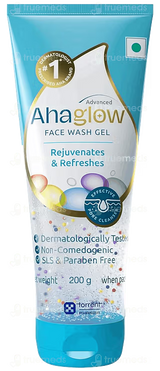
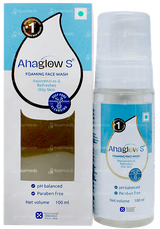
Science says: Gentle cleansing twice daily is enough. Look for mild, pH-balanced cleansers recommended by your dermatologist.
Myth 2: Chocolate, Oily Foods, and Spicy Meals Cause Acne
Fact: Diet plays a role, but not in the way people think.
It’s not greasy food that directly causes pimples—it’s high-glycemic foods (like refined sugar, bread, pastries) and excess milk that spike IGF-1 (insulin-like growth factor), which triggers acne.
Science says: Switch to an acne-friendly diet with more omega-3 fatty acids, whole grains, nuts, and antioxidant-rich fruits and vegetables.
Myth 3: Only Teenagers Get Acne
Fact: Adult acne is real—and rising.
Studies show that up to 50% of women over 20 suffer from hormonal acne, often linked to PCOS, stress, or contraceptive changes.
Science says: If you notice acne flaring around your jawline or before periods, see a skin doctor to rule out hormonal causes.
Myth 4: Acne Will Go Away On Its Own
Fact: Untreated acne can lead to permanent scars and pigmentation.
Waiting it out or relying only on home remedies delays care, which often makes the condition worse.
Science says: Early, targeted acne treatment prevents long-term damage. Options range from topical retinoids and antibiotics to advanced dermatology procedures like chemical peels, microneedling, or laser therapy.
Myth 5: Natural DIY Remedies Are Safer Than Medicines
Fact: Ingredients like lemon juice, toothpaste, or turmeric pastes may irritate or burn the skin.
DIY remedies lack proper concentration and scientific backing.
Science says: Evidence-based treatments prescribed by the best dermatologist are safe, effective, and personalized to your skin type.
Choose Science, Not Shortcuts
Acne is not caused by poor hygiene or one single food. It’s a multifactorial condition influenced by hormones, genetics, diet, stress, and skin health. The best acne treatment comes from identifying your unique triggers and designing a personalized plan with your dermatologist.
At Allodermis, we believe your skin deserves clinical clarity—not trial and error.
Struggling with acne myths? Book a consultation with our expert skin doctors and let science guide your way to healthier skin.
FAQs:
1. Does not washing my face enough cause acne?
No. Over-washing can actually strip your skin barrier, leading to irritation and increased oil production. Science recommends gentle cleansing twice daily with a pH-balanced cleanser.
2. Can diet directly cause pimples?
It is not just greasy food that causes acne; it is high-glycemic foods (like refined sugar and bread) and excess dairy that spike insulin levels, which can trigger breakouts.
3. Is acne just a teenage problem?
No, adult acne is increasingly common, affecting up to 50% of women over 20. It is often linked to factors like hormonal shifts, PCOS, or stress.
4. Will my acne go away on its own if I wait?
Waiting often makes the condition worse and increases the risk of permanent scarring or pigmentation. Early, targeted treatment is essential to prevent long-term skin damage.
5. Are natural DIY home remedies safer than prescribed medicine?
No. DIY ingredients like toothpaste or lemon juice often lack scientific backing and can cause skin irritation. Evidence-based treatments prescribed by a dermatologist are safer and personalized to your skin type.
References:
- Zaenglein, A.L., et al. (2016). Guidelines of care for the management of acne vulgaris. J Am Acad Dermatol, 74(5), 945–973.
- Dreno, B., et al. (2018). Pathophysiology of acne. Dermato-Endocrinology, 9(1), e1351570.
- Burris, J., et al. (2013). Diet and acne: A review of the evidence. Int J Dermatol, 52(7), 794–801.
- Smith, R.N., et al. (2007). Low glycemic load diet improves symptoms in acne vulgaris. Am J Clin Nutr, 86(1), 107–115.
- Preneau, S., & Dreno, B. (2012). Female acne – a different subtype of teenager acne? J Eur Acad Dermatol Venereol, 26(3), 277–282.


