

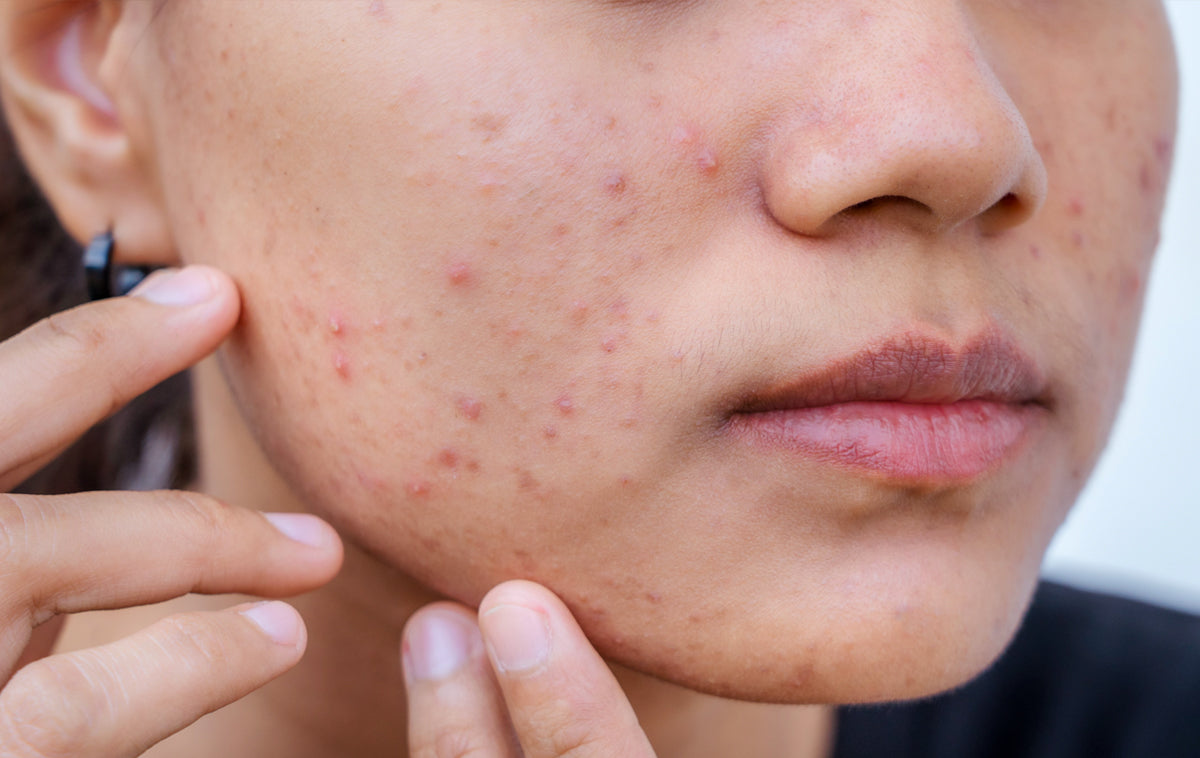
You’ve tried everything—creams, diets, home remedies—but your acne still refuses to go away. Sounds familiar? You’re not alone.
At Allodermis, we often see patients frustrated with persistent acne that keeps flaring despite countless products. The truth is: real acne treatment starts with understanding the root cause.
Hormonal Acne: More Than Just a Skin Issue
If your breakouts flare up around your jawline, chin, or during your periods, chances are your acne is hormonal.
-
Androgens (male hormones like testosterone) increase oil production in sebaceous glands.
-
Excess oil → clogged pores → inflammation → painful breakouts.
-
Studies show that 50% of women above 20 years suffer from hormonal acne [Dreno et al., 2018].
This isn’t about “weak skin”—it’s about what’s happening inside your body.
The Diet Connection: Milk, Sugar & IGF-1
Your daily diet plays a crucial role in acne development. Foods high in sugar and dairy increase levels of Insulin-like Growth Factor-1 (IGF-1), a hormone strongly linked with acne flare-ups.
Cutting back on skim milk, sweets, and processed carbs can make a visible difference.
Instead, focus on anti-inflammatory foods:
- Omega-3 rich nuts & seeds
- Fatty fish like salmon and mackerel
-
Leafy greens & antioxidant-rich fruits
The Stress–Acne Cycle
Stress doesn’t just affect your mind—it shows up on your skin.
-
Stress raises cortisol levels (the “stress hormone”).
-
Cortisol → more oil → clogged pores → acne.
-
A vicious cycle begins: acne causes stress, stress worsens acne.
Simple stress-management—yoga, meditation, deep breathing, or good sleep—can reduce breakouts more than most realize.
Skincare Habits That Worsen Acne
Many believe scrubbing or over-washing “cleans” the skin. In reality:
-
Over-washing damages the skin barrier.
-
A weak barrier = irritation, dryness, and even more acne.
Stick to:
-
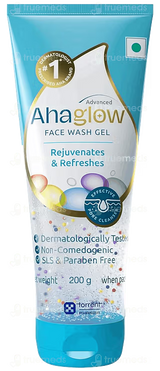
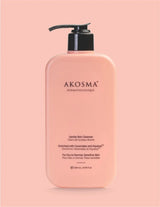
A gentle cleanser (twice daily)
-
Non-comedogenic moisturizers to protect your barrier
When to See a Dermatologist
You should see a dermatologist or skin doctor if your acne is:
-
Persistent despite OTC products
-
Flared up during periods
-
Linked to irregular periods, facial hair, or hair loss (possible PCOS)
-
Leaving scars or pigmentation
At Allodermis, we offer customized, dermatologist-led treatment plans—whether your acne stems from PCOS, diet, or stress. With the right combination therapy, acne can improve by up to 80%.
To conclude…
Acne is not just a surface issue—it’s a signal from your body. Hormones, diet, stress, and skincare habits all play a role.
The good news? With expert care, acne doesn’t have to keep coming back. At Allodermis, we decode your acne, treat the root cause, and build a plan designed for your skin.
Tired of recurring acne? Book your consultation today and take the first step toward clear, healthy, confident skin.
Frequently Asked Questions:
Q: Why does my acne keep flaring up despite trying many products?
A: You may be struggling with persistent acne, which often indicates that the root cause—such as hormones, diet, or stress—has not been addressed by surface-level treatments alone.
Q: How can I tell if my breakouts are related to hormones?
A: Hormonal acne often presents as breakouts around your jawline and chin, or flare-ups that coincide with your menstrual cycle.
Q: When should I consider professional help for my skin?
A: You should consult a dermatologist if your acne is persistent despite using over-the-counter products, if you are experiencing scarring, or if you have symptoms like irregular periods or facial hair growth.
Q: Is there an effective way to approach acne treatment?
A: Effective acne treatment focuses on identifying and treating the underlying cause, whether it is hormonal, dietary, or stress-related, rather than just treating symptoms on the skin's surface.
Q: How does stress influence my breakouts?
A: The stress-acne cycle occurs because stress increases cortisol levels, which boosts oil production and leads to clogged pores, creating a cycle where acne causes stress and stress further worsens acne.
Also Read: Keratosis Pilaris: What It Really Is and How to Manage Those Tiny Bumps
Also CheckOut: See our Work
References
- Dreno, B., et al. (2018). Pathophysiology of acne. Dermato-Endocrinology, 9(1), e1351570.
-
Burris, J., et al. (2013). Diet and acne: A review of the evidence. Int J Dermatol, 52(7), 794–801.
-
Smith, R.N., et al. (2007). Low glycemic load diet improves symptoms in acne vulgaris. Am J Clin Nutr, 86(1), 107–115.
- Thiboutot, D., et al. (2009). New insights into the management of acne. J Am Acad Dermatol, 60(5), S1–S50.
- Kligman, A.M. (1974). An overview of acne. J Invest Dermatol, 62(3), 268–287.


