











News

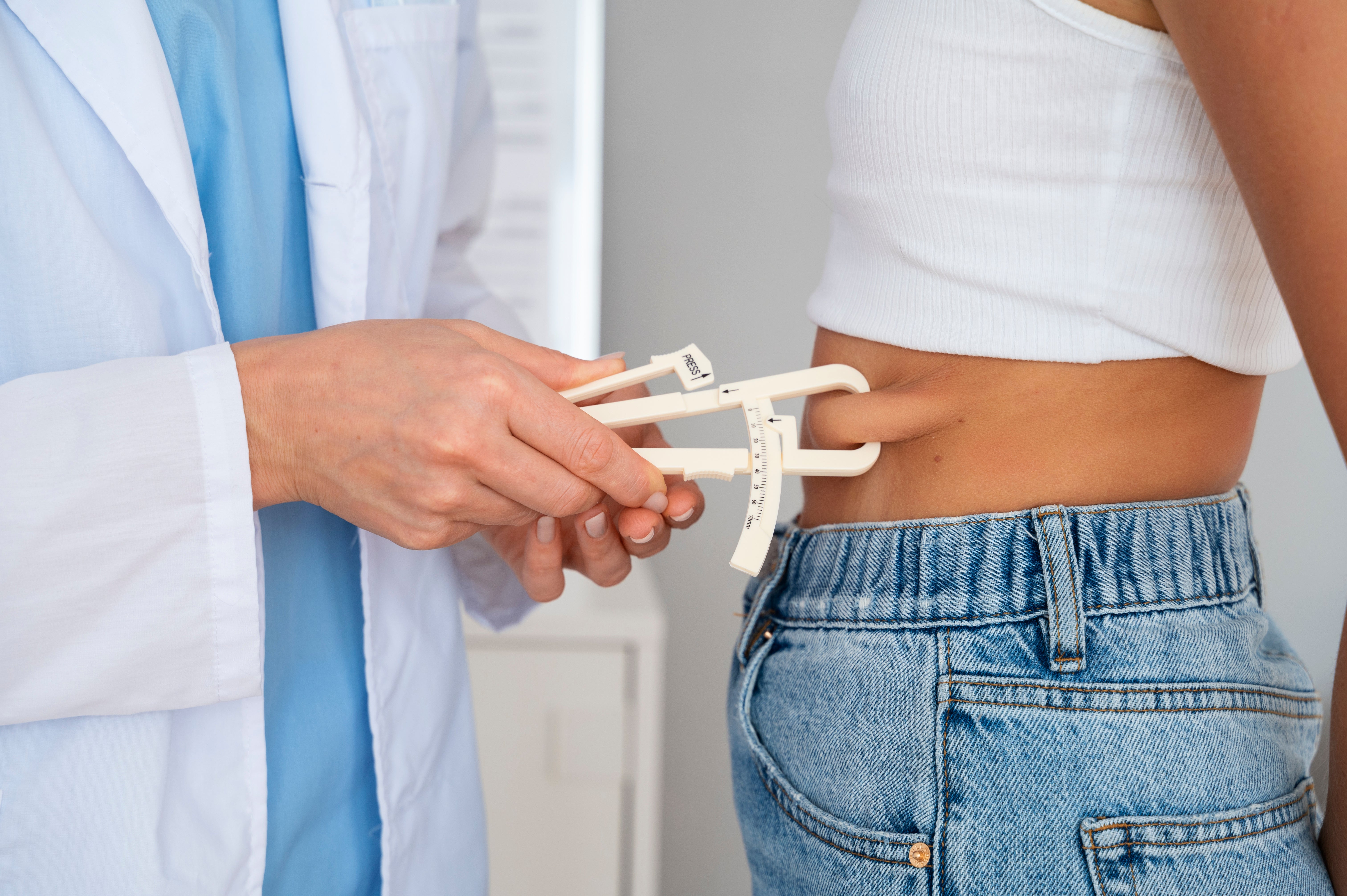
PCOS Symptoms in Women: How Hormonal Imbalance Affects Skin, Hair & the Entire Body
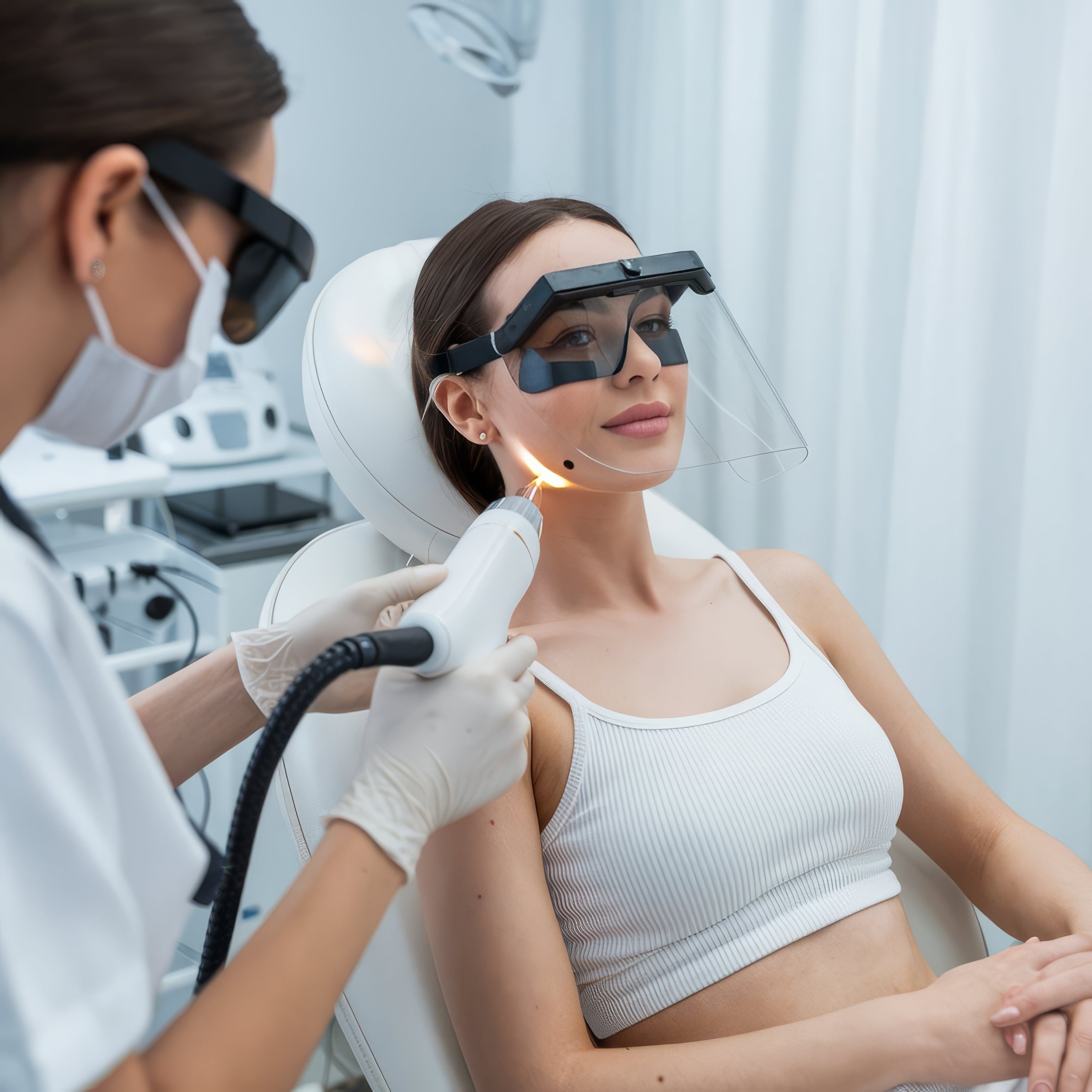
PCOS is more than just a hormonal disorder — it can affect the skin, hair, metabolism, and emotional health of women. From hormonal acne and excessive hair fall to facial hair growth and pigmentation, discover how PCOS impacts the entire body and the best treatment options available at AlloDermis.
Learn more
Acne Scar Treatment Explained: Types of Scars, Best Treatments, Timelines, and What Actually Works
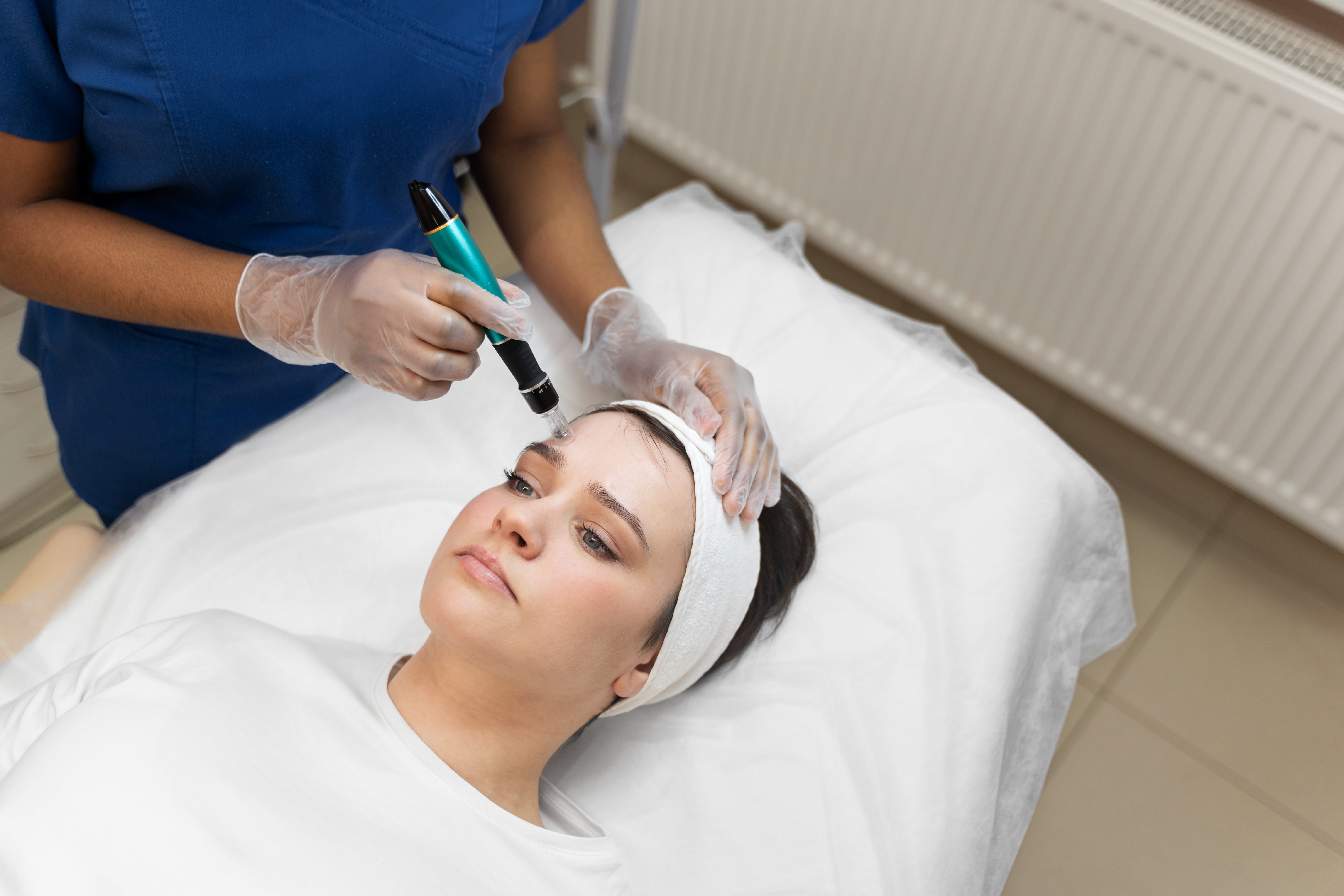
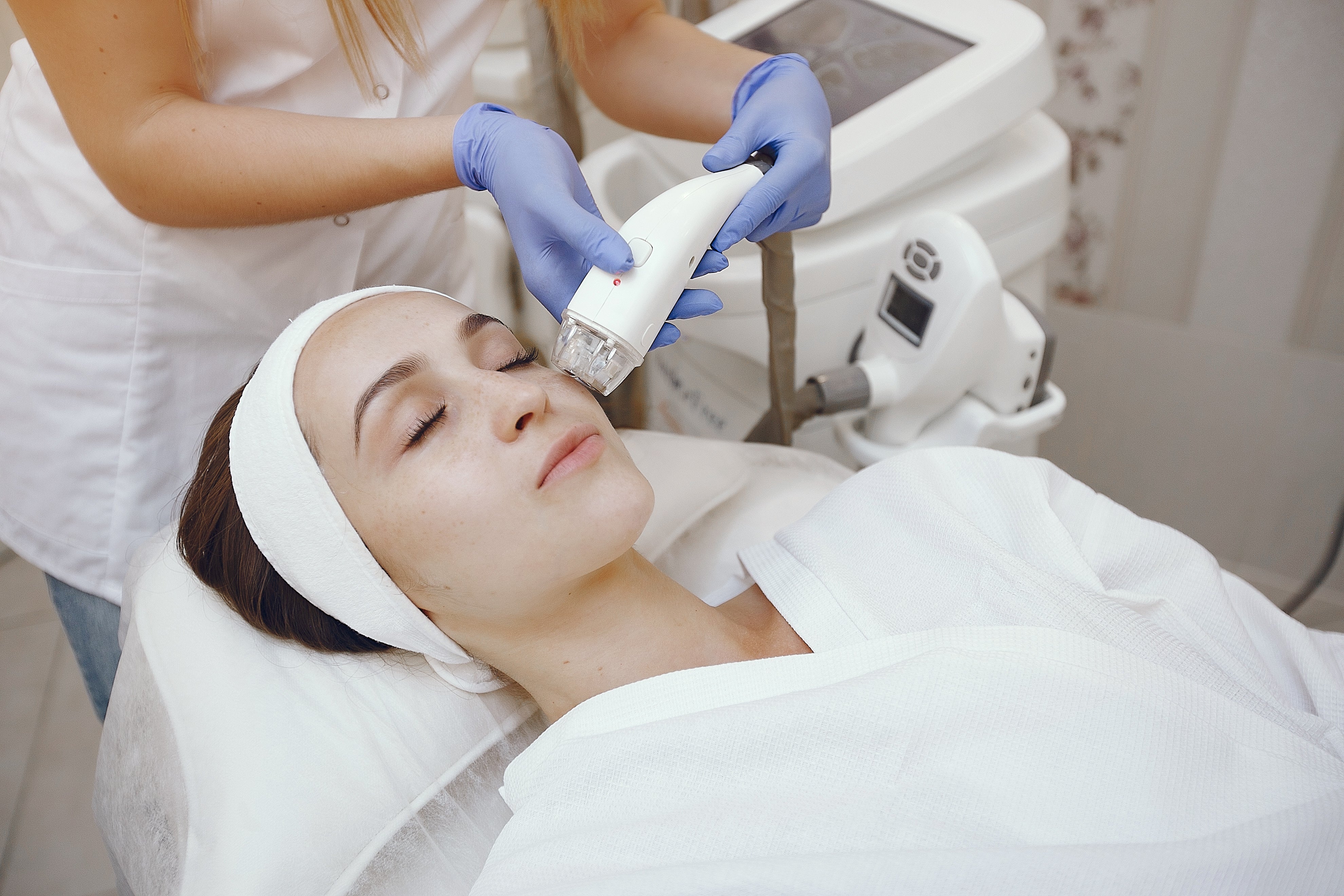
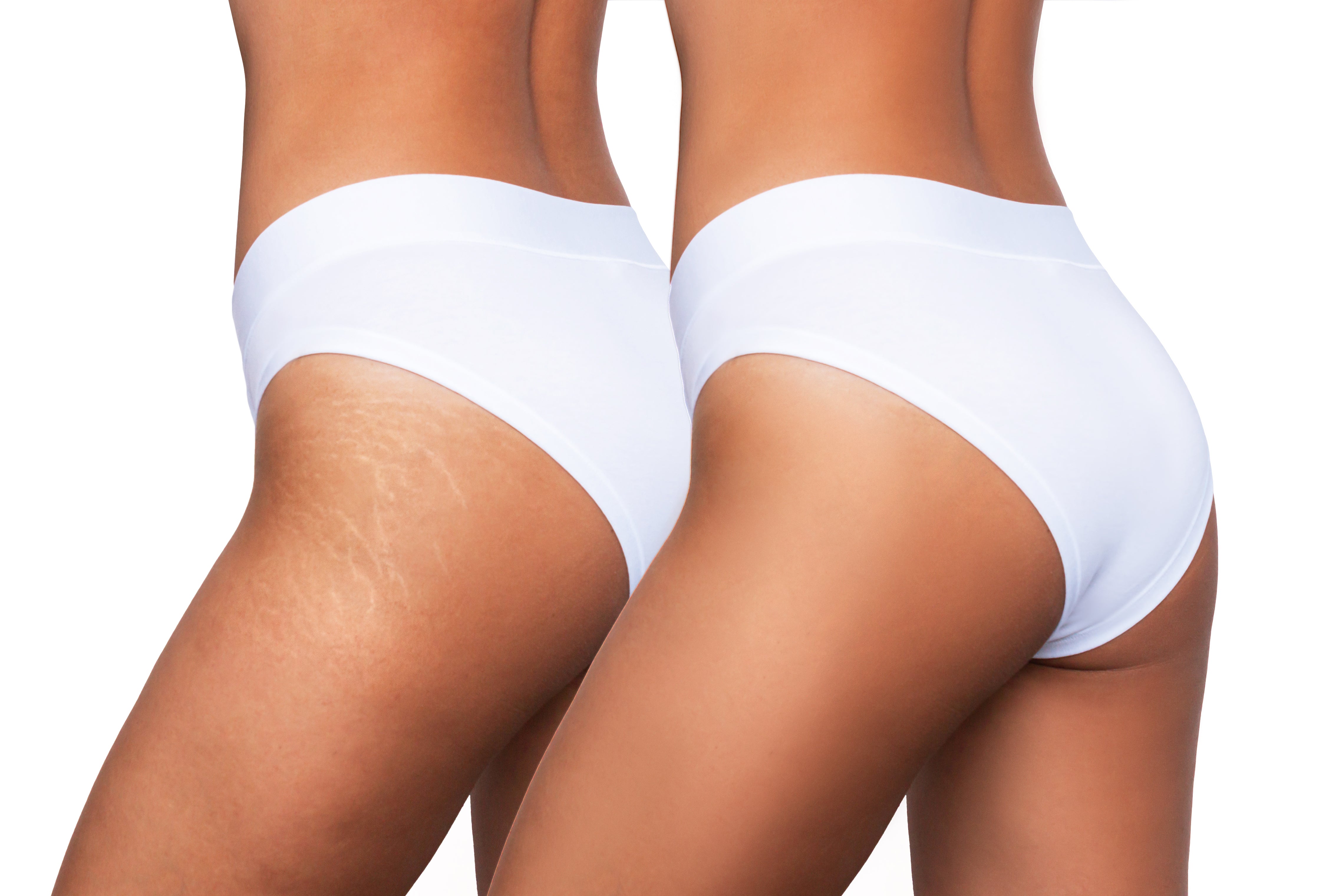
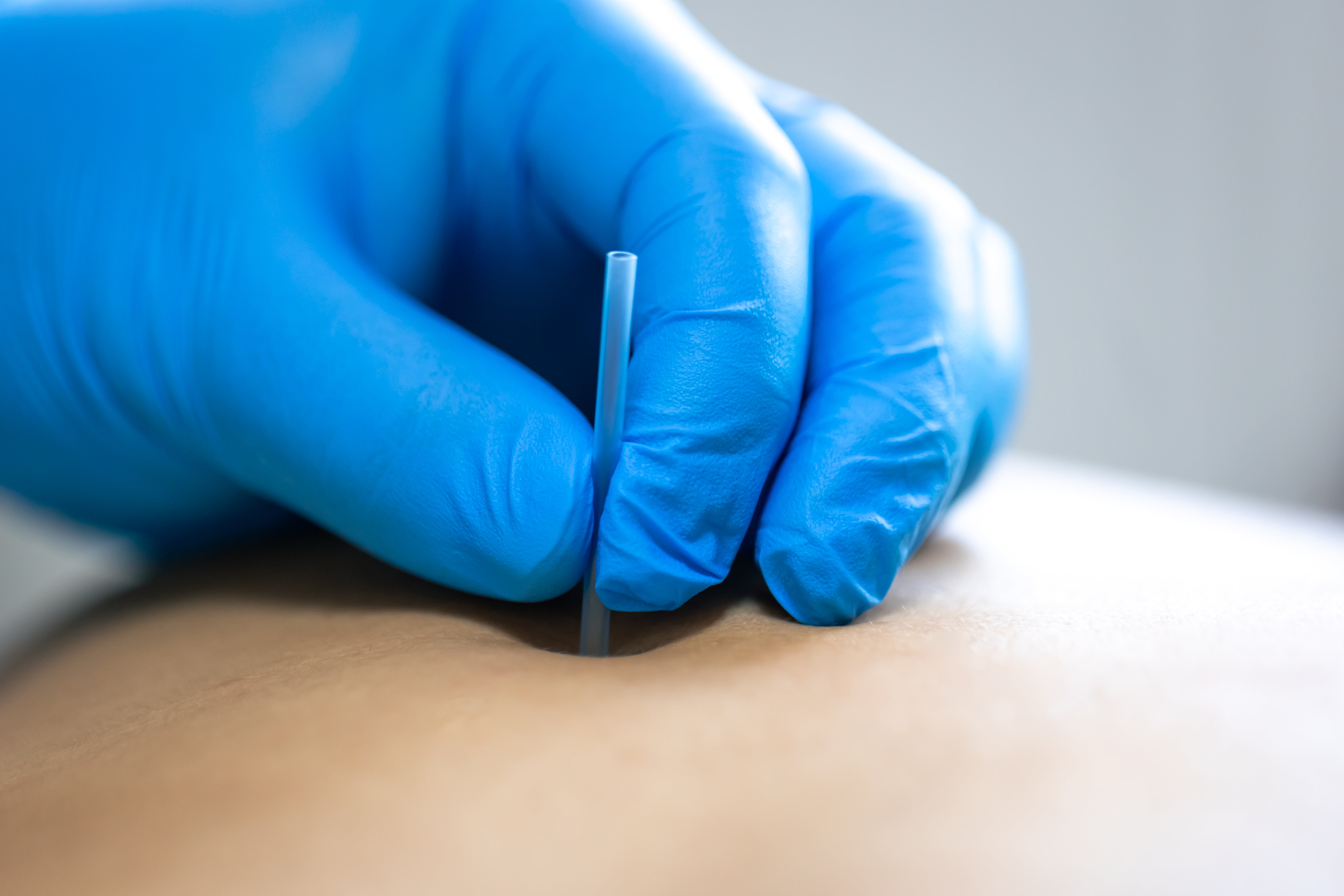
Acne scars are permanent collagen injuries that create pits, depressions, or raised scars due to deep inflammation damaging the skin's structure. Effective treatment requires an accurate diagnosis of the scar type (Ice pick, Boxcar, Rolling, Hypertrophic/Keloid) and usually involves combination therapy like Subcision, RF microneedling, Fractional laser resurfacing, or TCA CROSS. While complete removal is uncommon, meaningful improvement is achievable over a period of 6–12 months and typically requires 3–8 sessions.
Learn more
Acne Treatment Explained: Causes, Types, Best Options, Timelines, and Scar Prevention
Acne is a chronic inflammatory skin condition, not a hygiene issue, caused by four biological factors: excess oil, blocked pores (follicular hyperkeratinization), bacterial overgrowth (Cutibacterium acnes), and inflammation. Effective treatment targets all four mechanisms and requires consistent use for 8–12 weeks before evaluation. Treatment varies by severity: mild acne is typically managed with topical retinoids and benzoyl peroxide; moderate acne often requires combination therapy, sometimes including short-course oral antibiotics; and severe, scarring, or treatment-resistant acne may require systemic treatment like oral isotretinoin under specialist supervision. Procedures such as chemical peels, lasers, or microneedling are used alongside medical therapy to address postacne marks (red/brown pigmentation) and permanent scars (ice pick, rolling, boxcar). Crucial maintenance care is necessary to prevent relapse, especially for recurrent or hormonal acne, and consultation with a dermatologist is recommended for acne that is painful, cystic, recurrent, or leading to marks or scars.
Learn more