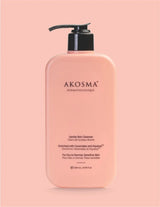
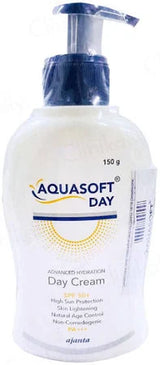







Those small, rough bumps on your upper arms or thighs? That’s not acne—it’s Keratosis Pilaris (KP), a common but often misunderstood skin condition. While harmless, it can be persistent and frustrating for those seeking smooth, even skin.
At Allodermis, we see many patients worried about these bumps, often mistaking them for acne or allergic reactions. The truth? KP is caused by something completely different—and requires a unique approach to care.
Here’s what you need to know about Keratosis Pilaris, what causes it, and how a dermatologist can help you manage it effectively.
What Is Keratosis Pilaris?
Keratosis Pilaris occurs when keratin, a protective protein in the skin, builds up and clogs hair follicles. This creates tiny, rough bumps that can feel like sandpaper. KP often appears on:
- Upper arms
- Thighs
- Buttocks
- Cheeks
It’s not contagious or dangerous, but it can cause dryness, redness, and a bumpy texture that bothers many patients cosmetically.
What Causes Keratosis Pilaris?
The exact cause isn’t fully understood, but contributing factors include:
- Genetics – KP often runs in families
- Dry skin – Worsens during colder months
- Skin conditions like eczema
- Excess keratin production – Blocking hair follicles
Unlike acne, KP is not caused by bacteria or oil, which means acne treatments won’t work—and can make it worse.
What Not to Do for Keratosis Pilaris
Many people try harsh scrubbing or acne cleansers, but this can irritate the skin and increase redness. Avoid:
- Over-exfoliating with rough scrubs
- Using strong soaps or drying cleansers
- Hot showers without moisturizing afterward
Keratosis Pilaris Treatment: What Actually Works
While there’s no permanent cure for KP, it can be significantly improved with consistent care. Your skin doctor may recommend:
- Gentle exfoliation with chemical agents (AHAs like lactic acid or BHAs like salicylic acid)
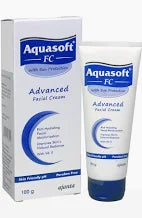
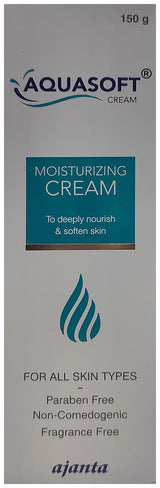
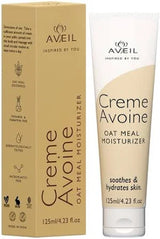
- Moisturizers with urea or lactic acid to soften bumps
- Short, lukewarm showers and gentle cleansers
- Prescription creams for severe cases (with retinoids or anti-inflammatory agents)
For patients with stubborn or widespread KP, dermatologists may suggest advanced treatments like chemical peels or laser therapy to improve texture and redness.
When to See a Dermatologist
While KP is mostly a cosmetic concern, it’s worth consulting the best dermatologist or a trusted skin doctor if:
- The bumps are spreading or inflamed
- OTC creams aren’t helping
- You also have severe dryness or eczema
- You want faster, clinically proven results
Smooth Skin Starts with the Right Care
At Allodermis, we understand the frustration of skin conditions that seem “untreatable.” Our approach combines evidence-based skincare, advanced dermatology treatments, and personalized plans to help you feel confident in your skin again.
Tired of rough, bumpy skin? Book a consultation with our dermatology team and discover how professional care can transform your skin health.
Frequently Asked Questions:
-
What is Keratosis Pilaris (KP)?
Keratosis Pilaris is a common, non-contagious skin condition caused when keratin, a protective protein, builds up and clogs hair follicles, resulting in tiny, rough bumps, most often on the upper arms, thighs, and cheeks.
-
What are the main causes of KP?
The condition is primarily caused by excess keratin production that blocks hair follicles. Contributing factors include genetics (it often runs in families), dry skin, and coexisting skin conditions like eczema. It is not caused by bacteria or oil.
-
How should I treat KP bumps?
While there is no permanent cure, KP can be managed through consistent care, including gentle chemical exfoliation (using AHAs or BHAs), applying moisturizers with urea or lactic acid, and taking short, lukewarm showers.
-
What should I avoid doing for KP?
Avoid harsh scrubbing, over-exfoliating, and using strong soaps or drying cleansers, as these methods can irritate the skin and increase redness.
-
When is it necessary to see a dermatologist for KP?
It is recommended to consult a dermatologist if over-the-counter creams are not helping, if the bumps are spreading or inflamed, or if you also have severe dryness or eczema.
References:
-
Leung AKC, et al. (2019). Keratosis Pilaris: A Common Skin Condition. Clinical Pediatrics, 58(3), 345–351.
https://doi.org/10.1177/0009922818805212 -
Mendiratta V, et al. (2015). Keratosis Pilaris: A Clinicoepidemiological Study. Indian Journal of Dermatology, 60(2), 155–159.
https://doi.org/10.4103/0019-5154.152512 -
Zaenglein AL, et al. (2016). Guidelines of Care for the Management of Skin Disorders. Journal of the American Academy of Dermatology, 74(5), 945–973.
https://doi.org/10.1016/j.jaad.2015.12.037


