








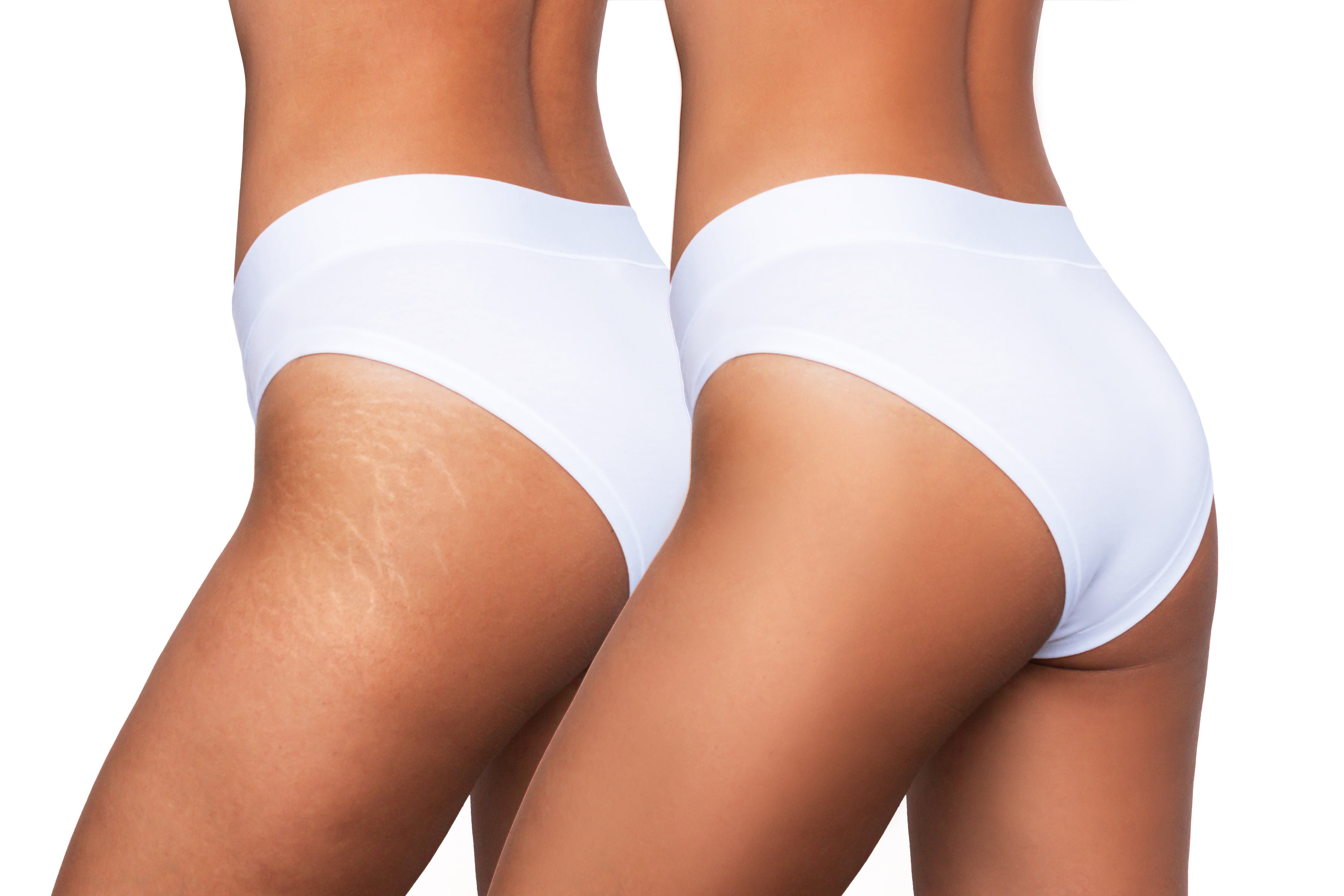



 Before
 After
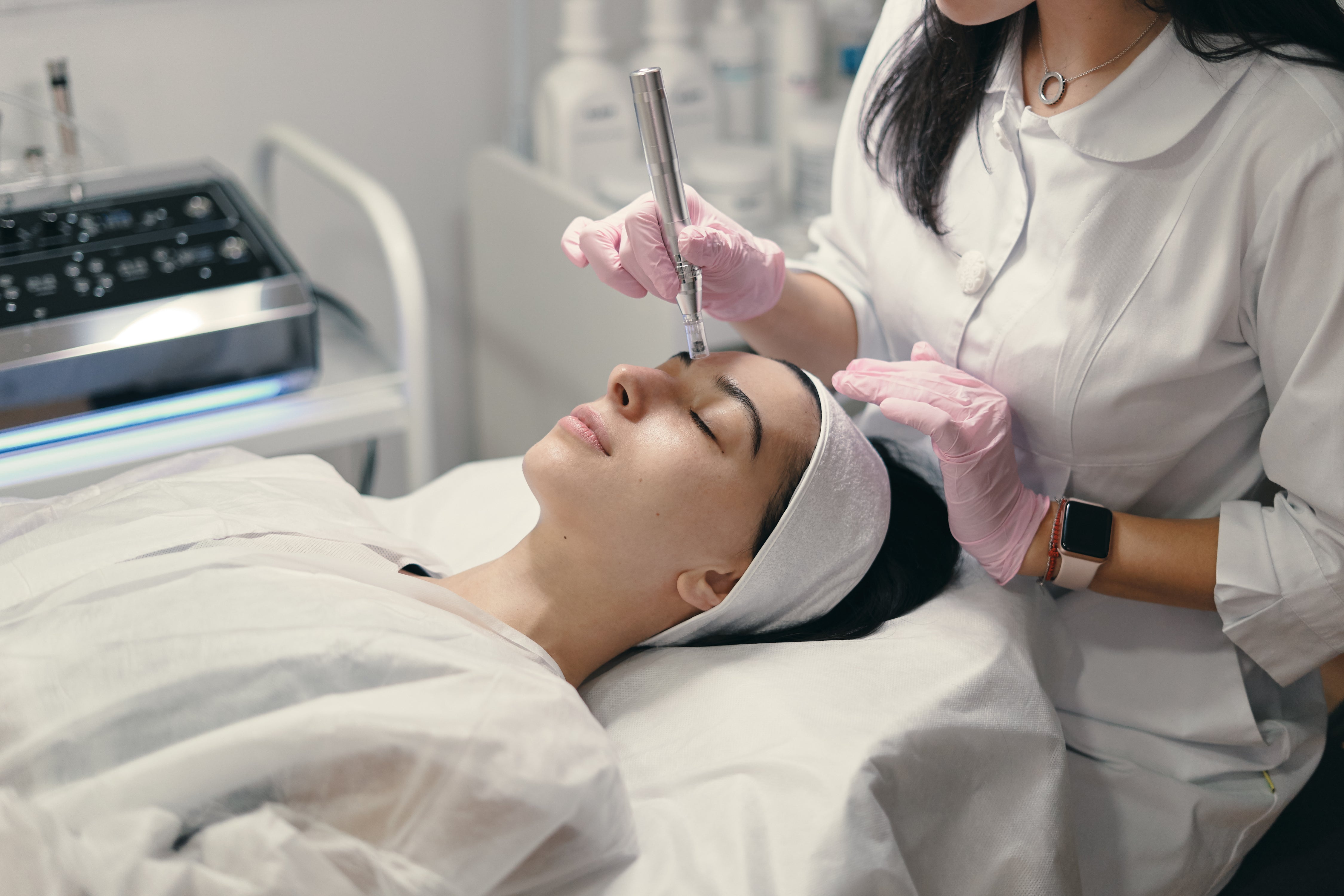
Forehead Acne
ACNE Treatment - Forehead



 Before
After
ACNE Treatment - Forehead
 Before
 After
ACNE Treatment - Cheeks
 Before
 After
Laser Tattoo Removal
 Before
 After
Laser SCAR Removal
 Before
 After
Lip Filler (Lip Correction)
 Before
 After
Nose Filler
 Before
 After
Laser Hair Removal - Thigh and Legs
 Before
 After
Laser Hair Removal - Abdominal and Back
 Before
 After
Mole Removal
 Before
 After
Chemical Peel
 Before
 After
Lip Blushing
 Before
 After
SMP (Scalp Micro Pigmentation)
Fast AI analysis. Real dermatologist review. A clear plan you can follow from home.

Upload photos and answer a few questions. Get your initial report in under 60 seconds.
A qualified dermatologist reviews your skin details before the next steps are shared.
Receive clear skin guidance and trusted product options based on your concern.

Upload photos and answer a few questions. Get your initial report in under 60 seconds.
A qualified dermatologist reviews your skin details before the next steps are shared.
Receive clear skin guidance and trusted product options based on your concern.

Upload photos and answer a few questions. Get your initial report in under 60 seconds.
A qualified dermatologist reviews your skin details before the next steps are shared.
Receive clear skin guidance and trusted product options based on your concern.

Upload photos and answer a few questions. Get your initial report in under 60 seconds.
A qualified dermatologist reviews your skin details before the next steps are shared.
Receive clear skin guidance and trusted product options based on your concern.

Upload photos and answer a few questions. Get your initial report in under 60 seconds.
A qualified dermatologist reviews your skin details before the next steps are shared.
Receive clear skin guidance and trusted product options based on your concern.

Upload photos and answer a few questions. Get your initial report in under 60 seconds.
A qualified dermatologist reviews your skin details before the next steps are shared.
Receive clear skin guidance and trusted product options based on your concern.

Upload photos and answer a few questions. Get your initial report in under 60 seconds.
A qualified dermatologist reviews your skin details before the next steps are shared.
Receive clear skin guidance and trusted product options based on your concern.

Upload photos and answer a few questions. Get your initial report in under 60 seconds.
A qualified dermatologist reviews your skin details before the next steps are shared.
Receive clear skin guidance and trusted product options based on your concern.
Dr. Skin learns from thousands of skin cases across India, so you get care guided by wider doctor experience, not guesswork.

Our team is here to help. Get in touch for personalized answers.
During your consultation, our dermatologist evaluates your skin concerns, goals, and medical history to recommend the most suitable treatment.
It depends on your concern and skin response. Most plans run 3 to 6 sessions.
Most procedures involve little to no discomfort. Where needed we use numbing options.
Yes. Every plan is tailored to your skin type, concern and goals.

Type: Serums

Type: Moisturizers

Type: Serums
Type: Moisturizers
Type: Serums
Type: Moisturizers
Type: Serums
Type: Moisturizers
Board-certified dermatologists from AIIMS & top institutions, dedicated to delivering science-backed, compassionate skin care.
 11+ Yrs
MD Dermatology (AIIMS New Delhi) · Clinical Dermatologist · Skin & Hair Specialist
Consult Dr. AlokHealthy skin is a reflection of internal balance — my goal is to treat both, with care and clarity.
 9+ Yrs
MD Dermatology (AIIMS New Delhi) · Award-Winning Dermatologist · 20+ Publications
Consult Dr. NarayananGreat skin starts with understanding — every diagnosis I make is backed by science and shaped by empathy.
 8+ Yrs
MBBS, DNB Dermatology & Venereology · Aesthetic Dermatologist · Member, IADVL
Consult Dr. ArchanaI treat the root — not just the rash. My aim is to help you feel at home in your skin again.
 7+ Yrs
MBBS, MD Dermatology (DVL) · Clinical & Aesthetic Dermatologist
Consult Dr. ShivaniDr. Shivani blends strong clinical training with advanced aesthetic expertise to offer safe, naturally enhanced results.
 6+ Yrs
MD Dermatology (AIIMS) · DNB · MRCP (SCE) · Ex–Senior Resident, AIIMS
Consult Dr. KarthikEvery skin has a story — and the best care starts by listening to it.
 18+ Yrs
MD Dermatology (AIIMS) · DNB · MRCP (SCE) · Ex–Senior Resident, AIIMS
Consult Dr. Sanjay 5+ Yrs
MD Dermatology & Venereology · Clinical & Cosmetic Dermatologist
Consult Dr. NamrataDr. Namrata combines gentle care with scientific precision to create holistic, personalized skin programs.
 2+ Yrs
MD Dermatology, Venereology & Leprosy · Award-Winning Dermatologist
Consult Dr. PranomitaDr. Pranomita combines clinical expertise with advanced dermatology procedures to deliver personalized and effective skin care.
See real results from our treatments. Drag the slider to compare before and after images.
 After
 Before
Laser Tattoo Removal
 After
 Before
Laser SCAR Removal
 After
 Before
Laser Toning Q-Switch Skin Rejuvenation
 After
 Before
Laser Hair Removal - Thigh and Legs
 After
 Before
Laser Hair Removal - Abdominal and Back
 After
 Before
Laser Hair Removal - Cheeks
 After
 Before
Laser Hair Removal - Chin and Front Neck
 After
 Before
Laser Hair Removal - Under Arm
 After
 Before
Laser Hair Removal - Beard Line
 After
 Before
Laser Hair Removal - Hand
 After
 Before
Laser Hair Removal - Ear
 After
 Before
Laser Hair Removal - Upper Lip
 After
 Before
ACNE Treatment - Forehead
 After
 Before
ACNE Treatment - Cheeks
 After
 Before
ACNE Treatment - Chin & Jawline
 After
 Before
Pigmentation Treatment - Nose
 After
 Before
SCAR Mark Removal
 After
 Before
Pigmentation Treatment - Cheeks
 After
 Before
Lip Filler (Lip Correction)
 After
 Before
Nose Filler
 After
Before
Chin Filler (Jawline Restoration)
 After
 Before
Under Eye Filler
 After
 Before
Nasolabial Correction
 After
 Before
Thread Lifting (Jawline Correction)
 After
 Before
Fat Grafting Under Eye
 After
 Before
Fat Grafting ACNE SCAR Removal
 After
 Before
Botox on Forehead - Anti Wrinkle
 After
 Before
Botox on Under Eye - Anti Wrinkle
 After
 Before
Mole Removal
 After
 Before
Chemical Peel
 After
 Before
Vitiligo Treatment - Hand
 After
 Before
Vitiligo Treatment - Face
 After
 Before
Vitiligo Treatment - Forehead
 After
 Before
Lip Blushing
 After
 Before
SMP (Scalp Micro Pigmentation)
 After
 Before
Microblading
You can do 1:1 consultation with our MD dermatologists to identify your skin type and get a personalized skincare routine for oily, dry, sensitive or combination skin.
Yes. Our products are dermatologist based and safe for all skin types, including oily, acne-prone, sensitive and dry skin.
Yes. All our skin treatments are dermatologist-supervised and follow strict safety protocols. We use medical-grade technology suitable for sensitive, acne-prone and pigmented skin.
Yes. A consultation helps more understand your skin type, skin concerns, pigmentation level, acne grade and sensitivity, so we can recommend the right treatment or skincare product for you.
You can book a dermatologist consultation. Our doctor analyzes your skin type, pores, acne, sensitivity and pigmentation to suggest personalized skincare products and skin treatments that give real results.
Yes, if you have already known your skin type and what suits your skin.
No problem. You can do a consultation, the doctor checks your skin condition. Based on that, we help you choose which concern to treat first for the best results.
Yes! We offer various treatment packages, seasonal discounts, and loyalty programs for our regular clients. Sign up for our newsletter or follow us on social media to stay updated on our latest offers.

Quick answer: The most effective acne treatment is dermatologist-led — a proper diagnosis followed by a plan that may combine medical creams, oral medication, peels and in-clinic procedures. At Allodermis, a dermatologist-led skin clinic at D-1 Square, KIIT Square, Patia, Bhubaneswar, acne is treated at the root, not just on the surface. Call or WhatsApp +91 9717503031 to book. Acne is the single most common reason people visit a skin clinic in Bhubaneswar — and the warm, humid climate here doesn't help. High humidity drives excess oil, sweat clogs pores, and over-the-counter creams from the chemist often make sensitive skin worse. If your breakouts keep coming back, the problem usually isn't the cream — it's that the cause hasn't been diagnosed. Why acne needs a dermatologist, not a chemist A face wash treats the surface. A dermatologist identifies why you're breaking out — hormones (including PCOS), a damaged skin barrier, the wrong products, diet triggers, or an underlying condition — and then treats that cause. That's the difference between acne that clears and stays clear, and acne that returns every month. It also matters for your skin's future: untreated or picked-at acne is the leading cause of permanent acne scars and stubborn brown marks. Treating acne early is the best way to avoid scarring later. Types of acne we treat Whiteheads & blackheads (comedonal acne) — clogged pores, usually on the nose, chin and forehead. Inflammatory acne — red, tender pimples and pustules. Hormonal acne — deep breakouts along the jaw and chin, often cyclical. Cystic/nodular acne — painful, deep lumps that scar if left untreated. Acne with marks — active acne plus the brown post-acne marks it leaves behind. How acne is treated at Allodermis Treatment is always personalised after an assessment, and usually combines a few of the following: Topical medical actives — retinoids, benzoyl peroxide, azelaic acid or antibiotics, chosen for your skin. Oral medication — where acne is moderate, hormonal or cystic, prescribed and monitored by a doctor. Chemical peels — in-clinic peels and the herbal black peel clear congestion, calm active acne and fade marks. In-clinic procedures — safe comedone extraction and targeted therapies. A simple home routine — a gentle, non-stripping regimen you can actually keep up. For the marks and scars acne leaves, we plan acne-scar treatment and MNRF/microneedling once the active acne is under control. What to expect at your first visit Your first consultation is a conversation, not a sales pitch. The dermatologist examines your skin, asks about your history, products and lifestyle, explains the likely cause, and sets out a realistic plan with timelines. Most acne routines take 6–8 weeks of consistent use before you judge them — there's no overnight cure, and anyone promising one isn't being honest. Not sure where to start? The free Allodermis AI Skin Analysis gives you a quick read of your skin in under a minute before you even visit. Why choose Allodermis in Bhubaneswar MD-qualified dermatologists — meet the team. A full range under one roof — acne, scars, pigmentation and marks treated together. Honest, diagnosis-first care — no pushy packages, realistic expectations. Convenient location — Patia, near KIIT Square, easy from Chandrasekharpur, Jaydev Vihar, Nayapalli and Saheed Nagar. See our patient reviews. Simple habits that help (while you treat acne) Wash twice daily with a gentle cleanser — no harsh scrubbing. Never pick or squeeze — it's the fastest route to scars. Moisturise even oily skin; dehydrated skin makes more oil. Wear a daily oil-free sunscreen (pigment marks darken in the sun). Change pillowcases often and keep phone screens clean. Acne myths that keep skin from clearing "Acne means your skin is dirty." False. Over-washing and scrubbing damage the barrier and trigger more oil and breakouts. "Toothpaste / lemon / baking soda clears pimples." These irritate skin and often leave marks or scars. "Sun dries out acne." Sun darkens marks and dehydrates skin, which worsens acne long-term. "Only teenagers get acne." Adult and hormonal acne are extremely common, especially along the jaw and chin. "If a cream works for a friend, it'll work for me." Acne has different causes; the right treatment is the one matched to your skin. When to see a dermatologist (don't wait) Book an assessment if any of these apply: breakouts that keep returning despite drugstore products; painful, deep or cystic pimples; acne that's starting to leave marks or scars; acne along the jawline with irregular periods (possible hormonal/PCOS link); or acne that's affecting your confidence. Treating early is cheaper, faster and prevents the permanent scarring that's far harder to fix later. A simple, climate-friendly routine for Bhubaneswar Humidity and heat here mean oily, sweat-prone skin, so keep it light and consistent: a gentle cleanser morning and night; an oil-free, non-comedogenic moisturiser; a matte daily sunscreen; and whatever medical actives your dermatologist prescribes, introduced slowly. Avoid heavy creams, frequent scrubbing and layering too many "acne hacks" at once — simplicity and consistency clear skin faster than a crowded shelf. How soon will I see results? Acne treatment is a steady process. Most people notice fewer new breakouts within 3–4 weeks and clearer skin by 8–12 weeks, with hormonal or cystic acne taking a little longer. The key is sticking with the full plan rather than switching products every week — scattered effort gives scattered results. Your dermatologist reviews progress and adjusts the plan so you keep improving. Frequently asked questions Where can I get the best acne treatment in Bhubaneswar? At a dermatologist-led clinic that diagnoses the cause and treats acne medically. Allodermis, in Patia near KIIT Square, offers acne, acne-scar and pigmentation care under one plan. How long does acne treatment take to work? Most people see clear improvement in 6–8 weeks of consistent treatment, with deeper or hormonal acne taking longer. Your dermatologist will set realistic milestones. Can acne be cured permanently? Acne can be controlled very effectively and kept clear with the right plan and maintenance. "Permanent cure" depends on the cause (e.g. hormones), which is why diagnosis matters. Does acne treatment remove dark marks and scars? Clearing acne prevents new marks. Existing marks and scars are treated separately with peels, MNRF/microneedling and scar treatment. How do I book an acne consultation in Bhubaneswar? Use the contact page or WhatsApp +91 9717503031. Clear your skin with a dermatologist in Bhubaneswar Stop guessing with chemist creams. Book an acne consultation at Allodermis, Patia, or message us on WhatsApp — and start with a free AI Skin Analysis. Allodermis Skin & Hair Clinic — 2nd Floor, D-1 Square, Nandan Kanan Road, KIIT Square, Patia, Bhubaneswar, Odisha.
Learn more
Quick answer: Dermatica Aze Proactive is an azelaic-acid treatment for acne-prone skin. It helps clear breakouts, calm redness and fade post-acne marks by unclogging pores, reducing acne-causing bacteria and lowering excess pigment. Apply a thin layer once or twice daily after cleansing, introduce it slowly, and always use sunscreen in the daytime. Azelaic acid is one of dermatology's quiet multitaskers — it treats acne, redness and pigmentation at the same time, and it's gentle enough for sensitive and pregnancy-era skincare when advised. Dermatica Aze Proactive puts that ingredient into an easy daily format. Here's how to use it well. What is Dermatica Aze Proactive? Dermatica Aze Proactive is a topical treatment built around azelaic acid, available in a serum and a lotion format. Azelaic acid is a naturally-occurring acid that works in three useful ways at once: It unclogs pores and normalises the way skin cells shed, reducing comedones. It has an antibacterial action against acne-causing bacteria. It reduces excess pigment, which helps fade the brown post-acne marks (PIH) that breakouts leave behind. That three-in-one profile — plus a calming, anti-redness effect — is why dermatologists reach for azelaic acid for acne that also leaves marks, and for sensitive or rosacea-prone skin. What is Dermatica Aze Proactive used for? Active acne — whiteheads, blackheads and inflamed pimples. Post-acne marks (PIH) — the brown marks left after breakouts heal. Redness and uneven tone — calming blotchy, reactive skin. Congested, bumpy texture — smoothing and refining the surface. For a full plan on persistent acne, see acne & pimple treatment; for the marks left behind, acne scar treatment; and for broader pigmentation, azelaic acid pairs well with a wider routine. How to use Dermatica Aze Proactive Cleanse with a suitable face wash — Brinton Acmist Acne Foam Face Wash, Saslic DS Foaming Face Wash or Ethiglo Face Wash for Acne-Prone & Oily Skin — and pat dry. Apply a thin layer to the affected areas, once daily to start (at night). Moisturise on top with a light, oil-free option. In the morning, always use sunscreen. Build up to twice daily if your skin tolerates it well after 1–2 weeks. Introduce slowly. Azelaic acid is generally gentle, but starting once daily (or alternate days on sensitive skin) avoids the mild tingling or dryness some people feel at first. Build the complete acne + marks routine Cleanse: An acne-appropriate wash (above). Treat (PM): Dermatica Aze Proactive on the affected areas. If your dermatologist has prescribed other actives, such as Benzac AC 2.5% Gel or Deriva-CMS Gel, alternate them as advised rather than layering everything at once. Moisturise: A non-greasy, oil-control option — IPCA Acne-OC Sebum Regulating Moisturizer or Efatop Hydra Gel. Protect (AM): A matte, oil-free SPF such as IPCA Acne-UV Gel Sunscreen SPF 50 — essential, since fading marks need sun protection. See the full acne range in the Allodermis store, or check your skin with the free AI Skin Analysis. Why azelaic acid is worth knowing Most acne actives do one job. Benzoyl peroxide kills bacteria; salicylic acid clears pores; retinoids speed cell turnover. Azelaic acid does a bit of all three and fades marks on top — which makes it especially useful for the very common situation of "acne and the brown marks it leaves." It's also one of the better-tolerated actives for sensitive and redness-prone skin, and is often considered suitable during pregnancy when many other acne treatments aren't (always confirm with your doctor first). Side effects and precautions Mild tingling, itching or dryness can occur early — reduce frequency if it does. Patch-test on sensitive skin before full use. Don't over-layer multiple strong actives at once. Use sunscreen daily — important both for tolerance and for fading marks. For deep, cystic or scarring acne, a topical alone isn't enough — see a dermatologist. Azelaic acid vs other acne actives Different acne actives do different jobs — which is why dermatologists often combine or rotate them: Active Best at Note Azelaic acid (Aze Proactive) Acne + redness + fading marks Gentle, multi-tasking, sensitive-skin friendly Benzoyl peroxide (Benzac AC) Killing acne bacteria fast Can be drying; great for inflamed pimples Salicylic acid (Saslic DS) Unclogging pores, blackheads Oil-soluble BHA, ideal in a cleanser Adapalene + clindamycin (Deriva-CMS) Comedonal + inflammatory acne Prescription-style combination Azelaic acid's advantage is breadth — it helps breakouts and the marks they leave, with less irritation than many alternatives. Realistic timeline and what to expect Give it time. In the first 2–4 weeks skin adjusts and texture starts to smooth; active breakouts typically reduce noticeably over 6–8 weeks; and post-acne marks fade more slowly, often over 8–12 weeks with daily sun protection. Consistency matters far more than intensity. Common mistakes to avoid Expecting overnight clearing — azelaic acid is a steady worker, not an instant fix. Over-layering with multiple strong actives, which triggers irritation. Skipping sunscreen — essential for fading marks and avoiding new ones. Stopping too early — once skin clears, a maintenance routine prevents relapse. Frequently asked questions What is Dermatica Aze Proactive used for? It's used to treat acne, calm redness and fade post-acne marks. The active, azelaic acid, unclogs pores, reduces acne-causing bacteria and lowers excess pigment. How do I use Dermatica Aze Proactive? Apply a thin layer to affected areas after cleansing, once daily at night to start, building to twice daily if tolerated. Moisturise on top and use sunscreen every morning. Is azelaic acid good for acne and pigmentation? Yes. Azelaic acid is unusual in treating both at once — it helps clear breakouts and fades the brown marks they leave behind. Does Dermatica Aze Proactive have side effects? It's generally well tolerated. Mild tingling, itching or dryness can occur early on — reduce frequency and patch-test if your skin is sensitive. Can I use it with other acne treatments? Yes, but introduce actives slowly and alternate rather than layering several strong products at once, ideally under dermatologist guidance. Where can I buy Dermatica Aze Proactive in India? From Allodermis, a dermatologist-led skin and hair clinic and store. Check the product page for the current price and format (serum or lotion). Your acne + marks routine at a glance The short version of a dermatologist-style routine around Dermatica Aze Proactive: Morning: acne-appropriate cleanse → light oil-free moisturiser → matte SPF 50. Night: cleanse → Dermatica Aze Proactive on affected areas → oil-free moisturiser. As advised: alternate (don't stack) other actives like benzoyl peroxide or adapalene. If no change after 8 weeks, or if acne scars: see a dermatologist before marks set in. Consistency and daily sun protection are what turn an active like this into visibly clearer skin. Clear breakouts and the marks they leave Azelaic acid is one of the smartest single steps for acne-prone skin that also marks easily. Order Dermatica Aze Proactive, pair it with a matte sunscreen, and if acne keeps returning, book a consultation or message us on WhatsApp. Reviewed by the clinical team at Allodermis Skin & Hair Clinic, Patia, Bhubaneswar.
Learn more
Quick answer: Oryza Cream is a hydrating, barrier-repair moisturiser for dry and combination skin. It restores moisture, soothes tightness and flaking, and supports a healthy skin barrier without feeling heavy or greasy. Apply it morning and night after cleansing, and in the daytime follow with sunscreen. A good moisturiser is the quiet workhorse of every routine — it keeps the skin barrier healthy so everything else (treatments, make-up, sunscreen) works better. Oryza Skin Moisturiser Cream is a dermatologist-stocked option built specifically for dry and combination skin. Here's our full guide. What is Oryza Cream? Oryza Cream is a daily moisturiser formulated for combination and dry skin. Its job is simple but important: replenish lost moisture, repair and strengthen the skin barrier, and relieve the tightness, roughness and flaking that dry skin struggles with — all in a comfortable, non-greasy texture that absorbs well and layers cleanly under sunscreen or make-up. Ingredients and what they do Oryza Cream works on the principle of barrier repair plus hydration, typically combining: Humectants (such as glycerin and hyaluronic-type agents) — draw water into the skin and hold it there. Emollients and skin lipids — smooth and soften the surface and fill the "gaps" in a compromised barrier. Soothing, conditioning agents — calm the tightness and irritation that come with dryness. Together these restore the moisture barrier, which is what keeps dry and combination skin comfortable, resilient and less reactive. What is Oryza Cream used for? Dry, tight or flaky skin — restoring lasting comfort and softness. Combination skin — hydrating dry areas without greasing up the T-zone. Barrier support during active treatments — soothing the dryness caused by retinoids, acids or acne medication. Daily maintenance — keeping healthy skin balanced, smooth and protected. If your dryness is severe, persistent or itchy, that can signal a barrier condition such as eczema — a medifacial or a dermatologist consultation can help identify the cause. You can also start with the free AI Skin Analysis to understand your skin type. How to use Oryza Cream Cleanse with a gentle, non-stripping face wash and pat the skin damp (not fully dry). Apply Oryza Cream while skin is still slightly damp — this locks in more moisture. Smooth evenly over the face and neck, morning and night. In the morning, follow with sunscreen — moisturiser and SPF are a daily pair. Tip: For very dry skin, apply within a minute of cleansing while the skin is damp; for combination skin, use a little more on the dry cheeks and less on the oily centre. Build the routine around it Cleanse: A gentle cleanser such as Cetaphil Gentle Skin Cleanser. Moisturise: Oryza Cream, AM and PM. Protect (AM): A broad-spectrum sunscreen — dry skin still needs daily SPF. If you need more richness: Venusia Moisturizing Cream, CeraVe Moisturising Cream or Bioderma Atoderm Intensive Gel-Crème are excellent dermatologist-stocked alternatives for very dry skin. Browse them all in the full Allodermis range. Why moisturising matters more than people think Dry, dehydrated skin isn't just a comfort issue — a weakened barrier lets water escape and irritants in, which leads to sensitivity, redness, rough texture and faster-looking ageing. A good moisturiser like Oryza restores that barrier so skin stays calm and resilient. And counter-intuitively, combination and even oily skin need moisturiser too: when skin is dehydrated, oil glands often overproduce to compensate, making the oily zones worse. The goal isn't to add grease — it's to restore water and lipids so the skin can self-regulate. Common mistakes to avoid Applying to bone-dry skin — moisturiser works best on slightly damp skin. Skipping it because skin is "oily in places" — combination skin still needs hydration. Forgetting sunscreen — moisturiser is not a substitute for SPF. Using too little — dry skin often needs a generous, even layer. Who should use Oryza Cream Oryza is ideal for dry, dehydrated or combination skin that feels tight, rough or flaky, and for anyone whose skin has become dry from active treatments (retinoids, acids, acne medication). It's gentle enough for daily, long-term use and layers cleanly under sunscreen and make-up. If your skin is very oily, you may prefer a lighter gel moisturiser — but remember that even oily skin benefits from hydration when it's dehydrated. How to layer it with active ingredients If you use treatment actives, the order matters. A simple, reliable approach: Night: cleanse → apply your prescribed active (retinoid, acid or acne treatment) → wait a minute → layer Oryza Cream on top to buffer dryness. Very sensitive skin: try the "moisturiser sandwich" — a thin layer of Oryza first, then the active, then Oryza again — to reduce irritation while your skin adjusts. Morning: cleanse → Oryza Cream → sunscreen. This keeps the barrier comfortable so you can actually stay consistent with your actives, which is where results come from. Oryza vs other moisturisers Your skin is… A good match Dry / combination, wants light daily hydration Oryza Cream Very dry, needs richer barrier repair Venusia Moisturizing Cream or CeraVe Moisturising Cream Dry + sensitive / eczema-prone Bioderma Atoderm Intensive Gel-Crème Pick one that matches your dryness level and stay consistent — layering several moisturisers isn't necessary. Frequently asked questions What are the ingredients in Oryza Cream? Oryza Cream combines humectants (like glycerin), emollients and skin lipids, and soothing conditioning agents to hydrate the skin and repair the moisture barrier. What is Oryza Cream used for? It's used to moisturise dry and combination skin, relieve tightness and flaking, support the skin barrier, and soothe the dryness that can come with active treatments. How do I use Oryza Cream? Apply to slightly damp skin after cleansing, morning and night, and follow with sunscreen in the daytime. Is Oryza Cream good for combination skin? Yes. It hydrates dry areas without feeling heavy on the oilier T-zone, which makes it well-suited to combination skin. Can oily skin use Oryza Cream? Oryza is formulated for dry and combination skin. Very oily skin may prefer a lighter gel moisturiser, but dehydrated oily skin still benefits from proper hydration. Where can I buy Oryza Cream in India? From Allodermis, a dermatologist-led skin and hair clinic and store. Check the product page for the current price. Your hydration routine at a glance The short version of a dermatologist-style routine around Oryza Cream: Morning: gentle cleanse → Oryza Cream on damp skin → broad-spectrum SPF 50. Night: gentle cleanse → any prescribed active → Oryza Cream to buffer and hydrate. Through the day: reapply a light layer to very dry areas if skin feels tight. Weekly: avoid hot water and harsh scrubs — they strip the barrier you're rebuilding. Keep it simple and consistent; a calm, well-hydrated barrier is what makes every other step work. Comfortable, well-hydrated skin every day Healthy skin starts with a healthy barrier. Order Oryza Skin Moisturiser Cream, pair it with a daily sunscreen, and if dryness or sensitivity won't settle, book a consultation or message us on WhatsApp. Reviewed by the clinical team at Allodermis Skin & Hair Clinic, Patia, Bhubaneswar.
Learn more
Quick answer: Melano-TX Ultra Cream is a dermatologist-formulated depigmentation cream that fades melasma, dark spots, uneven tone and post-acne marks by reducing excess melanin. It combines tranexamic acid, kojic acid, arbutin and niacinamide. Apply a thin layer once daily at night, always pair it with a daytime sunscreen, and expect a visible change in about 6–8 weeks. Stubborn pigmentation doesn't respond to ordinary "fairness" creams — it needs actives that switch off the melanin pathway at the source. Melano-TX Ultra Cream is one of India's most-searched pigmentation creams for exactly that reason. Below, our team at Allodermis breaks down what it does, how to use it safely, and the routine that actually clears dark patches. What is Melano-TX Ultra Cream? Melano-TX Ultra is an advanced depigmentation cream designed for melasma, hyperpigmentation, dark spots and uneven skin tone. Rather than relying on a single brightener, it uses a multi-active complex that targets pigmentation from several directions — reducing melanin production, fading existing marks, and evening out overall tone. The texture is light and non-greasy, so it suits most skin types for nightly use. Key ingredients and what they do Tranexamic acid — one of the most effective actives for melasma; it calms the overactive signalling that drives stubborn, recurring pigmentation. Kojic acid — inhibits tyrosinase, the enzyme that produces melanin. Arbutin — a gentle, naturally-derived brightener that fades dark spots without harshness. Niacinamide — reduces pigment transfer to the skin surface, calms redness and strengthens the barrier. What is Melano-TX Ultra Cream used for? Melasma — the hormonal, symmetrical brown patches on the cheeks and forehead. Hyperpigmentation and dark spots — from sun exposure and ageing. Post-acne marks (PIH) — the brown marks left after pimples heal. Uneven skin tone and dullness — for a clearer, more even complexion. Because it works on the cause of the pigment, Melano-TX is a "treat the root" product. For deeper or long-standing melasma it works best inside a plan — see pigmentation treatment and melasma care. Where sun tan is the trigger, pair it with tan removal. How to use Melano-TX Ultra Cream Cleanse with a gentle face wash such as Cetaphil Gentle Skin Cleanser and pat dry. Apply at night — a thin layer on the pigmented areas only, once daily. Avoid the eyes, lips and broken skin. Moisturise on top if your skin feels dry. Every morning, apply sunscreen — essential with any pigmentation cream. How often: Start once daily at night. If skin tolerates it well after 1–2 weeks, continue nightly; if you feel irritation, drop to alternate nights. How long does Melano-TX Ultra Cream take to work? Pigmentation fades gradually. Expect a visible change in around 6–8 weeks, with deeper or hormonal melasma taking up to 12 weeks or more. Steady nightly use plus daily sun protection beats heavy, occasional use every time — pigment clears from the surface down, so patience and consistency win. Why sunscreen decides your result This is the single most important point about any pigmentation cream: without daily sunscreen it will not work. UV re-activates the exact melanin pathway Melano-TX is trying to switch off, so skipping SPF undoes your progress every single day. Pair it with a broad-spectrum SPF 50 every morning — a matte UrbanShade Silicone Sunscreen Gel SPF 50 for oily skin, or Bio UV SPF 50 Spray for easy reapplication. Treat sunscreen as the other half of the treatment. Build the complete pigmentation routine Treat (PM): Melano-TX Ultra Cream on the dark areas. Protect (AM): Broad-spectrum SPF 50, reapplied through the day. Boost (AM, optional): A vitamin C serum such as Sesderma C-VIT Liposomal Serum adds antioxidant brightening. Compare / alternatives: Tyrodin Cream, Melaglow Rich Cream, Demelan LSA Cream for Melasma and Biluma Cream are all dermatologist-stocked. See them side by side in the full Allodermis range, or get a quick read of your skin first with the free AI Skin Analysis. Melano-TX vs other pigmentation creams If you want… Consider Lead actives A balanced depigmenting complex Melano-TX Ultra Tranexamic acid, kojic acid, arbutin, niacinamide Tranexamic-acid-led melasma care Tyrodin Cream Tranexamic acid, kojic acid dipalmitate Brightening + surface renewal Melaglow Rich Cream Niacinamide, glycolic acid, arbutin Targeted melasma support Demelan LSA Cream Melasma-focused actives There's no need to stack several at once — choose one, stay consistent, and let a dermatologist adjust if progress stalls. Side effects and precautions Mild redness, dryness or tingling can occur early — reduce frequency if it does. Patch-test first on sensitive skin. Introduce slowly if you already use retinoids or acids. Pregnant or breastfeeding? Check with a doctor before using any depigmenting cream. Not a substitute for diagnosis — deep melasma often needs creams plus in-clinic chemical peels or laser toning. Who should use Melano-TX — and who should be cautious Melano-TX Ultra is a strong fit if your concern is melasma, sun-induced dark spots, uneven tone or post-acne marks and you're ready to use it nightly with daily sunscreen. The non-greasy texture suits most skin types, including oily and combination skin. Be more careful — and ideally get a dermatologist's opinion first — if your skin is very sensitive or reactive, if you're pregnant or breastfeeding, or if you're already layering several actives (retinoids, strong acids). In these cases, slower introduction or a tailored plan avoids irritation and gets better results. Common mistakes to avoid Skipping sunscreen — the fastest way to waste a pigmentation cream entirely. Using too much, too soon — a thin layer is enough; excess only risks irritation. Stacking it with other strong actives without guidance. Giving up at 3–4 weeks — pigment fades slowly; judge results at 8 weeks. Applying over inflamed or broken skin — calm the irritation first. Frequently asked questions What is Melano-TX Ultra Cream used for? It treats melasma, hyperpigmentation, dark spots, post-acne marks and uneven tone by reducing excess melanin, using tranexamic acid, kojic acid, arbutin and niacinamide. How do I use Melano-TX Ultra Cream? Apply a thin layer at night on the pigmented areas after cleansing, once daily, and always use a broad-spectrum sunscreen the next morning. How many days does Melano-TX Ultra Cream take to show results? Most people see a visible change in 6–8 weeks, with deeper pigmentation taking up to 12 weeks. Daily sunscreen is essential. Does Melano-TX Ultra Cream have side effects? It is generally well tolerated. Mild redness, dryness or tingling can occur early on — reduce frequency and patch-test if your skin is sensitive. Can it be used for post-acne marks and dark spots? Yes. It is effective for post-inflammatory hyperpigmentation and dark spots when used consistently with sun protection. Where can I buy genuine Melano-TX Ultra Cream in India? From Allodermis, a dermatologist-led skin and hair clinic and store. Check the product page for the current price. Fade pigmentation the dermatologist way A cream alone helps — a cream plus daily sunscreen and a proper plan is what clears dark spots. Order Melano-TX Ultra Cream, protect your progress with a sunscreen, and for stubborn melasma, book a consultation or message us on WhatsApp. Reviewed by the clinical team at Allodermis Skin & Hair Clinic, Patia, Bhubaneswar.
Learn more


