









Pigmentation Treatment at Allodermis
Erase dark spots. Restore radiance. Heal the root.
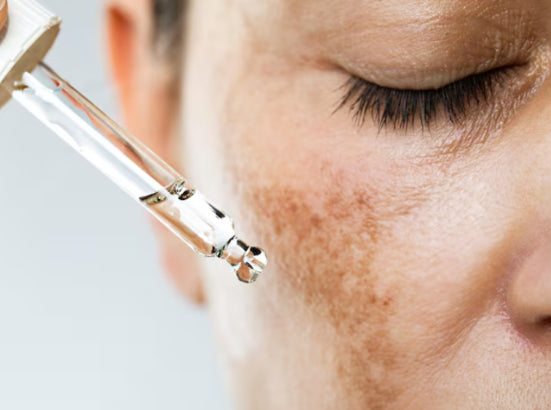
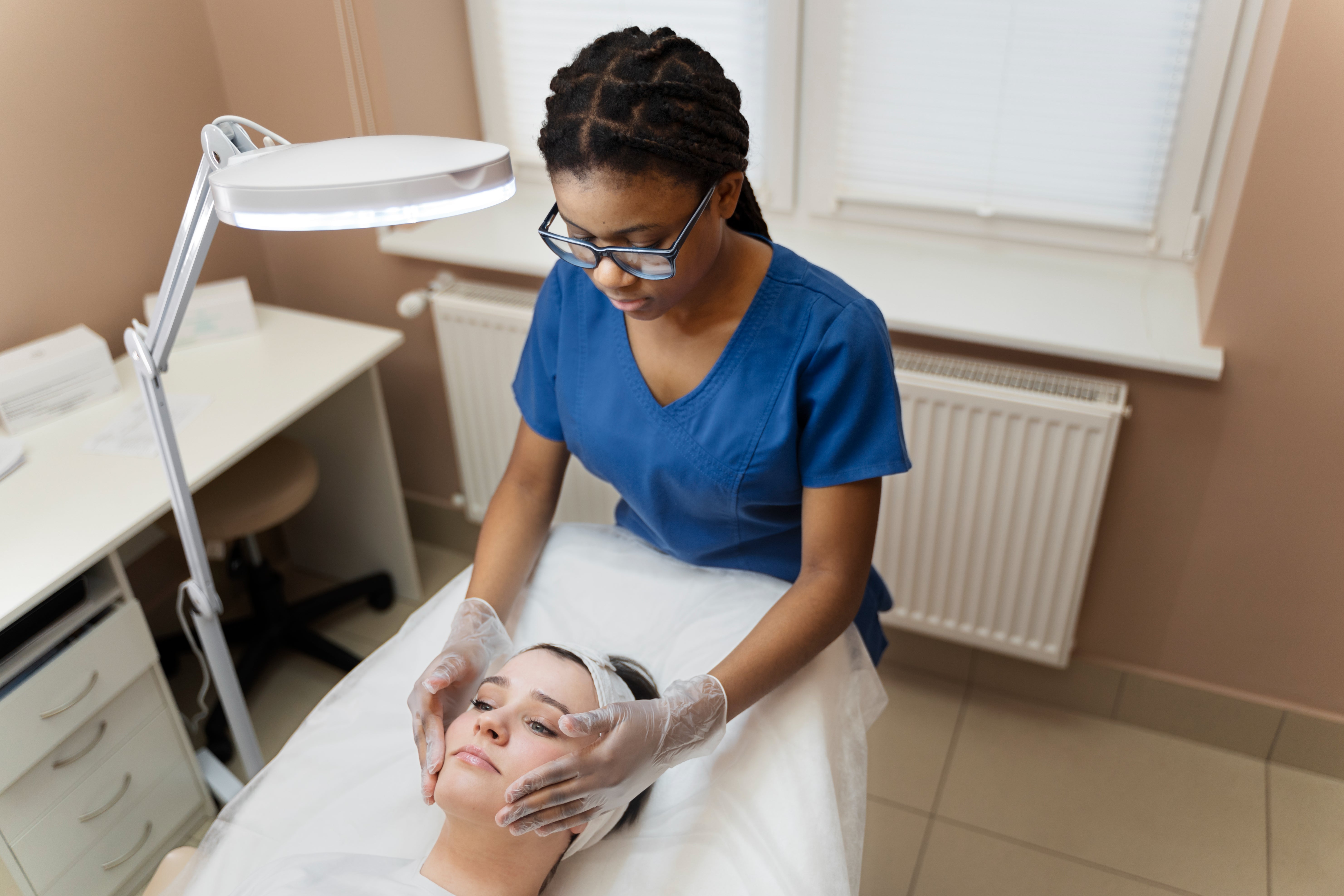
Pigmentation is one of the most common — and most misunderstood — skin concerns in India. Melasma, freckles, sunspots, pimple marks, tan or LPP: it is rarely just a surface problem. It is a biological response driven by hormones, inflammation, genetics, UV damage and skin barrier disruption.
Book a Consultation
Free skin analysis & personalised plan
Or call 📞 +91 9717503031
Why choose Allodermis for pigmentation?
We don’t lighten your skin temporarily. We diagnose the root trigger, stabilise melanocyte activity, repair the skin barrier, and use medical-grade pigmentation correction proven for Indian skin.
AIIMS MD Dermatologists
Root biology is analysed, not just the symptom on the surface.
Melanin Pattern Mapping™
We identify the type and depth of pigmentation before anything is prescribed.
USFDA Approved Only
Only USFDA approved lasers and clinical peels are used.
Inside-Out Approach
Hormones, stress, gut, inflammation and barrier integrity are all assessed.
No Bleaching Creams
No shortcuts. Only real dermatology.
Sustainable Results
Long-term outcomes built on a minimal-product philosophy.
5-minute callback guaranteed
What is pigmentation?
Pigmentation refers to the uneven darkening of skin due to excess melanin production. Where that melanin sits decides how it behaves — and how it must be treated.
- Epidermal layer — superficial
- Dermal layer — deep & stubborn
- Mixed layers — most common in Indian skin
This is why two people with the same visible dark patch can need completely different protocols. Depth, cause and severity are established first.
Pigmentation is not just a cosmetic concern — it is a biological imbalance.
What is actually driving it
Pigmentation almost never has a single trigger. Internal and external factors compound each other.
AIIMS dermatologists at Allodermis evaluate all internal and external triggers before treating.
Types of pigmentation we treat
- Sunspots / Age spots
- Melasmahormonal pigmentation
- Freckles
- Post-Inflammatory HyperpigmentationPIH
- Post-acne marks
- Macular Amyloidosis
- Lichen Planus PigmentosusLPP
- Tanning
- Pigmentary demarcation lines
- Neck, underarm & body pigmentation
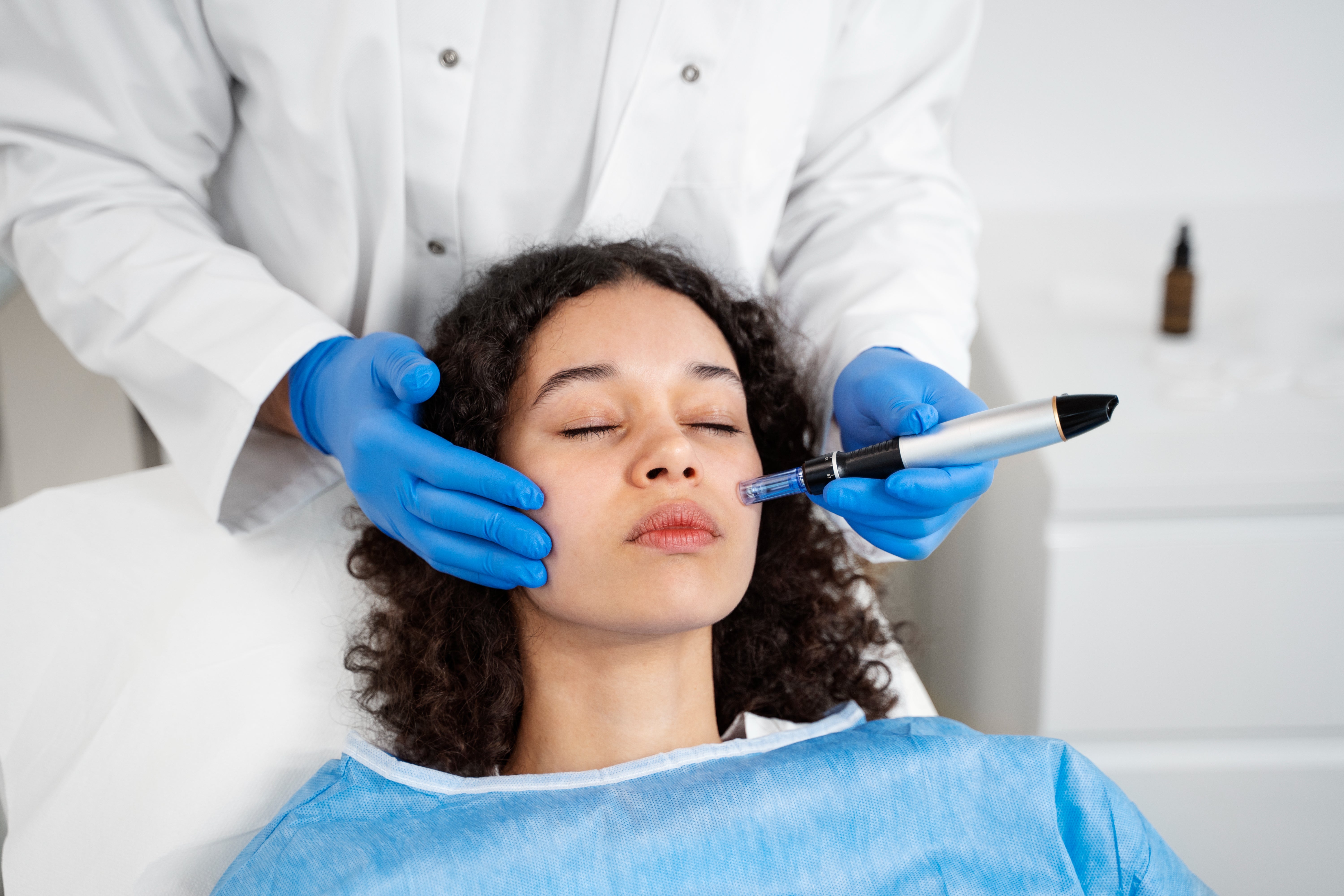
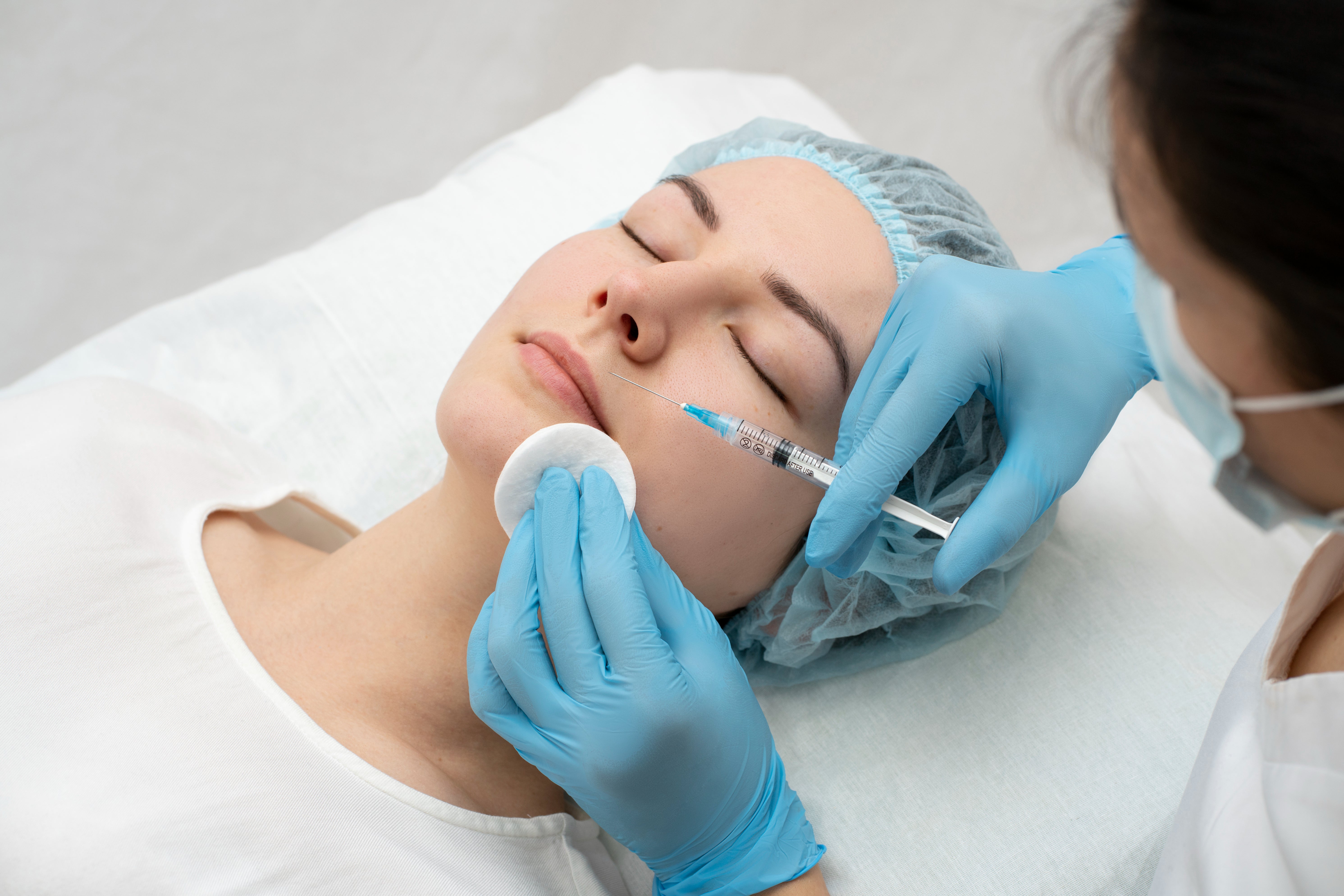
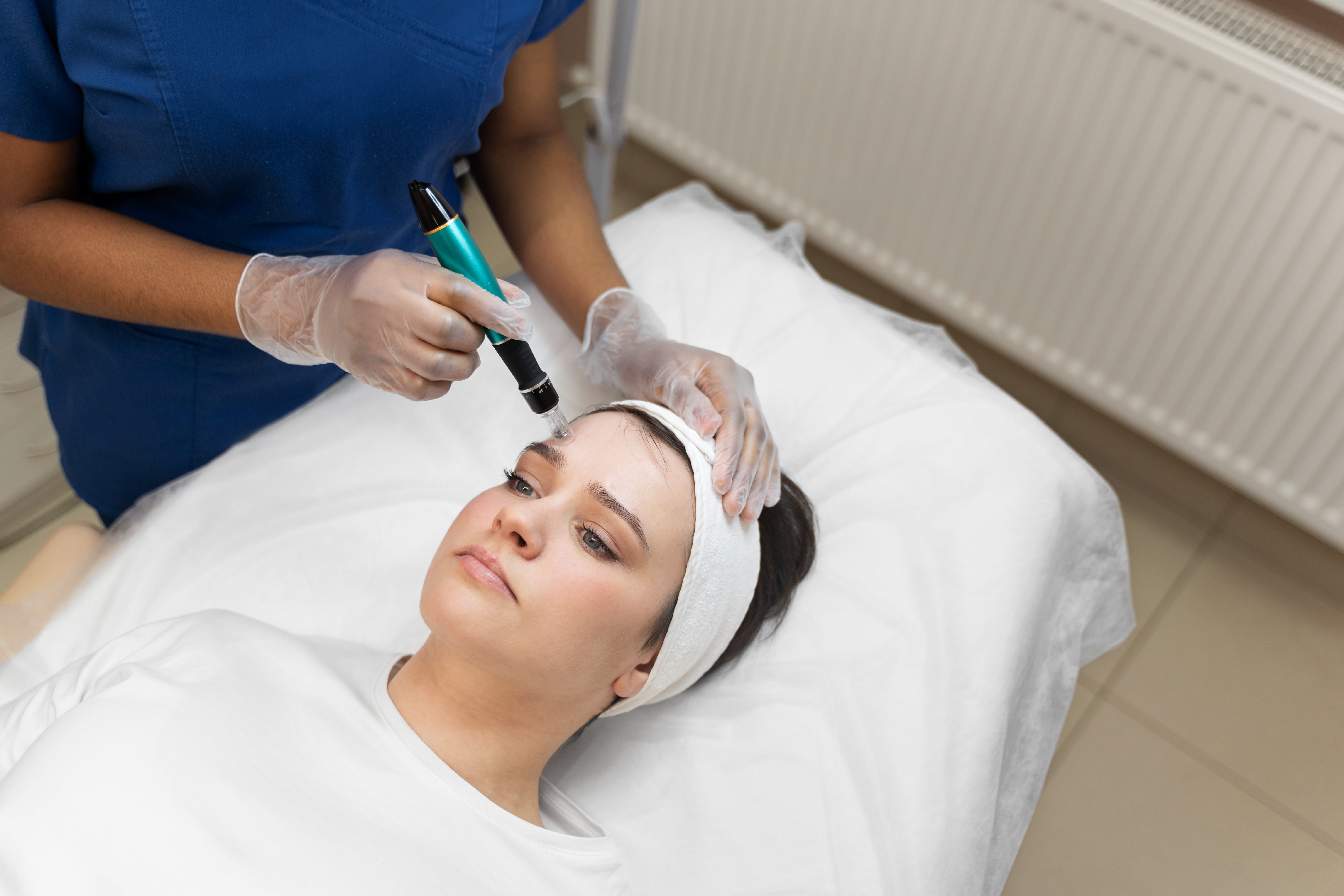
Pigmentation treatments at Allodermis
We design a treatment plan based on depth, cause and severity — not guesswork.
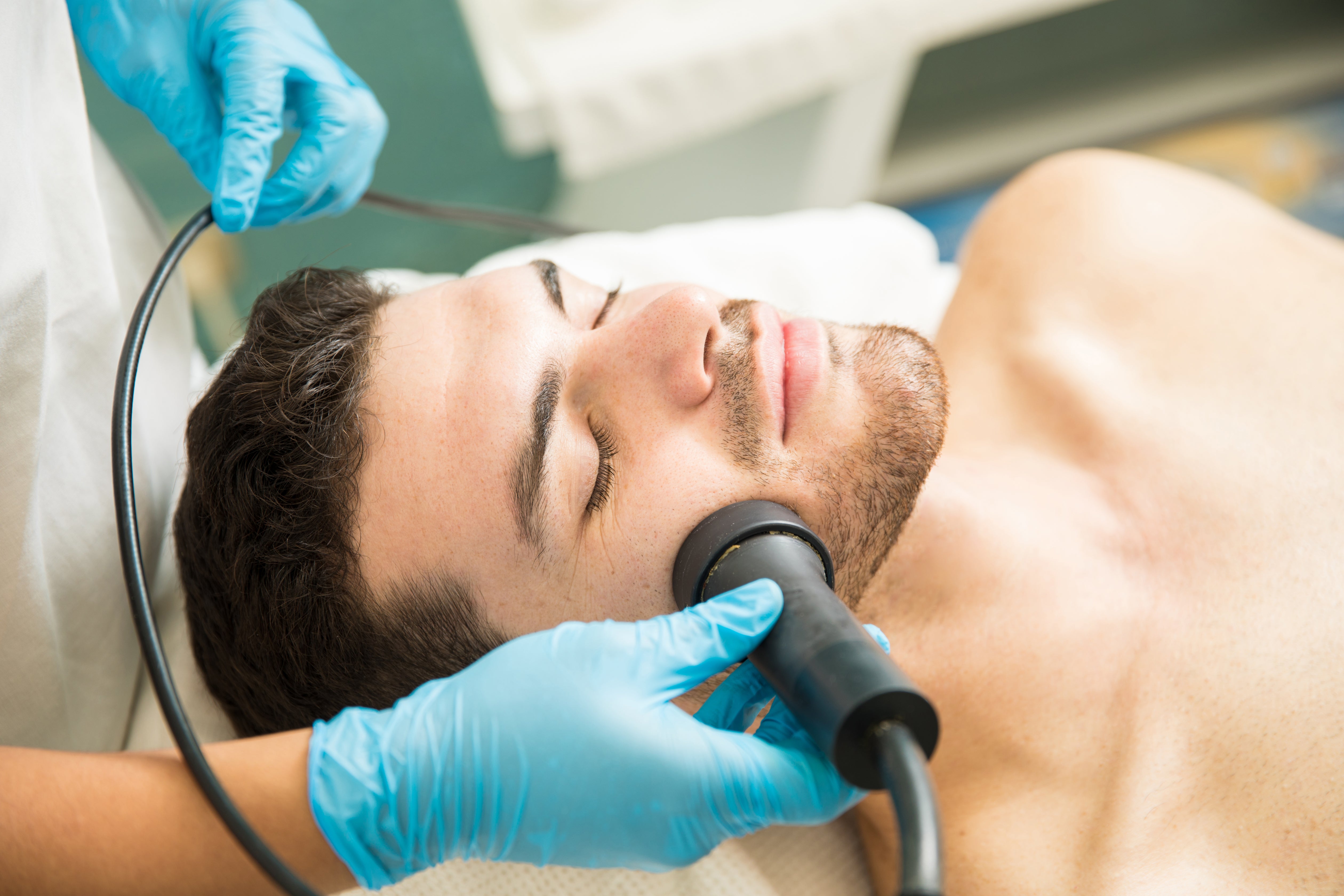
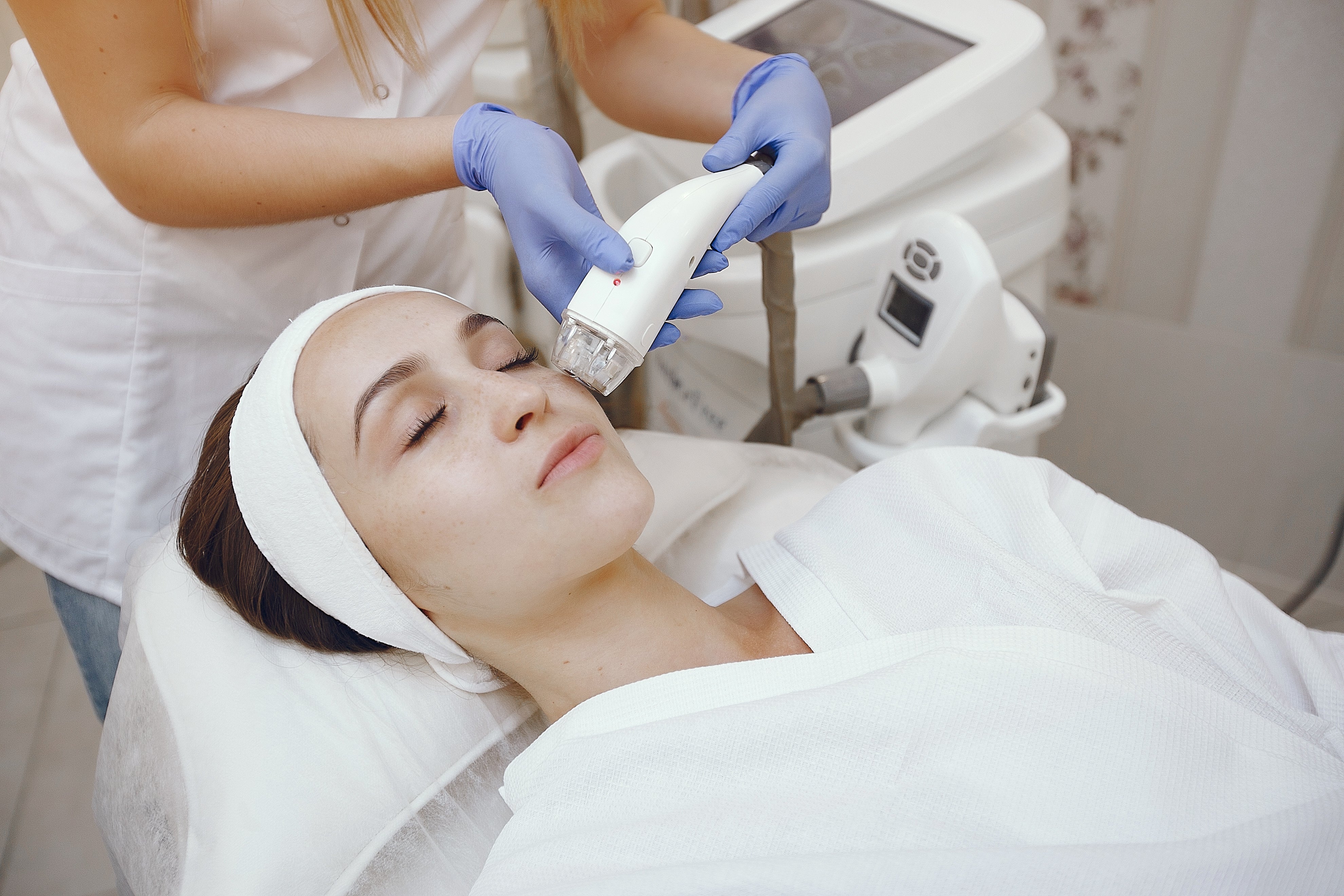
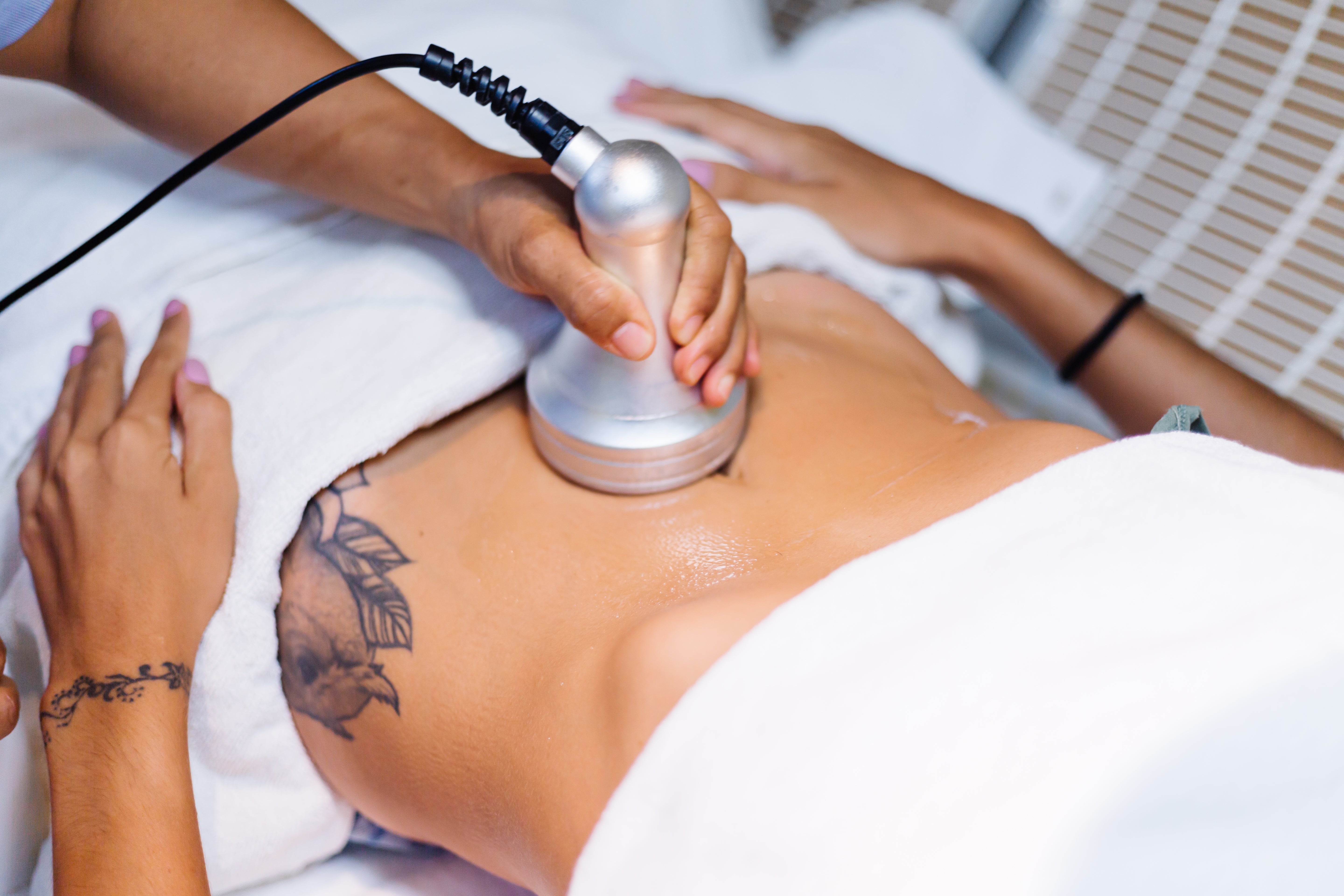
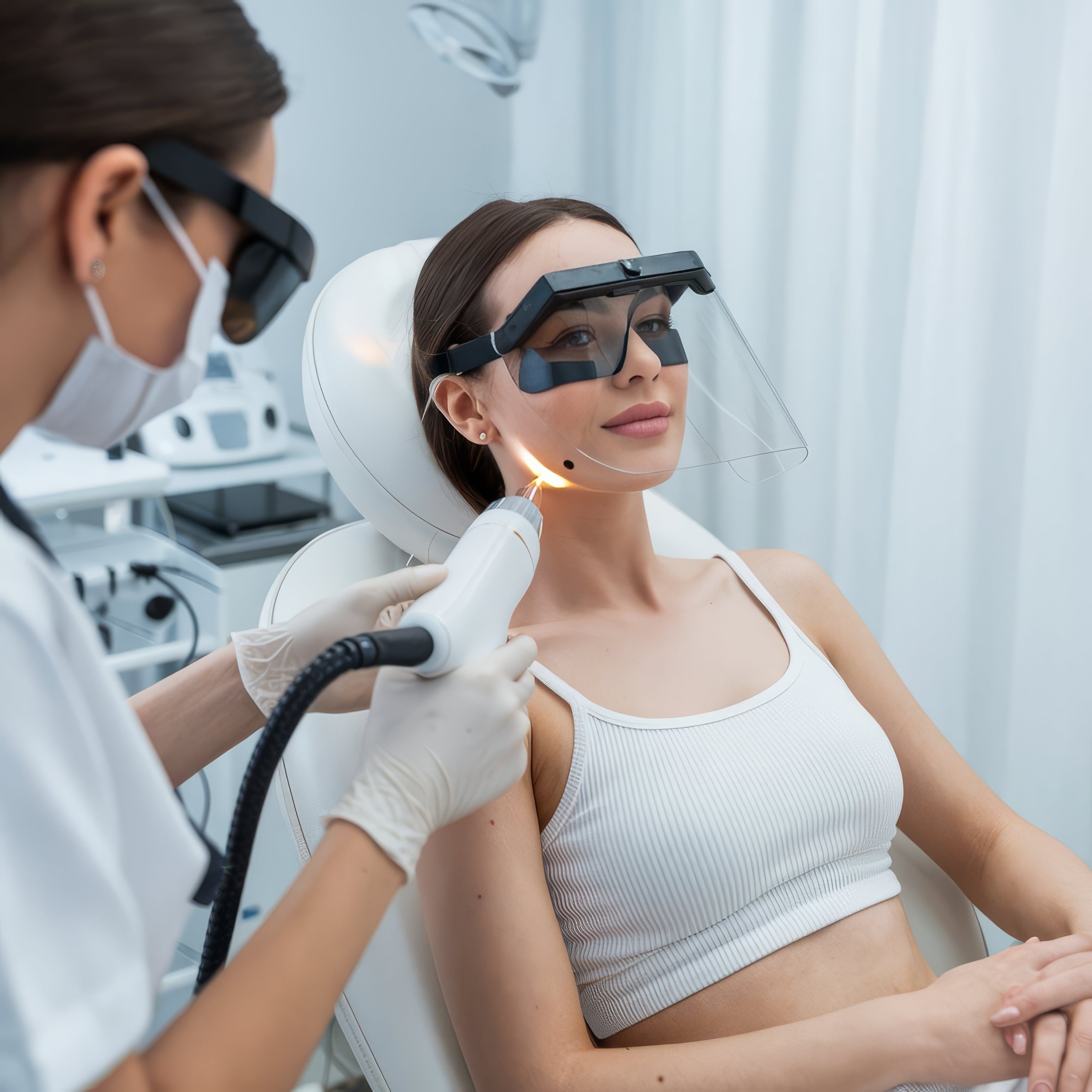
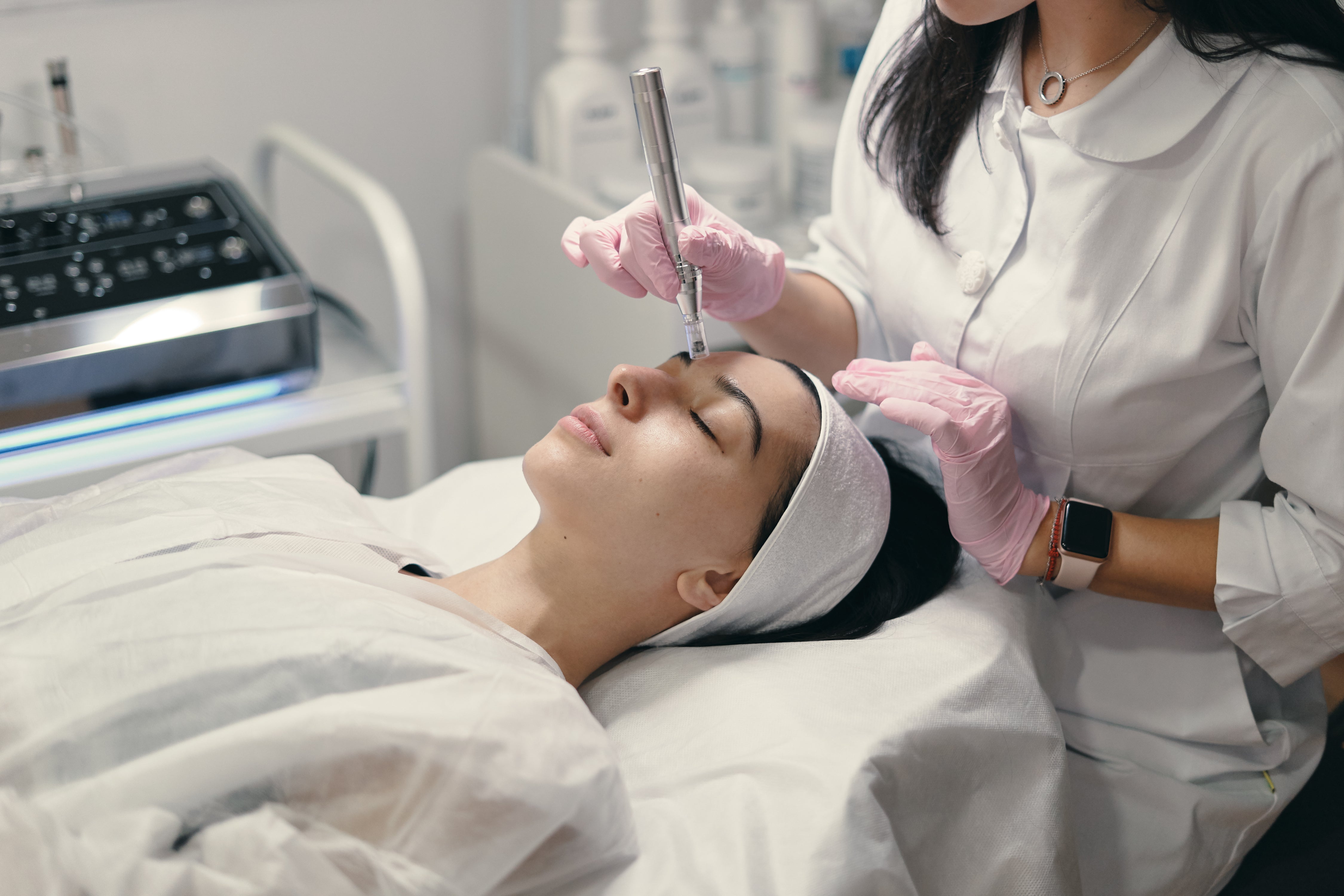
Laser Toning
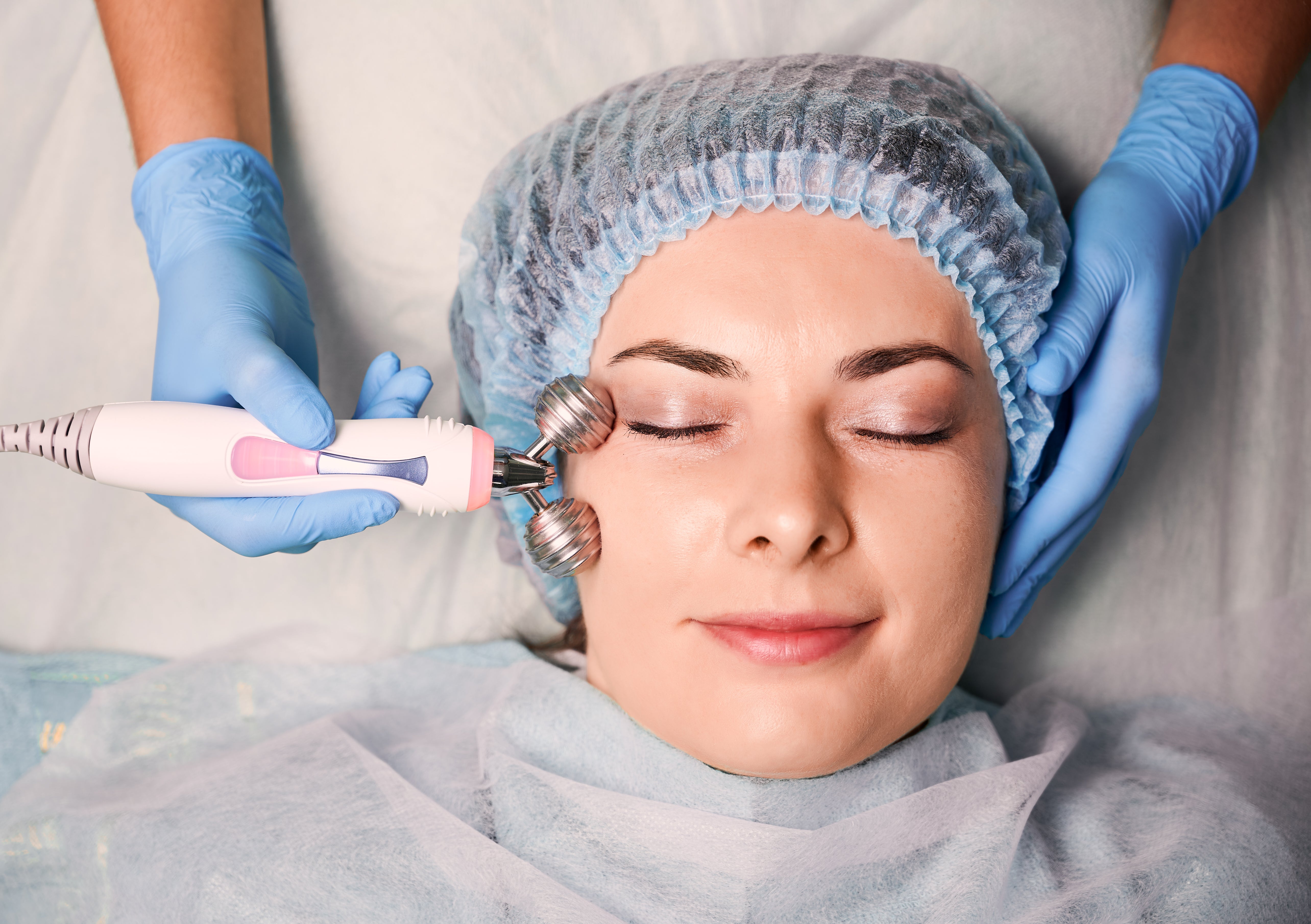
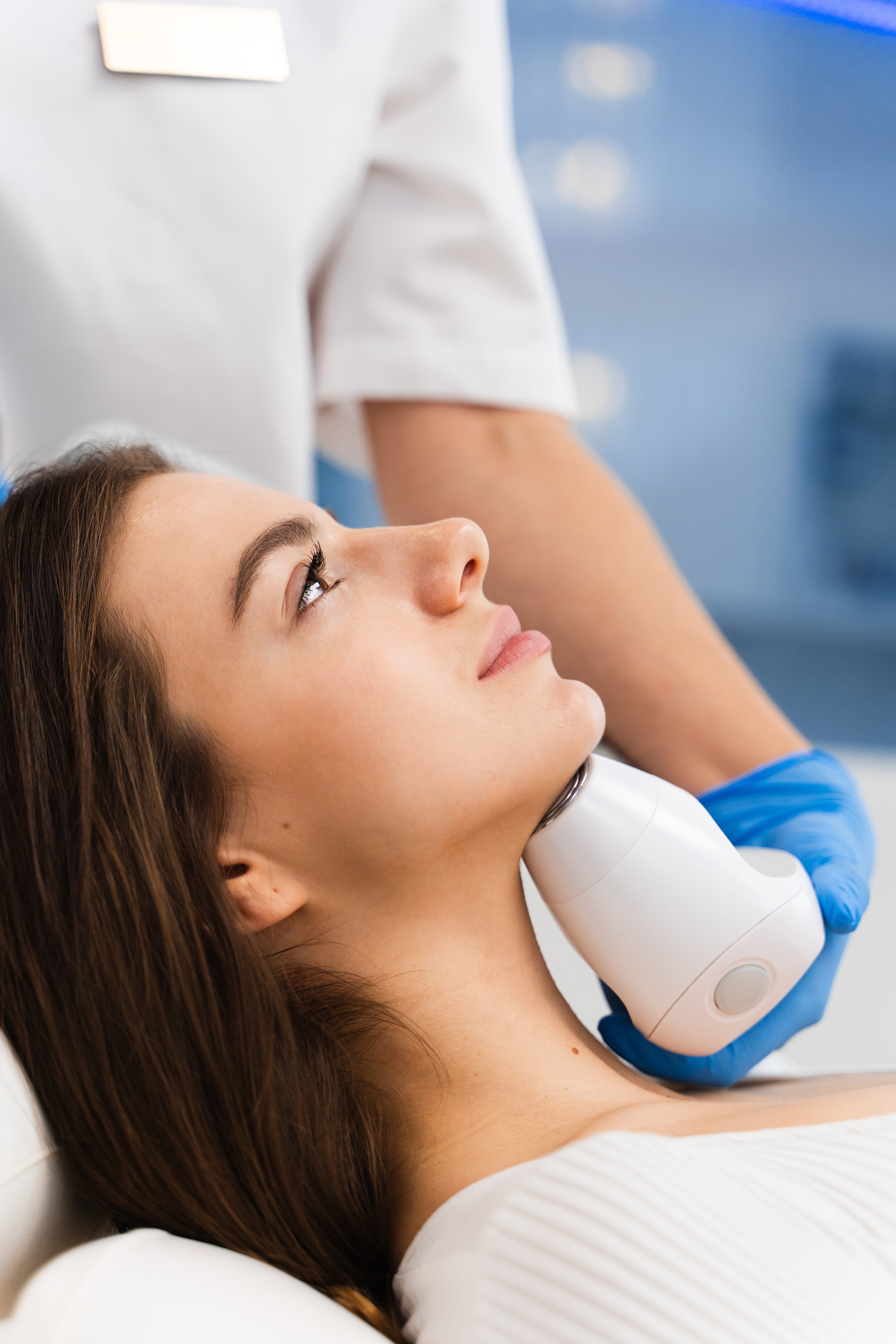
Q-Switched Nd:YAG — gold standard for melanin reductionNon-invasive, safe for Indian skin, brightens tone, reduces deep pigmentation and improves texture.
- Melasma
- Sunspots
- PIH
- Acne marks
- LPP
- Tan
- Pigmentary demarcation lines
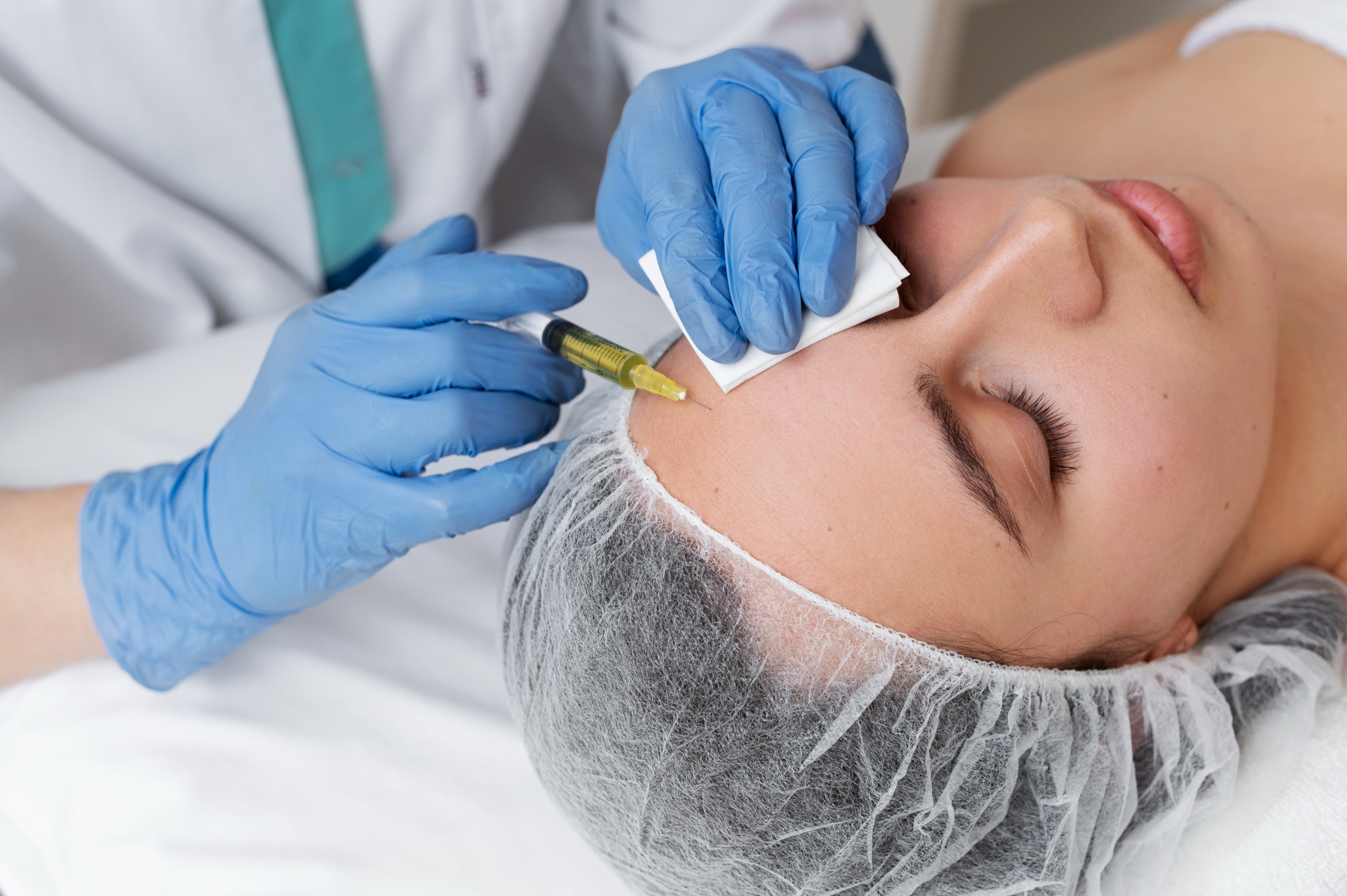
Clinical Chemical Peels
Controlled cellular renewalMedically formulated, dermatologist-strength peels that reduce melanin buildup, improve uniformity, treat acne-induced pigmentation and stimulate fresh, healthier skin.
- AHA (Glycolic, Lactic)
- BHA (Salicylic)
- Retinoid
- Azelaic / Mandelic
- TCA
- Cosmelan / Meline
Barrier Repair Protocols
Essential for melasma, sensitive & recurrent pigmentationCritical for melasma, sensitive skin, recurrent pigmentation and hormone-driven pigmentation.
- TEWL correction
- Skin inflammation
- Acid mantle imbalance
Hydra Repair & Anti-Inflammatory Regimens
Calming the trigger, not just the colourHydration and inflammation control run alongside active correction so results hold.
Lifestyle & Hormone Modulation
Systemic factors addressed alongside treatmentWhere pigmentation is being fed by systemic factors, those are addressed in parallel.
- Heat exposure
- Stress
- Nutrition
- PCOS / Thyroid
How your pigmentation plan runs
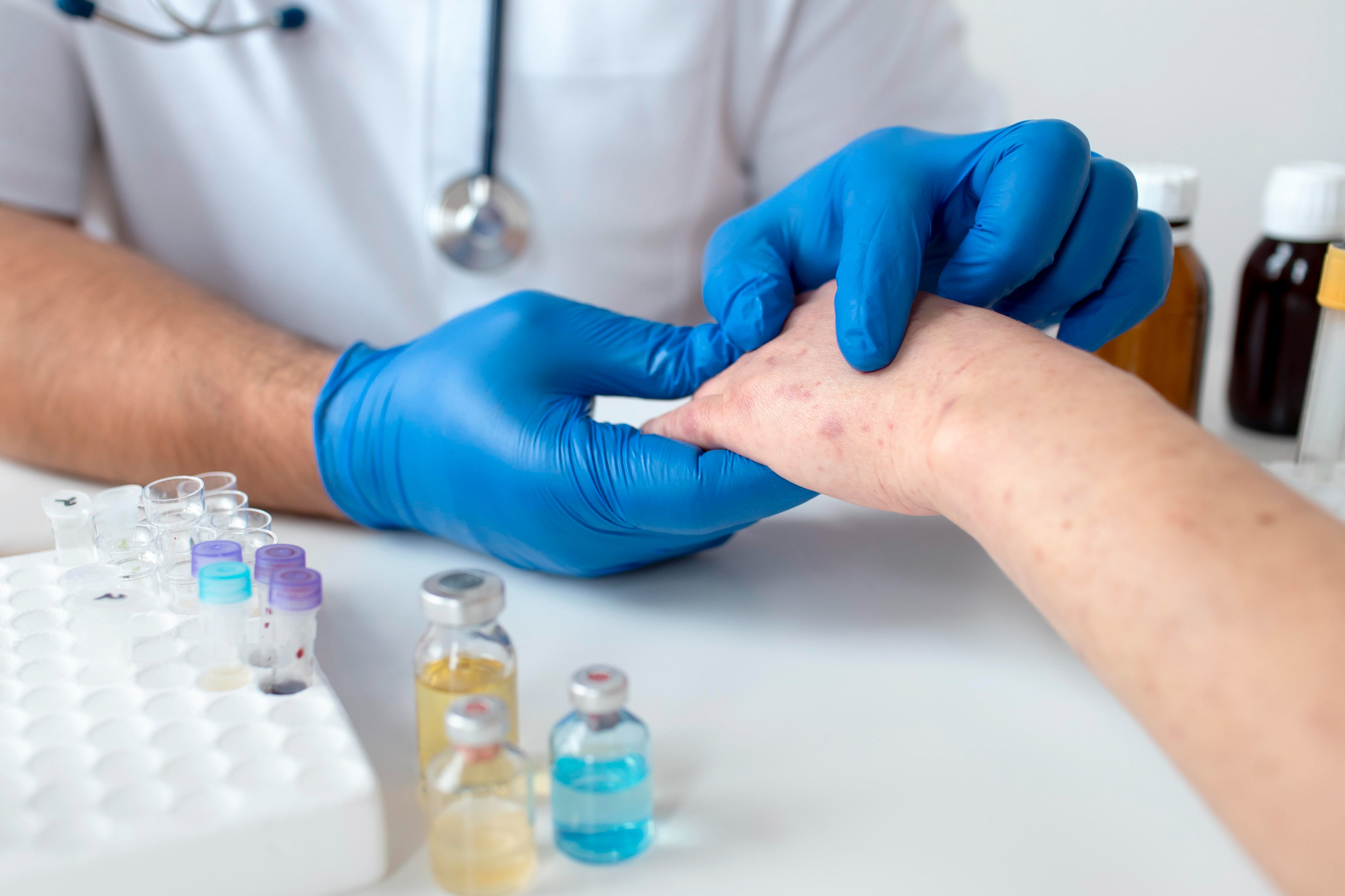
01DiagnosisThe most important step+
- Wood’s Lamp + Dermoscopy
- Melanin depth mapping
- Hormonal evaluation (if needed)
- Lifestyle analysis
- Skin barrier assessment
02Personalised planBuilt around your findings+
Your treatment may include lasers, peels, barrier repair, or combination therapy.
03Treatment sessionsSpaced by protocol+
- Peels: every 2–4 weeks
- Lasers: every 3–5 weeks
04Post careProtecting the result+
- Sun protection
- Anti-inflammatory skincare
- Pigment suppressors — non-steroidal, dermatologist approved
05Maintenance phasePreventing recurrence+
To prevent recurrence in melasma, LPP, PIH and other relapse-prone types.
What to expect, and when
Pigmentation treatment cost at Allodermis
Treatment-wise pricing
- ✓Clinical Peels — ₹2,000 – ₹7,000 per session
- ✓Laser Toning (Q-Switched) — ₹6,500 – ₹9,500 per session
- ✓Cosmelan / Meline — On request
Final cost depends on
- ✓Type & depth of pigmentation
- ✓Number of sessions required
- ✓Combination therapies
- ✓Size of treatment area
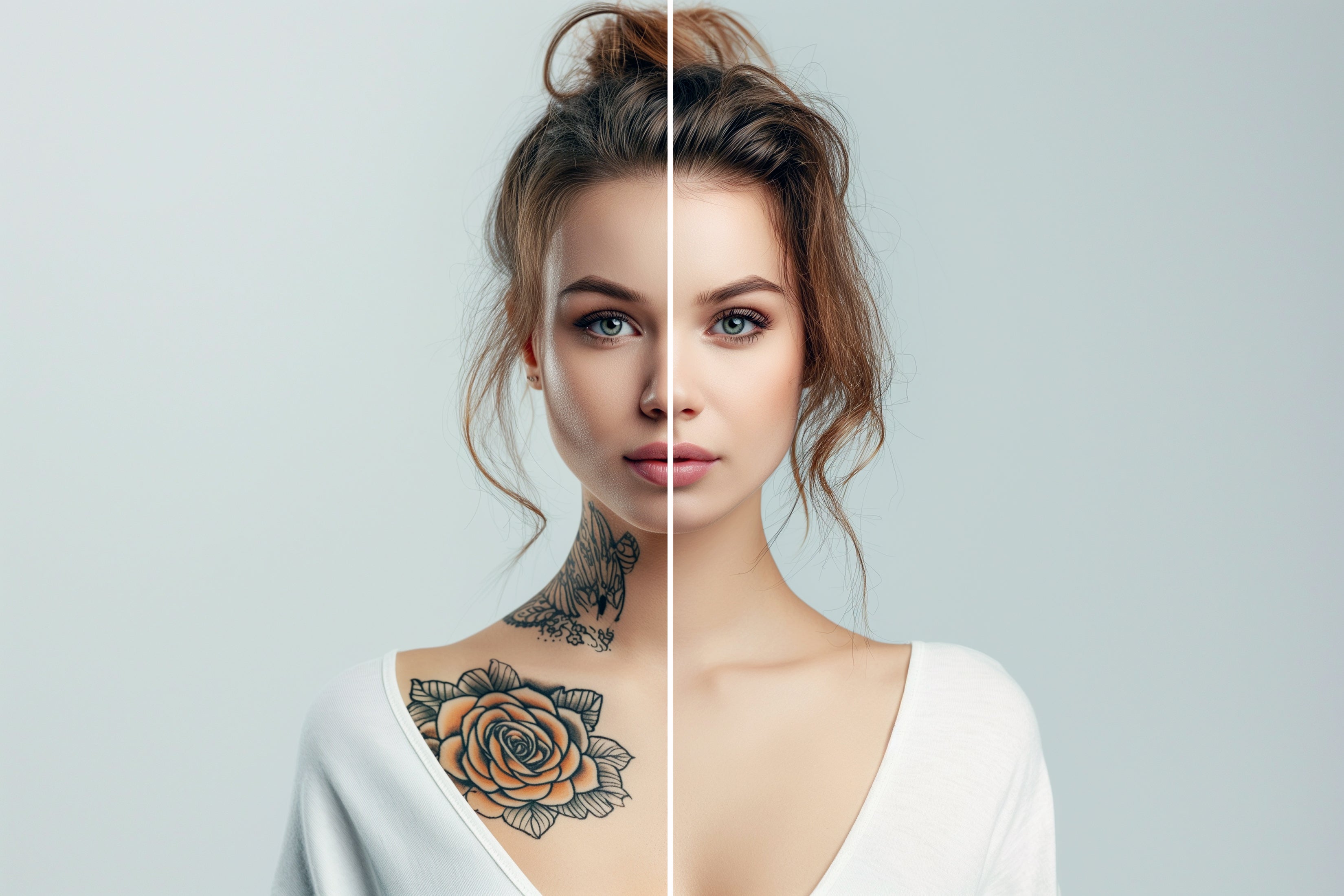
Before & after
Visible improvements are typically seen in 4–8 weeks, depending on pigmentation type and depth.
What our patients say
My melasma finally stabilised after years of trying creams. Allodermis focused on the root cause and repaired my skin barrier first — results were sustainable.
— Ritu, 32Acne marks vanished within 3 sessions. The doctors explained everything scientifically.
— Abhishek, 25Questions we hear most often
Is pigmentation permanent?
No — but deeper types like melasma or LPP require long-term management.
Is laser treatment safe for Indian skin?
Yes, when performed with Q-Switched Nd:YAG by an MD dermatologist.
Will pigmentation return after treatment?
Only if triggers persist. Allodermis helps identify and manage root causes.
Is treatment painful?
Minimal discomfort; most clients tolerate it easily.
How many sessions are required?
Usually 4–8 sessions depending on the severity.
Is there downtime?
Peels cause mild peeling. Lasers have no downtime.
Free skin analysis and a personalised plan from AIIMS MD dermatologists.
The evidence behind it
- Krutmann J, Liu W, Li L, et al. Pollution and Skin: From Epidemiological and Mechanistic Studies to Clinical Implications. Journal of Dermatological Science. 2014;76(3):163–168. https://pubmed.ncbi.nlm.nih.gov/25278222/
- Makrantonaki E, Ganceviciene R, Zouboulis CC. An Update on the Role of the Sebaceous Gland in the Pathogenesis of Acne. Dermato-Endocrinology. 2011;3(1):41–49. https://pubmed.ncbi.nlm.nih.gov/21519409/
- Landau M. Chemical Peels. Clinics in Dermatology. 2008;26(2):200–208. https://pubmed.ncbi.nlm.nih.gov/18472061/
- Goldberg DJ. Laser Treatment of Pigmented Lesions. Dermatologic Clinics. 1997;15(3):397–407. https://pubmed.ncbi.nlm.nih.gov/9189677/