













Melasma Treatment at Allodermis
Restore even tone. Treat the cause. Keep the results.
Melasma is common, stubborn and emotionally heavy. Our dermatologists map the type, depth and triggers of your pigmentation, treat skin biology from the inside out, and combine safe, evidence-backed procedures with maintenance plans that minimise recurrence and protect your skin long term.
Book a Consultation
Free skin analysis & personalised plan — 5-minute callback
Or call 📞 +91 9717503031
Why Allodermis for melasma?
We treat melasma as medicine, not marketing. Every plan starts with diagnostics.
Root-cause approach
Hormones, inflammation, barrier dysfunction and photodamage are investigated — not only surface pigment.
MD-led care
Treatment delivered and reviewed by AIIMS trained dermatologists.
Personalised protocols
Topical, systemic, peel, device and procedural options are chosen only after diagnostics.
Safe for Indian skin
Equipment and protocols selected to minimise post-inflammatory hyperpigmentation.
Sustainable outcomes
Short-term improvement paired with a long-term maintenance plan.
What is melasma?
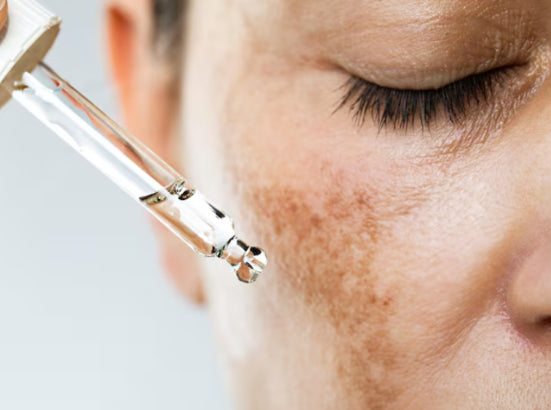
Melasma is patterned hyperpigmentation caused by melanocyte overstimulation. It most commonly affects women of reproductive age and darker phototypes, but men can have it too.
Triggers include UV exposure, pregnancy, hormonal therapy, thyroid disease, inflammation and some drugs. Which of these is driving your pigment decides what will actually work — and what will make it worse.
We treat melasma as medicine — not marketing.
The three types of melasma
Depth decides the protocol. Treating a dermal pattern like an epidermal one is how melasma gets worse.
Superficial, brown, clearly highlighted on Wood’s lamp — best response to topical, peel and laser strategies.
Deeper, bluish-grey, less responsive — needs cautious multimodal therapy.
Elements of both — common in Indian skin, needs combination plans.
How we diagnose
Detailed history
Where the trigger usually hidesHormones, medications, cosmetics, heat and sun exposure, pregnancy.
Clinical examination
Wood’s lamp & dermoscopyEstablishes whether the pigment is epidermal, dermal or mixed before anything is prescribed.
Phototype & barrier assessment
Risk profilingDetermines safe device settings and how aggressively topicals can be introduced.
Targeted blood tests
Where indicatedThyroid and hormone panels, ordered only when the history points to an endocrine contributor.
Melanin depth mapping
Guides treatment choiceThe output of this step is what your treatment combination is built from.
Evidence-based, in sequence
All plans begin with barrier repair, sun strategy and anti-inflammatory control. We then select personalised combinations.
01Foundation: Sun & Barrier RepairAlways first+
Nothing else holds without this layer in place.
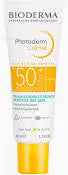
- Broad-spectrum physical sunscreen SPF 50+, reapplied
- Anti-inflammatory, barrier-repair moisturisers
- Avoidance of heat & phototoxic agents
02Medical topicalsFirst line+
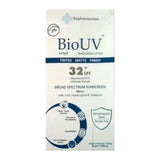
Hydroquinone is used in supervised short courses only. Azelaic acid, kojic acid, niacinamide and photostable vitamin C serve as adjuncts for maintenance.
- Tranexamic acid (topical)
- Hydroquinone 2–4%
- Retinoids (tretinoin / adapalene)
- Azelaic acid
- Kojic acid
- Niacinamide
- Vitamin C (photostable)
03Oral systemicSelect cases only+
Oral tranexamic acid, under strict medical supervision, for refractory melasma or hormonally driven cases. Endocrine contributors are investigated and treated in parallel.
- Oral tranexamic acid
- Thyroid review
- Contraceptive review
04Chemical peelsSuperficial to medium, tailored+
Chosen after priming, and typically repeated every 3–4 weeks — the exact protocol varies by peel and by patient.
- Glycolic
- Lactic
- Mandelic
- Salicylic blends
- TCA (low / medium)
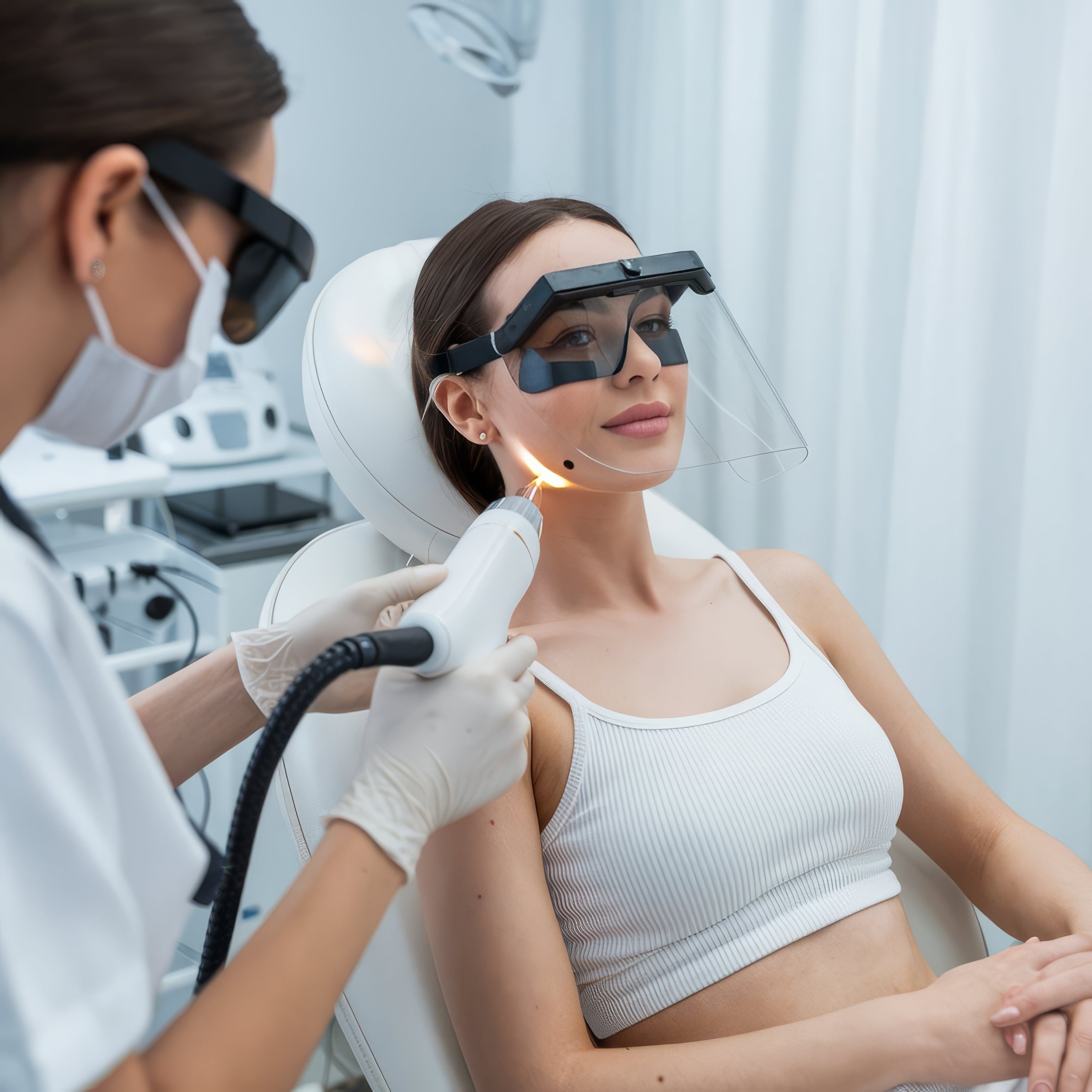
05Laser & device optionsUsed carefully, MD supervised+
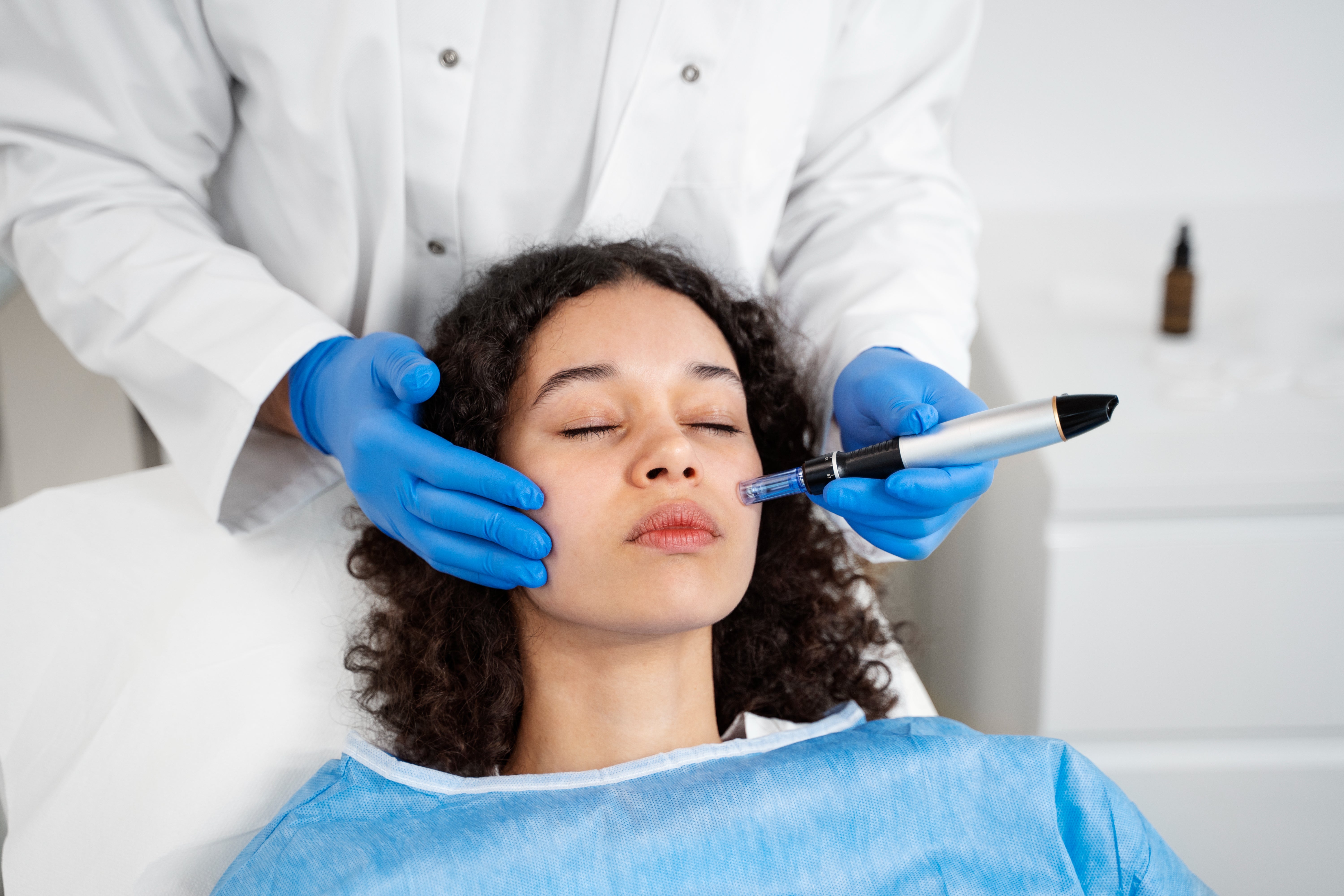
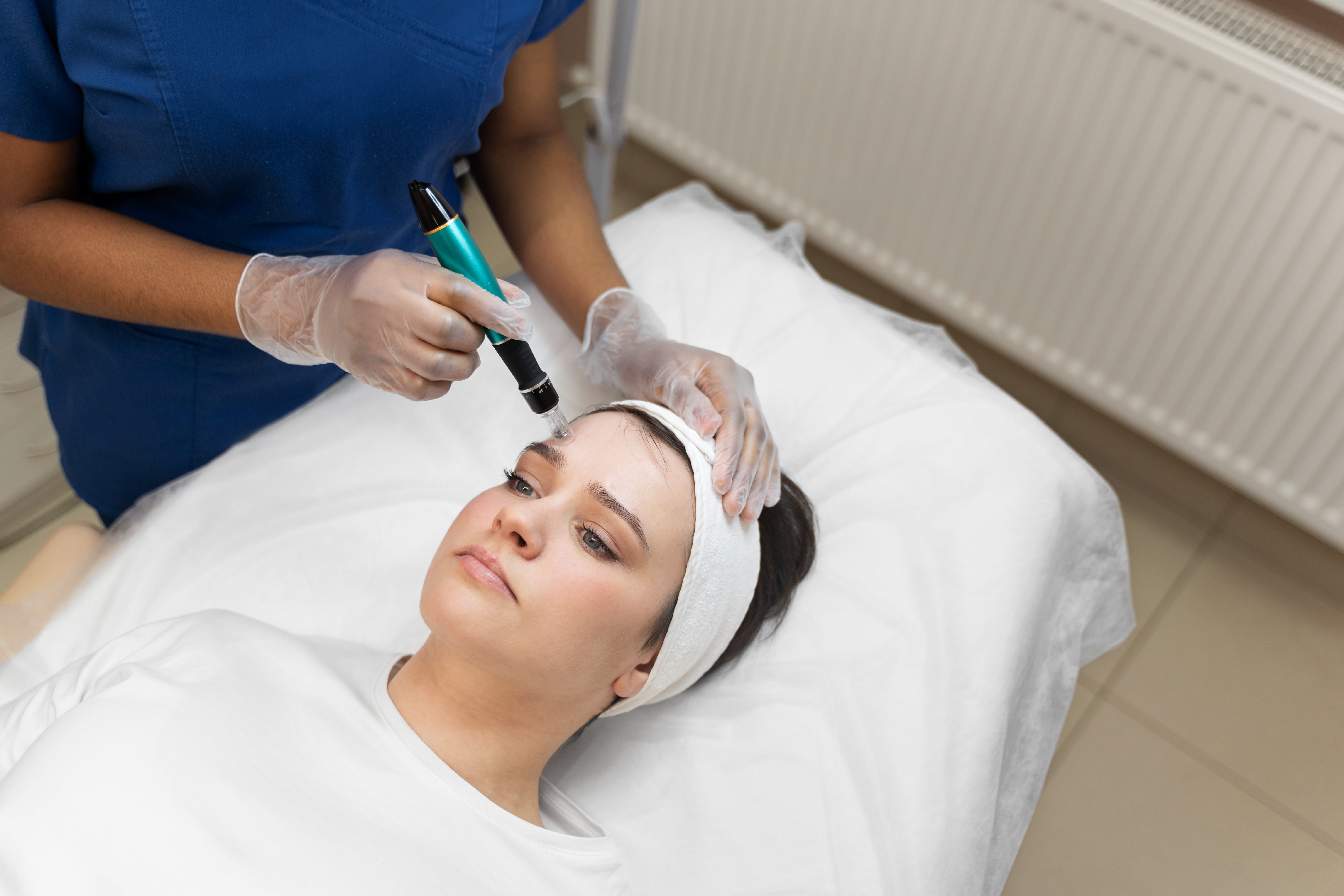
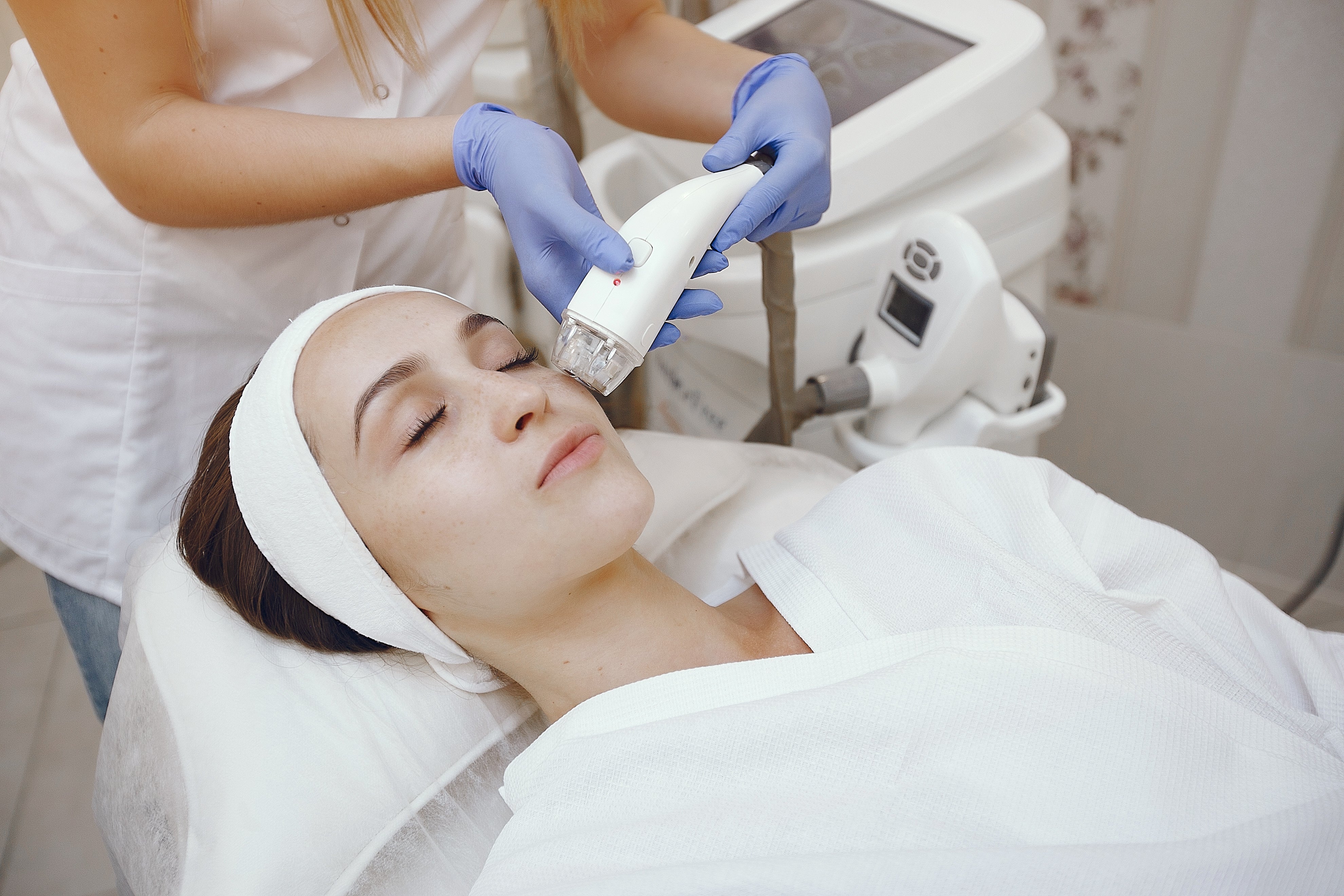
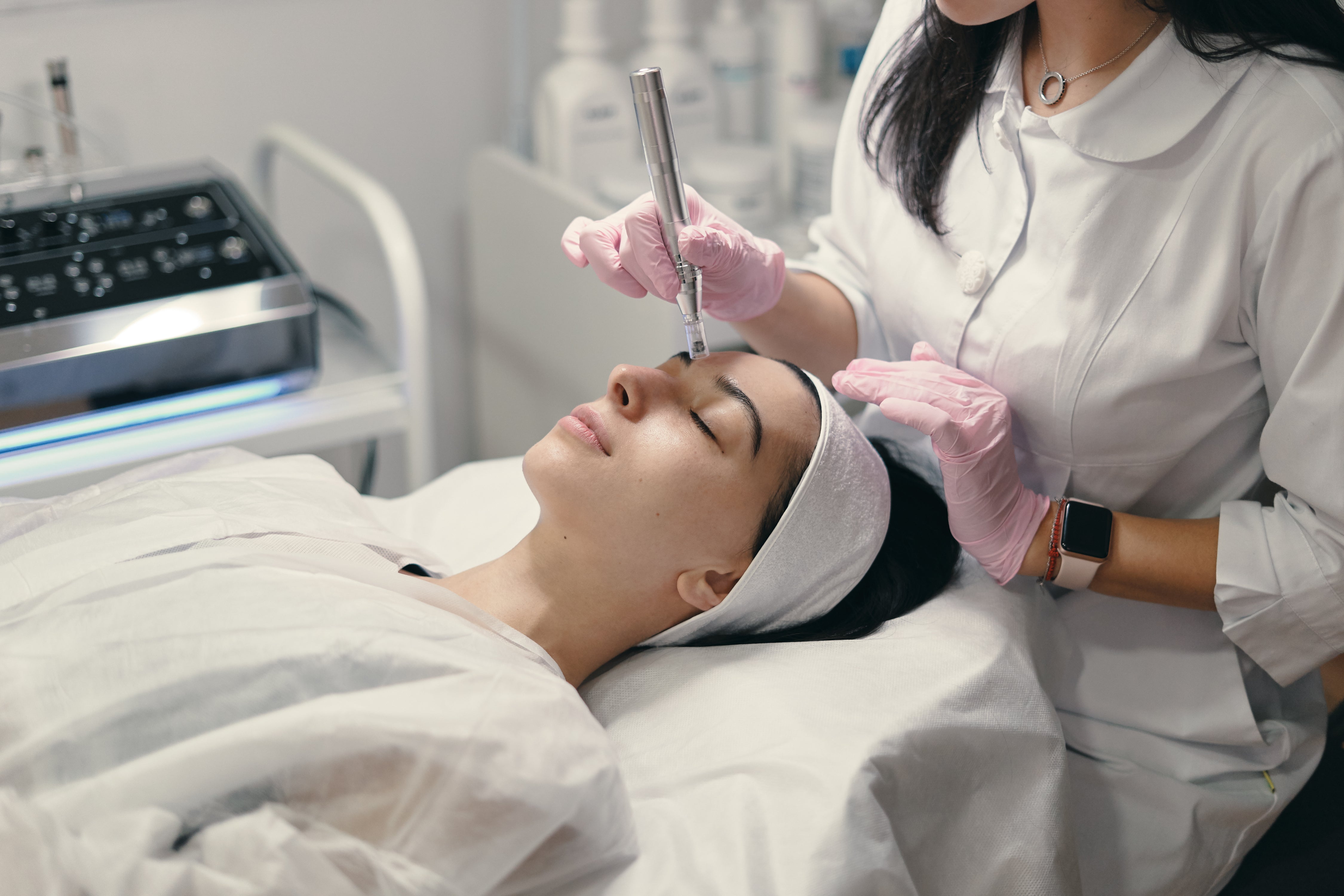
Q-switched Nd:YAG and low-fluence laser toning are effective for deeper pigment when used cautiously. Fractional non-ablative resurfacing is reserved for mixed lesions and textural benefit. Microneedling works in combination with topical modulators under a careful protocol to avoid PIH.
- Q-switched Nd:YAG
- Low-fluence laser toning
- Fractional non-ablative resurfacing
- Microneedling + topical modulators
06Combination therapy & maintenanceWhere results are kept+
A maintenance topical regimen with seasonal boosters, plus lifestyle and hormonal management where needed, to reduce recurrence.
- Maintenance topicals
- Seasonal peel / laser boosters
- Lifestyle & hormonal management
An example plan
Week 0–2
Skin priming — barrier repair, sunscreen and starting topical agents.
Week 4
First superficial peel if indicated, or start low-fluence laser dosing.
Week 6–12
Repeat procedures as required; oral tranexamic acid introduced only if indicated.
Maintenance
Daily topical maintenance and quarterly clinic reviews.
What we counsel you on
Melasma is one of the few conditions where the wrong treatment reliably makes things worse. We say this before you start, not after.
- Risk of irritation and transient redness
- Rarely, post-inflammatory hyperpigmentation — especially without priming
- Misuse can cause ochronosis
- Courses are monitored and time-limited
- Lasers can worsen pigmentation if improperly used
- MD-supervised protocols and lower fluences for higher phototypes
Melasma treatment cost in India
A custom quote is required — these are indicative ranges only.
- Diagnosis
- Area treated
- Number of sessions
- Combination treatments
Modality-wise indicative cost
- ✓Topical Medical Program (monthly) — ₹500 – ₹3,000
- ✓Superficial Chemical Peel — ₹4,500 – ₹7,000
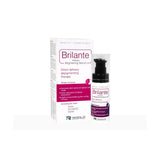
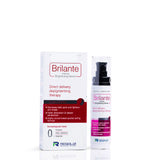
- ✓Medium Peel / Cosmelan (protocol) — On request
- ✓Laser Toning (Q-Switched Nd:YAG) — ₹9,000 – ₹12,000
- ✓Oral Tranexamic Acid (medical course) — ₹2,000 – ₹6,000, consultation needed
Before & after
Individual results vary. All photographs are captured to a fixed standard — same lighting, same angle, time-stamped, with patient consent.
Questions we hear most often
Can melasma be permanently cured?
Melasma is chronic for many. It can be controlled very effectively with correct diagnosis, treatment and maintenance — but recurrence is common if triggers persist.
Is laser safe for Indian skin tones?
Yes — when performed by experienced dermatologists using appropriate devices and settings, with priming to reduce PIH risk.
How soon will I see results?
Some improvement from topicals and peels in 4–8 weeks; full protocols may take 3–6 months.
Is oral tranexamic acid safe?
When prescribed by an MD with proper screening and monitoring, it is a useful option for resistant melasma. Not everyone is eligible.
Can I use over-the-counter “brightening” creams?
Many OTC products irritate and worsen melasma. Always consult a dermatologist before starting new agents.
Free skin analysis and a personalised plan from AIIMS trained dermatologists.
Further reading
- Sarkar R, Ranjan R, Garg S, Garg VK, Sonthalia S, Bansal S. Periorbital Hyperpigmentation: A Comprehensive Review. Journal of Clinical and Aesthetic Dermatology. 2016;9(1):49–55. https://pmc.ncbi.nlm.nih.gov/articles/PMC4756872/
- Konisky H, Balazic E, Jaller JA, Khanna U, Kobets K. Tranexamic Acid in Melasma: A Focused Review on Drug Administration Routes. Journal of Cosmetic Dermatology. 2023;22(4):1157–1162. https://pubmed.ncbi.nlm.nih.gov/36606378/
- Aurangabadkar SJ. Optimizing Q-Switched Lasers for Melasma and Acquired Dermal Melanoses. Indian Journal of Dermatology, Venereology and Leprology. 2019;85(1):10–17. https://pubmed.ncbi.nlm.nih.gov/30027914/
- Rendon MI, Berson DS, Cohen JL, Roberts WE, Starker I, Wang B. Evidence and Considerations in the Application of Chemical Peels in Skin Disorders and Aesthetic Resurfacing. Journal of Clinical and Aesthetic Dermatology. 2010;3(7):32–43. https://pmc.ncbi.nlm.nih.gov/articles/PMC2921757/
- Silpa-Archa N, Kohli I, Chaowattanapanit S, Lim HW, Hamzavi I. Postinflammatory Hyperpigmentation: A Comprehensive Overview — Epidemiology, Pathogenesis, Clinical Presentation, and Noninvasive Assessment Techniques. Journal of the American Academy of Dermatology. 2017;77(4):591–605. https://pubmed.ncbi.nlm.nih.gov/28941441/