






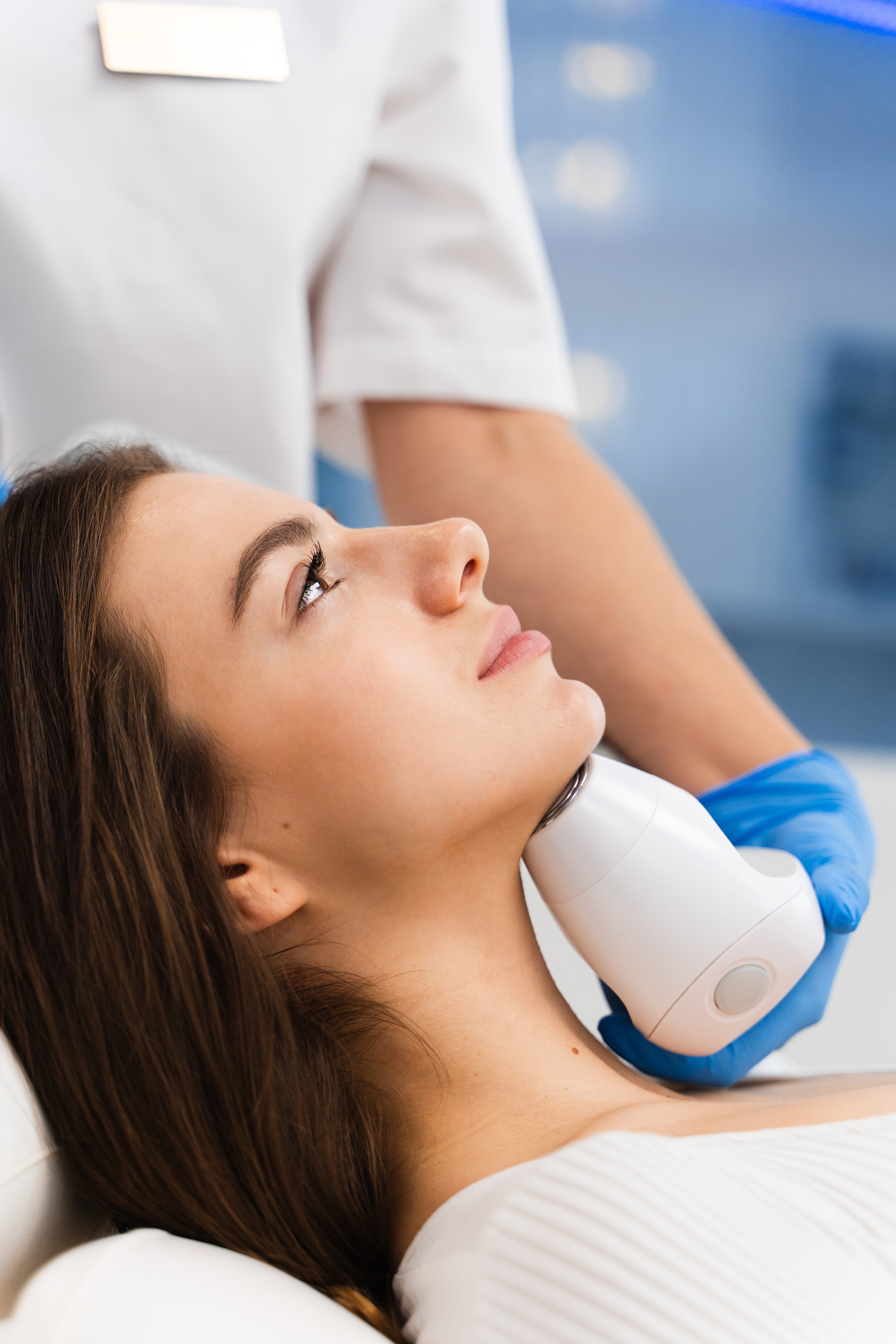




Biorepeel™ Treatment at Allodermis
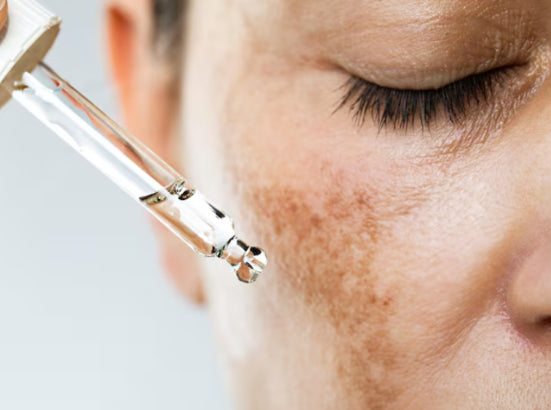
Target stubborn body pigmentation & rough texture — underarms, elbows, knees, hands, feet.
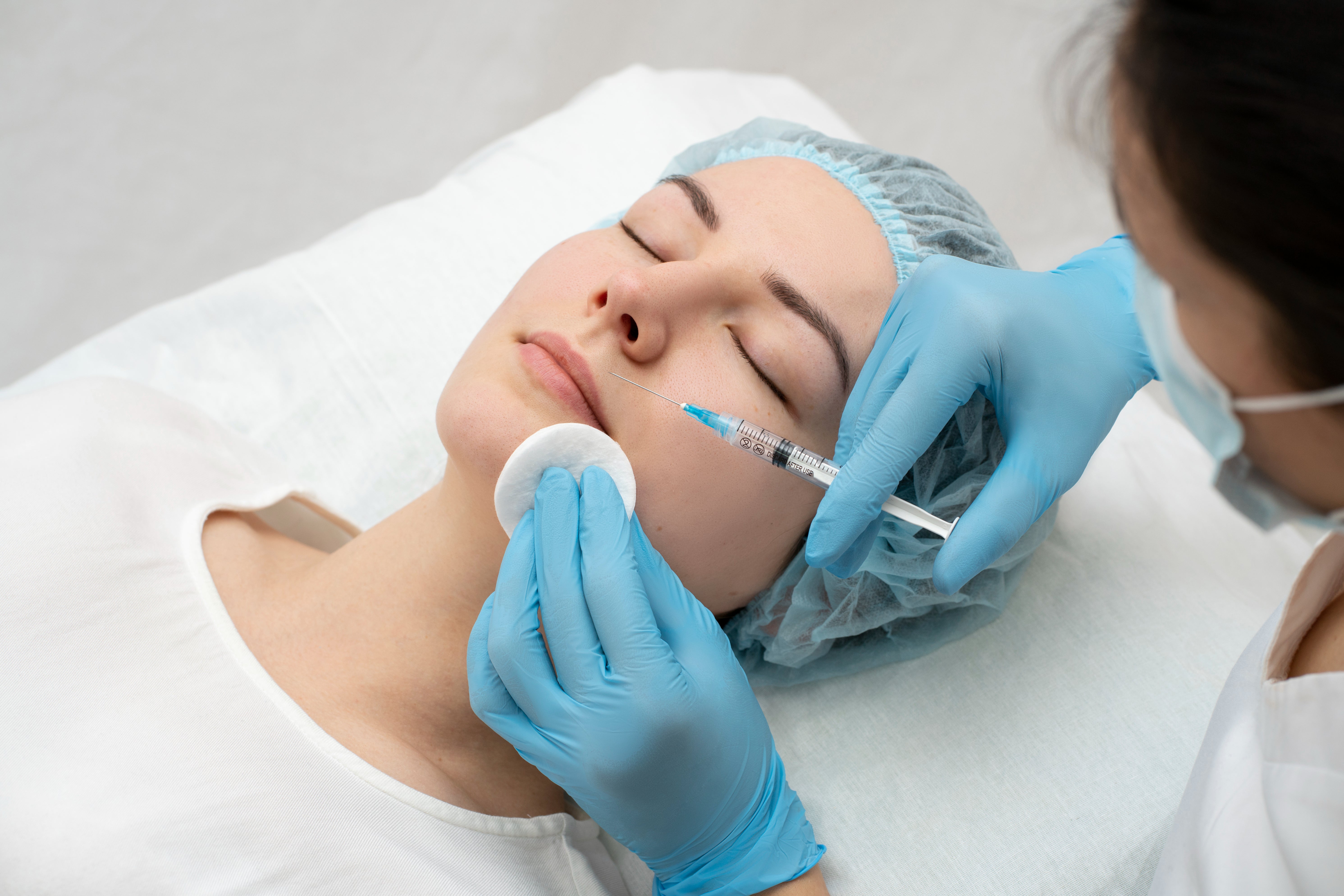
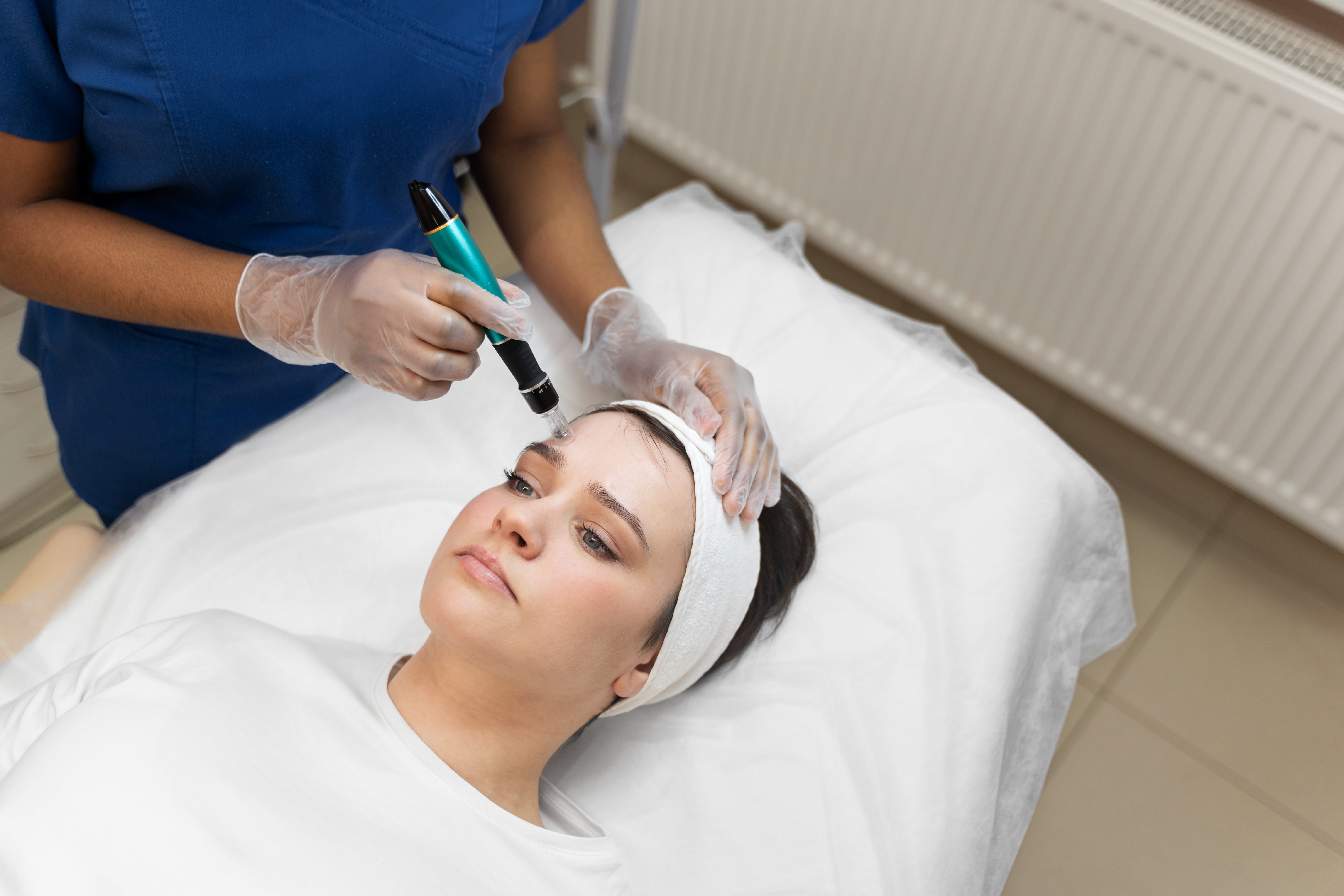
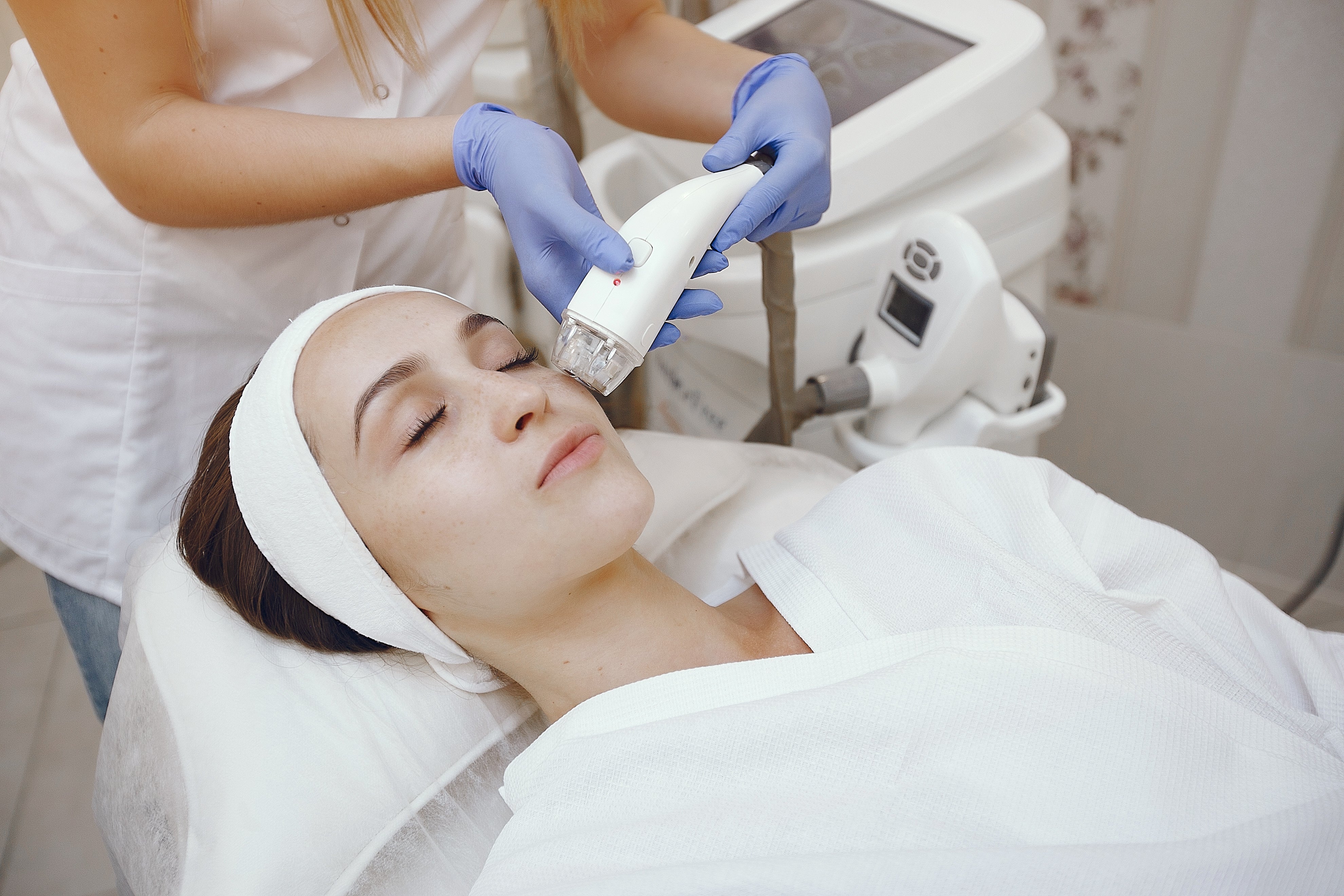
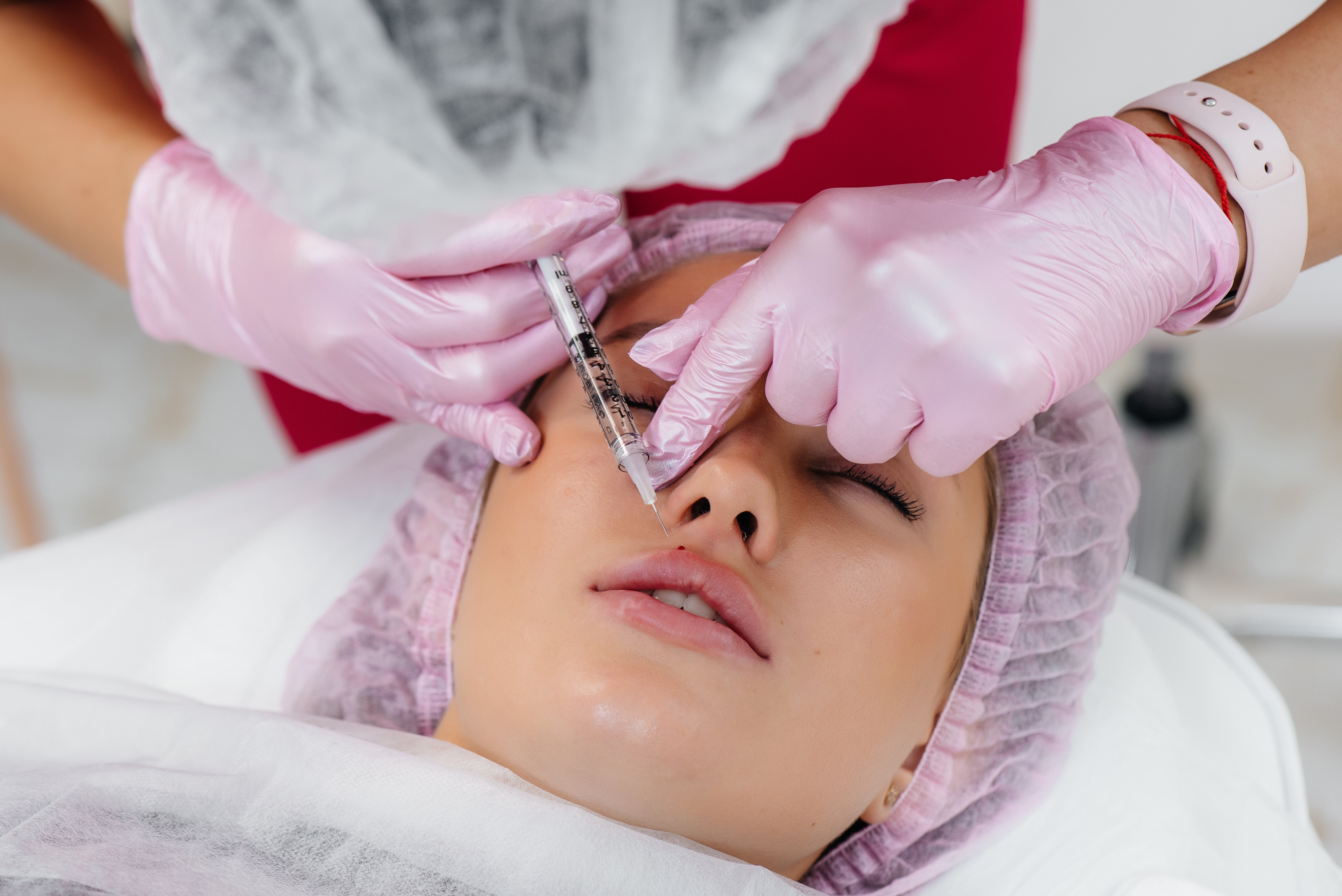
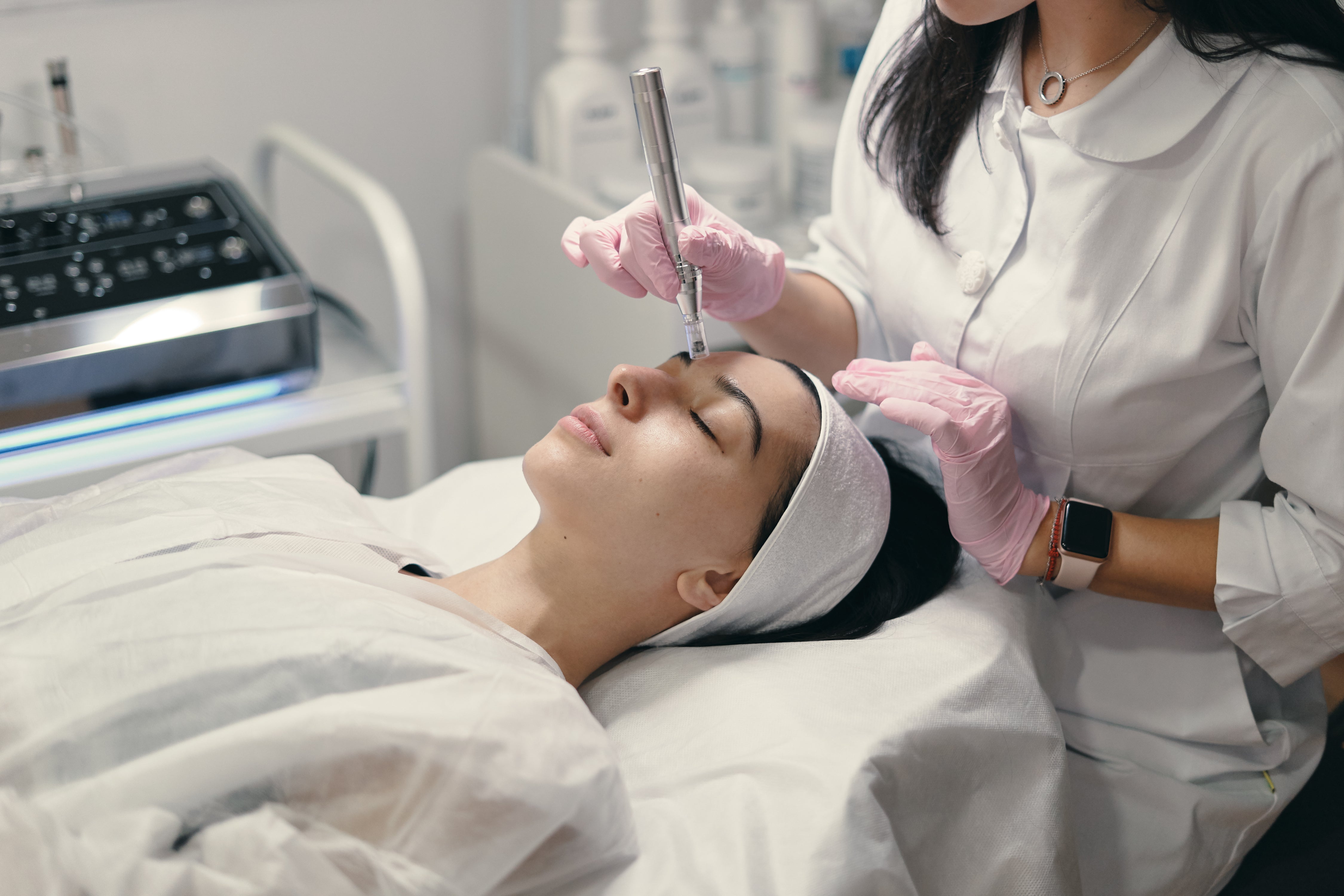
A biphasic clinical peel (oil + water phases) that combines exfoliation, bio stimulation and barrier support. We diagnose first, treat precisely, preserve barrier, and build long term resilience.
Book a Dermatologist Consultation
Free skin analysis & personalised plan
Or call 📞 +91 9717503031
Quick facts
Why Allodermis for Biorepeel?
Doctor led, root cause dermatology
We treat why pigmentation exists, not only where it appears.
AIIMS MD dermatologists
Perform or supervise all procedures.
Tailored for Indian skin
Fitzpatrick IV–VI protocols to minimise pigmentary complications.
Medical grade biphasic formulation
Deeper yet safe penetration in body sites.
Integrated aftercare
Barrier repair, depigmenting strategy, friction reduction.
Transparent pricing
Measurable outcomes, no hidden charges.
Who benefits most?
How Biorepeel Works
Biorepeel is biphasic: a lipophilic (oil) phase and a hydrophilic (water) phase work together.
Improves barrier hydration, helps ingredients reach lipid layers, supports barrier recovery.
Delivers exfoliants and bio stimulators (PHA + AHA + BHA + TCA micro peel) to increase cell turnover and reduce superficial melanin.
Amino acids (glycine, proline, arginine) encourage collagen remodelling → firmer, smoother skin.
Key ingredients & clinical role
The Allodermis Biorepeel Pathway
A 5 step clinical protocol.
01Medical Intake & Root Cause MappingDiagnosis first+
Medical history, friction patterns, family history, prior products / peels, dermoscopy of pigment depth.
02Priming1–2 weeks where needed+
Barrier repair creams, sunscreen for exposed areas, topical depigmenting agents if indicated.
03Procedure20–40 minutes per area+
Cleanse → protect sensitive margins → apply biphasic peel with standardised technique → neutralise → soothing mask.
04Post Care & Barrier SupportCritical for results+
Emollients, gentle cleansers, sunscreen (where applicable), avoid friction / irritants.
05Maintenance & PreventionLong term+
Address friction (clothing, shaving), weight dependent fold care, topical maintenance with safe depigmenting agents, repeat sessions if required.
What to expect — results & timeline
Safety & side effects
- Slight redness
- Light flaking2–7 days
- Dryness2–7 days
- Temporary irritationless common
Rare (mitigated by protocol)
Post inflammatory hyperpigmentation (if not primed / overtreated) and infection (very rare with sterile technique). We reduce risk with conservative settings for darker skin, mandatory priming when indicated, and medical supervision.
⚠️ Contraindications
- Active infection at treatment site
- Unstable systemic illness or uncontrolled diabetes (case by case)
- Recent isotretinoin use (special intervals apply)
- Pregnant or breastfeeding (consultation required)
- Known hypersensitivity to peel ingredients
Biorepeel Cost
By area
- ✓Small area (underarms / hands): ₹7,500 – ₹8,500 per session
- ✓Medium area (elbows / knees): ₹8,500 – ₹10,000 per session
- ✓Package offers: multi session plans available — recommended for best outcome
Final quote after dermatologist evaluation. No hidden charges.
Before & After
Consented clinical images · area treated · sessions & timing captioned.
What patients say
“My elbows are noticeably lighter and smoother after 4 sessions. The team explained why friction was the issue and how to prevent recurrence.”
— Verified patient“No downtime and real change. The priming made a big difference.”
— Verified patientFrequently Asked Questions
How many sessions will I need?
Typically 3–6 sessions depending on pigment depth and response.
Is there downtime?
Minimal — light flaking or dryness for a few days is common; most return to routine immediately.
Can Biorepeel treat acanthosis nigricans?
In selected, medically evaluated cases it helps; underlying causes (insulin resistance, friction) must be addressed.
Can I combine Biorepeel with lasers or PRP?
Yes — combination plans can accelerate outcomes; sequencing is determined by your dermatologist.
Is Biorepeel safe for darker skin tones?
Yes — Allodermis uses conservative biphasic protocols and priming to reduce pigmentary risk for Fitzpatrick IV–VI.
When will I see final results?
Meaningful change often after the 2nd–3rd session; optimal results by 3–6 sessions.
Book a personalised dermatology consult — we'll map the cause, show realistic expectations, and deliver a safe, stepwise plan.
Scientific References
- Landau M. Chemical Peels. Clinics in Dermatology. 2008;26(2):200–208. https://pubmed.ncbi.nlm.nih.gov/18472061/
- Van Scott EJ, Yu RJ. Polyhydroxy Acids (PHAs) in Photoaged Skin. Cosmetic Dermatology. 2004;17:1–8. https://pubmed.ncbi.nlm.nih.gov/15002656/
- Arif T. Salicylic Acid as a Peeling Agent: A Comprehensive Review. Clinical, Cosmetic and Investigational Dermatology. 2015;8:455–461. https://pmc.ncbi.nlm.nih.gov/articles/PMC4554394/
- Sitohang IBS, Legiawati L, Suseno LS, Safira FD. Trichloroacetic Acid Peeling for Treating Photoaging: A Systematic Review. Dermatology Research and Practice. 2021;2021:3085670. https://pmc.ncbi.nlm.nih.gov/articles/PMC8423570/
- Elias PM. Skin Barrier Function. Current Allergy and Asthma Reports. 2008;8(4):299–305. https://pubmed.ncbi.nlm.nih.gov/18606081/