









Chemical Peel at Allodermis
Medical exfoliation. Clearer texture. Even tone — with doctor led precision.
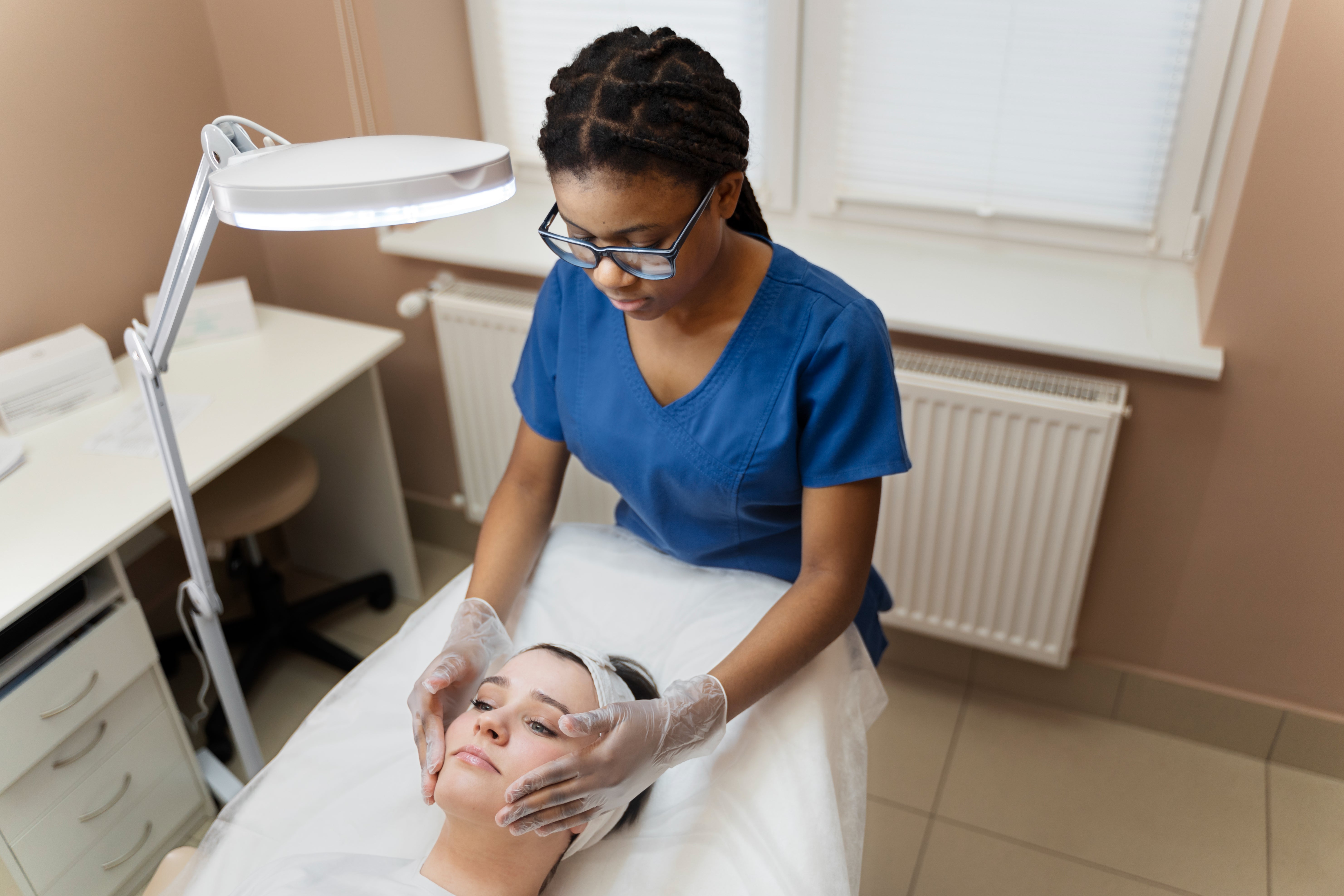
Reveal healthier skin beneath. We use medically guided chemical peels — chosen to your skin biology and the root cause of your concern — so you get predictable improvement in texture, acne, pigmentation and signs of photo ageing without guesswork.
Book a Doctor Consultation
5 Step Skin Assessment with an AIIMS MD dermatologist
Or call 📞 +91 9717503031
What is a chemical peel?
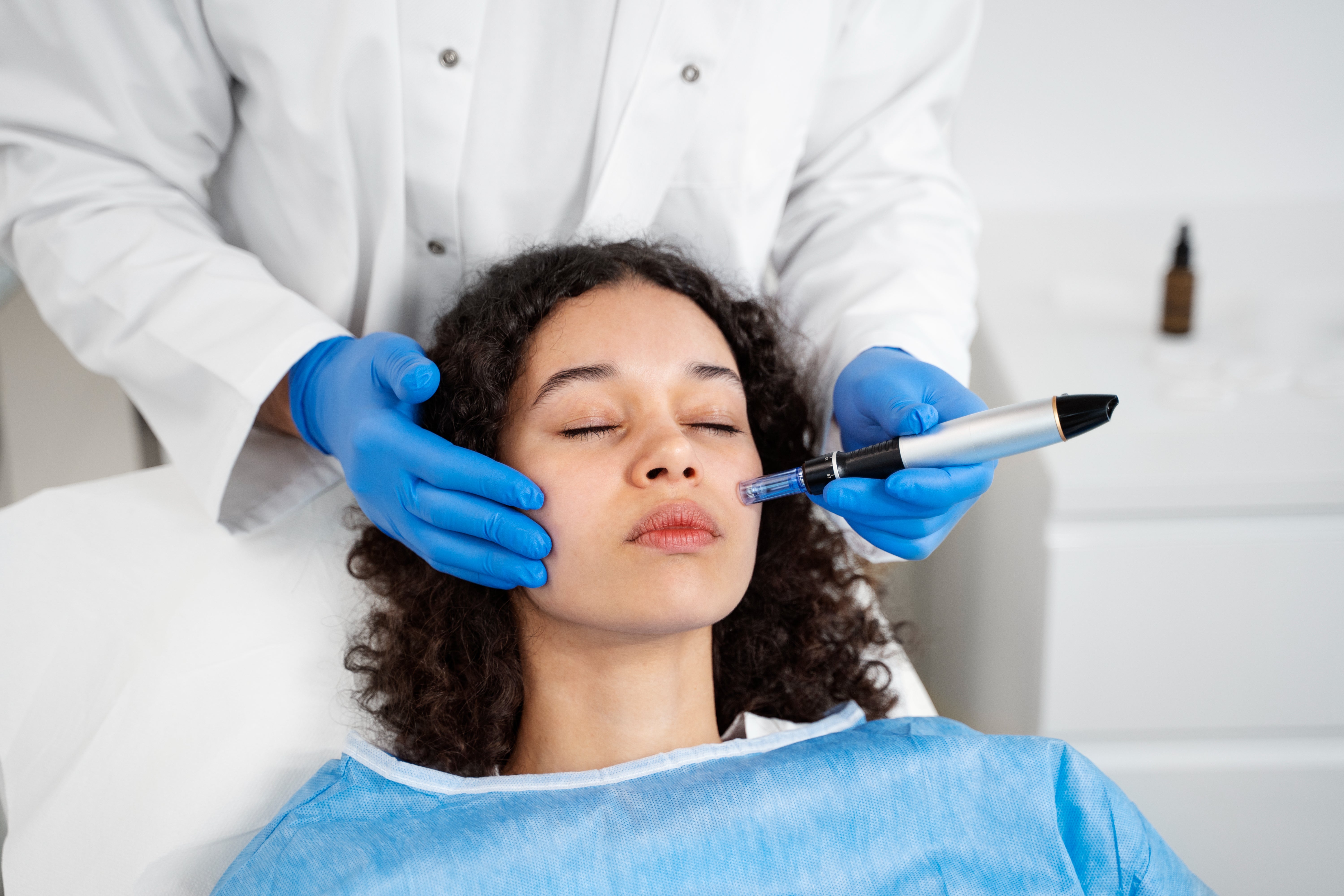
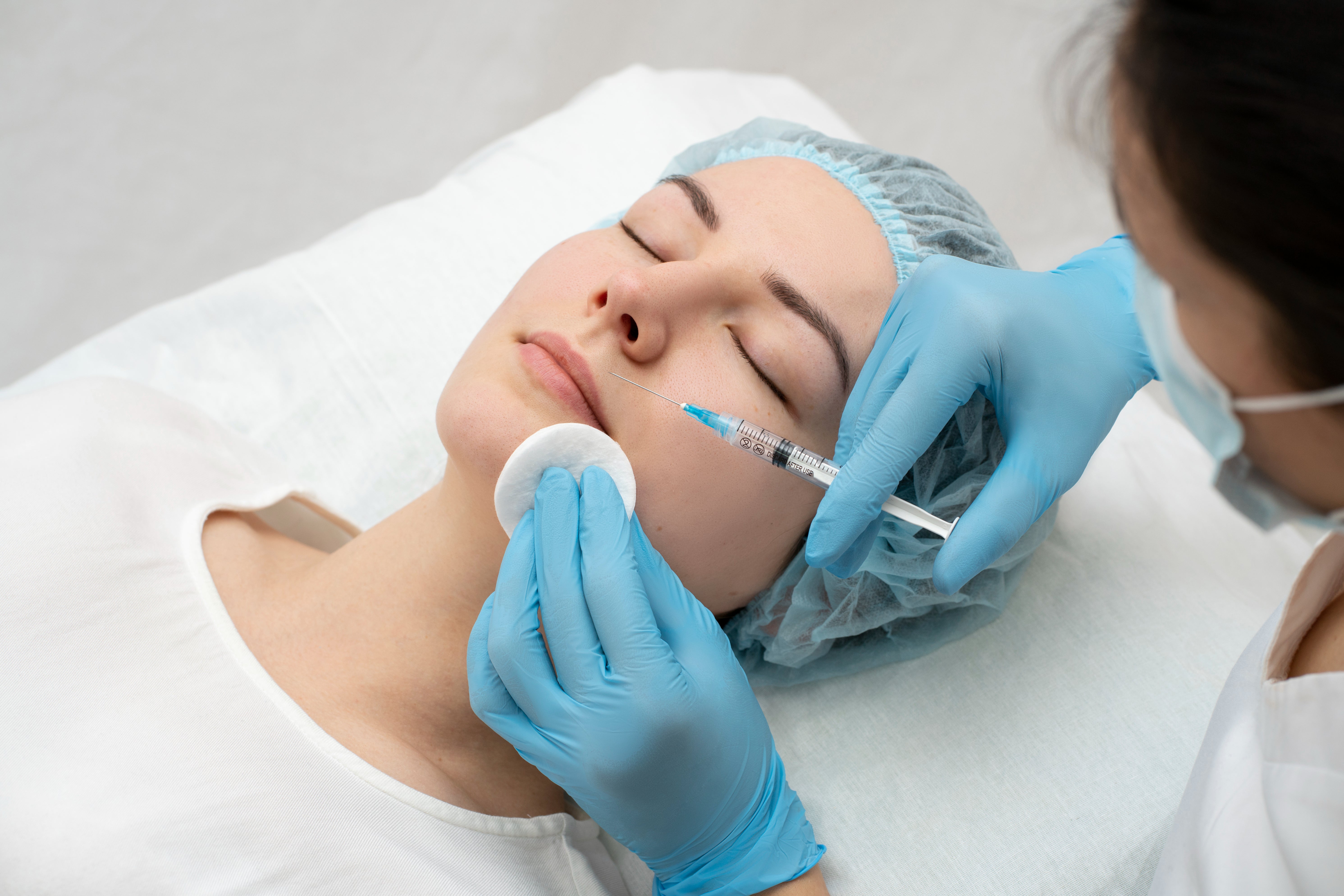
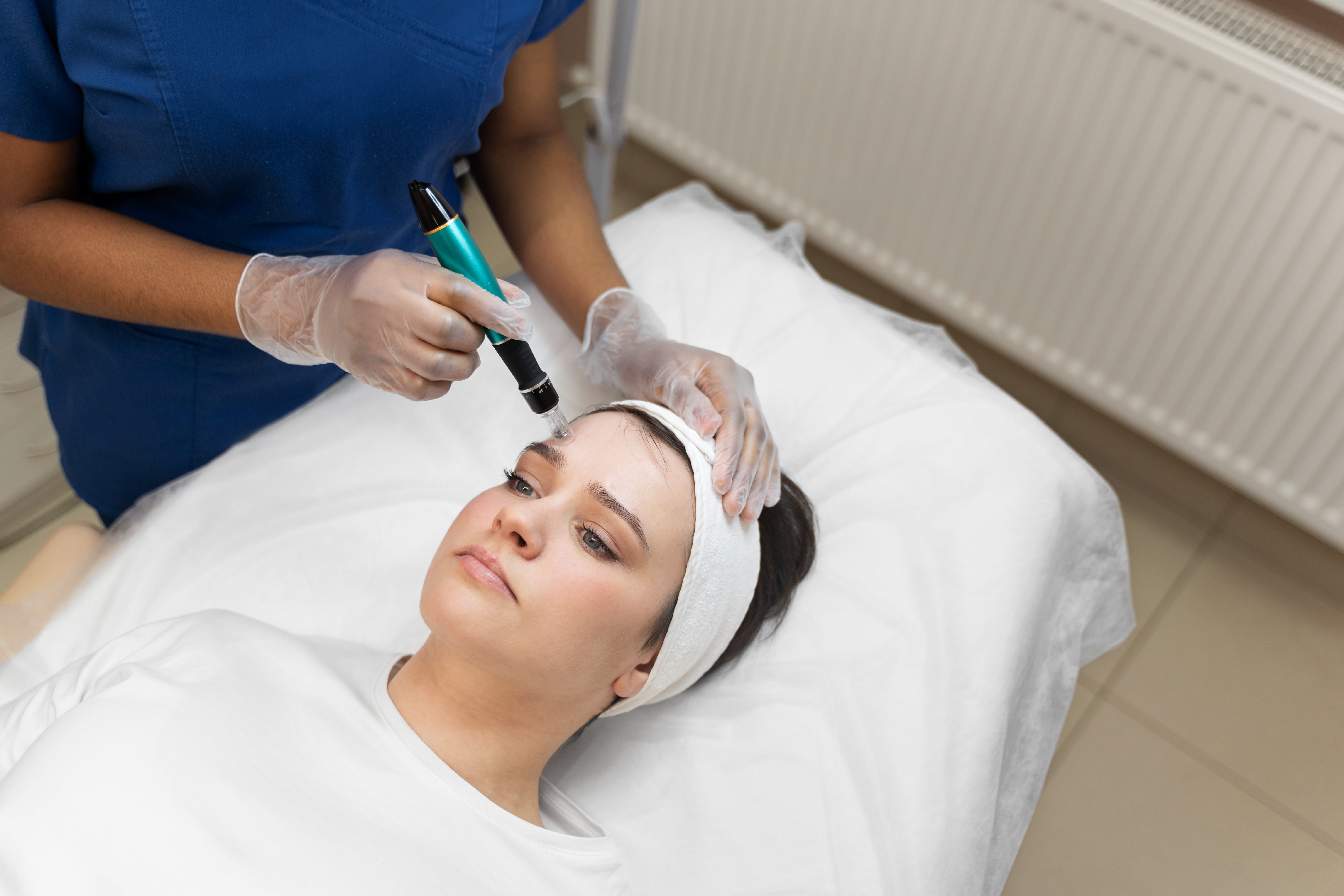
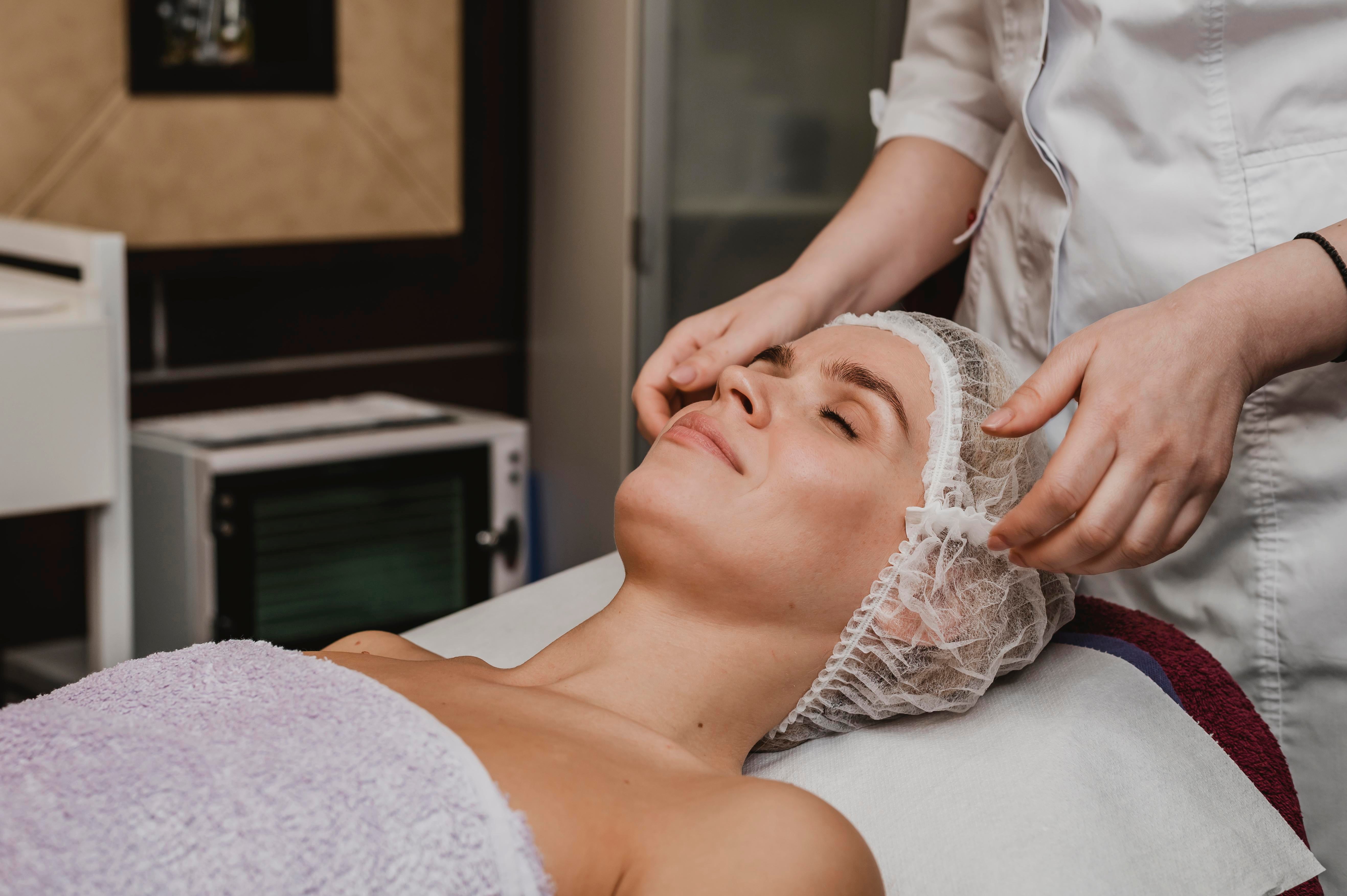
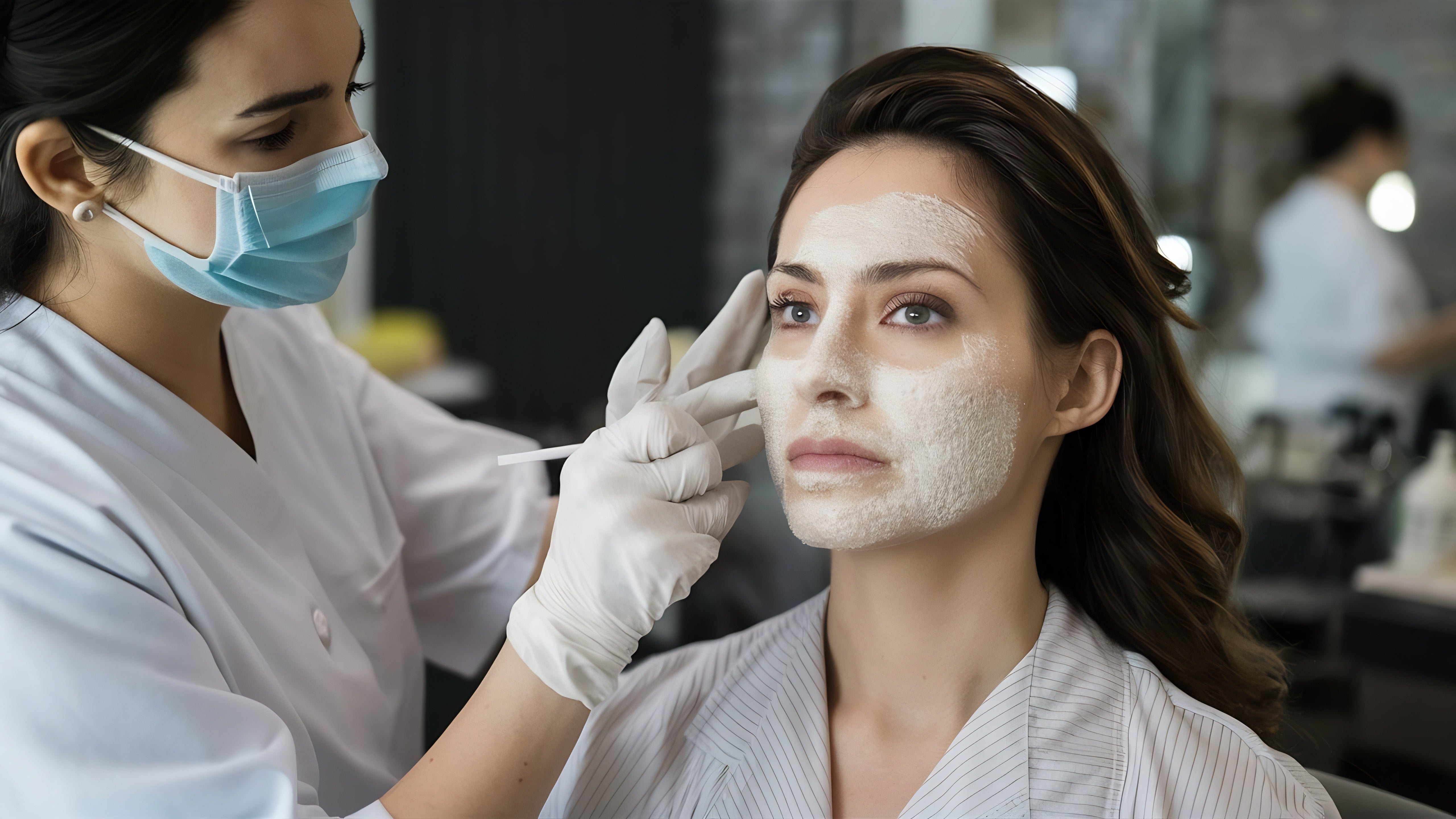
A chemical peel is a controlled application of an acid solution to exfoliate damaged outer layers of the skin, trigger regulated skin renewal and stimulate dermal remodelling.
Depending on formulation and strength, peels can be superficial, medium or deep — and are used to treat acne, pigmentation, fine lines, texture irregularities and certain types of scarring.
Why choose Allodermis for chemical peels?
Doctor led
Every peel is prescribed and supervised by an AIIMS MD dermatologist.
Root cause approach
We evaluate hormones, barrier function, acne drivers and pigmentation triggers before we treat.
Personalised protocols
Peel type, depth and priming chosen for your skin type and concern — Indian skin protocols.
Safety first
Patch testing, conservative dosing for melanin rich skin, clear pre/post care.
Evidence backed combos
Peels combined with topical priming, sun protection and adjunctive therapies only when indicated.
Types of peels we use (and why)
We select the peel by goal + skin biology — not by trend.
Salicylic acid
BHABest for oily, acne prone skin; pore penetration, anti inflammatory, comedone control.
Glycolic acid
AHASurface rejuvenation, improves texture, stimulates collagen, good for photodamage.
Lactic acid
Gentle AHAMild exfoliation + hydration; ideal for sensitive or dry skin.
Black Peel
Salicylic + adjunctsDeep pore cleansing for stubborn acne / oily skin.
Yellow Peel
Medium depthMedium depth option for pigmentation & photodamage.
InnoPeel / Cosmelan
Targeted protocolsFor persistent melasma and post inflammatory hyperpigmentation (PIH).
Arginine / Amino acid peels
Bio stimulatingGood for collagen support.
TCA
Trichloroacetic AcidMedium to deep peel for deeper wrinkles, acne scars and advanced sun damage — used conservatively.
Meline
Targeted body peelsSafe options for underarms, inner thighs, knees and other pigmented body areas.
Who benefits from a chemical peel?
You benefit if you have:
- Persistent acne or post acne marks (PIH)
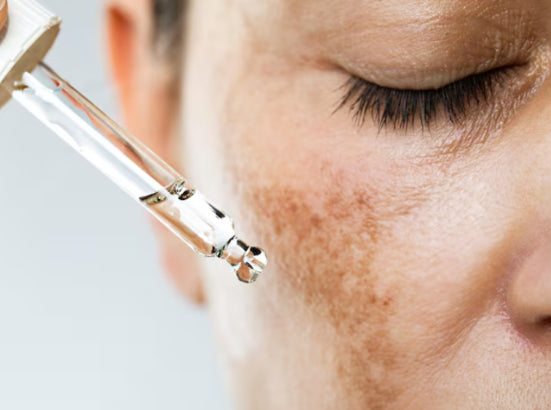
- Uneven tone, sun spots, melasma (with protocol led treatment)
- Rough or dull texture, enlarged pores
- Early signs of photo ageing: fine lines, laxity improvement when combined with other treatments
- Localised body pigmentation (underarms, knees, bikini line)
Not suitable:
- Active infection at the site
- Recent isotretinoin use (usually 6–12 months wait)
- Pregnancy / lactation (many peels deferred)
- Certain autoimmune / connective tissue disorders
Your dermatologist will screen you.
The Allodermis peel protocol
01Consultation & Priming7–21 days before+
- Comprehensive history: medication, hormonal factors, prior procedures
- DermaScan / photography
- Prescribe priming (pigment suppressants, gentle retinoid or azelaic acid) when indicated to reduce PIH risk
- Patch test where needed
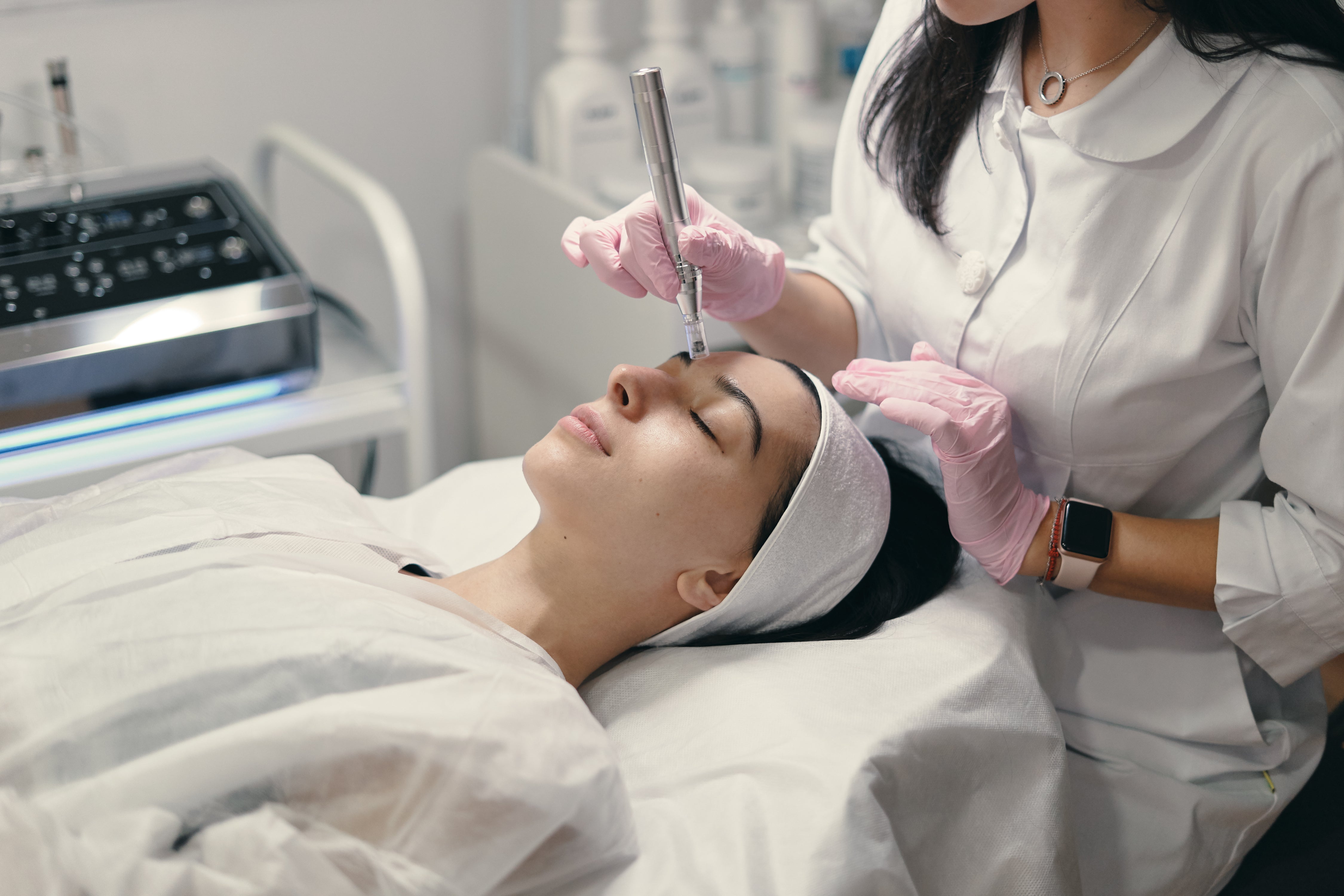
02TreatmentIn clinic · 20–45 minutes+
- Cleanse, degrease, protect sensitive areas (lips / eyes / nasolabial folds)
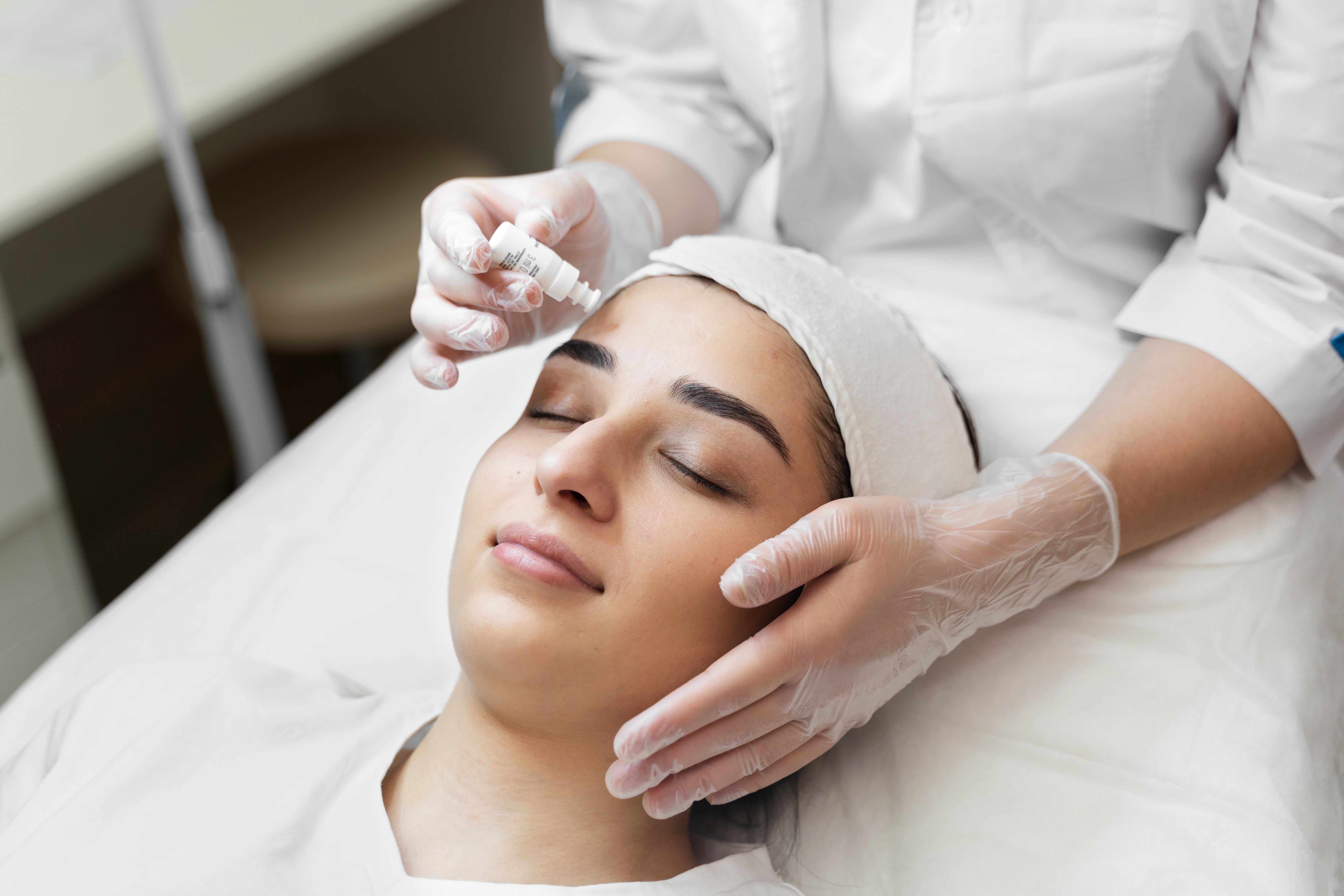
- Apply peel in monitored stages; neutralise as required
- Post peel calming application + SPF
- Typical session time: 20–45 minutes depending on peel
03AftercareCritical for results+
- Strict sunscreen (broad spectrum SPF 30–50) from day 0
- Gentle moisturisers; avoid actives (AHA/BHA/retinoids) until healed
- Expect superficial peeling for days (depth dependent)
- Follow scheduled maintenance / combo treatments as directed
What to expect — results & recovery
Light flaking. Improved glow & texture within 7–14 days.
TCA / Yellow. Significant pigment reduction and texture change by 3–6 weeks.
Reserved for scars / advanced photodamage. Longer recovery.
How we minimise risk
Typical treatment pairings
Evidence based — used only when indicated.
Peel + pigment suppressive topical
Hydroquinone / azelaic / retinoid for melasma & Cosmelan protocols.
Peel + salicylic series
With medical acne therapy for inflammatory acne control.
Peel + PRP / Laser Toning
For scar revision and texture improvement.
Peel + sunscreen + lifestyle
Smoking cessation, sleep, antioxidant diet — for lasting benefit.
Chemical Peel cost in India
Indicative only — final quote after MD consult.
Prices vary by location, peel formulation, number of sessions & adjuncts. Specialist protocols include kit + follow up.
Get a Precise Cost Estimate →Before & After
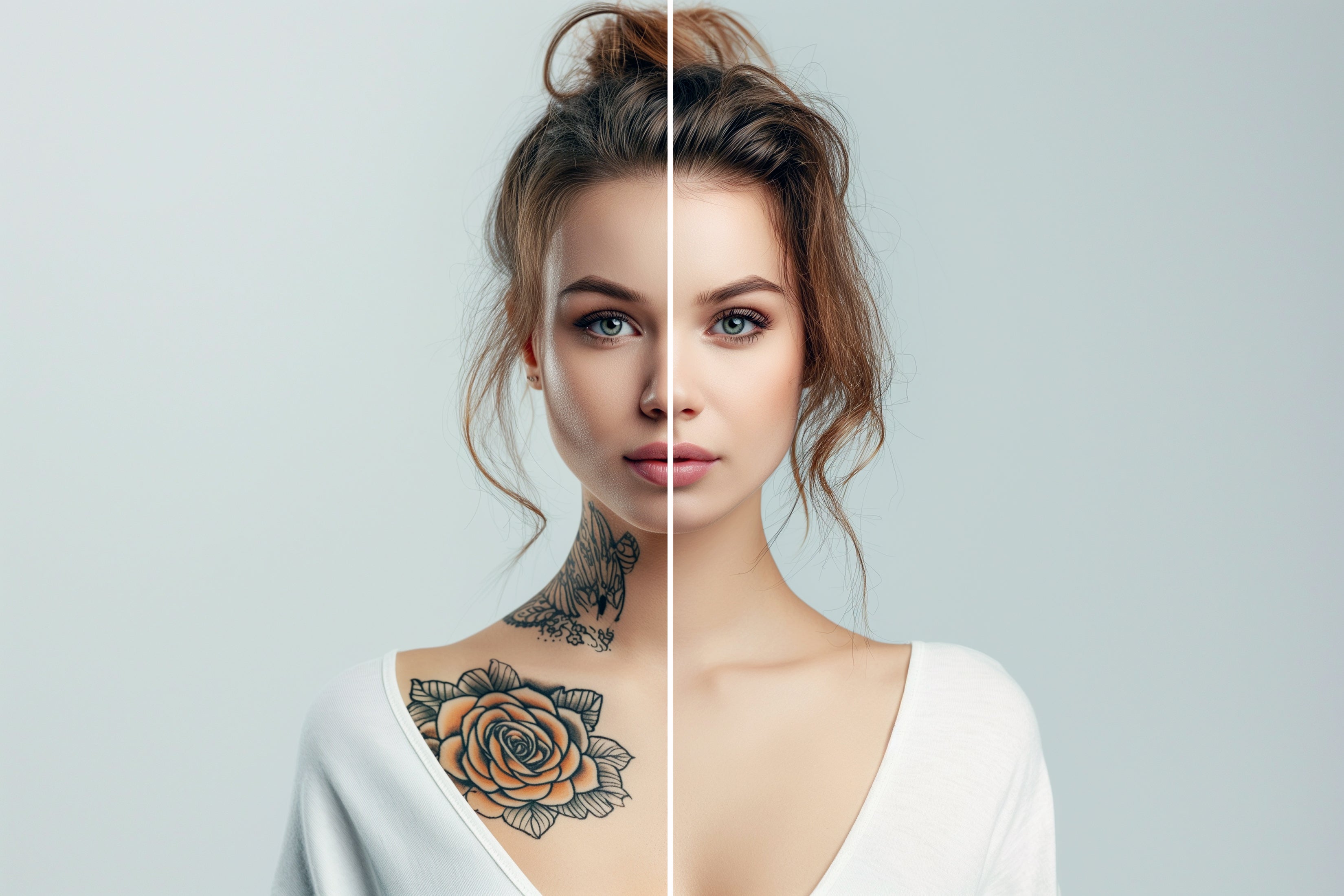
Consented patient photos · consistent lighting · timestamped.
Frequently Asked Questions
How many peels will I need?
1–3 superficial peels for glow / texture; 3–6 sessions or combination therapy for deeper pigmentation and scarring depending on response.
Are chemical peels safe for Indian skin?
Yes — when prescribed and primed by experienced dermatologists. We use conservative protocols and priming to reduce PIH risk.
Will my skin peel off completely?
Depth dependent. Superficial peels flake lightly; medium peels shed more prominently; deep peels are controlled and monitored.
Can I do a peel if I have melasma?
Yes — but only as part of a protocol (priming, Cosmelan/Inno, strict sun protection). Aggressive peels without priming can worsen melasma.
When can I wear makeup after a peel?
Generally after 24–72 hours for superficial peels once redness subsides; for medium peels wait until active peeling reduces — follow MD advice.
Start with a 5 minute triage call with our team.
Clinical references & further reading
- Landau M. Chemical Peels. Clinics in Dermatology. 2008;26(2):200–208. https://pubmed.ncbi.nlm.nih.gov/18472061/
- Rendon MI, Berson DS, Cohen JL, Roberts WE, Starker I, Wang B. Evidence and Considerations in the Application of Chemical Peels in Skin Disorders and Aesthetic Resurfacing. Journal of Clinical and Aesthetic Dermatology. 2010;3(7):32–43. https://pubmed.ncbi.nlm.nih.gov/20725555/
- Grimes PE. Management of Hyperpigmentation in Darker Racial Ethnic Groups. Seminars in Cutaneous Medicine and Surgery. 2009;28(2):77–85. https://pubmed.ncbi.nlm.nih.gov/19608057/
- Reserva J, Champlain A, Soon SL, Tung R. Chemical Peels: Indications and Special Considerations for the Male Patient. Dermatologic Surgery. 2017;43(Suppl 2):S163–S173. https://pubmed.ncbi.nlm.nih.gov/28902026/
- Elias PM. Skin Barrier Function. Current Allergy and Asthma Reports. 2008;8(4):299–305. https://pubmed.ncbi.nlm.nih.gov/18606081/