













Lose the tan, keep the health
Clinically guided tan removal for Indian skin.
Sun tan is more than a cosmetic concern — it is evidence of UV injury. We treat the visible tan and the biology behind it: melanin overdrive, barrier damage, photoageing and local inflammation. Treatments are personalised by MD dermatologists, safe for Indian skin tones, and paired with behavioural, nutritional and sunscreen strategies so results last.
Book MD Consultation
Free tan assessment — 5-minute callback
Or call 📞 +91 9717503031
Where we treat, and what to expect
Tanning, sunburn and post-sun pigment — on the face and across the body.
- Face
- Neck
- Chest
- Hands
- Forearms
- Legs
- Underarms
What tanning actually is
Tanning is a melanocyte response to UV. UVA and near-infrared drive oxidative stress and deeper photodamage; UVB causes epidermal DNA damage and erythema.
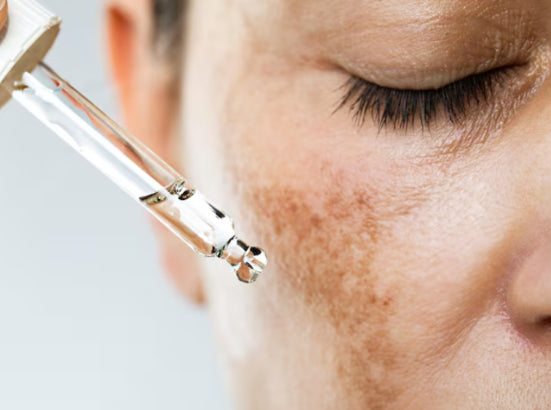
The skin responds by increasing melanin synthesis through tyrosinase activation, which darkens the skin. Repeated exposure turns that into persistent pigment — post-inflammatory and photoaged spots. Treating a tan therefore means removing excess melanin and preventing recurrence through sun control and barrier repair.
Reduce photoageing
Wrinkles and laxity accumulate from the same UV exposure that caused the tan.
Lower risk markers
Actinic keratoses and precancerous changes, addressed through sun protection and surveillance.
Tone, texture, confidence
Improved safely and predictably, with MD oversight rather than guesswork.
The root-cause protocol
Precise diagnosis
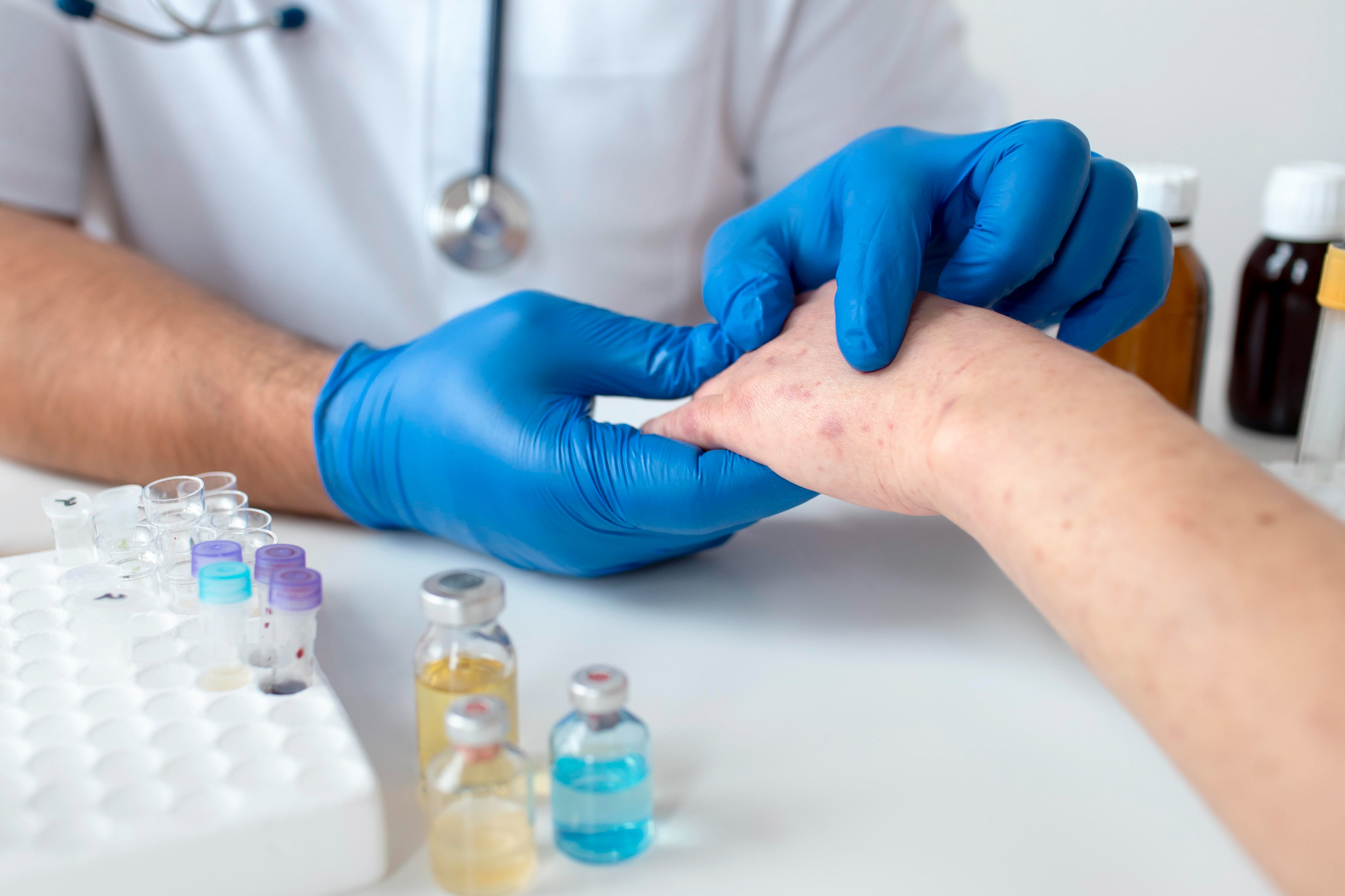
Wood’s lamp and Dermascan identify whether the pigment is epidermal, dermal or mixed.
Patch test & priming
Pre-treatment topical priming to reduce PIH risk before anything active is used.
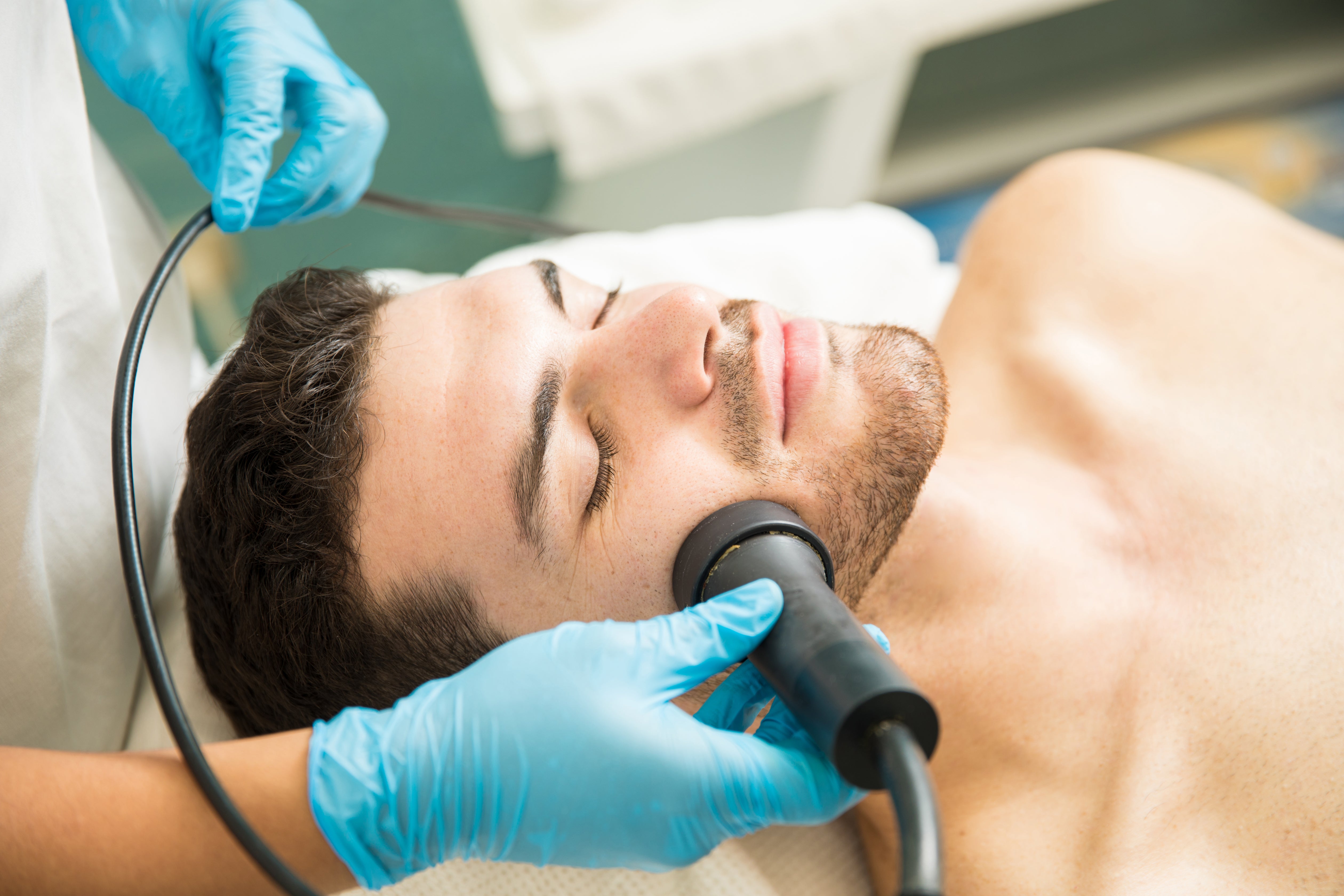
Targeted in-clinic therapy
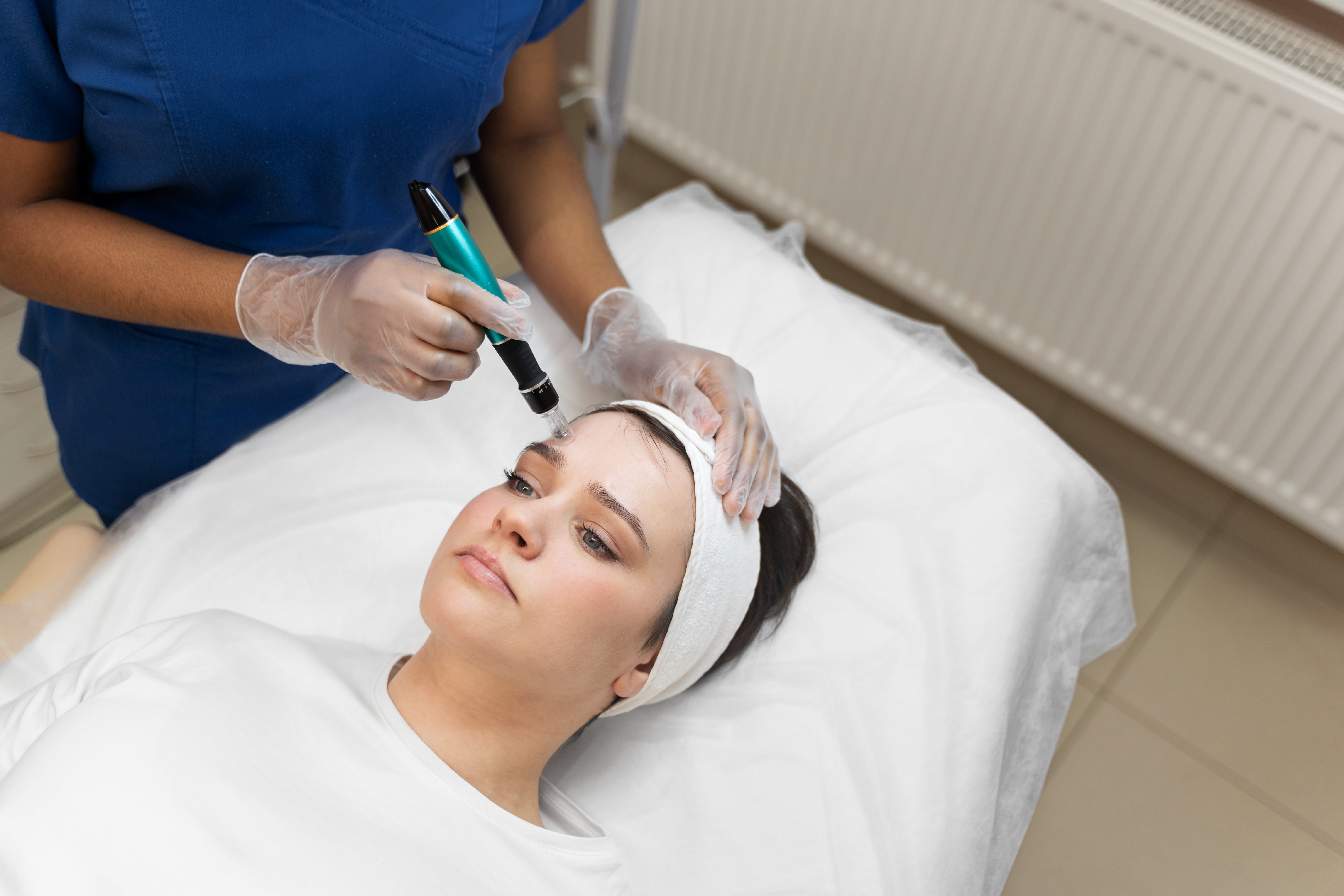
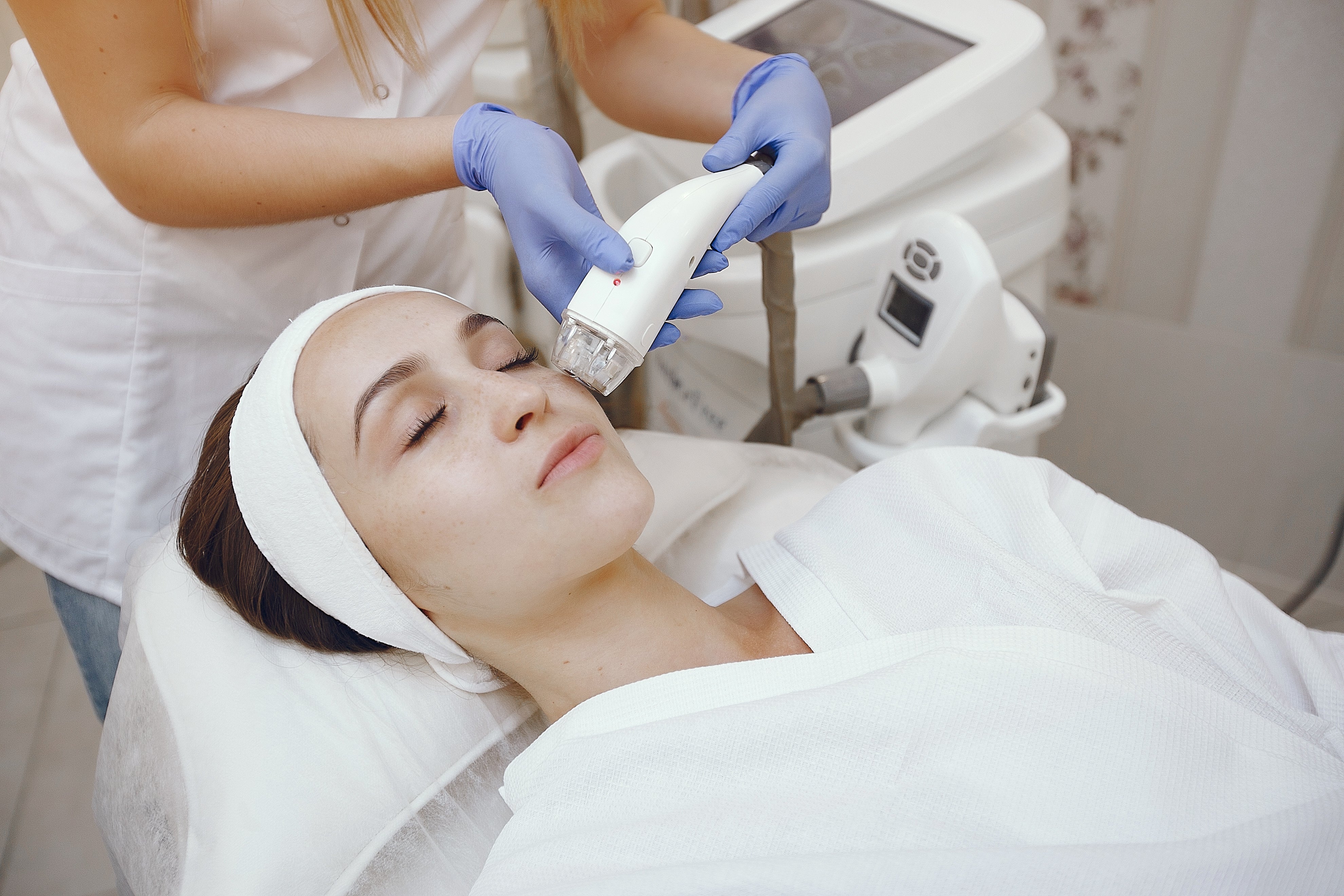
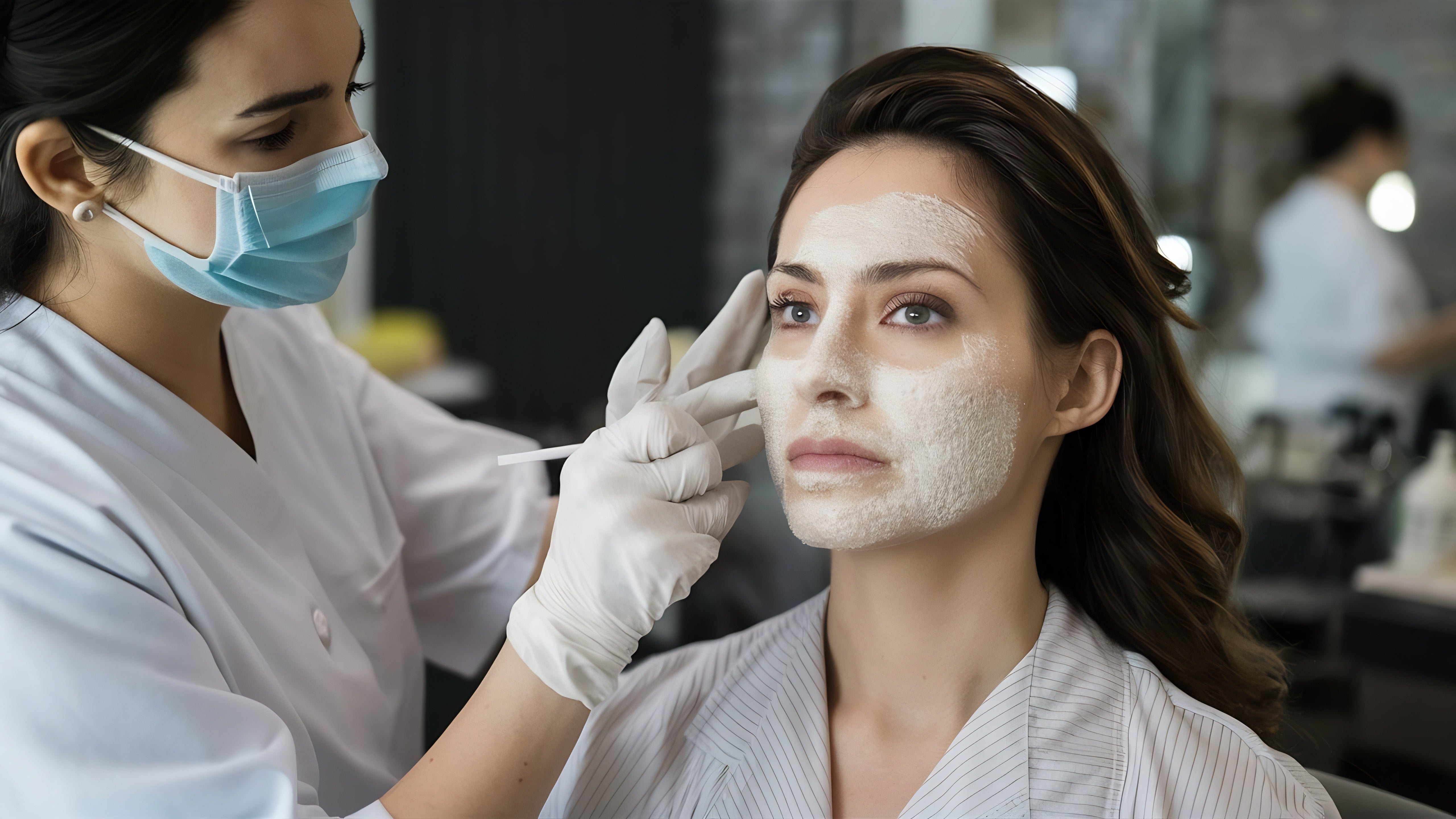
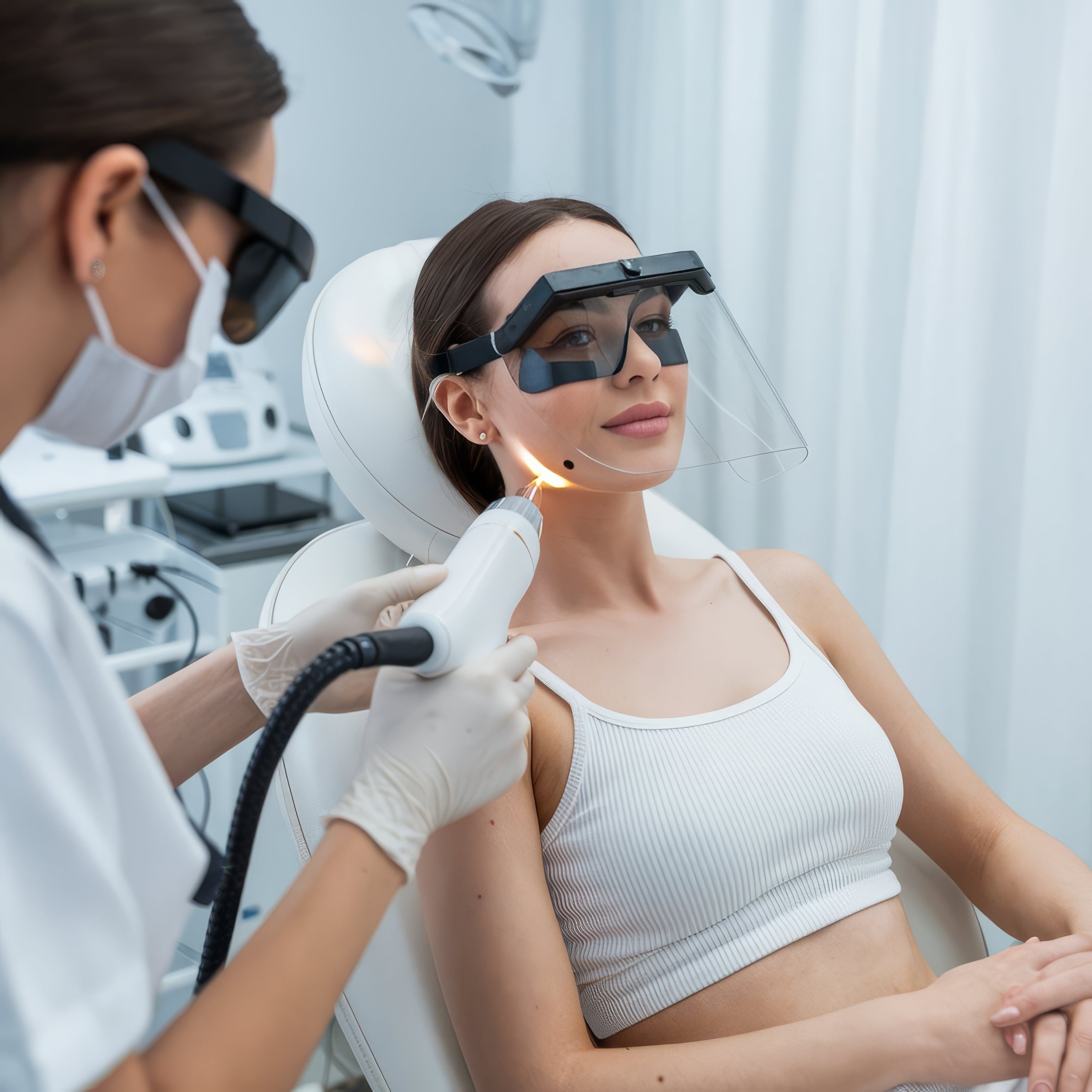
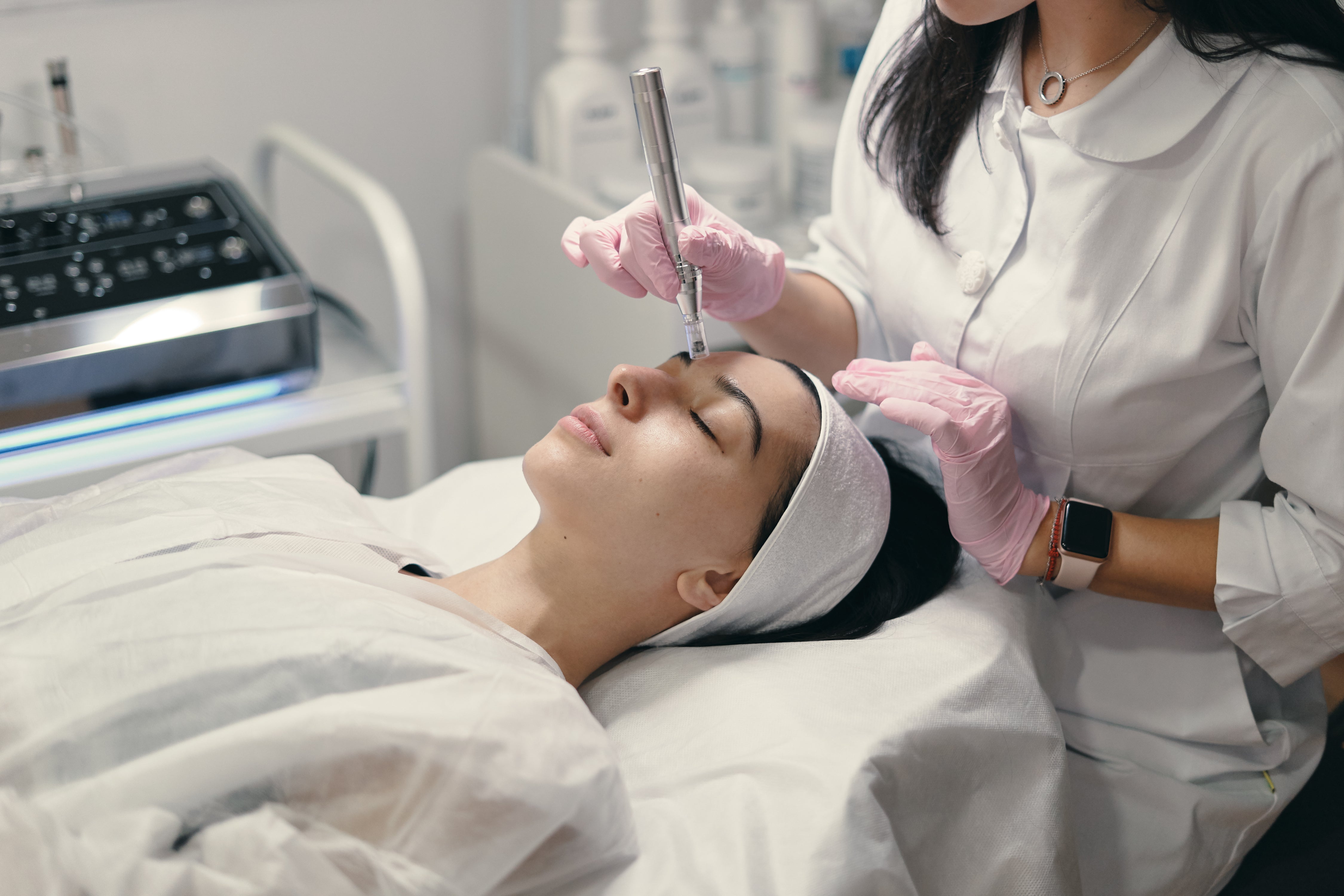
Laser, peel, IPL, microdermabrasion or a combination, depending on depth and cause.
Barrier repair at home
A prescribed regimen — retinoid, azelaic, kojic, niacinamide, antioxidant and sunscreen.
Lifestyle & prevention
UV avoidance, a sunscreen habit, antioxidant diet, and review of phototoxic medications.
Follow-up & maintenance
Interval monitoring with booster sessions as needed, so the tan does not simply return.
What we commonly use, and why
Chosen after diagnosis, matched to the depth of pigment and your skin type.
Laser Toning
Q-switched Nd:YAG, fractional optionsTypical course of 4–8 sessions, 2–4 weeks apart. Mild redness only, and safe when settings are tailored to Indian skin.
- Epidermal pigmentation
- Some dermal pigmentation
- Suntan
- Age spots
IPL / Photofacial
3–6 sessionsWell suited to large areas such as arms and chest.
- Patchy suntan
- Diffuse redness with pigment
- Large body areas
Medical Chemical Peels
Superficial to mediumSuperficial peels have minimal recovery; medium peels involve peeling for 5–10 days.
- AHA
- BHA
- TCA
- Superficial tan
- Uneven tone
- Photo-dullness
Microdermabrasion & Dermaplaning
Physical exfoliationUseful for focal areas and for maintenance between advanced sessions.
- Mild tan
- Uneven texture
- Focal areas
Adjuncts
PRP, hydration boosters, PDRNUsed to accelerate recovery, improve skin quality and restore glow after the pigment has cleared.
- PRP
- Hydration boosters
- PDRN
A tan is not a cosmetic concern. It is evidence of UV injury.
The procedure pathway
01Consultation + dermascanNaming the pigment+
We determine whether the tan is epidermal, dermal or post-inflammatory. Everything after this step depends on that answer.
02Pre-treatment priming2–4 weeks+
Sunscreen, barrier creams and topical agents as needed, so the skin is stable before any device or acid touches it.
03In-clinic sessionThe treatment itself+
The chosen treatment is performed, with topicals and cooling applied through the session.
04Immediate careSame day+
Soothing, sunscreen and specific aftercare instructions before you leave.
05Follow-upAt 2–4 weeks+
Progress is reviewed and the next session is planned against what your skin actually did.
Expected results & timeline
Reduction in visible tan and improved brightness following laser or peel work.
Clearer, more even tone with combination therapy plus consistent home care.
Strict sun protection with periodic maintenance sessions to hold the result.
Tan removal cost in India
Indicative market ranges. Allodermis provides a personalised quote after assessment.
Where a tan is mixed or spread across face and body, a combination package is usually more economical than paying per modality — costed after your assessment.
Price per session & typical course
- ✓Laser Toning (Q-switched Nd:YAG) — ₹5,000 – ₹15,000 · 4–8 sessions
- ✓IPL / Photofacial — ₹4,000 – ₹10,000 · 3–6 sessions
- ✓Superficial Chemical Peel — ₹2,000 – ₹5,000 · 3–6 sessions
- ✓Medium-Depth Peel (TCA) — ₹5,000 – ₹12,000 · 1–3 sessions
- ✓Microdermabrasion — ₹2,000 – ₹5,000 · 4–6 sessions
- ✓Combination packages (face + body) — custom
Pre & post treatment care
Most tan-removal failures are aftercare failures. These are not optional.
Pre-treatment
- Start sunscreen (SPF 30+) daily, 2 weeks prior
- Avoid strong actives — retinoids, AHAs, BHAs — for 3–7 days before, if advised
- Inform the doctor of all medications, especially photosensitising drugs
Post-treatment
- Strict sun avoidance and broad-spectrum sunscreen, reapplied every 2–3 hours
- Gentle cleanser and barrier moisturiser; avoid exfoliants until healed
- Use prescribed topical depigmenting agents exactly as directed
- Contact us immediately if there is increased pain, blistering, or progressive darkening
Safety: these treatments are safe when performed by qualified dermatologists. Temporary redness, mild swelling and transient pigmentary changes can occur. The risk of post-inflammatory hyperpigmentation is minimised by priming, conservative settings and close follow-up — especially important in darker Indian skin types.
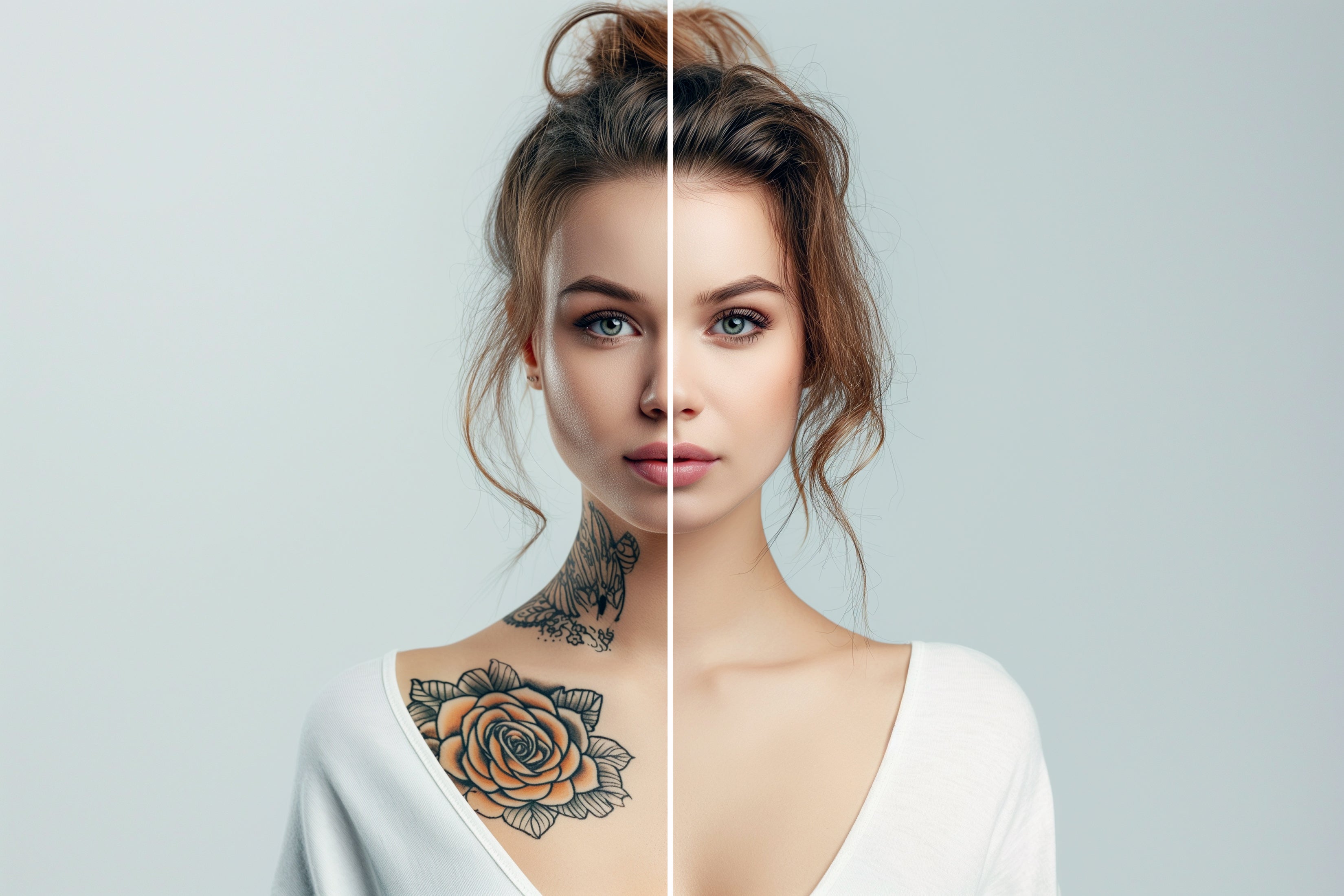
Before & after
Questions we hear most often
Can tan be removed completely?
Most superficial tans respond very well. Deeper dermal pigment may lighten significantly but can need maintenance and combination therapy.
Is laser or IPL safe for brown skin?
Yes — when performed by an MD dermatologist using settings tailored to melanin content, with adequate priming.
How fast will I see results?
Some lightening is visible after the first session. Optimal results typically appear 4–8 weeks after a complete course.
Can I combine treatments?
Yes. Many patients benefit from combined laser, peel and topical regimens; your dermatologist will customise this.
Free tan assessment and a personalised plan from MD dermatologists.
Further reading
- Fisher GJ, Kang S, Varani J, et al. Mechanisms of Photoaging and Chronological Skin Aging. Archives of Dermatology. 2002;138(11):1462–1470. https://pubmed.ncbi.nlm.nih.gov/12437452/
- Elias PM. Skin Barrier Function. Current Allergy and Asthma Reports. 2008;8(4):299–305. https://pubmed.ncbi.nlm.nih.gov/18606081/
- Krutmann J, Liu W, Li L, et al. Pollution and Skin: From Epidemiological and Mechanistic Studies to Clinical Implications. Journal of Dermatological Science. 2014;76(3):163–168. https://pubmed.ncbi.nlm.nih.gov/25278222/
- Landau M. Chemical Peels. Clinics in Dermatology. 2008;26(2):200–208. https://pubmed.ncbi.nlm.nih.gov/18472061/
- Lee YS, Lee YJ, Lee JM, Han TY, Lee JH, Choi JE. The Low-Fluence Q-Switched Nd:YAG Laser Treatment for Melasma: A Systematic Review. Medicina. 2022;58(7):936. https://pubmed.ncbi.nlm.nih.gov/35888655/
- Passeron T, Lim HW, Goh CL, et al. Photoprotection According to Skin Phototype and Dermatoses: Practical Recommendations from an Expert Panel. Journal of the European Academy of Dermatology and Venereology. 2021;35(7):1460–1469. https://pubmed.ncbi.nlm.nih.gov/33764577/