















Fast relief. Root cause correction.
Painful, swollen toenail? We treat the cause, not just the symptom.
Ingrown toenails look like a small concern, but they turn quickly into severe pain, swelling, infection, pus and difficulty walking — and they worsen if untreated, especially with diabetes, thyroid issues, poor circulation or repeated trauma. We identify why the nail is growing inward, correct it precisely, and prevent recurrence with long-term anatomical correction.
Book an Appointment
5-minute callback guarantee
Or call 📞 +91 9717503031
What is an ingrown toenail?
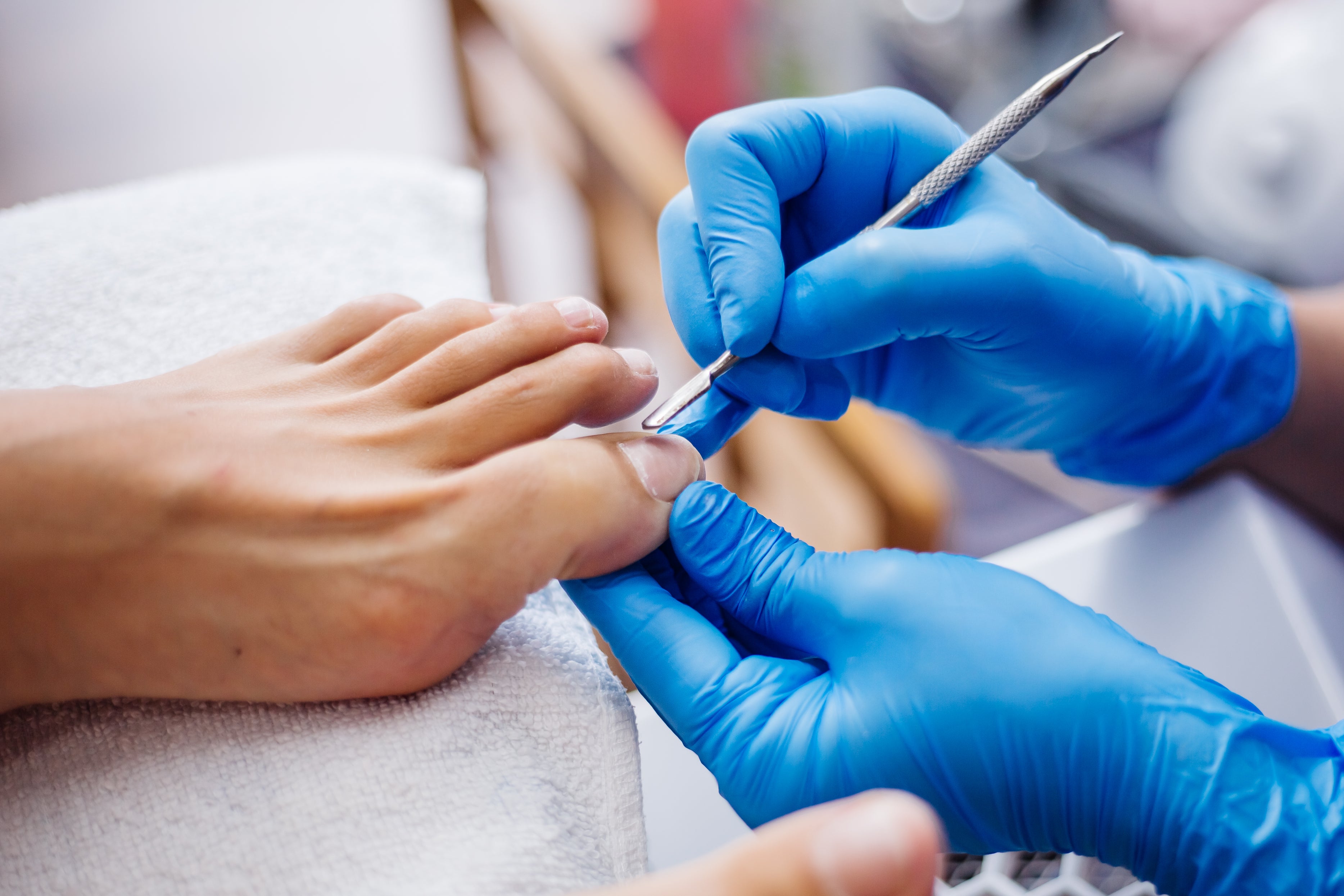
The corner or side of the toenail grows into the surrounding skin. Most cases affect the big toe, but any toenail can be affected.
What you feel
- Sharp pain with pressure
- Redness and swelling
- Warmth or pus, indicating infection
- Difficulty wearing footwear
- Repeated flare-ups
Why it happens
- Improper nail cutting, especially rounding the edges
- Tight footwear or sports shoes
- Sweaty feet and moisture retention
- Naturally curved or wide nail plates
- Nail trauma or repeated pressure
- Diabetes and vascular issues, which slow healing
Important: an untreated ingrown nail can progress to cellulitis, chronic infection and long-term nail deformity.
Why ingrown toenails keep coming back
Home remedies and salon pedicures give temporary relief, but they do not correct the underlying cause.
- The nail root, or matrix, remains curved
- Improper trimming continues
- Infection weakens the surrounding tissue
- Foot biomechanics remain uncorrected
We target exactly where the problem begins: the nail matrix, the nail bed anatomy, and the pressure points of your footwear.
Our 3-step medical protocol
Doctor-led, precise, minimally invasive — and designed for long-term correction.
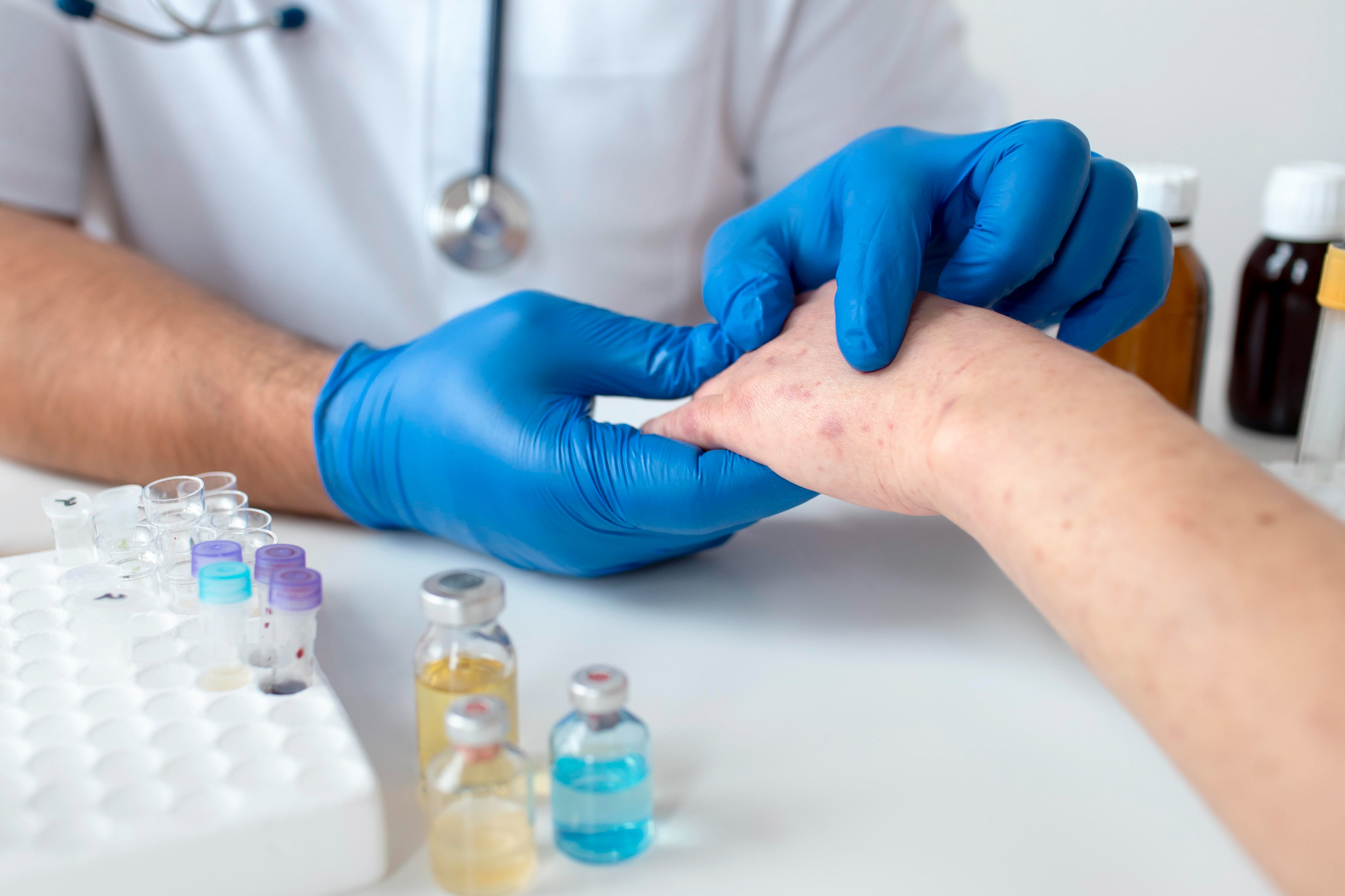
01Dermoscopic diagnosis & root-cause mappingAccurate diagnosis, no unnecessary procedures+
Your dermatologist assesses the depth of nail penetration, infection status (bacterial versus fungal), nail anatomy (curved, wide or hypertrophic), footwear friction patterns, and underlying health issues such as diabetes, thyroid and vascular health.
- Nail fold dermoscopy
- Pus culture, if needed
- Fungal KOH test, if needed
02Conservative managementFor mild to moderate cases+
- Proper medical nail trimming
- Lifting the nail edge with sterile splints
- Infection control with antibiotics or antifungals
- Foot pressure correction
- Footwear guidance
- Soaks and pain management
Around 80% of early cases improve with correct medical intervention, without any procedure.
03Permanent correctionWhere recurrence or severe pain exists+
A small, precise procedure that stops the nail growing inward again. Three technologies are available, chosen by the state of the nail — detailed below.
Three ways to correct the nail root
All minimally invasive, all performed under local anaesthesia by a dermatologist.
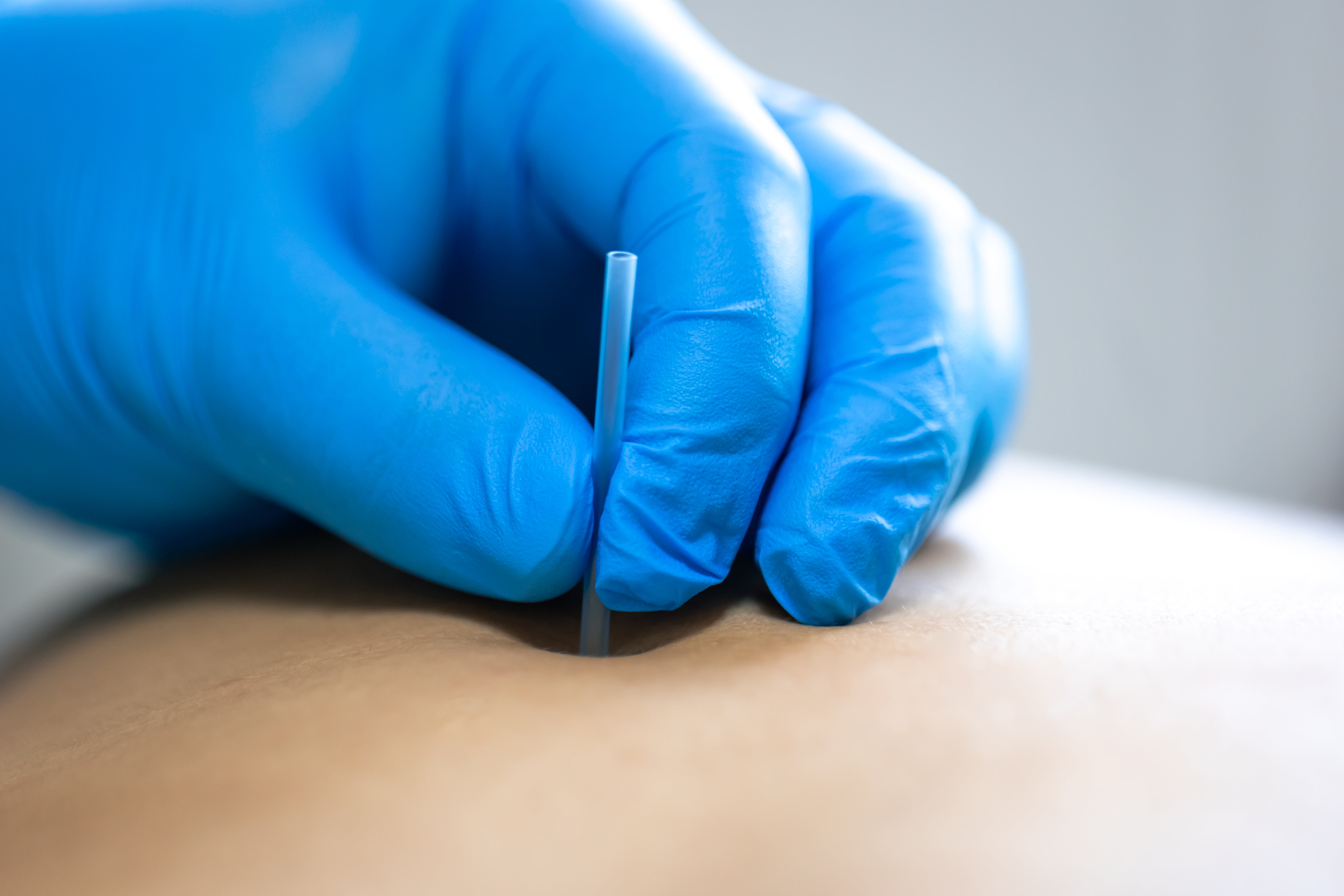
Chemical Matrixectomy
Phenol or NaOH techniqueRemoves only the problematic portion of the nail root.
- Permanent correction
- Minimal discomfort
- Healing in 5–7 days
Radiofrequency Matrix Correction
Energy-based root reshapingPrecise reshaping of the nail root with minimal bleeding.
- Minimal bleeding
- Highly accurate
- Chronic recurrent cases
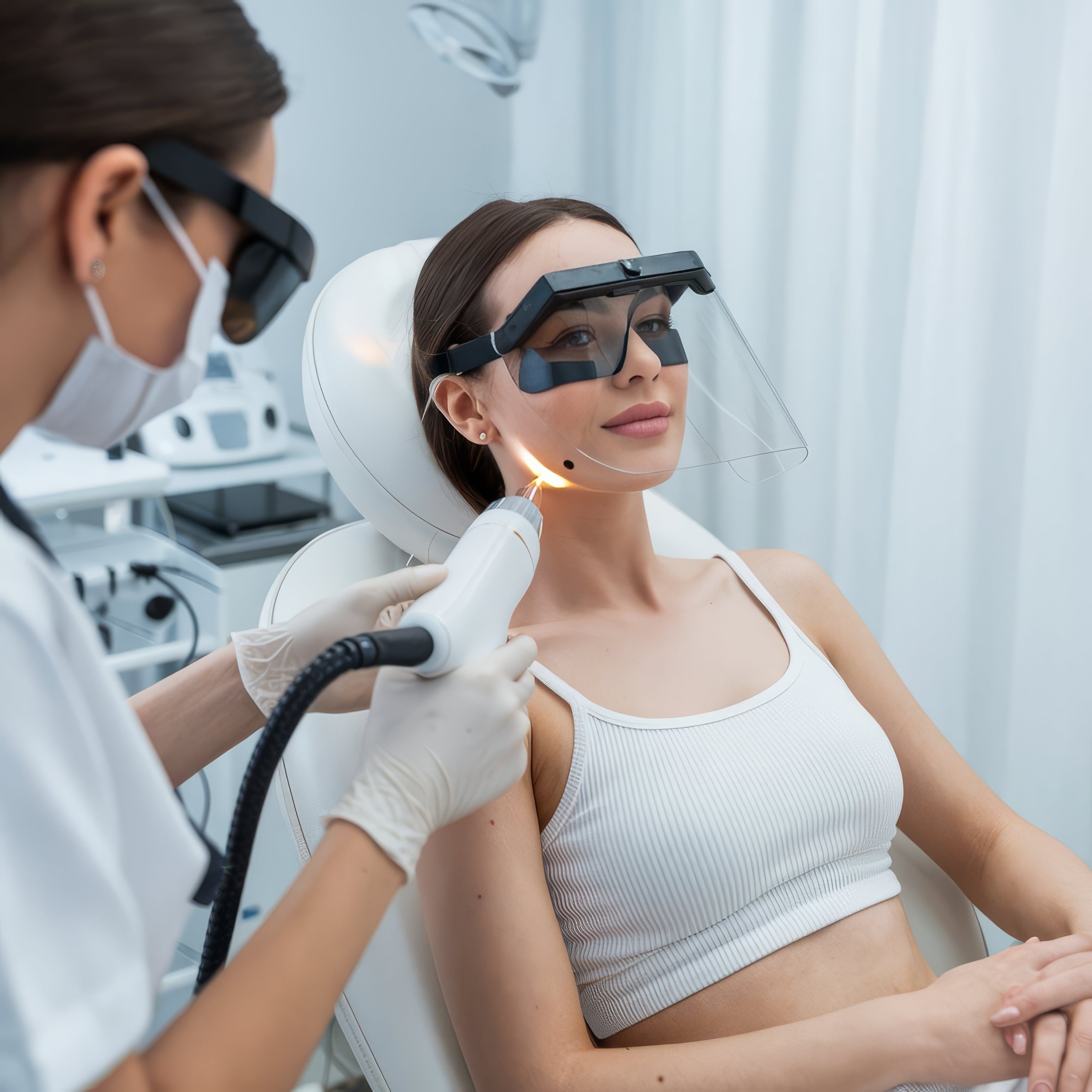
CO₂ Laser Matrixectomy
Advanced root correctionQuick, sterile and with minimal downtime.
- Severe deformity
- Sterile technique
- Minimal downtime
We do not remove the whole nail. Only the problematic sliver is corrected.
What treatment gives you
- Instant pain relief
- Stops infection & swelling
- Corrects the nail root
- Zero downtime
- Diabetic-safe protocol
- Prevents recurrence
- Dermatologists only
Performed by dermatologists — not technicians or pedicurists.
What to expect
The procedure itself takes 15 to 20 minutes.
- Foot assessment
- Nail fold evaluation
- Infection control
- Pre-procedure advice
- Local anaesthesia
- Nail edge removal
- Root correction — chemical, RF or laser
- Dressing application
- Walk immediately
- Minimal pain
- Daily dressing for 2–3 days
- Full healing in about a week
Recovery, week by week
Ingrown toenail treatment cost
- Transparent pricing
- No unnecessary upselling
- Based on severity and procedure type
Treatment-wise cost
- ✓Consultation + dermoscopy — ₹700 – ₹1,000
- ✓Conservative management — ₹1,500 – ₹3,000
- ✓Chemical matrixectomy — ₹4,500 – ₹7,000
- ✓Radiofrequency correction — ₹6,000 – ₹9,000
- ✓CO₂ laser correction — ₹7,500 – ₹12,000
Why choose us for nail surgery
AIIMS trained dermatologists
Specialised in nail surgery and podiatric dermatology.
Root-cause correction
We correct the anatomy, rather than simply trimming the nail again.
US FDA approved procedures
Safe, precise and minimally invasive.
100% sterile environments
Medical-grade infection control on every instrument.
Compassionate, patient-first care
We explain everything clearly and guide your recovery.
Diabetic-specific protocol
Slow-healing feet are treated with a separate, more cautious pathway.
Questions we hear most often
How do doctors treat ingrown toenails?
Through conservative care, or a minimally invasive procedure that corrects the nail root.
When should you see a doctor?
If there is pain, pus, swelling, bleeding or recurrence — see a dermatologist immediately.
Can ingrown nails heal on their own?
Rarely. Improper healing increases the chance of infection.
Is the procedure painful?
No — local anaesthesia makes it a painless experience.
Will the nail look normal again?
Yes. Only the problematic sliver is removed and the remaining nail grows normally, though the treated edge stays slightly narrower by design — that is what stops the ingrowth returning.
Same-day appointments available. Assessment and treatment by AIIMS trained dermatologists.
The evidence behind it
- Heidelbaugh JJ, Lee H. Management of the Ingrown Toenail. American Family Physician. 2009;79(4):303–308. https://pubmed.ncbi.nlm.nih.gov/19235497/
- Hassel JC, Hassel AJ, Löser C. Phenol Chemical Matricectomy is Less Painful, with Shorter Recovery Times but Higher Recurrence Rates, than Surgical Matricectomy. Dermatologic Surgery. 2010;36(8):1294–1299. https://pubmed.ncbi.nlm.nih.gov/20573174/
- U.S. Food & Drug Administration. 510(k) Premarket Notifications — CO₂ Laser & Radiofrequency Devices for Dermatologic Nail Surgery. FDA Device Database. https://www.accessdata.fda.gov/scripts/cdrh/cfdocs/cfpmn/pmn.cfm
Updated on 12 December 2025