














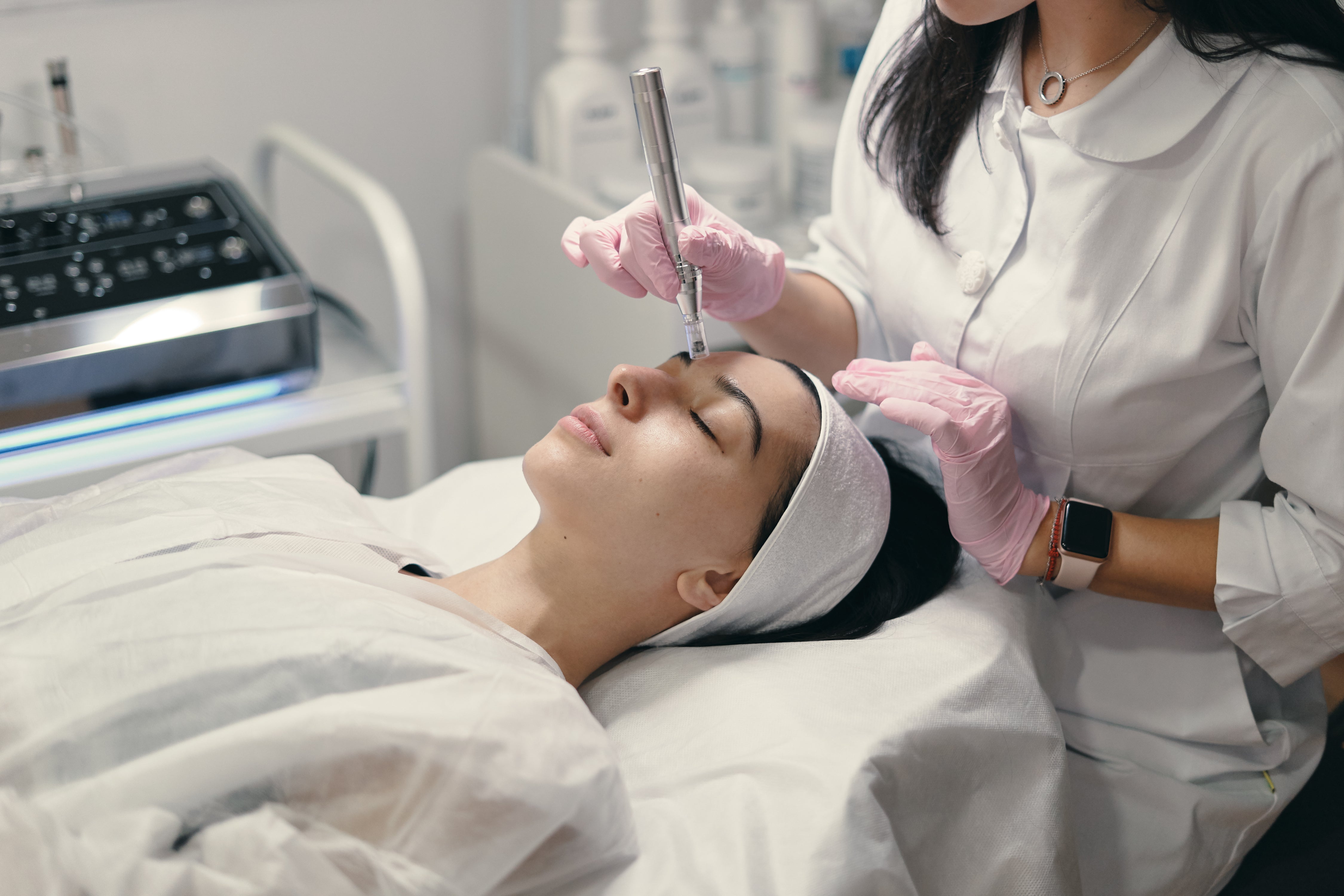

Skin Patch & Allergy Testing Service
Where Relief Begins With Answers — Not Assumptions
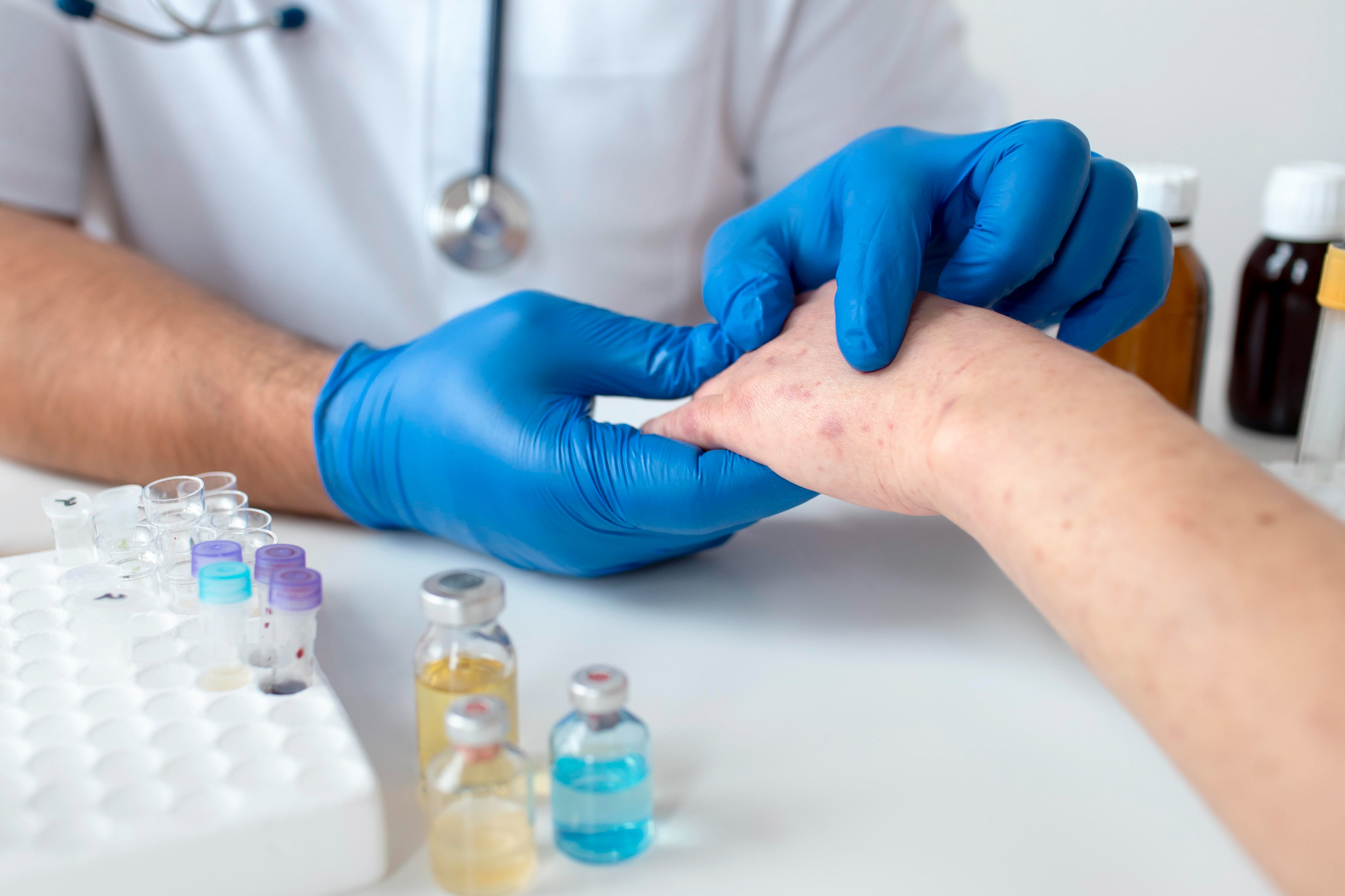
At Allodermis, we use clinical grade Skin Patch Testing, Skin Prick Testing & Immuno IgE Blood analysis to precisely identify your triggers and create a personalised allergy management plan. No guesswork. No generic advice. Only scientific clarity.
Book Your Appointment
Begin your root cause diagnosis today.
When Your Body Reacts, It’s Sending a Message. We Help You Decode It.
Allergies are not random irritations — they are immune responses triggered when your body misidentifies harmless substances as threats.
Constant itching, rashes, sneezing, watery eyes, recurrent dermatitis, or unexplained flare ups are your skin’s way of saying:
Something is triggering me — find it.
⭐ What Is Skin Patch & Allergy Testing?
Allergy testing identifies the exact allergens — environmental, chemical, food related, or cosmetic — that trigger your symptoms. Common allergen categories include:
- Dust mites
- Pollen & molds
- Pet dander
- Cosmetics & fragrances
- Metals (nickel, cobalt)
- Detergents & preservatives
- Food allergens
- Latex
- Hair colors & skincare actives
Understanding your triggers is the foundation of long term relief and prevention.
🧪 Types of Allergy Tests at Allodermis
Skin Patch Testing
48–72 hours · Best for Contact Dermatitis
Identifies substances causing:
- recurring eczema
- itchy rashes
- cosmetic allergies
- jewelry allergies
- occupational dermatitis
Small allergen patches are applied on the back → left for 48 hours → evaluated at 72 hours for reactions.
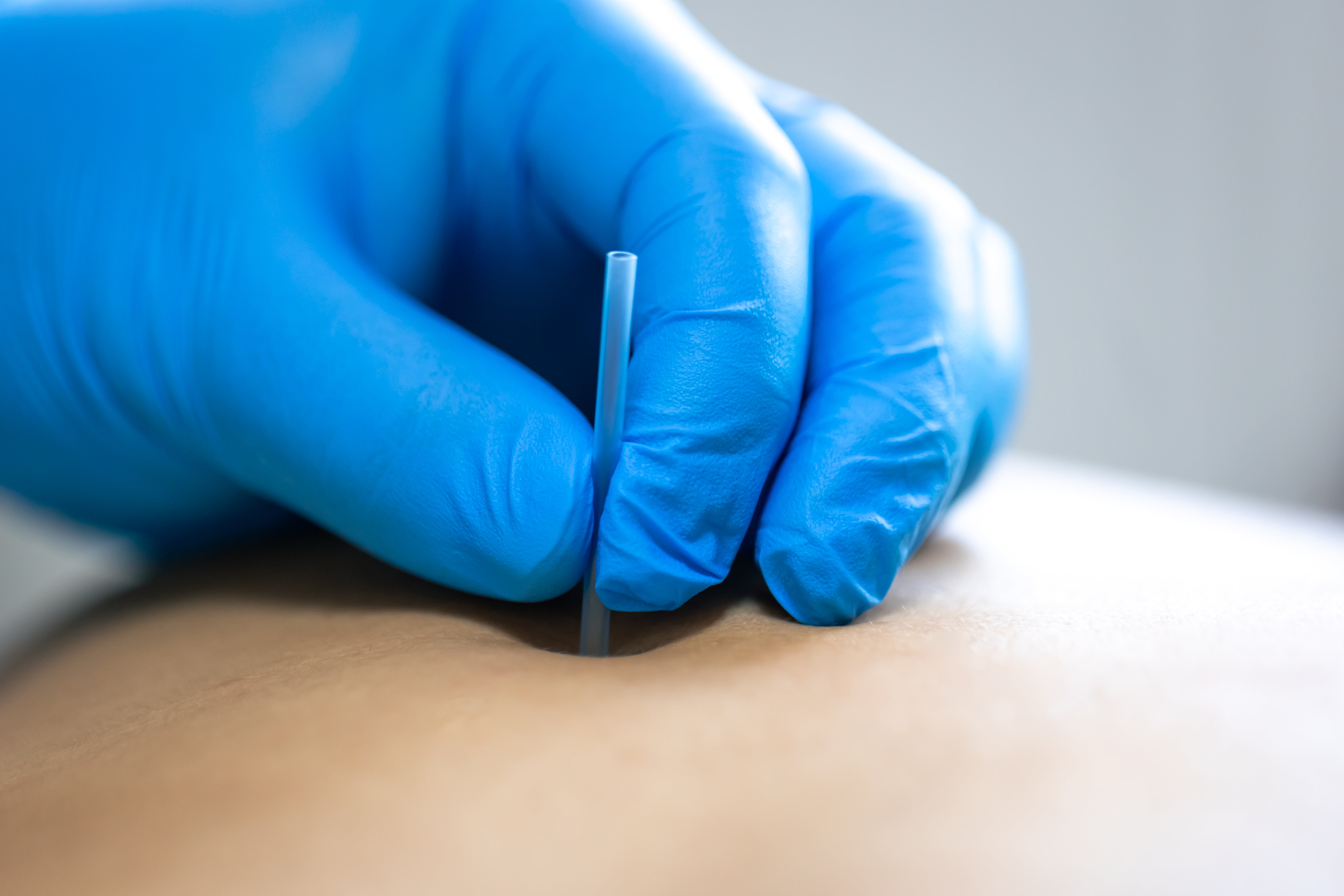
Skin Prick Testing
15–20 minutes · Best for Respiratory or Food Allergies
Checks sensitivity to:
- dust mites
- animal allergens
- pollen
- food triggers
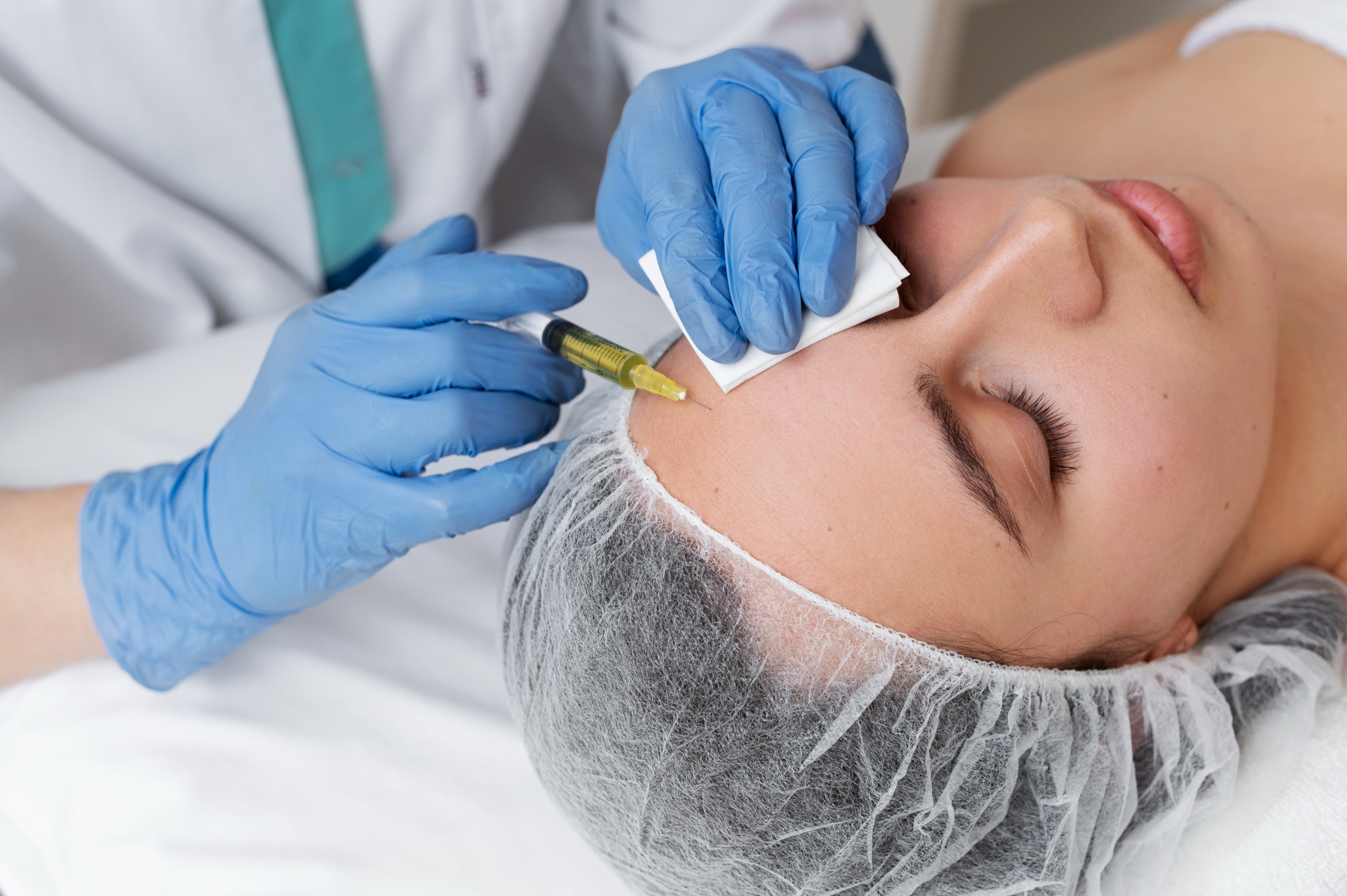
A tiny prick introduces allergens into the upper skin layer → monitored for reactions.
ImmunoCAP IgE Blood Test
When Skin Testing Isn’t Suitable
Recommended for:
- severe eczema
- skin infections
- patients on antihistamines
- children sensitive to skin pricks
Measures IgE levels to determine true sensitivity.
🌿 Who Needs Allergy Testing?
If you experience any of these, a root cause allergy evaluation is essential:
Test if you have:
- Recurrent rashes or itching
- Chronic sinusitis or runny nose
- Unexplained dermatitis
- Sudden reactions to cosmetics/jewelry
- Food related symptoms
- Eyelid or hand eczema
- Acne like flare ups triggered by skincare
- Asthma like respiratory symptoms
⚠️ Allergy Testing Is NOT Ideal For:
- Pregnant or breastfeeding individuals
- Those with active infections
- People with severe dermatological flare ups
- Individuals allergic to test ingredients
- Patients on medications that interfere with testing (unless paused under guidance)
Early testing prevents repeated inflammation, pigmentation, and chronic skin disease.
🧭 Allodermis 5 Step Allergy Diagnosis Protocol
Aligned with Allodermis’ signature root cause approach.
Personal & Medical Assessment
We understand your history, symptoms, flare up patterns, occupation, skincare usage & lifestyle triggers.
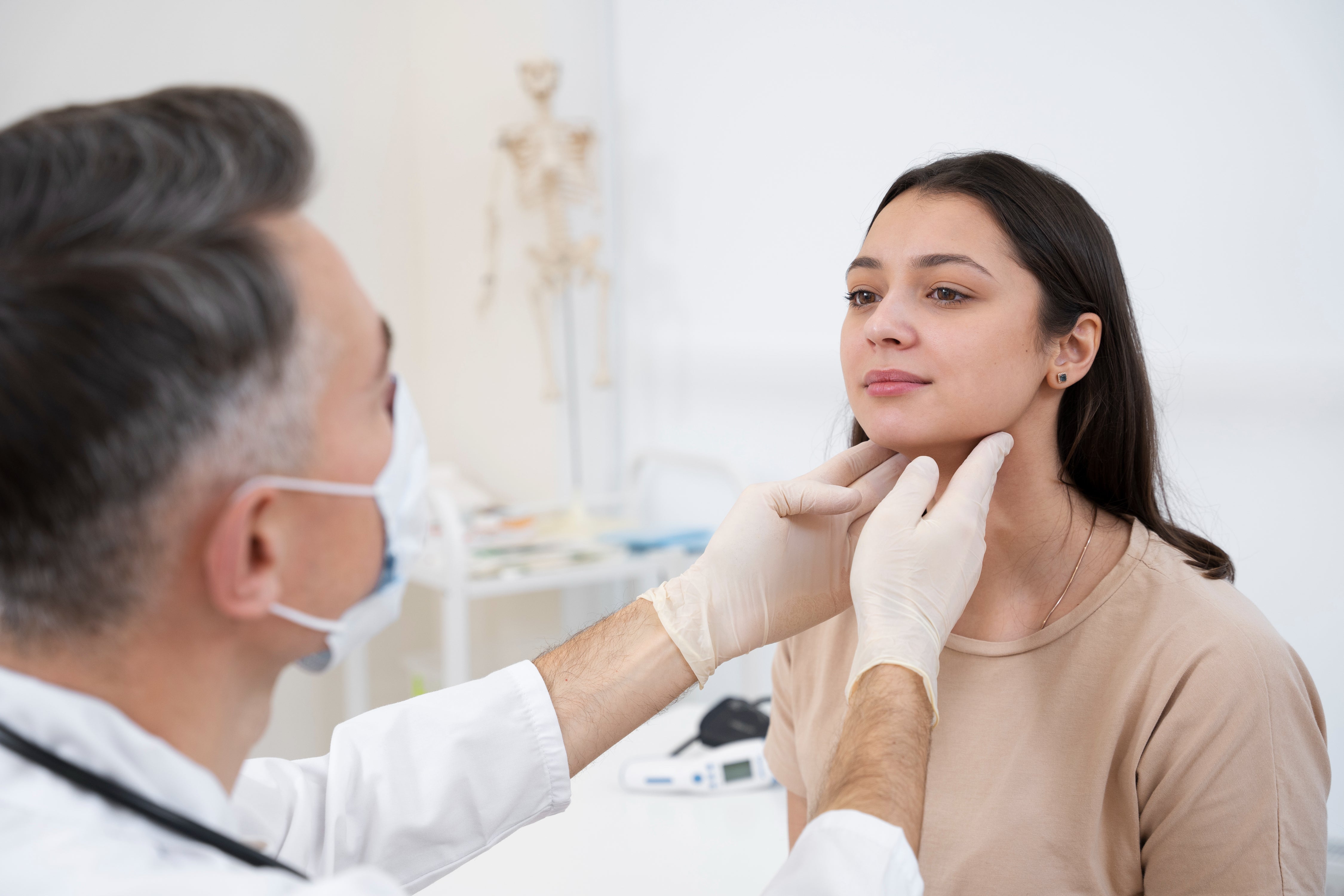
Dermatologist Consultation (AIIMS MD)
Precise mapping of suspected allergens, clinical examination & selection of appropriate test type.
Allergy Testing (Skin Patch / Prick / IgE Blood)
Performed under controlled, clinically sterile conditions for accuracy & safety.
Result Interpretation
Every reaction is graded scientifically — not guessed — using international scoring systems.
Personalised Treatment & Allergen Avoidance Blueprint
We build a sustainable plan including:
- lifestyle modifications
- product elimination list
- antihistamines or topical therapy
- long term immune management
- barrier repair skincare plan
Because avoiding your triggers begins with knowing them.
💡 Benefits of Allergy Testing at Allodermis
Accurate Allergen Identification
Pinpoints the exact cause of rashes, itching, or respiratory irritation.
Customised Allergy Management Plan
Includes avoidance strategies, skin barrier repair & personalised skincare routines.
Reduces Severe Reactions
Especially important for food, drug, and cosmetic allergies.
Supports Long Term Skin Health
Less inflammation → fewer flare ups → improved barrier function.
Minimises Unnecessary Medication
Allows targeted treatment versus random OTC overuse.
Improves Quality of Life
Better sleep, clearer skin, smoother breathing, fewer flare cycles.
Skin Patch Testing Procedure at Allodermis
Consultation
- Detailed symptom analysis
- Medical history review
- Lifestyle and trigger screening
Pre Procedure Instructions
- Pause antihistamines if required
- Avoid steroid creams on test areas
- Remove lotions/perfume before testing
During the Procedure
Skin Patch Testing
- 20–40 allergens applied via patches on the back
- Left undisturbed for 48 hours
- Results read at 48–72 hours
Skin Prick Test
- Tiny allergen drops placed on the forearm
- Skin gently pricked
- Results visible in 15–20 minutes
- Best for respiratory/food allergies
IgE Blood Test
- For those unable to undergo skin tests
- Measures allergen specific antibodies
Post Procedure Care
- Avoid scratching
- Keep patch area dry
- Follow dermatologist recommendations
- Detailed allergen report provided
💰 Cost of Allergy Testing at Allodermis
Costs vary based on number of allergens tested, type of test performed, and clinical complexity. Indicative range:
Skin Patch Testing
Skin Prick Testing
IgE Blood Panel (depending on allergen panel size)
📈 Expected Results After Allergy Testing
Most patients experience relief within 2–6 weeks after implementing their personalised management plan.
❓ Frequently Asked Questions
1. How long does patch testing take?
72 hours including application & readings.
2. Is allergy testing painful?
Mild discomfort only — no significant pain.
3. Can children undergo allergy testing?
Yes. Skin prick tests are safe for children above 5 years under supervision.
4. How accurate are these tests?
Clinically validated with high sensitivity & specificity when interpreted by dermatologists.
5. Can allergy testing help unexplained rashes?
Yes — especially for recurrent dermatitis, cosmetic allergies, and eczema like flare ups.
6. How soon do results come?
Prick test: 20 minutes · Patch test: 72 hours · Blood test: 24–48 hours.
🩺 Why Choose Allodermis for Allergy Testing?
AIIMS MD Dermatologists
Experts trained in immunology, contact dermatitis, and advanced diagnostic methods.
Root Cause Dermatology
We don’t guess — we scientifically trace the “why” behind your symptoms.
Evidence Based Testing
Only validated skin patch, prick & IgE methods — no unreliable alternative tests.
Ethical & Transparent Care
No unnecessary panels. No upselling. Only what your condition requires.
Long Term Relief, Not Short Term Fixes
Our management plans heal your skin barrier and immune responses over time.
Begin your root cause diagnosis today.
📚 Scientific References
- Elias PM. Skin Barrier Function. Current Allergy and Asthma Reports. 2008;8(4):299–305. https://pubmed.ncbi.nlm.nih.gov/18606081/
- Fisher GJ, Kang S, Varani J, et al. Mechanisms of Photoaging and Chronological Skin Aging. Archives of Dermatology. 2002;138(11):1462–1470. https://pubmed.ncbi.nlm.nih.gov/12437452/
- Rawlings AV, Harding CR. Moisturization and Skin Barrier Function. Dermatologic Therapy. 2004;17(Suppl 1):43–48. https://pubmed.ncbi.nlm.nih.gov/14728698/
- Zouboulis CC. The Skin as an Endocrine Organ. Dermato Endocrinology. 2009;1(5):250–252. https://pubmed.ncbi.nlm.nih.gov/20808511/
- Harding CR, Watkinson A, Rawlings AV, Scott IR. Dry Skin, Moisturization and Corneodesmolysis. International Journal of Cosmetic Science. 2000;22(1):21–52. https://pubmed.ncbi.nlm.nih.gov/18503538/
Medical Review
Updated on: 12 Dec 2025
Disclaimer: This content is for educational purposes only. Diagnosis and treatment vary by individual and require dermatologist evaluation.