













PDRN Skin Booster at Allodermis
Regenerate. Hydrate. Restore — medical grade skin rejuvenation from within.
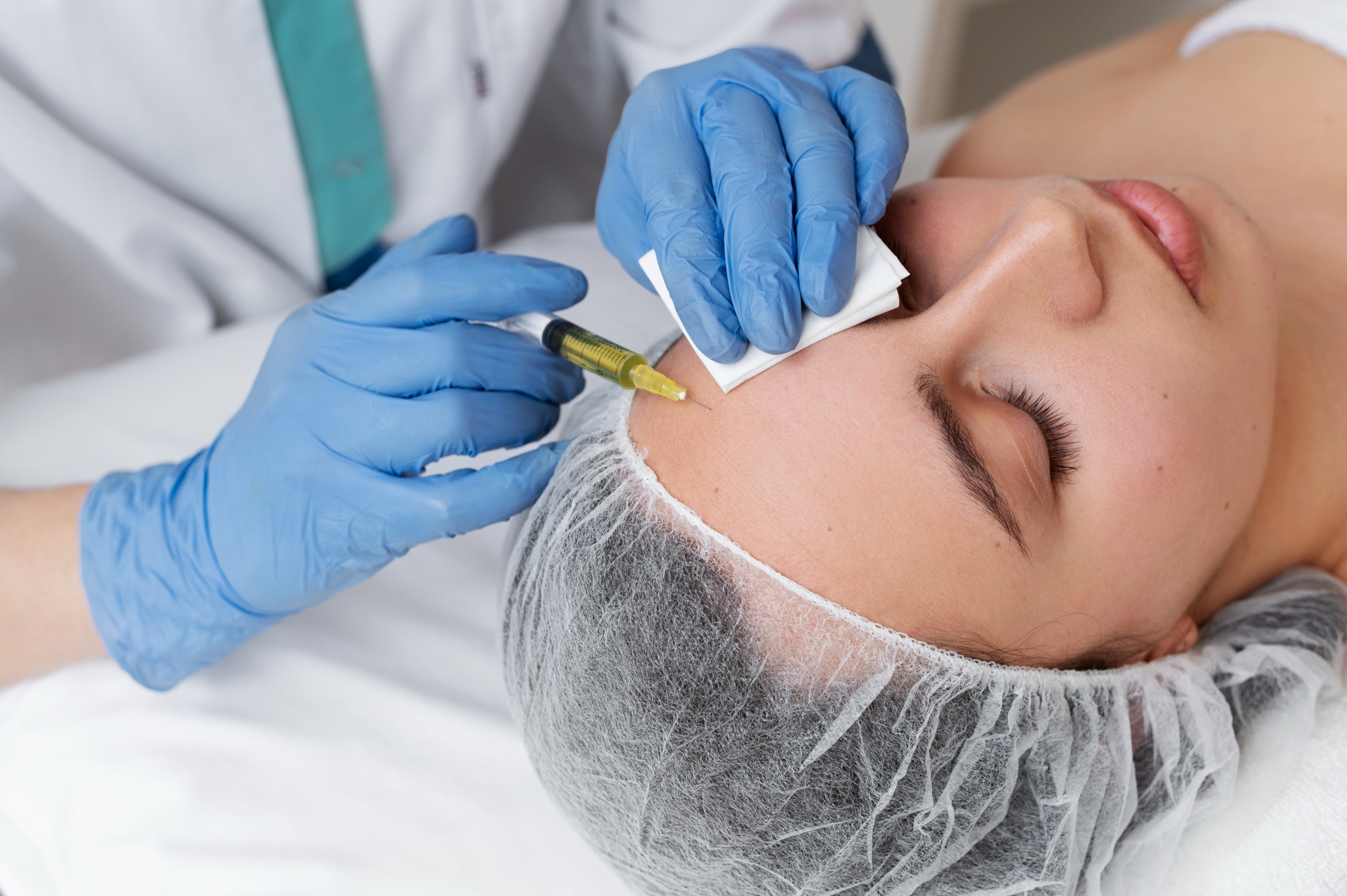
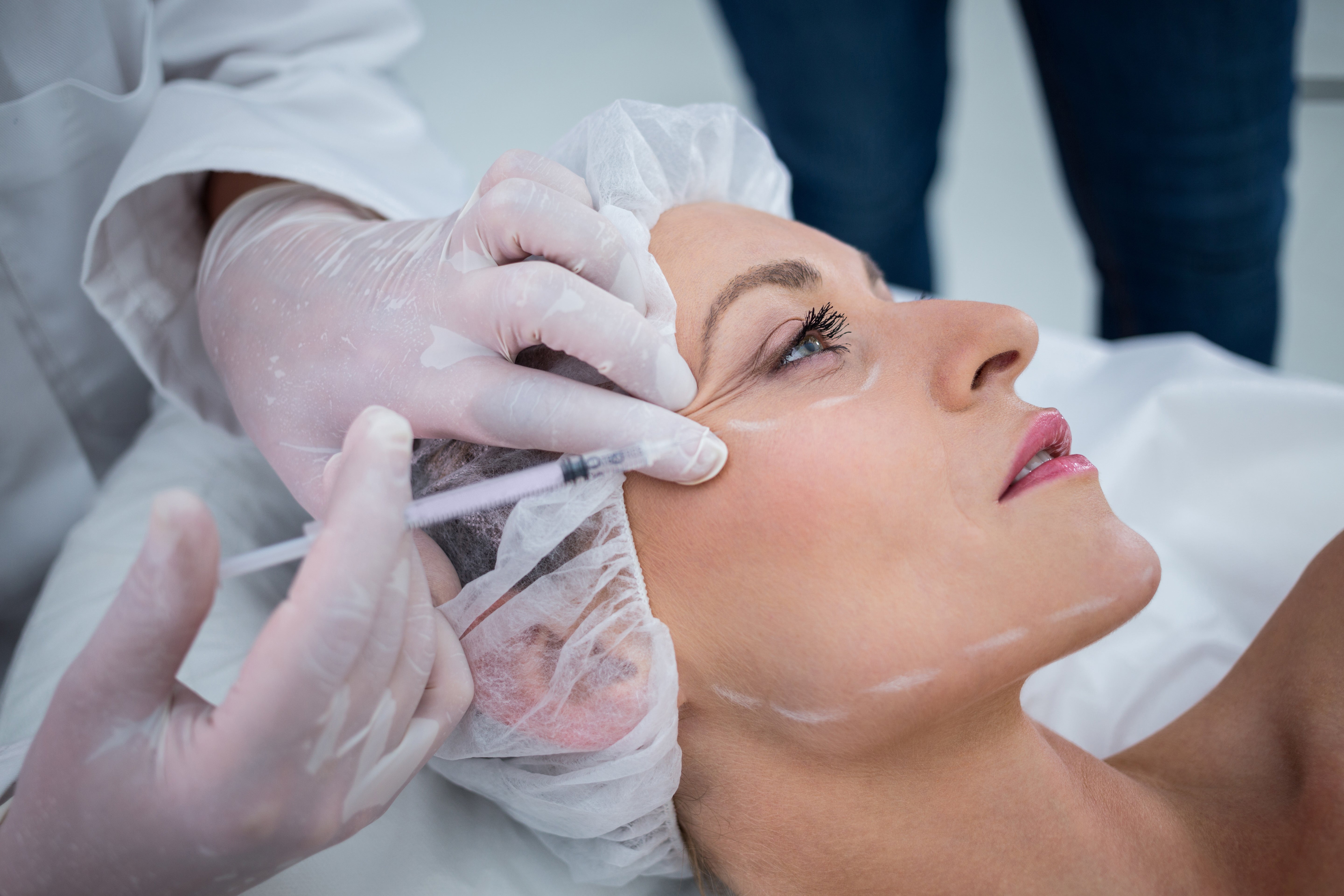
PDRN (Polydeoxyribonucleotide) Skin Boosters use purified regenerative DNA fragments to accelerate cellular repair, boost collagen, restore hydration and calm inflammation — delivering gradual, natural looking rejuvenation with minimal downtime.
Book a Dermatologist Consultation
Free skin analysis & personalised plan
Or call 📞 +91 9717503031
What is PDRN?
PDRN are purified DNA fragments (commonly derived from salmon DNA) that act as biological signals to the skin.
When delivered into the dermis, they promote angiogenesis, support fibroblast activity, reduce inflammation and improve tissue repair and hydration.
Result: improved texture, elasticity, pore appearance and a healthier glow from the inside out — not a filler, not a mask.
Why choose Allodermis for PDRN Skin Boosters?
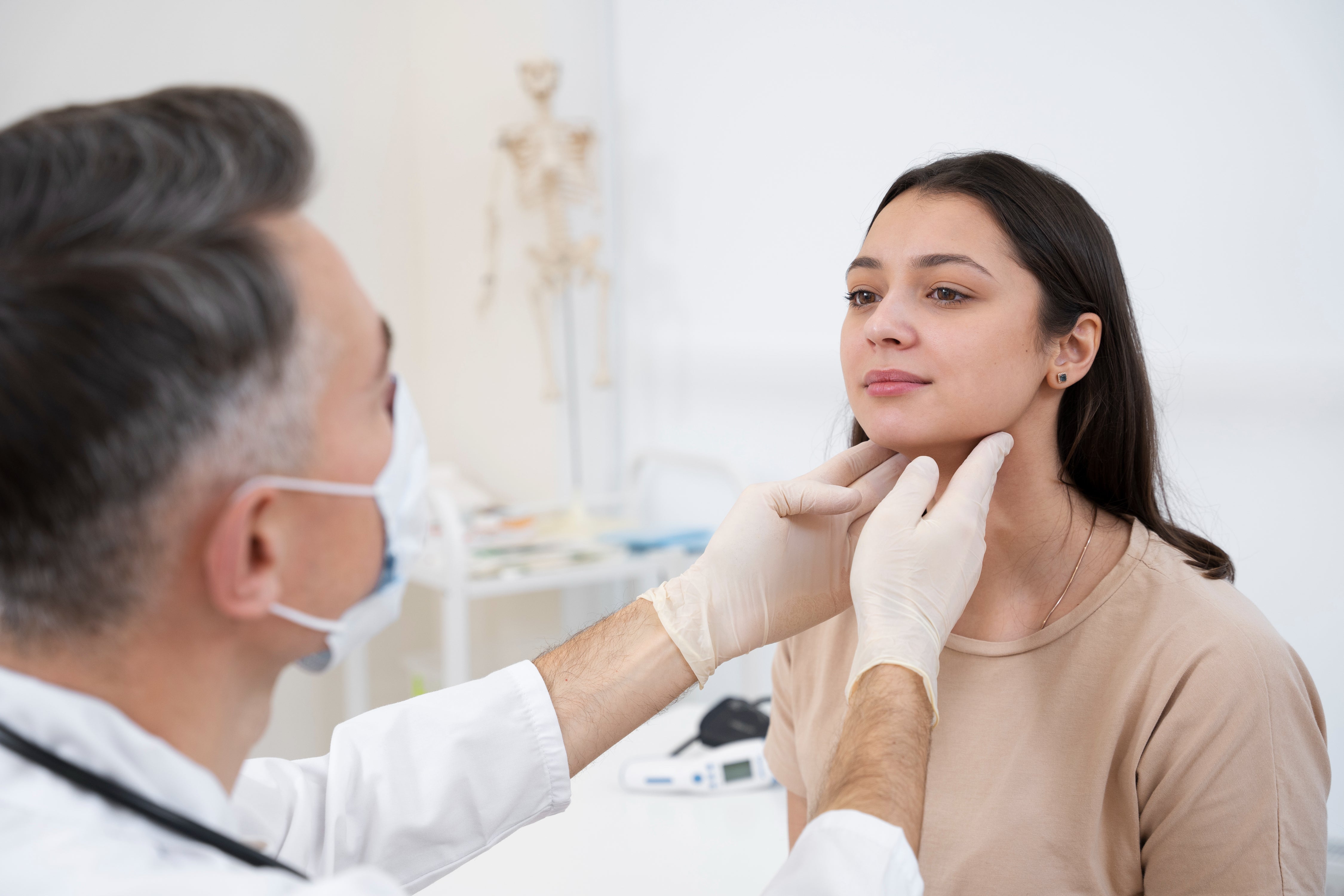
Doctor led
AIIMS trained MD dermatologists design and deliver every protocol.
Root cause dermatology
We evaluate inflammation, past treatments, hormones and barrier health first.
Medical grade PDRN
High purity formulations, standardised dosing, strict infection control.
Evidence informed combinations
Paired thoughtfully with microchannels, microneedling, PRP or lasers — safest sequence first.
Minimal product philosophy
Only the therapies your skin truly needs.
Transparent pricing
Personalised outcome mapping with clear costs.
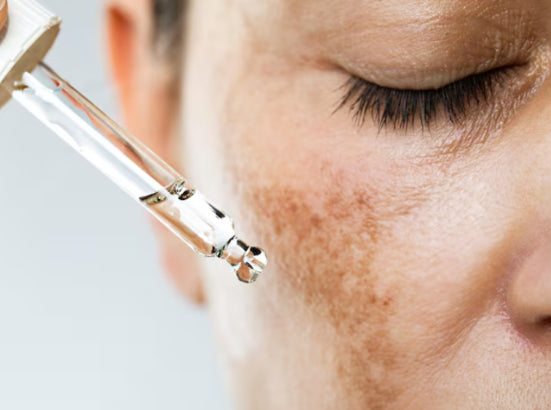
Who benefits most?
Techniques we use
Chosen based on your diagnosis, pain tolerance and targeted concerns.
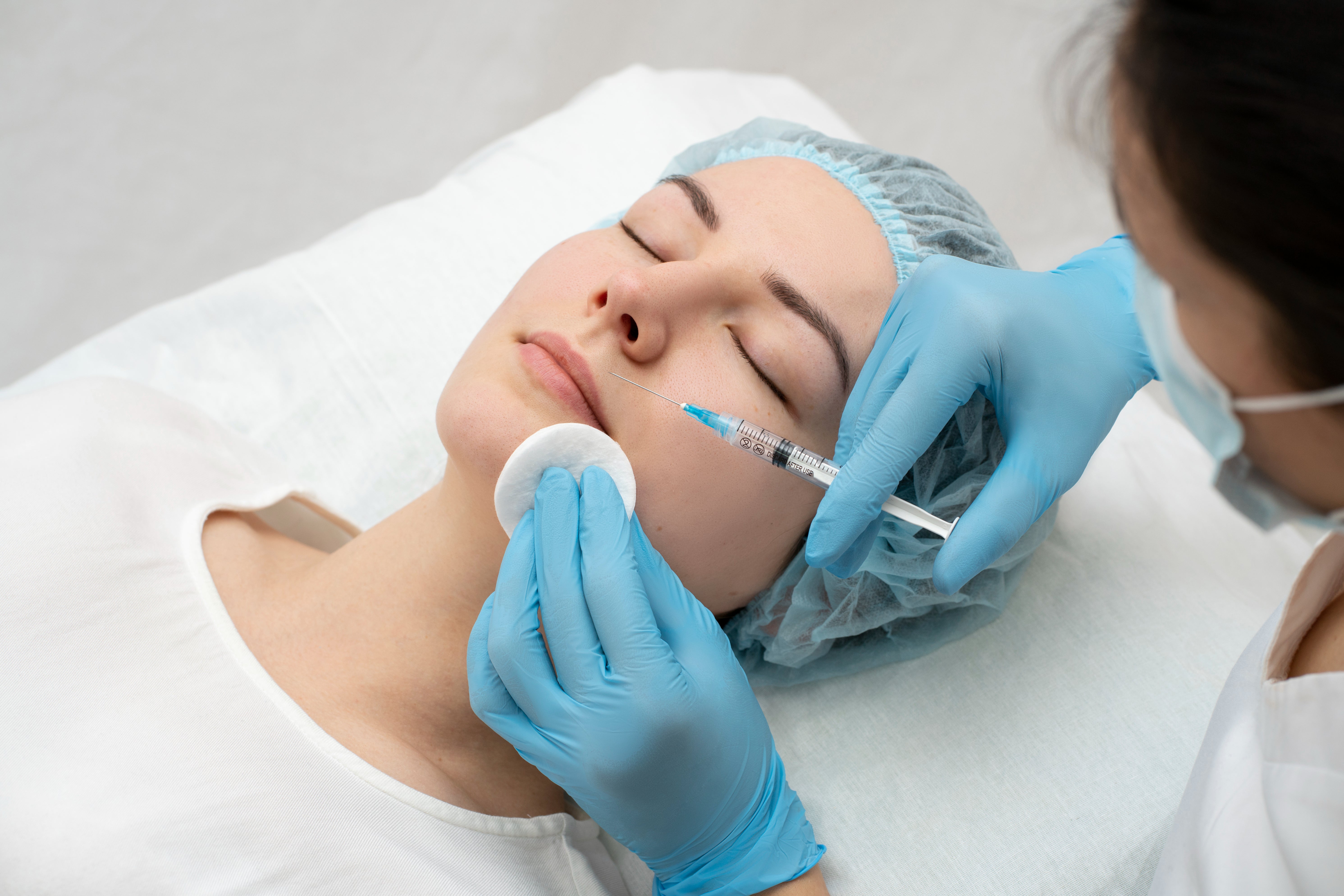
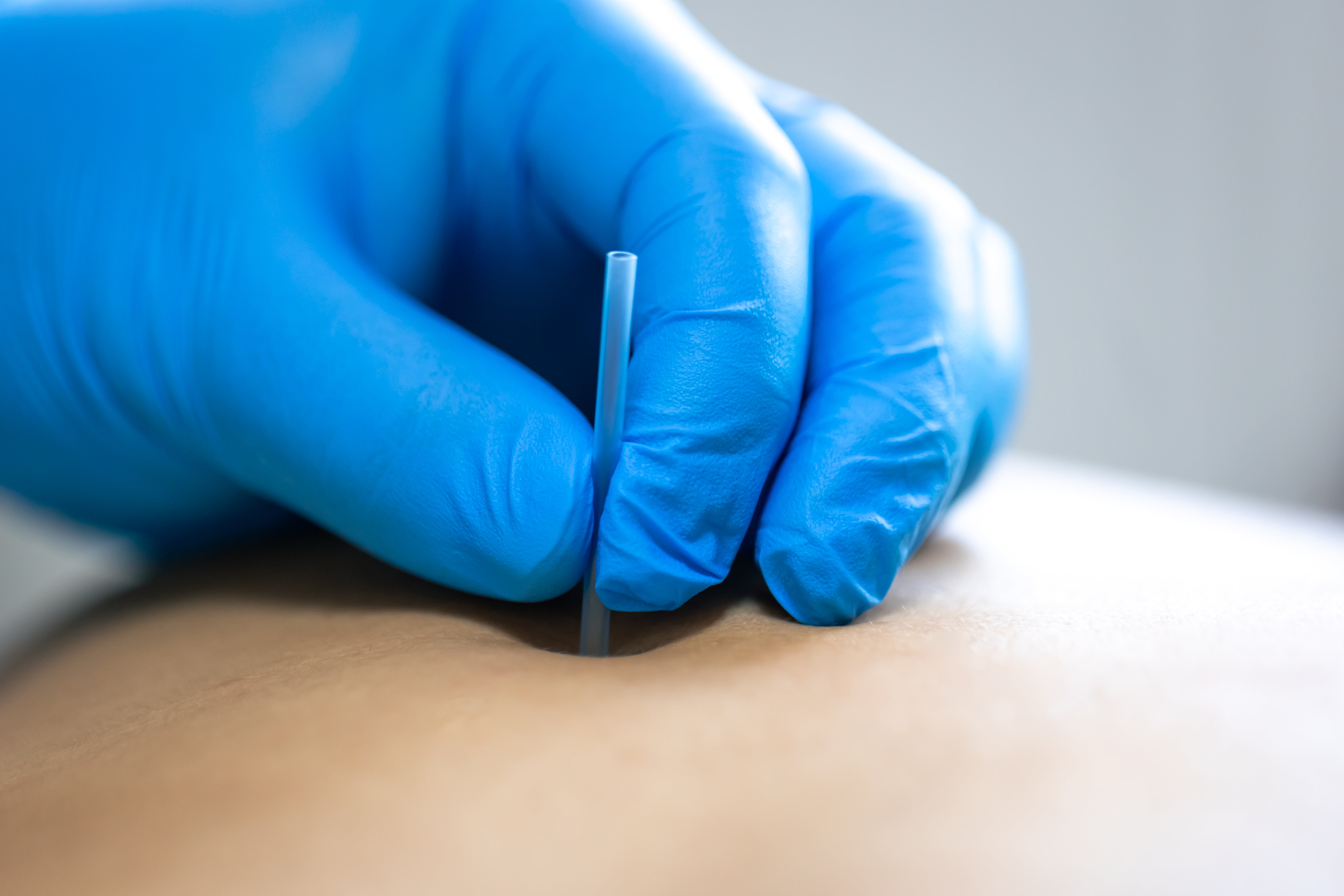
Microbolus / serial puncture
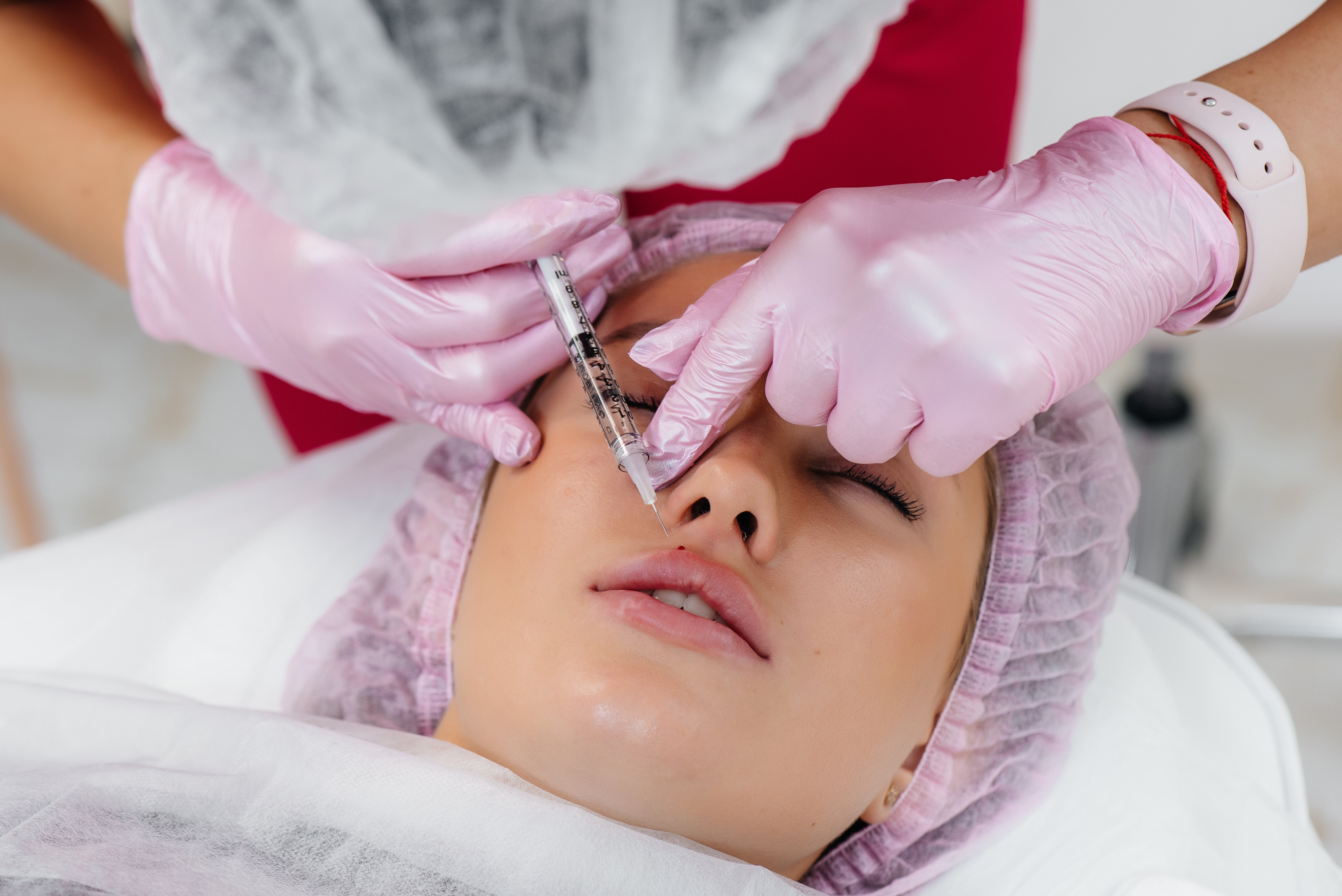
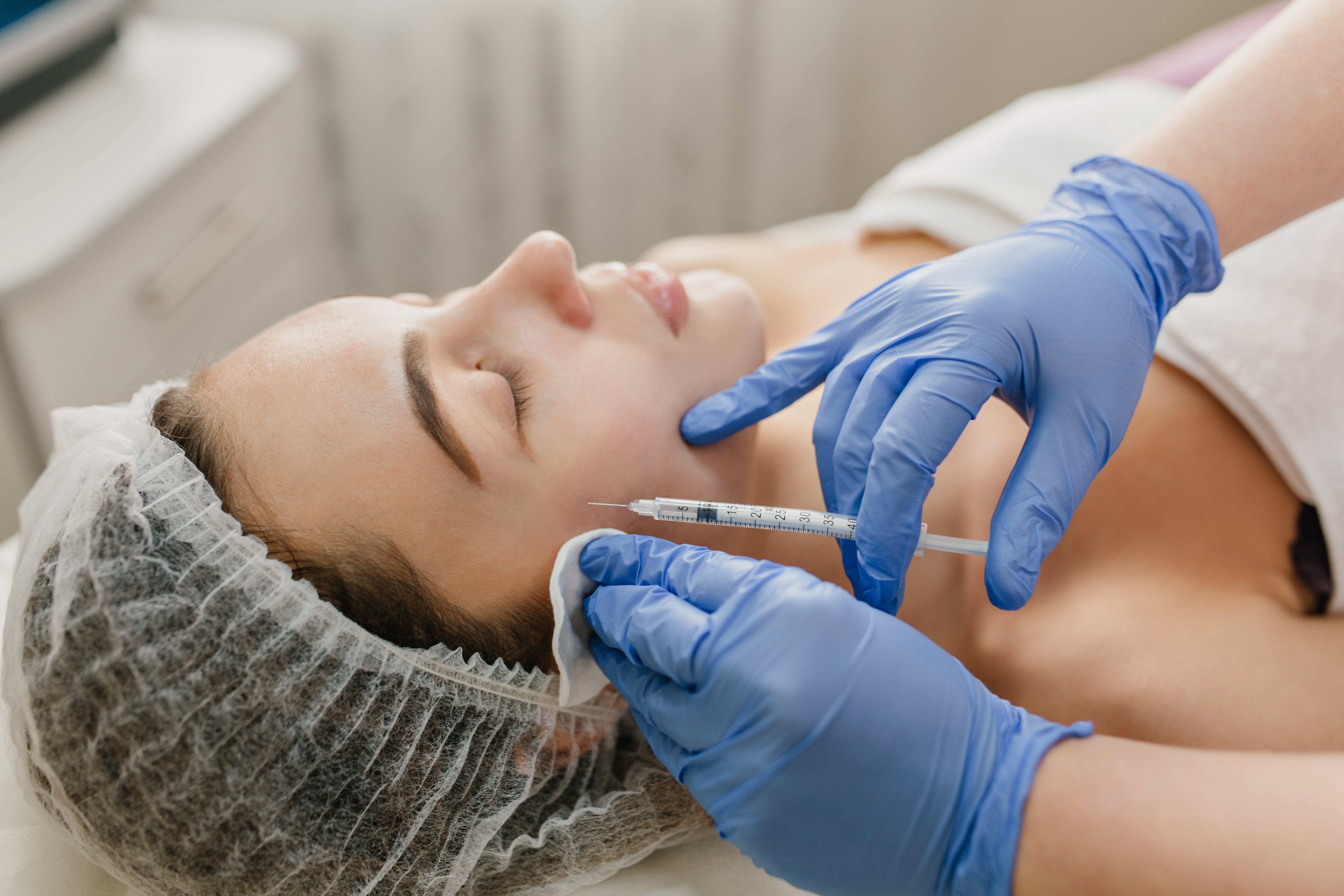
Direct dermal placement for targeted rejuvenation or scar remodeling.
Channel assisted infusion
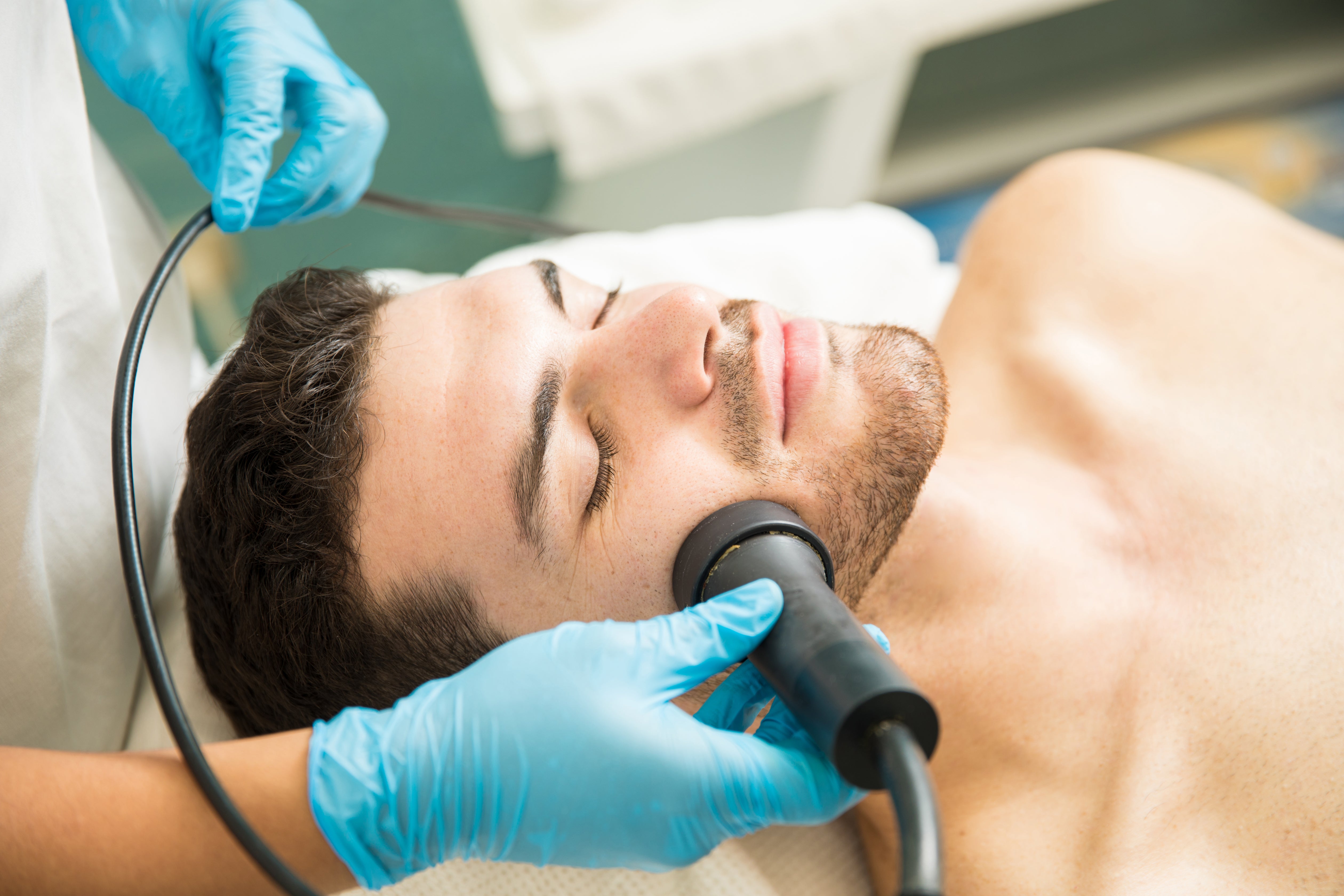
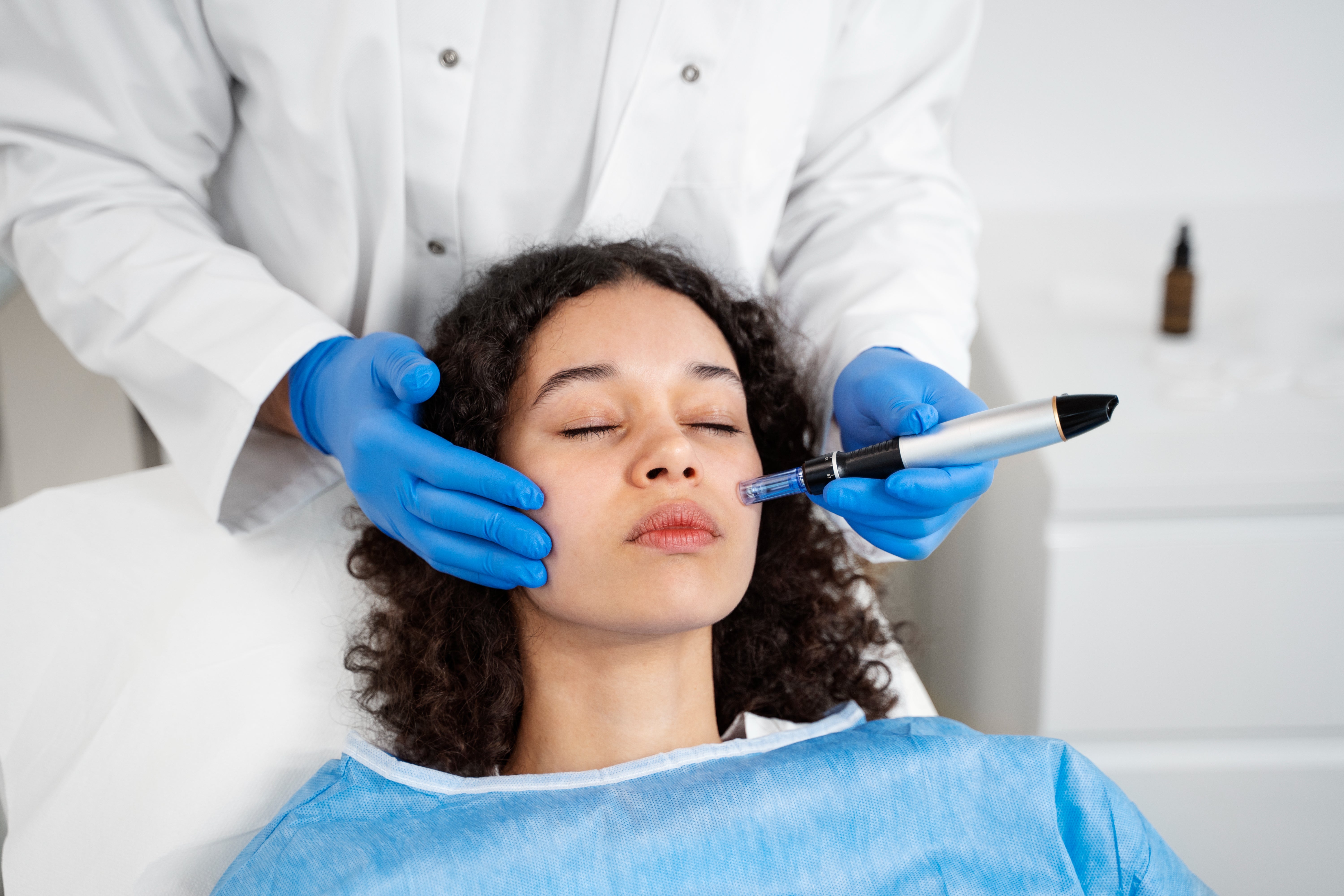
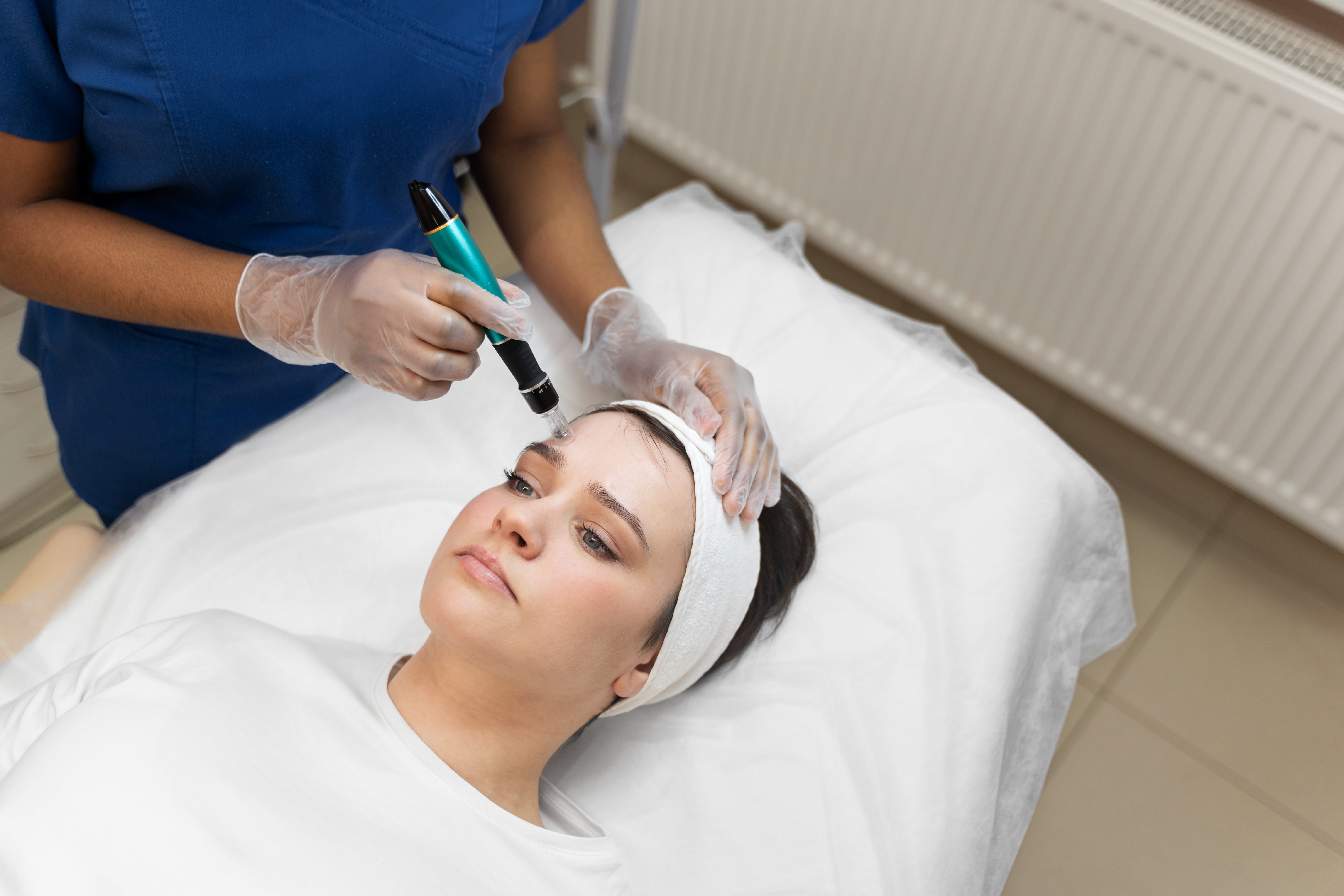
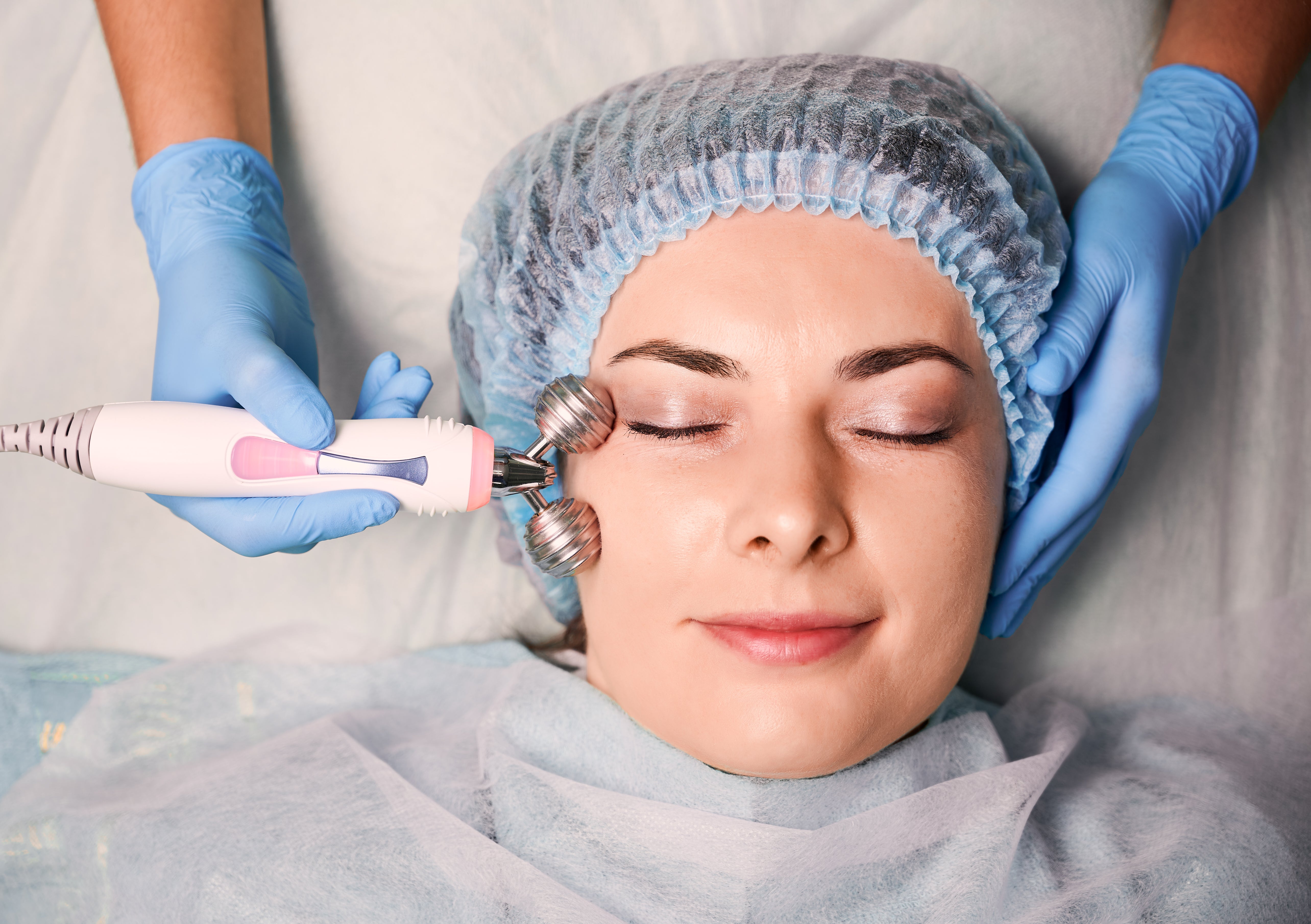
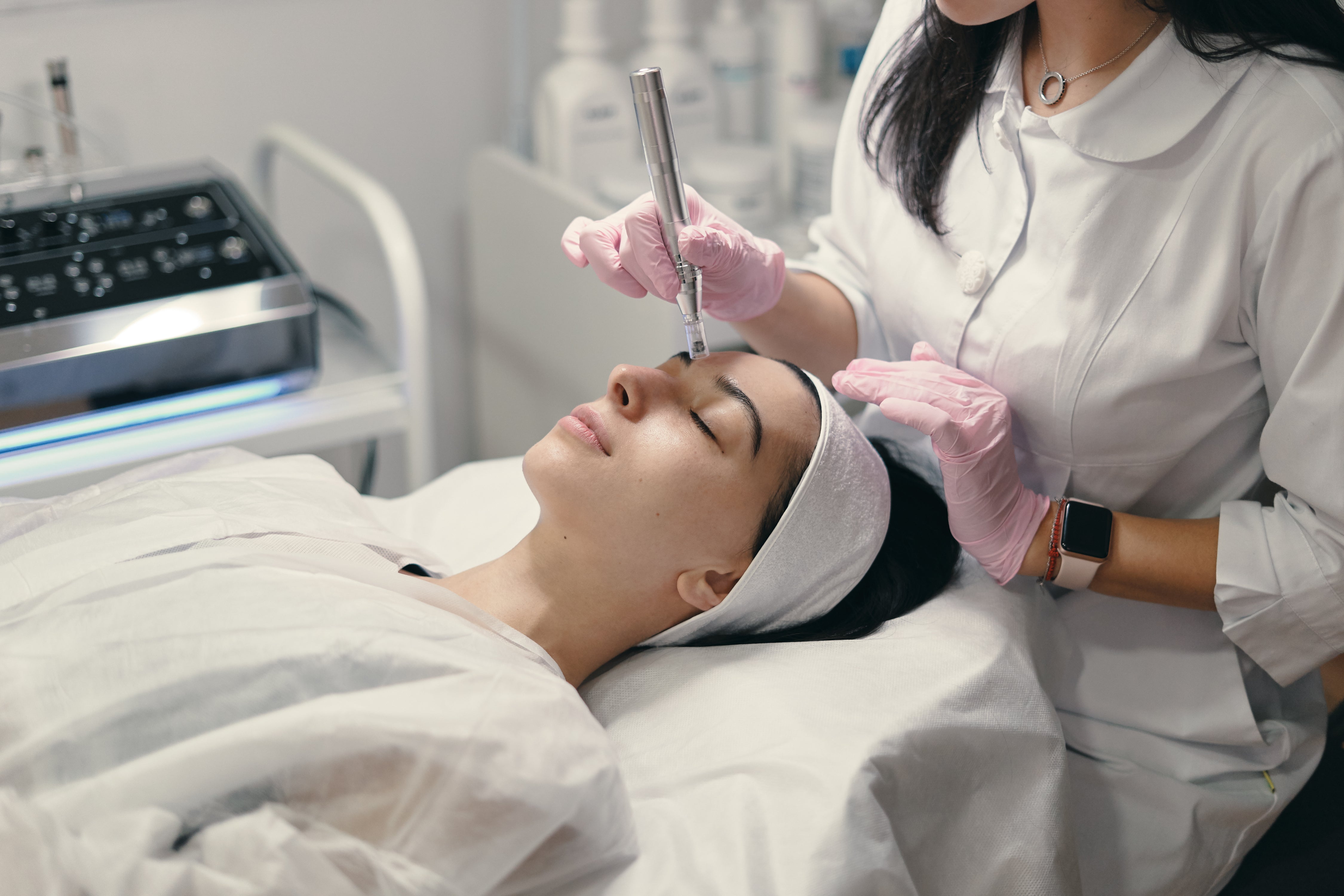
Channels created by a medical microneedling device allow uniform PDRN infusion with minimal trauma.
How the treatment works
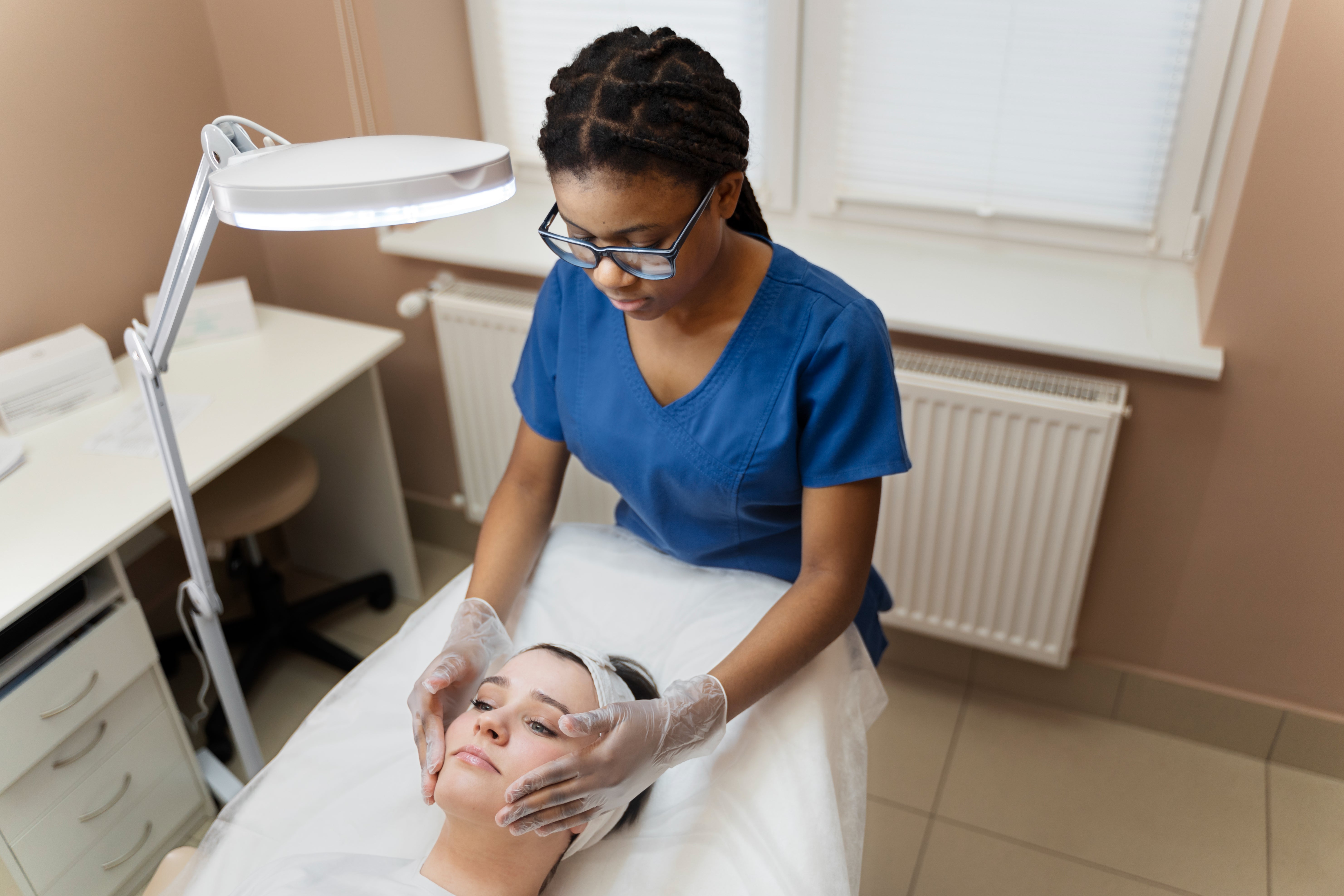
01Consultation & Root Cause AssessmentDiagnosis first+
Medical history, medications, prior procedures, photographic mapping, dermoscopy where required.
02Pre Treatment PrimingIf needed+
Barrier repair, topical stabilisation or antibiotic prophylaxis for specific indications.
03Procedure30–45 minutes+
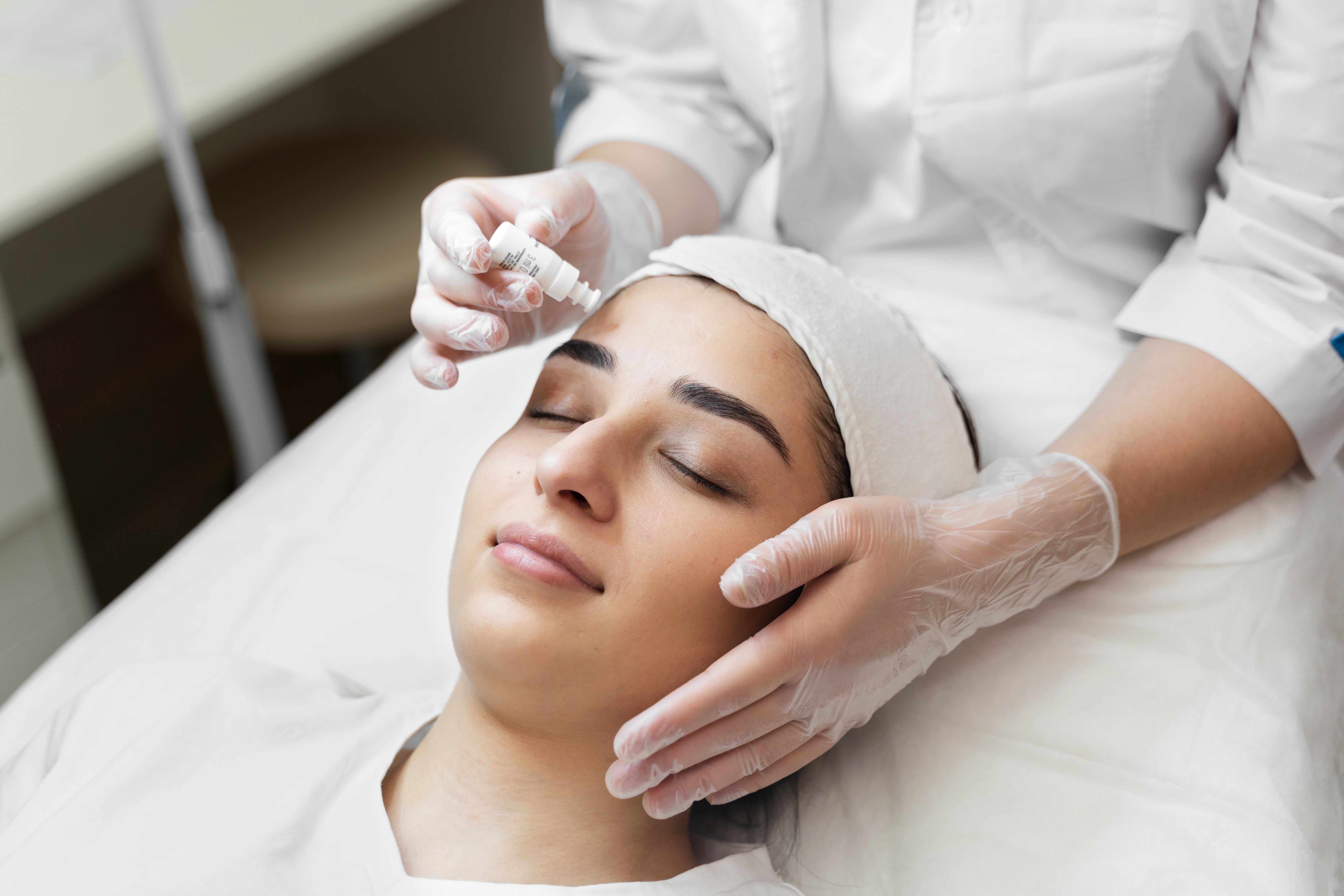
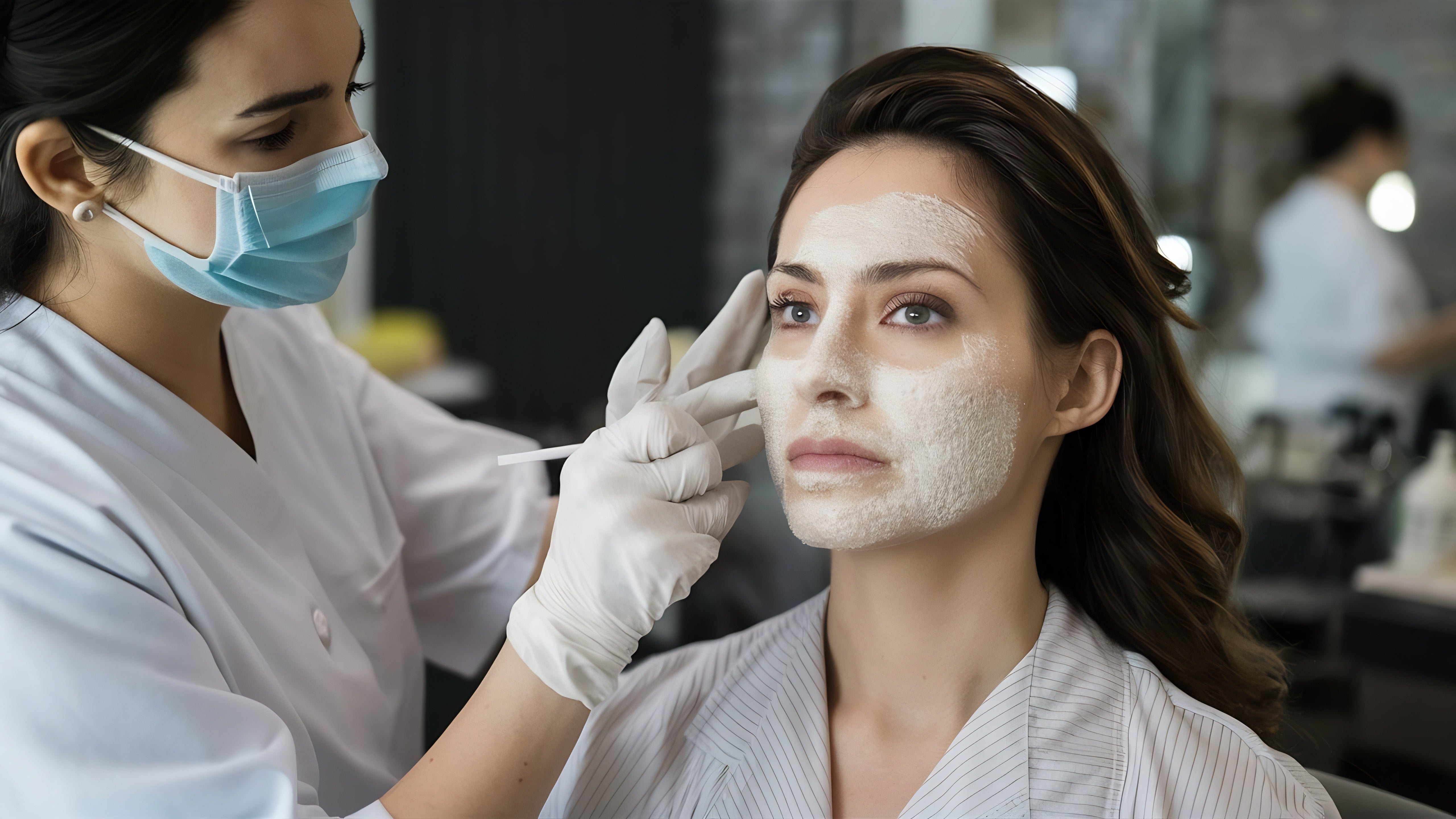
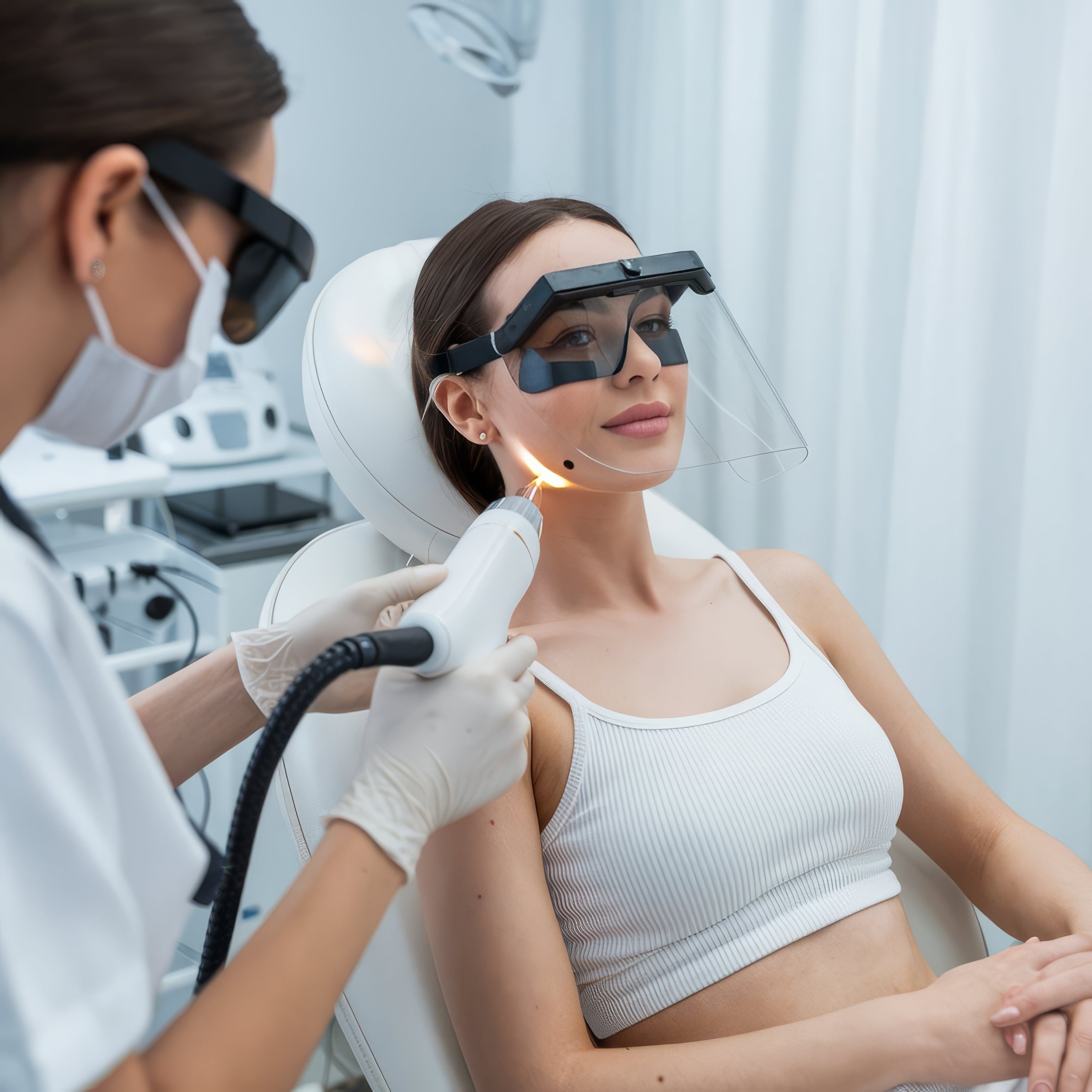
Bloodless, sterile setting → topical numbing if required → PDRN delivered by injections or via M Pen → soothing mask & sunscreen.
04Post Procedure Care48–72 hours+
Cooling, gentle moisturisers, sunscreen. Avoid heavy actives for 48–72 hours.
05Follow up & Maintenance3–6 sessions+
Typically a course of 3–6 sessions spaced 2–4 weeks apart, then maintenance every 3–6 months depending on goals.
What patients notice
Reduced fine lines
Improved skin firmness over the course.
Enhanced hydration & plumpness
Immediate + progressive improvement.
Smoother texture
Smaller appearing pores.
Faster recovery
After other skin procedures.
Reduced redness
Calmer skin in inflammatory conditions.
Long term tissue quality
Collagen remodeling that continues over months.
Expected timeline & results
Maintenance sessions prolong benefit. Results vary by skin biology, age, and combination treatments.
Combination protocols for best outcomes
PDRN + Microneedling (M Pen)
Synergistic collagen stimulation & deeper PDRN delivery.
PDRN after laser / peels
Speeds recovery & improves tissue healing.
PDRN + PRP / GFC
Combined regenerative signals for stubborn scars and thin skin.
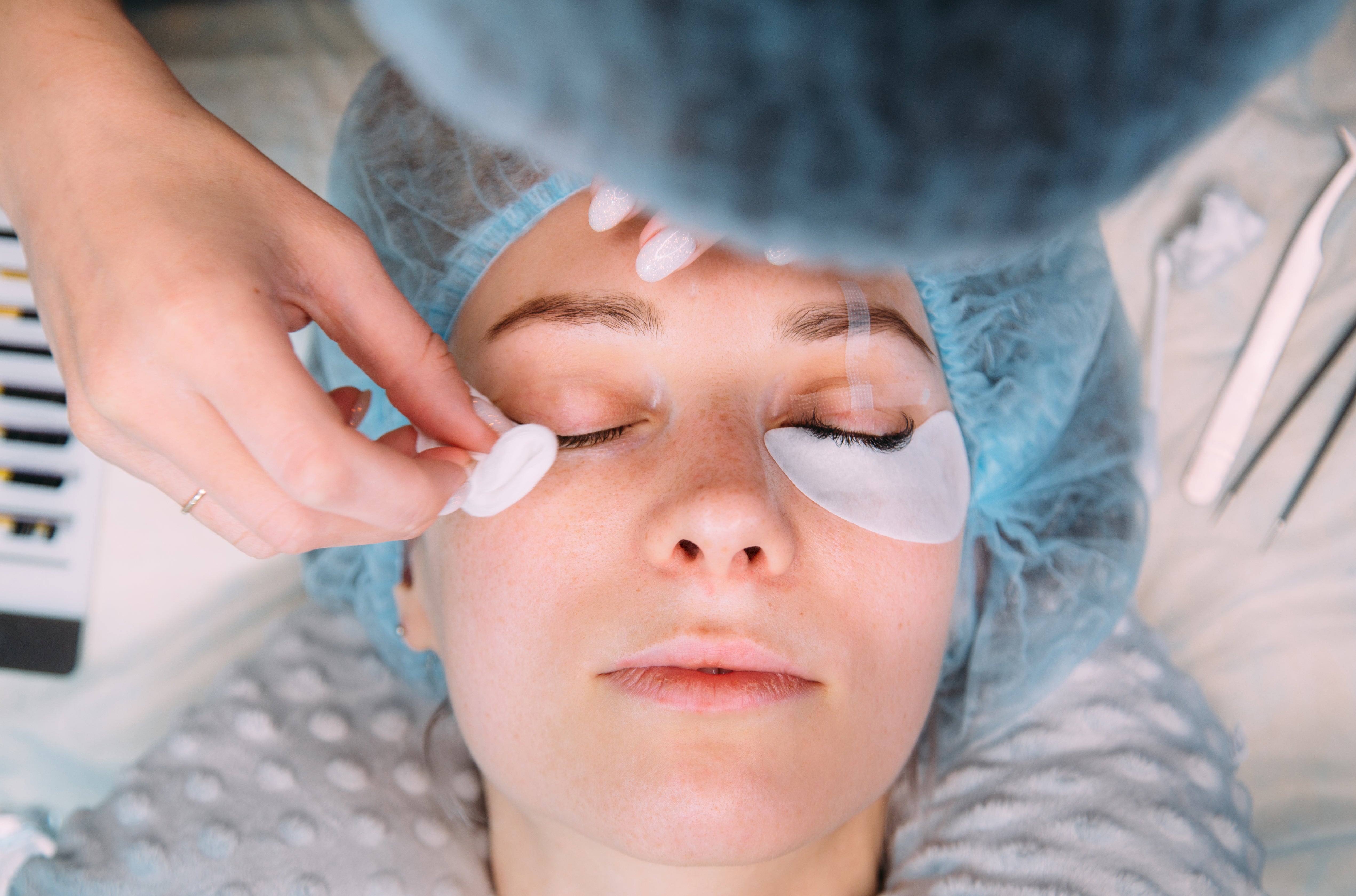
PDRN for under eye: low volume, conservative injection protocol for delicate skin. Combination plans are personalised and sequenced to maximise safety and results.
Safety, side effects & contraindications
- Mild redness
- Pinpoint swelling
- Tiny bruises24–72 hours
- Temporary tenderness
- Mild ecchymosisless common
Rare but important
Infection (very rare with sterile technique) and allergic reaction. PDRN preparations used in dermatology are highly purified and carry low immunogenic risk.
⚠️ Contraindications
- Active infection at treatment site
- Pregnancy / breastfeeding (consultation required)
- Uncontrolled systemic illness
- Known hypersensitivity to product components
- Active malignancy without oncologist clearance
Allodermis minimises risks with medical history screening, sterile technique, and appropriate spacing from other invasive therapies.
PDRN Cost
Pricing depends on
- ✓Product brand
- ✓Volume required
- ✓Combination therapies
- ✓Course packages & combination discounts available after assessment
Final, transparent quote provided after dermatology consult.
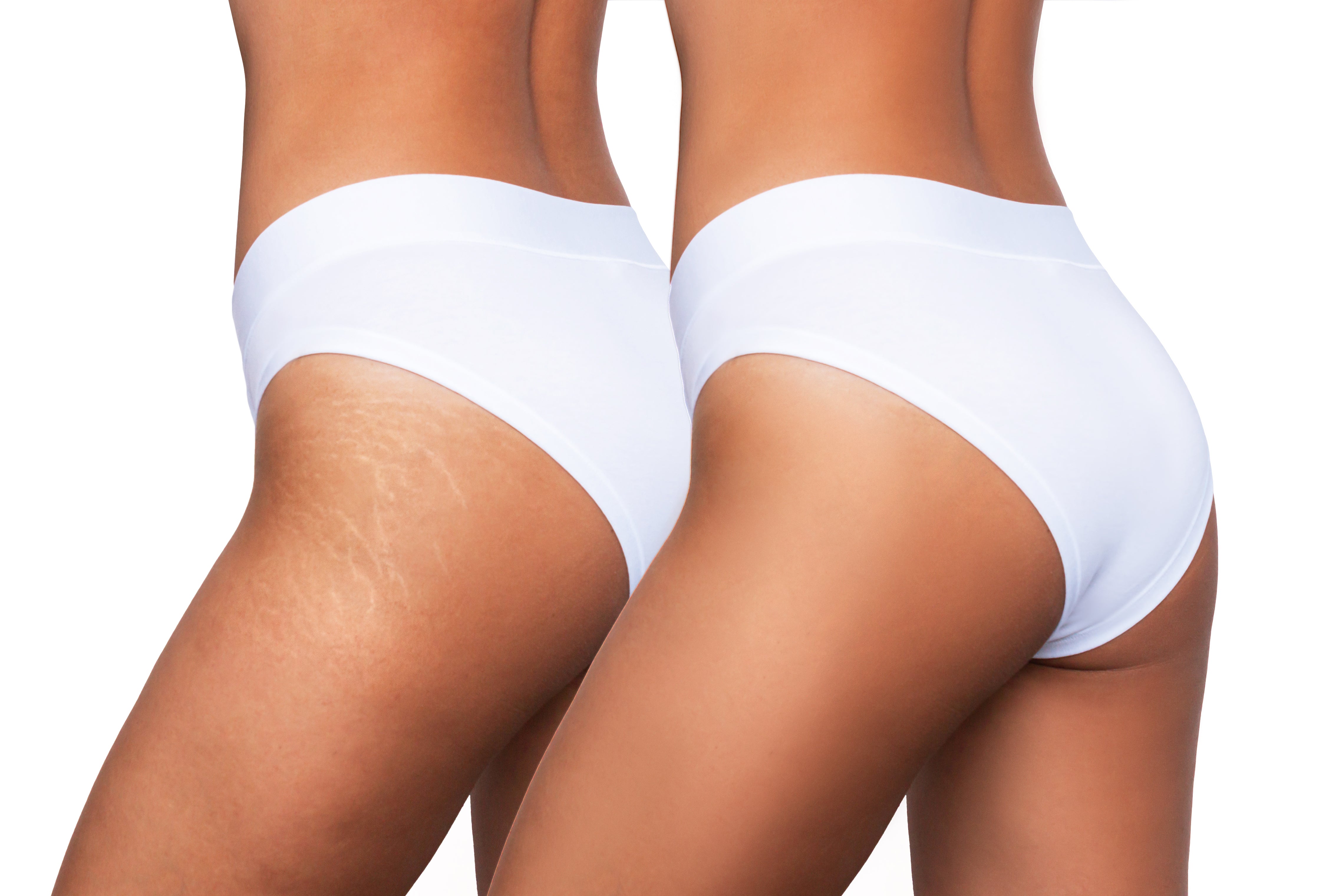
Before & After
Consented clinical images · consistent lighting · time stamped.
Patient testimony
“Subtle but real change — my skin feels hydrated, firmer and calmer. No heavy make up needed anymore.”
— Verified patientFrequently Asked Questions
Is PDRN the same as PRP?
No. PRP is platelet concentrate from your blood; PDRN are purified DNA fragments (often salmon derived) that act as regenerative mediators. Both are regenerative but work via different mechanisms and can be complementary.
How many sessions are needed?
Usually 3–6 sessions spaced 2–4 weeks apart; maintenance every 3–6 months recommended.
Is it painful?
Topical numbing reduces discomfort; injections or microneedling may cause mild, tolerable sensations.
How soon can I resume routine?
Most patients return to normal activities the same day; avoid heavy exercise or sauna for 24–48 hours.
Who is not a candidate?
Pregnant / lactating women, active infection at site, uncontrolled systemic illness — evaluation required.
Are results permanent?
No single treatment is permanent. PDRN stimulates regenerative processes; maintenance sessions prolong benefits.
Free skin analysis & personalised plan with your consultation.
References & further reading
- Shaheen H, et al. Polydeoxyribonucleotides as Emerging Therapeutics for Skin Diseases: Clinical Applications, Pharmacological Effects and Molecular Mechanisms. Applied Sciences. 2025;15(19):10437. https://pmc.ncbi.nlm.nih.gov/articles/PMC11994882/
- Zamnzuri A, et al. Polynucleotides in Aesthetic Medicine: A Review of Current Practices and Perceived Effectiveness. International Journal of Molecular Sciences. 2024;25(15):8224. https://pmc.ncbi.nlm.nih.gov/articles/PMC11311621/
- Irrera N, et al. Polydeoxyribonucleotide: A Promising Biological Platform to Accelerate Impaired Skin Wound Healing. Pharmaceuticals. 2021;14(11):1103. https://pmc.ncbi.nlm.nih.gov/articles/PMC8618295/
- Marques C, et al. From Polydeoxyribonucleotides (PDRNs) to Polynucleotides (PNs): Bridging the Gap Between Scientific Definitions, Molecular Insights and Clinical Applications. Biomolecules. 2025;15(1):148.
- Draelos ZD. Cosmetic Dermatology: Products and Procedures. 3rd ed. Wiley Blackwell; 2021.