












Quick Answer: Dry, chapped lips with painful cracks and fissures at the corners of the mouth — sometimes with burning and mild pigmentation — is commonly angular cheilitis with lip irritation. It often starts as irritation or allergy to lip products or toothpaste, and worsens with lip licking, saliva pooling, and sometimes secondary infection. First steps: stop all new lip products, apply a plain barrier ointment like petrolatum frequently, and use a daytime SPF lip balm. Cracked corners may need a dermatologist-prescribed antifungal or combination cream.
Case Snapshot: A user wrote: "The corners/sides of my lips have been getting really dry, cracking, and there's a burning sensation too. Previously the entire area around my lips was burning as well. It started as small bumps around the lip line and now the sides are literally splitting when I open my mouth. I've been using lip balm but it's not really helping." Their images showed dry, chapped lips with mild pigmentation and fissures at the corners.
What's Actually Happening
This presentation combines two related problems. The lip irritation — dryness, chapping, burning, small bumps around the lip line — typically begins as irritation or allergy to lip products or toothpaste. The angular cheilitis — the painful splits at the corners — develops because the corners of the mouth are a uniquely vulnerable micro-environment: saliva pools there, constantly wetting and macerating the skin, and every yawn and bite re-tears the healing fissure. Once cracked, the moist corners readily pick up secondary infection — usually the yeast Candida, occasionally bacteria. Nutritional deficiencies (iron and B-vitamins) can also contribute, which is why stubborn cases get blood work.
Why Lip Balm Alone Failed
The patient's frustration — "lip balm isn't helping" — is diagnostic in itself. Flavoured and fragranced balms are among the most common triggers of lip allergy, so reapplying one can feed the very problem it's meant to soothe. And no balm can heal corners that are re-split at every meal and re-wetted by saliva; those need infection treated and the trigger removed. This is the classic loop: irritation → licking for relief → saliva worsens irritation → more licking.
The Step-by-Step Plan
- ✔️ Stop all new lip products — every balm, tint, and lipstick started in recent months goes on pause
- ✔️ Plain barrier ointment (petrolatum), applied frequently — bland, allergen-free, and it physically shields the corners from saliva
- ✔️ Daytime lip balm with SPF — a simple, fragrance-free one, since UV worsens lip inflammation and pigmentation
- ✔️ Consciously break the lip-licking habit — the hardest and most important step
- ✔️ For cracked corners: a dermatologist may prescribe a short course of antifungal or combination cream to clear secondary infection
- ⚠️ Avoid strong steroid creams on the lips without medical advice — they thin this delicate skin and can worsen infections
If It Keeps Coming Back
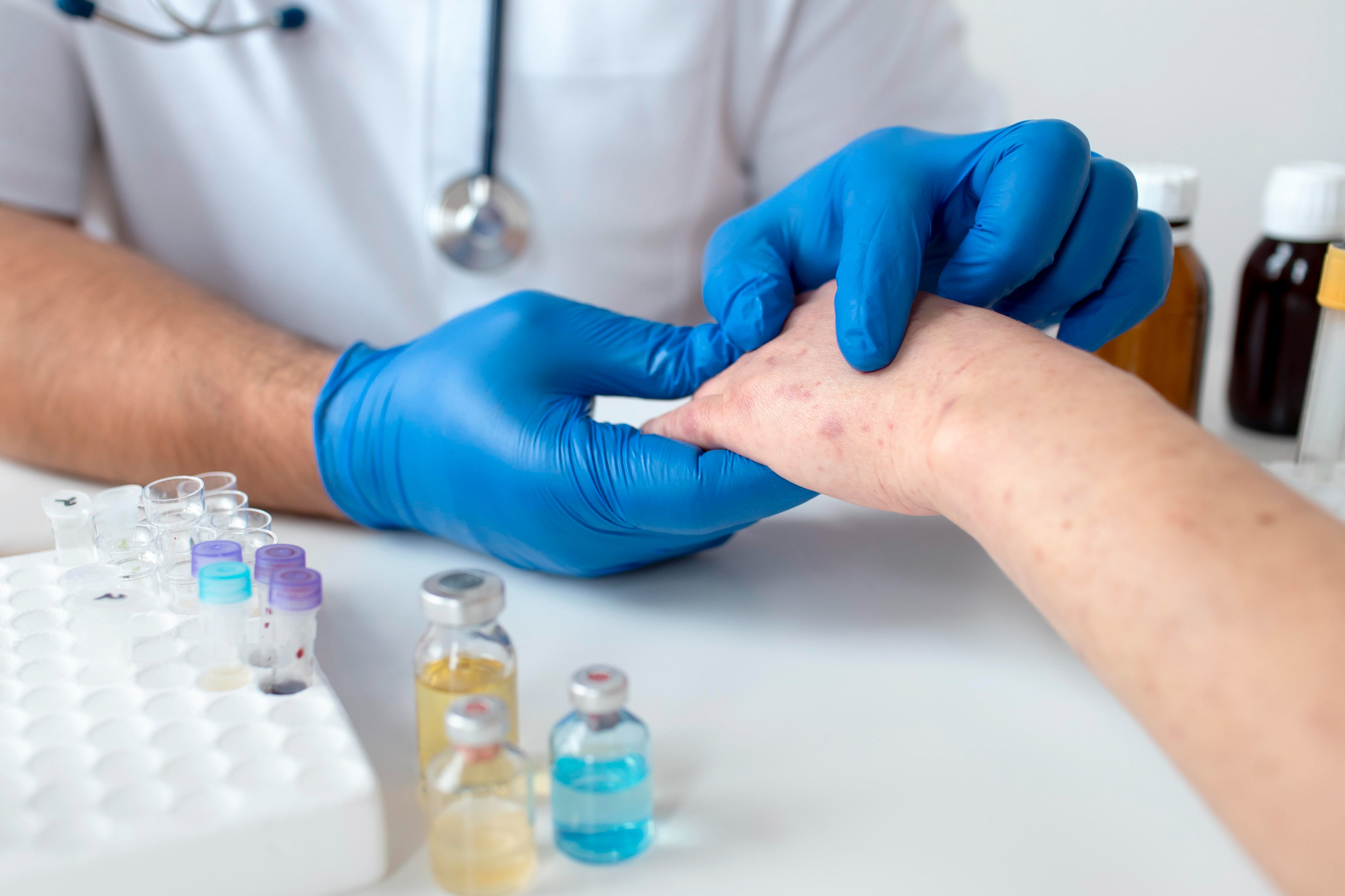
Recurrent angular cheilitis is a signal, not bad luck. A dermatologist will look for a persistent allergen — allergy patch testing can identify a culprit ingredient in lip products or toothpaste — and screen for nutritional deficiencies (iron, vitamin B2, B6, B12) that impair healing. Denture wearers and those with deep mouth-corner folds have anatomical saliva-pooling that also needs addressing. Treating episodes without finding the driver guarantees the next episode.
The Two-Week Reset Plan
A practical schedule makes recovery concrete. Days 1–3: strip to petrolatum only, applied 6–8 times daily including after every meal and before bed; switch to a bland SLS-free toothpaste. Days 4–7: cracks should stop deepening and burning should ease; continue the ointment and add the SPF balm for daytime. Week 2: corners typically close; if fissures persist or crust returns, that's the cue for a prescription antifungal or combination cream rather than more waiting. Throughout, the silent saboteur to police is licking: many patients discover they lick their lips dozens of times an hour without noticing, especially while concentrating. A dab of petrolatum whenever the urge strikes replaces the habit with the treatment.
When to See a Dermatologist
See a dermatologist if the corners are split and painful, if burning has spread around the mouth, if bumps or scaling persist beyond two weeks of bland care, or if episodes keep recurring. Persistent lip changes with pigmentation also deserve examination to rule out other lip conditions. Book a consultation here.
FAQs
Q: Is angular cheilitis contagious? Not in the everyday sense — the yeast involved is a normal skin resident that overgrows in the moist crack. Treating the crack solves it.
Q: Which toothpaste ingredients cause lip irritation? Flavouring agents (cinnamates, mint), and foaming agents like sodium lauryl sulphate are frequent culprits. Switching to a bland, SLS-free paste is a simple diagnostic test.
Q: Why do my lip corners split every winter? Cold-weather dryness plus more lip licking is the perfect angular cheilitis recipe. Pre-emptive barrier ointment through winter usually prevents it.
Q: Can vitamin deficiencies alone cause this? They can contribute and impair healing — which is why recurrent or non-healing cases get iron and B-vitamin testing alongside local treatment.
📌 Case Study Reference: Publicly shared patient images and query, r/IndianSkincareAddicts, Reddit — "My lips have been burning and drying up". Educational discussion only; not a final diagnosis. Clinical commentary by the Allodermis dermatology team.
