Case Study
Case 35: Severe Itching and Redness in the Groin Folds — Candidal Intertrigo, the Yeast of Warm, Moist Skin
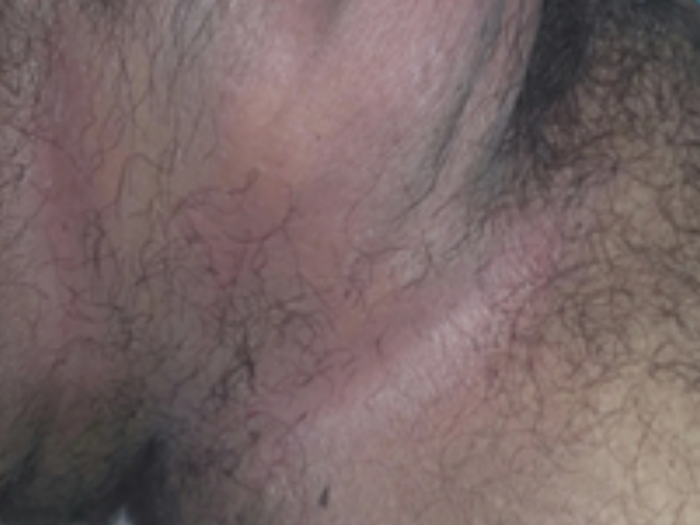
Quick Answer: Redness and irritation of the groin folds with severe itching and burning often indicates candidal intertrigo — a yeast overgrowth in warm, moist body folds. Unlike classic ringworm, the lesions are less sharply defined and look more moist and inflamed. Triggers include sweating, tight clothing, poor drying after bathing, obesity, prolonged sitting, humidity — and notably diabetes. Management centres on keeping folds clean and completely dry, loose cotton clothing, antifungal creams or powders — and, in recurrent cases, checking for underlying diabetes. Never self-apply steroid combination creams, which worsen the infection. Case Snapshot: A patient pleaded: "Very itchy skin — please recommend some creams," sharing images of red, irritated groin folds. The appearance — moist, inflamed, less sharply bordered than ringworm — pointed to candidal intertrigo, one of the most common and most mistreated rashes of Indian summers. What Is Candidal Intertrigo? Intertrigo is inflammation of skin folds; candidal intertrigo is that inflammation driven by overgrowth of Candida yeast — a normal skin resident that flourishes when a fold turns into what it loves: warm, moist, and airless. The groin is the archetypal site; under-breast folds, armpits, and abdominal folds follow the same script. Patients complain of itching, burning, redness, soreness, and discomfort in the folds — often severe enough, as here, to dominate the day. Candida vs Ringworm: A Distinction That Changes Treatment Both are "fungal groin rashes," but they behave differently. Classic ringworm (tinea cruris) forms drier, sharply defined rings with active scaly borders. Candidal intertrigo is less sharply defined, more moist and inflamed — beefy redness deep in the fold, sometimes with small satellite spots at the edges. The distinction matters because the environments they exploit and the antifungal strategies overlap but aren't identical — and because a dermatologist seeing an atypical or resistant "fungal rash" will confirm with simple tests before escalating. Why the Fold Failed Constant friction and moisture damage the skin barrier, allowing yeast to overgrow. The trigger list is everyday life in a humid climate: Excessive sweating and humid weather Tight clothing and synthetic underwear trapping moisture Poor drying after bathing — folds that never fully dry never fully heal Obesity — deeper folds, more friction, less airflow Prolonged sitting Diabetes — the headline association: high glucose feeds yeast, and recurrent candidal intertrigo is a recognised early clue to undiagnosed diabetes The Management Plan — Counselling First The most important part of management is the environment, and dermatologists counsel it explicitly: Keep folds clean and completely dry — pat (never rub) dry after bathing; a cool-setting hairdryer on the folds is a genuinely useful trick Wear loose cotton undergarments and breathable clothing Change sweaty clothes promptly — post-gym hours in damp clothing are prime yeast time Avoid tight synthetic clothing On that foundation: antifungal creams or powders as prescribed clear the yeast, with powders doubling as moisture control for prevention. In recurrent cases, evaluation for underlying conditions like diabetes is essential — treating episode after episode while glucose runs high is bailing a leaking boat. And the emphatic warning from this case: avoid self-use of steroid combination creams. The irrational triple-combination creams sold across pharmacy counters soothe itching briefly while the steroid component feeds the infection and thins fold skin — manufacturing the chronic, modified, resistant rashes dermatologists then spend months untangling. A Daily Fold-Care Routine for the Hot Months Make prevention automatic: after every bath, pat the folds fully dry (or use a cool hairdryer for thirty seconds); dust a prescribed antifungal or plain absorbent powder before dressing; choose cotton underwear and change it — plus any sweat-soaked gym wear — the same hour it dampens; and at night, sleep in loose breathable clothing so the folds spend eight hours ventilated. Patients who ritualise these four steps through summer typically see their "annual rash" simply fail to arrive. When to See a Dermatologist See a dermatologist if the rash is severe, spreading, oozing, recurrent, or not settling within two weeks of proper antifungal care — for confirmation testing, prescription-strength treatment, and the diabetes screen recurrent cases deserve. Weight management support, where relevant, reduces recurrences at the root — see our weight management services. Book a consultation here. FAQs Q: Which cream should I buy for groin itching? Resist the pharmacy-counter combination creams. Get the rash identified first — the right plain antifungal works quickly; the wrong steroid mix creates a chronic problem. Q: Why does my rash return every summer? Heat, sweat, and humidity rebuild the yeast's habitat annually. Pre-emptive fold care — drying routines, cotton, antifungal powder in season — breaks the cycle. Q: Is this sexually transmitted? No — intertrigo is an overgrowth of resident yeast in a moist fold, not an STD, though genital rashes always deserve proper diagnosis. Q: Could this itching mean I have diabetes? One episode, no. Recurrent or stubborn candidal infections are a recognised prompt to check blood sugar — a simple test worth doing. 📌 Case Study Reference: Publicly shared patient images and query, r/DermatologyQuestions, Reddit — "Very itchy skin — pls recommend some creams or…". Educational discussion only; not a final diagnosis. Clinical commentary by the Allodermis dermatology team.




Learn more