Skip to content
Up to 30% Off on all Treatments

Case Study

Case 47: Spoon-Shaped Nails the Dermatologist Couldn't Explain — Koilonychia and What It Can Reveal

Case 47: Spoon-Shaped Nails the Dermatologist Couldn't Explain — Koilonychia and What It Can Reveal

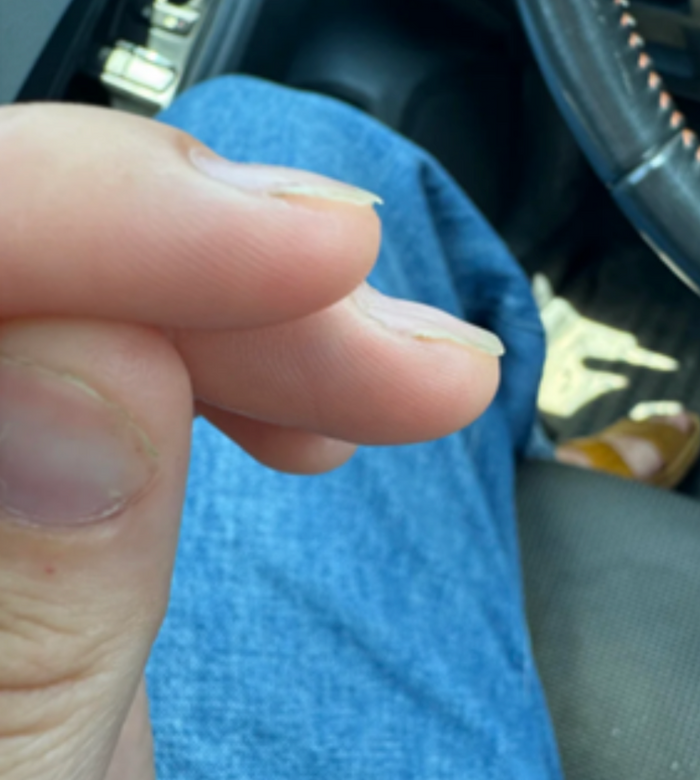
Quick Answer: Nails with a scooped, spoon-shaped appearance — thin, brittle, with a central depression that can hold a drop of water — show koilonychia. It can be a clue to underlying conditions such as iron deficiency anaemia, nutritional deficiencies, or thyroid disorders, though it may occasionally be inherited or idiopathic (no cause found). Because it may reflect an internal issue, evaluation with blood tests — particularly an iron profile — is recommended. Treatment targets the underlying cause, after which nails gradually normalise as healthy nail grows out. Case Snapshot: A frustrated patient wrote: "Went to derm, no explanation — what the heck is up…" — sharing images of nails with the classic spoon-shaped (koilonychia) appearance: concave plates that would cradle a water droplet, thin and brittle at the edges. The frustration is understandable; the finding, properly pursued, is one of dermatology's most useful windows into general health. What Is Koilonychia? Koilonychia — from the Greek for "hollow nail" — describes nails whose normal gentle outward curve reverses into a central depression, producing the spoon shape, typically with thin, brittle plates. The time-honoured bedside test: a drop of water placed on the nail sits in the scoop instead of rolling off. It can affect one, several, or all nails, and develops gradually as abnormal nail is produced at the matrix and grows out. Why It Matters: The Nail as Messenger The teaching heart of this case: koilonychia can sometimes be a clue to underlying conditions, most notably: Iron deficiency anaemia — the classic and most common association; the nail matrix is exquisitely sensitive to iron supply, and spooning can appear alongside (or even before) fatigue, pallor, and hair shedding Other nutritional deficiencies Thyroid disorders Though it may occasionally be inherited (present since childhood, often family-wide) or idiopathic — genuinely unexplained after proper work-up Add local causes worth asking about — chronic wet work, harsh chemicals and solvents, and repeated nail trauma — and the picture is clear: spoon nails are a prompt for questions and tests, not a cosmetic quirk to shrug at. The Work-Up This Finding Deserves Since koilonychia may reflect an underlying health issue, evaluation with blood tests — particularly an iron profile — is often recommended. A rational panel typically covers iron studies (including ferritin, the iron-store marker that can be low well before anaemia appears), a blood count, and thyroid function, with nutrition and occupational history alongside. This is precisely the step that converts "no explanation" into either a treatable finding or a documented, reassuring idiopathic label. If a previous consultation ended without testing, the constructive next move is exactly this focused work-up — bring the request, and the photos, to the follow-up. Treatment: Fix the Cause, Then Wait for the Grow-Out Treatment focuses on correcting the underlying cause — replenishing iron, correcting the deficiency, treating the thyroid — following which the nails gradually improve as new healthy nail grows out. Patience is built into the biology: fingernails replace themselves over roughly six months, toenails longer, so the spoon shape recedes from the base outward across months even after the cause is fully corrected. Supportive nail care meanwhile: keep nails short, moisturise the plates and cuticles, wear gloves for wet work and chemicals, and skip harsh salon treatments on fragile plates. The Bigger Picture Behind an Iron Finding When the iron profile does come back low, the work isn't finished — the why matters: dietary insufficiency, heavy menstrual loss, and absorption or gastrointestinal causes each have different fixes, and your physician will pursue the relevant one alongside replacement. This is also where the nail finding pays forward: patients whose spoon nails prompted testing often report, months later, that energy, hair shedding, and concentration improved with treatment — symptoms they had normalised for years. The nail was the messenger; the whole system benefits from the message being heard. When to See a Dermatologist See a dermatologist (or return for structured follow-up) for any acquired change in nail shape — with koilonychia specifically warranting the iron/thyroid screen; promptly if spooning is accompanied by fatigue, breathlessness, unusual hair loss, or heavy menstrual periods (the iron-deficiency cluster); and for a single spoon-shaped nail after injury, which is a local matrix issue rather than a systemic one. Book a nail and general-skin assessment here. FAQs Q: My dermatologist found nothing — was the visit wasted? Not if it excluded local disease — but koilonychia's value lies in the blood work. If iron studies and thyroid tests haven't been done, that's the specific, reasonable next request. Q: Can spoon nails appear with normal haemoglobin? Yes — low iron stores (low ferritin) can affect nails before formal anaemia develops, which is why a full iron profile beats a haemoglobin check alone. Q: How long until my nails look normal after treating the cause? Expect visible normalisation progressing from the nail base over 4–6 months on fingers, longer on toes — the grow-out timetable, not the treatment's speed. Q: Is koilonychia ever normal? In infants, mild spooning is common and self-resolving; lifelong familial spooning also exists. It's the newly acquired spoon nail in an adult that earns the work-up. 📌 Case Study Reference: Publicly shared patient images and query, r/DermatologyQuestions, Reddit — "Went to derm, no explanation — what the heck is up…". Educational discussion only; not a final diagnosis. Clinical commentary by the Allodermis dermatology team.

Learn more
AI Skin Analysis