Case Study
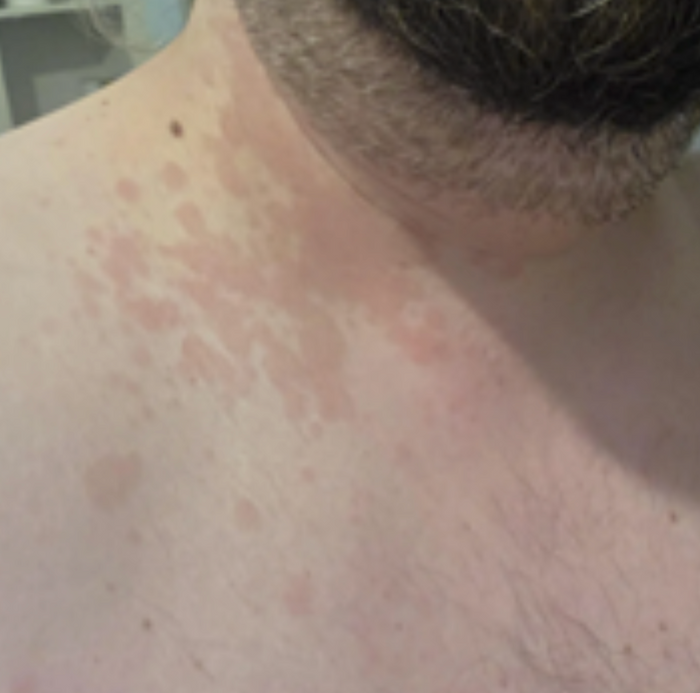
Case 39: Recurrent Reddish Patches on the Neck and Chest Every Summer — Pityriasis Versicolor (Erythematous Variant)
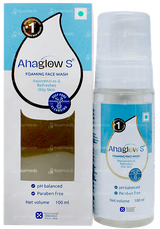
Quick Answer: Non-itchy or mildly itchy reddish patches over the neck and upper trunk that recur during summers and sweating strongly suggest pityriasis versicolor (erythematous variant) — a very common superficial yeast overgrowth caused by Malassezia, a normal skin resident. It flares with hot weather, sweating, humidity, and oily skin. Management combines keeping skin dry, breathable cotton clothing, showering after sweating, and avoiding excess oily products — with antifungal shampoos, washes, or creams, and oral antifungals for extensive or recurrent cases. Case Snapshot: A patient presented with multiple reddish (erythematous) macules and patches distributed over the neck and upper trunk — only mildly itchy at most, and returning faithfully each summer with the sweat and humidity. That signature — the site, the season, the recurrence — makes pityriasis versicolor, erythematous variant, a strong clinical possibility. What Is Pityriasis Versicolor? Pityriasis (tinea) versicolor is a very common superficial fungal/yeast overgrowth caused by Malassezia — a yeast that normally lives on everyone's skin, feeding on skin oils. Under favourable conditions it multiplies and alters the skin's surface and colour in patches. "Versicolor" means exactly what it says — many colours: patches may be lighter than surrounding skin (the familiar white spots), darker, or — as in this variant — reddish/erythematous, which is why the same disease gets mistaken for allergy, eczema, or "heat rash" when it shows its red face. The Pattern That Makes the Diagnosis The clinical fingerprints in this case: Distribution over the neck and upper trunk — the oil-rich, sweat-prone zones Malassezia prefers (chest, back, shoulders complete the map) Non-itchy or only mildly itchy — a helpful separator from eczema and most allergic rashes, which itch insistently Recurrence during summers, sweating, and humidity — the yeast's growth season Fine, branny (powdery) scale on scratching the patches — a bedside sign a dermatologist elicits, and one that a simple KOH microscopy test confirms in minutes Why It Keeps Coming Back Because the organism is a permanent, normal resident of the skin, versicolor is less an infection you "catch" than a garden that overgrows in the right weather. Hot weather, sweating, humidity, and oily skin conditions are that weather — hence the honest framing every patient deserves: treatment clears each episode, and maintenance strategy prevents the next, but a single course does not banish the yeast from existence. Recurrence is a property of the condition, not a failure of the patient or the medicine. The Helpful Measures Keep the skin dry during excessive sweating — moisture is the multiplier Wear breathable cotton clothing; synthetics trap the humid microclimate the yeast loves Shower after heavy sweating or exercise — promptly, not hours later Avoid excessive oily products on the skin — body oils over the trunk feed the organism directly The Treatment Antifungal shampoos, washes, or creams form the backbone — shampoo-based treatments used as short-contact body washes cover large trunk areas efficiently — with oral antifungal medication reserved for extensive or recurrent cases under prescription. Two expectation-setting notes: first, the colour change outlasts the yeast — patches, especially pale ones, can take weeks to months to re-blend after successful treatment, so persisting colour is not persisting infection; second, for the recurrence-prone, a dermatologist can design seasonal maintenance (periodic antifungal washes through the hot months) that keeps summers clear. Using Antifungal Washes Correctly Technique decides results with wash-based treatment: apply the antifungal shampoo to the affected trunk and neck as a lather, leave it on for 5–10 minutes before rinsing (the step most patients skip), repeat on the schedule prescribed, and continue a short maintenance frequency after clearance rather than stopping the day patches fade. Treat the whole regional zone, not just visible patches — the yeast's territory always exceeds what the eye maps. When to See a Dermatologist See a dermatologist for confirmation — reddish trunk patches have several mimics (seborrheic dermatitis, pityriasis rosea, eczema) and a KOH test settles it quickly — and for extensive, frequently recurrent, or treatment-resistant patches where oral therapy and a maintenance plan are worth structuring. Post-treatment colour differences that persist can also be assessed alongside our pigmentation services. Book a consultation here. FAQs Q: Is pityriasis versicolor contagious? Practically no — the yeast lives on everyone already; the condition reflects individual skin conditions, not transmission. Q: Why are my patches red while my friend's were white? Same organism, different visible response — versicolor genuinely comes in light, dark, and red variants depending on skin tone and inflammation. Q: My patches are still visible after treatment — has it failed? Not necessarily: pigment takes weeks to months to normalise after the yeast is cleared. Fresh scale on scratching, or spread, are the true signs of active disease. Q: Can I prevent next summer's episode? Largely yes — the dryness/cotton/shower habits plus a dermatologist-planned seasonal antifungal wash routine dramatically cut recurrences. 📌 Case Study Reference: Publicly shared patient presentation, Reddit dermatology communities. Educational discussion only; not a final diagnosis. Clinical commentary by the Allodermis dermatology team.
Learn more