Skip to content
Up to 30% Off on all Treatments

Case Study

Case 33: A Small Bump on the Neck With a White Center — Molluscum Contagiosum Explained

Case 33: A Small Bump on the Neck With a White Center — Molluscum Contagiosum Explained

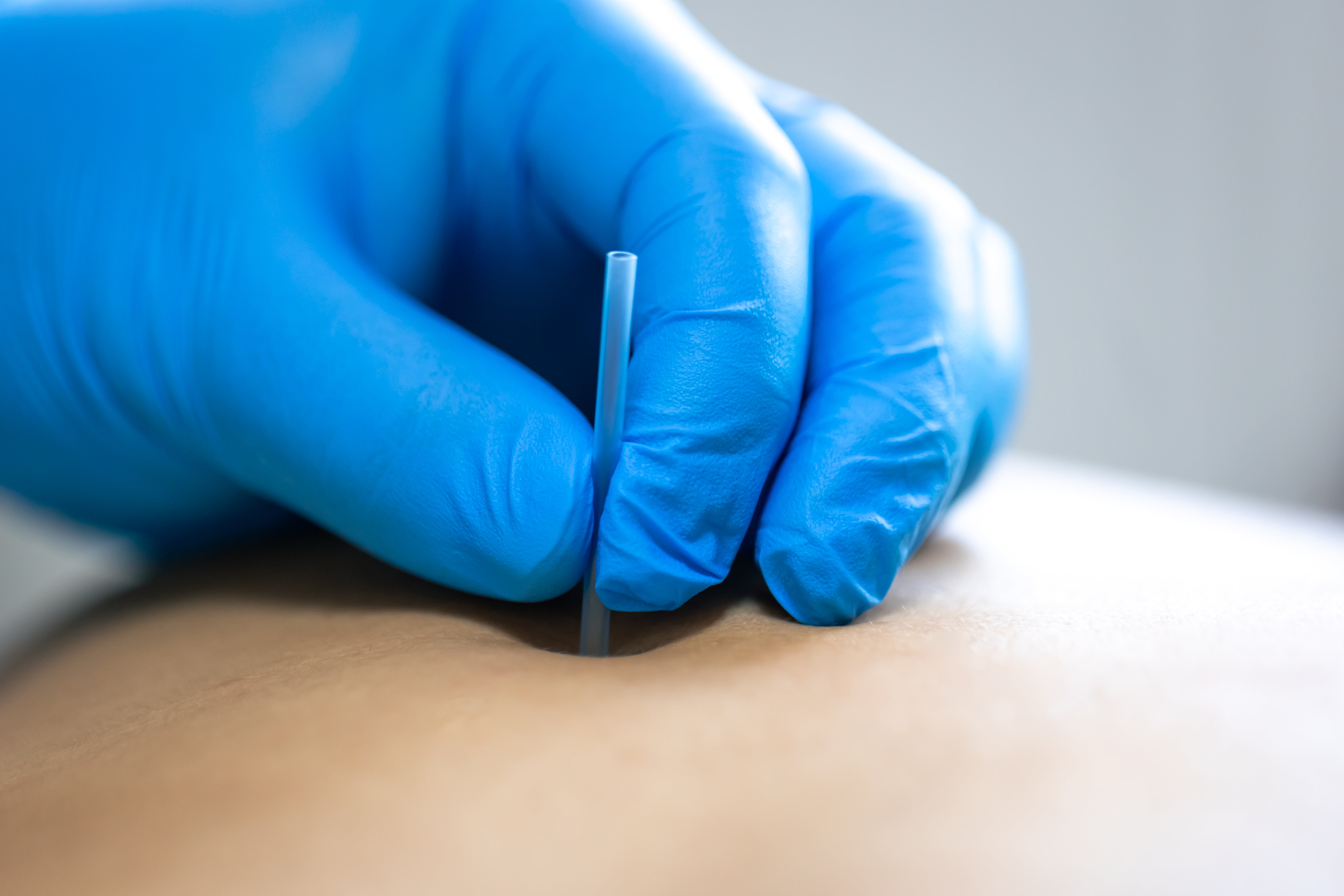
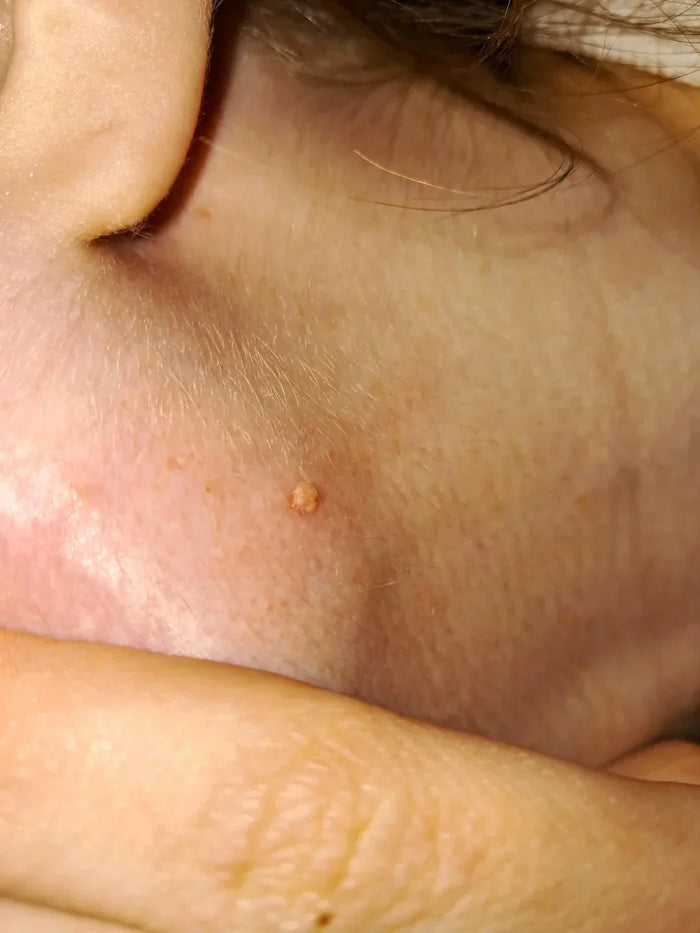
Quick Answer: A small, smooth, skin-coloured bump with whitish material visible at its center is suggestive of molluscum contagiosum — a common, harmless viral skin infection caused by a poxvirus. As the name says, it is contagious: it spreads by direct skin contact, shared towels, clothing, razors or toys, by scratching (autoinoculation), and through sexual contact in adults when lesions occur on genital skin. Treatment depends on the patient, location, and severity — options include chemical application, needling (extirpation), curettage, and cryotherapy. Case Snapshot: A user wrote: "I'm so grossed out — please help me identify this freaky bump on my neck." The image showed a small, dome-shaped, skin-coloured bump with a whitish core visible at the center — the classic single molluscum lesion, far less alarming than it felt to its owner. What Is Molluscum Contagiosum? Molluscum contagiosum is a common viral skin infection caused by a poxvirus. It produces small, firm, dome-shaped, skin-coloured to pearly bumps, often with a central dimple or visible whitish core — that core is the virus-laden material, and it is both the diagnostic giveaway and the reason scratching spreads the condition so efficiently. Lesions may be single, as here, or appear in clusters and crops. Despite the dramatic name and the disgust factor, molluscum is medically harmless — it neither scars by itself nor invades deeper tissue — and in time the immune system clears it. How It Spreads The name is honest — it is contagious, travelling by: Direct skin-to-skin contact Shared towels, clothing, razors, or toys Scratching and autoinoculation — the patient's own fingernails ferry virus from a lesion to fresh skin, planting a line or cluster of new bumps Sexual transmission in adults, when lesions occur over the genital area It is most commonly seen in children, in people in close contact with children — caregivers, nannies, parents — and in individuals with lowered immunity, in whom lesions can be more numerous and persistent. Why Location and Patient Change the Plan Treatment depends on the patient, location, and severity. A single neck lesion in a healthy adult, a face full of lesions in a toddler, and genital lesions in an adult are three different management conversations: children's lesions often warrant gentler approaches (or guided patience, since many resolve spontaneously), facial lesions demand cosmetic caution, genital lesions prompt a broader sexual-health check, and widespread molluscum in an adult can flag the need to assess immunity. The Treatment Options Chemical application — dermatologist-applied agents that provoke the lesion to resolve Extirpation (needling) — a fine sterile needle removes the central core, deflating the lesion Curettage / removal — physically scooping the lesion away; quick and definitive for accessible bumps Cryotherapy — controlled freezing with liquid nitrogen Each is a brief clinic procedure; the choice weighs speed, comfort, cosmetic site, and the patient's age. What is not on the menu: squeezing at home, which sprays infectious core material across the skin and fingernails and reliably multiplies the problem. Living With It Until It's Gone While lesions are present: don't scratch or shave over them; keep them covered where practical; use separate towels; and skip shared baths for affected children. Molluscum in swimmers and gym-goers spreads via shared surfaces and kit — a plaster over the lesion is simple insurance. Reassurance is also treatment: the bump is neither dangerous nor a hygiene verdict, and once cleared, immunity to that episode develops. When to See a Dermatologist See a dermatologist to confirm the diagnosis — several look-alikes (warts, milia, and occasionally other lesions) need different handling — and for removal, especially of facial, genital, multiplying, or inflamed lesions. Adults with genital molluscum should have a sexual-health review, and anyone with unusually widespread lesions deserves an immunity check. Book an appointment here. FAQs Q: Will molluscum go away on its own? Yes — typically over months (sometimes longer), as immunity develops. Treatment is chosen to shorten the course, limit spread, and address cosmetic or social concerns. Q: Can I go to the gym or pool with molluscum? Yes, with lesions covered and personal towels — direct lesion-to-surface contact is the risk to manage. Q: My child keeps getting new bumps — is treatment failing? New crops can surface from already-infected skin for a while; scratching accelerates this. Trimmed nails, covered lesions, and itch control help close the pipeline. Q: Does molluscum leave scars? The lesions themselves usually don't; scratched, secondarily infected, or aggressively home-treated ones can. Professional removal minimises marks. 📌 Case Study Reference: Publicly shared patient image and query, r/DermatologyQuestions, Reddit — "I'm so grossed out, please help me identify this freaky bump on my neck". Educational discussion only; not a final diagnosis. Clinical commentary by the Allodermis dermatology team.
Learn more
AI Skin Analysis