Case Study
Case 4: Darkening Around the Mouth That Won't Fade — Perioral Pigmentation Explained
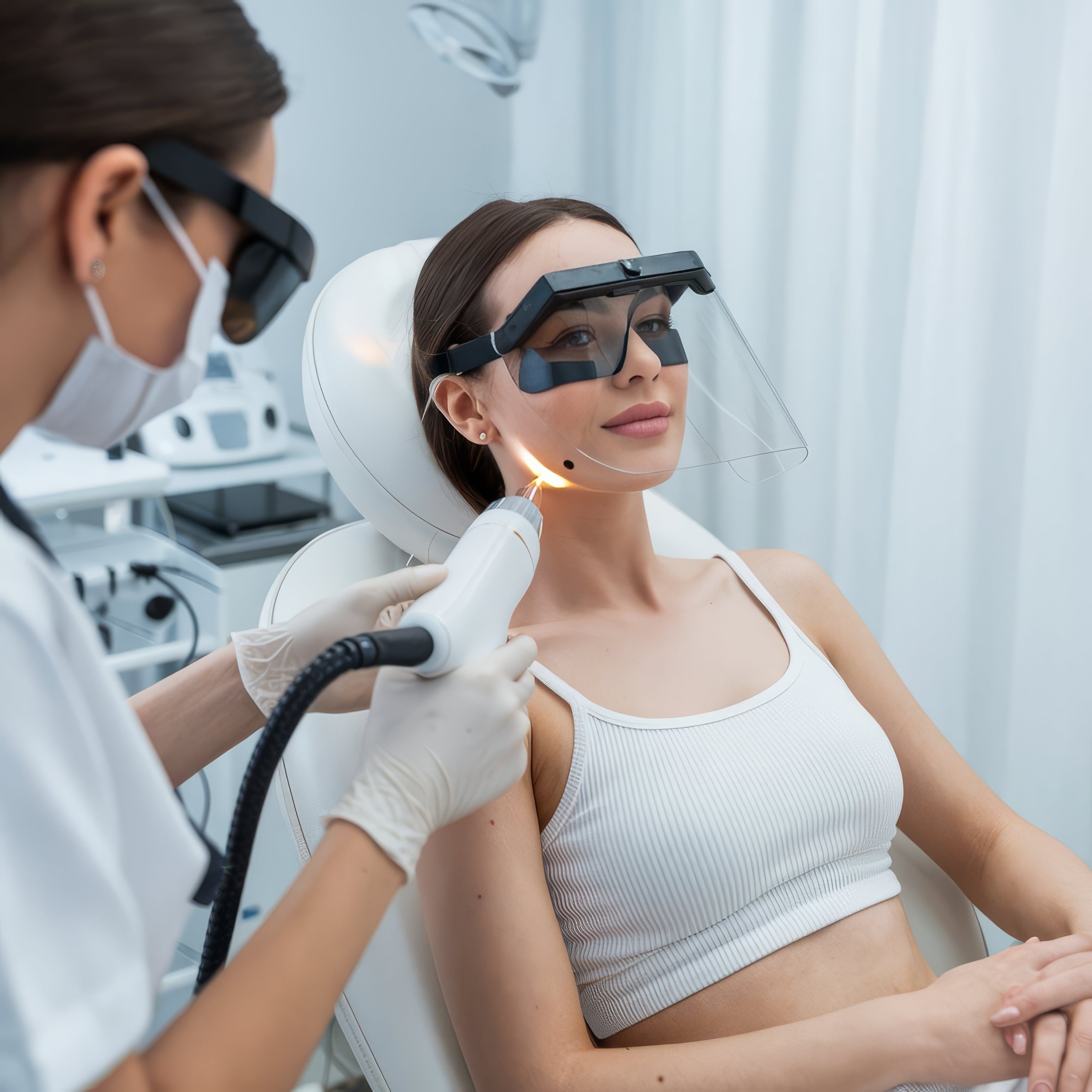
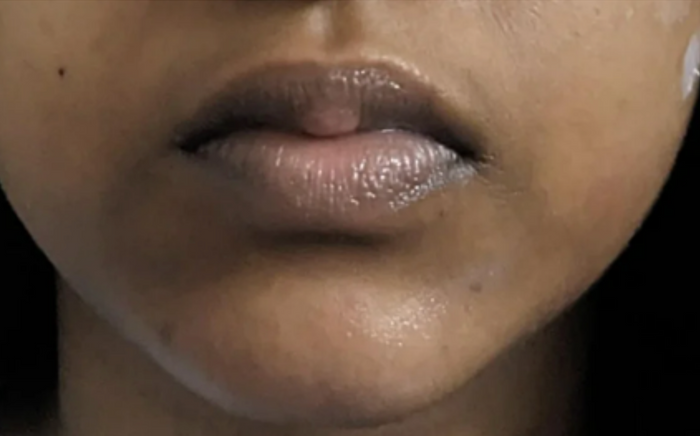
Quick Answer: Persistent darkening around the mouth is called perioral pigmentation. It develops from sun exposure, lip-licking, chronic dryness, hormonal factors, or irritation from cosmetics and toothpaste. Treatment combines strict broad-spectrum sunscreen, gentle moisturisation, and dermatologist-guided lightening agents like azelaic acid, kojic acid, arbutin, vitamin C, or retinoids — with chemical peels or lasers reserved for resistant cases. Case Snapshot: A patient presented with a well-defined ring of brownish discolouration around the mouth that had been present for over a year. Home remedies, scrubbing, and multiple fairness creams had not helped — and some had made the area more irritated and darker. What Is Perioral Pigmentation? Perioral pigmentation is darkening of the skin surrounding the lips and mouth. The area is uniquely vulnerable: it is thin, constantly stretched by talking and eating, repeatedly exposed to saliva, toothpaste, and cosmetics, and frequently forgotten during sunscreen application. In Indian and other richly pigmented skin types, even mild chronic irritation here readily converts into visible brown pigmentation. Common Causes Cumulative sun exposure without sunscreen coverage around the mouth Lip-licking habit — saliva enzymes irritate the surrounding skin, causing a cycle of dryness, inflammation, and pigment Chronic dryness and barrier damage Irritation from cosmetics or toothpaste (fragrances, flavouring agents, sodium lauryl sulphate) Hormonal factors Occasionally, underlying medical or nutritional issues, which is why persistent cases deserve evaluation The Treatment Plan Broad-spectrum sunscreen every morning, deliberately applied around the mouth and reapplied outdoors. Without this step, no lightening treatment can succeed. Gentle, consistent moisturisation to repair the barrier and break the lick–dry–irritate cycle. Evidence-based lightening actives: azelaic acid, kojic acid, arbutin, vitamin C, or retinoids, chosen and sequenced by a dermatologist to avoid irritation. Trigger elimination: switch to a bland, SLS-free toothpaste and fragrance-free lip products; consciously stop lip-licking. In-clinic options for resistant pigmentation: chemical peels and laser toning performed at conservative settings suited to darker skin tones. Avoid over-exfoliation and rubbing — friction is itself a pigment trigger in this area. Why "Fairness Creams" Often Backfire Many over-the-counter creams for facial darkness contain unlabelled potent steroids. These give temporary lightening, then cause rebound darkening, thinning, and steroid-induced rashes around the mouth. Perioral skin is especially vulnerable — never use combination creams here without a prescription. Not All Pigmentation Is the Same Melasma, post-inflammatory hyperpigmentation, contact dermatitis, and even some nutritional deficiencies can all present as darkness around the mouth, and each is treated differently. Explore our skin pigmentation and hyperpigmentation treatment pages, and get a formal diagnosis before starting long-term actives. When to See a Dermatologist If pigmentation persists beyond 2–3 months of sunscreen and gentle care, spreads, or is accompanied by itching, burning or scaling, book a consultation. Identifying and removing your specific trigger is half the cure. FAQs Q: Does toothpaste really cause pigmentation around the mouth? Yes — flavouring agents and foaming ingredients in some toothpastes can irritate perioral skin and trigger post-inflammatory pigmentation in susceptible people. Q: How long does perioral pigmentation take to fade? With consistent sunscreen and correctly chosen actives, expect gradual improvement over 3–6 months. Deeper pigment may need peels or laser toning. Q: Can I scrub the darkness away? No — scrubbing worsens it. Perioral pigmentation is an inflammation problem, and friction adds inflammation. Q: Is perioral pigmentation permanent? Rarely. Once the trigger is removed and the skin barrier is stabilised, pigment fades steadily with actives and photoprotection — though deeper dermal pigment takes longer and may need in-clinic procedures. A Practical Daily Routine for Perioral Pigmentation Morning: gentle fragrance-free cleanser → moisturiser → broad-spectrum sunscreen, deliberately dabbed around the mouth and lip border Day: SPF lip balm; conscious effort not to lick the lips; reapply sunscreen if outdoors Night: gentle cleanse → dermatologist-selected lightening active (start 2–3 nights weekly) → barrier-repair moisturiser Weekly audit: note whether any product, toothpaste, or food ritual precedes stinging or redness — your trigger usually reveals itself within a month of careful observation Conditions That Mimic Perioral Pigmentation Because the treatment differs entirely, dermatologists actively rule out look-alikes: melasma extending from the upper lip, post-inflammatory pigmentation from a previous rash, perioral dermatitis (a bumpy, inflammatory rash often triggered by steroid creams), contact allergy to lipsticks or toothpaste, and occasionally pigmentation linked to nutritional deficiencies or endocrine conditions. If your "pigmentation" is ever itchy, bumpy, or scaly, that's a rash — and lightening creams will make it worse, not better. This is exactly why an allergy and patch test is sometimes the smartest first investment: identifying the allergen ends the cycle at its source. 📌 Case Study Reference: Publicly shared patient image and query, r/IndianSkincareAddicts community, Reddit — https://www.reddit.com/r/IndianSkincareAddicts/. Educational discussion only; not a final diagnosis. Clinical commentary by the Allodermis dermatology team. Written By: Dr. Pranomita
Learn more