Skip to content
Up to 30% Off on all Treatments

Case Study

Case 34: Small Black Spots on the Sole or Finger Pulp — Talon Noir (Black Heel), the Athlete's Harmless Mimic

Case 34: Small Black Spots on the Sole or Finger Pulp — Talon Noir (Black Heel), the Athlete's Harmless Mimic

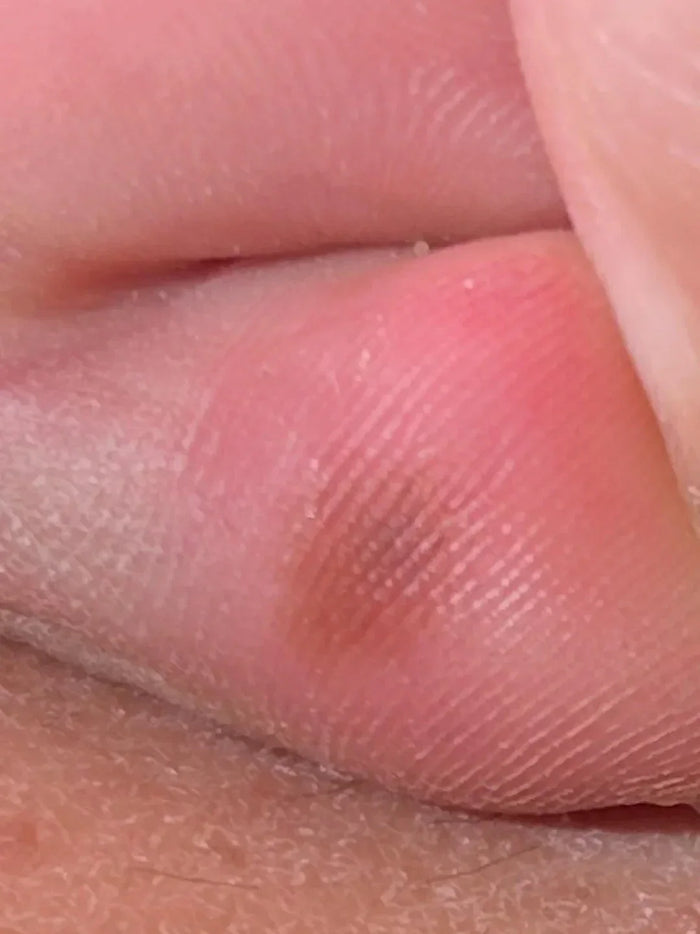
Quick Answer: Small dark brown to black spots over the sole or finger pulps are often talon noir (black heel, calcaneal petechiae) — a harmless condition caused by tiny areas of bleeding within the outer skin layer due to repeated friction or minor trauma. Common triggers are running, sports, tight footwear, and sudden increases in activity. It resolves spontaneously with reduced friction and proper footwear — but because pigmented spots on the soles must be distinguished from melanoma, dermatologists evaluate doubtful lesions carefully, often with dermoscopy. Case Snapshot: A patient asked about "pigmented spots on the sole of your foot from…" activity — images showed small dark brown to black spots over the little-finger pulp: pinpoint pigmented dots in a friction-bearing site, the classic canvas of talon noir. What Is Talon Noir? Talon noir — literally "black heel," also called calcaneal petechiae — is a harmless condition caused by tiny areas of bleeding within the outer skin layer (epidermis) due to repeated friction or minor trauma. Shearing forces rupture superficial capillaries; the escaped blood dries within the horny layer as clusters of black-red pinpoint dots. Because the blood sits in dead surface layers, the spots are painless, flat, and — crucially — temporary, shed outward as the skin renews. The Trigger List Running or sports activity — the classic setting; basketball, tennis, badminton and football players know these spots well Tight or ill-fitting footwear grinding the heel and sole margins Repeated rubbing or pressure at any site — including finger pulps in climbers, gym-goers, and racquet players, as in this case A sudden increase in physical activity — new running programs mint fresh talon noir reliably Classically described over the heel in athletes, but it equally appears as small black or brown spots on the lateral soles, ball of the foot, and finger pulps, with gradual spontaneous resolution over time once friction eases. The Serious Look-Alike — and Why Evaluation Still Matters Here is the clinical heart of this case: one important reason dermatologists evaluate such lesions carefully is to distinguish them from melanoma. Acral melanoma — melanoma of the palms and soles — presents as a pigmented macule in exactly these locations and is disproportionately important in Indian and other darker-skinned populations, where acral sites account for a larger share of melanomas. Talon noir itself is completely benign, but "black spot on the sole" is never a diagnosis to shrug at from a photo. If there is any doubt, a dermatologist may use dermoscopy — where talon noir shows its tell-tale pattern of reddish-black pebbled globules within skin ridges, and paring the surface reveals the pigment sits in (and lifts off with) the dead layer, something melanin pigment never does. The Reassuring vs Concerning Features Reassuring (talon noir): clusters of pinpoint dots rather than one growing patch; a matching activity/friction story; skin lines running undisturbed through the area; fading over weeks as activity changes. Concerning (needs review): a single enlarging pigmented patch, irregular borders or colours, a lesion unchanged or growing despite rest, any raised or ulcerated area, or pigment with no plausible friction source. Management For confirmed talon noir, treatment is refreshingly minimal: observation and follow-up; reduce the friction, repetitive trauma and pressure; wear proper footwear — cushioned, correctly sized, sport-appropriate, with moisture-wicking socks. The spots then clear spontaneously as the surface skin turns over, typically within several weeks. Nothing to excise, freeze, or bleach — and athletes can keep playing with better shoes. When to See a Dermatologist See a dermatologist for any pigmented sole or palm lesion you cannot confidently tie to friction, any spot that persists beyond 6–8 weeks despite reduced activity, or any single dark patch that grows or changes — a five-minute dermoscopy visit definitively separates the harmless athlete's mark from the lesion that must not be missed. Book a skin-lesion check here. FAQs Q: How fast does talon noir fade? Usually over 3–6 weeks with reduced friction, as the pigmented surface layer sheds. New spots appearing during heavy training are expected and equally temporary. Q: Can I scrape or pick the spots off? Don't — home paring risks wounds and confusion. In clinic, gentle paring is actually a diagnostic manoeuvre, showing the pigment lifting with the dead layer. Q: Why did this appear on my finger pulps rather than my heels? Whichever surface bears your sport's shear takes the hit — racquet grips, climbing holds, and gym bars write the same signature on the hands. Q: I have darker skin — should I worry more about sole pigmentation? Acral melanoma forms a larger proportion of melanomas in darker skin, which is exactly why any unexplained sole or palm pigmentation deserves one professional look, even though most turn out benign. 📌 Case Study Reference: Publicly shared patient images and query, r/DermatologyQuestions, Reddit — "Pigmented spots on the sole of your foot — from…". Educational discussion only; not a final diagnosis. Clinical commentary by the Allodermis dermatology team.

Learn more

AI Skin Analysis