Case Study
Case 17: Depressed Areas and Uneven Texture at Under 20 — Acne Scarring in Young Skin, and Why Early Treatment Matters
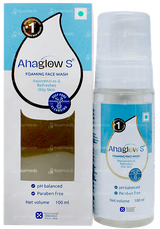
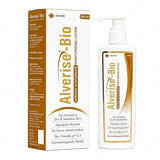
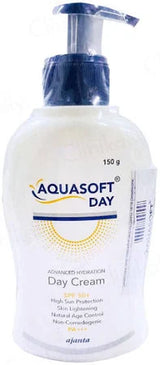
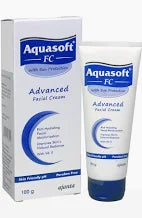
Quick Answer: Multiple depressed areas with uneven skin texture following acne indicate atrophic acne scarring — collagen loss from deep inflammation, often worsened by picking. Up to 90% of acne patients develop some scarring and about 22% develop significant scarring, which is why early, adequate acne therapy is the single best prevention. Established scars — rolling, ice-pick, boxcar, and linear types — improve with procedures such as TCA CROSS, subcision, microneedling, and lasers. Case Snapshot: A user under 20 shared images showing multiple depressed areas and overall uneven facial texture. Notably, they reported using no face wash (soap only), no sunscreen, and no moisturiser — washing with soap, icing the face, and applying a single gel. The images showed scarring as a sequela of acne that had never received adequate treatment. How Scars Formed So Young Acne scarring is not an "older person's problem" — it is a timing problem. When acne inflammation reaches the deeper skin layers — either spontaneously in severe lesions or as a result of trauma from picking — it damages the collagen housed there. The skin then heals with either too little collagen (depressions) or occasionally too much (raised scars). A teenager with untreated inflammatory acne and a picking habit can accumulate significant scarring within a couple of years. The Statistics That Should Change Behaviour Up to 90% of acne patients develop some degree of scarring Around 22% suffer significant scarring The strongest modifiable factors: delay in treatment and picking Read together, these numbers make the case plainly: early and adequate therapy is advocated to minimise subsequent scarring. Treating acne promptly is not vanity — it is prevention of permanent structural damage. Know Your Scar Types Scars from collagen loss (atrophic) include: Ice-pick: narrow, deep pits Boxcar: broader depressions with defined edges Rolling: shallow undulations tethered from below Linear: line-like depressions Scars from collagen overproduction are raised (hypertrophic/keloidal). Most faces show a mixture, and treatment is matched scar-by-scar — the core principle of our acne scar treatment programs. The Foundation This Patient Was Missing Before any scar procedure, the basics must exist — and this case had none: A proper cleanser instead of soap (soap's high pH strips and irritates facial skin) A non-comedogenic moisturiser to maintain the barrier Daily sunscreen — unprotected sun both worsens acne marks and degrades the collagen that scar treatment tries to rebuild Evidence-based acne control — typically a salicylic acid wash plus a night retinoid — to stop new scars forming while old ones are treated. See our acne treatment page and full guide to scar treatment options and timelines. Treating the Established Scars Once active acne is controlled, procedures rebuild what inflammation removed: TCA CROSS for ice-pick scars, subcision for rolling scars, microneedling and MNRF for broad texture, and fractional lasers for refinement — usually in combination over 3–8 sessions across 6–12 months. Young skin, encouragingly, remodels collagen especially well. When to See a Dermatologist If you are a teenager or young adult with recurring inflammatory acne — especially with any picking habit — see a dermatologist now; this is the highest-leverage moment of your skin's life. If scarring already exists, book a scar-mapping consultation to sequence acne control and procedures correctly. Schedule here. FAQs Q: I'm under 20 — am I too young for scar procedures? Age is less important than having active acne controlled first. Many procedures are appropriate for older teens under dermatologist supervision, and young skin responds excellently. Q: Can ice reduce acne or scarring? Ice may briefly calm an inflamed pimple's swelling but does nothing for acne biology or scars. It is not a treatment substitute. Q: Is soap really that bad for the face? Traditional soap is alkaline and stripping; facial skin does better with pH-balanced gentle cleansers, particularly acne-prone skin on actives. A Note for Students and Parents The pattern in this case — soap-only cleansing, no sunscreen, no treatment, active picking — is the default state of most teenagers' skincare, and it is precisely the profile that produces lifelong scarring. Three low-cost interventions change the trajectory: a basic three-product routine (gentle cleanser, light moisturiser, sunscreen — under a few hundred rupees monthly), a firm no-picking rule framed as scar prevention rather than nagging, and one dermatologist visit the moment breakouts become inflamed or recurrent, since prescription adapalene and similar first-line treatments are inexpensive and dramatically effective at this age. For parents: acne in a teenager is a medical condition with a 90% scarring statistic attached, not a phase to be waited out with home remedies. And for young patients themselves — the scars visible in this case are treatable, but the pimples you don't pick this year are scars you never have to treat at all. That asymmetry, more than any product recommendation, is the message worth internalising early. 📌 Case Study Reference: Publicly shared patient images and query, r/IndianSkincareAddicts, Reddit — "Product suggestions plzzz" (under-20 user; soap-only routine). Educational discussion only; not a final diagnosis. Clinical commentary by the Allodermis dermatology team.
Learn more