Case Study
Case 30: Tiny Dark Dots on the Nose That Never Cleanse Away — Trichostasis Spinulosa, the Blackhead Impostor
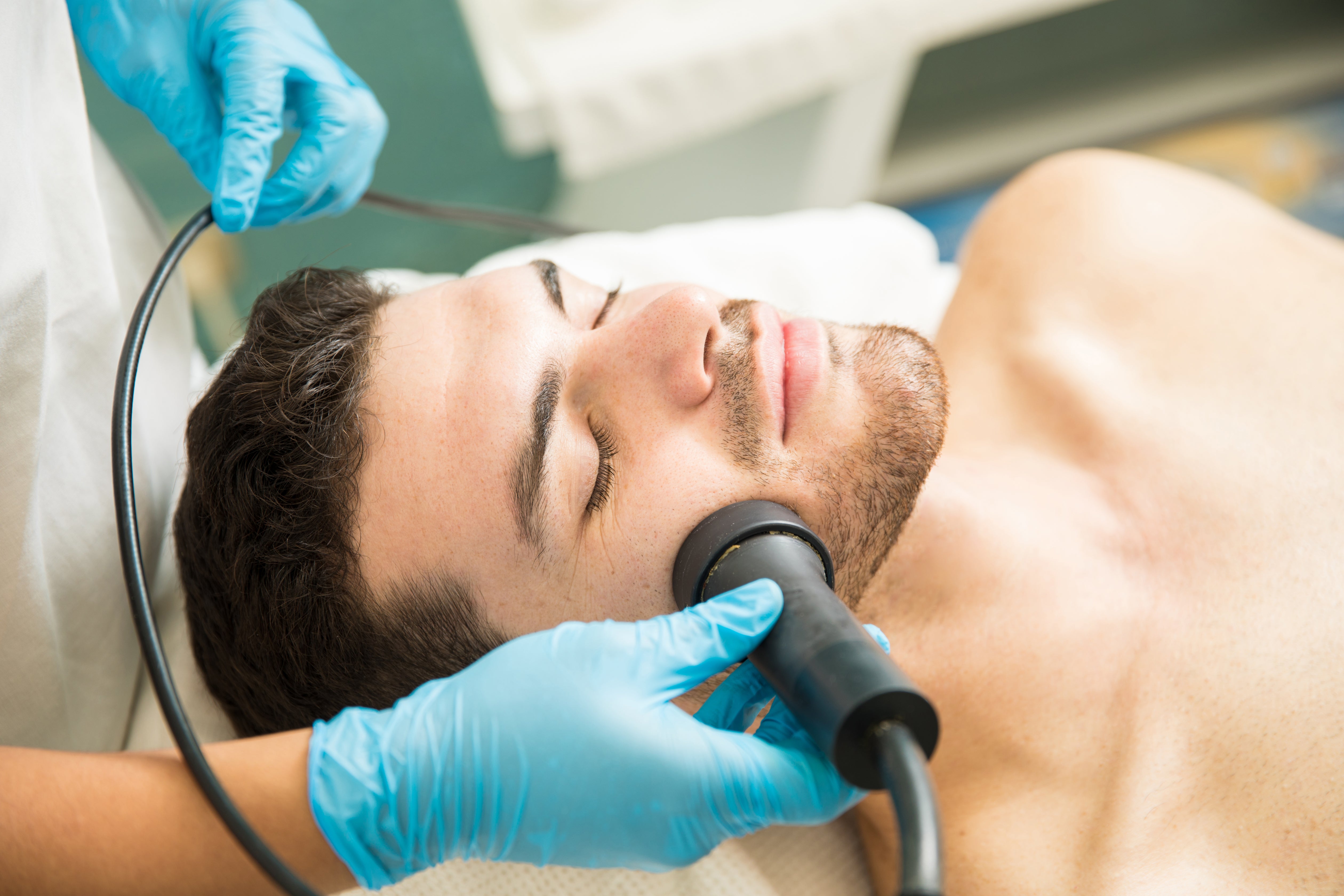
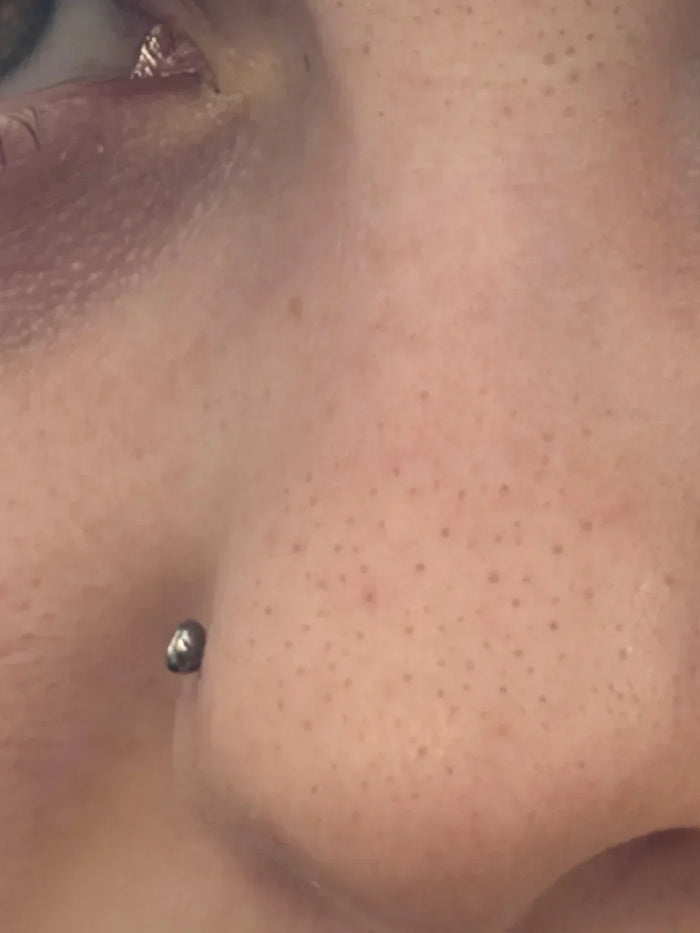
Quick Answer: Uniform, closely packed dark follicular dots on the nose that persist despite repeated cleansing are often trichostasis spinulosa rather than true blackheads. It is a benign condition where multiple tiny vellus hairs become trapped inside enlarged follicles, creating a blackhead-like appearance. Treatment options include topical retinoids (adapalene/tretinoin), keratolytics like salicylic acid, and — for resistant cases — lasers, especially hair-reduction lasers, which address the trapped hairs directly. Case Snapshot: A user asked: "What's the best way to shrink pores? They keep filling up." Their close-up images of the nose, however, showed something subtler than ordinary blackheads: very uniform, closely packed dark follicular dots — fine dark plugs without the oily comedones or inflammation of acne — persisting despite repeated cleansing. The picture pointed to trichostasis spinulosa. What Is Trichostasis Spinulosa? Trichostasis spinulosa is a benign condition where multiple tiny vellus hairs — the fine, soft "peach fuzz" hairs — become trapped inside enlarged follicles, bundling together into a dark plug. From arm's length it is indistinguishable from a field of blackheads, which is exactly why it hides in plain sight on so many noses. But the plug's content is the crucial difference: collections of tiny retained hairs rather than oxidised sebum alone. It most commonly appears over the nose, face, or trunk, and is harmless — a cosmetic puzzle, not a disease. Why This Looks Like Trichostasis Rather Than Blackheads The features favouring trichostasis spinulosa in this case: Very uniform, closely packed follicular dots — blackheads are usually more scattered and varied Fine dark plugs without obvious oily comedones or inflammatory acne around them Persistent appearance despite repeated cleansing — the hallmark frustration; strips and scrubs may clear a plug briefly, but the follicle refills as the trapped hairs remain Typical distribution over the nose Why Ordinary Blackhead Treatment Underperforms This diagnosis explains a familiar cosmetic grievance: the person who exfoliates, strips, and cleanses diligently, yet whose nose "fills up" again within days. Oil-targeted strategies only partially work because oil is only part of the plug — hairs are the scaffold, and they regrow and re-trap continuously. Understanding this redirects treatment from endless cleansing to approaches that address keratin and hair. The Treatment Options Topical retinoids (adapalene/tretinoin) — normalise follicular keratin and loosen plugs; the sensible first-line, doubling as general pore-refining therapy Keratolytic agents like salicylic acid — oil-soluble exfoliation that thins the plugs and keeps follicle openings clear Lasers — especially hair-reduction lasers — for resistant lesions: the most logical definitive option, since laser hair reduction miniaturises the very vellus hairs that form the plugs, emptying the follicles at the source Expect gradual improvement over weeks with topicals; laser courses offer the more durable clearance for stubborn cases. Adjunctive in-clinic care — gentle chemical peels and professional extraction — polishes the result. A Realistic Improvement Timeline Set the calendar honestly and this condition stops being demoralising. Weeks 1–4 on a retinoid plus salicylic wash: plugs begin loosening; the nose looks similar in the mirror but extracts far more easily. Weeks 4–10: dot density visibly thins; skipped weeks show, so consistency is the variable to protect. From week 10: decide with your dermatologist whether topical maintenance suffices or whether the laser course is worth adding for the stubborn central-nose cluster — typically a short series of sessions spaced weeks apart, each taking minutes. Long term: a maintenance retinoid a few nights weekly holds the result. The trap to avoid is judging at week 2 and reverting to strips and squeezing — which resets both the follicles and the clock. What Not to Do Aggressive squeezing, daily pore strips, and gritty scrubs inflame the nose, enlarge pore openings over time, and add pigmentation on Indian skin — all while the hair-plugs quietly reform. Trichostasis rewards patience and the correct mechanism, not force. When to See a Dermatologist See a dermatologist if your "blackheads" match this uniform, cleanse-resistant pattern; confirmation is simple (dermoscopy shows the bundled hairs beautifully) and it re-routes you to treatment that actually fits. Also consult before starting retinoids or booking lasers so strengths and settings suit your skin. Book a consultation. FAQs Q: How can I tell at home if my dots are trichostasis or blackheads? You often can't reliably — the giveaway is behaviour: uniform dots that refill within days despite good care lean trichostasis. Dermoscopy in clinic settles it in seconds. Q: Is trichostasis spinulosa harmful or a sign of poor hygiene? Neither — it is a benign follicular quirk, unrelated to cleanliness. Q: Will laser hair removal on the nose remove all the dots permanently? It substantially and durably reduces them by miniaturising the plug-forming hairs; maintenance sessions may be needed as fine hairs recover over time. Q: Can I combine retinoids with the laser sessions? Yes — a dermatologist will schedule them appropriately; retinoids maintain follicle clearance between and after laser treatments. 📌 Case Study Reference: Publicly shared patient images and query, r/DermatologyQuestions, Reddit — "What's the best way to shrink pores? They keep filling up". Educational discussion only; not a final diagnosis. Clinical commentary by the Allodermis dermatology team.




Learn more