Case Study
Case 7: Dark Underarms — Friction, Shaving Damage, or a Metabolic Warning Sign?
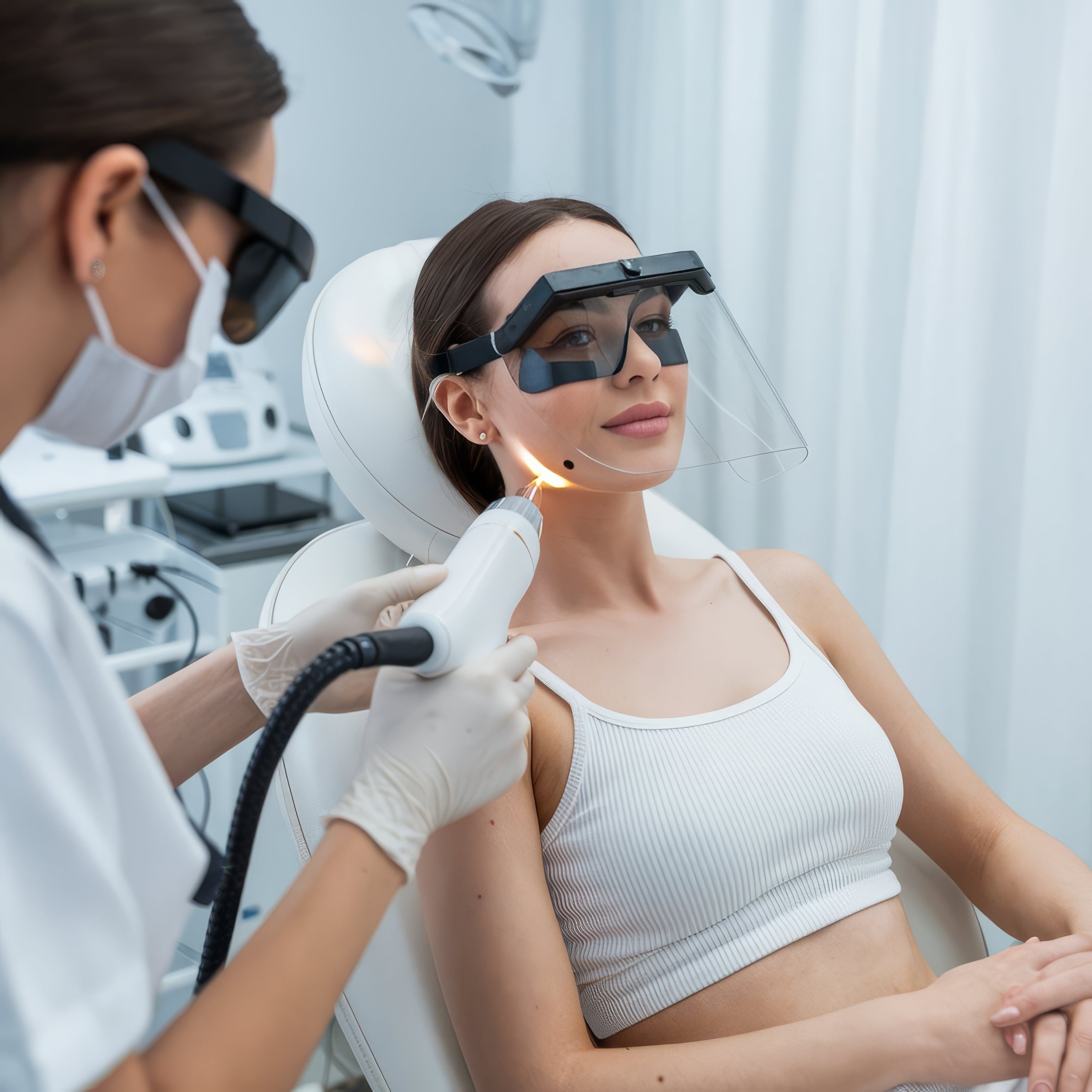
Quick Answer: Dark underarms are most commonly caused by friction, repeated shaving or waxing irritation, dead skin buildup, and post-inflammatory pigmentation. However, thick, velvety, symmetrical darkening may be acanthosis nigricans — an early skin marker of insulin resistance, PCOS, or obesity that warrants medical screening. Treatment combines gentle AHA exfoliation, dermatologist-guided lightening creams, laser hair reduction, and management of any underlying metabolic cause. Case Snapshot: A patient sought help for persistent underarm darkening that had not responded to home remedies, natural masks, or over-the-counter whitening creams. She shaved regularly and wore fitted clothing daily. Why Underarms Darken The underarm is a high-friction, frequently traumatised skin fold. Common contributors include: Friction from clothing and skin-on-skin rubbing Repeated shaving or waxing — micro-injury after micro-injury triggers pigment Buildup of dead skin and residue from deodorants Post-inflammatory pigmentation from folliculitis, ingrown hair, or irritation Hormonal and metabolic factors The Warning Sign You Shouldn't Ignore When underarm skin becomes dark, thickened, and velvety — often symmetrically, and sometimes with similar changes on the neck — it may be acanthosis nigricans. This is not simple pigmentation; it is a skin signal of insulin resistance, commonly associated with PCOS and obesity, and can be an early warning of pre-diabetes. Such patients need screening (blood sugar, insulin, hormonal work-up) rather than just creams. Learn how hormones affect skin in our guide: PCOS Symptoms in Women — How Hormonal Imbalance Affects Skin and Hair. The Treatment Ladder Gentle chemical exfoliation with AHAs — glycolic or lactic acid lotions — to lift dead-cell buildup without friction Urea-based moisturisers to soften thickened skin Dermatologist-guided lightening creams: azelaic acid, kojic acid, or niacinamide Laser hair reduction — often the game-changer, because it permanently removes the need for shaving and waxing, eliminating the biggest source of repeated trauma Chemical peels or Q-switched laser toning under medical supervision for resistant pigmentation Weight management and metabolic control where acanthosis nigricans is confirmed — treating the cause, not just the colour A Critical Warning Never use strong steroid combination creams on the underarms without prescription. These popular "fairness" combinations thin the skin, cause rebound darkening, stretch marks, and fungal overgrowth in this warm, moist area — making everything worse. When to See a Dermatologist If darkening is thick and velvety, appears alongside neck darkening, or fails to improve with 2–3 months of gentle care, book an evaluation. Since causes vary widely, a proper diagnosis is the difference between years of ineffective creams and a targeted plan that works. FAQs Q: Does laser hair removal help dark underarms? Yes — by eliminating shaving and waxing, it removes the chronic friction and trauma that drive most underarm pigmentation, while also clearing shadow from sub-surface hair. Q: When are dark underarms a health warning? When the skin is thickened, velvety, and symmetric — especially with neck involvement — get screened for insulin resistance, PCOS, and diabetes. Q: Do lemon or baking soda remedies lighten underarms? No — they irritate the skin and often worsen pigmentation. Stick to pH-balanced, dermatologist-recommended actives. Q: Can deodorants cause dark underarms? Certain fragranced or alcohol-heavy formulations irritate some skin types, adding to post-inflammatory pigment. If stinging or itching follows application, switch to a gentle, fragrance-free formula and reassess after a few weeks. How Dermatologists Work Up Dark Underarms A proper evaluation is quick but decisive. The dermatologist examines the texture (flat pigmentation versus thick velvety change), checks other body folds — neck, groin, elbows, knees — for symmetrical involvement, reviews hair-removal habits, deodorant use, and clothing friction, and takes a weight, menstrual, and family history of diabetes or PCOS. When acanthosis nigricans is suspected, simple blood tests (fasting sugar, insulin, and where relevant a hormonal panel) complete the picture. This ten-minute assessment prevents months of treating a metabolic sign as if it were a cosmetic stain. Realistic Timelines and Maintenance Friction- and shaving-related pigmentation typically lightens over 8–12 weeks of gentle exfoliation and lightening actives, improving faster once laser hair reduction removes the ongoing trauma. Acanthosis nigricans improves more slowly and tracks with metabolic control — patients often notice the neck and underarms lightening as weight and insulin levels improve, which makes the skin a visible progress marker for their overall health. Maintenance is simple: loose breathable clothing, gentle cleansing, moisturiser, and continued avoidance of razors and irritant remedies. 📌 Case Study Reference: Publicly shared patient image and query, r/IndianSkincareAddicts community, Reddit (see also the related community query: Treatment of acanthosis nigricans — request). Educational discussion only; not a final diagnosis. Clinical commentary by the Allodermis dermatology team.
Learn more