Skip to content
Up to 30% Off on all Treatments

Case Study

Case 19: White Patches Above the Eyebrows — Pityriasis Alba, and the Light Patches That Must Not Be Missed

Case 19: White Patches Above the Eyebrows — Pityriasis Alba, and the Light Patches That Must Not Be Missed

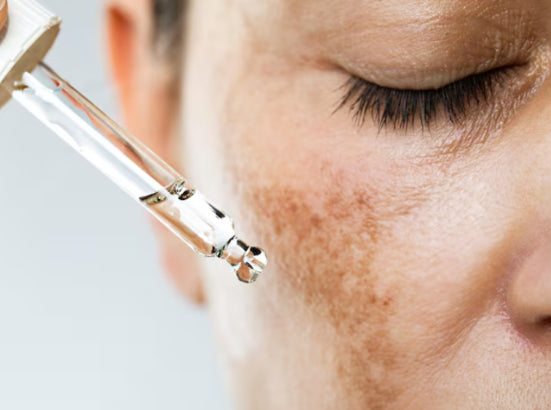
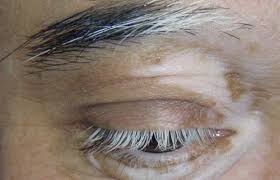
Quick Answer: Light-coloured patches on the forehead with minimal surface change — especially in people with dry or atopic skin — are commonly pityriasis alba, a mild eczema-related hypopigmentation. Treatment centres on gentle moisturisation, photoprotection, and dermatologist-guided creams such as tacrolimus or pimecrolimus. However, not every light patch is pityriasis alba: vitiligo, post-inflammatory hypopigmentation, and even leprosy sometimes need to be ruled out. Case Snapshot: A user asked: "These white patches are appearing above my eyebrows… what could be the reason? Should I stop applying anything on my skin?" Their images showed light-coloured patches over the forehead with very minimal surface change — subtle scaling at most. What Is Pityriasis Alba? Pityriasis alba is a mild form of eczema-related hypopigmentation, most common in children and young people with dry or atopic skin. Low-grade eczema subtly inflames patches of skin; as that inflammation settles, the affected melanocytes temporarily underproduce pigment, leaving pale, slightly dry patches — typically on the face, and often first noticed after sun exposure darkens the surrounding skin and heightens the contrast. Key reassurance: it is not an infection, not contagious, and not a fungus — and it does not signal poor hygiene. The Treatment Approach Gentle, consistent moisturisation — emollients treat the underlying dryness/eczema tendency that drives the condition Photoprotection — daily sunscreen reduces the tanning of surrounding skin that makes patches conspicuous, and protects the recovering patches Dermatologist-guided creams: tacrolimus or pimecrolimus — non-steroid anti-inflammatory creams that calm the eczema component and help the skin gradually regain its normal tone Avoid harsh products on the area — aggressive actives and scrubs prolong the cycle Repigmentation is genuinely gradual — typically weeks to months — and patience plus emollients outperform any aggressive intervention. The Differentials That Matter The critical teaching point of this case: not every light patch is pityriasis alba. A dermatologist actively distinguishes it from: Vitiligo — milk-white, sharply demarcated depigmentation (complete pigment loss, not just reduction) that behaves and treats entirely differently Post-inflammatory hypopigmentation — pale patches at the exact sites of a previous rash, injury, or steroid-cream use Pityriasis versicolor — a superficial yeast overgrowth with fine branny scaling, common on the face in younger patients Leprosy — in endemic regions, any pale patch with reduced or absent sensation must be examined for this; early detection changes everything Simple bedside tools — examination of scale, Wood's lamp assessment, sensation testing, and occasionally a skin biopsy — separate these confidently. This is precisely why self-diagnosing white patches from internet photos is risky. Answering the Patient's Actual Question "Should I stop applying everything?" — Pause harsh actives on the area, yes; but do not stop moisturiser and sunscreen, which are the treatment. If any recently started product coincided with the patches, mention it at consultation; contact irritation can produce pale patches too, and patch testing can settle the question. When to See a Dermatologist See a dermatologist promptly if patches are pure white rather than pale, sharply bordered, spreading, numb, scaly, or simply not improving after 6–8 weeks of moisturiser and sunscreen. Confirming the diagnosis early is far more valuable than months of guessing. Book an evaluation. FAQs Q: Will the white patches become permanent? Pityriasis alba characteristically repigments fully over weeks to months with emollient care. Persistent or spreading patches deserve re-evaluation for the differentials above. Q: Is this early vitiligo? Usually not — pityriasis alba is pale and slightly dry; vitiligo is stark white and sharply bordered. Because early cases can look similar, in-person examination (often with Wood's lamp) is the reliable way to tell. Q: Can sun exposure cure the patches by "tanning them back"? No — sun darkens surrounding skin more than the patches, worsening the contrast, and adds UV damage. Sunscreen actually makes patches less visible over time. Living With the Patches While They Recover Because repigmentation is measured in months, a simple monitoring habit keeps everyone sane. Photograph the patches monthly in the same light and position — steady improvement, however slow, confirms the diagnosis is behaving as expected, while any patch that whitens further, sharpens its border, or spawns new siblings earns a re-visit. Keep the routine boring: fragrance-free moisturiser twice daily and sunscreen every morning; resist the urge to rotate through brightening serums, which mostly irritate recovering patches. For parents of affected children — pityriasis alba peaks in school-age kids with dry or atopic skin, and questions from classmates often distress the child more than the patches do. The honest, useful script: "It's a mild dry-skin condition, it's not catching, and it fades on its own with cream." Managing the child's eczema tendency overall (gentle bathing, regular emollients) shortens the episode and prevents the next one. Above all, avoid the two common errors: steroid creams borrowed from another prescription (facial skin thins easily) and antifungal creams bought on a guess — both muddy the picture if a dermatologist later needs to examine untreated skin. 📌 Case Study Reference: Publicly shared patient images and query, r/IndianSkincareAddicts, Reddit — "White patches". Educational discussion only; not a final diagnosis. Clinical commentary by the Allodermis dermatology team.
Learn more
AI Skin Analysis