










Peel-specific answers, since peels appear across acne, pigmentation and glow services and attract their own searches.
Q1. What is a chemical peel?
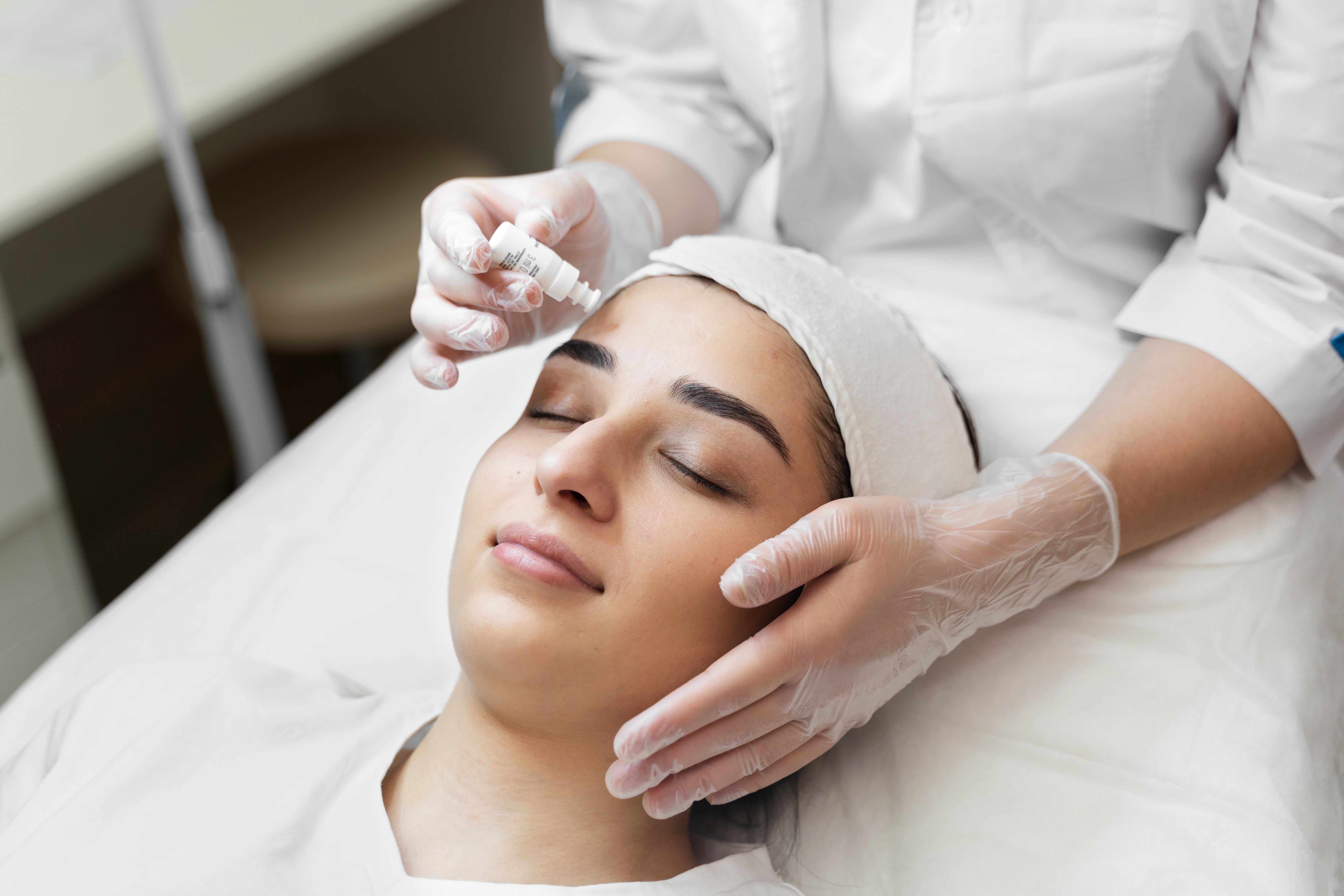
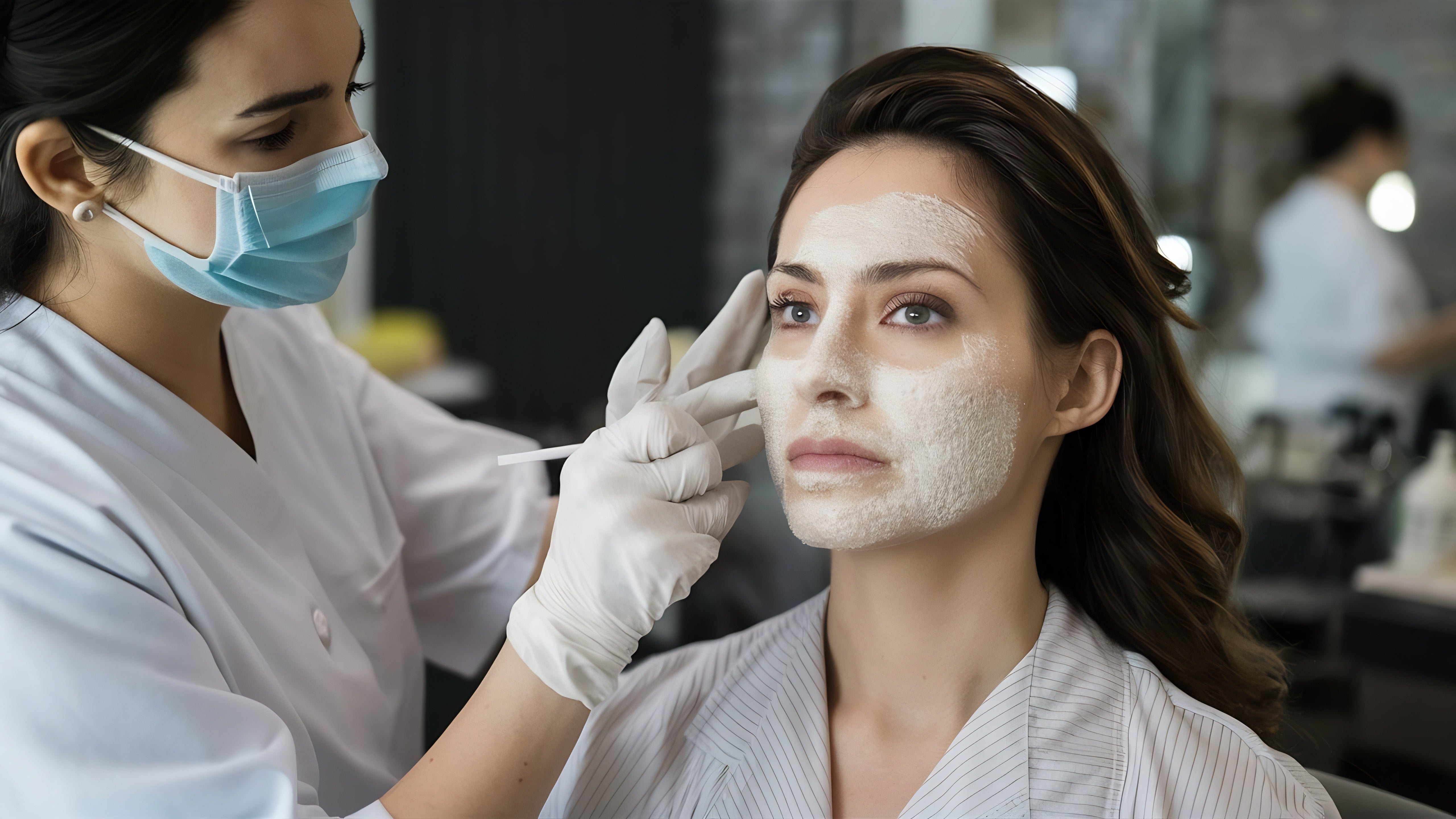
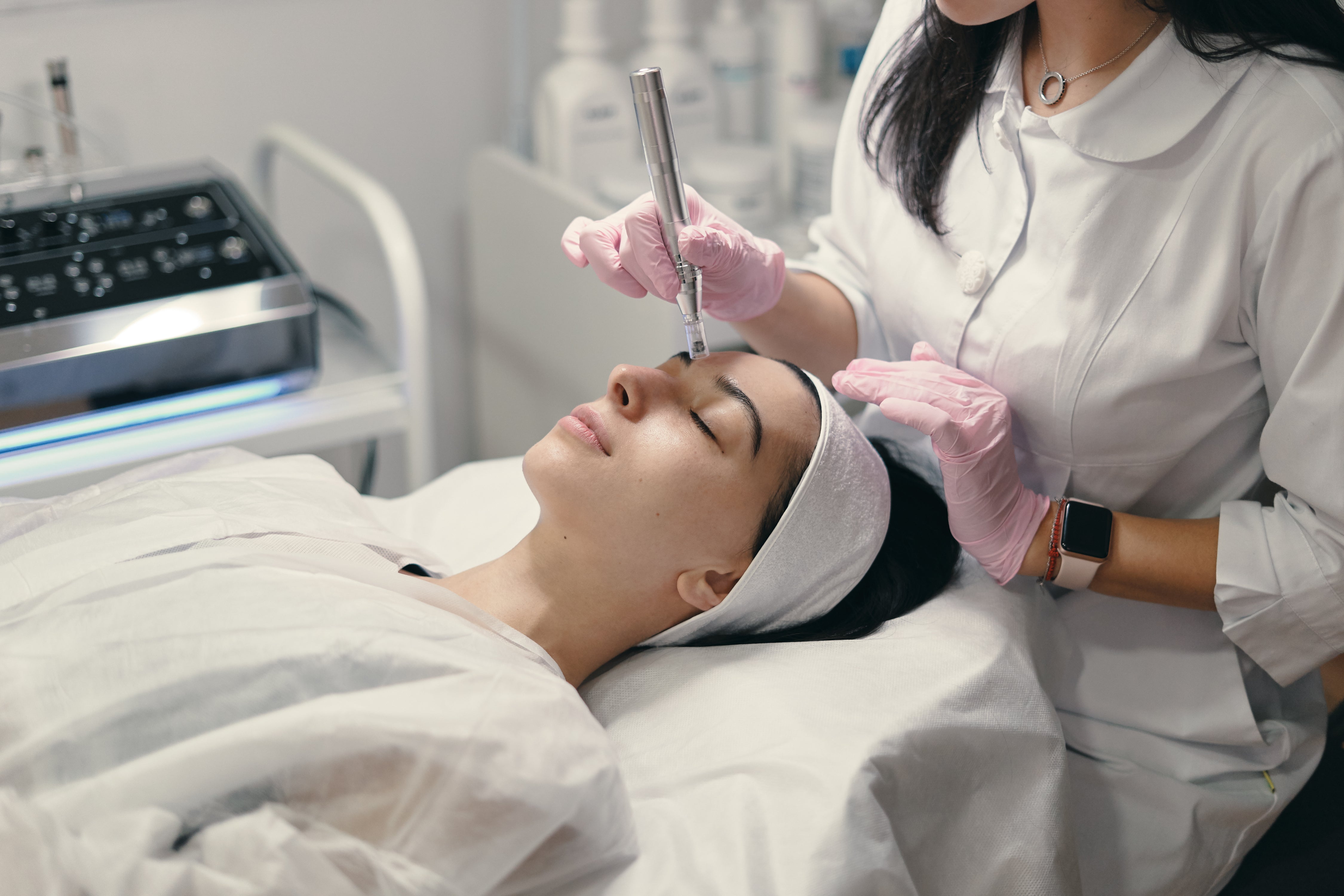
A chemical peel applies a solution that exfoliates the upper skin layers to improve texture, tone, pigmentation, acne and dullness.
Q2. What concerns can chemical peels treat?
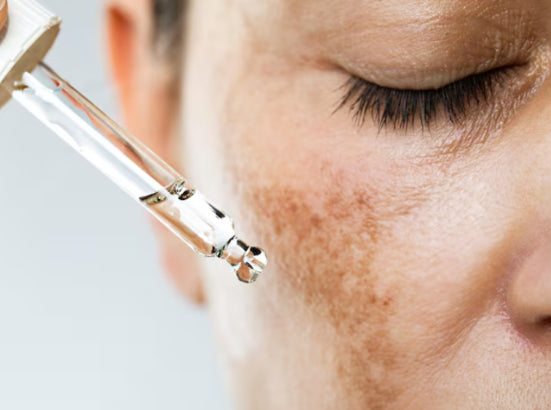
Peels help acne, acne marks, pigmentation, melasma, dull skin, uneven texture and tan, with the type chosen to match your concern.
Q3. Are chemical peels safe for Indian skin?
Yes. Allodermis selects peel types and strengths suited to Indian skin and uses careful protocols to minimize pigmentation risk.
Q4. How many peel sessions do I need?
Most concerns need a series of peels spaced weeks apart, with the exact number based on your skin and goals.
Q5. Is there downtime after a chemical peel?
Light peels have minimal downtime with mild flaking, while deeper peels may cause a few days of peeling and require sun protection.
Q6. Do chemical peels hurt?
Peels may cause brief tingling or warmth during application, which is generally well tolerated.
Q7. What aftercare is needed after a peel?
Use gentle skincare, moisturize, avoid sun and apply sunscreen diligently, and avoid picking flaking skin.
Q8. Can peels lighten my skin tone permanently?
Peels improve pigmentation and even out tone rather than permanently lightening your baseline skin color.
Q9. What is a black peel?
A black peel is a specialized peel used to control active acne and oil while improving clarity, performed under dermatologist supervision.
Q10. Where can I get a chemical peel with Allodermis?
Chemical peels are available at Allodermis Bhubaneswar, Jajpur, Gurugram and Delhi NCR clinics.