


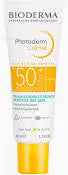
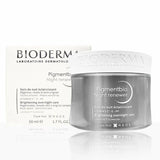
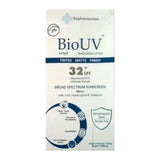
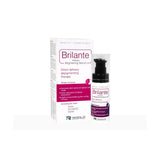
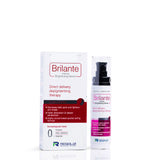







Pigmentation is a top Indian-skin concern. These answers cover melasma, hyperpigmentation, Cosmelan and dark-spot queries.
Q1. Does Allodermis treat pigmentation?
Yes. Allodermis treats hyperpigmentation, melasma, dark spots and uneven tone using peels, laser toning, Cosmelan, topical protocols and sun protection.
Q2. What causes skin pigmentation?
Pigmentation results from excess melanin triggered by sun exposure, hormones, inflammation, acne marks, genetics and friction or heat.
Q3. What is melasma?
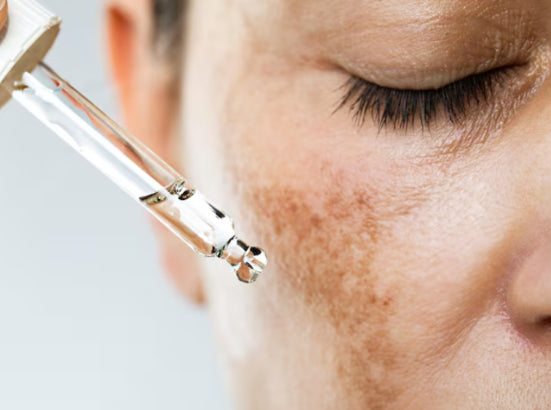
Melasma is a stubborn pigmentation pattern, often on the cheeks, forehead and upper lip, commonly driven by hormones and sun exposure, and more frequent in women.
Q4. How is melasma treated at Allodermis?
Melasma is managed with a combination of topical agents, gentle peels, laser toning, Cosmelan peel and strict sun protection, customized to reduce relapse.
Q5. What is Cosmelan peel?
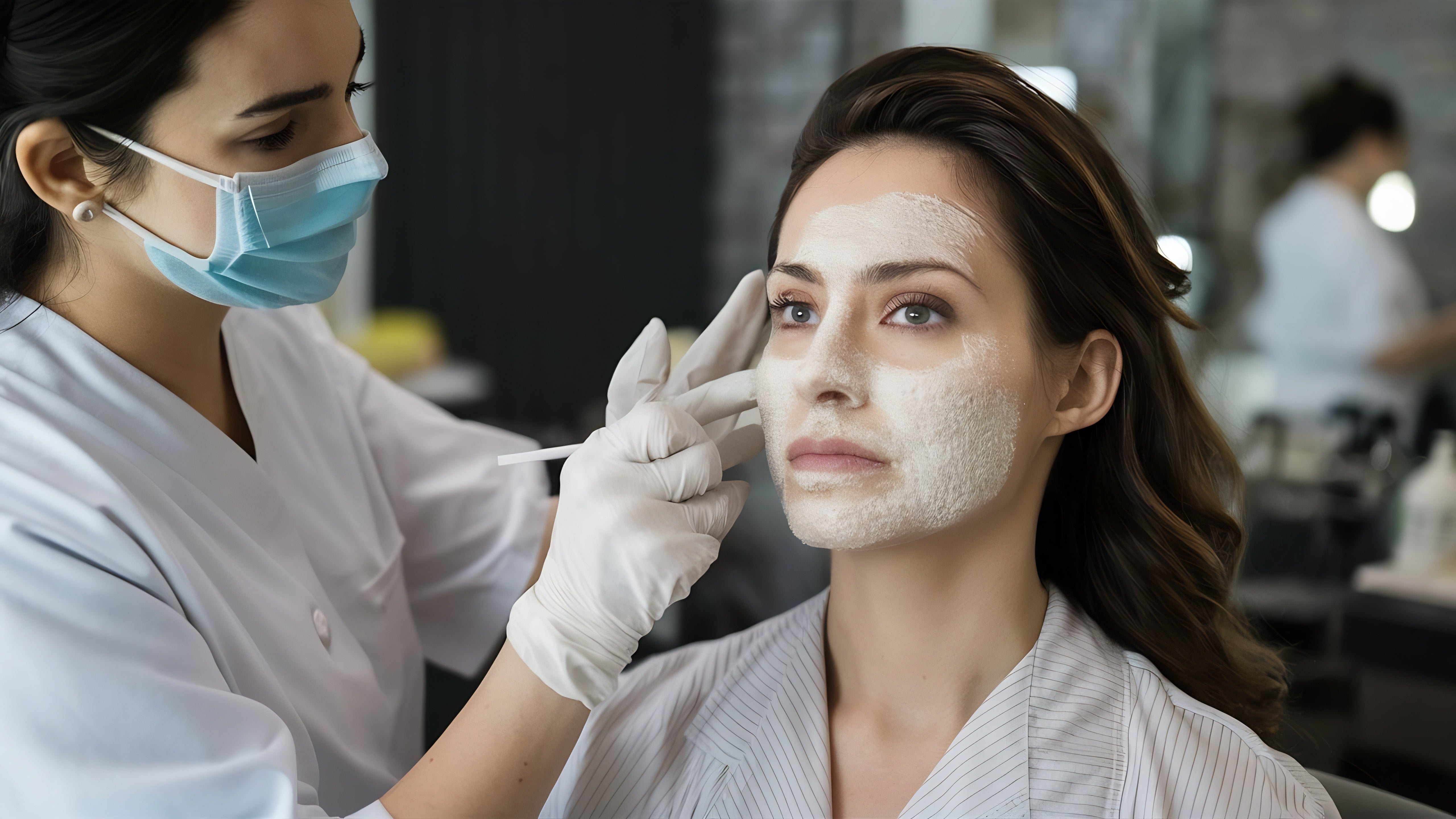
Cosmelan is a professional depigmenting peel used to reduce melasma and stubborn pigmentation. It is applied under dermatologist supervision with a structured home regimen.
Q6. What is hyperpigmentation?
Hyperpigmentation is darkening of the skin from excess melanin, including sun spots, post-acne marks and patches. Allodermis offers targeted treatment for each type.
Q7. Can dark spots from acne be removed?
Yes. Post-acne dark marks respond well to peels, laser toning, brightening actives and sun protection over a course of treatment.
Q8. What is laser toning for pigmentation?
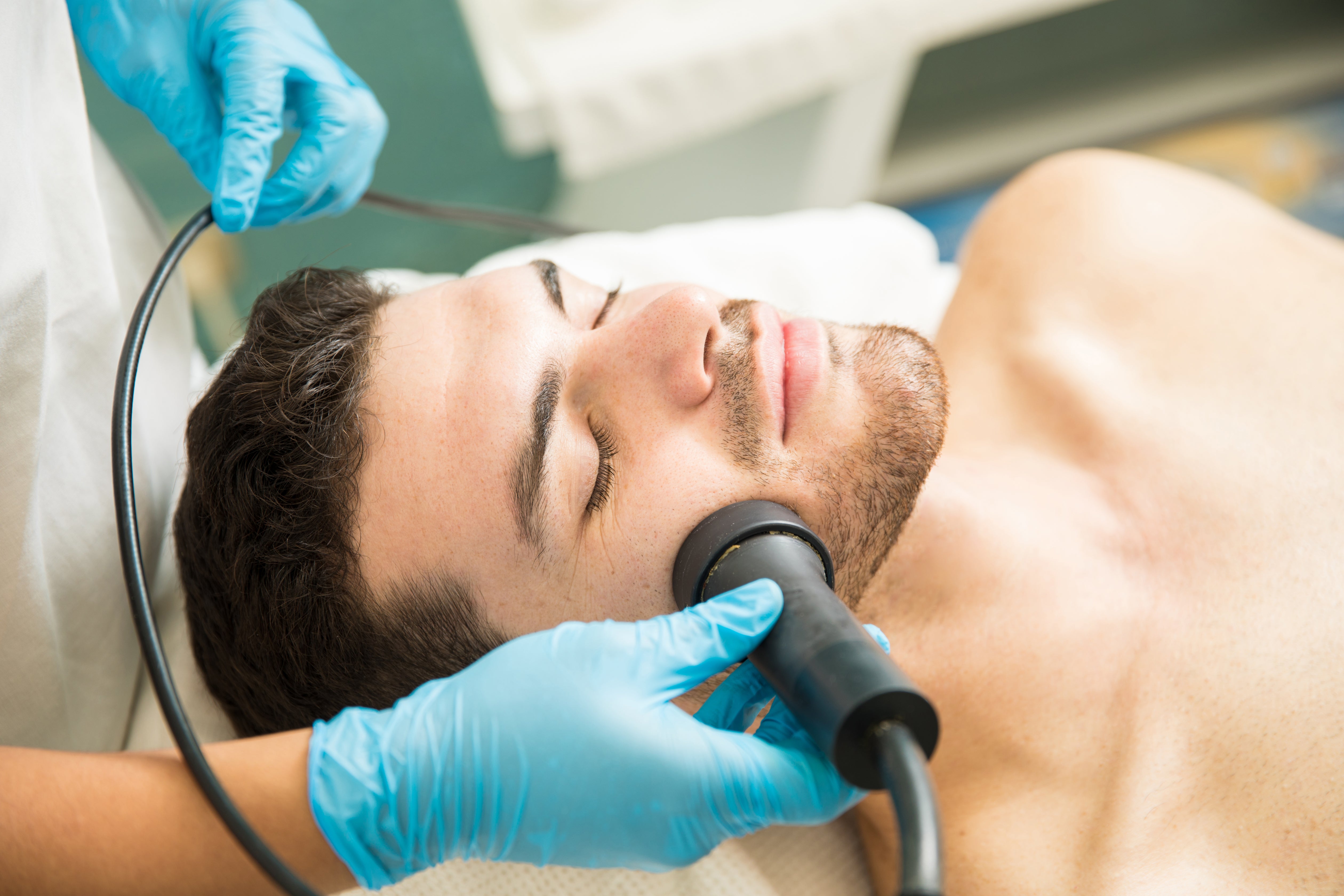
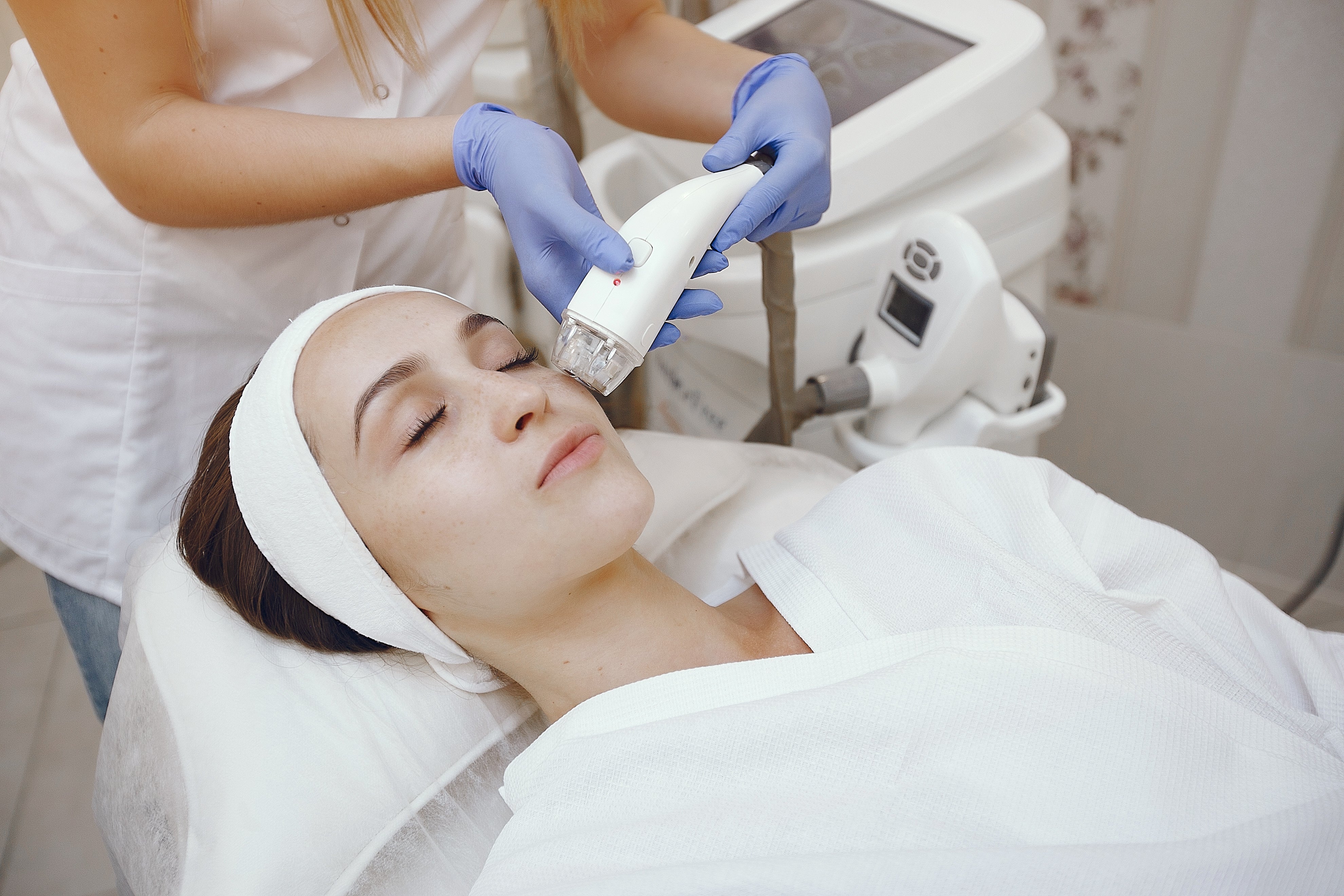
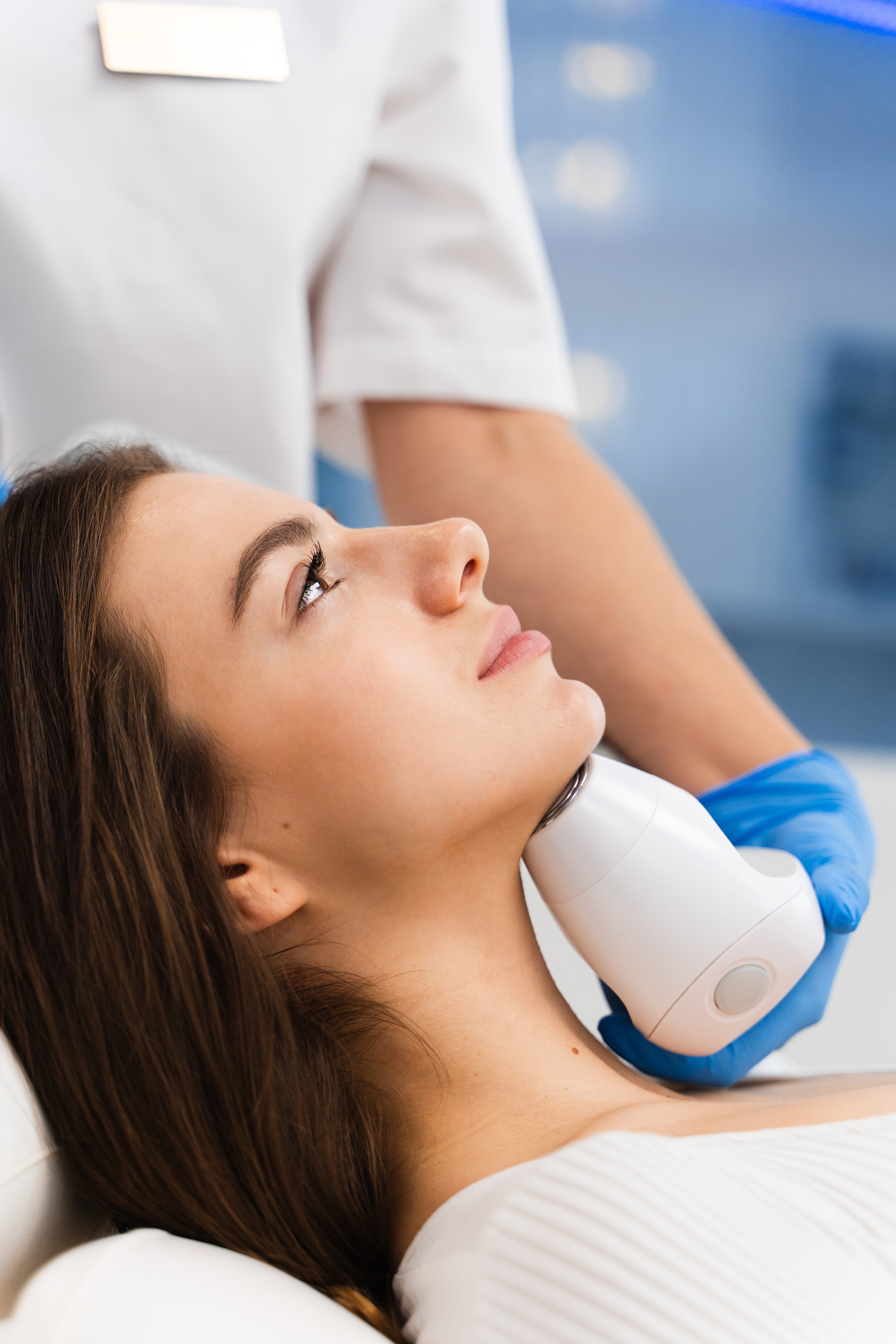
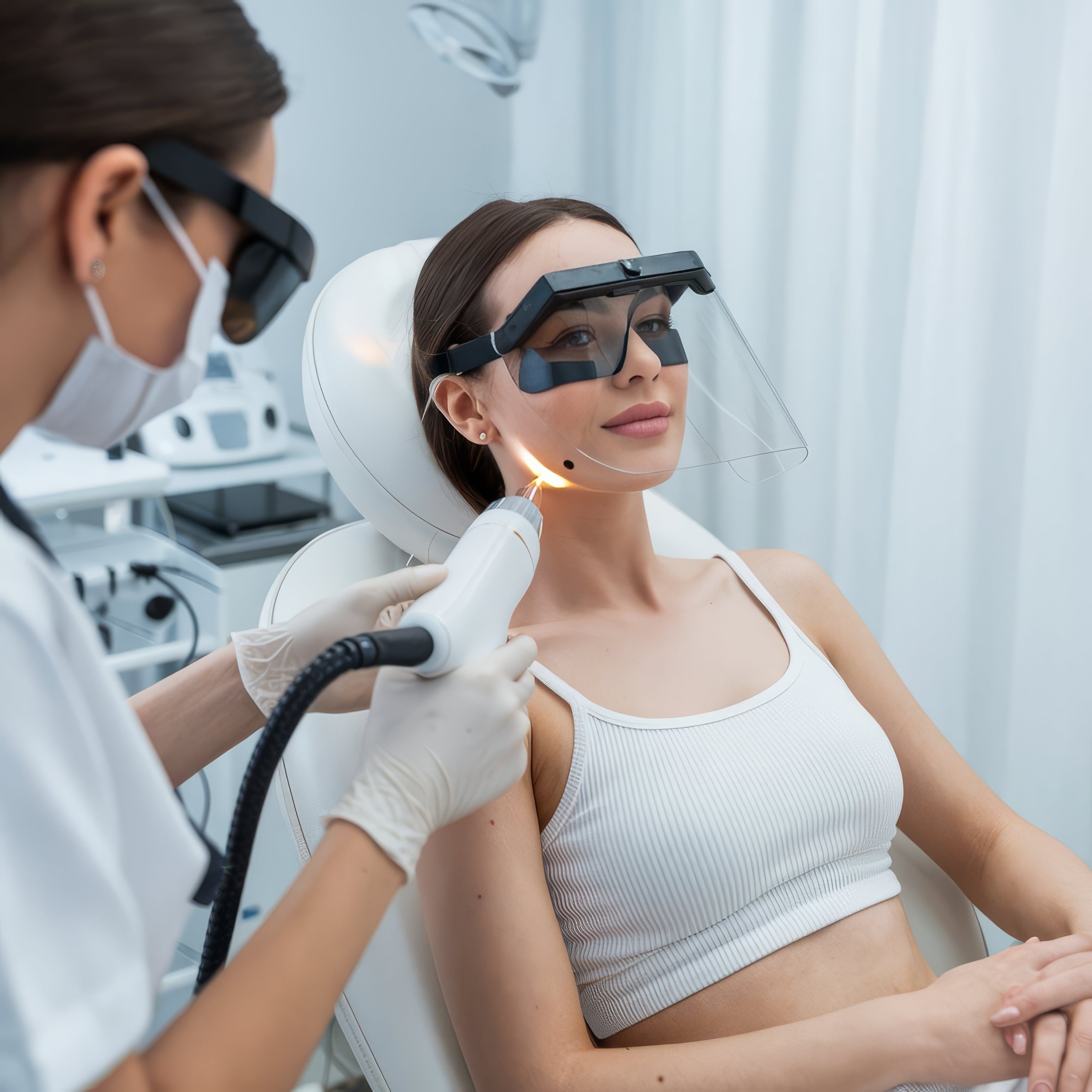
Laser toning uses a Q-switched laser to break down excess pigment gently across multiple sessions, improving tone and reducing melasma and dullness.
Q9. Can pigmentation come back after treatment?
Yes, especially melasma, which can recur with sun exposure or hormonal changes. Daily sunscreen and maintenance help keep results stable.
Q10. Why is sunscreen important for pigmentation?
Sun exposure is a major driver of pigmentation and melasma relapse. Broad-spectrum sunscreen is essential to protect results and prevent darkening.
Q11. How many sessions does pigmentation treatment take?
Pigmentation usually needs several sessions over weeks to months. Melasma in particular requires patience and maintenance for lasting improvement.
Q12. Is pigmentation treatment safe for dark skin?
Yes. Allodermis uses conservative, melanin-aware protocols and patch testing so pigmentation treatment is safe on medium and dark Indian skin.
Q13. Can men get pigmentation treatment at Allodermis?
Yes. Pigmentation, tanning and uneven tone treatments are suitable for men and women alike at Allodermis.
Q14. What is the difference between melasma and freckles?
Freckles are small, sun-induced spots often genetic, while melasma forms larger hormone-related patches. Treatment approaches differ, so a dermatologist assessment helps.
Q15. Does pigmentation treatment hurt?
Most pigmentation treatments such as peels and laser toning cause only mild warmth or tingling and are well tolerated.
Q16. Where can I get melasma treatment with Allodermis?
Melasma and pigmentation treatment is available at Allodermis Bhubaneswar, Jajpur, Gurugram and Delhi NCR, with online guidance across India.
Q17. Can pigmentation be treated with creams alone?
Mild pigmentation may improve with prescribed creams and sunscreen, but stubborn pigmentation and melasma often need in-clinic peels or laser toning for best results.
Q18. What is dull skin and can it be treated?
Dull skin looks tired and uneven due to dead cell buildup, dehydration and pigmentation. Medifacials, peels and laser toning at Allodermis restore radiance.