
























Updated on: 2026-05-17
Clinical skincare treatments can support clearer skin, smoother texture, and more consistent results when they are matched to your needs.
This guide explains how dermatology-style care works, what to expect in an evidence-based plan, and how to prepare your routine.
You will also learn practical ways to choose providers, set realistic expectations, and protect your results with long-term maintenance.
Use the step-by-step process to build a safe and structured approach that aligns with your skin goals.
1. Introduction to Clinical Skincare Treatments
2. Essential Tips for Safer, More Effective Care
3. Detailed Step-by-Step Process to Plan Treatment
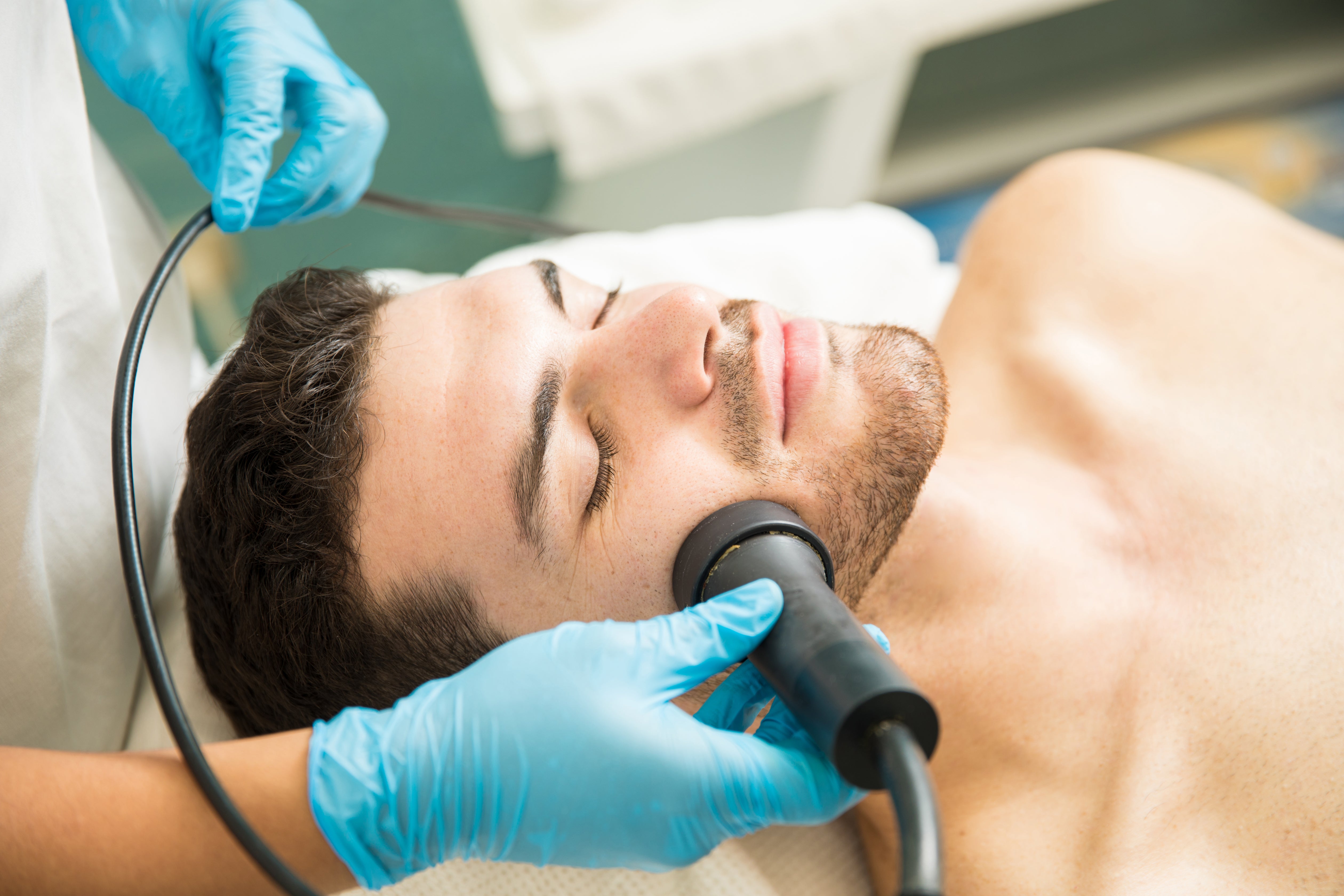
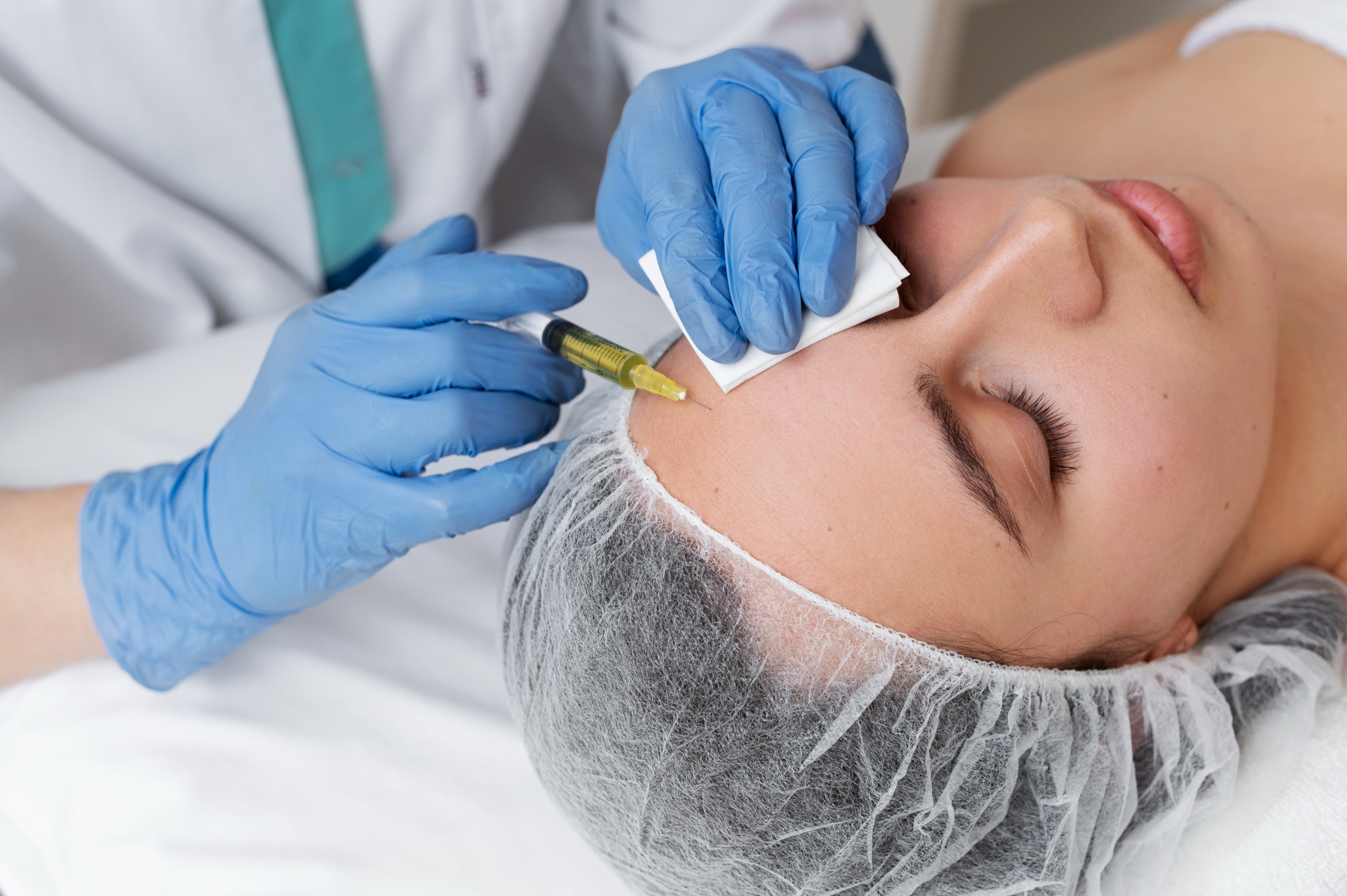
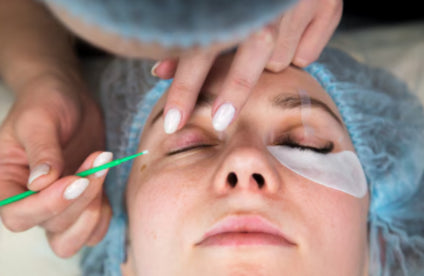
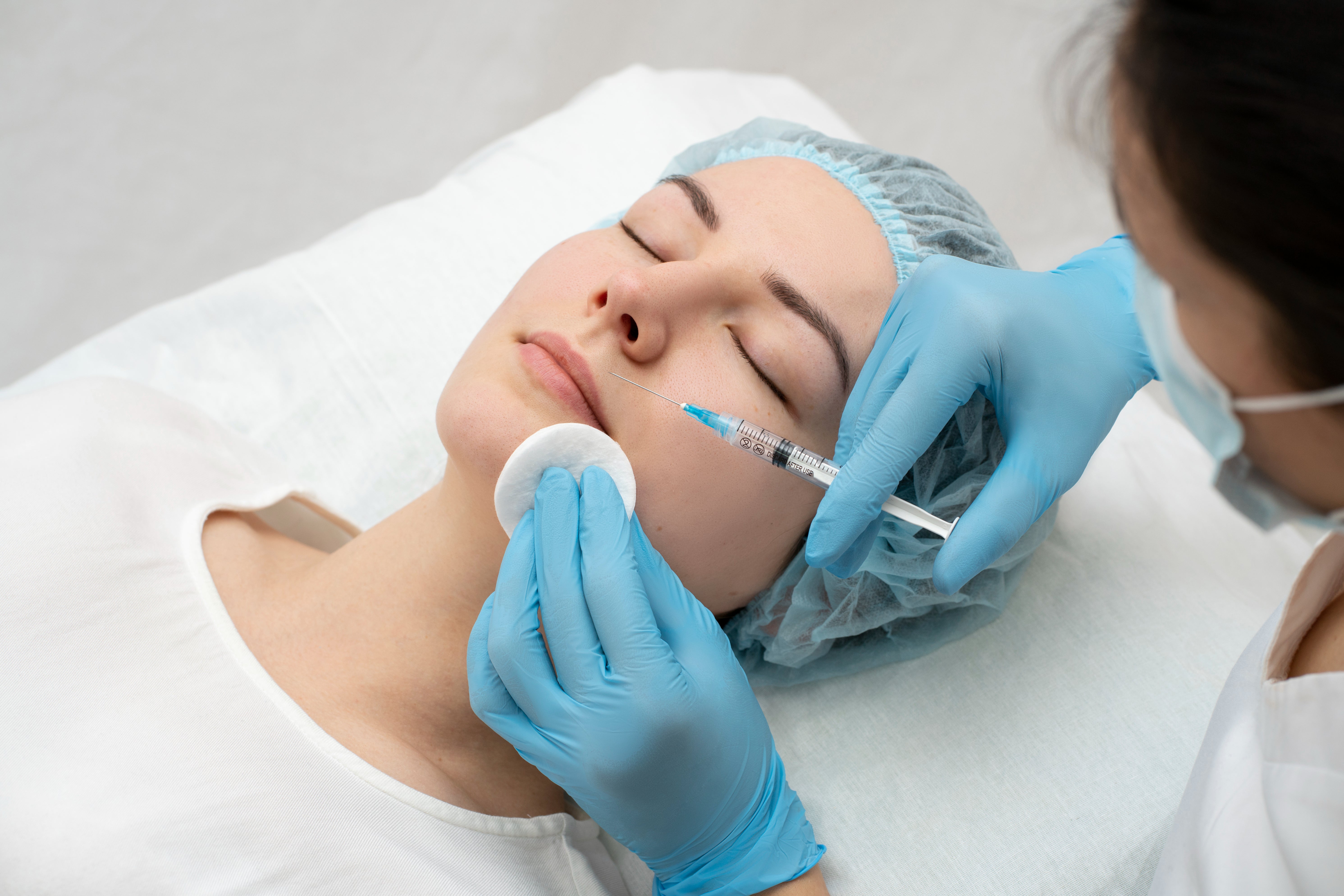
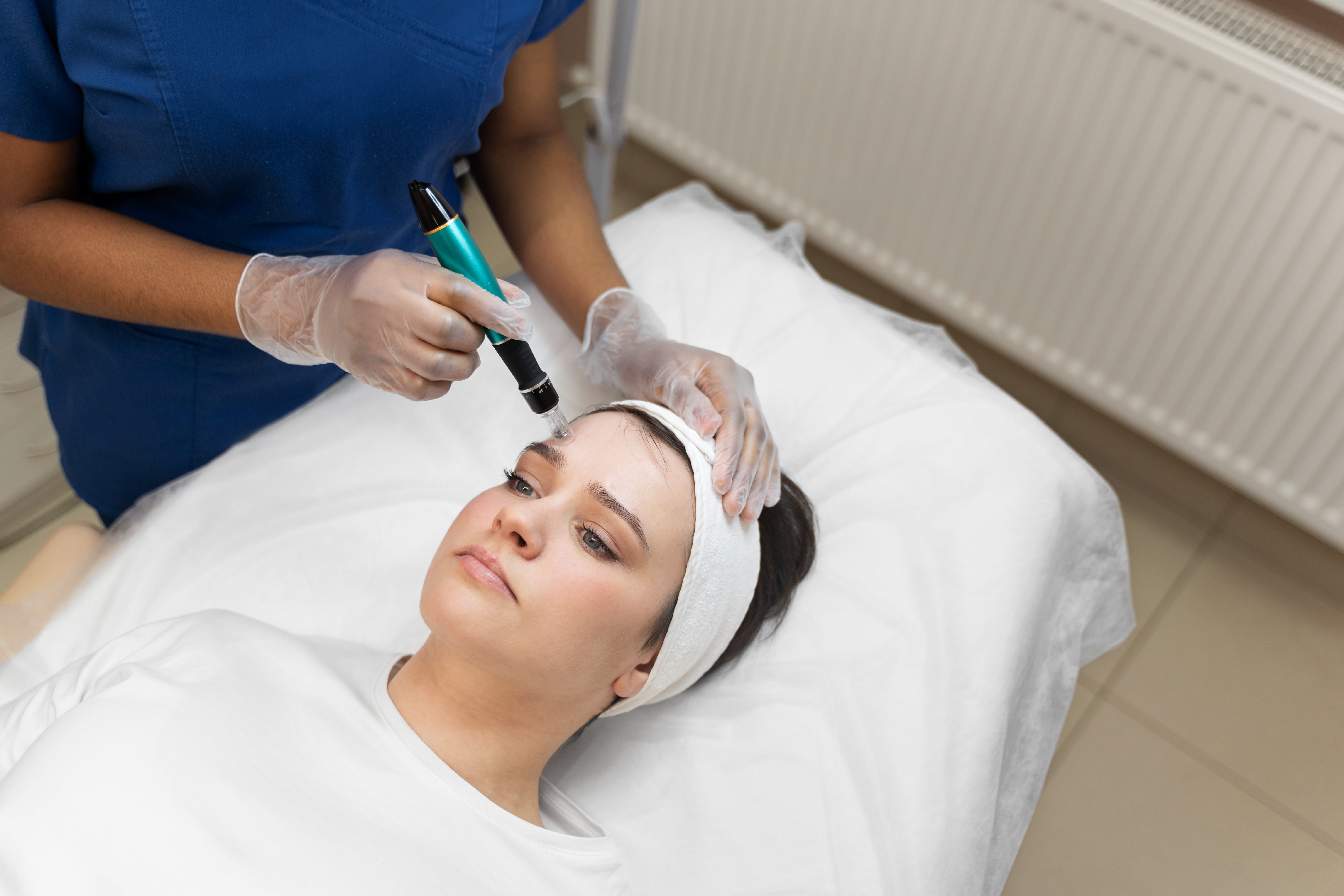
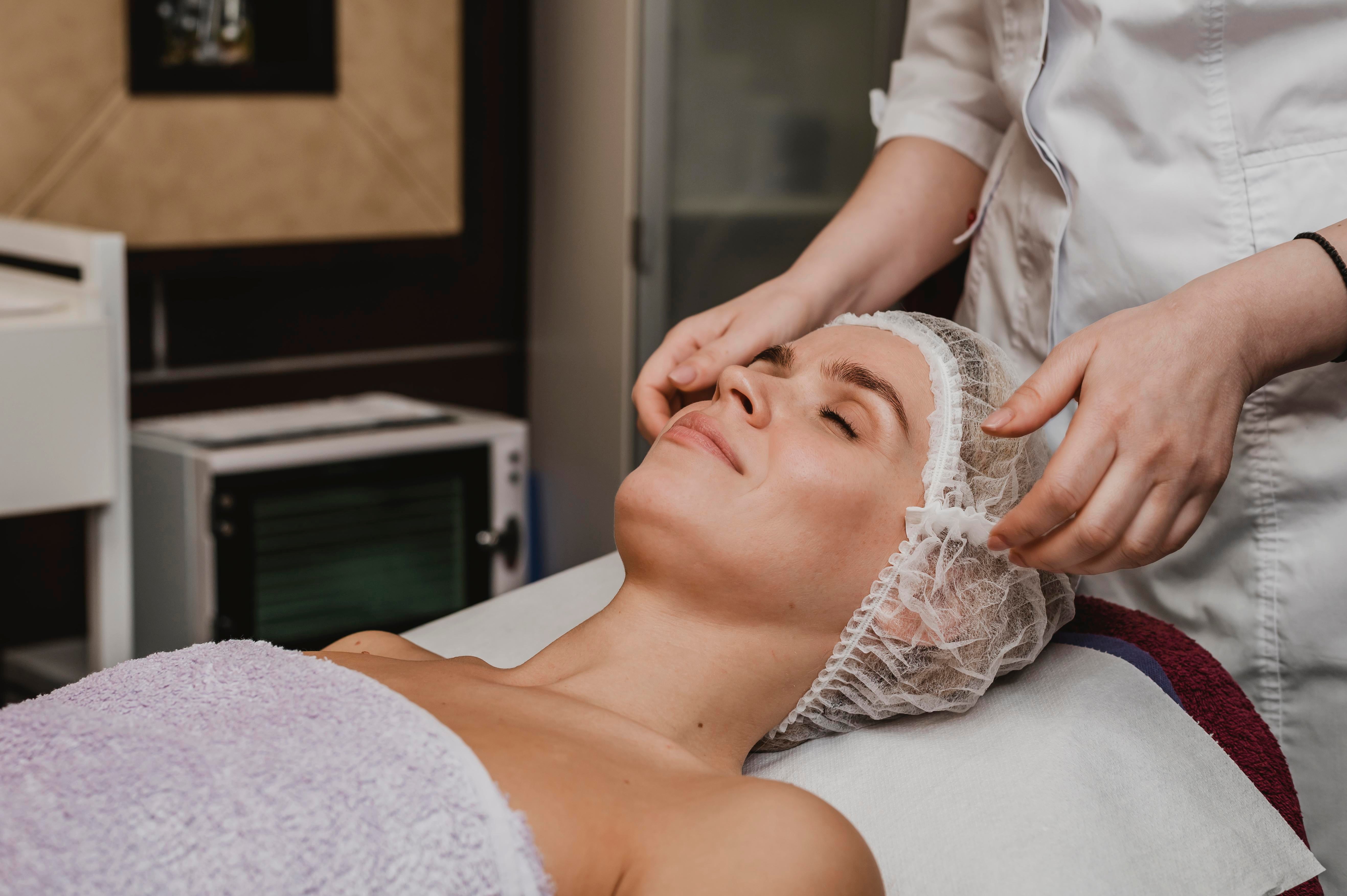
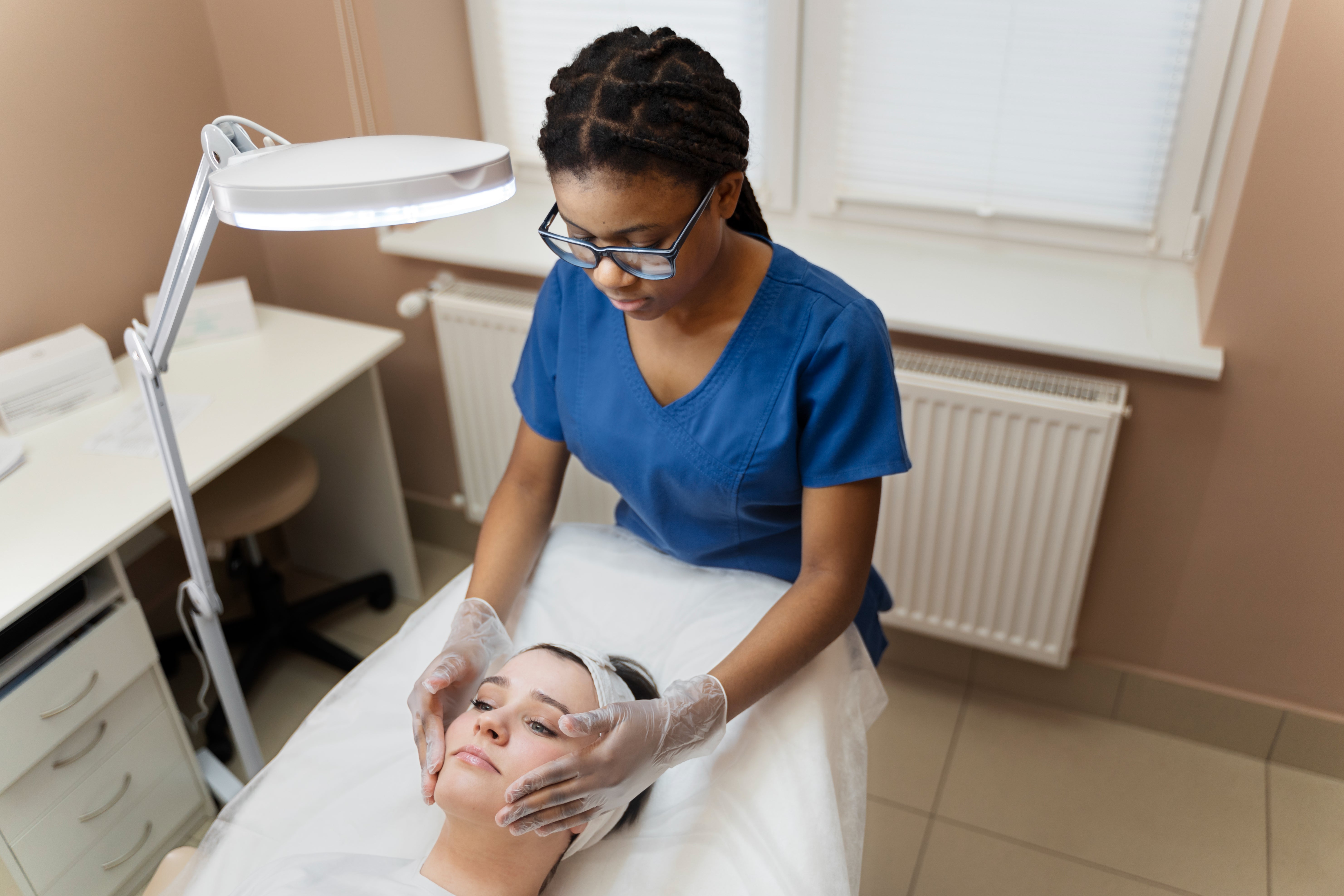
4. What to Expect During a Clinic-Based Treatment Plan
5. Maintenance and Aftercare for Long-Term Results
Introduction to Clinical Skincare Treatments
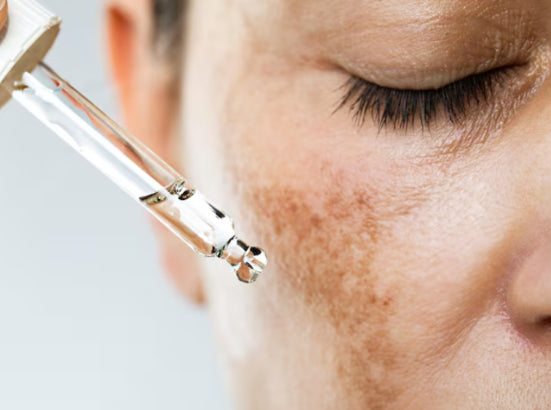
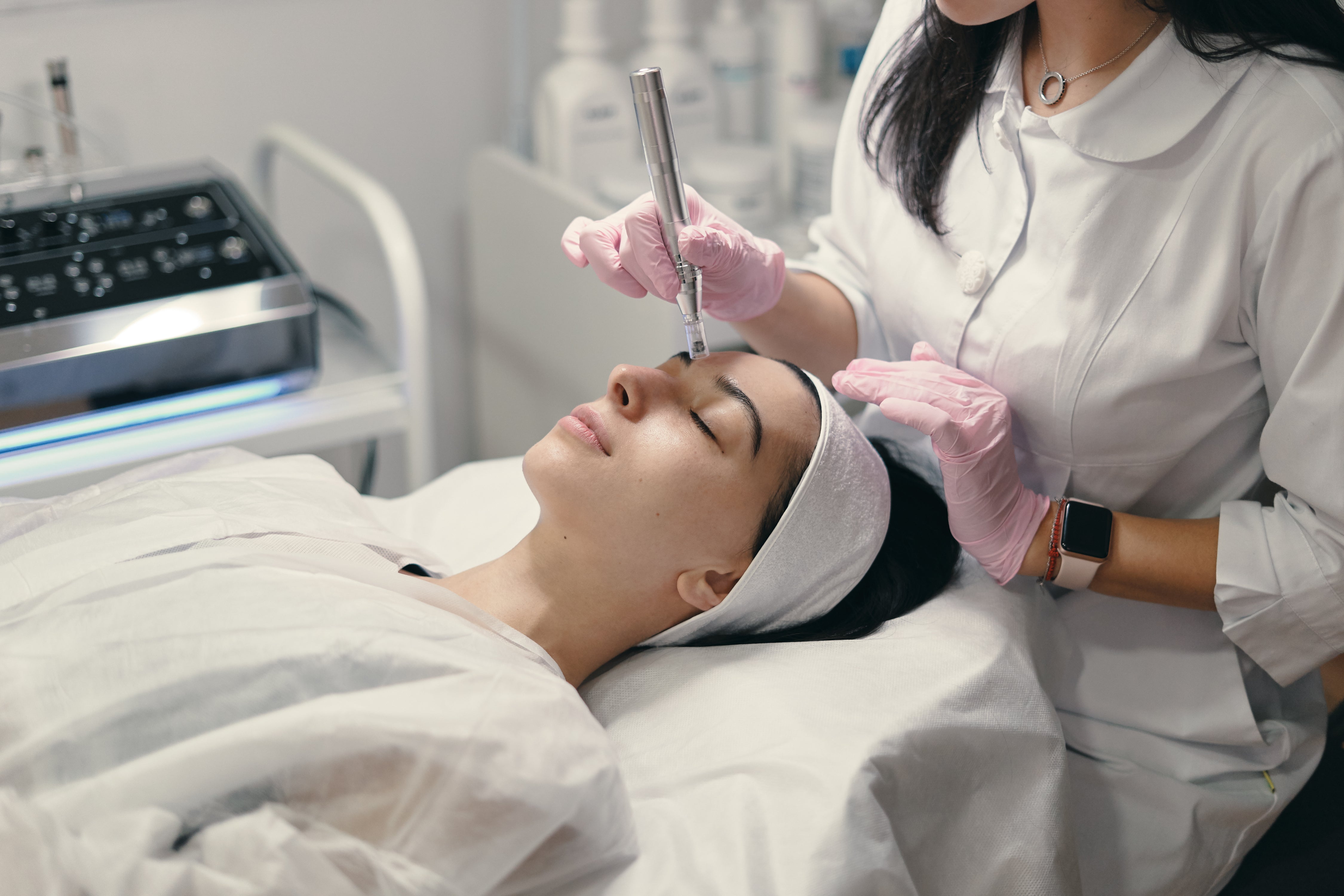
Clinical skincare treatments are structured procedures and regimens delivered or guided by trained professionals. They are designed to address specific skin concerns such as acne, pigment changes, visible pores, uneven texture, and dryness. Unlike casual at-home routines, clinical care follows a plan. That plan typically includes assessment, selection of suitable options, and follow-up adjustments based on response.
When clinical skincare treatments are implemented correctly, they can reduce trial-and-error and improve the consistency of your routine. The primary benefit is not a single instant transformation. The benefit is disciplined, repeatable progress supported by skin-safe practices, appropriate product selection, and monitoring.
In this article, you will find essential tips, a clear step-by-step framework, and a practical checklist to help you approach clinic-based skincare with confidence. You will also learn how to maintain results through sun protection, gentle cleansing, and targeted moisturization.
Essential Tips for Safer, More Effective Care
- Start with skin assessment: Note your concern, your skin type, and how your skin reacts to irritation, heat, and dryness.
- Prioritize barrier care: A stable skin barrier supports tolerance to active ingredients and reduces rebound dryness.
- Use sun protection every day: Many pigment and texture concerns worsen without consistent UV defense.
- Introduce changes one at a time: This improves your ability to identify what helps and what triggers sensitivity.
- Keep a simple, evidence-aligned routine: Focus on cleansing, moisturizing, targeted actives, and sunscreen.
- Ask about compatibility: Some procedures require specific preparation and product restrictions to reduce irritation.
- Track progress with neutral observations: Use photographs under consistent lighting to compare changes over time.
If your goals include acne control, uneven tone, or hydration support, aligning your at-home base with clinic guidance can strengthen outcomes. For cleansing, consider a gentle option such as Cetaphil Gentle Cleanser to support daily tolerance.

Checklist icons: skin barrier, sunscreen, gentle cleanser
Detailed Step-by-Step Process to Plan Treatment
A structured process helps you make better decisions and reduces the risk of mismatched treatments. Use this framework to plan clinical skincare treatments in a way that respects your skin, your schedule, and your long-term goals.
- Clarify the main concern: Choose one priority first, such as acne lesions, post-acne marks, rough texture, or sensitivity-related redness. Multiple goals can be addressed, but sequencing helps reduce confusion and irritation.
- Prepare a short skin history: Document prior reactions to skincare products, medications, and any history of eczema or frequent flares.
- Assess current routine: Identify your cleanser, moisturizer, sunscreen, and any exfoliants or retinoids. Check for too many actives at once.
- Schedule a professional evaluation: A qualified provider can determine whether your concern is inflammatory, pigment-related, or barrier-driven.
- Choose appropriate options: Based on your assessment, your plan may include supervised procedures or a clinician-led regimen. The best plan matches your skin type and tolerance.
- Build a supportive base routine: Start with a gentle cleanser, a hydrating moisturizer, and reliable UV protection. This helps your skin handle treatment demands.
- Introduce targeted actives in phases: If your plan includes active ingredients, introduce them gradually and follow clinician guidance on frequency.
- Maintain realistic expectations: Skin improvement often happens in stages. Track changes without comparing every day.
- Follow monitoring and adjustment: Treatment plans should evolve. Adjustments are normal when your skin response indicates the need for different pacing or different strengths.
Many routines benefit from hydration and controlled oil balance. If your skin shows excess oil and you need a cleanser that supports daily use, a product such as Cetaphil Oil Control Foam Wash can help create a stable cleansing step. For hydration, clinicians often recommend consistent moisturization, especially when active ingredients are introduced.
What to Expect During a Clinic-Based Treatment Plan
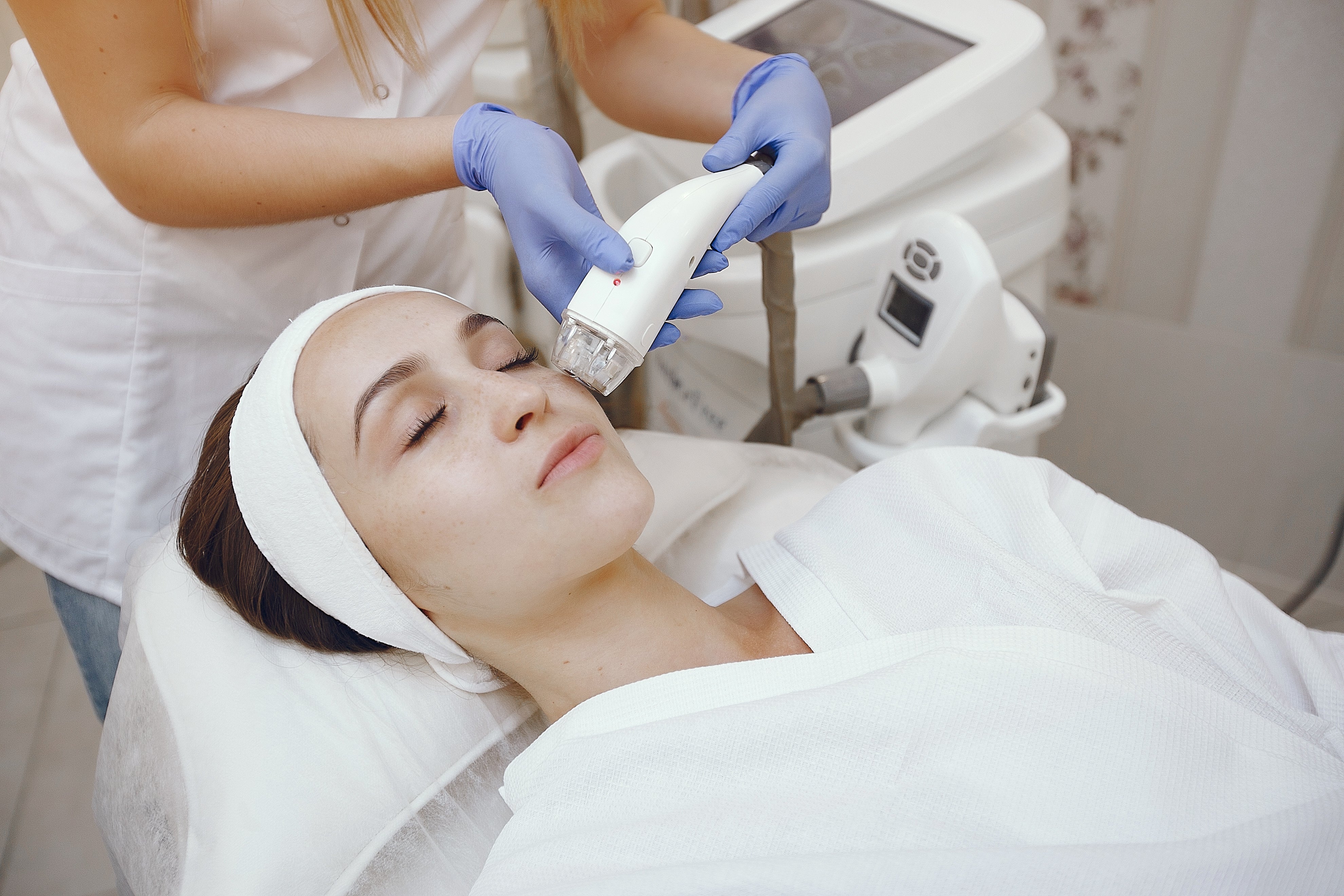
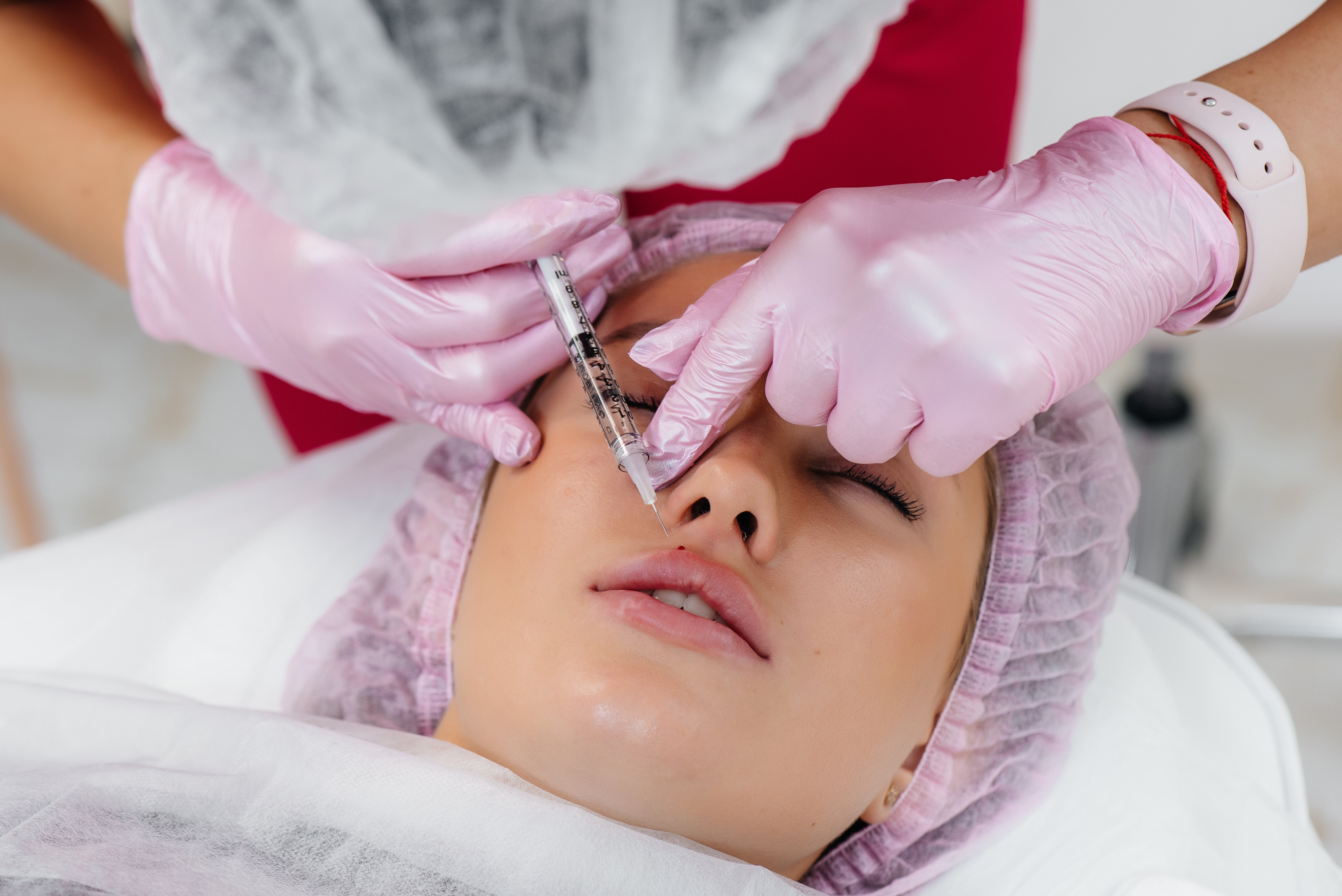
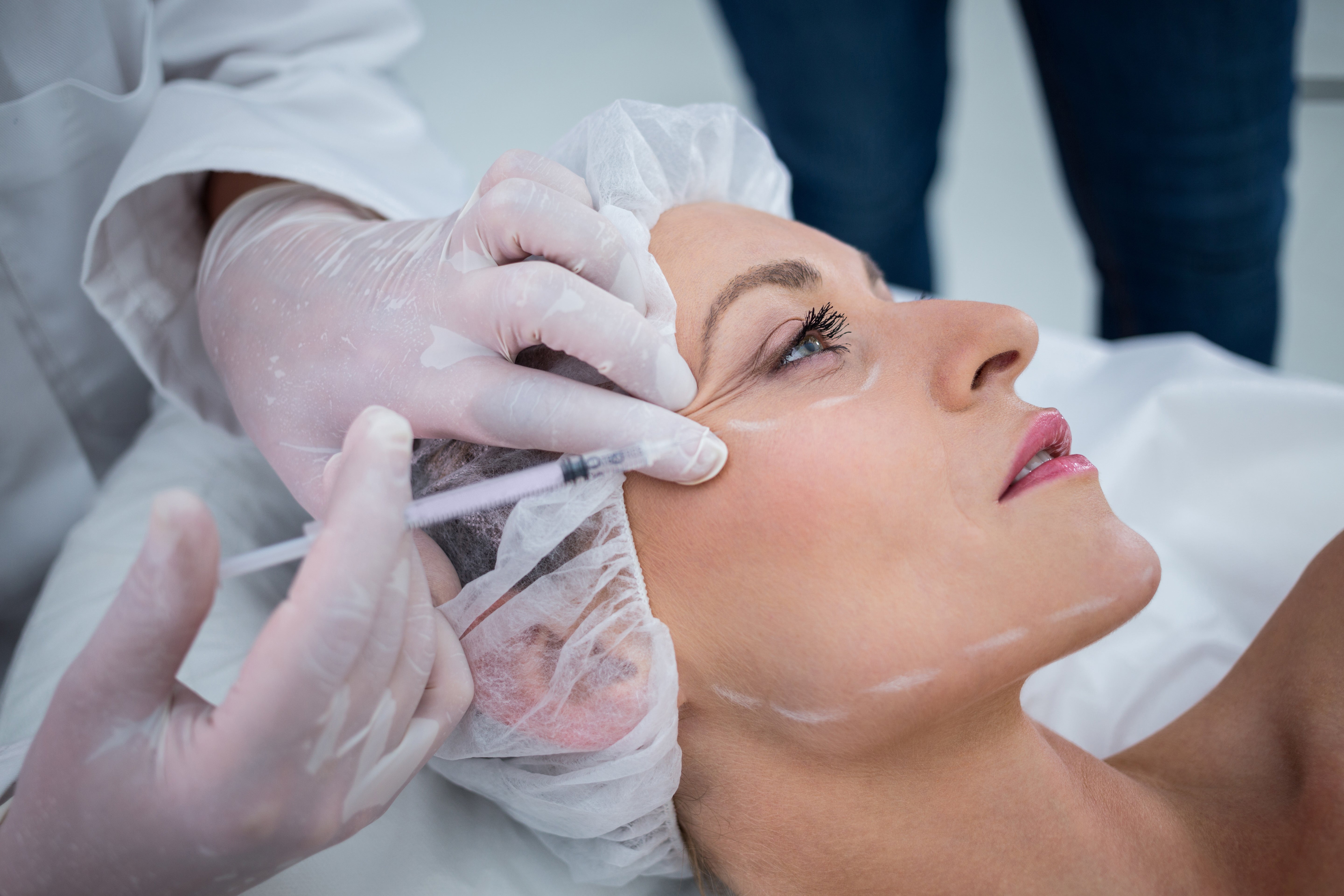
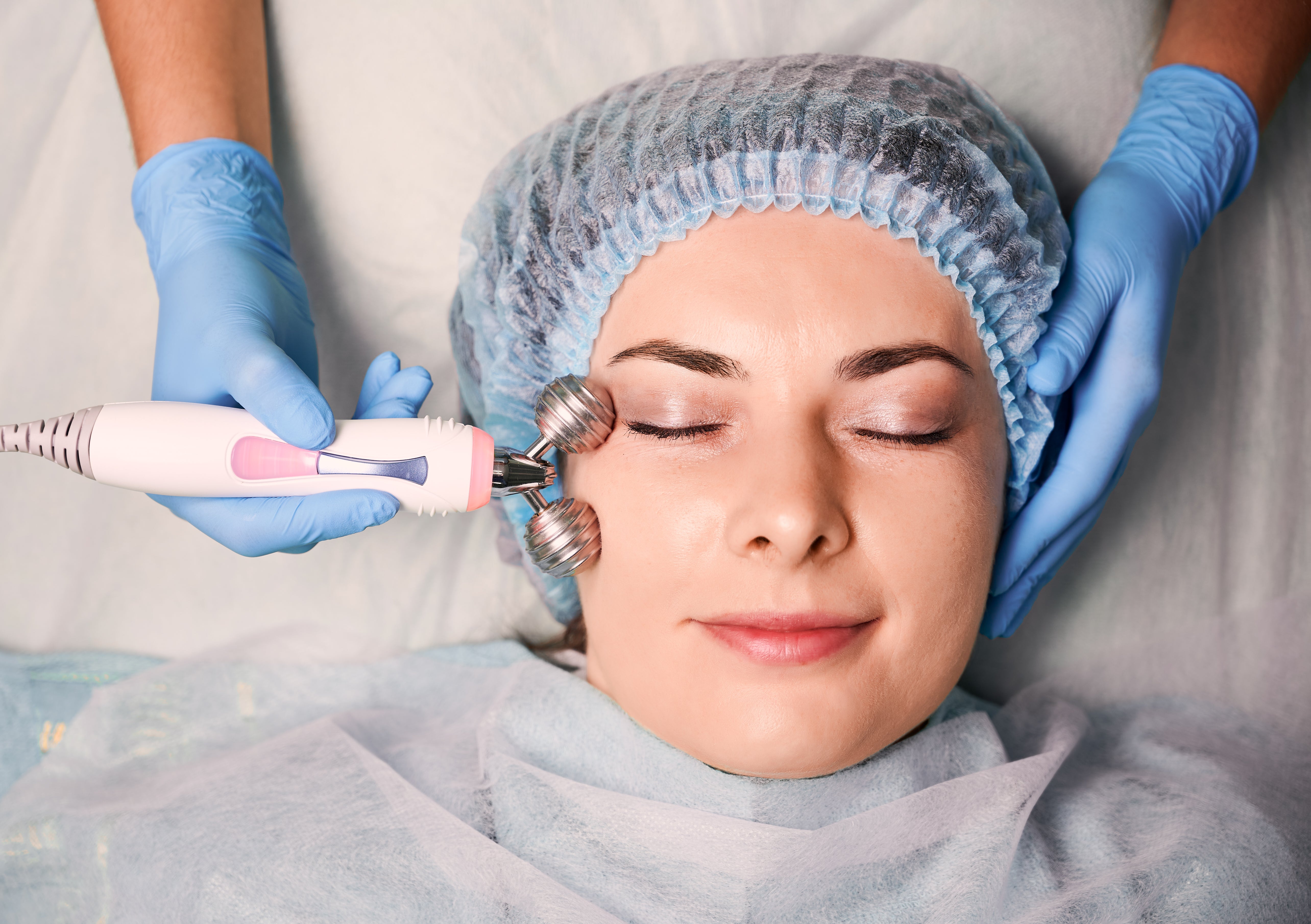
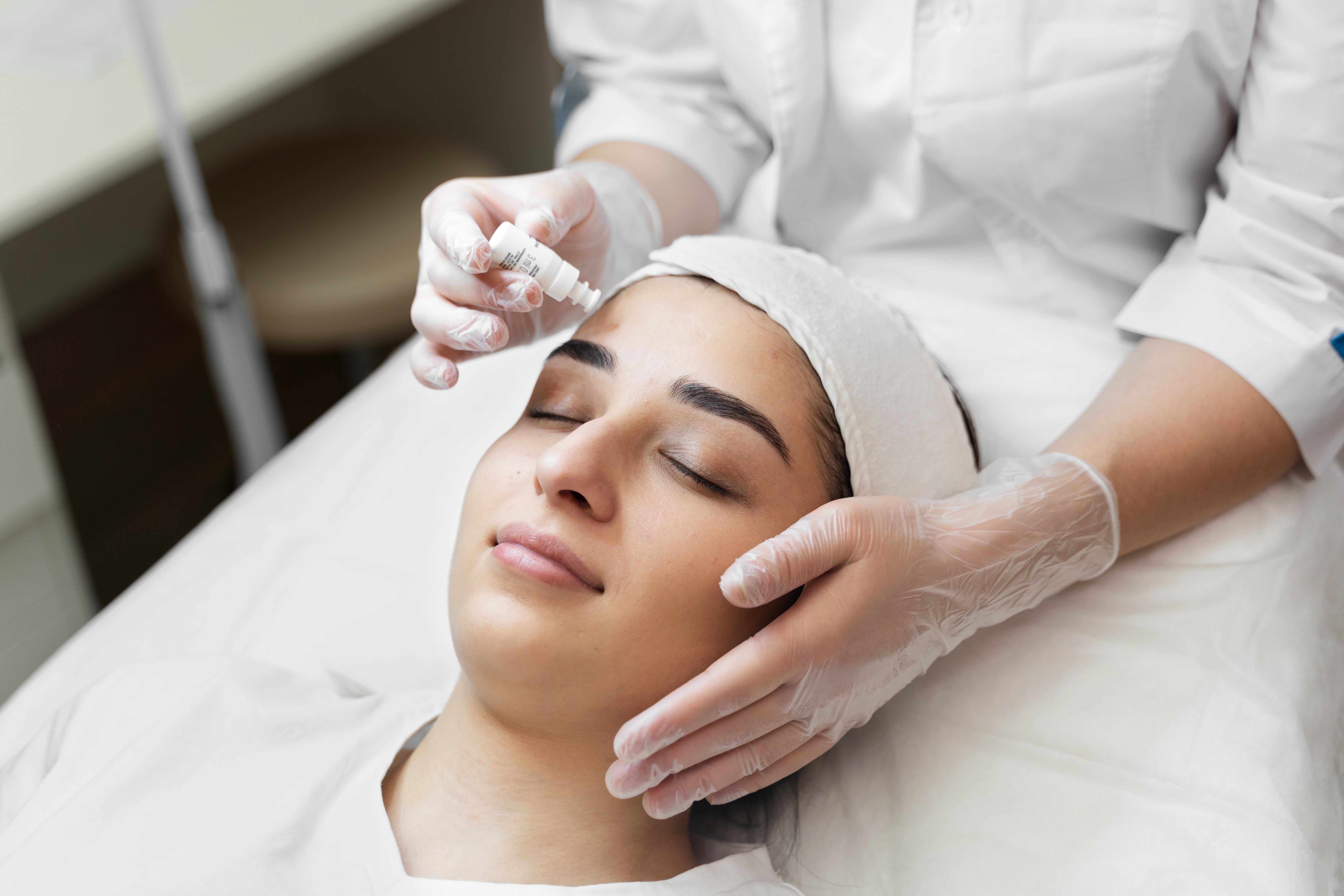
Clinical care is a coordinated workflow. Your experience will vary based on the procedure or regimen selected, your skin sensitivity, and your baseline condition. However, several patterns are common across evidence-based clinic plans.
- Assessment before action: Providers typically review skin condition, irritation risk, and potential triggers before deciding on options.
- Clear pre- and post-care instructions: You may receive a plan for cleansing frequency, active ingredient timing, and sun protection rules.
- Skin response guidance: Expect at least some adjustment in tolerance and comfort. Mild dryness or tightness can occur when active ingredients or procedures are used.
- Follow-up adjustments: Your provider may modify intensity, spacing, or product selection when your skin signals over- or under-stimulation.
- Emphasis on photoprotection: Reliable sunscreen use is often treated as a cornerstone for pigment concerns and post-treatment maintenance.
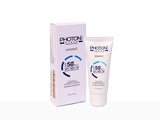
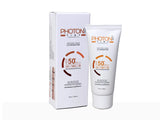
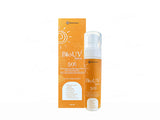
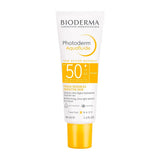
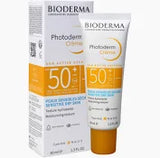
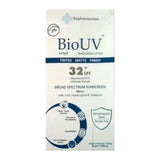
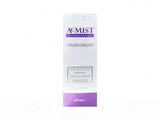
For sunscreen needs, a clinician-supported approach often includes a broad-spectrum product. If you require a daily UV shield, consider Acne UV Gel SPF 50 as an example of a sunscreen designed for daytime consistency. For additional options, another suitable direction for sun protection is Shadow Sunscreen Cream.

Before-and-after frames with consistent lighting and notes
Maintenance and Aftercare for Long-Term Results
After your clinician-led phase, your routine becomes the main driver of stability. Long-term outcomes depend on barrier support, sun defense, and targeted maintenance. In many cases, the best maintenance plan is not the most complex one. It is the most consistent one.
Use the following aftercare principles to protect your results:
- Maintain a gentle cleansing routine: Over-cleansing can worsen dryness and compromise the barrier.
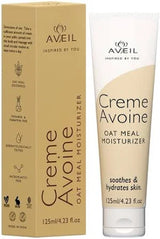
- Moisturize strategically: A moisturizer helps reduce irritation risk and supports comfort between treatments.
- Use targeted actives with appropriate pacing: Frequency matters as much as ingredient selection. A lower frequency can outperform a rushed, higher frequency.
- Protect against UV exposure: Sunscreen is essential for pigment control and helps prevent regression.
- Be cautious with stacking: Using multiple exfoliating or strong active products simultaneously can increase irritation.
- Watch for signs of intolerance: Persistent burning, severe redness, or worsening acne may indicate that the routine is too aggressive.
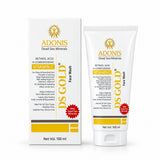
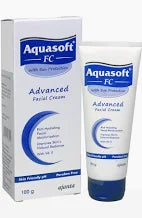
If your goal includes hydration with a clinician-directed feel, consider a hydrating lotion such as Excela Rich Facial Hydrating Lotion. For brightening-focused routines guided by professionals, you may also explore care routes that align with pigment management. For example, clinicians often recommend stable, well-tolerated actives paired with sunscreen.
When discussing acne-related concerns or texture unevenness, it is helpful to consider a routine that supports daily skin comfort. In clinic settings, providers often emphasize that consistent cleansing, gentle moisturization, and disciplined UV protection create the foundation on which other steps can work.
How to Choose a Provider and Avoid Common Errors
Quality of care matters. The provider is responsible for selecting options that match your skin profile and for guiding you through safe pacing. The safest decision is not the most aggressive one. It is the most suitable one.
What to look for in a clinic
- Transparent assessment: The provider explains what they see and why an option is appropriate.
- Individualized planning: Your plan should reflect your skin type, tolerance, and lifestyle.
- Clear guidance on home care: You should receive simple instructions for cleansing, moisturizing, actives, and sunscreen.
- Follow-up and adjustment: A good clinic plan includes review and modification based on results and comfort.
Common errors that reduce outcomes
- Skipping patch tests or gradual introductions: Sudden changes increase the risk of irritation.
- Overuse of exfoliation: Too much exfoliation can worsen barrier weakness and lead to flare-ups.
- Inconsistent sunscreen: Without daily UV protection, pigment and texture goals are harder to sustain.
- Assuming all skin types respond the same: Product tolerance varies widely among individuals.
- Chasing short-term changes: Many benefits appear progressively, and patience supports better decision-making.
If your clinic plan includes steps that involve actives, the at-home routine should support tolerance. As a supplemental option for daytime protection and comfort-focused care, you can also consider I Shield Sunscreen Cream SPF 50 PA. For hydration and balance during an active phase, a clinician-led approach often begins with barrier-friendly products.
Summary & Takeaway
Clinical skincare treatments can be effective when they follow a structured plan: assessment, suitable option selection, supportive home care, and monitoring. The most reliable outcomes come from barrier-first routines, disciplined UV protection, and gradual introduction of targeted actives.
Use the step-by-step framework to create an organized plan, avoid mismatched pacing, and track neutral progress. When you maintain aftercare consistency, your results are more likely to remain stable over time.
Q&A Section
Are clinical skincare treatments only for advanced skin concerns?
Clinical skincare treatments are often used for a wide range of concerns, from acne and post-acne marks to texture unevenness and sensitivity-related issues. The key factor is fit: your provider should match the treatment intensity and pacing to your skin profile. Many people benefit from early, structured guidance rather than waiting for severe symptoms.
What should I do if my skin becomes irritated during a treatment plan?
Discomfort can signal that pacing is too aggressive or that the barrier needs additional support. A safe approach is to pause or reduce active intensity under clinician guidance, increase gentle moisturizing, and maintain strict sun protection. It is important not to stack additional exfoliants or irritants while your skin is inflamed.
How can I maintain results after clinic-based care?
Maintenance typically includes consistent cleansing, reliable moisturizing, and daily sunscreen. Many plans also include a simplified active routine designed to support long-term control without constant high intensity. Tracking results with consistent lighting helps you evaluate whether your routine is supporting improvement or causing overexposure to irritation.
About the Author Section
Allodermis
Allodermis is a skincare-focused brand with expertise in evidence-informed routine building and barrier-friendly care strategies. The team supports customers by emphasizing practical guidance for cleanser, moisturizer, and sun protection alignment. This article reflects a professional approach to structured skincare planning and aftercare consistency. Thank you for reading.
Disclaimer: This article is for general educational purposes only and does not replace professional medical advice, diagnosis, or treatment. Individual results vary, and you should consult a qualified clinician for guidance tailored to your skin condition and personal health needs.


