











Freckles
Small, sun-induced spots that darken with exposure and fade in winter. More common in lighter skin tones, and often genetic.
Chemical peels
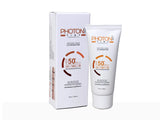
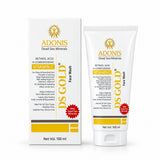
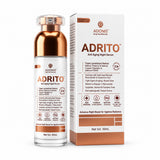
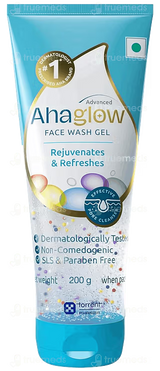
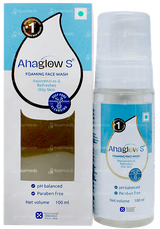
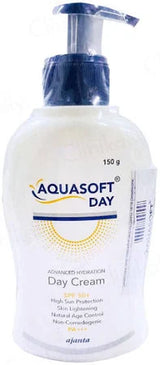





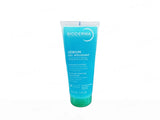
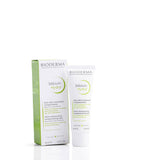
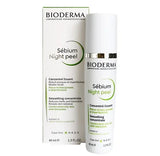

Skin Pigmentation
Hyperpigmentation is your skin responding to something — sun, inflammation, hormones, or a barrier that never fully healed. Treat the response without finding the trigger, and it comes back. We start with the trigger.

The wrong tool won't fix the wrong cause.
Every plan we write begins by identifying what is actually driving the pigment — because treating the surface without the trigger only buys a few weeks before it returns.
The Basics
Melanocytes produce melanin — the pigment that sets the colour of your skin, eyes and hair. When something overstimulates them in one area, that area darkens: dark spots, uneven patches, persistent discolouration, or a dull and uneven tone.

Clinical Classification
Depth and cause travel together. Getting this right decides whether treatment works — or wastes months.
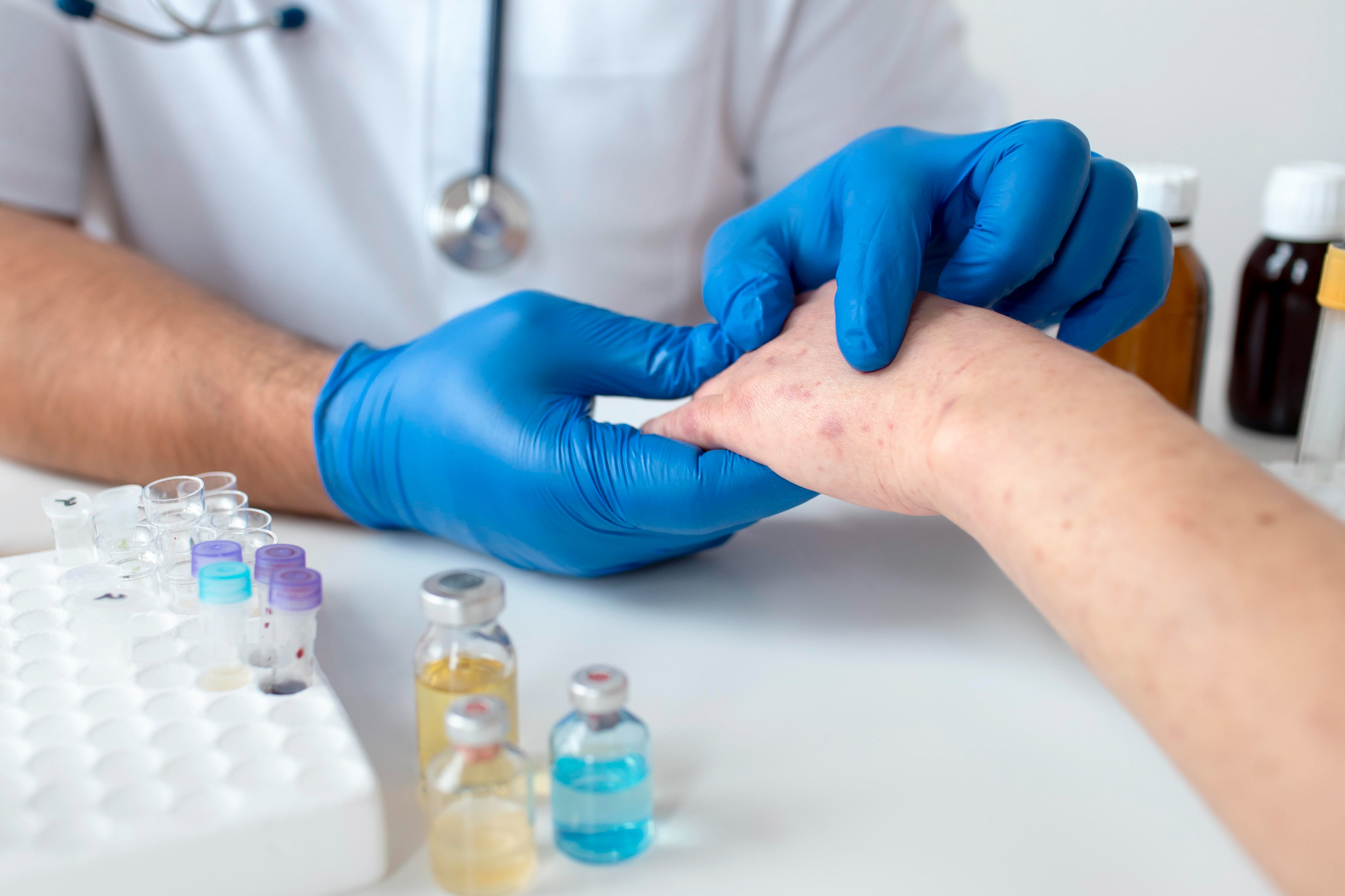
Small, sun-induced spots that darken with exposure and fade in winter. More common in lighter skin tones, and often genetic.
Chemical peelsThe mark acne, injury or irritation leaves behind. The most common form in Indian skin — and the most preventable, if the inflammation is controlled early.
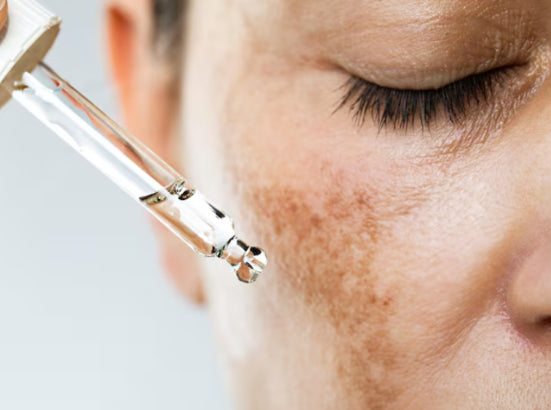
Peels + topicalsSymmetrical patches across cheeks, forehead or upper lip, driven by hormones and worsened by sun. Manageable, but it needs maintenance rather than a one-time fix.
Laser toning + topicalsWell-defined dark spots from years of UV exposure, usually on the face, hands and forearms. Also called solar lentigines.
Q-Switched laser toningRoot Causes
Most patients present with several of these acting together — which is why single-cause explanations rarely hold up.
Higher Risk
If you recognise yourself in more than one of these, prevention matters as much as treatment does.
Daily Care
Advanced Treatment
Every option below treats a specific pigmentation type. Note which one applies to you — then let the assessment confirm it.
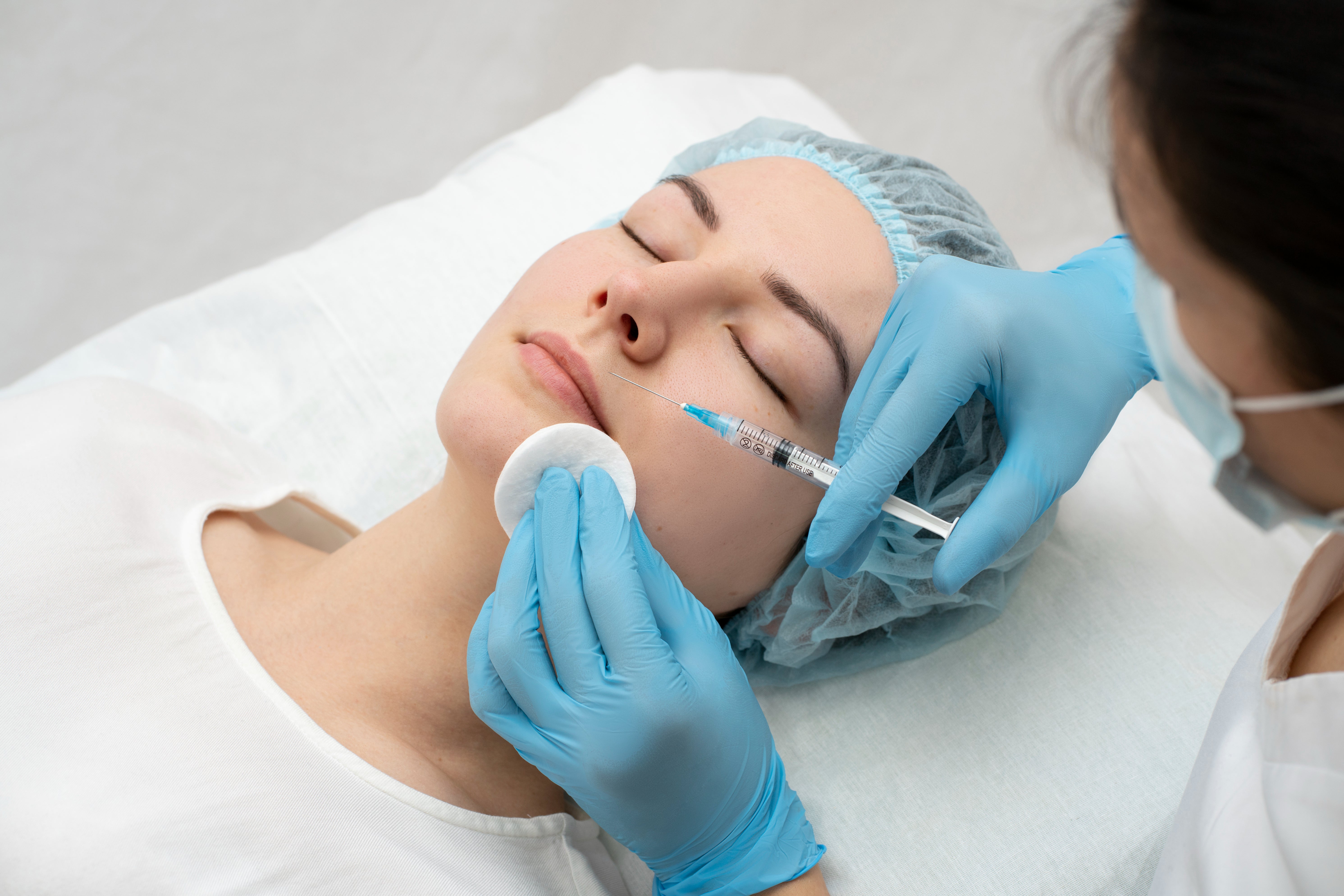
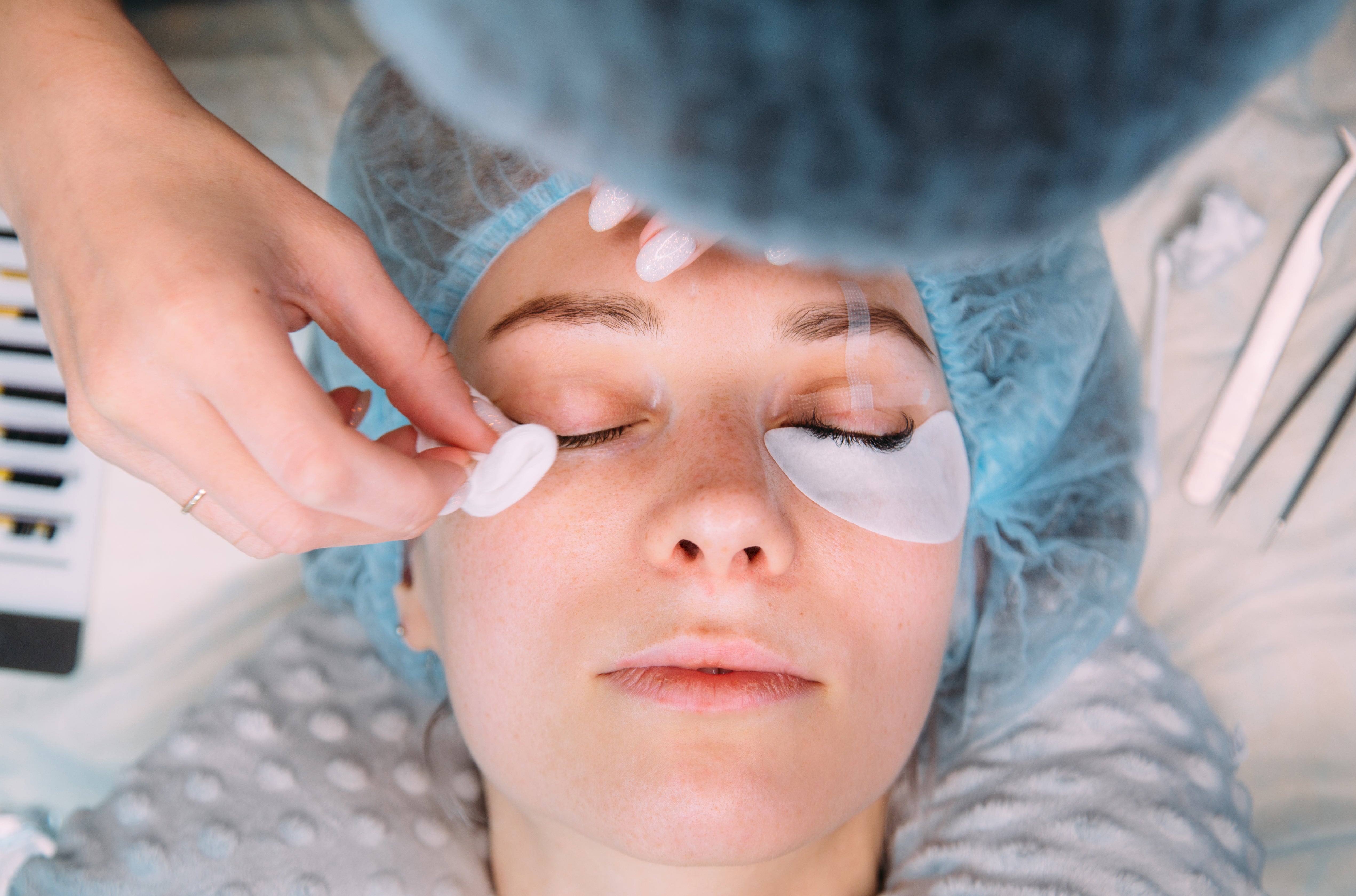
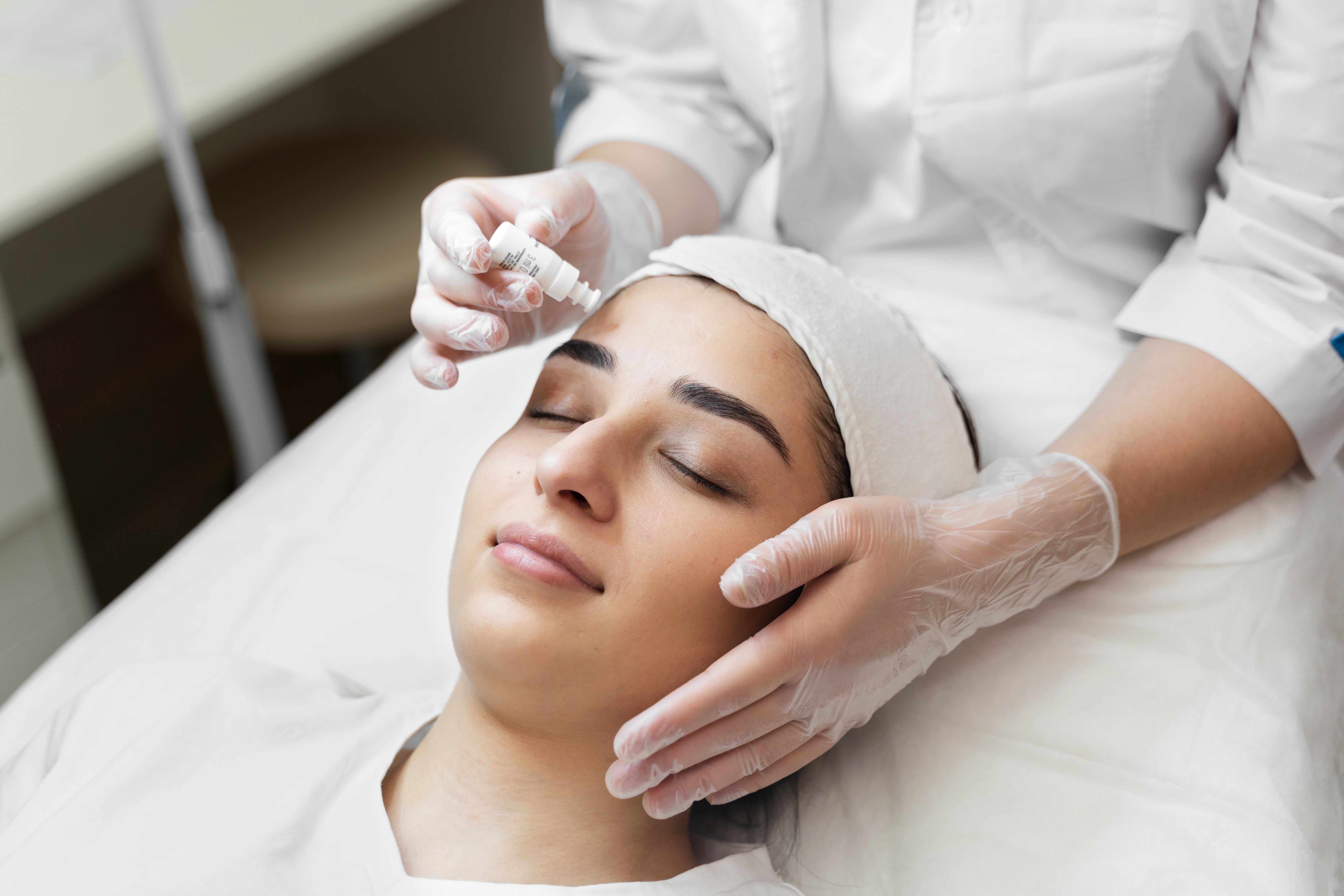
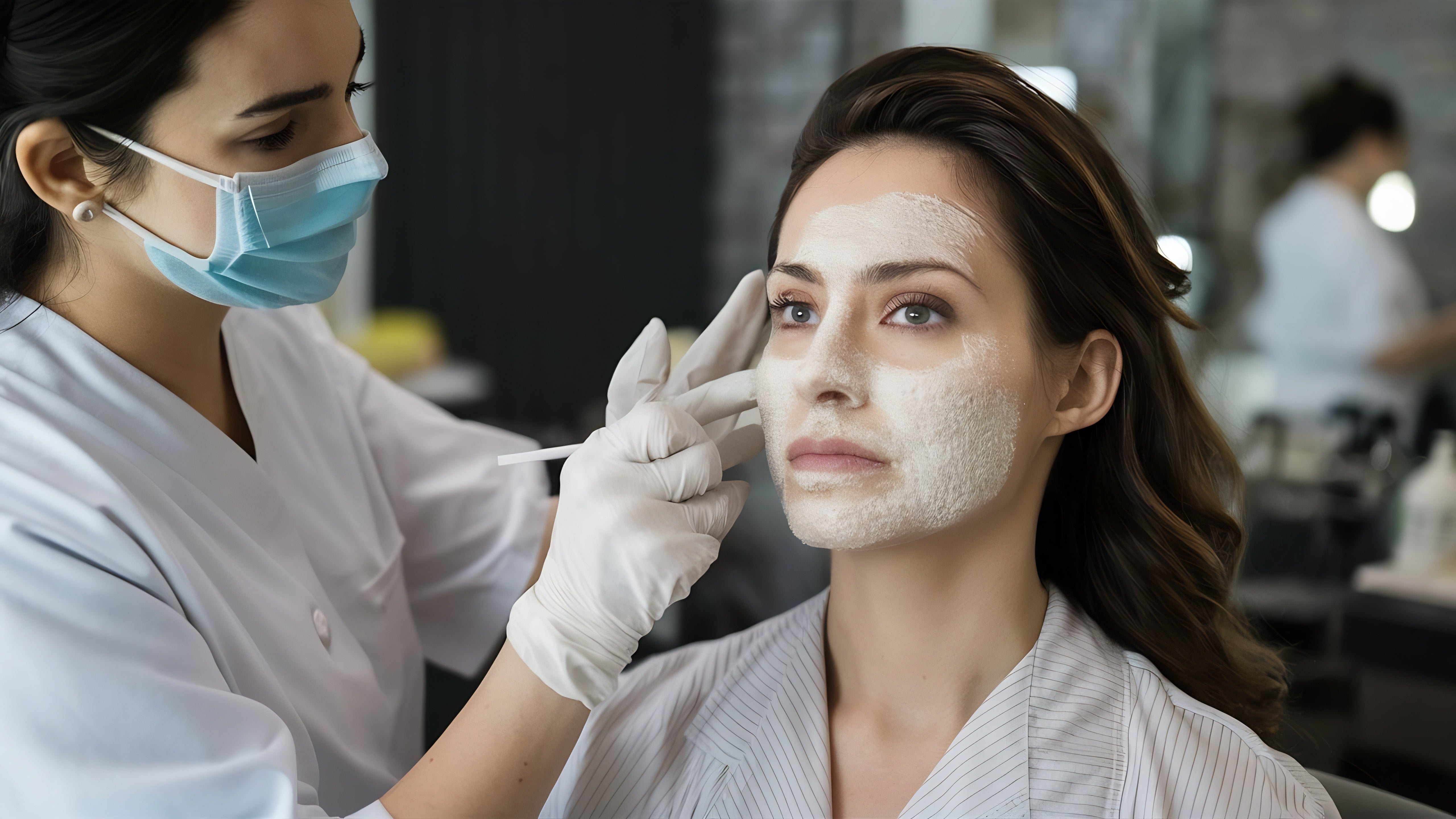
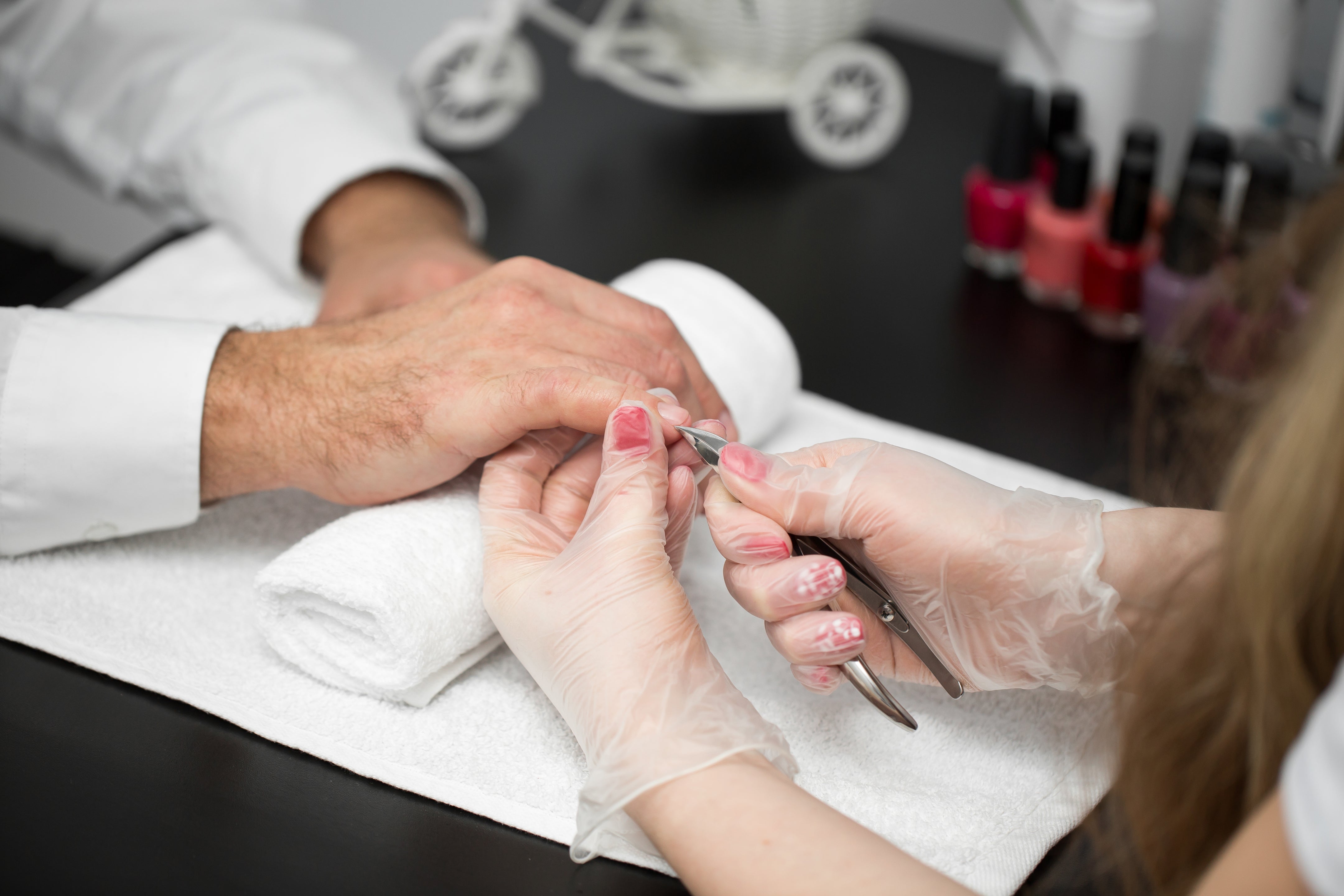
Controlled exfoliation that removes pigmented layers and stimulates renewal. Strength and acid are selected for your skin type, never applied off a standard menu.
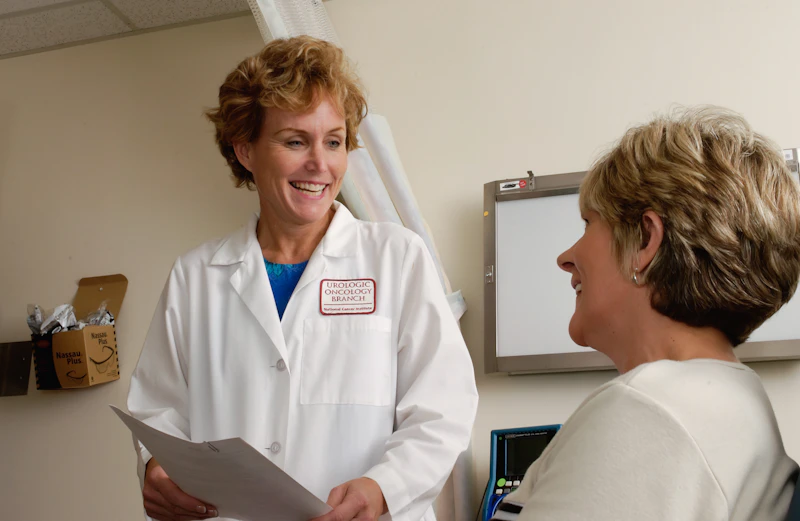
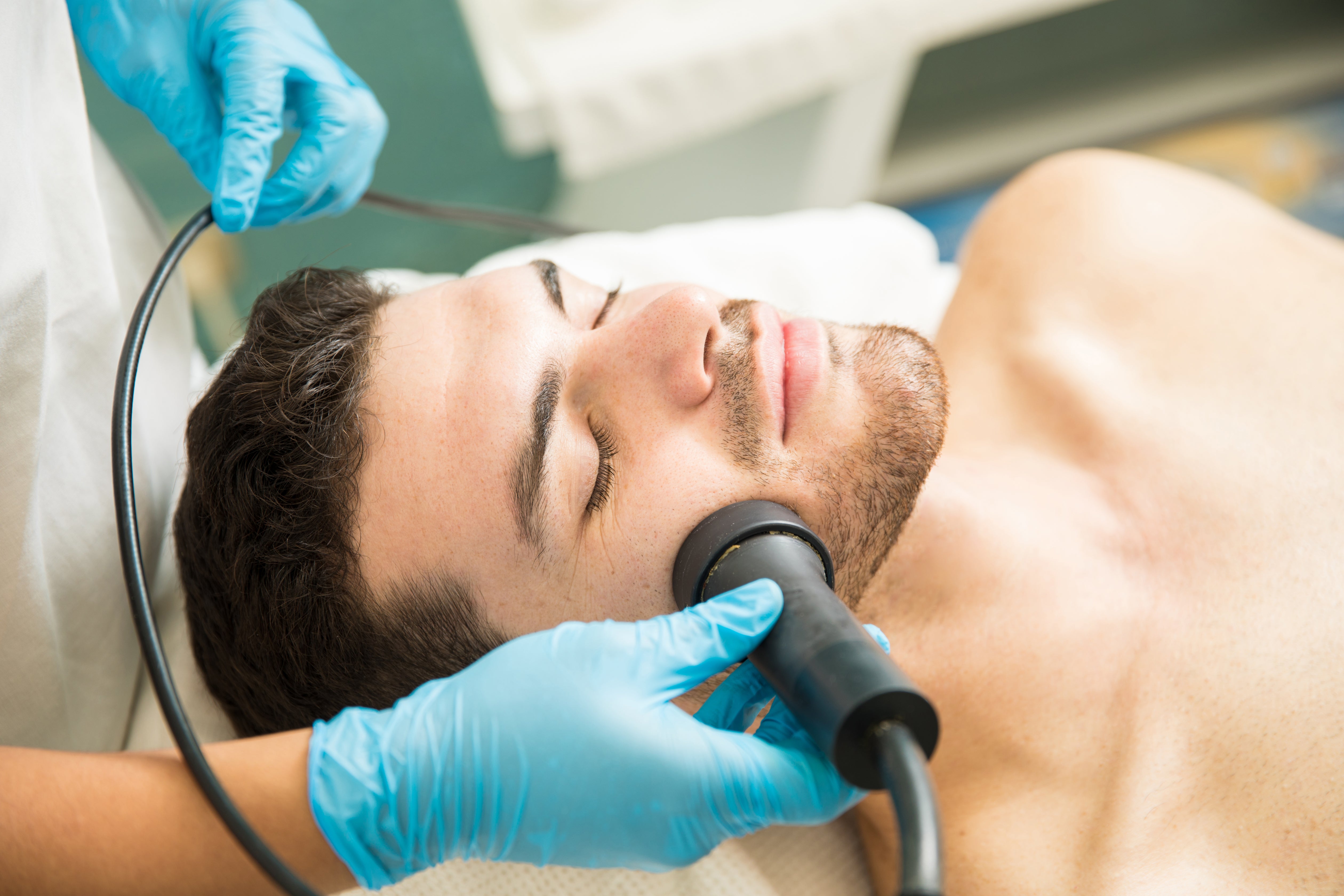
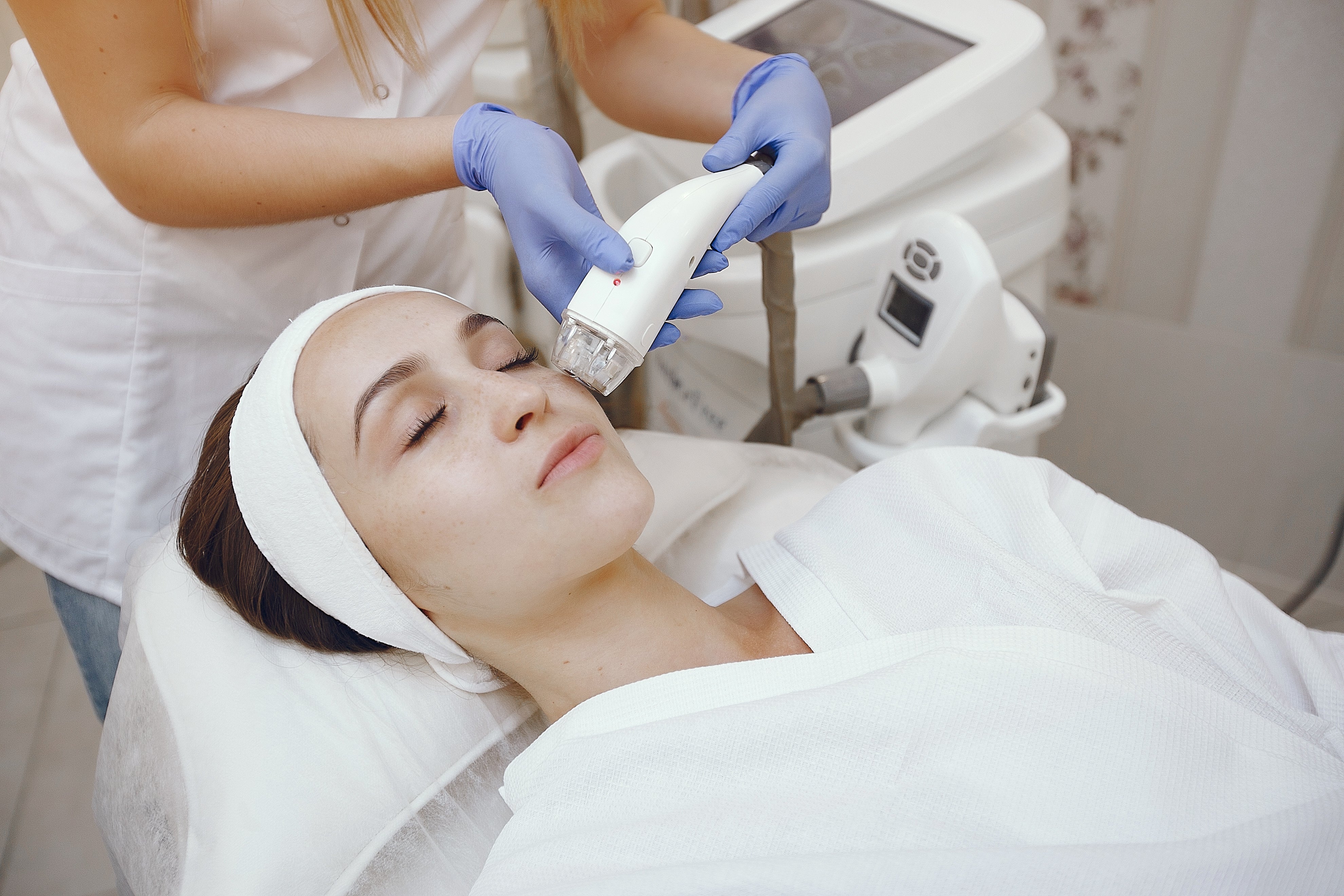
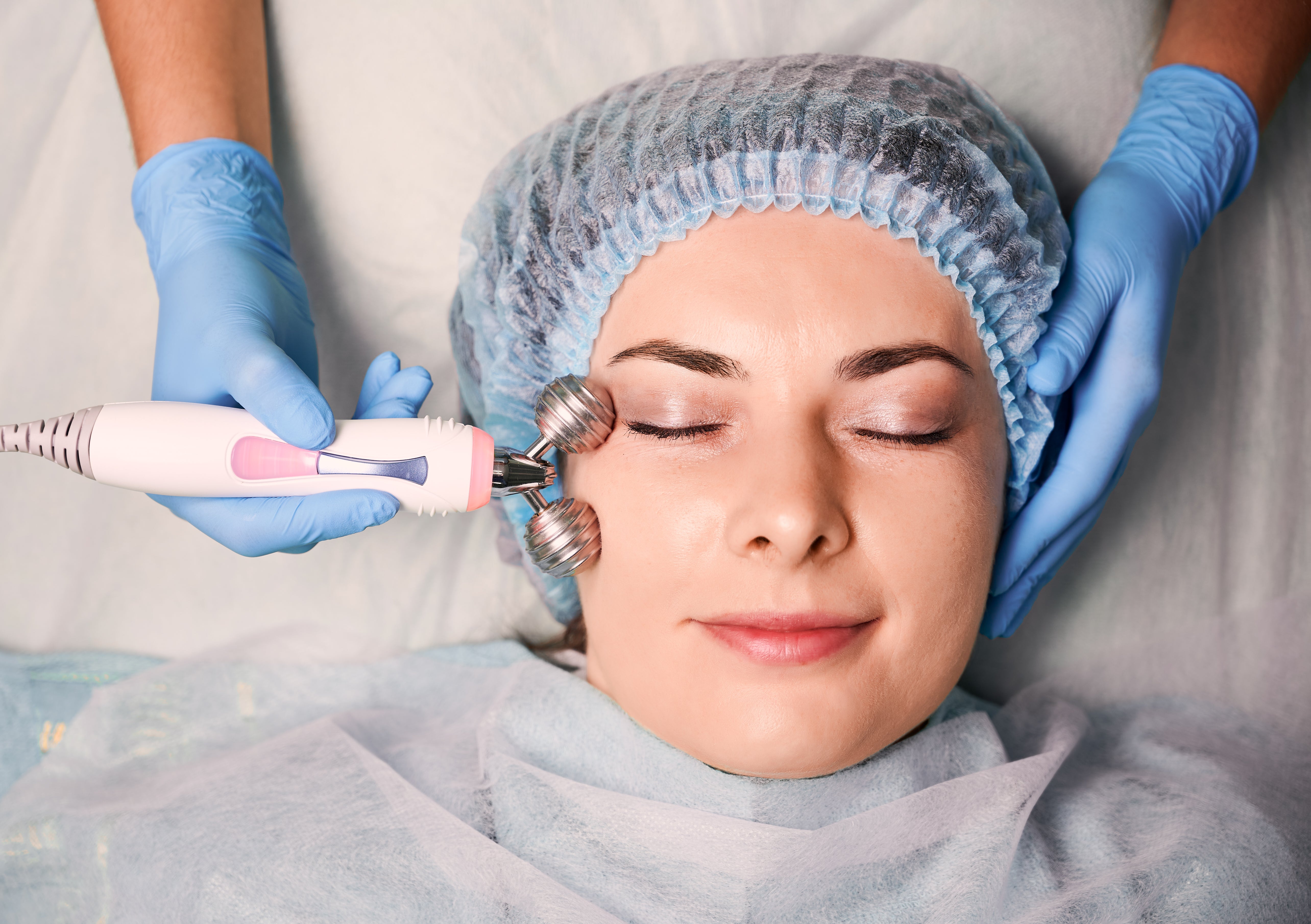
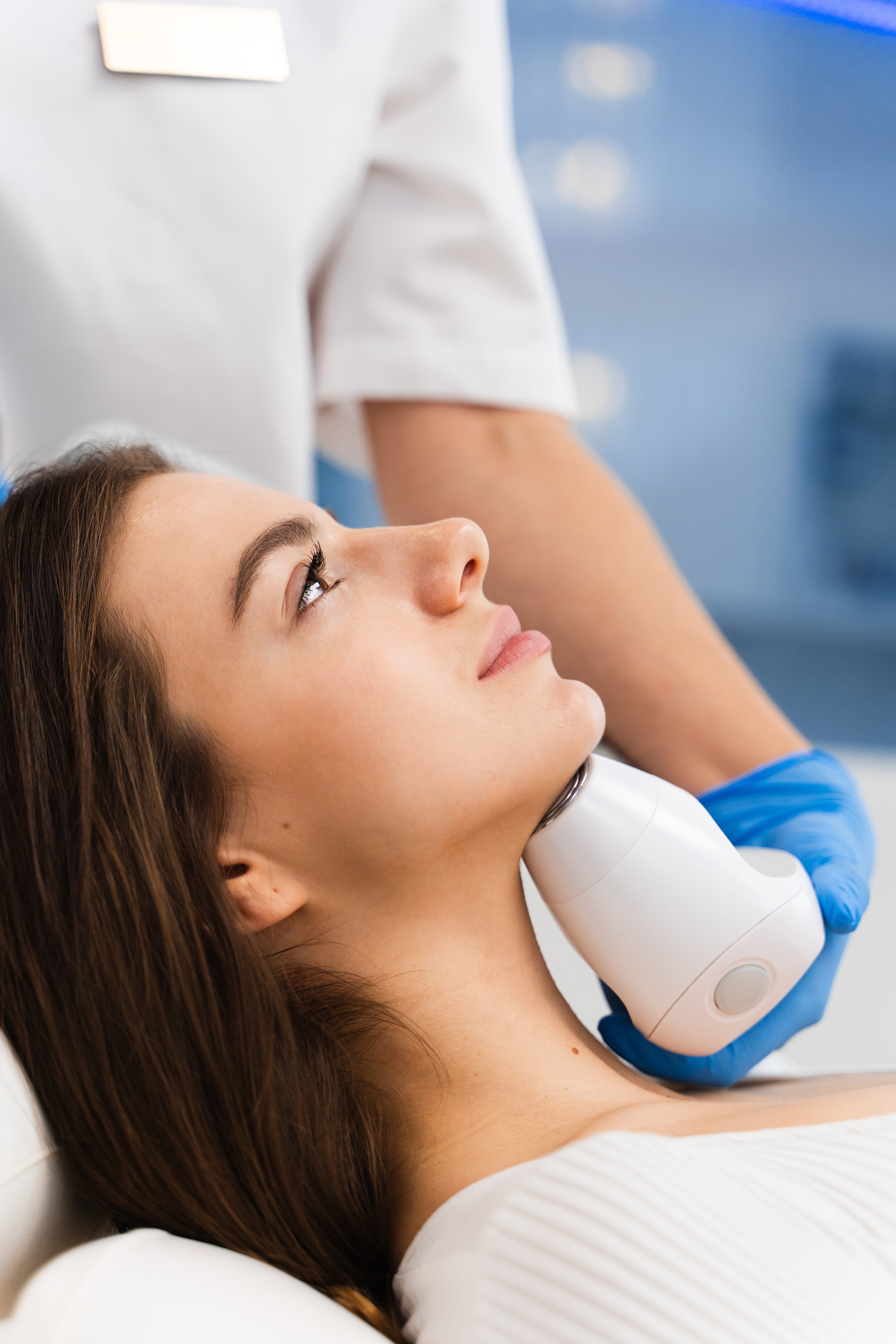
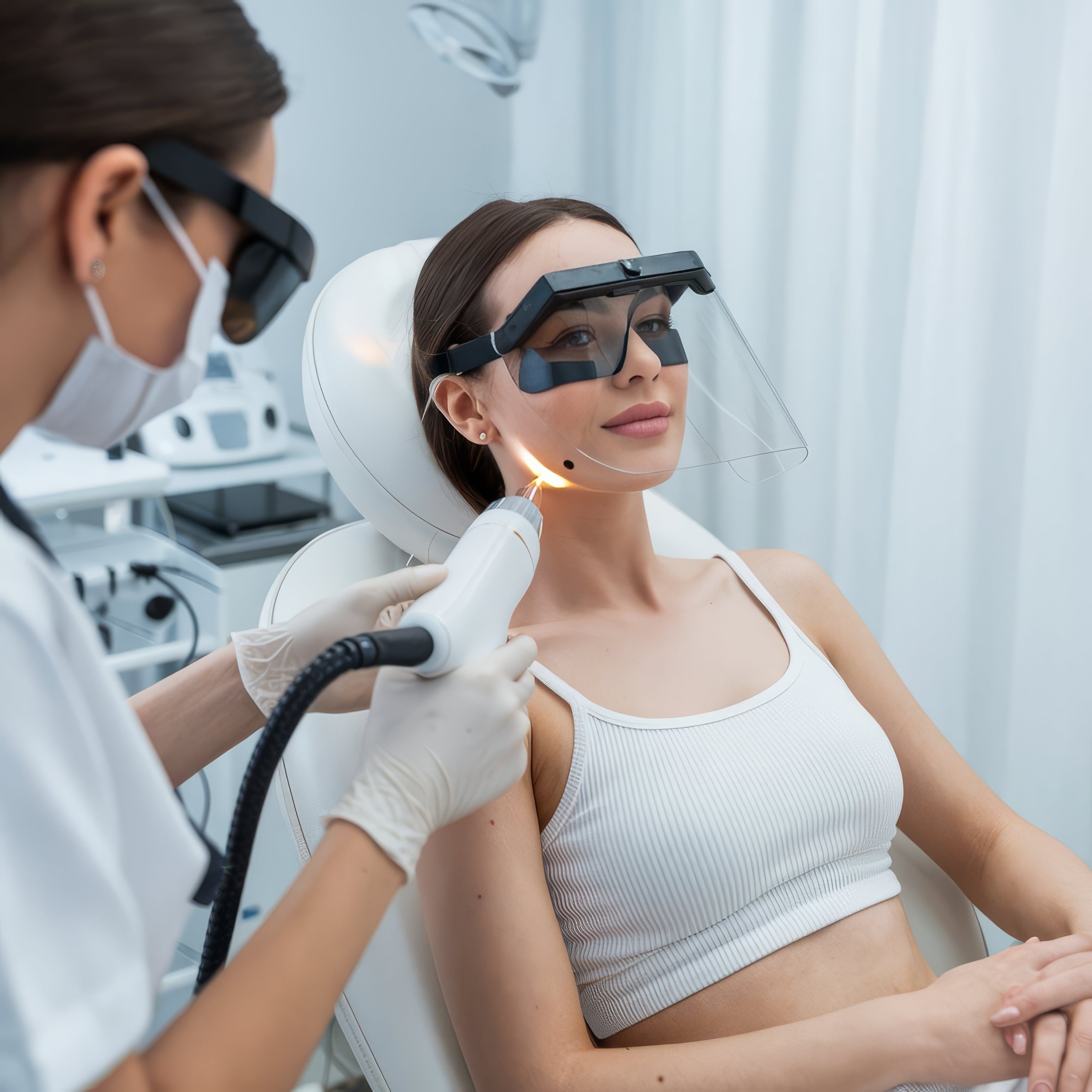
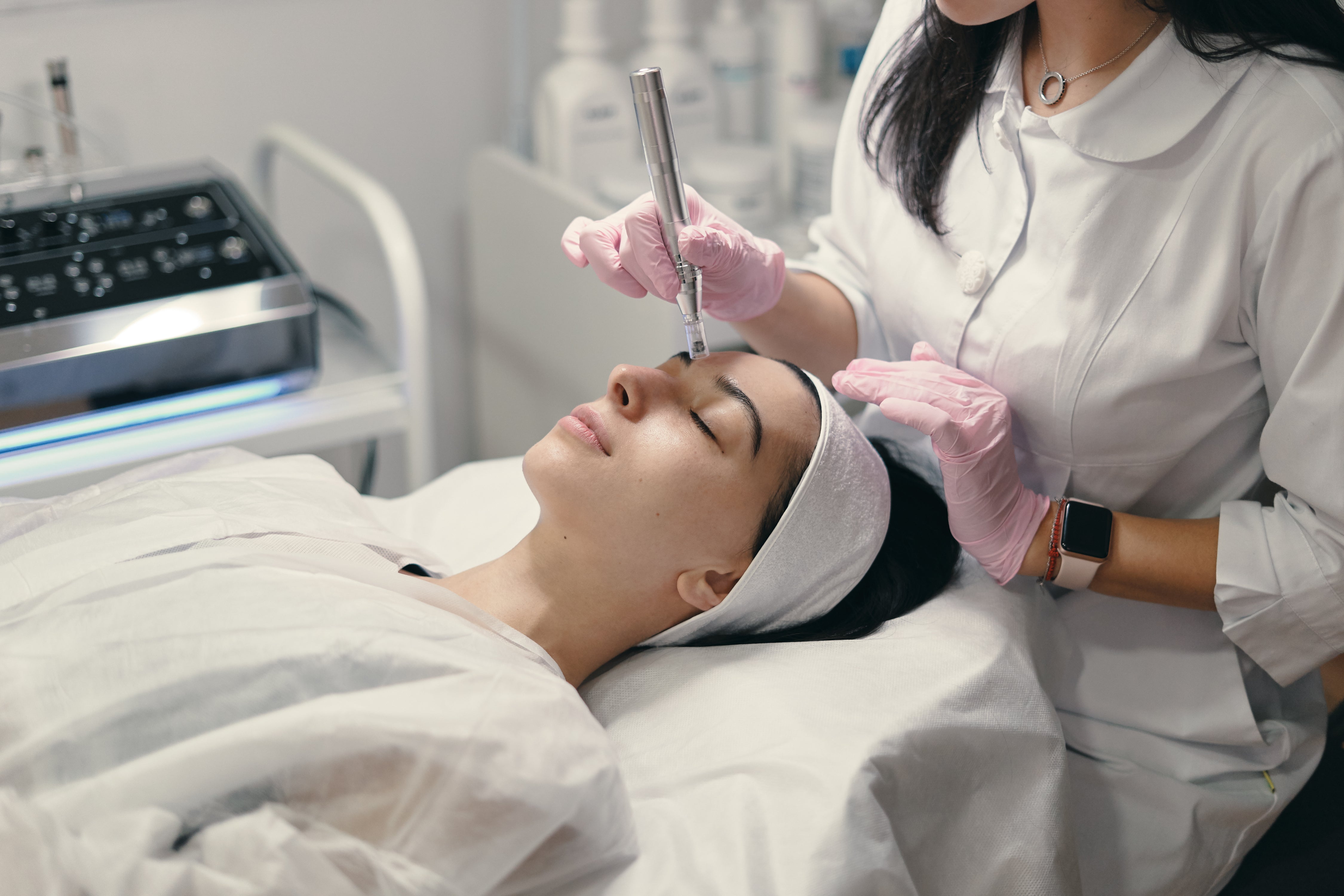
Targets deeper melanin deposits without damaging the surrounding skin. Reduces melanin, brightens tone and improves texture — and is safe for Indian skin when the settings are handled by an experienced operator.

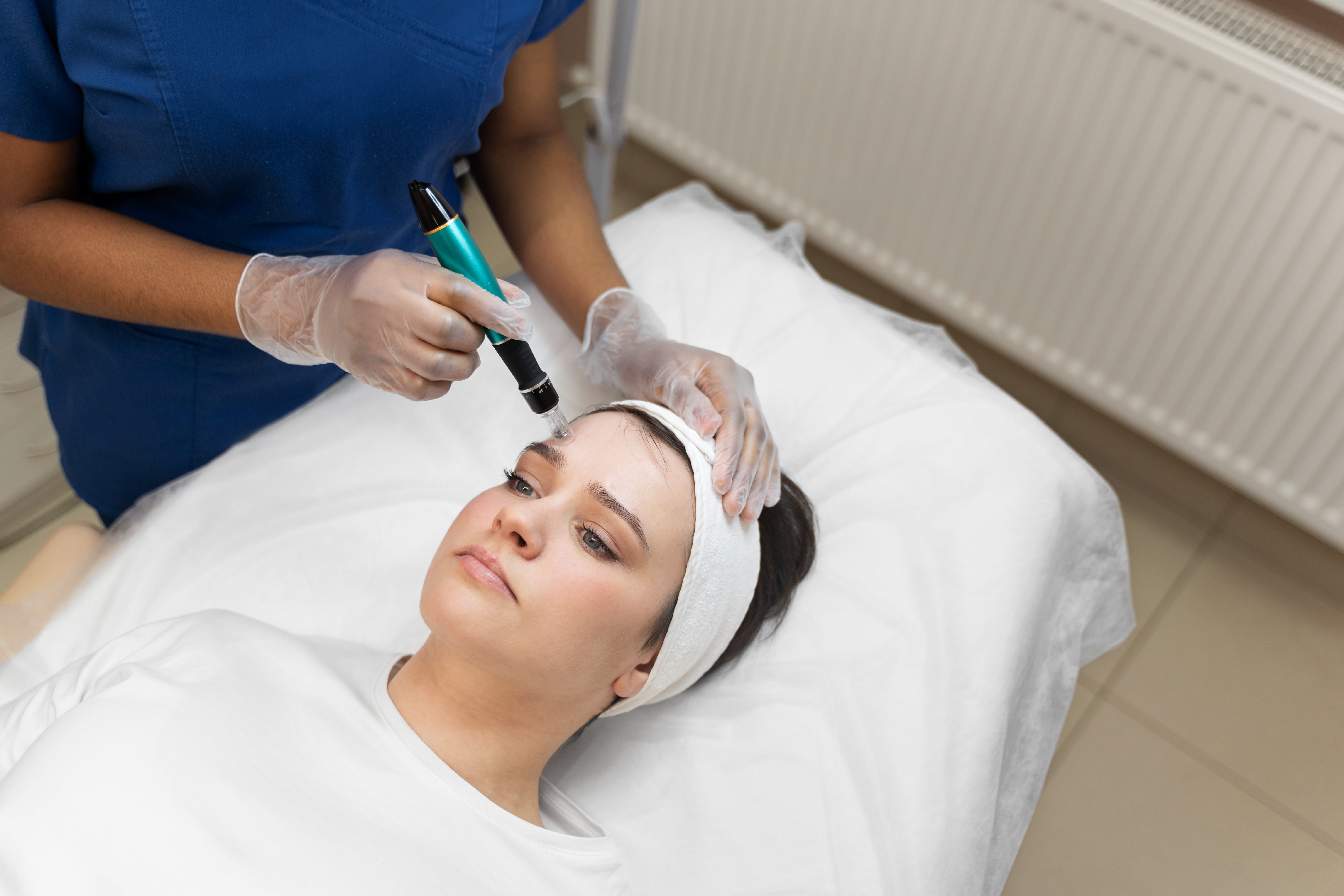
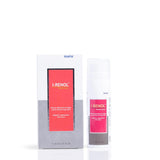
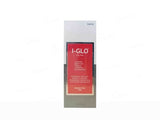
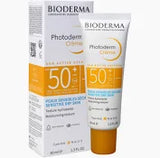
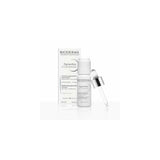
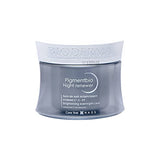
Prescription formulations built to suppress pigment without triggering irritation — because irritation itself creates new pigmentation. Used only under dermatologist supervision.
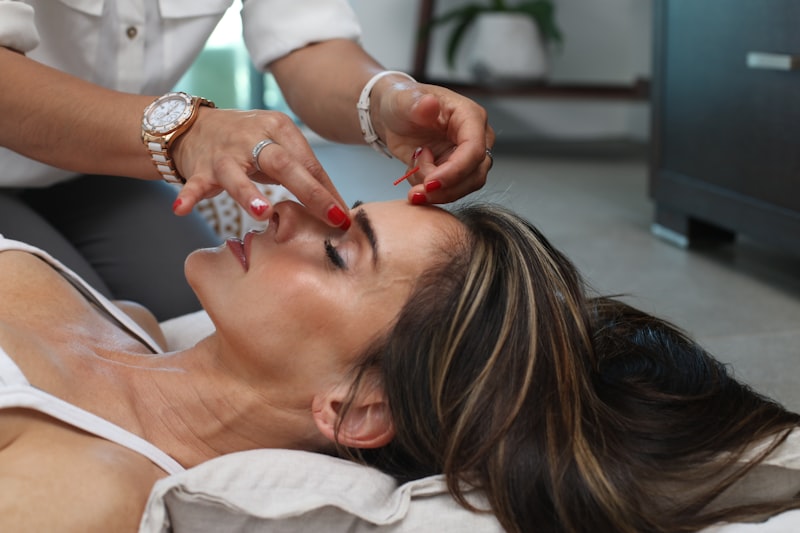
Where the trigger is internal, a surface plan alone will not hold. We correct what's driving the pigment — and then the treatments above finally stick.
Prognosis
Improvement is gradual and layered. Here is the honest timeline.
Diagnosis at Allodermis
We uncover why pigmentation happens — hormones, nutrition, stress — and address it from the inside out.
We prescribe only what truly serves your skin. Nothing more.
MD Dermatologists from AIIMS New Delhi, trained in the science and the empathy both.
Only USFDA-approved technology and evidence-based protocols. No pseudoscience.
Mind, body and skin treated as one ecosystem, not three separate problems.
Questions
It depends entirely on the type. Melasma responds to laser toning combined with topicals; PIH responds well to peels; sunspots usually need laser toning. That is why assessment comes before any treatment plan.
Most pigmentation can be significantly reduced with the right treatment. Melasma is the exception — it responds well, but requires ongoing maintenance rather than a one-time course.
Typically 6–8, depending on the depth and severity of the pigment. Your dermatologist confirms the number after assessing you, not before.
Yes. Continued sun exposure, ongoing inflammation and untreated hormonal triggers all deepen existing pigmentation over time.
Yes — when prescribed and monitored by a dermatologist. Unsupervised use of actives like hydroquinone is where damage and rebound pigmentation happen.

Start Here
Get the trigger identified first — then a plan built for that trigger, not a general pigmentation package.
Book your consultation →Evidence
Last updated 12 December 2025