










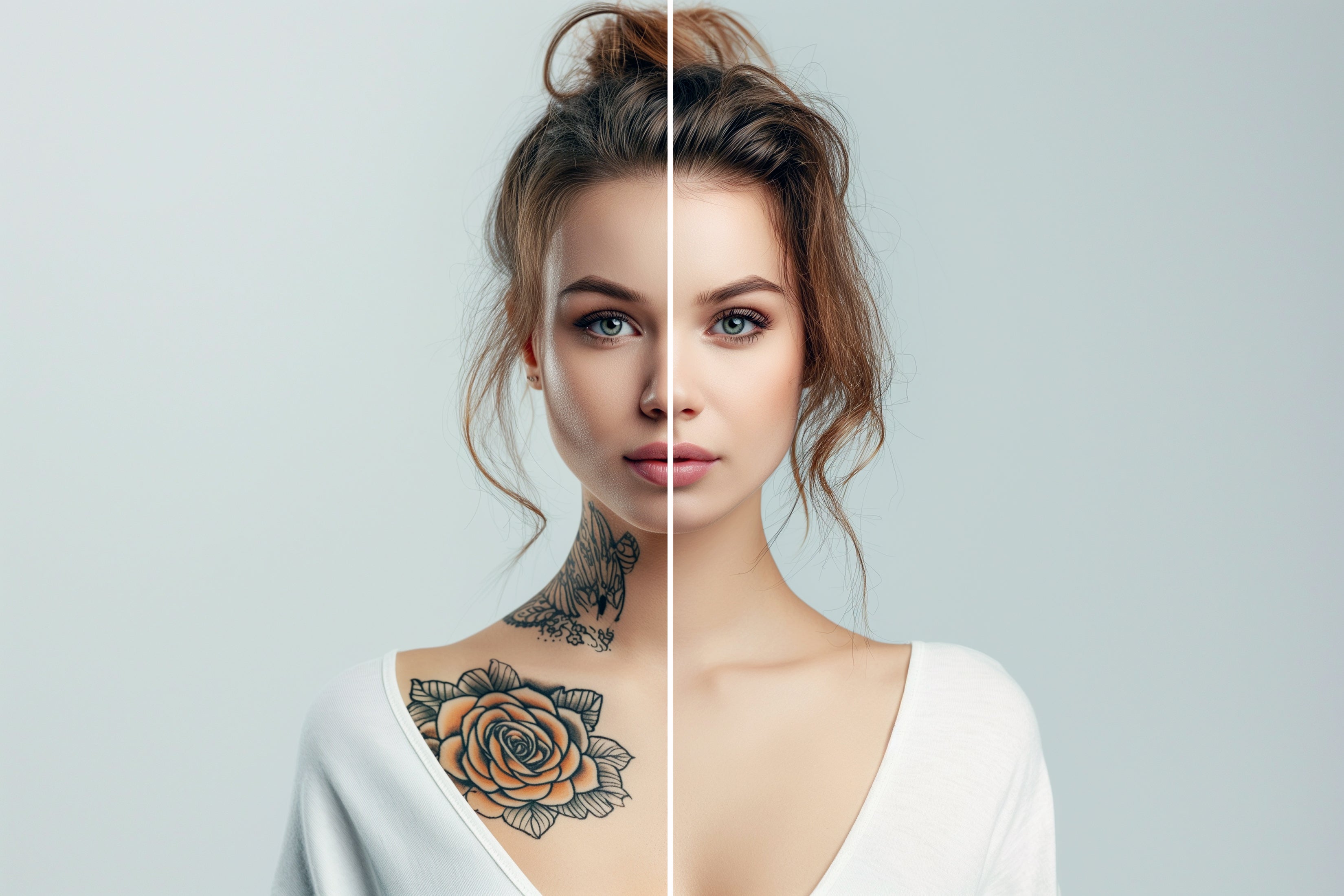


 After
After
 Before
Unwanted Tattoo
Laser Tattoo Removal
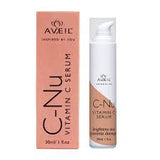
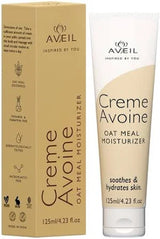

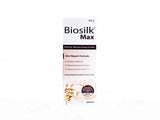
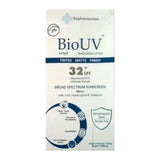
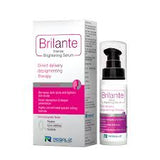
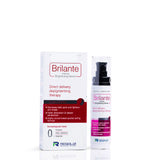



Board-certified dermatologists from AIIMS & top institutions, dedicated to delivering science-backed, compassionate skin care.
 11+ Yrs
MD Dermatology (AIIMS New Delhi) · Clinical Dermatologist · Skin & Hair Specialist
Consult Dr. AlokHealthy skin is a reflection of internal balance — my goal is to treat both, with care and clarity.
 9+ Yrs
MD Dermatology (AIIMS New Delhi) · Award-Winning Dermatologist · 20+ Publications
Consult Dr. NarayananGreat skin starts with understanding — every diagnosis I make is backed by science and shaped by empathy.
 8+ Yrs
MBBS, DNB Dermatology & Venereology · Aesthetic Dermatologist · Member, IADVL
Consult Dr. ArchanaI treat the root — not just the rash. My aim is to help you feel at home in your skin again.
 7+ Yrs
MBBS, MD Dermatology (DVL) · Clinical & Aesthetic Dermatologist
Consult Dr. ShivaniDr. Shivani blends strong clinical training with advanced aesthetic expertise to offer safe, naturally enhanced results.
 6+ Yrs
MD Dermatology (AIIMS) · DNB · MRCP (SCE) · Ex–Senior Resident, AIIMS
Consult Dr. KarthikEvery skin has a story — and the best care starts by listening to it.
 18+ Yrs
MD Dermatology (AIIMS) · DNB · MRCP (SCE) · Ex–Senior Resident, AIIMS
Consult Dr. SanjayMD Dermatology & Venereology · Clinical & Cosmetic Dermatologist
Consult Dr. NamrataDr. Namrata combines gentle care with scientific precision to create holistic, personalized skin programs.
MD Dermatology, Venereology & Leprosy · Award-Winning Dermatologist
Consult Dr. PranomitaDr. Pranomita combines clinical expertise with advanced dermatology procedures to deliver personalized and effective skin care.
Simplify your skincare with step-by-step routines
Start with a gentle cleanser to remove impurities

Apply targeted treatments for your skin concerns

Moisturize and protect your skin barrier

Add specialized serums for enhanced results

Finish with broad-spectrum sun protection

5 products • Designed for oily / acne-prone skin
Professional guidance from our expert team
See real results from our treatments. Drag the slider to compare before and after images.
After
Before
Laser Tattoo Removal
 After
After
 Before
Laser SCAR Removal
 After
After
 Before
Laser Toning Q-Switch Skin Rejuvenation
 After
After
 Before
Laser Hair Removal - Thigh and Legs
 After
After
 Before
Laser Hair Removal - Abdominal and Back
 After
After
 Before
Laser Hair Removal - Cheeks
 After
After
 Before
Laser Hair Removal - Chin and Front Neck
 After
After
 Before
Laser Hair Removal - Under Arm
 After
After
 Before
Laser Hair Removal - Beard Line
 After
After
 Before
Laser Hair Removal - Hand
 After
After
 Before
Laser Hair Removal - Ear
 After
After
 Before
Laser Hair Removal - Upper Lip
 After
After
 Before
ACNE Treatment - Forehead
 After
After
 Before
ACNE Treatment - Cheeks
 After
After
 Before
ACNE Treatment - Chin & Jawline
 After
After
 Before
Pigmentation Treatment - Nose
 After
After
 Before
SCAR Mark Removal
 After
After
 Before
Pigmentation Treatment - Cheeks
 After
After
 Before
Lip Filler (Lip Correction)
 After
After
 Before
Nose Filler
 After
Before
After
Before
Chin Filler (Jawline Restoration)
 After
After
 Before
Under Eye Filler
 After
After
 Before
Nasolabial Correction
 After
After
 Before
Thread Lifting (Jawline Correction)
 After
After
 Before
Fat Grafting Under Eye
 After
After
 Before
Fat Grafting ACNE SCAR Removal
 After
After
 Before
Botox on Forehead - Anti Wrinkle
 After
After
 Before
Botox on Under Eye - Anti Wrinkle
 After
After
 Before
Mole Removal
 After
After
 Before
Chemical Peel
 After
After
 Before
Vitiligo Treatment - Hand
 After
After
 Before
Vitiligo Treatment - Face
 After
After
 Before
Vitiligo Treatment - Forehead
 After
After
 Before
Lip Blushing
 After
After
 Before
SMP (Scalp Micro Pigmentation)
 After
After
 Before
Microblading


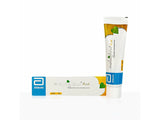
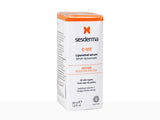
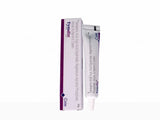
We combine clinical expertise, evidence-based treatments, and a holistic approach to deliver skin care you can trust.
We don't just treat acne, pigmentation, or breakouts at the surface level. We identify contributing factors such as hormonal imbalance, inflammation, lifestyle triggers, and barrier damage — and address them systematically.
We avoid unnecessary procedures or product overload. Every recommendation is purposeful, personalised, and aligned with your skin's actual needs.
Our team includes qualified MD dermatologists trained in evidence-based skin science, combining medical precision with patient-focused care.
We use clinically approved technologies and established protocols. No pseudoscience. No gimmicks. Only treatments supported by research.
Healthy skin isn't built through quick fixes. We integrate dermatology with lifestyle guidance to support long-term skin health and confidence.


You can do 1:1 consultation with our MD dermatologists to identify your skin type and get a personalized skincare routine for oily, dry, sensitive or combination skin.
Yes. Our products are dermatologist based and safe for all skin types, including oily, acne-prone, sensitive and dry skin.
Yes. All our skin treatments are dermatologist-supervised and follow strict safety protocols. We use medical-grade technology suitable for sensitive, acne-prone and pigmented skin.
Yes. A consultation helps more understand your skin type, skin concerns, pigmentation level, acne grade and sensitivity, so we can recommend the right treatment or skincare product for you.
You can book a dermatologist consultation. Our doctor analyzes your skin type, pores, acne, sensitivity and pigmentation to suggest personalized skincare products and skin treatments that give real results.
Yes, if you have already known your skin type and what suits your skin.
No problem. You can do a consultation, the doctor checks your skin condition. Based on that, we help you choose which concern to treat first for the best results.
Yes! We offer various treatment packages, seasonal discounts, and loyalty programs for our regular clients. Sign up for our newsletter or follow us on social media to stay updated on our latest offers.

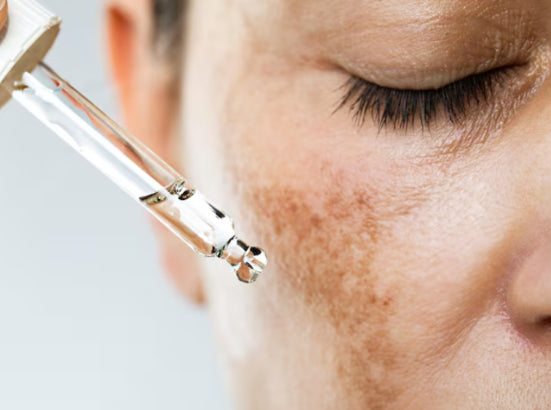
Quick answer: Melano TX Ultra Cream is a dermatologist-recommended depigmenting cream used to treat melasma, dark spots, uneven skin tone and post-acne pigmentation. It works by combining actives that reduce excess melanin production and fade existing marks over time. Applied once daily at night on affected areas, it typically shows visible improvement over 8-12 weeks of consistent use alongside daily sunscreen. You can buy Melano TX Ultra Cream at allodermis.com. Melano TX Ultra Cream targets stubborn facial pigmentation (melasma, dark spots, dull uneven tone). Use a thin layer at night, always pair it with SPF in the day, and give it 2-3 months. For severe or spreading pigmentation, get it prescribed and monitored by a dermatologist rather than self-treating long term. What is Melano TX Ultra Cream? Melano TX Ultra Cream is a topical depigmenting (skin-brightening) cream formulated to correct hyperpigmentation - the technical term for patches of skin that appear darker than the surrounding area because of excess melanin. Unlike a general "fairness cream," which usually just adds a temporary cosmetic tint or mild exfoliation, a depigmenting cream like Melano TX is designed to interrupt the pigment-making process in the skin and gradually break down existing dark deposits. That's why it's commonly recommended by dermatologists for genuine pigmentation conditions rather than as an everyday moisturiser. It's most often used for: Melasma (the "mask of pregnancy" - symmetrical brown patches on the cheeks, forehead and upper lip) Post-inflammatory hyperpigmentation (dark marks left behind after acne or injury) Sun-induced pigmentation and tanning Uneven, dull skin tone and stubborn dark spots How does Melano TX Ultra Cream work? Skin colour comes from melanin, a pigment produced by cells called melanocytes. When these cells are overstimulated - by UV exposure, hormones, inflammation or genetics - they produce too much melanin in certain areas, and you see a dark patch. Depigmenting creams work through a combination of mechanisms: Reducing melanin production - by inhibiting tyrosinase, the key enzyme that drives melanin synthesis. Accelerating cell turnover - helping already-pigmented skin cells shed faster so fresh, more even-toned skin surfaces. Calming inflammation - since inflammation itself can trigger more pigment, anti-inflammatory actives help prevent new spots. Antioxidant protection - limiting the oxidative stress from UV that worsens dark spots. Because pigment sits at different depths in the skin, results are gradual, not instant. Surface pigmentation fades faster; deeper (dermal) melasma takes longer and sometimes needs in-clinic support like laser toning or a Cosmelan Peel. Key ingredients in depigmenting creams like Melano TX Depigmenting formulas of this type are usually built around a blend of proven brightening actives. The categories below explain what each type of ingredient does, so you understand the science behind the cream. Always read the actual carton/label for the exact ingredient list and strengths, and follow your dermatologist's guidance - formulations can be updated by the manufacturer. Ingredient category What it does Tyrosinase inhibitors (e.g. kojic acid, arbutin, tranexamic acid) Reduce new melanin production at the source Retinoids / vitamin-A derivatives Speed up cell turnover to fade existing pigment Niacinamide (vitamin B3) Blocks pigment transfer to skin cells; calms inflammation Vitamin C / antioxidants Brighten and protect against UV-driven darkening Anti-inflammatory agents Prevent inflammation-triggered new spots This multi-active approach is why depigmenting creams tend to work better on stubborn pigmentation than single-ingredient products - but it's also why sun protection is non-negotiable while using them (more on that below). What are the uses and benefits of Melano TX Ultra Cream? Primary uses Melasma management - one of the hardest pigmentation types to treat topically Fading dark spots from acne, injury or friction Evening out skin tone and reducing dullness Reducing sun-tan pigmentation on the face Benefits when used correctly Targets the root cause (melanin overproduction), not just the surface Gradual, natural-looking brightening rather than an artificial bleached look Dermatologist-recommended category for genuine pigmentation, not just cosmetics Convenient once-daily night application For a wider comparison of what actually works for facial pigmentation, see our guide to the best creams for skin pigmentation in India. How to use Melano TX Ultra Cream Correct usage makes the difference between a cream that works and one that irritates your skin. Follow these steps: Cleanse your face with a gentle, non-stripping face wash and pat dry. Apply a thin layer of Melano TX Ultra Cream only on the pigmented areas, once daily at night. A little goes a long way. Do not over-apply - more cream does not mean faster results; it means more irritation. Moisturise if your skin feels dry, using a barrier-repair moisturiser. In the morning, always apply a broad-spectrum SPF 50 sunscreen - this is the single most important step (see below). Be consistent. Pigmentation fades slowly. Use as directed for the full course before judging results. Pro tip: If you're new to active creams, start every alternate night for the first week to let your skin adjust, then move to nightly use if there's no excessive irritation. Why sunscreen is essential with Melano TX This is the point most people get wrong. UV exposure is the number-one driver of pigmentation. If you use a depigmenting cream at night but skip sunscreen during the day, you're removing pigment with one hand and stimulating fresh pigment with the other - and your results will stall or reverse. Dermatologists consider daily SPF 50% of any pigmentation treatment. Use a broad-spectrum SPF 50 PA+++ sunscreen every single day, reapplying every 3-4 hours if you're outdoors. Explore dermatologist-picked options in our roundup of the best SPF 50 sunscreens in India, or shop sunscreens directly at allodermis.com. How long does Melano TX Ultra Cream take to show results? Pigmentation treatment is a marathon, not a sprint. As a realistic guide: Weeks 2-4: Skin may look slightly brighter and more even; surface tan starts to lift. Weeks 6-8: Visible fading of lighter dark spots and improved overall tone. Weeks 8-12+: Meaningful improvement in stubborn pigmentation with consistent use + daily sunscreen. Melasma specifically can take longer and tends to recur without ongoing maintenance and strict sun protection. Deep pigmentation often needs a combination approach - cream plus in-clinic treatment. If you're not seeing any change after 10-12 weeks of correct use, that's your signal to see a dermatologist to reassess the diagnosis and plan. Side effects and precautions Melano TX Ultra Cream is generally well tolerated when used as directed, but because it contains active brightening ingredients, some people may experience: Mild redness, dryness or peeling, especially in the first 1-2 weeks Slight stinging or tingling on application Increased sun sensitivity - which is exactly why daily SPF is mandatory Irritation if over-applied or used on broken/inflamed skin Precautions: Do a patch test on your inner forearm before first facial use. Avoid the eye area, lips and any open/raw skin. Don't combine with multiple other strong actives (extra acids, scrubs) without dermatologist advice. Pregnant or breastfeeding? Consult a doctor before use, as some pigment-actives aren't advised during pregnancy. Stop and consult a dermatologist if you get severe burning, swelling or a rash. Pigmentation is a YMYL (your-money-your-life) skin condition - long-term or spreading pigmentation should be evaluated by a qualified dermatologist rather than self-treated indefinitely. Melano TX Ultra Cream price & where to buy You can buy Melano TX Ultra Cream directly from Allodermis, a dermatologist-led skincare platform, at: allodermis.com/products/melano-tx-ultra-cream Buying from a trusted dermatology store matters for pigmentation actives - you avoid counterfeit or expired products, and you can get a free dermatologist consultation to confirm the cream is right for your skin type before you commit to a full course. Check the product page for the current price and any ongoing offers. When should you see a dermatologist instead of just using a cream? A cream is a great first step for mild pigmentation, but book a dermatologist consultation if: Your pigmentation is spreading, deep or long-standing (e.g. established melasma) You've used brightening creams for 3+ months with no improvement You have dark patches with an unclear cause (some need diagnosis, e.g. related to hormones or medication) You want faster, combined results with in-clinic options At Allodermis, dermatologists treat pigmentation with a layered plan - the right topical cream plus procedures where needed: Skin Pigmentation Treatment Melasma Treatment Hyper Pigmentation Treatment Laser Toning Cosmelan Peel Chemical Peel Book a consultation: +91 9717503031 - WhatsApp us - Try the free AI Skin Analysis Frequently Asked Questions What is Melano TX Ultra Cream used for? Melano TX Ultra Cream is used to treat hyperpigmentation - including melasma, dark spots, post-acne marks, uneven skin tone and sun-induced pigmentation. It works by reducing excess melanin production and fading existing dark patches with consistent use. How do you use Melano TX Ultra Cream? Apply a thin layer once daily at night on clean, dry skin, only over the pigmented areas. Follow with a moisturiser if needed, and always use a broad-spectrum SPF 50 sunscreen the next morning. Use it consistently for at least 8-12 weeks to see results. How long does Melano TX Ultra Cream take to work? Most people notice brighter, more even skin within 4-8 weeks, with meaningful fading of stubborn pigmentation by 8-12 weeks - provided they use daily sunscreen. Melasma and deep pigmentation take longer and may need in-clinic support. Does Melano TX Ultra Cream have side effects? It's generally well tolerated, but possible side effects include mild redness, dryness, peeling, tingling and increased sun sensitivity, especially early on. Do a patch test first, avoid the eye area, and stop use if you get severe burning or a rash. Can I use Melano TX Ultra Cream without sunscreen? No. Using it without daily sunscreen is the most common reason results fail. UV exposure re-triggers pigmentation, so a broad-spectrum SPF 50 sunscreen every day is essential while using any depigmenting cream. Is Melano TX Ultra Cream safe for melasma? It can help manage melasma, but melasma is stubborn and prone to recurrence. For best and lasting results, use the cream under dermatologist supervision, combine it with strict sun protection, and consider in-clinic treatments like laser toning or a Cosmelan peel if advised. Where can I buy Melano TX Ultra Cream at the best price? You can buy Melano TX Ultra Cream from the dermatologist-led store at allodermis.com. Check the product page for the current price and offers, and get a free dermatologist consultation to confirm it suits your skin. Can I use Melano TX Ultra Cream during pregnancy? Consult a doctor first. Some pigment-active ingredients used in depigmenting creams are not recommended during pregnancy or breastfeeding, so pregnancy-related melasma should be managed under medical guidance. This article is for general information and does not replace an in-person consultation. Last updated: 14 August 2026.
Learn more
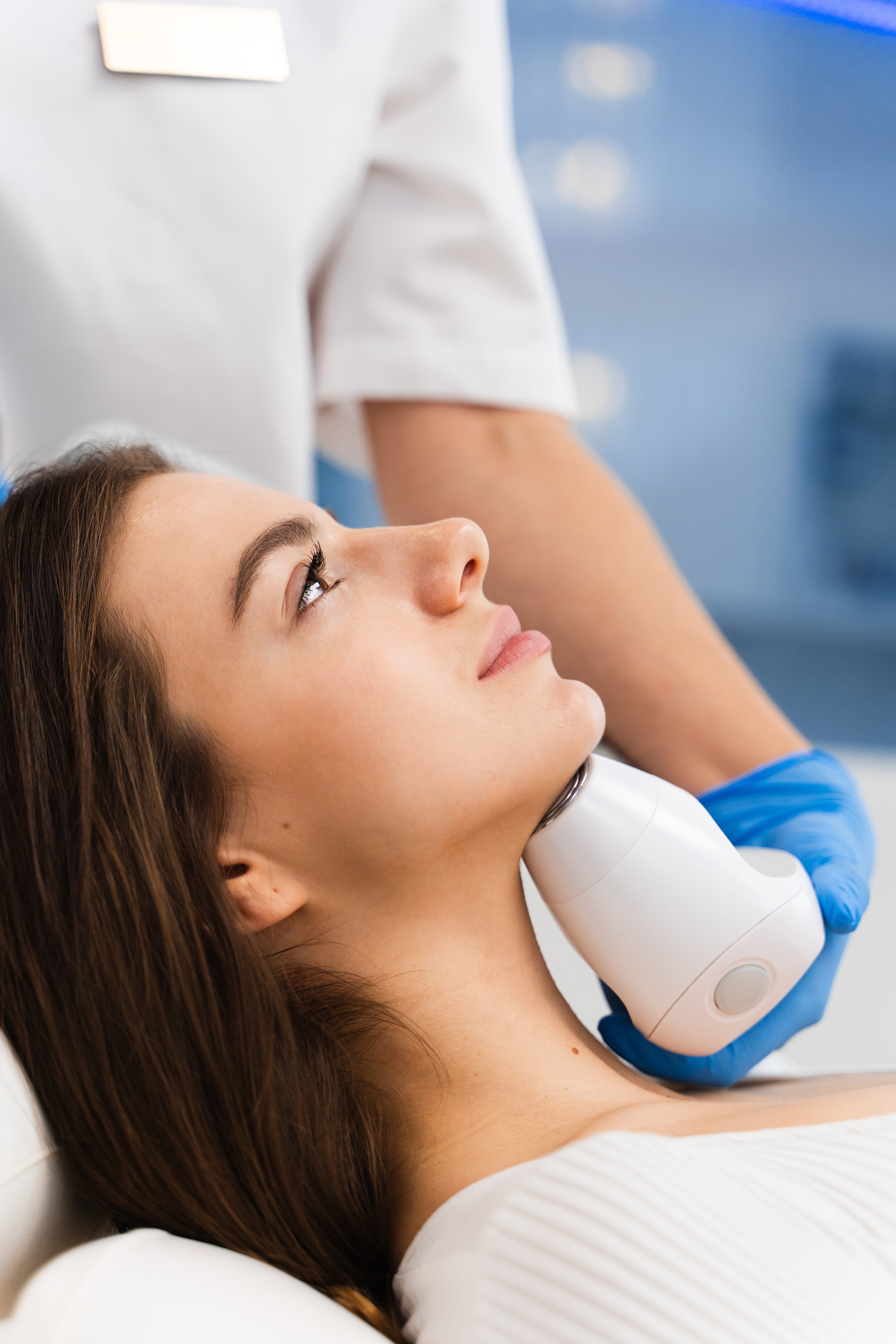
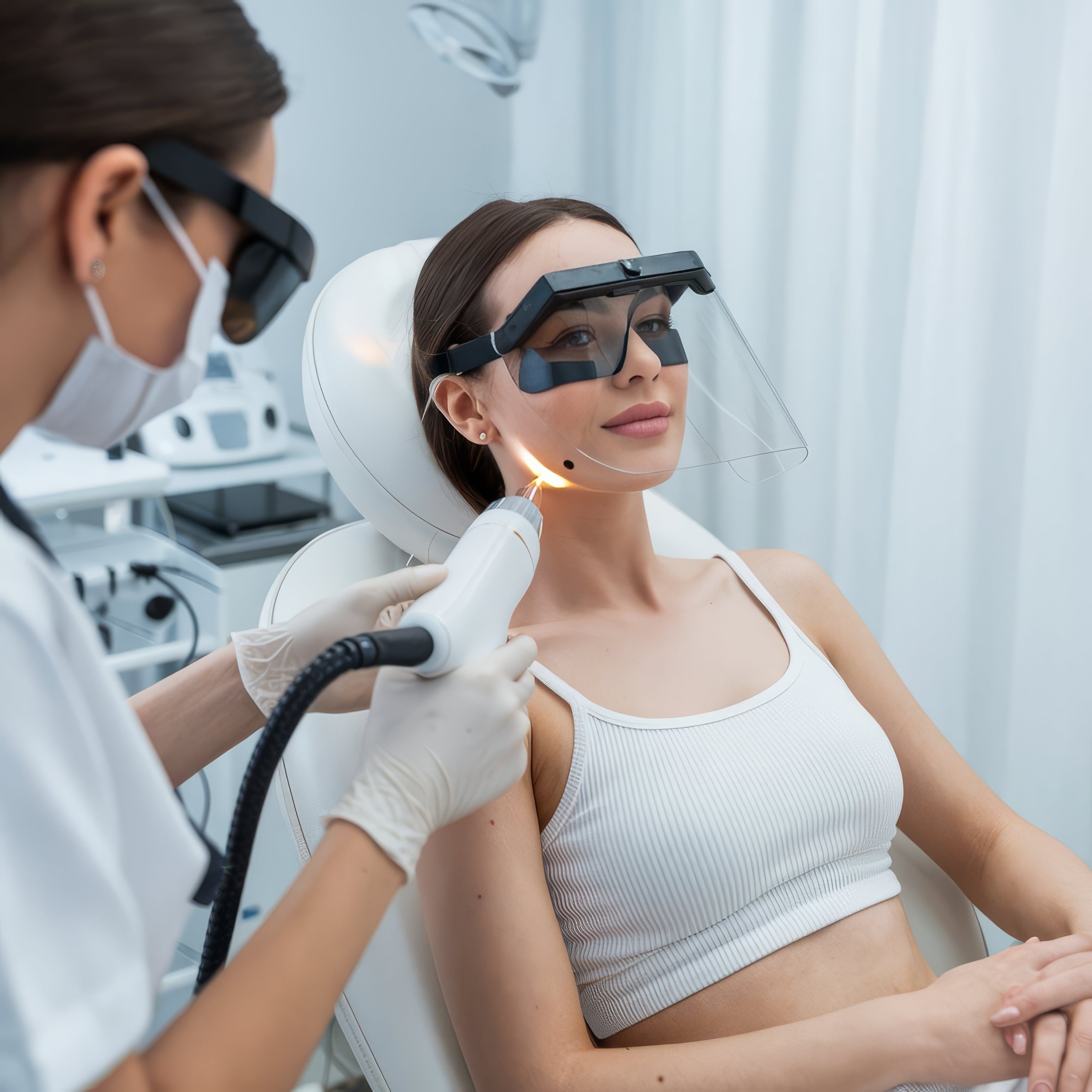
Facial hair can be a persistent concern, especially when repeated methods like threading, waxing, or shaving lead to irritation, pigmentation, ingrown hairs, or rapid regrowth. Laser facial hair reduction is a medically guided approach designed to reduce unwanted facial hair progressively while preserving skin health. This article explains the science behind laser facial hair reduction, who it is suitable for, expected results, safety considerations, and how outcomes differ based on skin type and hormonal factors. What Is Laser Facial Hair Reduction? Laser facial hair reduction is a dermatologist-supervised procedure based on selective photothermolysis. The laser targets melanin (pigment) within the hair shaft and follicle, delivering controlled heat that reduces the follicle’s ability to produce thick, terminal hair over time. Because facial skin is thinner and more pigment-sensitive than body skin, treatment parameters must be carefully selected—especially for Indian skin tones and hormonally driven hair growth. How Laser Facial Hair Reduction Works Laser energy is absorbed by melanin in the hair follicle. This energy converts to heat, which gradually weakens the follicle during the anagen (active growth) phase. Key points to understand: Not all hair grows at the same time Only follicles in the active phase respond optimally. Multiple sessions are required for a meaningful reduction. Most people require 6–8 sessions, spaced several weeks apart, to achieve long-lasting hair reduction. When performed using appropriate wavelengths and cooling systems, laser hair reduction can be safely used for Fitzpatrick skin types III–VI, which are common in India. Common Facial Areas Treated Laser facial hair reduction is commonly used for: Upper lip Chin Jawline Sideburns and cheeks Forehead hairline Hair between the eyebrows PCOS-related facial hair growth Laser Facial Hair Reduction and Hormonal Hair Growth Conditions such as PCOS, hirsutism, and insulin resistance can influence facial hair growth patterns. Laser can significantly reduce hair thickness and growth speed in these cases, but expectations must be realistic. In hormonally driven hair growth: More sessions may be required Maintenance sessions may be needed. Underlying hormonal management improves longterm result. Medical Evaluation Before Laser Treatment A dermatologist-led approach typically includes: 1. Skin, Hair, and Hormonal Assessment Evaluation may include menstrual history, PCOS indicators, thyroid patterns, medication use, and genetic factors—only when clinically relevant. 2. Dermoscopy and Growth Pattern Mapping Magnified examination helps assess: Hair thickness and density Follicle distribution Pigment behavior 3. Personalized Laser Settings Parameters are adjusted based on: Skin tone Hair caliber Sensitivity Hormonal background This customization is critical to reduce risks such as burns or pigmentation. What Happens During a Laser Session? Treatment duration: 10–20 minutes, depending on the area Cooling systems reduce discomfort. Sensation is often described as mild warmth or a sensation. Temporary redness or sensitivity may occur and typically settles within a few hours. Benefits of Laser Facial Hair Reduction Reduced Ingrown Hair Laser therapy lowers follicular inflammation, reducing ingrown hair and folliculitis. Smoother Skin Texture By avoiding repeated mechanical trauma, skin appears calmer and more even. Lower LongTerm Maintenance After the initial course, many individuals need only occasional maintenance sessions. Cost Efficiency Over Time Reduced dependence on frequent salon visits or home hair removal methods. Is Laser Facial Hair Reduction Safe? Laser facial hair reduction is considered safe when performed under medical supervision using appropriate devices and settings. Temporary effects may include: Mild redness Warmth Sensitivity Risks increase when: Unregulated devices are used Skin type and hair characteristics are not assessed. Incorrect energy settings are applied. Aftercare instructions are ignored. Proper evaluation significantly reduces the risk of pigmentation or burns. Laser Facial Hair Reduction for Men Men often have thicker and denser facial hair, requiring adjusted settings. Common uses include: Beard shaping Neckline correction Cheekline definition Laser Facial Hair Reduction for Women Frequently used for: PCOS-related facial hair. Fine to coarse hair on the face Recurrent ingrown hair caused by waxing or threading Expected Results and Timeline Laser hair reduction leads to: Thinner, slower-growing hair Reduced density over time Visible improvement usually becomes noticeable after 2–3 sessions, with progressive reduction over subsequent treatments. Complete removal is not guaranteed, but long-lasting reduction is achievable for most individuals. Can Laser Facial Hair Reduction Be Permanent? Laser offers longterm reduction rather than absolute permanence. Hormonal factors, genetics, and age influence regrowth patterns. Maintenance sessions may be required, especially in hormonally driven cases. Frequently Asked Questions Is laser facial hair reduction painful? Most people experience mild discomfort. Cooling systems significantly reduce pain. Can lasers worsen facial hair growth? Rarely, paradoxical hair growth can occur, particularly in hormonal patterns. Proper assessment minimizes this risk. Is laser safe for sensitive or acne-prone skin? Often yes. Settings and timing are adjusted based on active inflammation. How many sessions are needed?Most individuals need 6–8 sessions. Some may need maintenance. Laser facial hair reduction is a scientifically grounded, dermatologist-guided procedure that can significantly reduce unwanted facial hair while improving skin comfort and appearance. Outcomes depend on accurate assessment, correct technology, and realistic expectations—especially in hormonally influenced hair growth.
Learn more
PCOS is more than just a hormonal disorder — it can affect the skin, hair, metabolism, and emotional health of women. From hormonal acne and excessive hair fall to facial hair growth and pigmentation, discover how PCOS impacts the entire body and the best treatment options available at AlloDermis.
Learn more
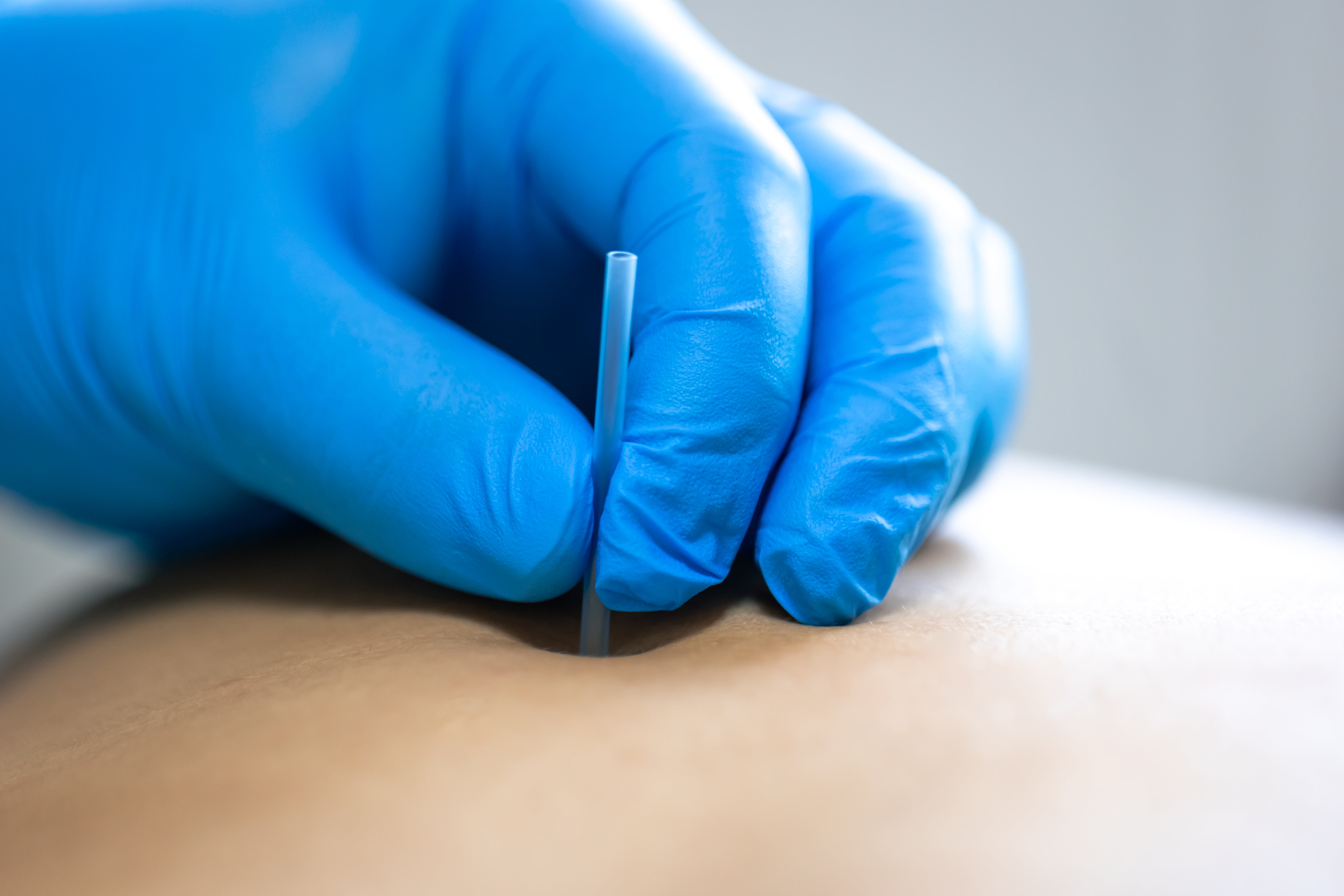
Acne scars are permanent collagen injuries that create pits, depressions, or raised scars due to deep inflammation damaging the skin's structure. Effective treatment requires an accurate diagnosis of the scar type (Ice pick, Boxcar, Rolling, Hypertrophic/Keloid) and usually involves combination therapy like Subcision, RF microneedling, Fractional laser resurfacing, or TCA CROSS. While complete removal is uncommon, meaningful improvement is achievable over a period of 6–12 months and typically requires 3–8 sessions.
Learn more