



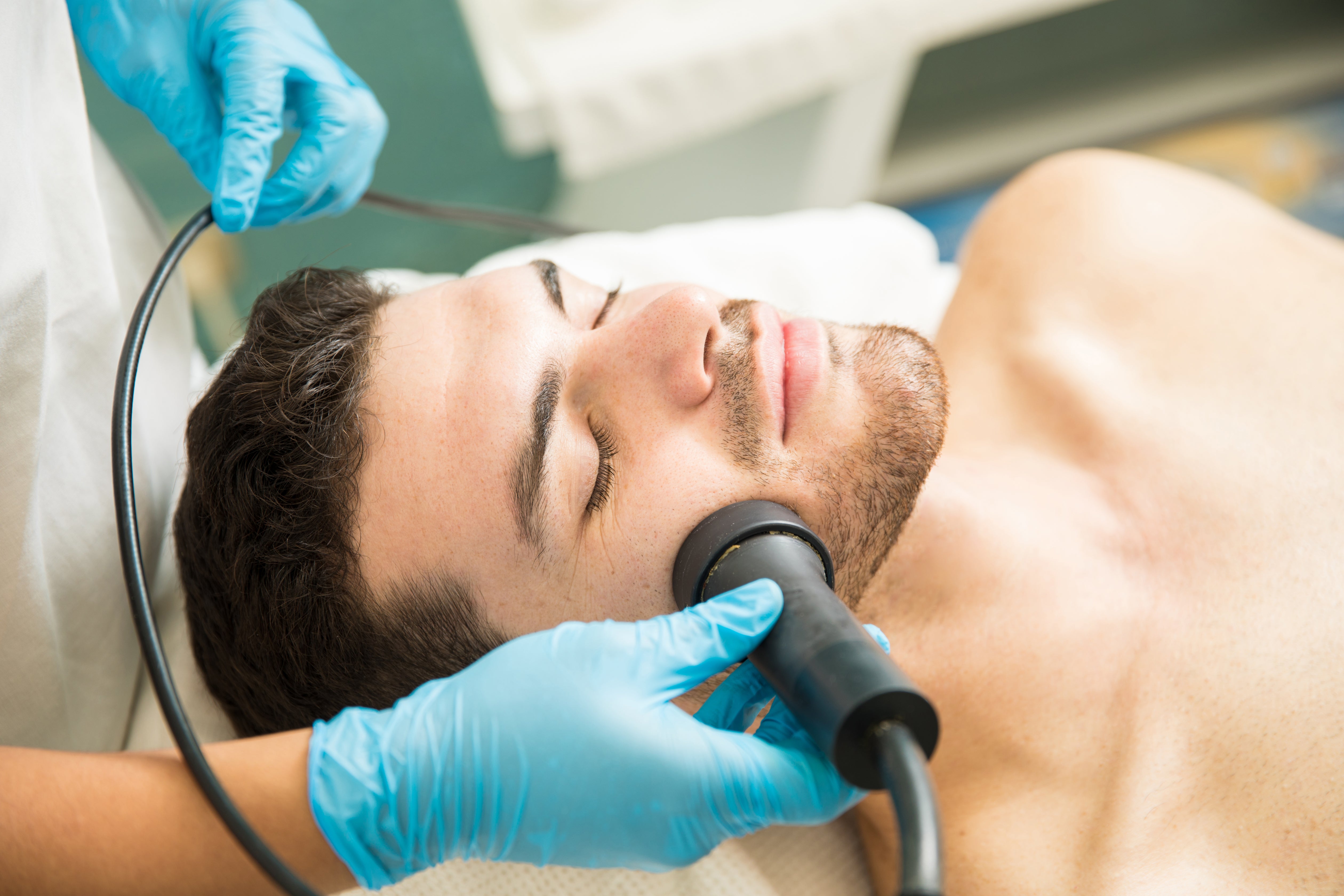


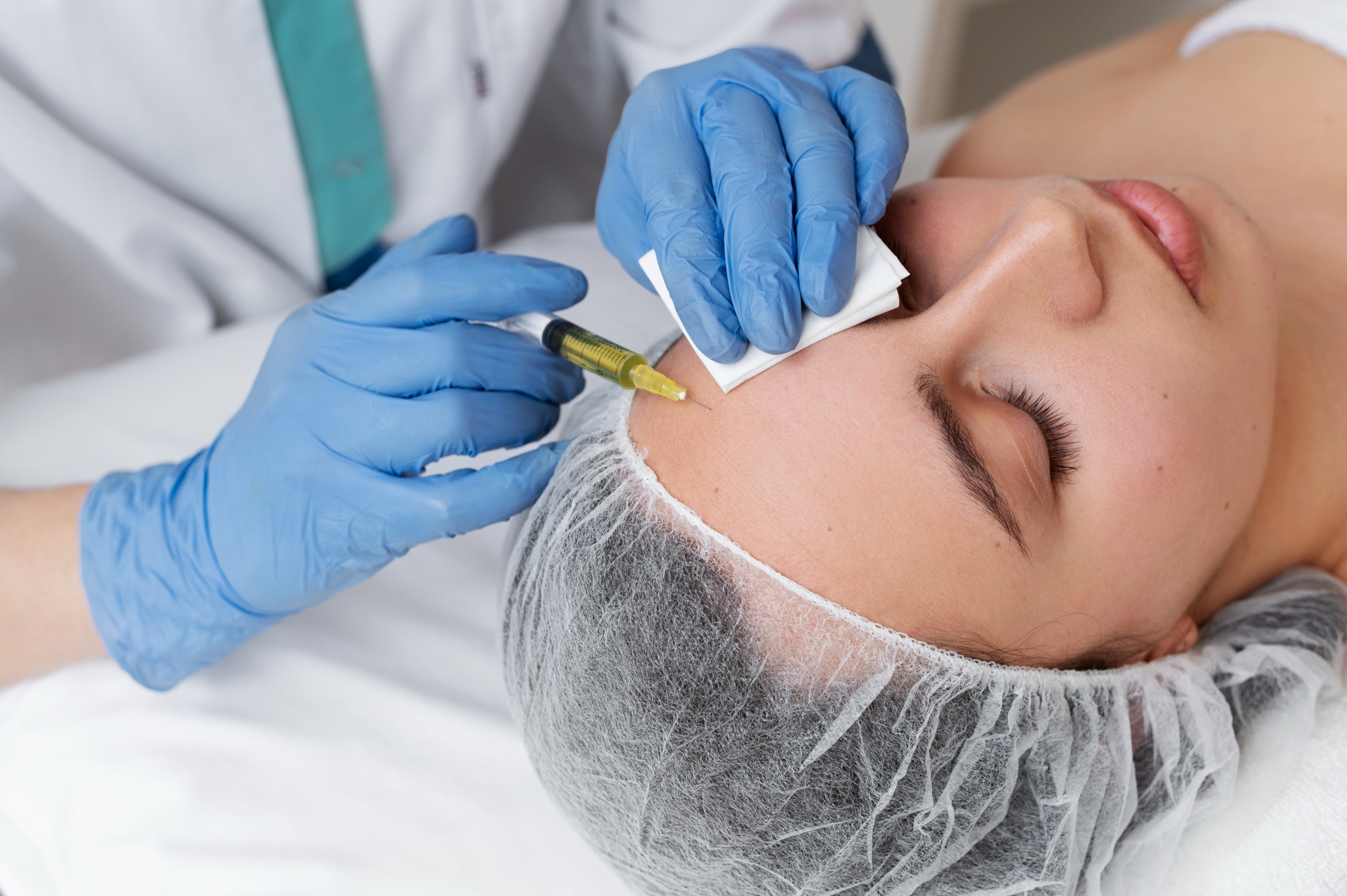
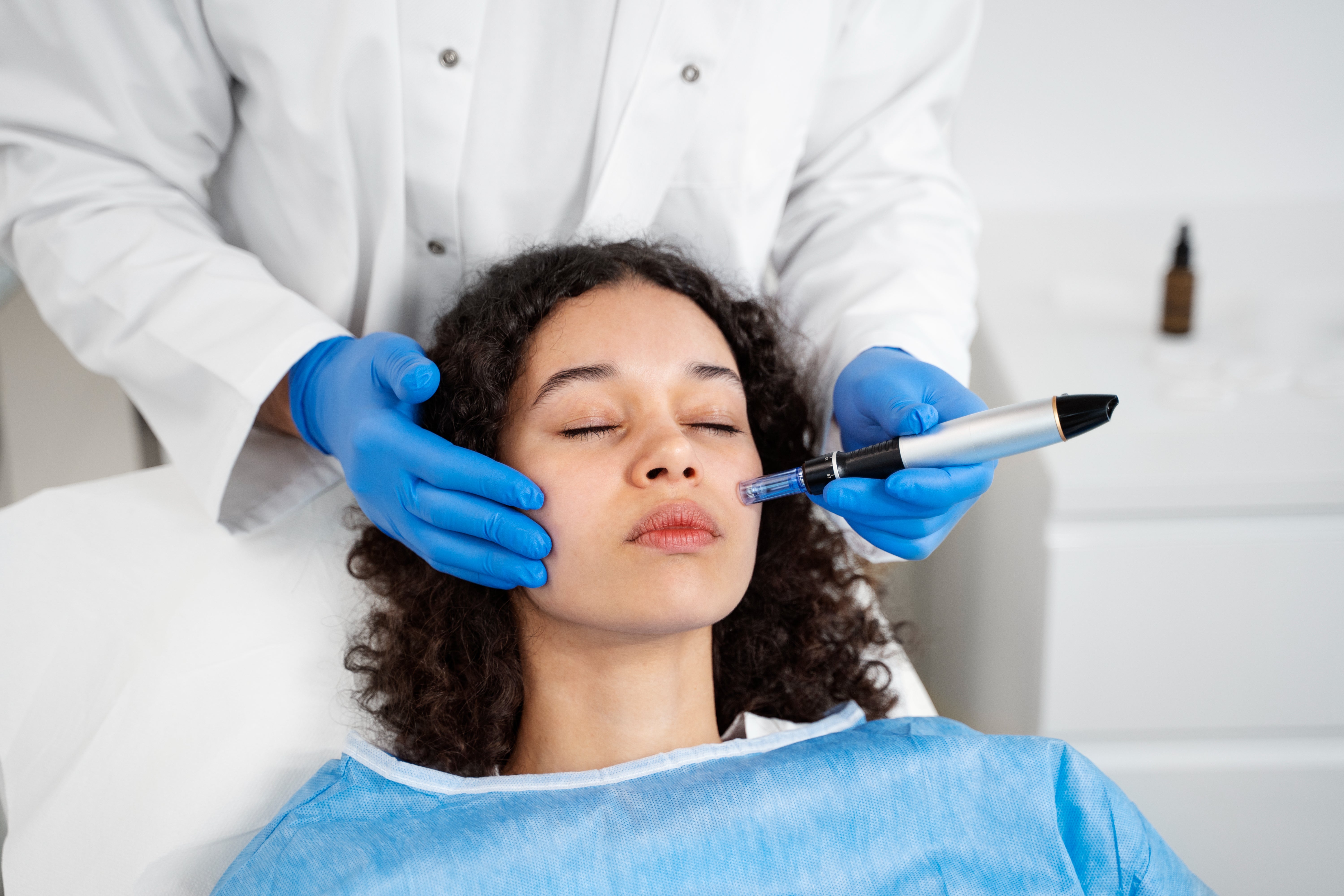
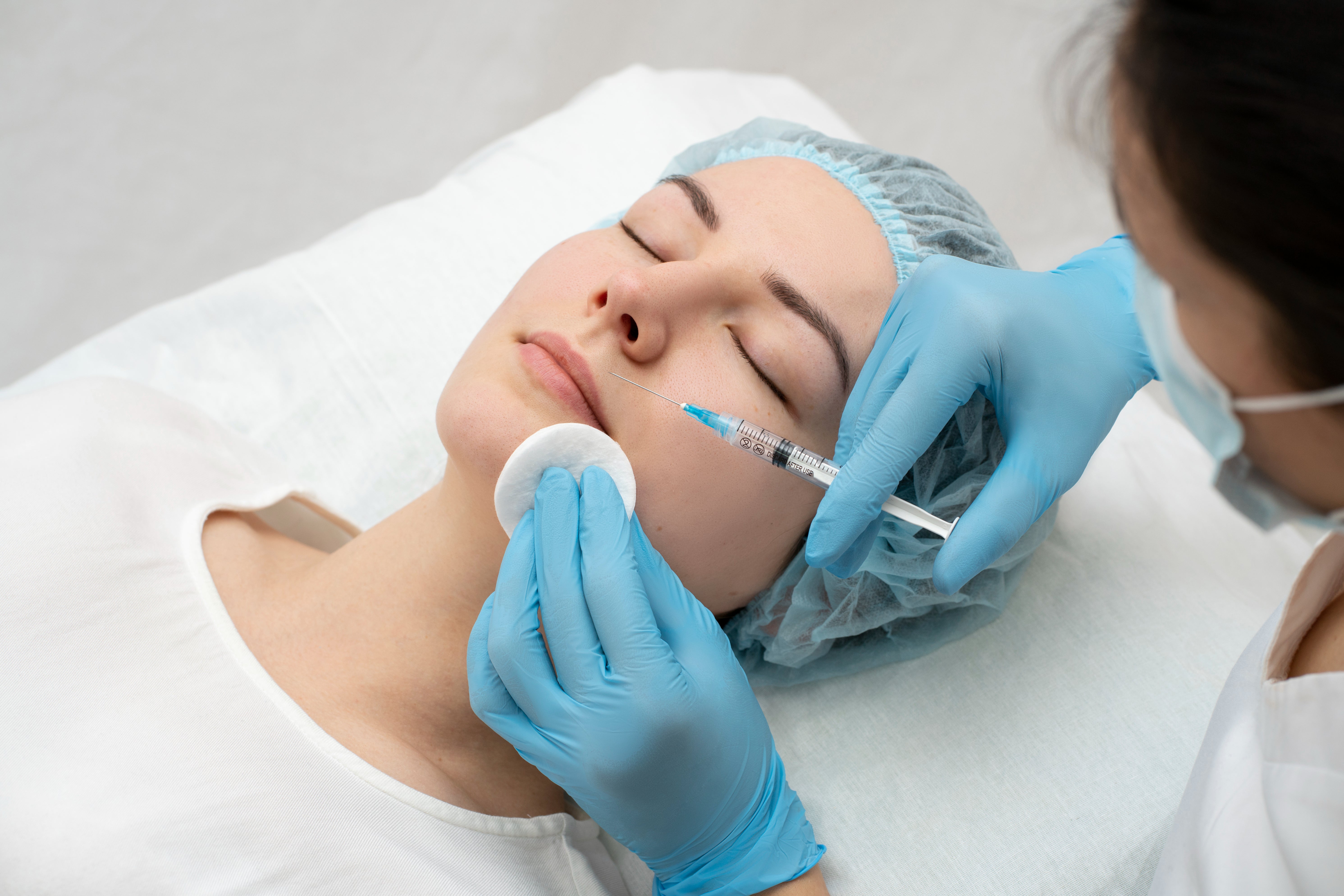
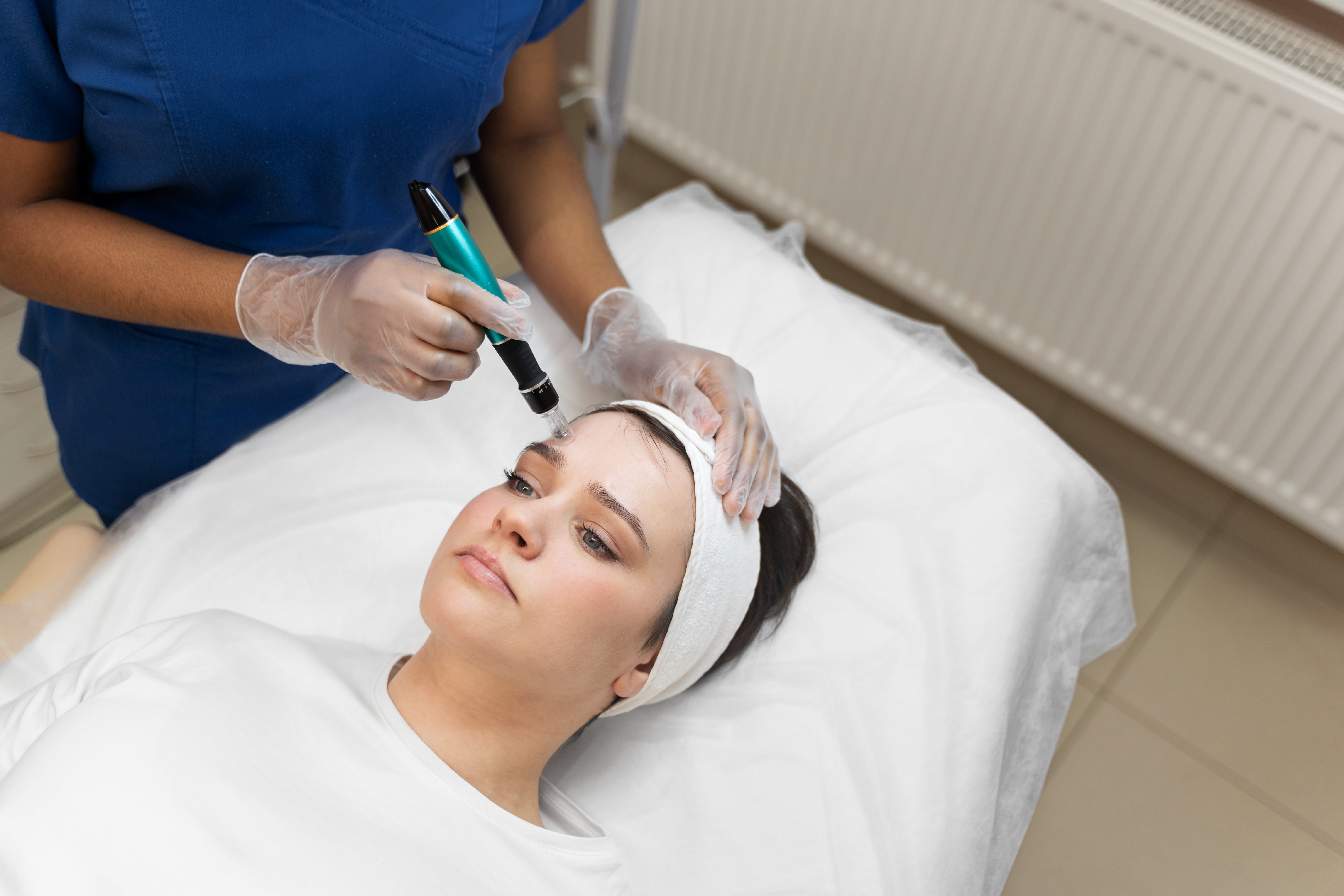









Acne scars are permanent collagen injuries, not surface marks. They form when deep acne inflammation damages the skin’s support structure, leading to pits, depressions, or raised scars. Effective acne scar treatment depends on scar type and usually requires combination therapy such as subcision, RF microneedling, fractional laser resurfacing, or TCA CROSS. Complete removal is rare, but meaningful improvement is achievable with correct diagnosis and staged treatment.
What Are Acne Scars?
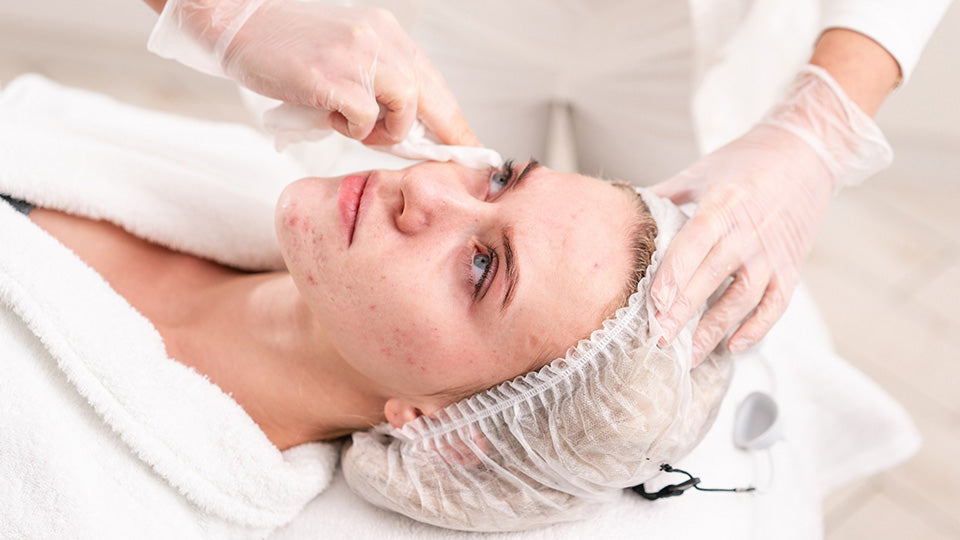
Acne scars are long-term structural changes that occur when inflamed acne heals abnormally. Instead of smooth collagen repair, the skin may heal with:
- Collagen loss, causing pits and depressions
-
Fibrosis, where tight bands pull the skin downward
-
Excess collagen production, leading to raised scars
Simple rule
-
Color problem = acne mark
-
Texture problem = acne scar
This distinction is critical because marks and scars require different treatments.
Acne Marks vs Acne Scars
Acne Marks
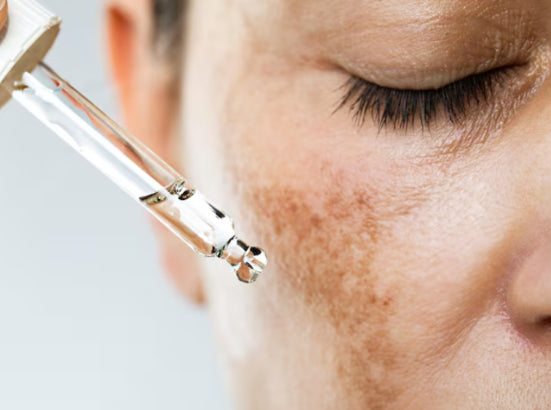
- Red marks (postinflammatory erythema)
-
Brown marks (postinflammatory hyperpigmentation)
-
Flat skin surface
-
Often fade with time and pigment-focused care.
Acne Scars
-
Pits, dents, uneven texture
-
Shadows under lighting
-
Raised or thickened tissue
-
Usually requires procedural treatment.
Treating marks like scars or scars like marks delays results and increases irritation risk.
Types of Acne Scars
Atrophic (Depressed) Scars – Collagen Loss
-
Ice pick scars – narrow, deep pits
-
Boxcar scars – U-shaped depressions with sharp edges
-
Rolling scars – wavelike dents caused by fibrotic tethering
Hypertrophic and Keloid Scars – Excess Collagen
-
Raised, firm scars
-
More common on the jawline, chest, and shoulders
-
Require a different treatment approach than depressed scars.
Correct scar classification is the foundation of successful treatment.
Why Acne Scars Occur
Scarring risk increases when inflammation is deep, prolonged, or repeatedly traumatized.
Internal Factors
-
Severe inflammatory or nodulocystic acne
-
Hormonal imbalance, including PCOS
-
Genetic tendency toward fibrosis or keloids
-
Delayed or inadequate acne treatment
-
Strong inflammatory response
External Factors
-
Picking or squeezing pimples
-
Harsh scrubs and aggressive facials
-
Incorrect acne treatments
-
Comedogenic skincare or makeup
Fact: Early acne control is the single most effective way to prevent scarring.
Best Acne Scar Treatments by Scar Type (Quick Match Guide)
|
Scar type |
What’s happening |
Best-fit treatments (most commonly used) |
|
Ice pick |
Deep vertical collagen loss |
TCA CROSS ± microneedling |
|
Rolling |
Fibrotic bands are pulling the skin down |
Subcision + RF microneedling |
|
Boxcar |
Defined edges with depth |
Fractional laser + RF microneedling |
|
Hypertrophic / keloid |
Excess collagen |
Intralesional injections, silicone therapy, selected lasers |
Most patients have mixed scars, which is why combination therapy is usually required.
Why Combination Therapy Works Better
Each procedure targets a different scar mechanism:
-
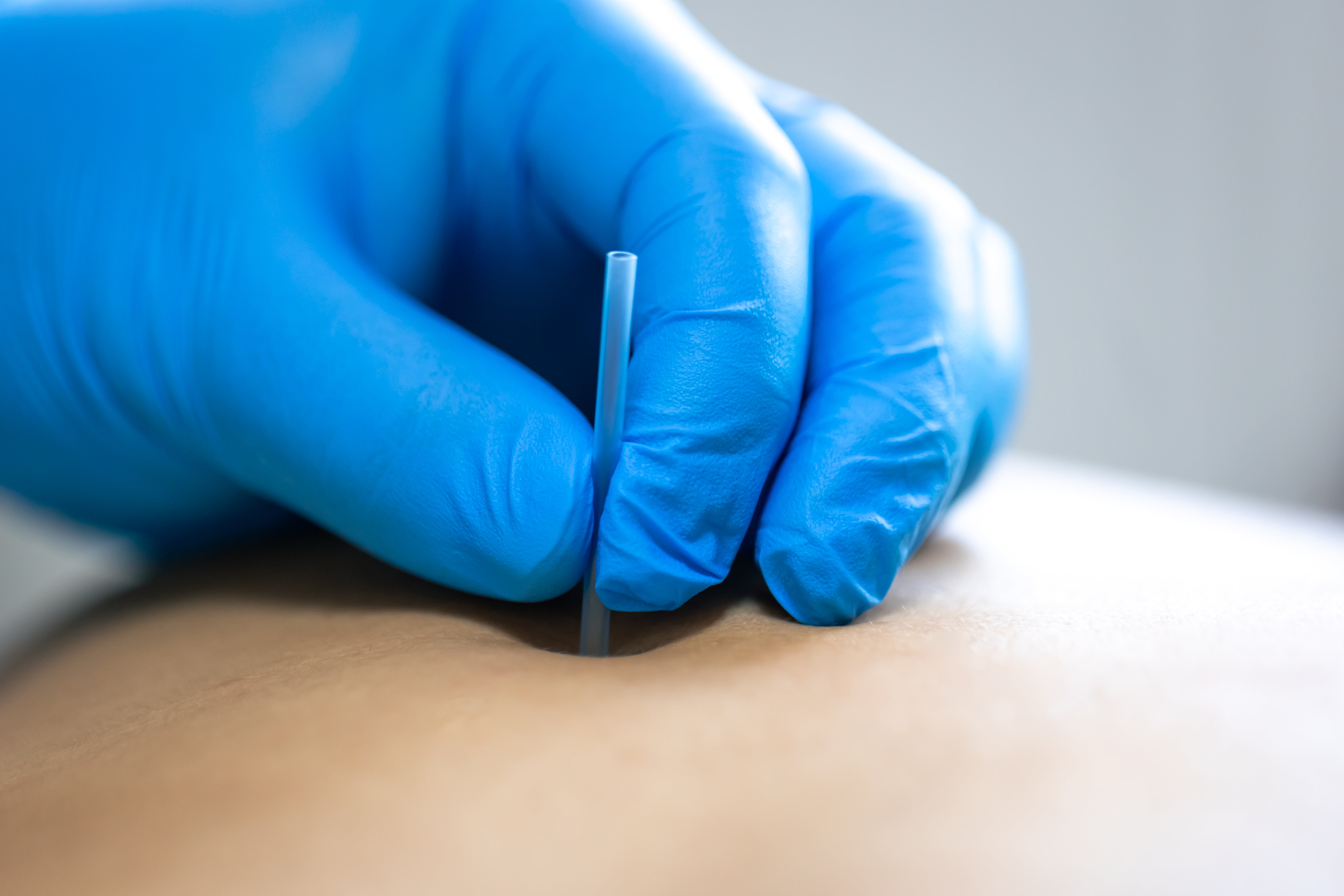
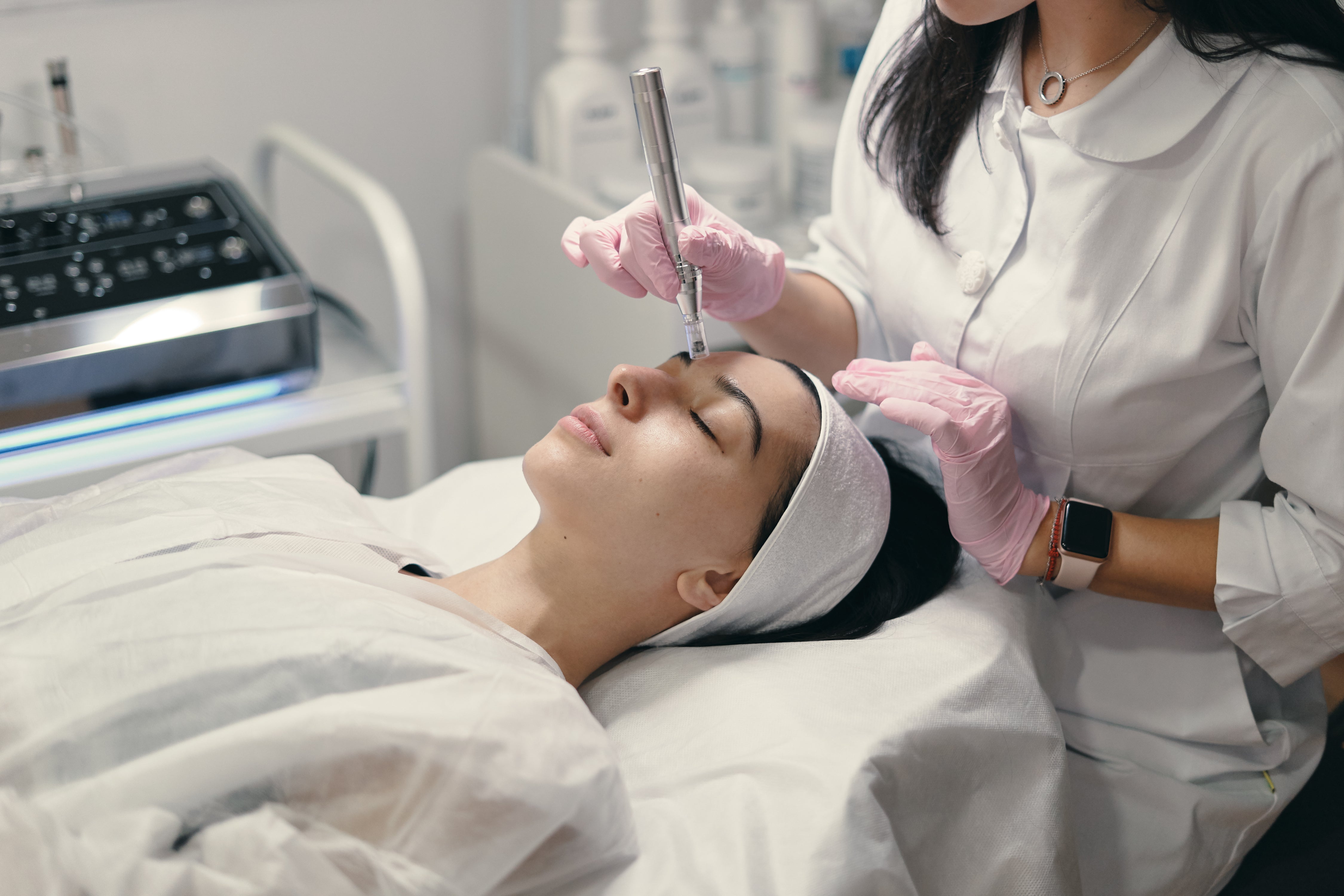
Subcision releases tethered scar bands
-
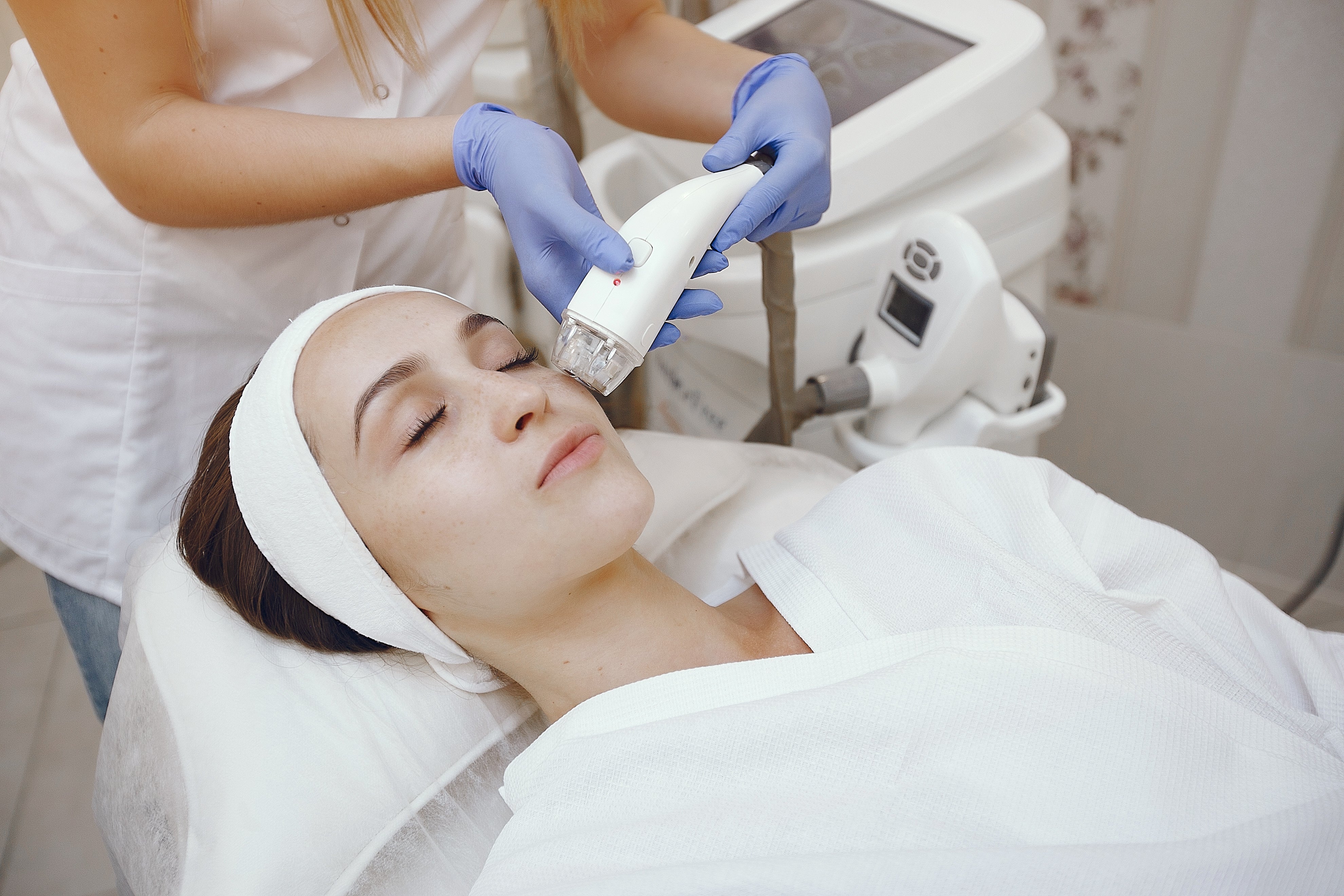
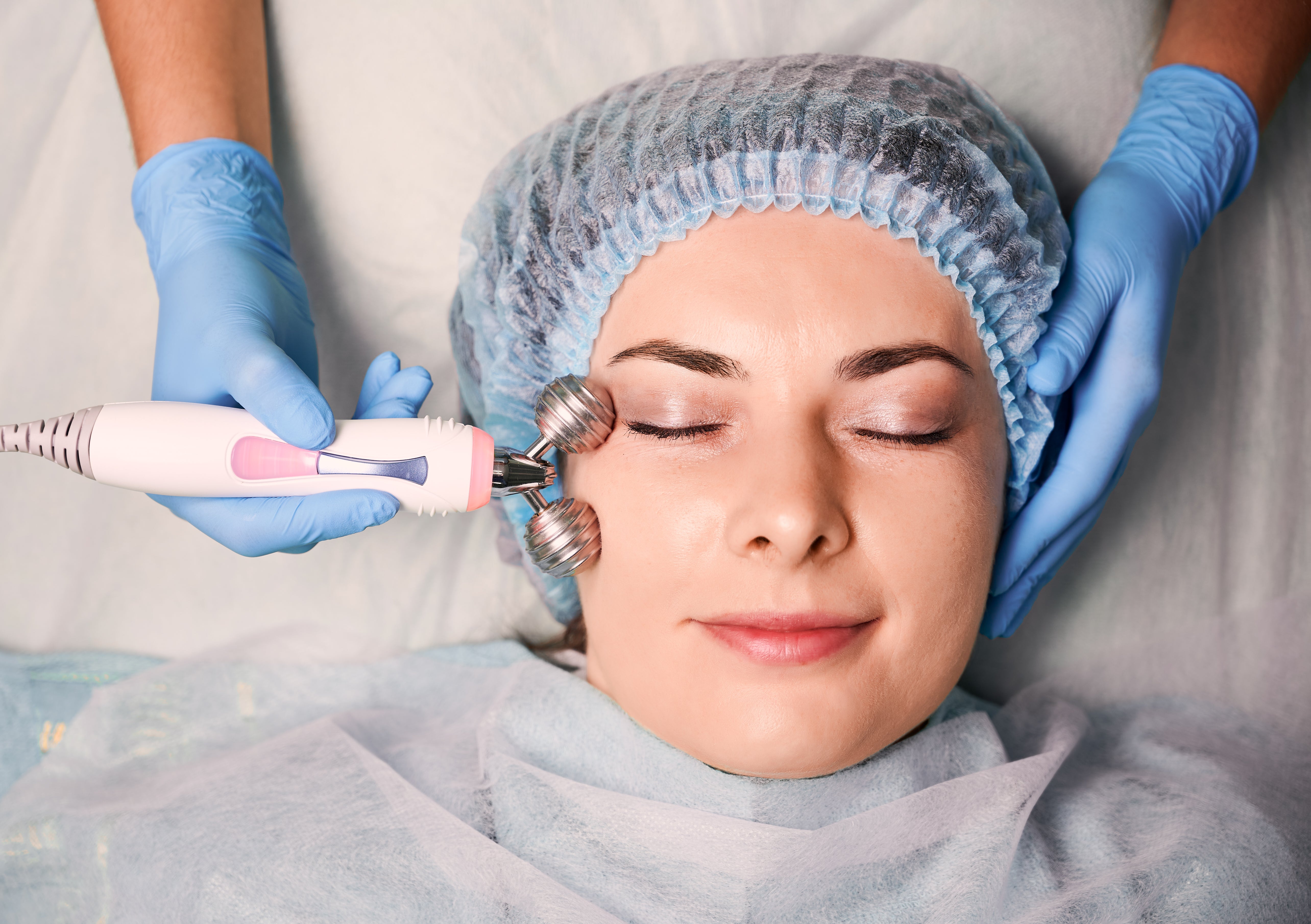
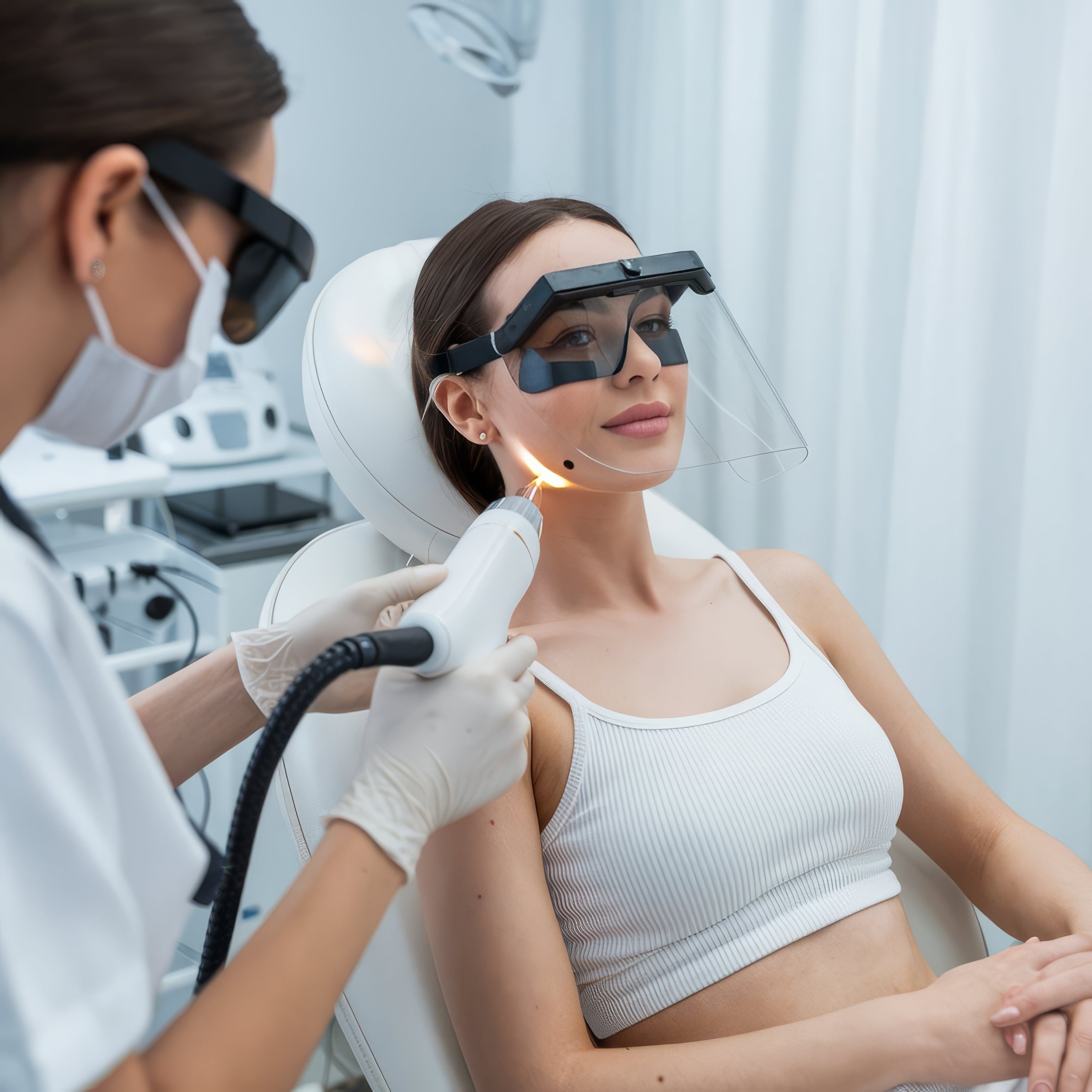
RF microneedling stimulates collagen remodeling.
-
Fractional lasers smooth edges and resurface texture
-
TCA CROSS induces collagen inside deep pits
Using a single device rarely addresses all scar components effectively.
How Long Does Acne Scar Treatment Take?
Acne scar improvement is gradual, not instant.
Typical Session Ranges
-
Mild scarring: 3–5 sessions
-
Moderate scarring: 5–8 sessions
-
Deep ice pick scars: 6–10 sessions
-
Hypertrophic scars: 3–6 treatments
Collagen remodeling continues after procedures, so final results evolve over 6–12 months.
Important: Scars usually do not disappear completely, but they can improve 30–70% depending on severity and skin biology.
When Acne Scars Should NOT Be Treated Yet
Scar procedures are usually delayed if:
-
Active acne is still present
-
Ongoing inflammation exists
-
Acne medications have not stabilized the skin.
Controlling acne first reduces the risk of new scars and improves outcomes.
Frequently Asked Questions
Can acne scars be removed permanently?
Complete removal is uncommon. Most patients achieve significant texture improvement, softer scar edges, and smoother skin with correct planning.
How many sessions are required?
Most people need 3–8 sessions, depending on scar type and depth. Deep or mixed scars may require more.
Which treatment is best for ice pick scars?
TCA CROSS is most commonly used because it induces collagen inside deep pits. It is often combined with microneedling for overall texture improvement.
Does acne scar treatment hurt?
Discomfort is usually mild to moderate and controlled with topical anesthesia. Pain levels vary by procedure and individual sensitivity.
Is there downtime after acne scar treatment?
Downtime depends on the procedure. Microneedling may cause redness for 1–3 days, while fractional lasers can require longer recovery.
Is RF microneedling safe for Indian skin?
Yes, when performed correctly. Safety depends on proper settings, technique, and postprocedure care.
Can lasers treat acne scars?
Yes. Fractional lasers help resurface skin and improve scar texture, especially when combined with other treatments.
How can I prevent new acne scars?
Treat acne early, avoid picking pimples, avoid harsh scrubs, and follow a structured acne treatment plan long enough to control inflammation.
Acne scars are collagen injuries, not surface blemishes.
Effective acne scar treatment depends on accurate scar mapping, combination therapy, and realistic timelines. While scars rarely disappear completely, visible, meaningful improvement is achievable with a science-based approach.
Also Read: Acne Treatment Explained: Causes, Types, Best Options, Timelines, and Scar Prevention
✍
Written by: Swaraj Dhar
Co Founder Allodermis || Sociopreneur || Technologist
LinkedIn ID: https://www.linkedin.com/in/swarajdhar/
Reviewed by: Dr Alok Sahoo
MBBS, MD Dermatology and Venereology, AIIMS Delhi
LinkedIn ID: https://www.linkedin.com/in/dralokderma/


