






















Quick Answer: A corn is caused by pressure and friction, forms a hard central core, and hurts on direct downward pressure. A plantar wart is caused by HPV infection, shows tiny black or red dots (clotted blood vessels), interrupts the normal skin lines, and typically hurts more on side-to-side squeezing. Corns need pressure relief and keratolytics; warts need salicylic acid, cryotherapy, or dermatologist-supervised procedures. Treating the wrong one worsens the pain.
Case Snapshot: A patient presented with a painful, thickened patch on the sole of the foot that they had been shaving down at home for months, assuming it was a corn. Close examination revealed pinpoint black dots and interrupted skin lines — the fingerprint-like ridges of the sole stopped at the lesion's edge — pointing instead to a plantar wart.
Corn vs Wart: The Diagnostic Clues That Matter
- Corn: a response to chronic pressure and friction — typically over bony points. It has a hard central core, preserved skin lines running through it, and is painful on direct downward pressure (stepping on it).
- Plantar wart: a viral infection with HPV (human papillomavirus). Its tell-tale signs are tiny black or red dots — clotted capillaries, highly typical of warts — interrupted skin lines, and greater pain on side-to-side squeezing than on direct pressure.
These small differences completely change management, which is why self-diagnosis so often fails on the foot.
How Plantar Warts Are Caught
HPV enters through microscopic breaks in the skin. Risk rises with:
- Walking barefoot in wet public places — gyms, swimming pools, changing rooms
- Minor skin trauma on the sole
- Excessive sweating, which softens and macerates the skin
- Lowered immunity
Treatment: Two Different Roads
For corns: the cause is mechanical, so the cure is mechanical — pressure relief with proper footwear, protective padding, and keratolytics to thin the hard skin. Without addressing the footwear and pressure point, corns always return.
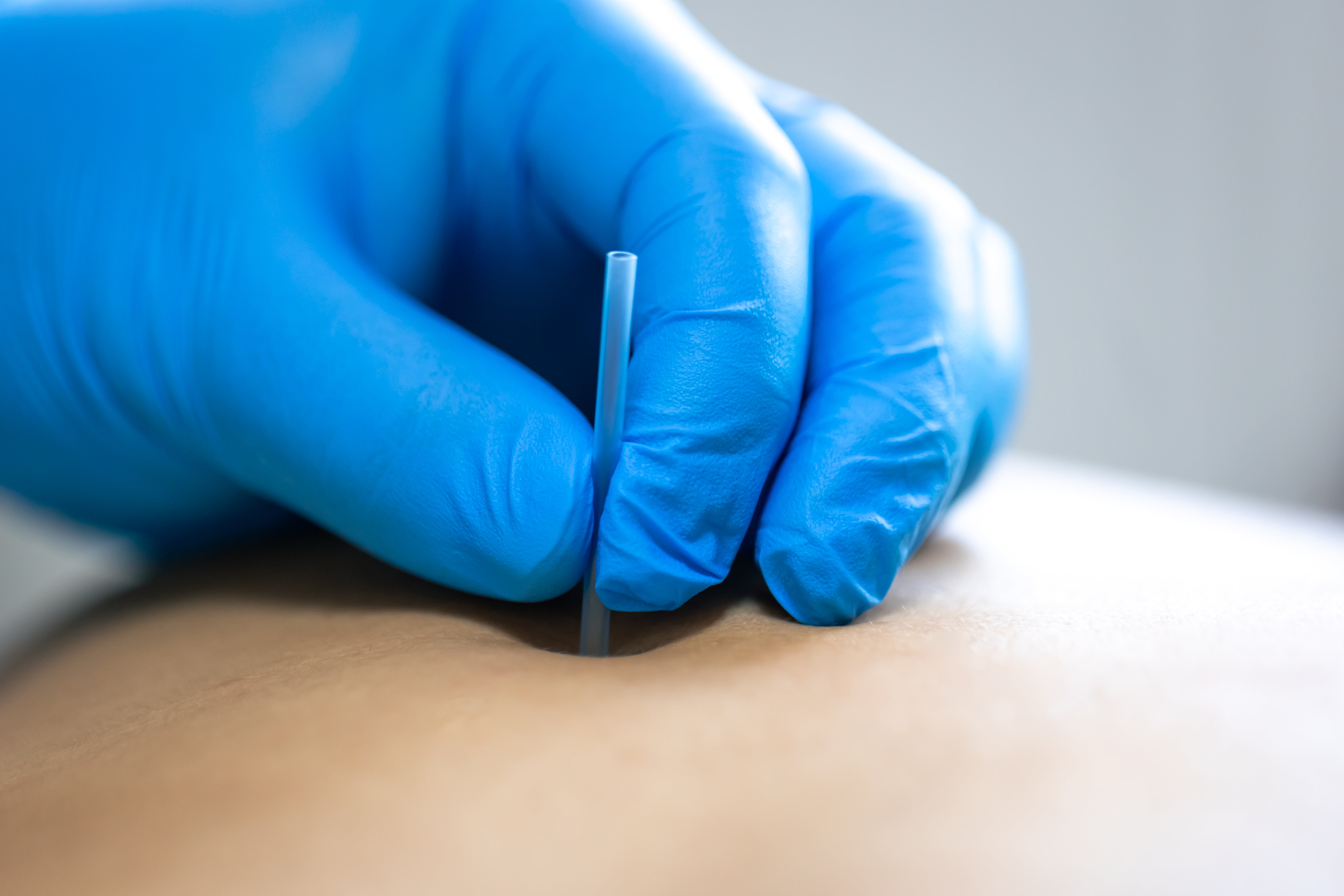
For plantar warts: the cause is viral, so treatment must destroy infected tissue — salicylic acid preparations, cryotherapy (liquid nitrogen), electrocautery, laser, or needling, all under dermatologist supervision. Multiple sessions are often needed, and stubborn warts sometimes require immunotherapy approaches.
Explore professional wart removal at Allodermis for safe, definitive treatment.
Why Home Treatment Backfires
Picking or shaving a plantar wart at home does two dangerous things: it spreads the virus to surrounding skin (creating satellite warts) and drives the lesion deeper, making it more painful and harder to treat. Conversely, freezing or burning a corn as if it were a wart injures healthy pressure-bearing skin without removing the mechanical cause. In both directions, treating the wrong lesion worsens pain — the central lesson of this case.
The Footwear Factor
Whether corn or wart, the sole's environment matters. Well-fitted, cushioned footwear reduces the pressure that creates corns and the micro-trauma that admits HPV. Moisture-wicking socks and drying the feet thoroughly reduce the softened-skin conditions warts favour. Patients who fix their footwear alongside treatment relapse far less.
When to See a Dermatologist
See a dermatologist if a sole lesion is painful, growing, bleeding, multiplying, or has resisted a month of over-the-counter care — or simply if you are unsure which lesion you have. Diabetic patients should never self-treat foot lesions at all; even minor procedures on diabetic feet require medical supervision. Book an evaluation here.
FAQs
Q: Are plantar warts contagious to family members? Yes — through shared floors, bathrooms, and footwear. Keep feet covered at home during treatment and avoid sharing slippers and towels.
Q: How long does wart treatment take? Salicylic acid regimens run weeks to months; cryotherapy and procedural options typically need multiple sessions spaced 2–3 weeks apart. Persistence wins.
Q: Can a wart go away on its own? Some do, over months to years, as immunity catches up — but on the weight-bearing sole they usually deepen and spread first, so treatment is recommended.
Q: Why does my "corn" keep coming back after removal? Either the pressure source (footwear, bony prominence) was never corrected — or it was never a corn. Recurrence is a classic sign of a misdiagnosed plantar wart.
Preventing the Next Foot Lesion
A few habits protect against both problems long-term: wear waterproof slippers in gyms, pool decks, and shared changing rooms — the classic HPV transmission zones; dry the feet thoroughly, especially between the toes, and change sweaty socks promptly; inspect the soles monthly so lesions are caught small, when treatment is quickest; replace worn footwear whose collapsed cushioning creates new pressure points; and never share nail clippers, pumice stones, or foot files, which can carry the virus between people and between sites on your own feet. If you've had one plantar wart, be extra vigilant — a previously infected sole plus the same barefoot habits is how "one wart" becomes a mosaic of many. And a final word on the popular home approach of paring lesions with blades: beyond spreading virus, it risks wounds and infection, and in anyone with diabetes or reduced foot sensation it is genuinely dangerous. Professional wart removal is faster, safer, and — because the diagnosis is confirmed first — actually aimed at the right target.
📌 Case Study Reference: Publicly shared patient image and query, Reddit dermatology/skincare communities. Educational discussion only; not a final diagnosis. Clinical commentary by the Allodermis dermatology team.
