
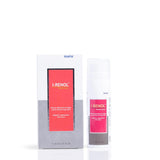
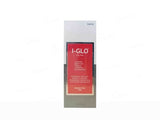
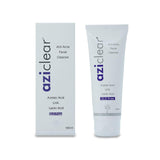






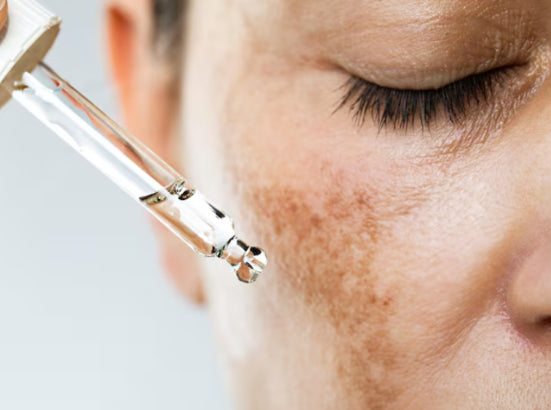





Quick Answer: Dark spots after acne are post-inflammatory hyperpigmentation (PIH) — the skin's response to inflammation, producing extra melanin at the exact spot where a pimple healed. PIH is especially common in Indian and darker skin tones. There is no overnight fix, but it is very treatable with lightening agents such as azelaic acid, arbutin, kojic acid, and glycolic acid, plus chemical peels — and the best strategy is prevention: treat acne early, never pick, and protect from the sun.
Case Snapshot: A user on r/IndianSkincareAddicts shared photos asking for help with skin texture and "black marks" scattered across the face — flat brown spots precisely marking where previous pimples had been.
Why Acne Leaves Marks on Indian Skin
When a pimple inflames, the skin responds to that inflammation by producing extra melanin (pigment) at the same spot. In richly pigmented skin — most Indian skin tones — melanocytes are more reactive, so even a modest pimple can leave a stubborn brown mark. Worse, when inflammation is intense or the lesion is squeezed, pigment gets deposited deeper in the skin, where it becomes far harder to clear. That is why the marks often outlast the acne itself by months.
Mark or Scar? Get This Right First
- PIH (mark): flat, brown or dark, smooth to touch — a colour problem. Fades with time and treatment.
- Scar: a texture change — pit, depression, or unevenness — a collagen problem. Will not fade with creams; needs procedural scar treatment.
Many faces carry both, and each needs its own plan.
Prevention: The Three Rules
- Treat acne early — every inflamed pimple that never happens is a mark that never forms. Start proper acne treatment at the first sign of recurring breakouts.
- Never pick or squeeze — manipulation multiplies inflammation and pushes pigment deeper.
- Protect from the sun daily — UV exposure darkens existing marks and dramatically slows their fading. Broad-spectrum sunscreen every morning is the single most powerful anti-PIH habit.
Treatment: No Quick Fix, But Real Results
- Azelaic acid — the workhorse for PIH in Indian skin: it lightens marks and treats acne simultaneously, with an excellent safety profile
- Arbutin and kojic acid — melanin-pathway inhibitors used in dermatologist-guided combinations
- Glycolic acid — accelerates pigment turnover through gentle exfoliation
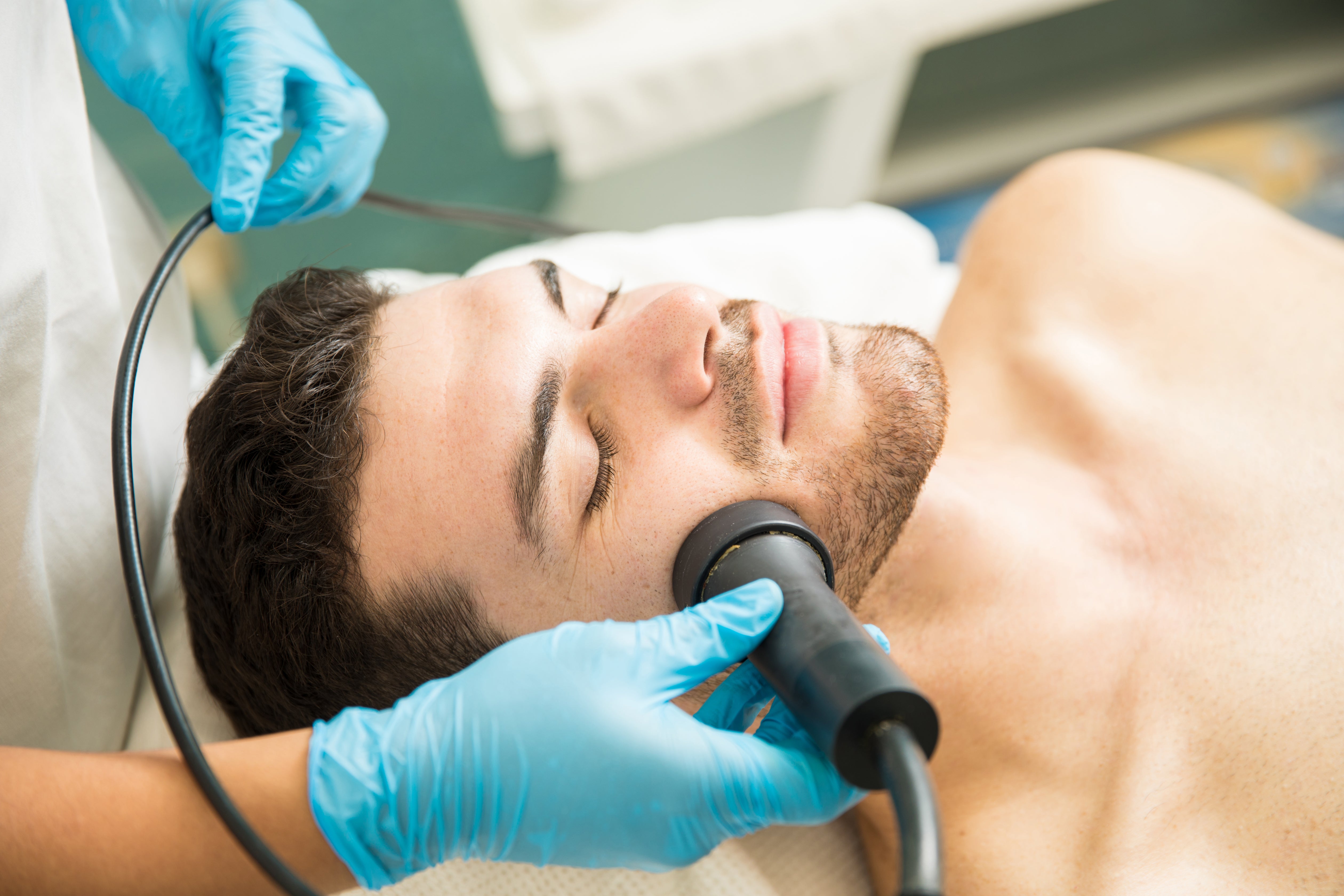
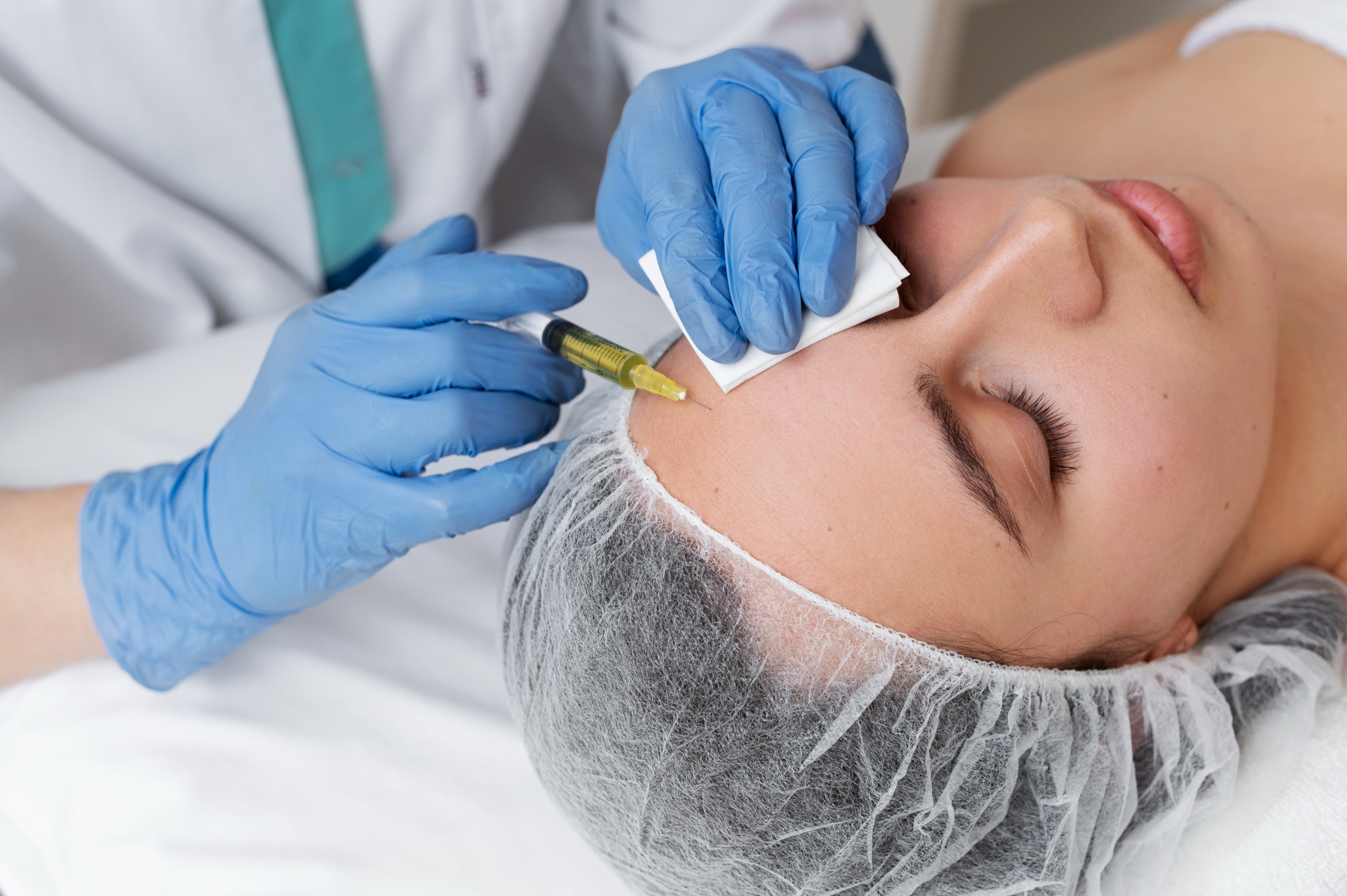
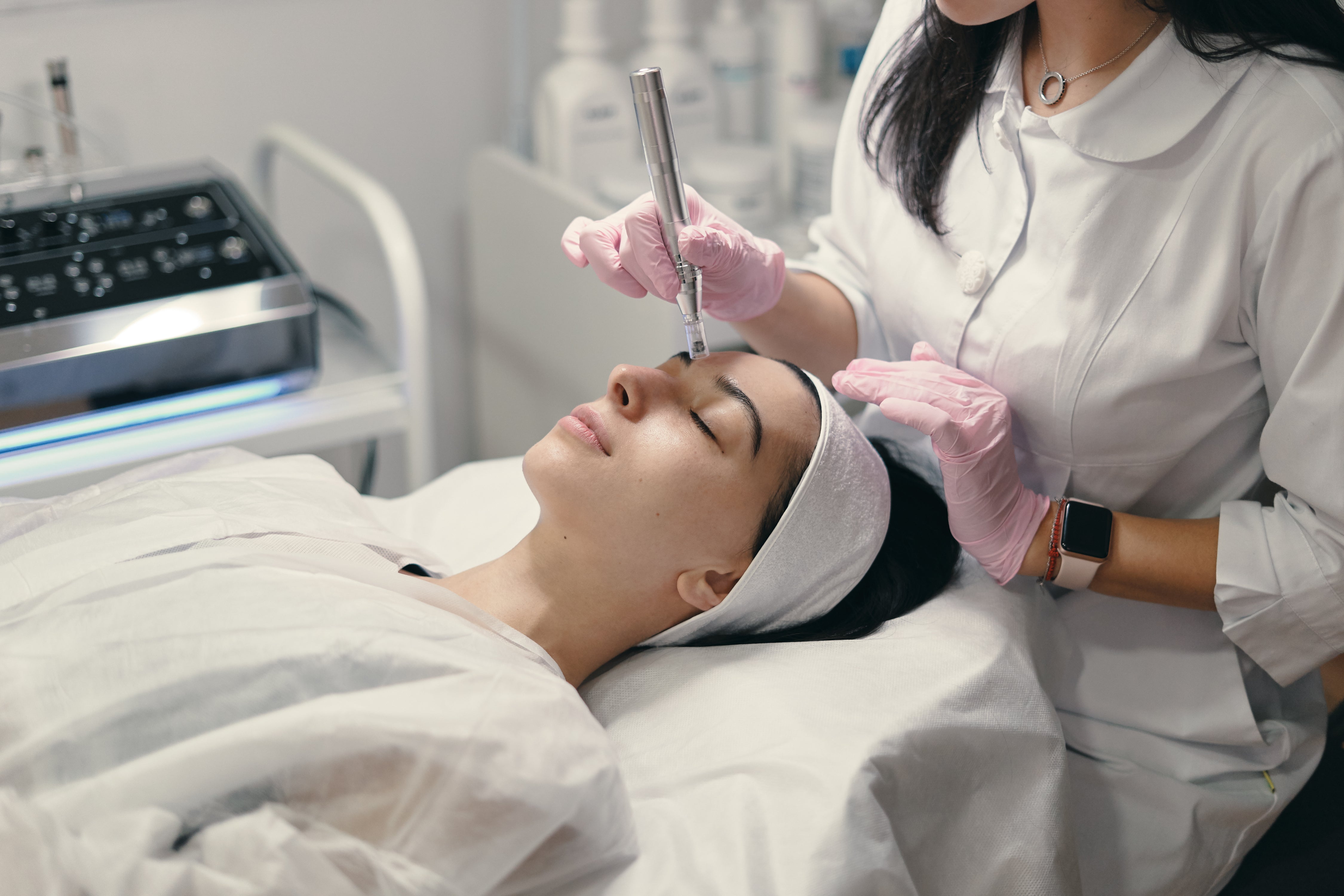
- Chemical peels in-clinic — speed up clearance of superficial pigment over a series of sessions
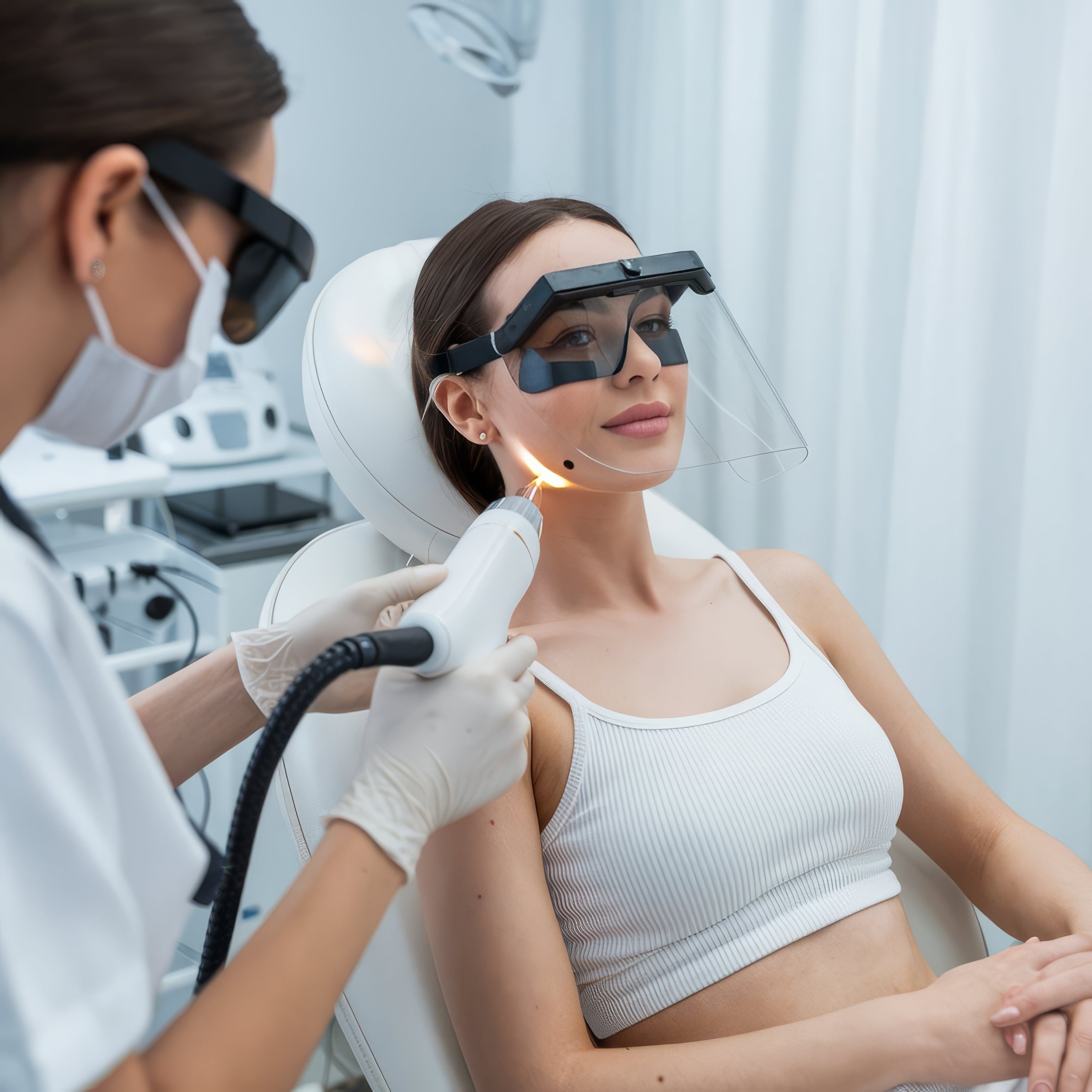
- Laser toning for deeper, resistant pigment, at conservative settings appropriate for darker skin
Expect gradual fading over 3–6 months for superficial marks; deeper pigment takes longer. Consistency plus sunscreen beats any single "miracle" product.
The Trap to Avoid
Steroid-containing "fairness" combination creams lighten marks briefly, then cause rebound darkening, thinning, and acne flares of their own. They are the most common way patients convert a solvable pigment problem into a chronic one. Use only dermatologist-recommended actives — our skin pigmentation page explains the safe options.
When to See a Dermatologist
If marks are widespread, deepening, or not fading after three months of sunscreen and actives — or if active acne is still producing new marks — see a dermatologist. Controlling the acne and clearing the pigment together shortens the whole journey. Book a consultation.
FAQs
Q: How long do acne marks take to fade naturally? Superficial PIH fades over 3–6 months with sun protection; deeper pigment can take a year or more without treatment — actives and peels significantly shorten this.
Q: Does vitamin C help PIH? Yes — as an antioxidant brightener it supports the plan, though azelaic acid and peels do the heavier lifting for established marks.
Q: Will the marks come back after treatment? Not the same ones — but new acne creates new marks. That's why acne control and maintenance are part of every PIH plan.
Q: Are red marks and brown marks treated the same way? Red marks (post-inflammatory erythema) are residual blood-vessel changes and fade with time or vascular-targeted treatment; brown marks are melanin and respond to the lightening agents above. Many lesions carry both, fading red-first, brown-second.
A Daily Anti-PIH Routine
- Morning: gentle cleanser → azelaic acid (if prescribed for daytime) → moisturiser → broad-spectrum SPF 50, reapplied outdoors
- Night: cleanser → retinoid or lightening active as guided → moisturiser
- Weekly discipline: hands off the face; no picking, no "checking" bumps in the mirror with fingernails
- Monthly: photograph the marks in identical lighting — fading is too slow to see daily but obvious month-to-month, and the visible progress protects motivation
How Clinic Treatments Are Sequenced
In-clinic care follows a logic: first stabilise acne (so the mark factory closes), then superficial peels every few weeks to accelerate pigment turnover, then laser toning only for the stubborn deeper remainder. Jumping straight to procedures while acne still rages wastes sessions — each new pimple deposits fresh pigment behind the treatment. This sequencing conversation is exactly what a first consultation establishes.
📌 Case Study Reference: Publicly shared patient images and query, r/IndianSkincareAddicts, Reddit — Want to fix skin texture / black marks (image post). Educational discussion only; not a final diagnosis. Clinical commentary by the Allodermis dermatology team.

