






















Quick Answer: A red, raised acne lesion with a pus point that lingers for weeks — even without much pain — suggests an inflamed nodular acne lesion. These persist because of ongoing inflammation and bacterial activity under the skin, and they carry a higher risk of marks and scarring. Daily care: a benzoyl peroxide cleanser or gel plus a topical retinoid (adapalene), and strictly no squeezing. Such lesions are best seen by a dermatologist, as pus-filled nodules may need aspiration and sometimes antibiotics.
Case Snapshot: A user asked about a "pimple not painful but not going" — a single red, raised lesion with a visible pus point that had stubbornly persisted for weeks while ordinary pimples around it came and went.
Why This Pimple Behaves Differently
Ordinary superficial pimples run their course in days. A lesion that stays red and raised for weeks is telling you the process sits deeper: an inflamed nodule where ongoing inflammation and bacterial activity continue under the skin, quietly smouldering even when pain is minimal. The absence of pain is falsely reassuring — pain reflects pressure and nerve involvement, not danger. What matters is depth and duration, and on both counts, a weeks-long nodule is the lesion type that runs a higher risk of marks and scarring than any quick pustule.
The Daily Routine While It Resolves
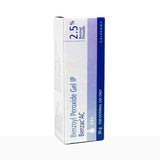
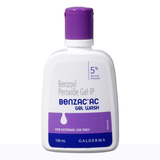
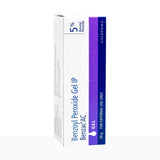
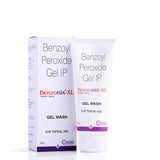
For home care around such a lesion — and to prevent its siblings: ✔️ Benzoyl peroxide-based cleanser or gel — reduces the bacterial load feeding the inflammation ✔️ Topical retinoid (adapalene) at night — keeps the surrounding pores clear so new deep lesions don't seed ✔️ Hands off entirely — no touching, pressing, or squeezing; a deep lesion squeezed from the surface ruptures inward, spilling inflammation into surrounding tissue and converting a temporary bump into a permanent scar ✔️ Morning sunscreen — the healing site will pigment readily in Indian skin without protection
Why This One Deserves a Dermatologist
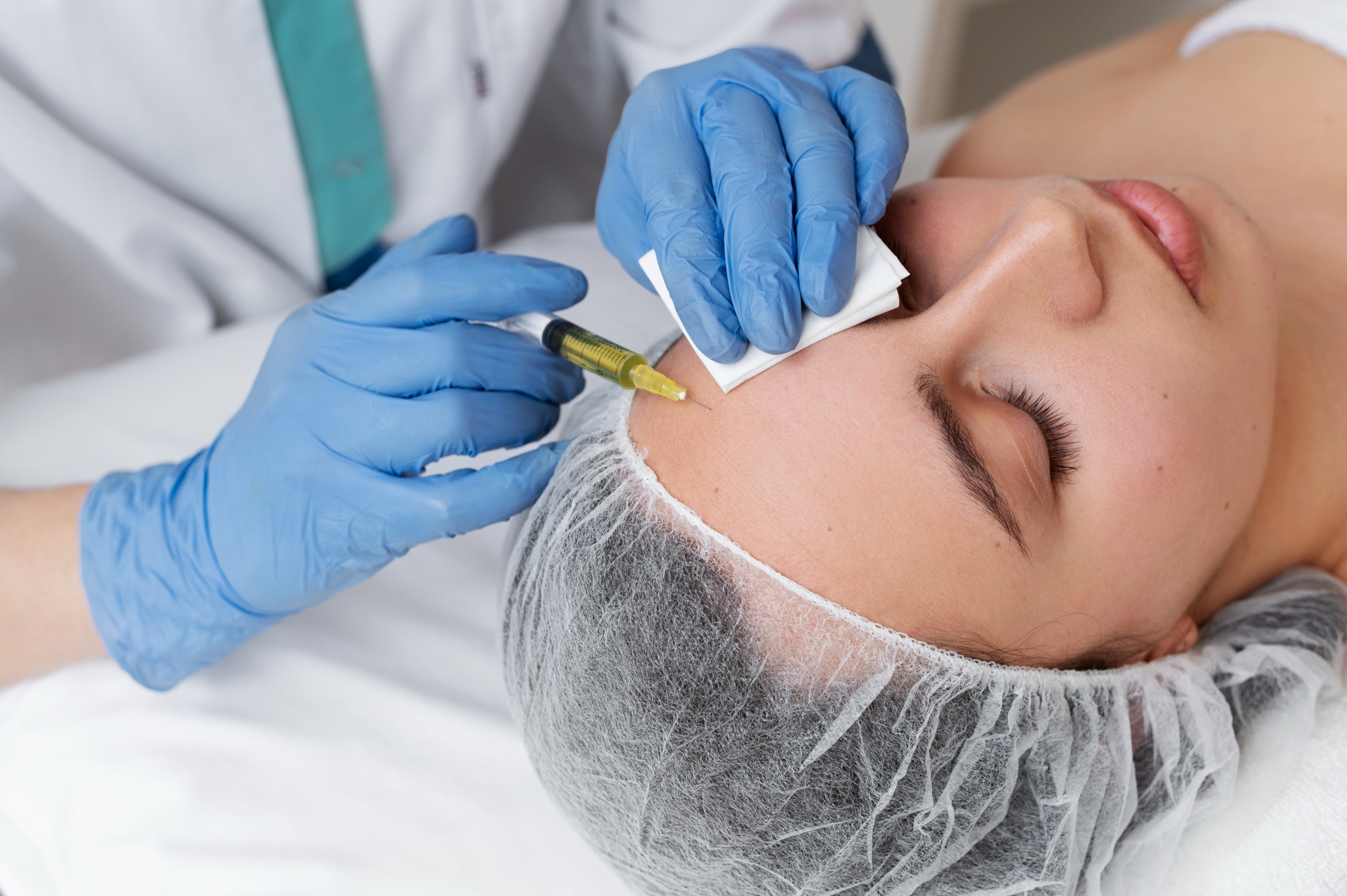
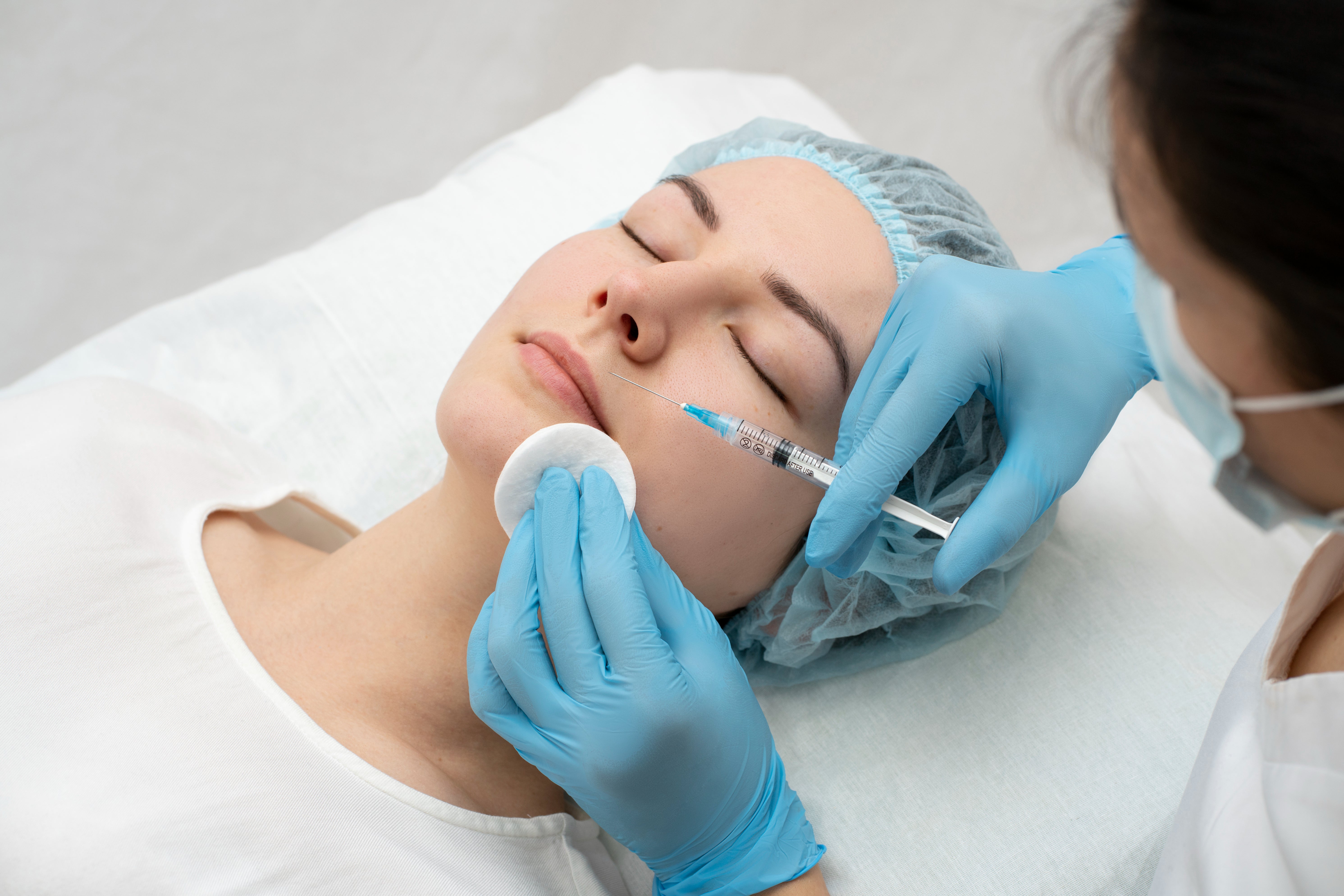
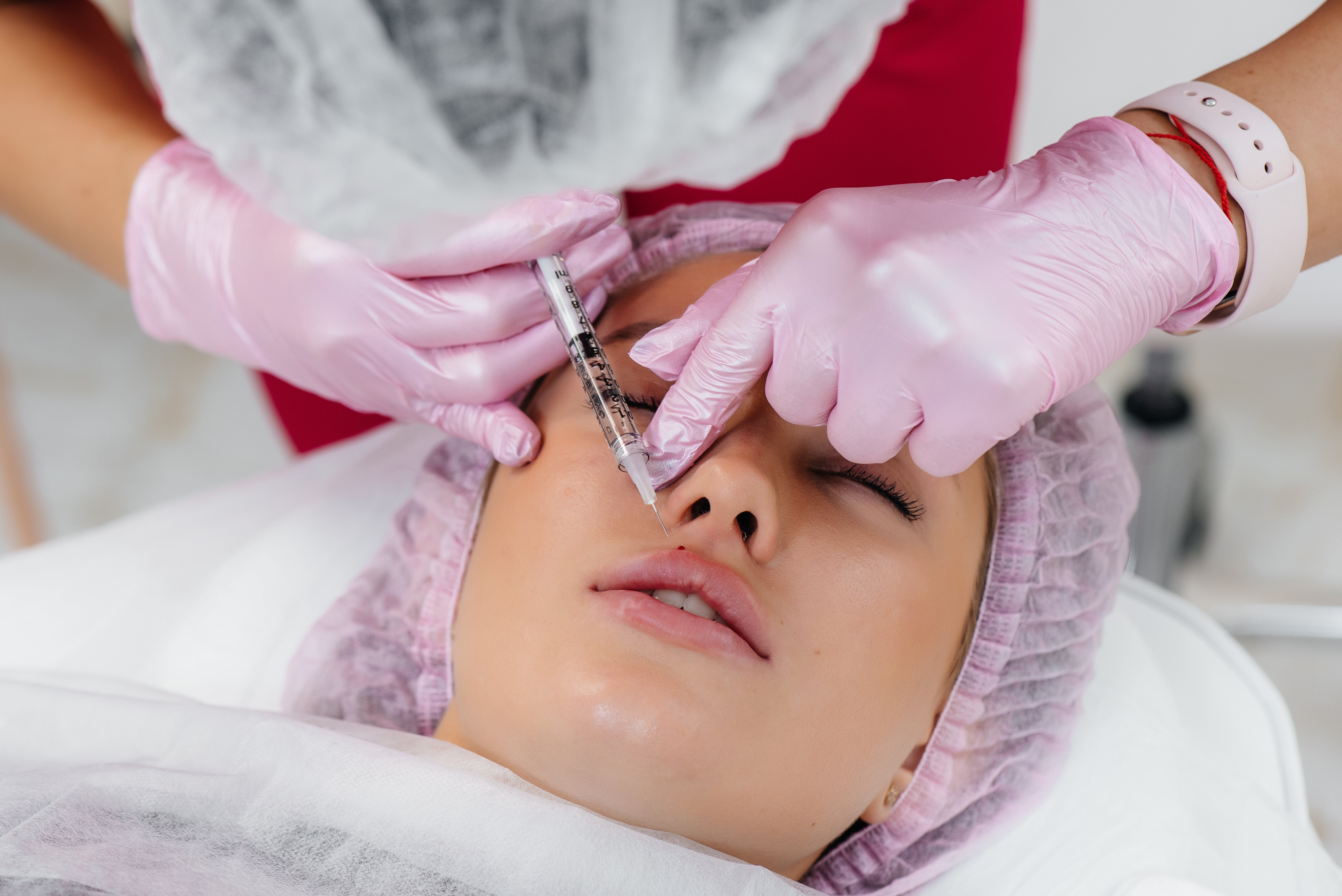
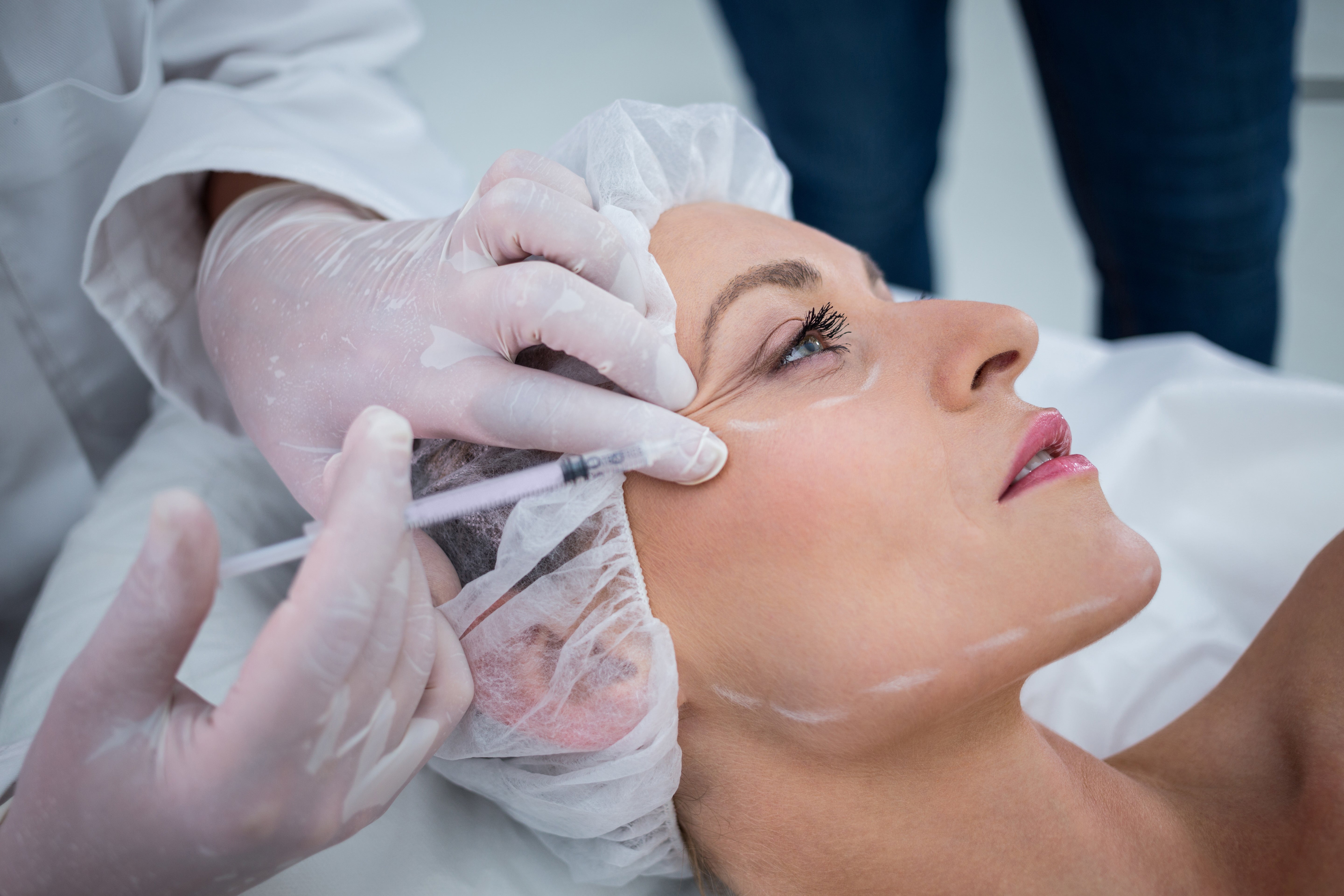
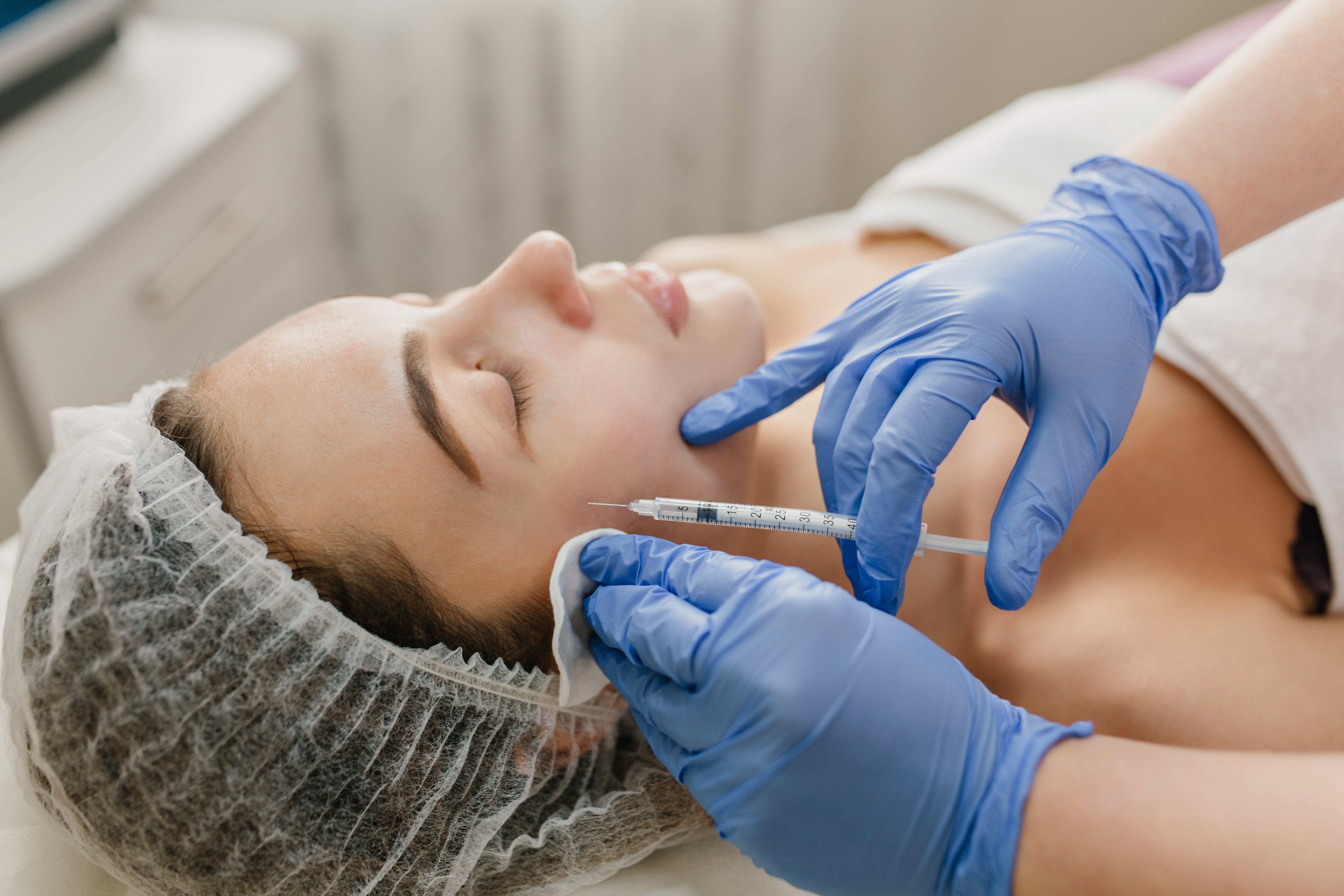
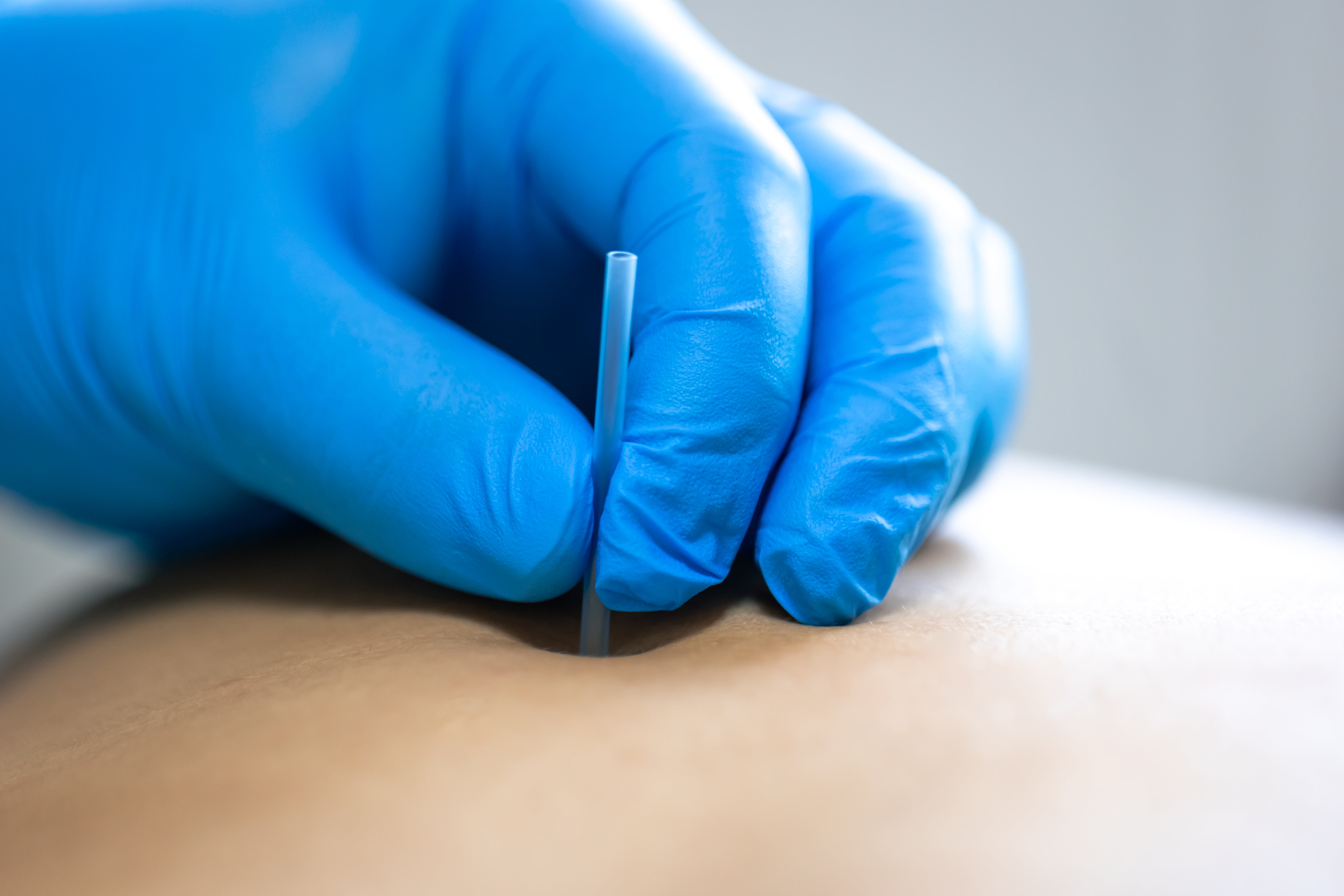
This is the case where clinic care clearly outperforms patience. Pus-filled nodules may need aspiration — sterile drainage that decompresses the lesion and shortens its life dramatically — and some need additional treatment such as antibiotics to extinguish the bacterial component, or an intralesional injection to collapse inflammation within days. These are five-minute procedures that routinely save weeks of waiting and, more importantly, reduce the scarring risk that every additional inflamed week adds. If nodules are recurrent rather than one-off, that pattern itself warrants a proper acne treatment plan — recurrent nodular acne is precisely the phenotype where early systemic treatment prevents lifelong scarring.
Red Flags Worth Knowing
A "pimple" that persists beyond 6–8 weeks despite treatment, keeps growing, bleeds spontaneously, or feels fixed and hard deserves examination rather than more waiting — a small number of persistent facial bumps are not acne at all (cysts, and rarely other lesions), and a dermatologist can distinguish these on sight or with dermoscopy.
The Aftermath Plan
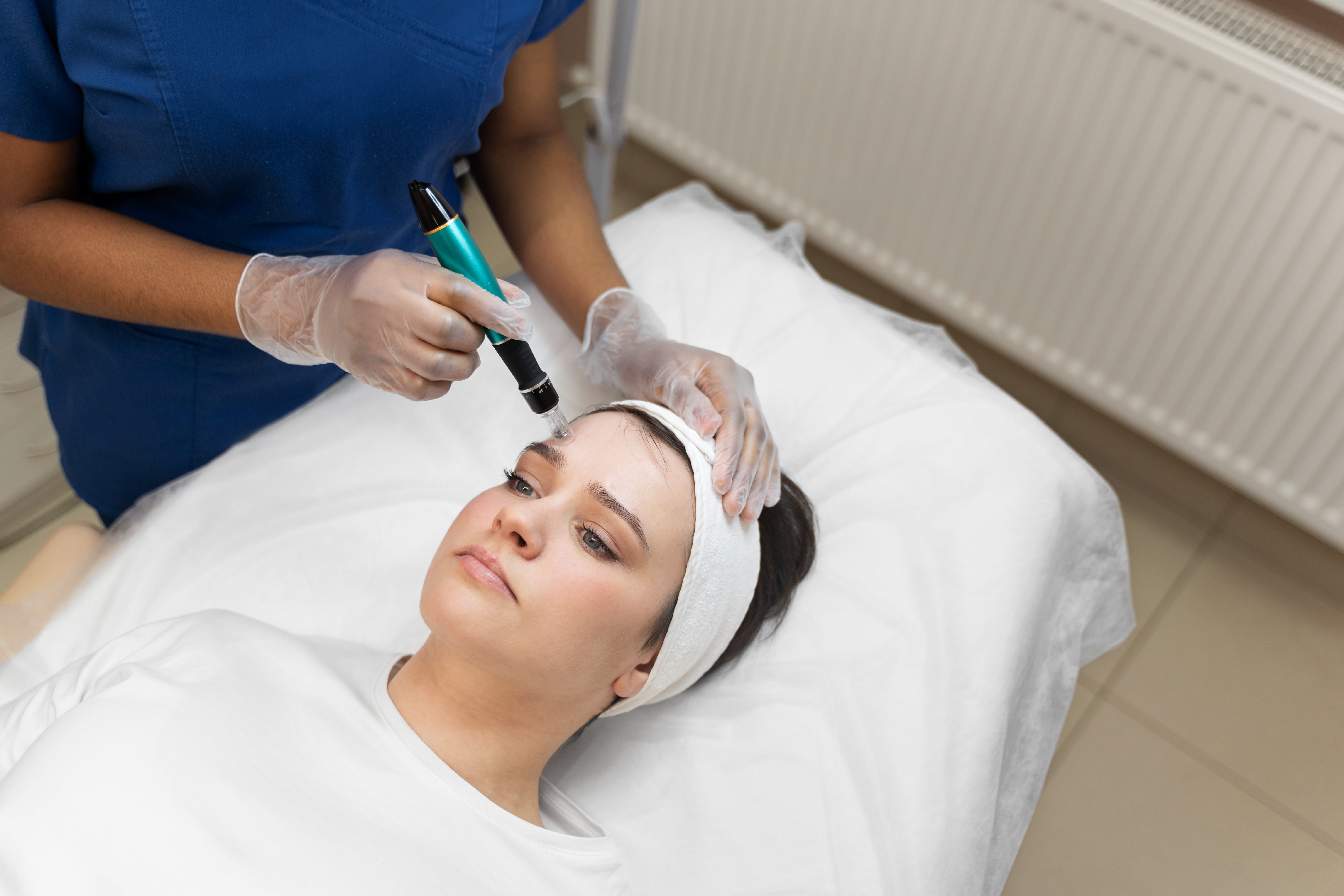
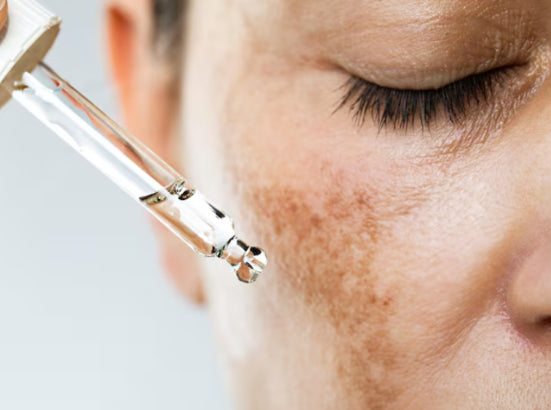
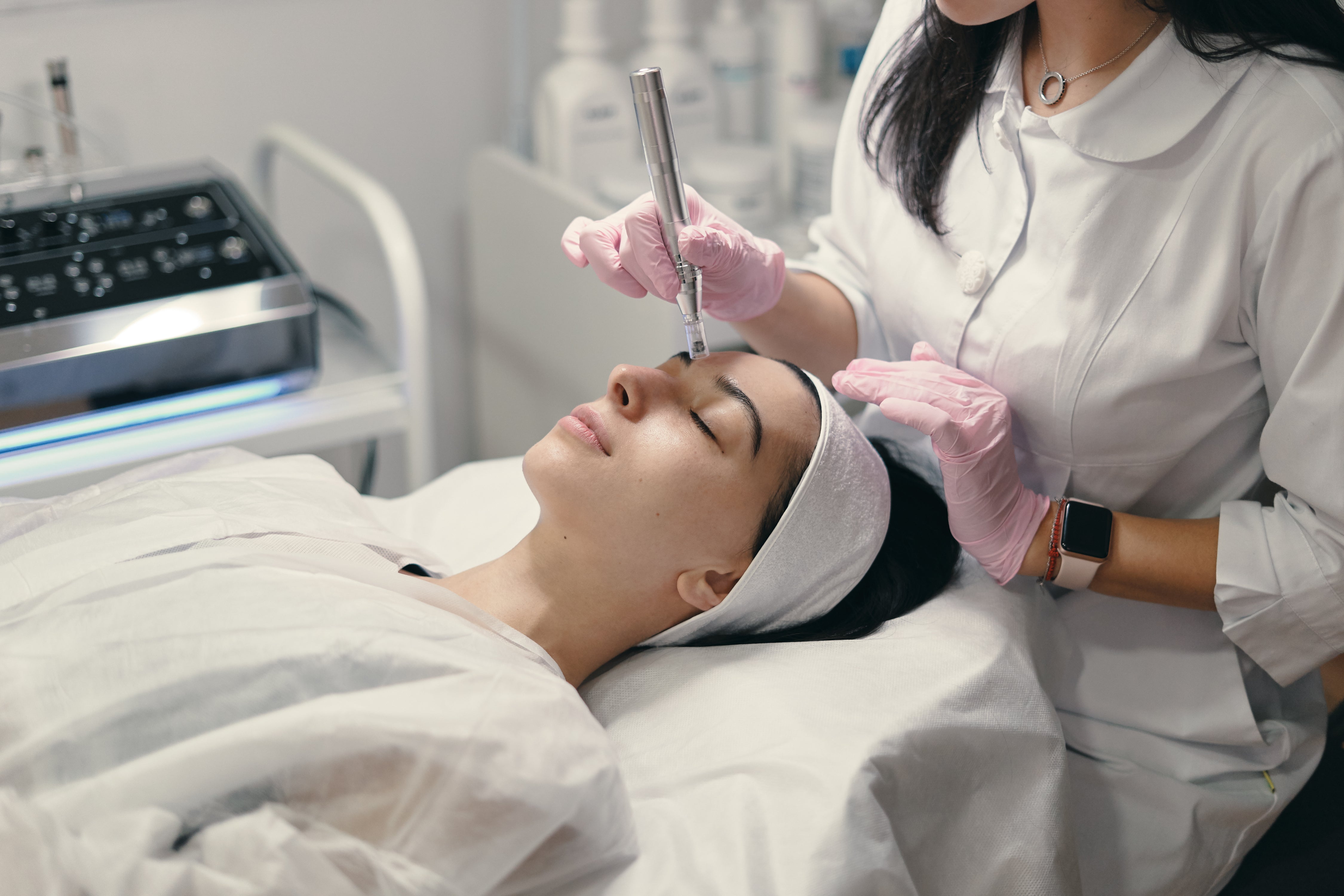
Once the nodule settles, expect a flat red-brown mark for weeks to months. Sunscreen plus azelaic acid speeds its fading; picking at the healing site or scrubbing it does the opposite. If a depression remains once all colour has faded — a true scar — procedural options like microneedling or MNRF address it, but a single well-managed nodule usually heals without one.
What Aspiration Day Actually Looks Like
Patients often delay the visit imagining a dramatic procedure. The reality: after examination confirms a fluctuant (fluid-filled) lesion, the area is cleaned, a fine sterile needle decompresses it in seconds, and an anti-inflammatory step may follow — the whole encounter shorter than the commute. Relief in size and redness is typically visible within a day or two, and the scarring risk drops the moment the pressurised inflammation is out of the tissue rather than being squeezed through it at home. Comparing that five-minute sterile version against weeks of mirror-squeezing — with its guaranteed marks — makes the clinic visit the obvious economy.
When to See a Dermatologist
See a dermatologist for any acne lesion persisting past 3–4 weeks, any pus-filled nodule (for possible aspiration), recurrent deep lesions, or a bump you're not sure is acne. Early intervention here is genuine scar prevention. Book a consultation.
FAQs
Q: Can I do a warm compress on it? A clean warm compress may modestly ease a superficial pustule, but deep nodules need medical drainage — compresses won't reach the problem and vigorous heat/pressure can inflame it.
Q: Why doesn't it hurt if it's inflamed? Pain depends on pressure and location. Deep lesions can smoulder with surprisingly little pain — duration and redness are the truer severity markers.
Q: Will antibiotics alone cure recurrent nodules? Antibiotics calm flares but don't fix the pore-clogging biology; they're paired with retinoids, and recurrent nodular acne often merits discussion of definitive systemic options.
Q: How do I cover it safely in the meantime? A light non-comedogenic concealer is fine; remove it gently at night. What harms is the picking that often accompanies mirror time — not the makeup.
📌 Case Study Reference: Publicly shared patient image and query, r/IndianSkincareAddicts, Reddit — "Pimple not painful but not going". Educational discussion only; not a final diagnosis. Clinical commentary by the Allodermis dermatology team.
