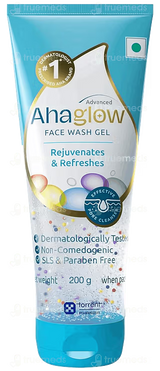
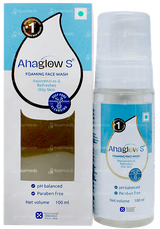











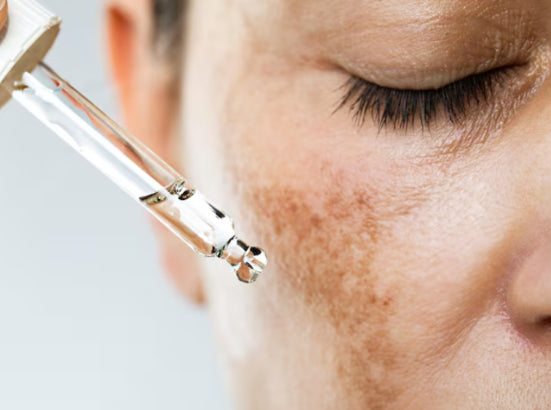








Quick Answer: Darkening on the neck, underarms, or skin folds that doesn't wash off — with a thick, velvety texture and usually symmetrical distribution — is acanthosis nigricans. Its most common cause is insulin resistance, often linked to obesity or PCOS, making it an early warning sign of metabolic problems like diabetes. Treatment targets the cause first — weight management and diet — supported by lactic acid moisturisers, retinoids, chemical peels, and dermatologist-guided procedures for the skin itself.
Case Snapshot: A user on r/IndianSkincareAddicts requested treatment for acanthosis nigricans — describing the classic stubborn darkening of the neck folds that no amount of scrubbing or "de-tan" remedies had shifted.
What Is Acanthosis Nigricans?
Acanthosis nigricans (AN) is a condition where skin becomes dark, thick, and velvety in texture, most commonly over the neck, underarms, groin, elbows, knees, and other skin folds, and is usually symmetrical. The texture is the key: this is not a surface stain but an actual change in the skin's architecture — thickened, ridged, velvet-like — which is precisely why washing, scrubbing, and bleaching creams fail. Families often mislabel it as "dirt" or poor hygiene, adding social distress to a condition that is neither.
The Cause That Matters Most
The most common driver is insulin resistance — the body's cells responding poorly to insulin, forcing insulin levels higher. Excess insulin stimulates skin cells in the folds to overgrow and darken. AN therefore travels with obesity and PCOS (read how hormones reshape skin and hair in our guide: PCOS Symptoms in Women), and can also appear with certain medications or, rarely, internal medical conditions — sudden, extensive, or unusual-pattern AN in particular needs thorough evaluation.
The reframing every patient deserves: it's not just a skin problem — it can be an early warning sign of metabolic issues like diabetes. The neck is often where pre-diabetes first becomes visible, years before blood sugar crosses diagnostic lines. Treated as information rather than embarrassment, AN is a genuinely useful early alarm.
The Work-Up
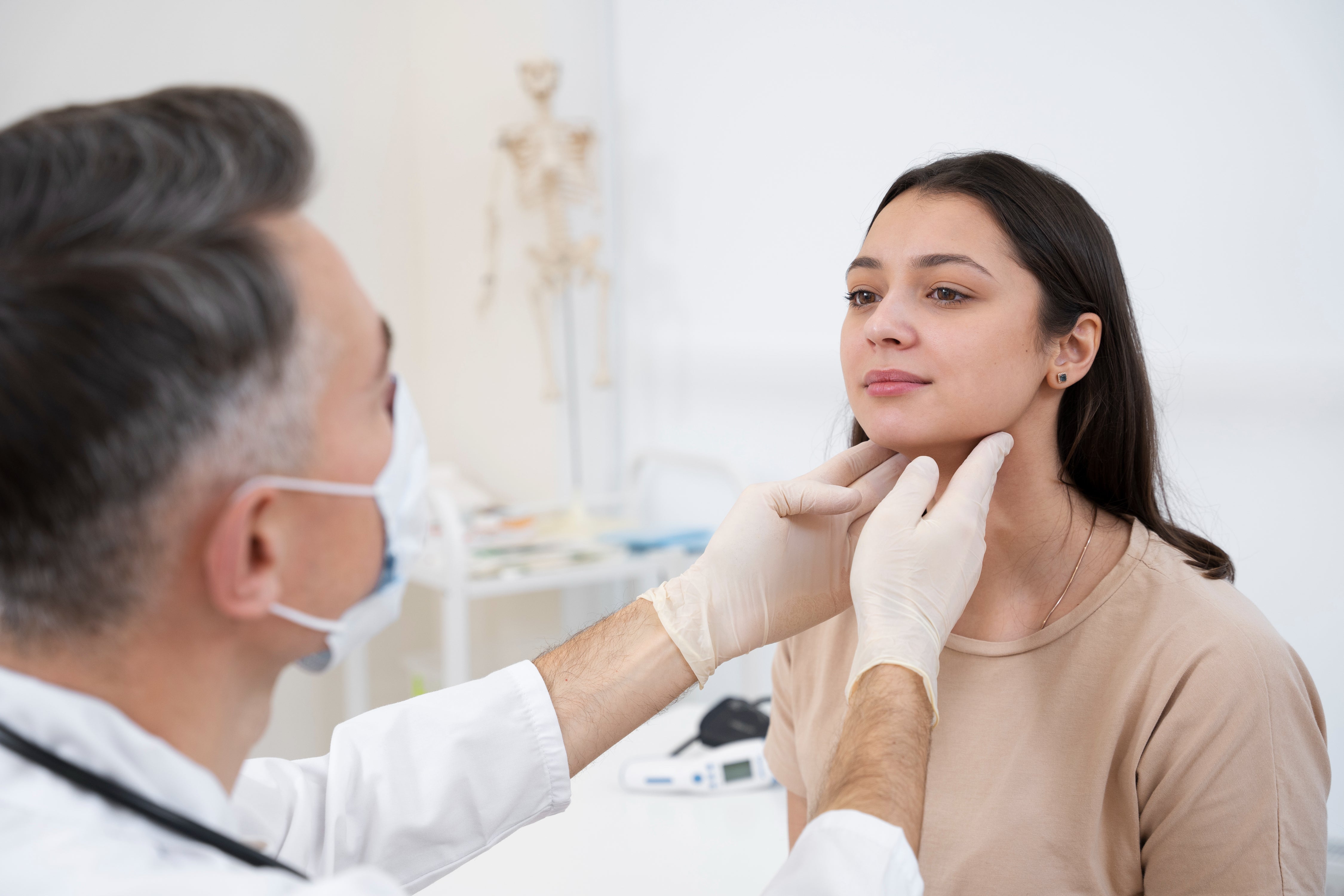
A dermatologist confirms AN on examination, checks all fold sites, reviews weight history, menstrual history (for PCOS), and medications, and orders simple tests — typically fasting glucose and insulin, with hormonal panels where indicated. Ten minutes of assessment that can redirect a person's metabolic future.
Treatment: Cause First, Colour Second
Treating the cause:
- Weight management and an improved diet plan are key — AN visibly lightens as insulin resistance improves, making the neck an honest progress marker
- Managing PCOS or adjusting culprit medications where relevant
Treating the skin:
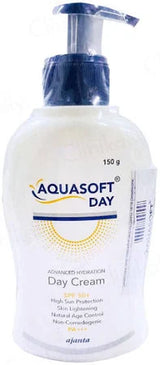
- Moisturisers with lactic acid to soften and thin the velvety buildup
- Retinoids to normalise the overgrown skin
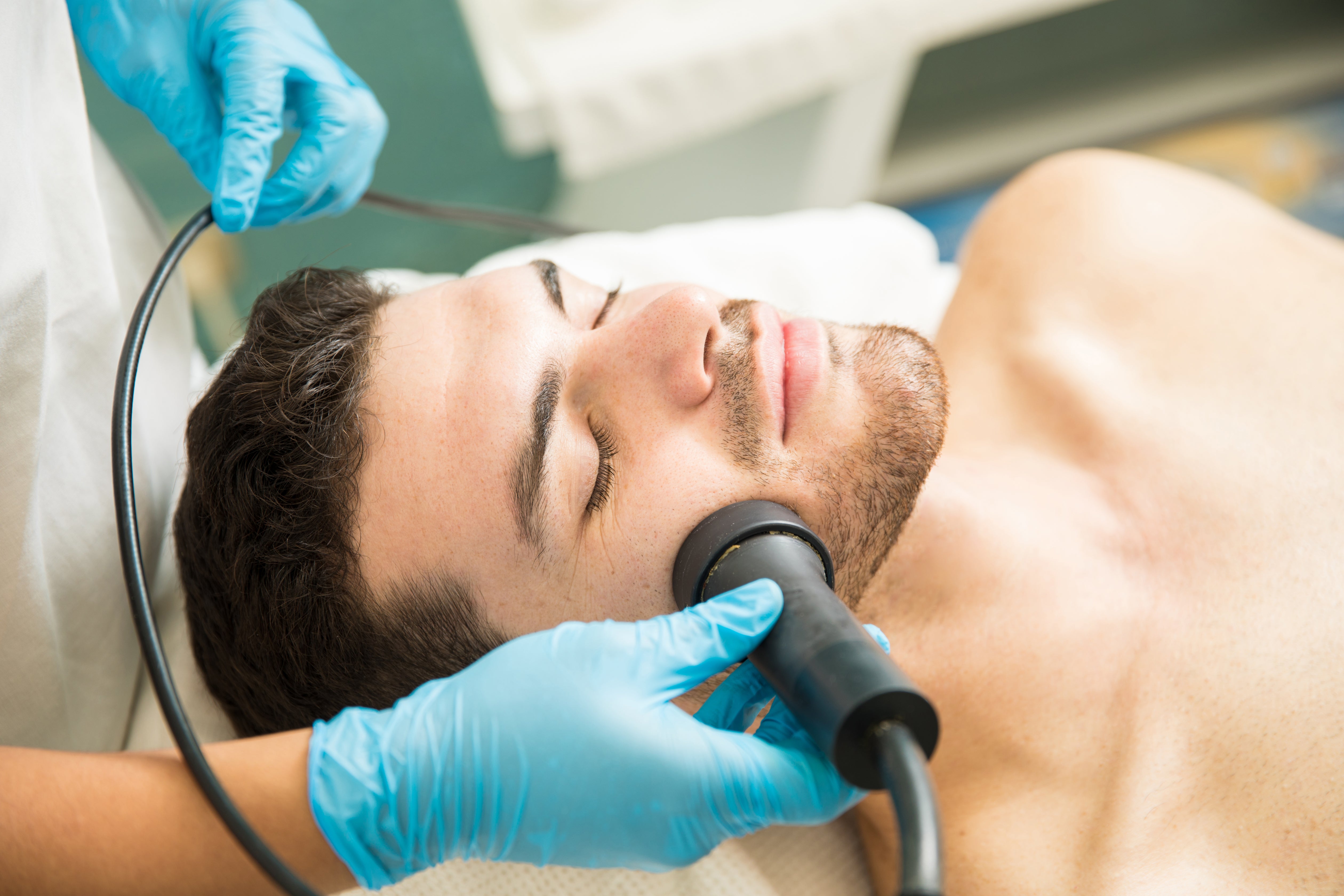
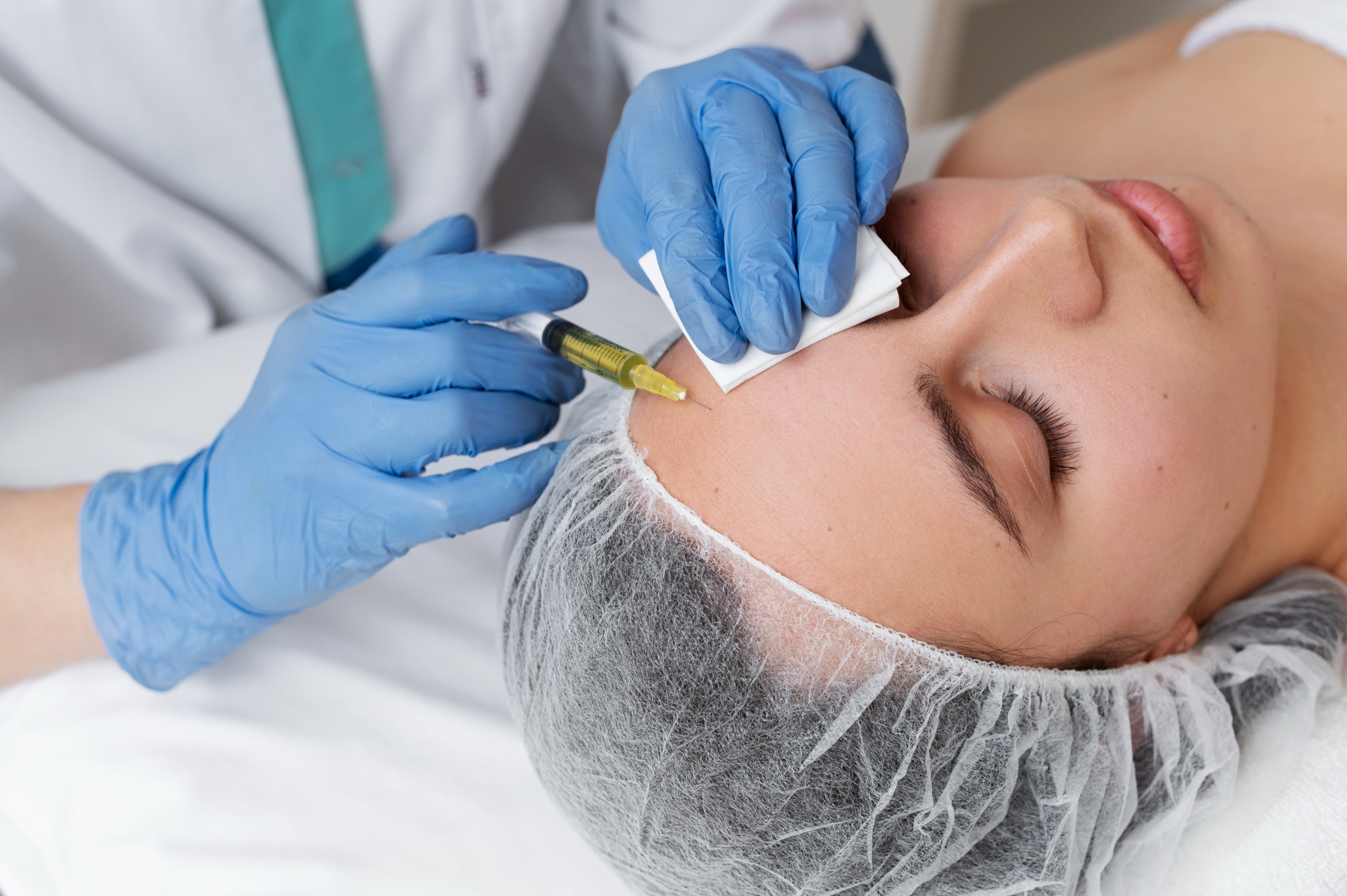
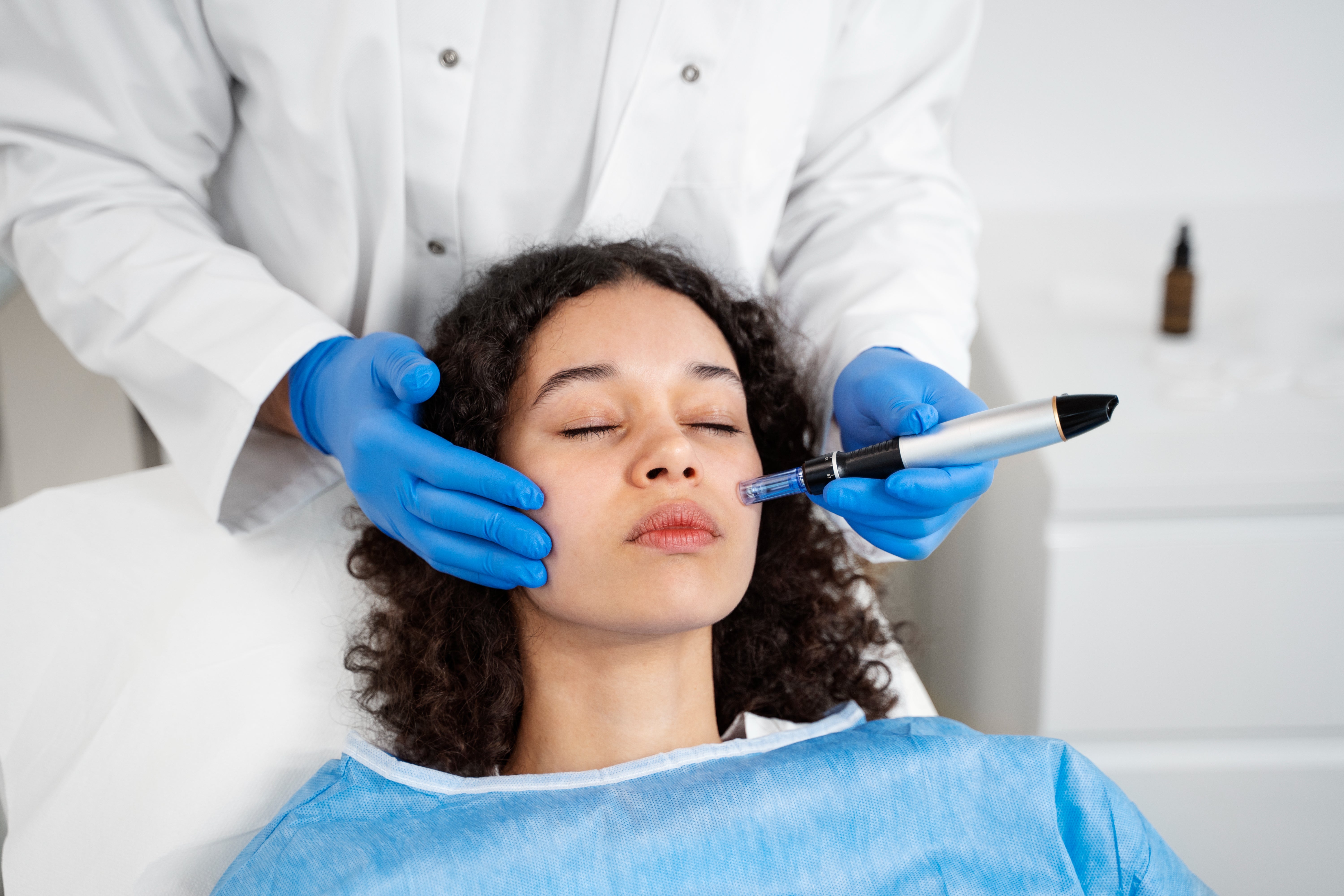
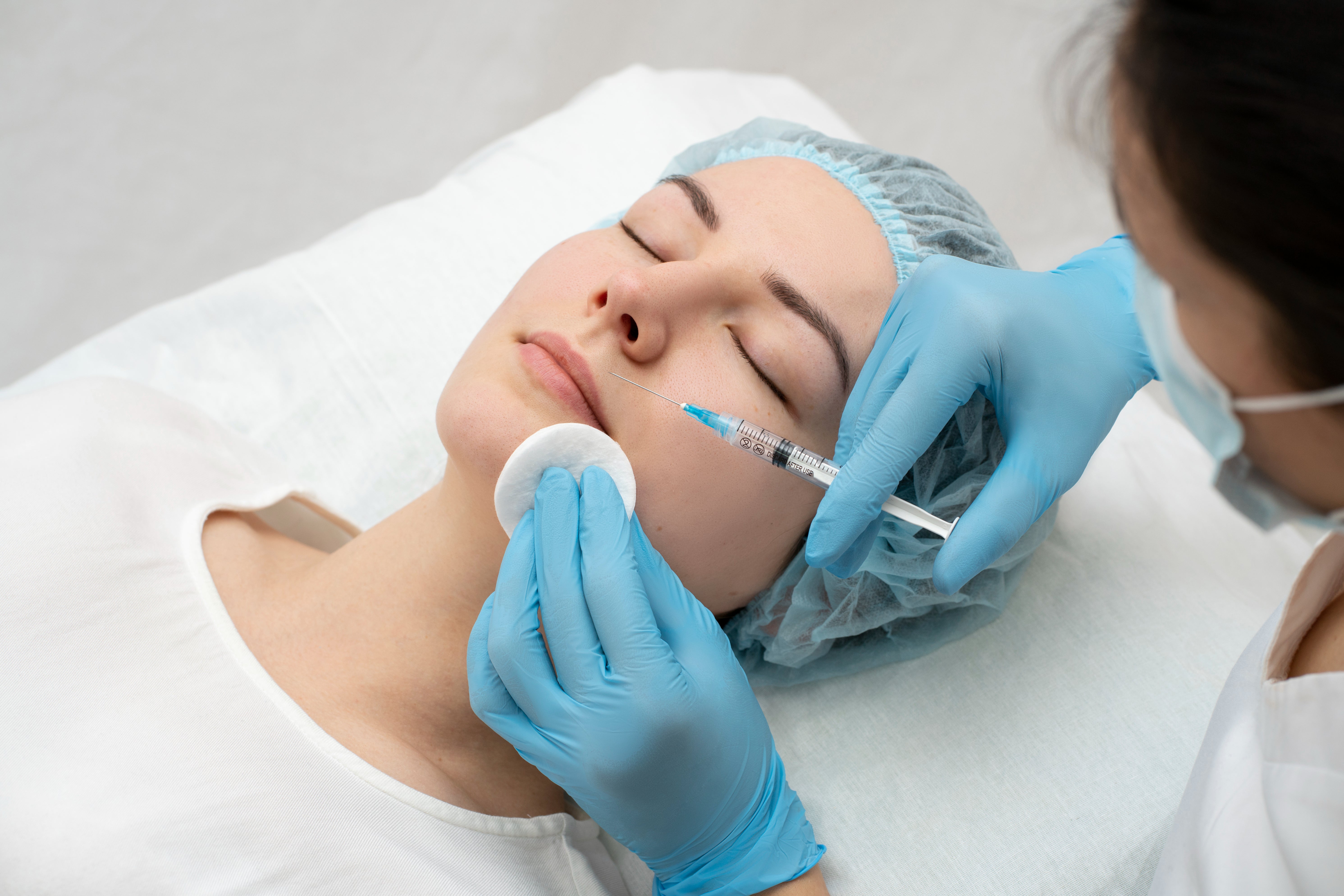
- Chemical peels and dermatologist-guided treatments, including laser toning in selected resistant cases
What to avoid: aggressive scrubbing, bleach, and steroid "fairness" creams — all worsen fold skin. And beware any clinic promising instant permanent removal without addressing metabolism; the skin simply re-darkens.
The Lifestyle Prescription, Made Specific
"Weight management and diet" only works when translated into actions. The evidence-aligned starting set: reduce refined carbohydrates and sugary drinks — the foods that spike insulin hardest; anchor meals with protein and fibre to blunt glucose surges; walk after meals — even 10–15 minutes measurably improves post-meal insulin handling; build toward 150 minutes of weekly activity plus simple resistance work, since muscle is the body's largest glucose sink; and protect sleep, because chronic sleep debt independently worsens insulin resistance. Patients who adopt even half of this typically watch the neck lighten within months — visible feedback that few other lifestyle programs offer. Our weight management support pairs these changes with medical monitoring where needed.
When to See a Dermatologist
See a dermatologist for any fold darkening that is thickened or velvety, any AN appearing in childhood or spreading quickly, or simply to get the metabolic screening organised alongside skin treatment. Book an evaluation — the earlier insulin resistance is caught, the more reversible everything is, skin included.
FAQs
Q: Can acanthosis nigricans go away completely? It can substantially improve — sometimes near-completely — when the underlying insulin resistance is corrected, with skin treatments accelerating the cosmetic recovery.
Q: Is it caused by not cleaning the neck properly? No. AN is a hormonal-metabolic skin change, not dirt. Scrubbing worsens it.
Q: My child has a dark neck — should I worry? Childhood AN strongly suggests insulin resistance and deserves prompt screening; caught early, lifestyle change is remarkably effective.
Q: How long until the neck lightens after starting treatment? With metabolic improvement plus topicals, expect visible change over 3–6 months. Peels can accelerate the surface component.
📌 Case Study Reference: Publicly shared patient query, r/IndianSkincareAddicts, Reddit — "Treatment of acanthosis nigricans — request". Educational discussion only; not a final diagnosis. Clinical commentary by the Allodermis dermatology team.
