




















Quick Answer: Tiny white bumps on the face that resemble closed comedones are often milia — small keratin-filled cysts formed when dead skin gets trapped under the surface. Unlike acne, they are not caused by oil or bacteria, so common acne treatments won't help much. Safe removal is a quick sterile procedure at a dermatologist's clinic; gentle salicylic acid exfoliation and a night-time retinoid help prevent and gradually loosen them.
Case Snapshot: A user asked: "I have these closed-comedone-looking things on my face. I don't know what these are… what should I do to get rid of these?" Their images showed the classic picture: tiny, firm, pearly-white bumps scattered on the face — unchanged for months, resisting every acne product tried.
What Are Milia?
Milia are keratin-filled cysts — miniature pearls of trapped dead skin protein sitting just under the surface. People commonly confuse them with whiteheads, and the resemblance is genuine, but the biology is entirely different: milia are not caused by oil or bacteria. There is no clogged, active pore; there is a tiny sealed cyst with no natural exit. This single fact explains months of patient frustration — common acne treatments won't be very helpful, benzoyl peroxide does nothing, and no amount of squeezing "pops" them, because there is no opening to pop through. Attempted squeezing just bruises and marks the surrounding skin.
How to Tell Milia from Whiteheads
- Milia: firm, pearly, uniform white; unchanged for months; won't express; no redness around them
- Whiteheads (closed comedones): softer, skin-coloured to white; part of a fluctuating acne pattern; respond to retinoids over weeks; occasionally inflame into pimples
If a "whitehead" has sat identical and immovable for three months while your acne routine cleared everything around it — think milia.
Why They Appear
Common triggers include:
- Sun damage thickening the surface skin
- Skin healing after procedures, burns, blisters, or trauma — new skin can seal keratin beneath it
- Heavy occlusive creams in some cases, trapping dead cells
- Newborn milia (very common, self-resolving) and spontaneous adult milia with no trigger at all
The Right Way to Remove Them
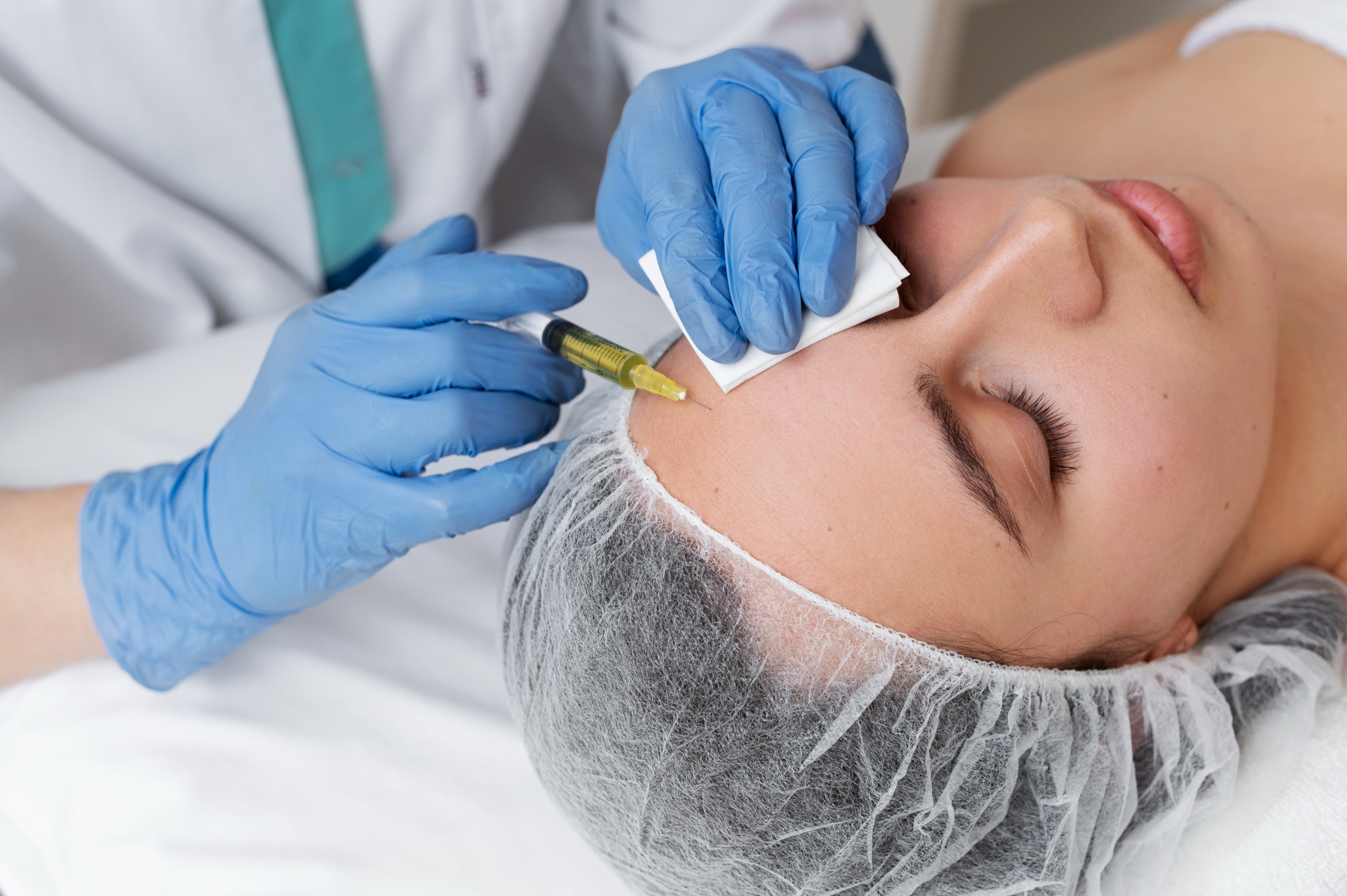
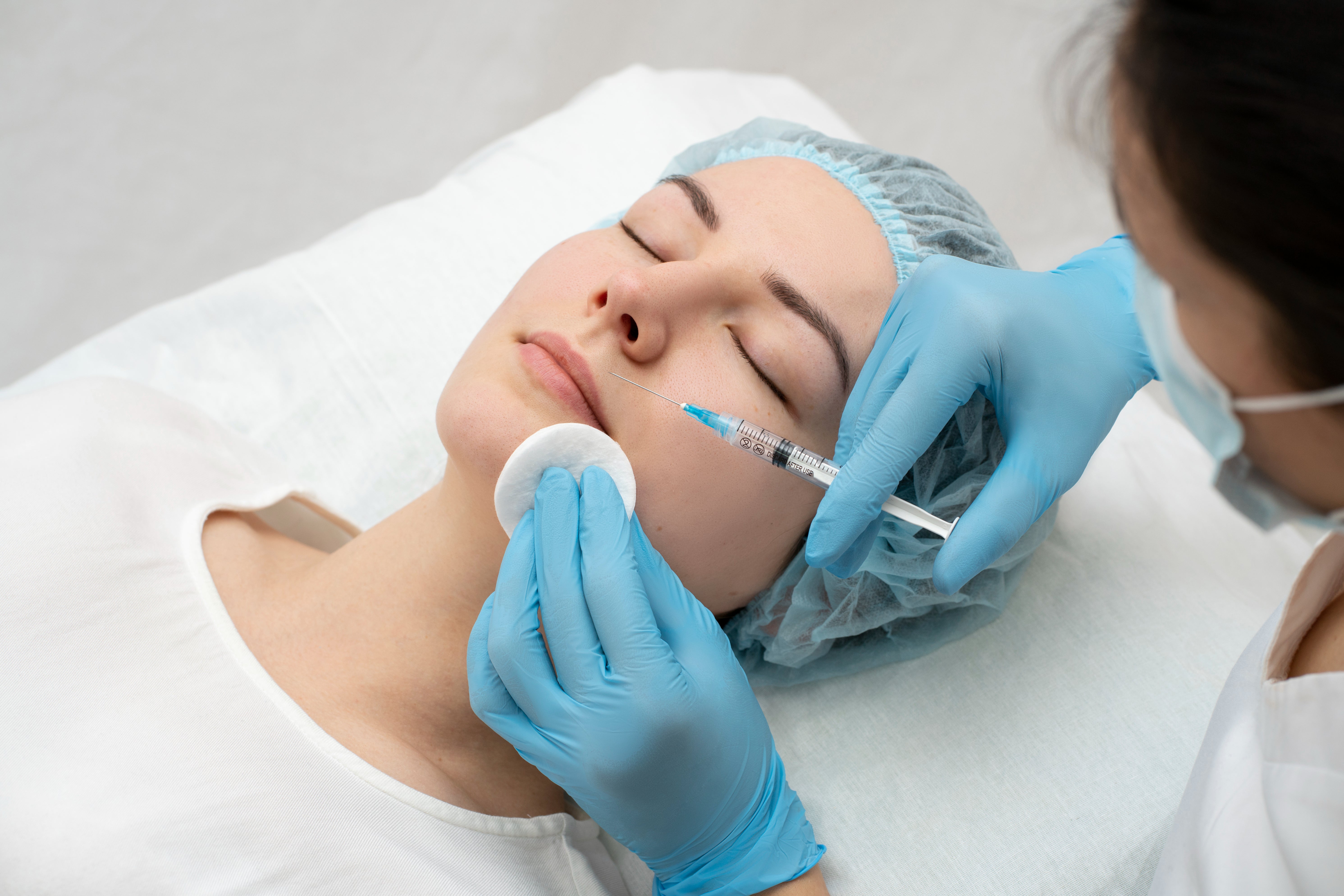
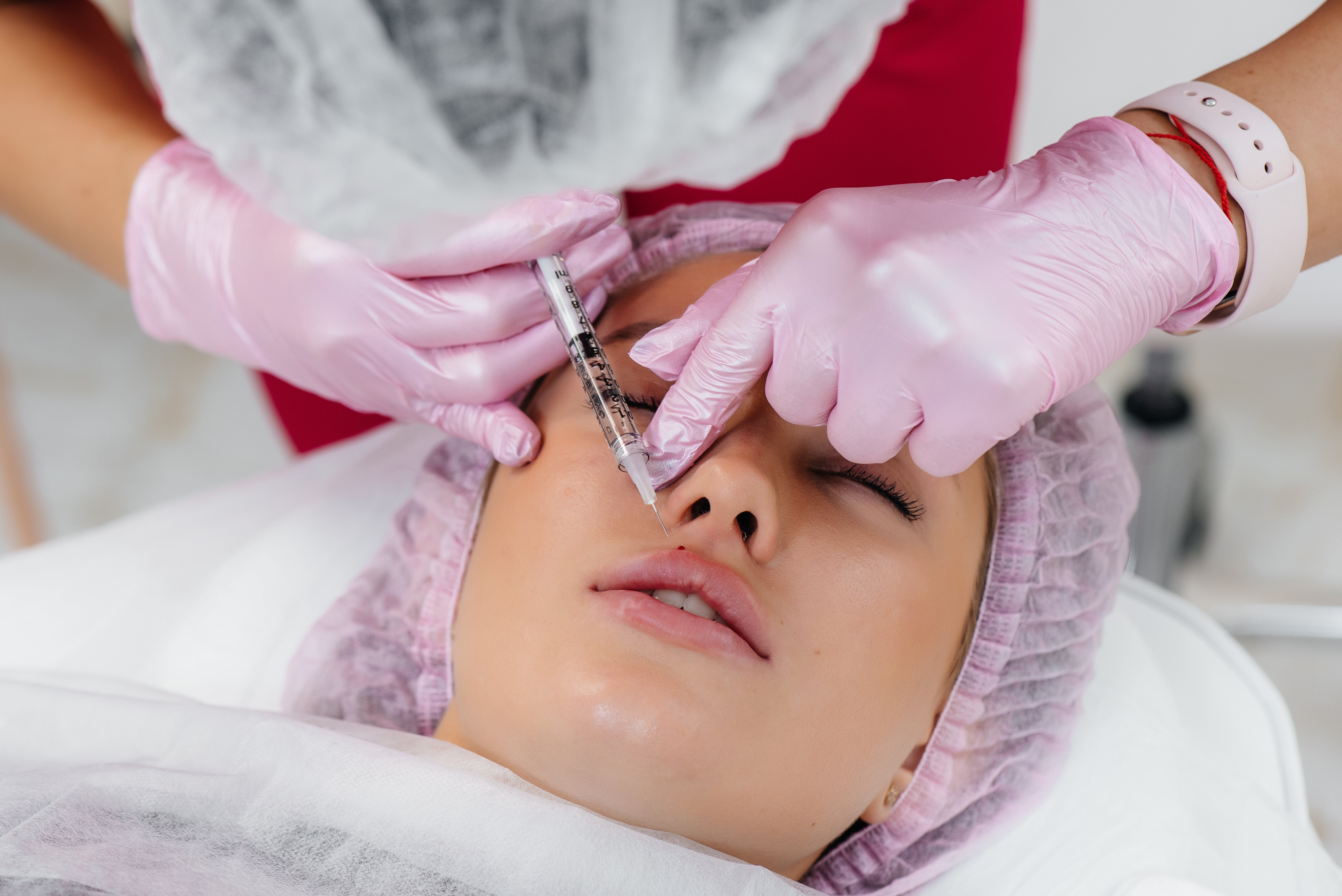
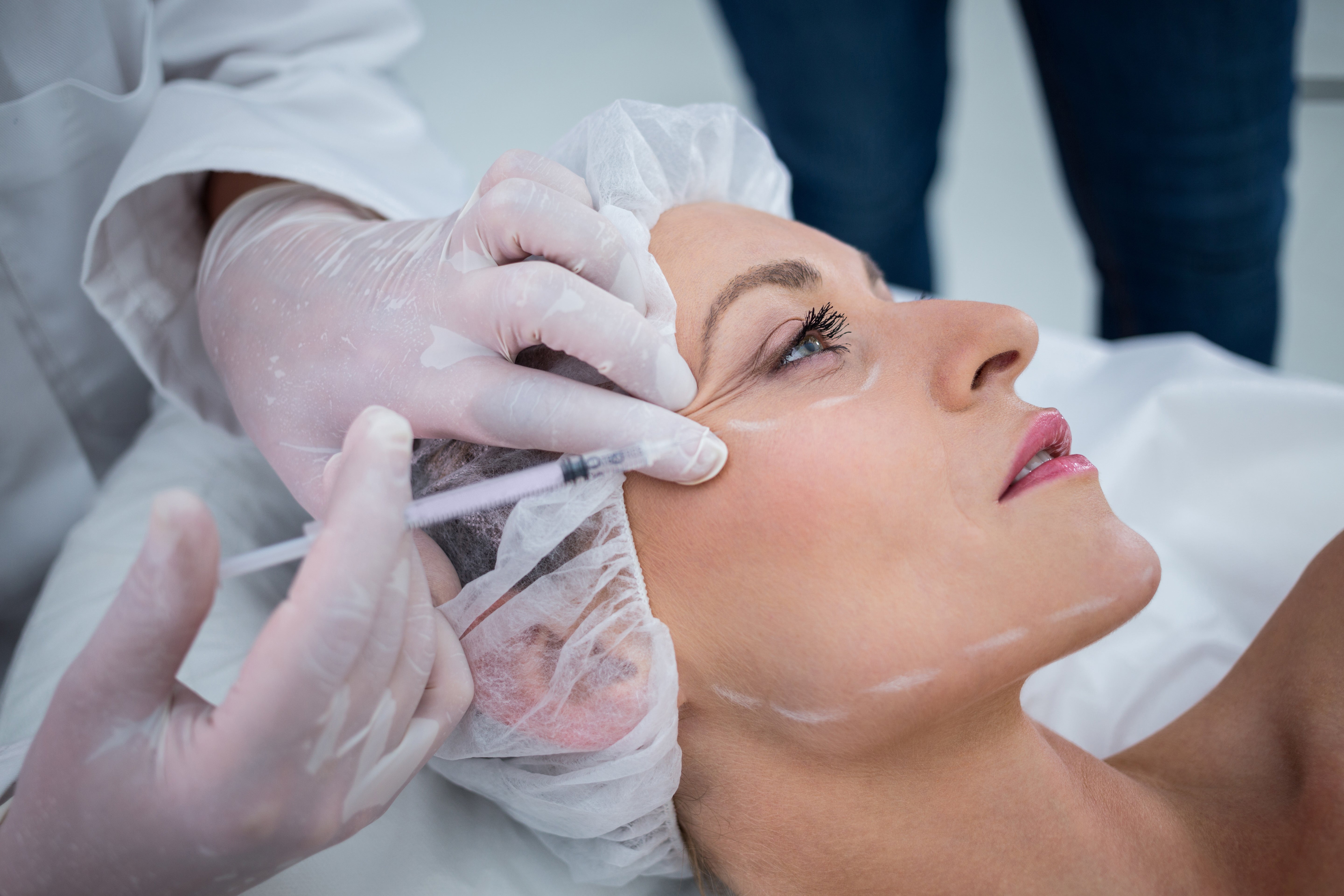
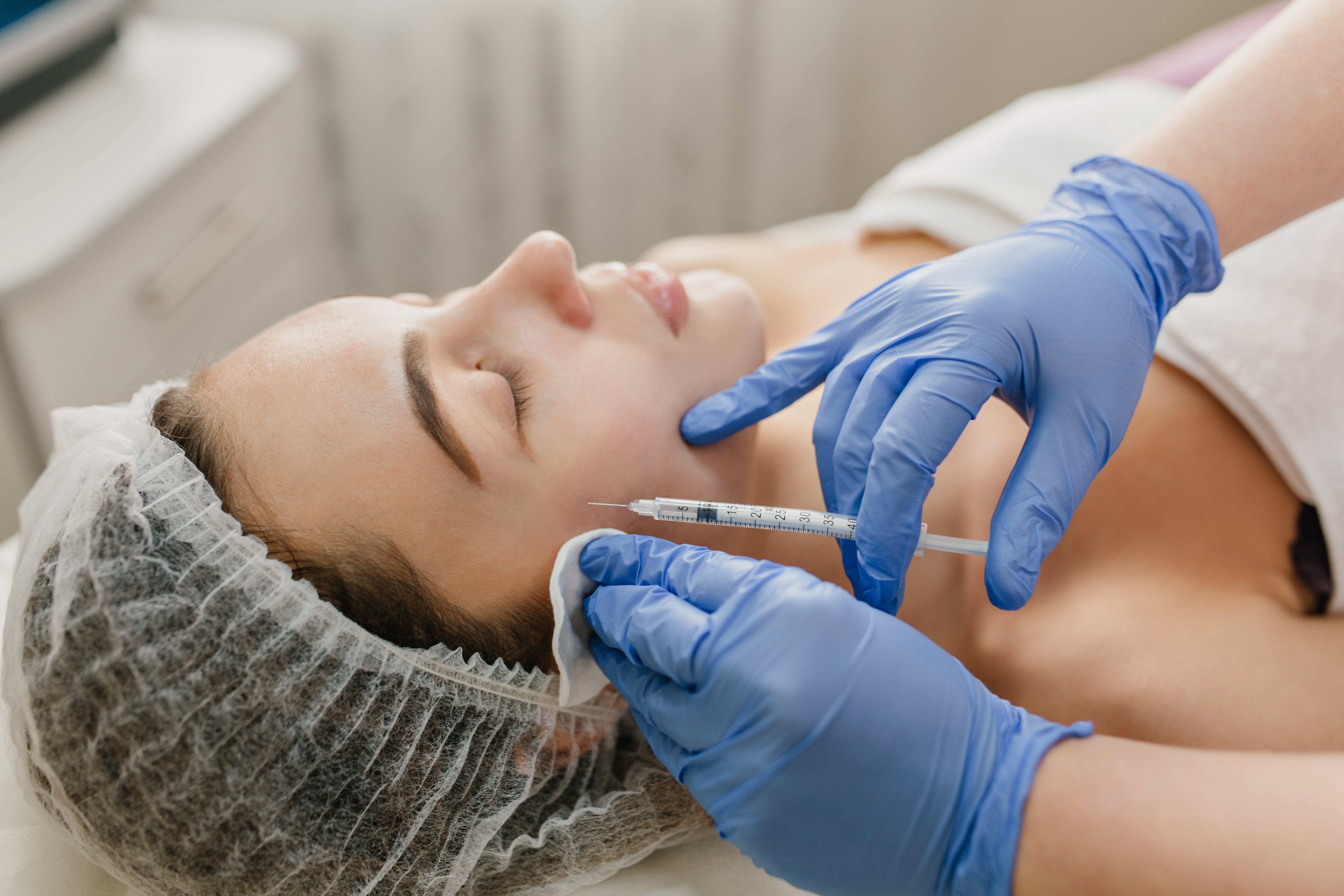
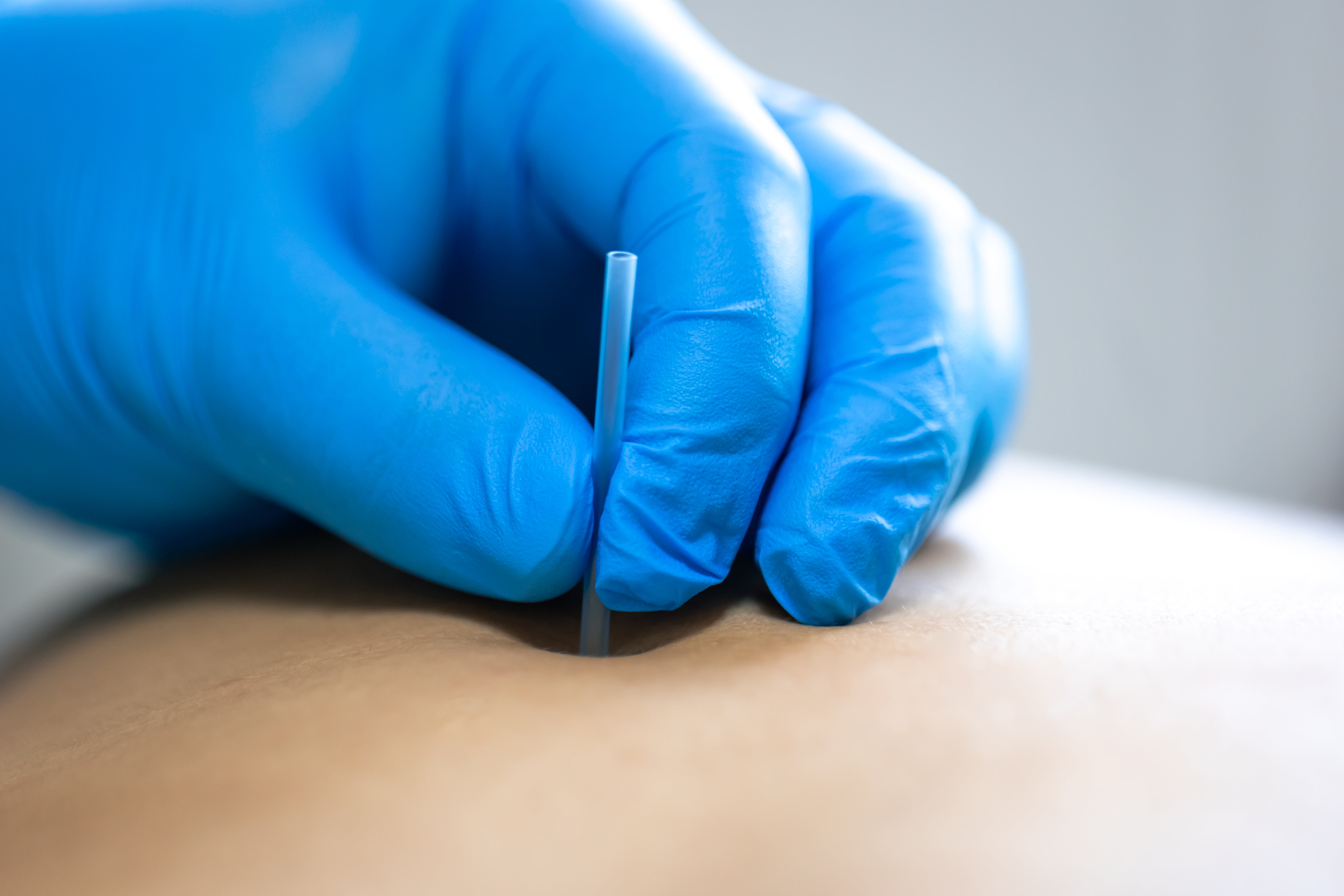
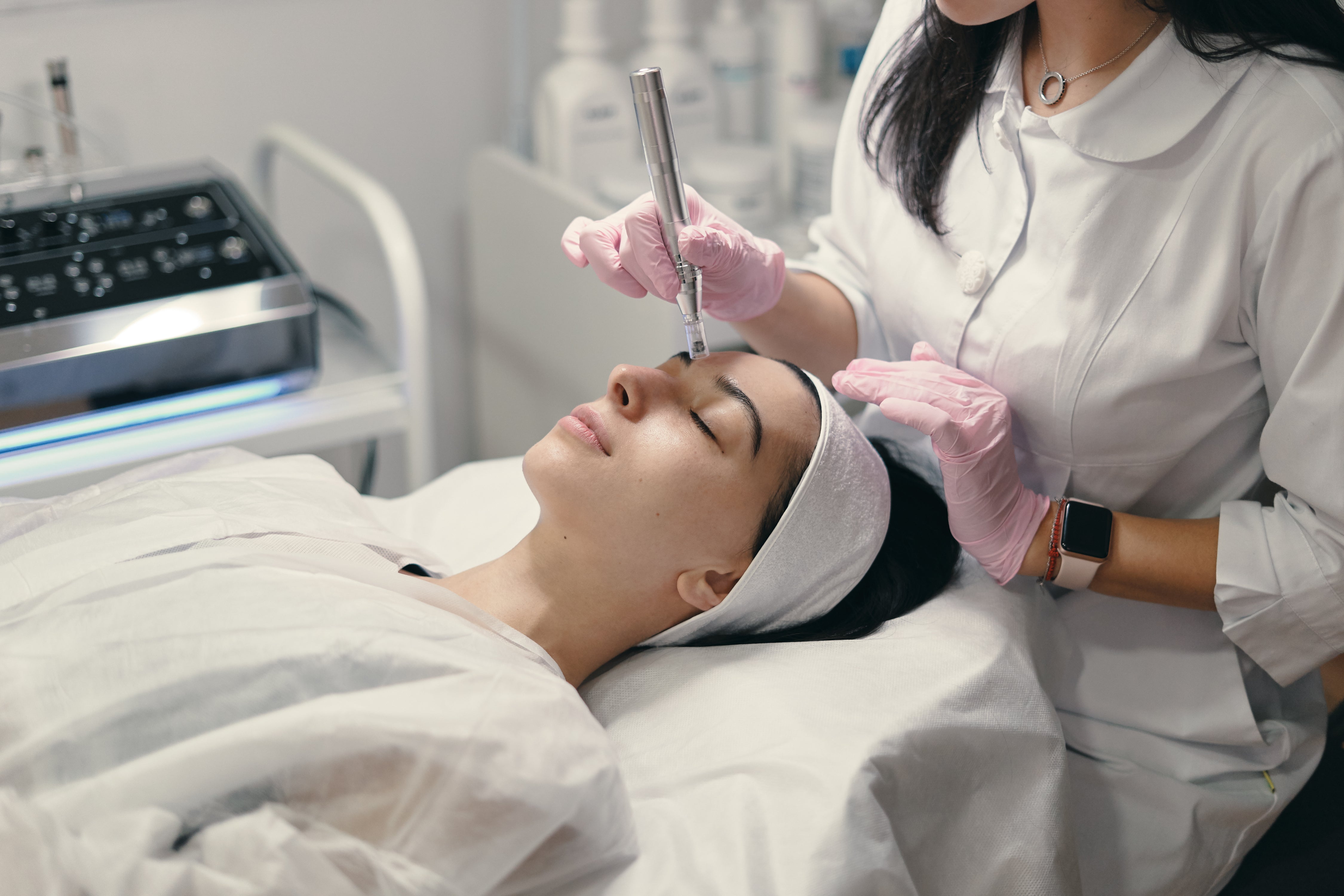
- Visit a dermatologist for quick removal in a sterile procedure — a tiny nick with a sterile needle or blade and gentle expression empties each milium in seconds, with no scarring when done properly. This is the definitive treatment, and a full face can be cleared in one short sitting.
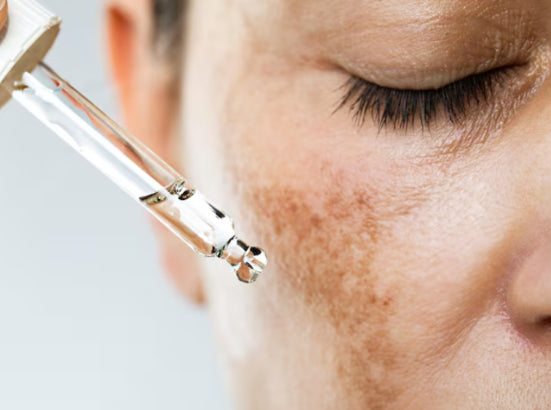
- Gentle chemical exfoliation with salicylic acid — thins the overlying surface over weeks, helping smaller milia surface and discouraging new ones
- Night-time retinoid — helps by breaking down keratin and loosening the uppermost skin layer, promoting the shedding that lets milia gradually resolve and preventing recurrence
What not to do: home needling (infection, scarring, and marks in Indian skin), aggressive scrubs, and comedone-extractor tools pressed onto a lesion with no opening.
The Physics of Why Squeezing Fails
It helps to picture the anatomy. A whitehead sits in a pore — a channel with a (blocked) exit — so pressure can, messily, express it. A milium is a sealed cyst with no channel at all: keratin wrapped in an intact capsule beneath unbroken skin. Squeezing transmits force into the surrounding tissue, bruising it and triggering pigment, while the pearl sits untouched — or ruptures sideways under the skin, inviting inflammation. The dermatologist's needle solves the geometry rather than fighting it: it creates the missing exit first, after which the contents lift out with almost no pressure. Same lesion, opposite outcome — which is the entire argument for sterile in-clinic removal over bathroom-mirror attempts.
Prevention Going Forward
Daily sunscreen addresses the sun-damage pathway; reviewing heavy creams and occlusive products with your dermatologist addresses another; and a maintenance retinoid keeps the surface turnover healthy. Around the eyes — a favourite milia location — choose lighter formulations and resist rich balms if you're milia-prone.
When to See a Dermatologist
See a dermatologist for confirmation (several other tiny facial bumps mimic milia — syringomas, flat warts, closed comedones — and each is handled differently), for sterile removal, and especially before letting any salon or home tool near lesions on the face. Book a removal appointment; combined with a chemical peel program, milia-prone skin can be kept consistently clear.
FAQs
Q: Will milia go away on their own? Some do, over months to a year, as skin slowly turns over. Removal is instant, safe, and usually preferred for visible facial lesions.
Q: Are milia dangerous or a sign of illness? No — they are benign keratin cysts. Their only cost is cosmetic.
Q: Why do I keep getting milia around my eyes? Thin eyelid skin plus rich eye creams is the usual pairing. Lighter products and a dermatologist-guided retinoid strategy reduce recurrence.
Q: Can threading or facials remove milia? No — and unsterile attempts risk infection and marks. Removal belongs in a clinic.
📌 Case Study Reference: Publicly shared patient images and query, r/IndianSkincareAddicts, Reddit — "What are these on my skin?". Educational discussion only; not a final diagnosis. Clinical commentary by the Allodermis dermatology team.
