











Quick Answer: Small, soft, depressed areas that look like tiny 'holes' in the skin — sometimes feeling loose or pouch-like on touch — may represent anetoderma, a benign condition involving focal loss of elastic tissue in the skin. It can occur spontaneously or follow acne, folliculitis, trauma, chickenpox, other inflammatory skin conditions, or occasionally connective tissue disorders. These are not open pores or infections. Limited treatment options for selected cases include retinoids, fractional lasers, microneedling, and collagen-stimulating procedures — and above all, patients must stop picking or traumatising the area.
Case Snapshot: A user asked: "Small holes connect in my skin — how do I fix this?" Their images showed small, soft, depressed areas giving the appearance of tiny 'holes' — with the giveaway quality that they weren't pores or pits of scar tissue, but slack little depressions in otherwise normal-looking skin.
What Is Anetoderma?
Anetoderma is a condition of focal loss of elastic tissue — the skin's elastin fibres, which give it snap and recoil, disappear in small discrete patches. Where elastin is lost, the skin loses its internal scaffolding tension and sags inward or outward, producing lesions that appear as:
- Small pouch-like or depressed areas
- Localized skin thinning
- Lesions that feel loose or herniated on touch — the classic examination sign: a fingertip pressed on the spot sinks in, as if through a small buttonhole in the skin's elastic sheet
It is usually benign — a structural quirk rather than a disease process that spreads or harms.
Where It Comes From
Anetoderma can be:
- Spontaneous (primary) — arising on previously normal skin with no identifiable trigger
- Secondary — following previous acne, folliculitis, trauma, chickenpox, or other inflammatory skin conditions: the inflammation quietly digests the local elastic fibres, and the deficit shows itself as the depression after everything visible has healed
- Occasionally associated with connective tissue disorders — one reason evaluation goes beyond the skin surface in atypical, numerous, or progressive cases
Not Pores, Not Infection — and Why That Matters
The user's framing — "holes in my skin" — captures how alarming these look, and the first therapeutic act is correct labelling: these lesions are not true 'open pores' and not infections. They will not respond to pore products, antibacterials, or cleansing routines, and they are not something spreading through the skin. They are focal elastic-tissue deficits — closer in nature to a localized loss of the skin's rubber-band layer. Dermatologic evaluation is still useful, because similar-appearing lesions can occasionally mimic other conditions — atrophic acne scars, other atrophic disorders — and because confirming anetoderma may prompt a look for associated conditions in selected patients.
The Honest Treatment Conversation
Elastic tissue, once lost, is difficult for the body to rebuild — so expectations must be set honestly: treatment options are limited and help selected cases rather than erasing lesions. The options with rationale:
- Retinoids — supporting dermal matrix remodelling over months
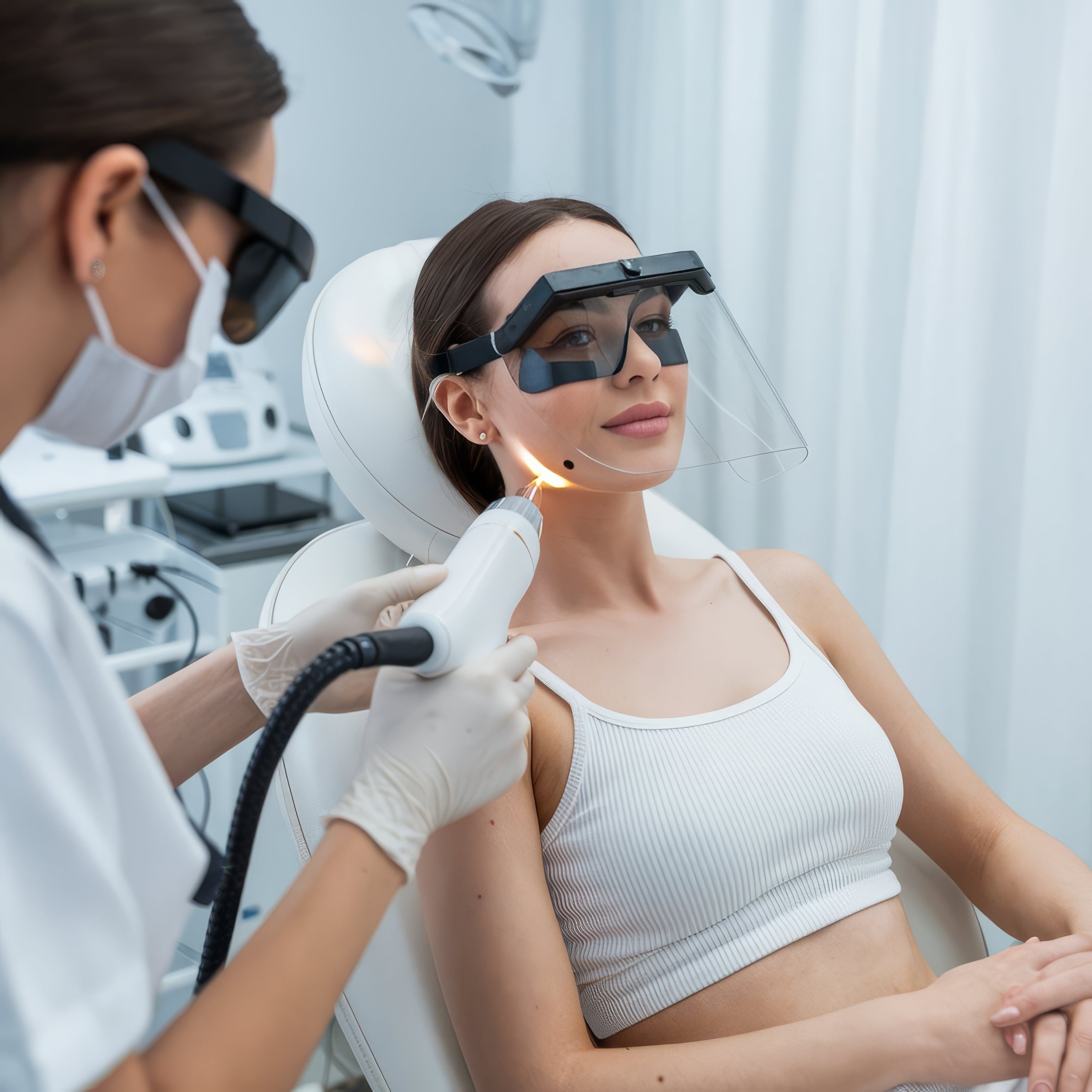
- Fractional lasers — controlled dermal injury to stimulate new collagen and elastic tissue
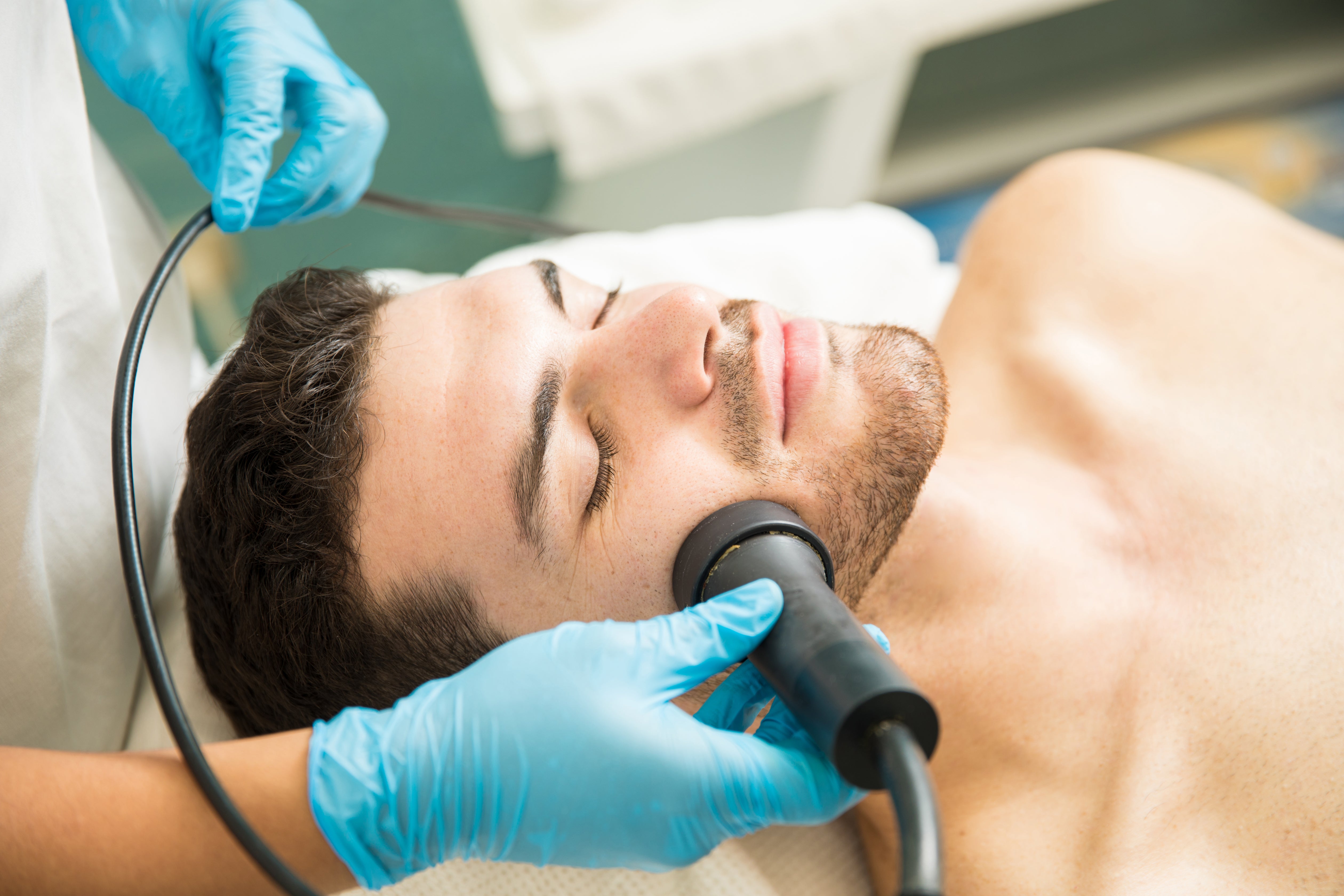
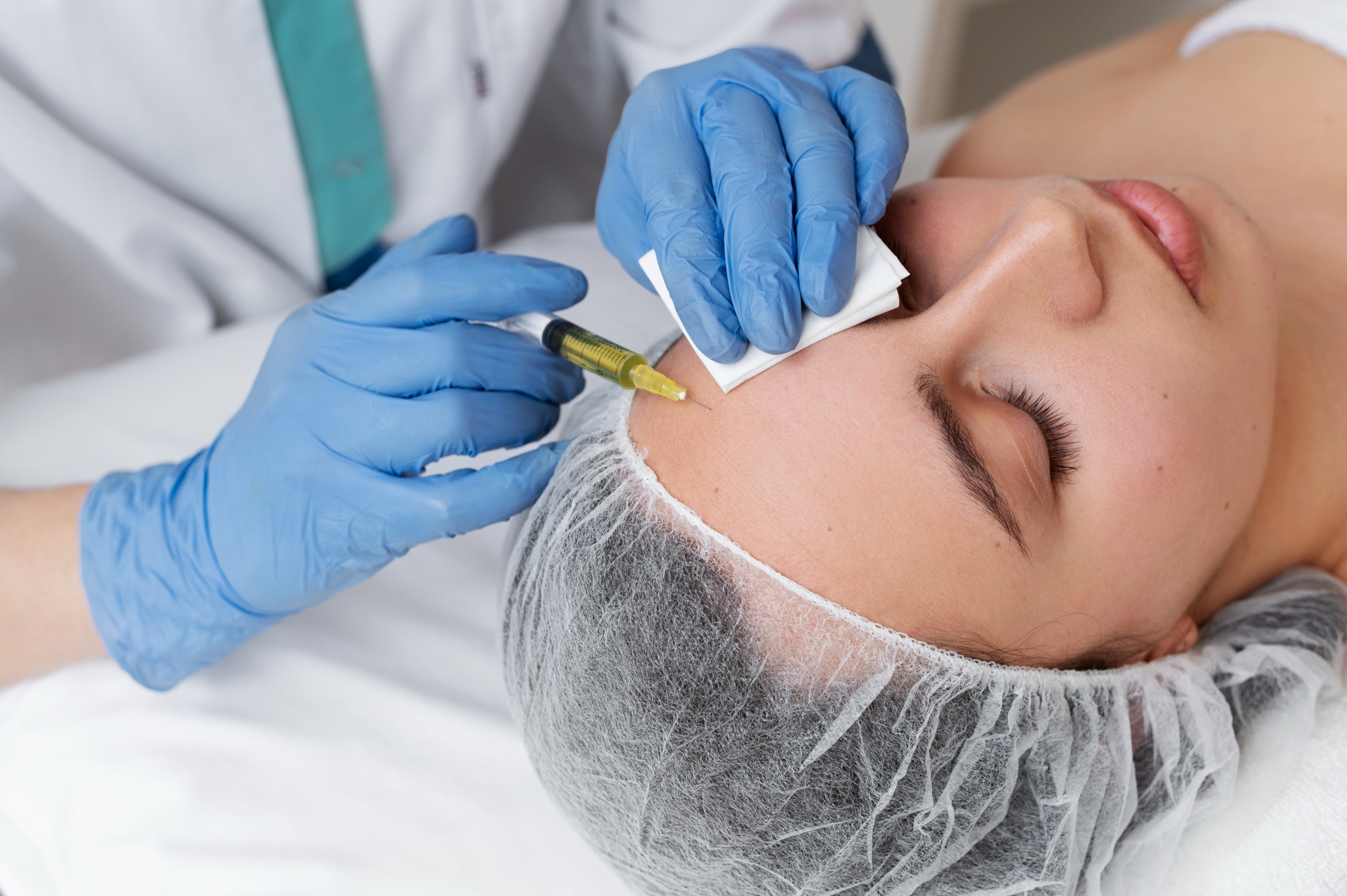
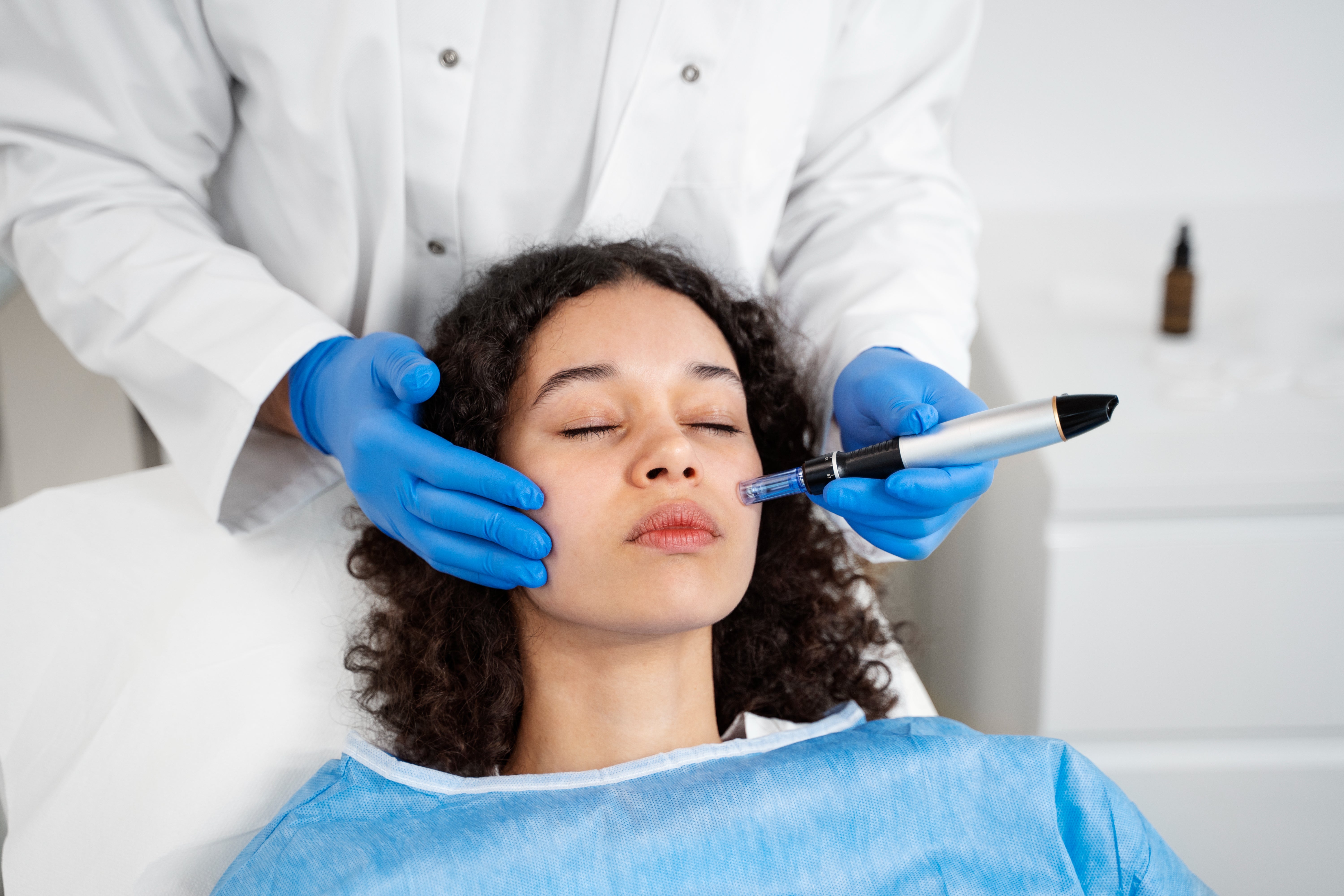
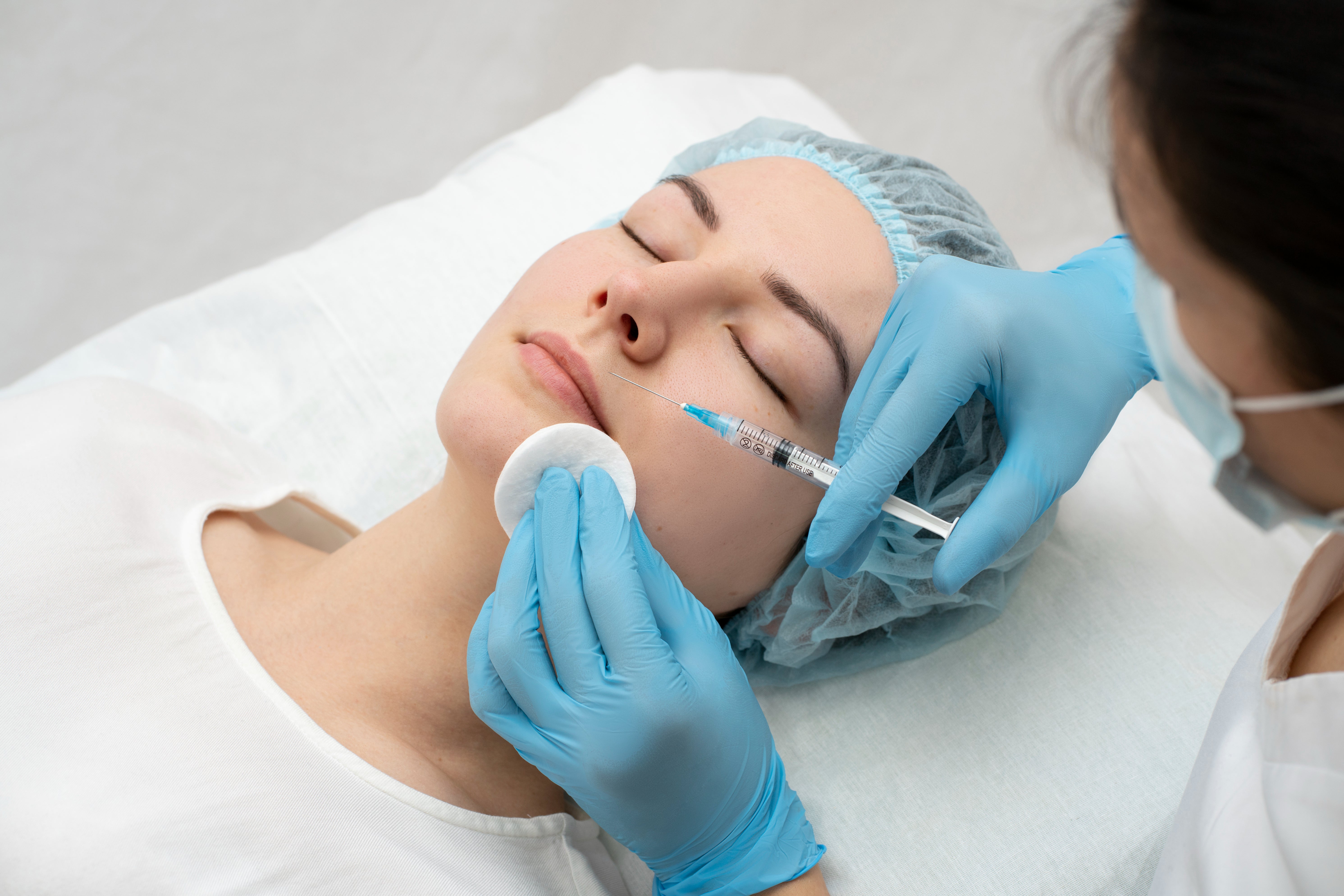
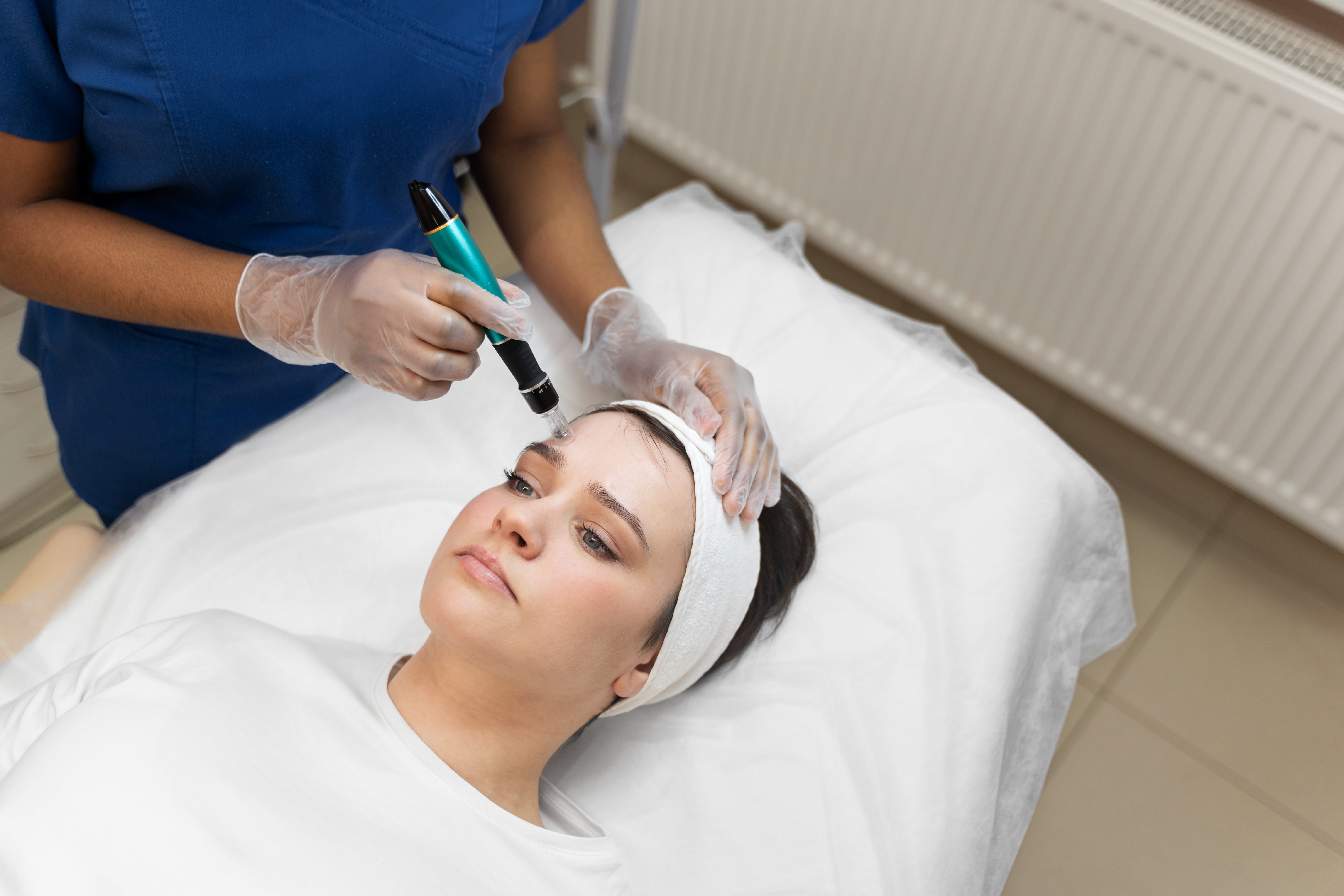
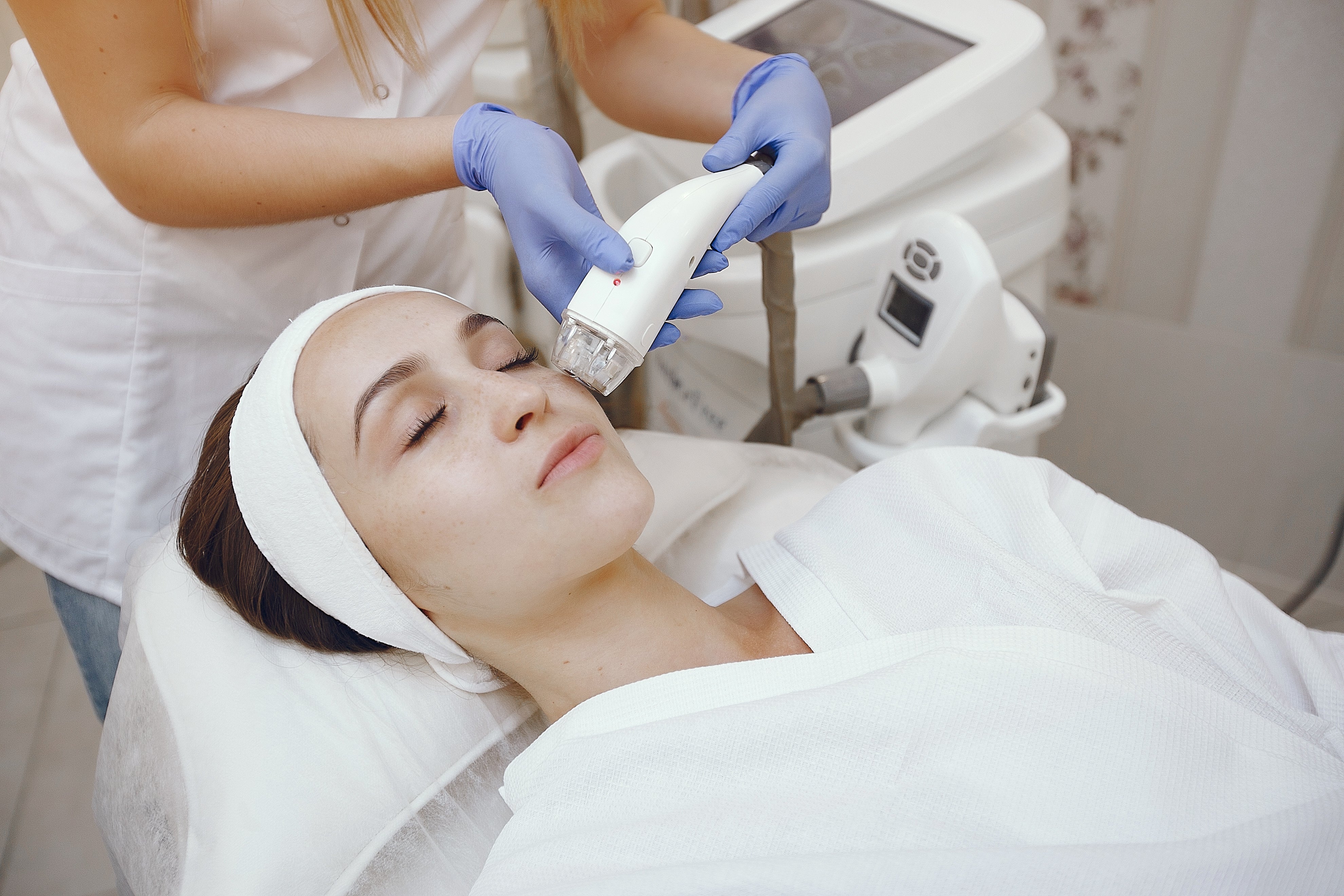
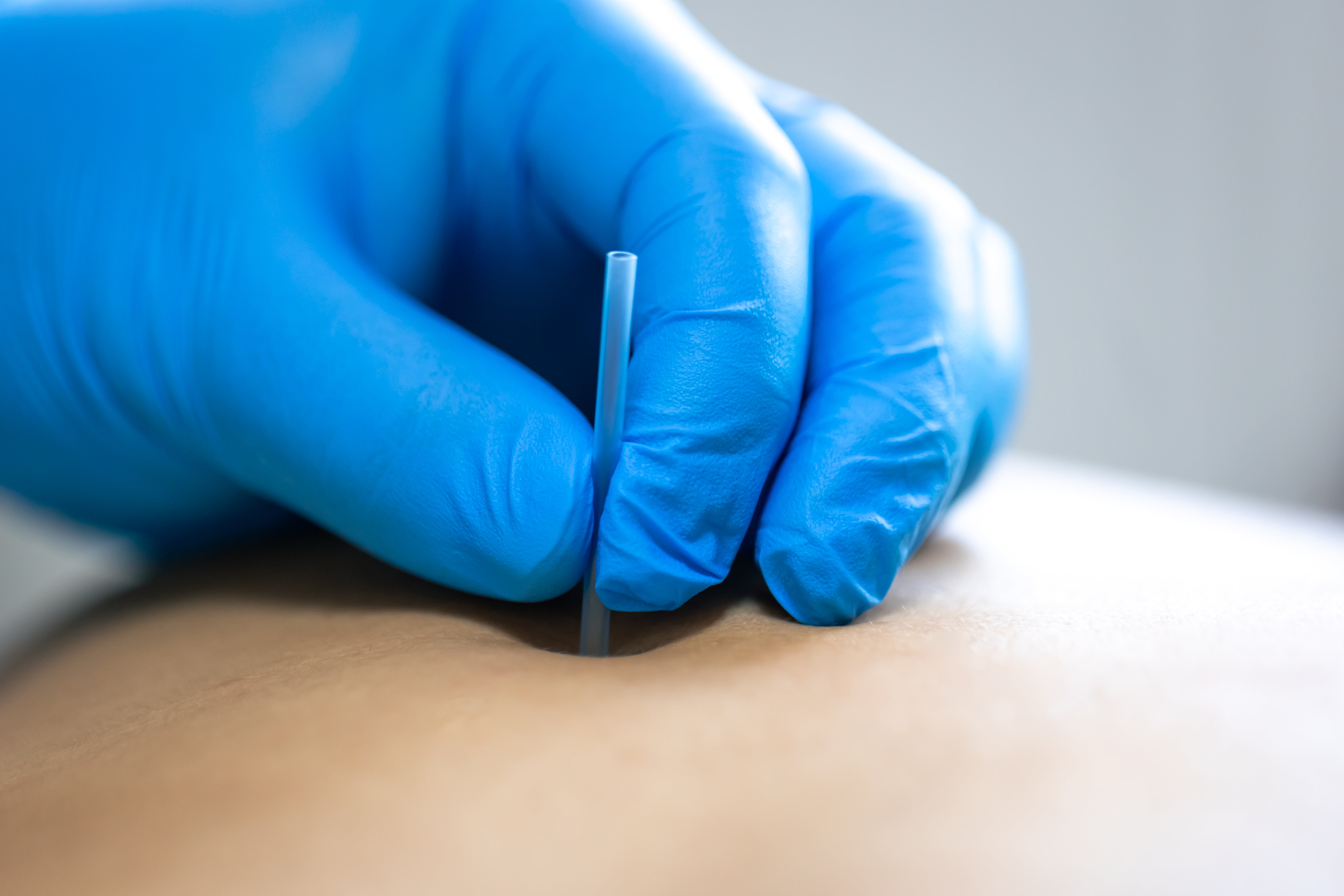
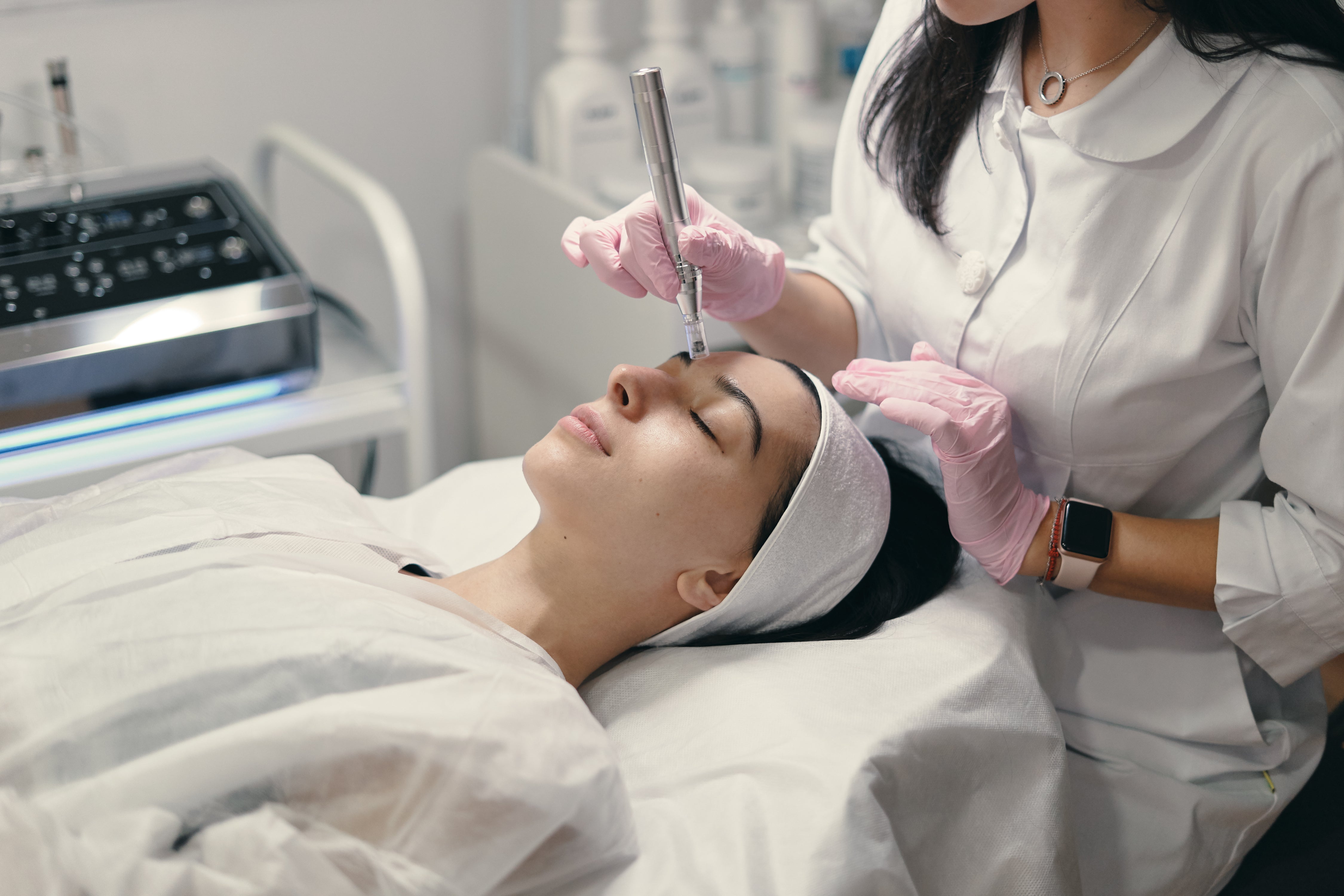
- Microneedling and collagen-stimulating procedures (including MNRF) — the same remodelling logic used for atrophic scars, applied here to firm the depressed patches
Improvement is typically partial and gradual; combinations and multiple sessions are the norm, and a dermatologist will candidly triage which lesions are worth treating.
The One Instruction That Protects You
Most importantly, avoid repeatedly picking or traumatising the area — trauma and inflammation are exactly what destroys elastic tissue, so worrying at the lesions can worsen texture changes and mint new ones. For secondary anetoderma, treating the driver — active acne or folliculitis — closes the factory making future lesions.
When to See a Dermatologist
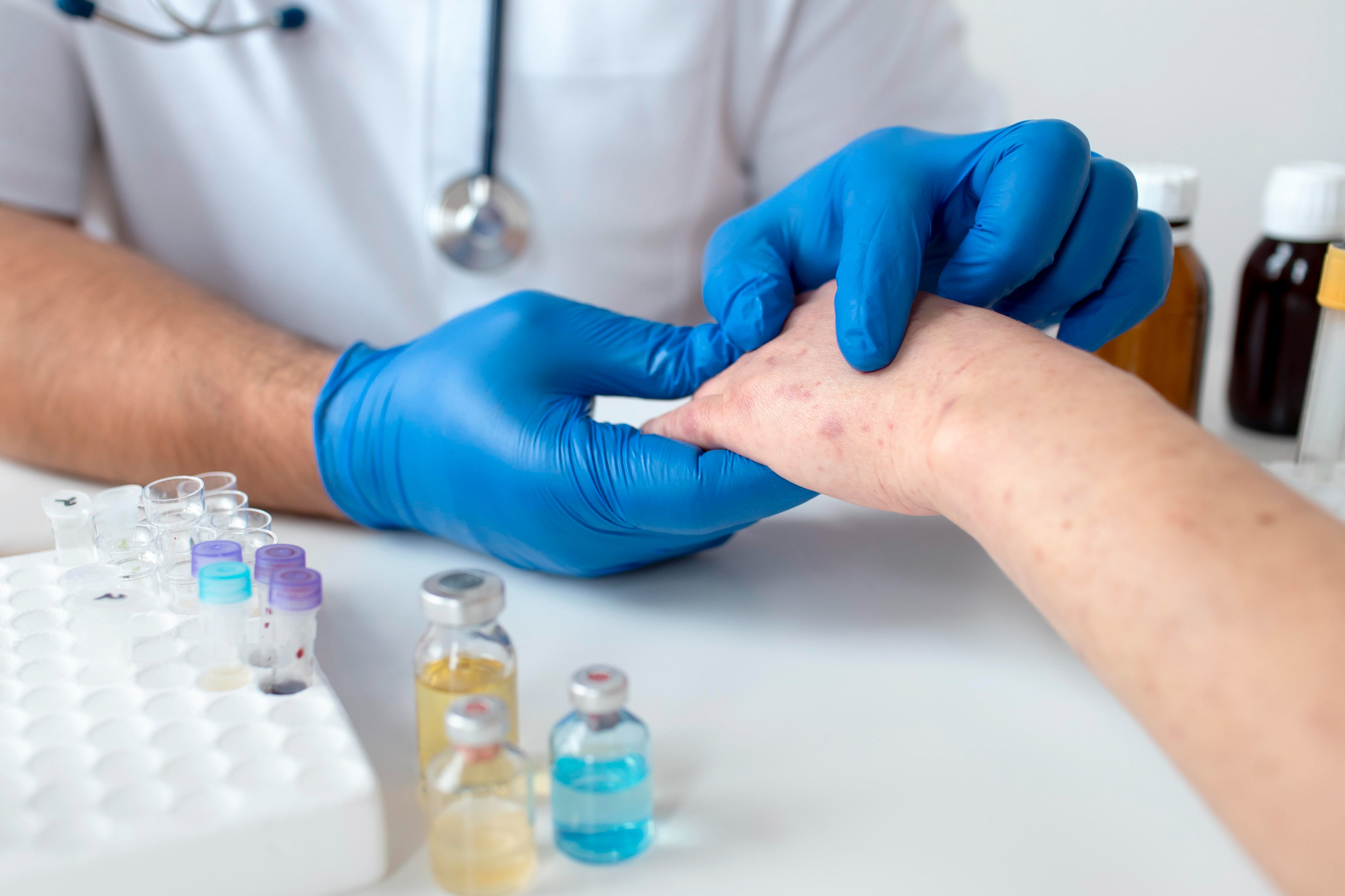
See a dermatologist for confirmation of the diagnosis, for a considered opinion on whether procedural treatment suits your lesions, and promptly if depressions are numerous, enlarging, or accompanied by other symptoms — the scenario where associated conditions get screened. Book an evaluation here.
FAQs
Q: Will the holes get bigger or spread? Individual lesions are usually stable. New lesions can appear if an underlying inflammatory trigger continues — which is why treating active acne or folliculitis matters.
Q: Are these the same as acne scars? They're cousins: acne scars are collagen loss, anetoderma is elastic-tissue loss — both can follow acne, both are treated with remodelling procedures, and examination tells them apart.
Q: Can creams fill the depressions? No cream restores lost elastin. Retinoids modestly support remodelling; meaningful change, where achievable, comes from procedural collagen stimulation.
Q: Is anetoderma dangerous? The skin lesions themselves are benign. Atypical or extensive cases are evaluated for rare associations — a check, not a cause for alarm.
📌 Case Study Reference: Publicly shared patient images and query, r/DermatologyQuestions, Reddit — "Small holes connect in my skin — how do I fix this". Educational discussion only; not a final diagnosis. Clinical commentary by the Allodermis dermatology team.
