

















Quick Answer: Multiple linear depressed streaks on the skin are striae — stretch marks — formed when rapid skin stretching tears collagen and elastic fibres in the deeper dermis. Common causes: pregnancy, rapid weight gain or loss, hormonal conditions, adolescent growth spurts, bodybuilding, and long-term steroid use. Early red-purple marks (striae rubra) respond best to treatment; older white marks (striae alba) are harder to clear. Treatment improves texture and appearance rather than erasing marks: topical retinoids for early lesions, microneedling, fractional lasers, radiofrequency, PRP, and combination collagen-stimulating procedures.
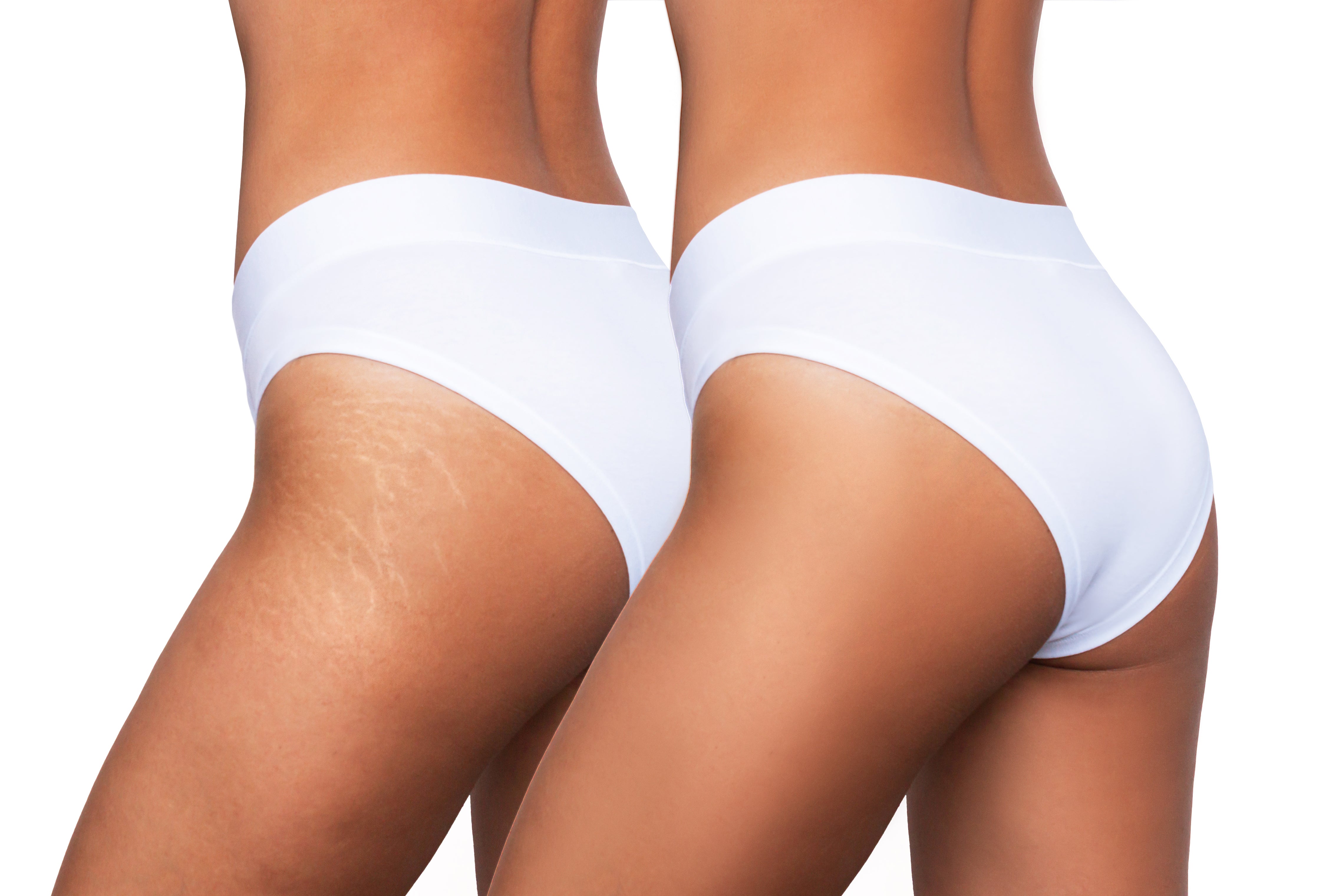
Case Snapshot: A patient shared images of "stretch marks, inner thigh, from pregnancy/weight" — multiple linear depressed streaks tracking across the inner thighs, a record of skin asked to expand faster than its fibres could accommodate.
How Stretch Marks Form
Striae occur when the skin stretches rapidly, leading to tearing of collagen and elastic fibres in the deeper skin layer (dermis). The surface stays intact, but the dermal scaffolding beneath ruptures in parallel lines perpendicular to the direction of stretch — which is why marks arrange themselves in those characteristic linear streams across thighs, abdomen, hips, breasts, and shoulders.
The Common Causes
- Pregnancy — the classic setting: rapid expansion plus hormones that soften dermal fibres
- Rapid weight gain or weight loss
- Some hormonal conditions that weaken dermal structure
- Growth spurts during adolescence — teenage striae on thighs, hips, and backs are extremely common
- Bodybuilding or sudden muscle increase — shoulders and arms
- Long-term steroid use — oral, or potent steroid creams over-applied to thin skin (a preventable cause worth flagging)
Rubra vs Alba: The Stage That Sets Your Expectations
Striae age through two stages, and the stage largely determines what treatment can achieve:
- Striae rubra — early reddish or violaceous stretch marks: still inflamed, still biologically active, and more responsive to treatment. This is the window in which intervention pays best.
- Striae alba — older white or silvery marks: mature, atrophic scars of the dermis, more difficult to treat completely, though texture and visibility can still meaningfully improve.
The practical takeaway: if treatment is on your wishlist, red marks now beat white marks later.
The Honest Goal — and the Treatment Menu
Striae are very common and medically harmless; treatment is for cosmetic confidence, and its honest aim is improving texture and appearance rather than complete removal. The evidence-aligned options:
- Moisturisers and barrier-repair creams — comfort, suppleness, and support during active stretching phases
- Topical retinoids — mainly for early lesions (striae rubra), where they measurably improve appearance (avoided during pregnancy and breastfeeding)
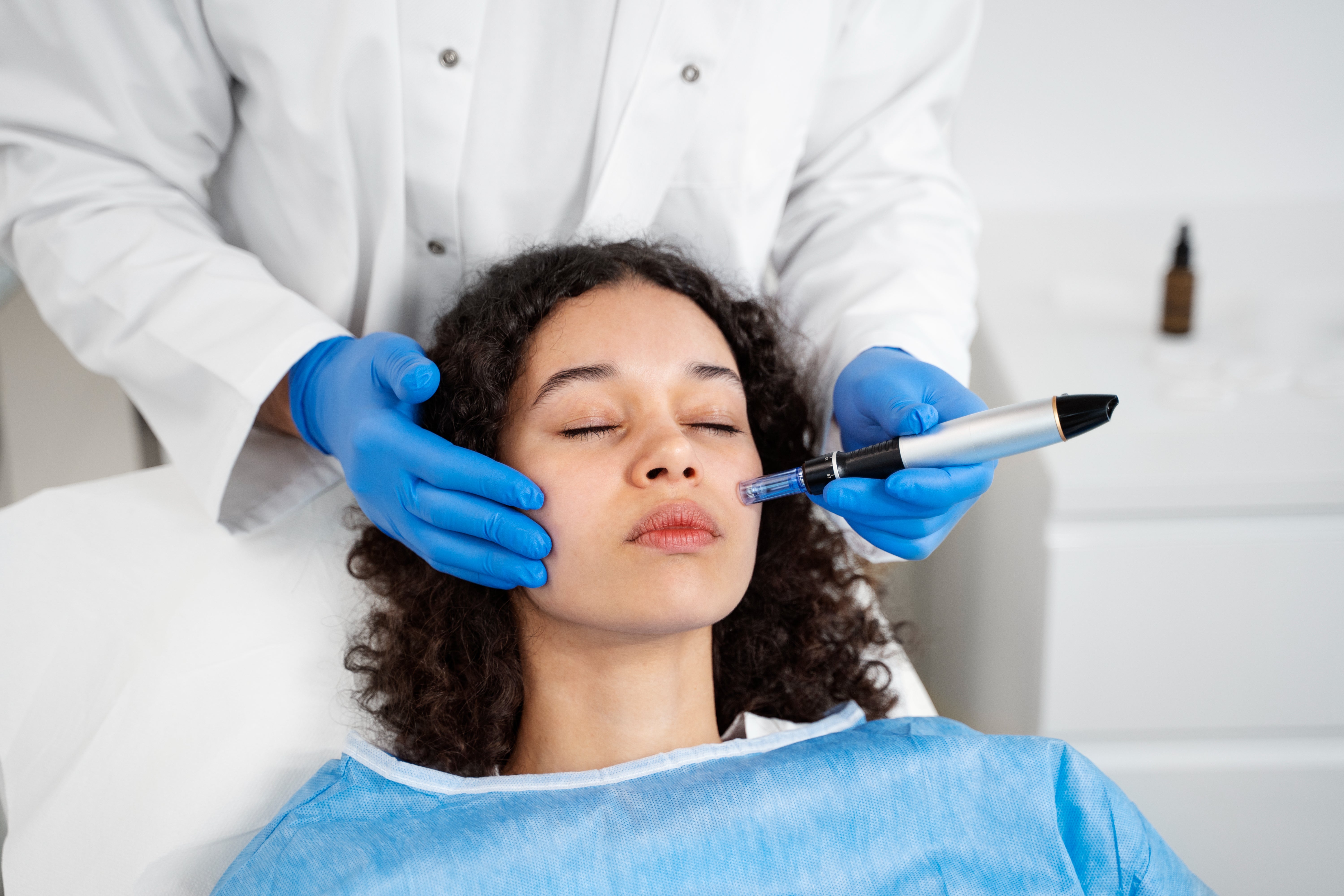
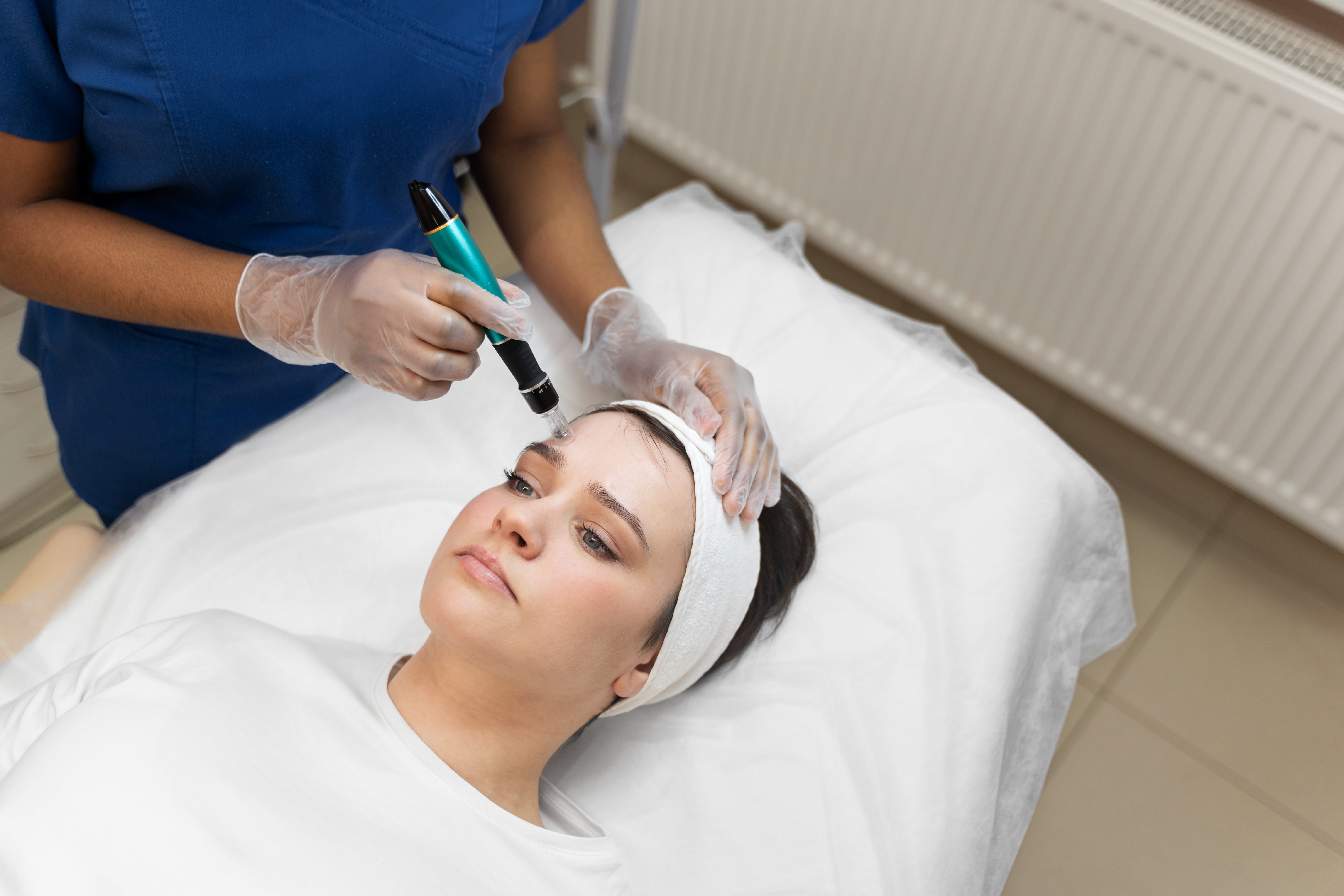
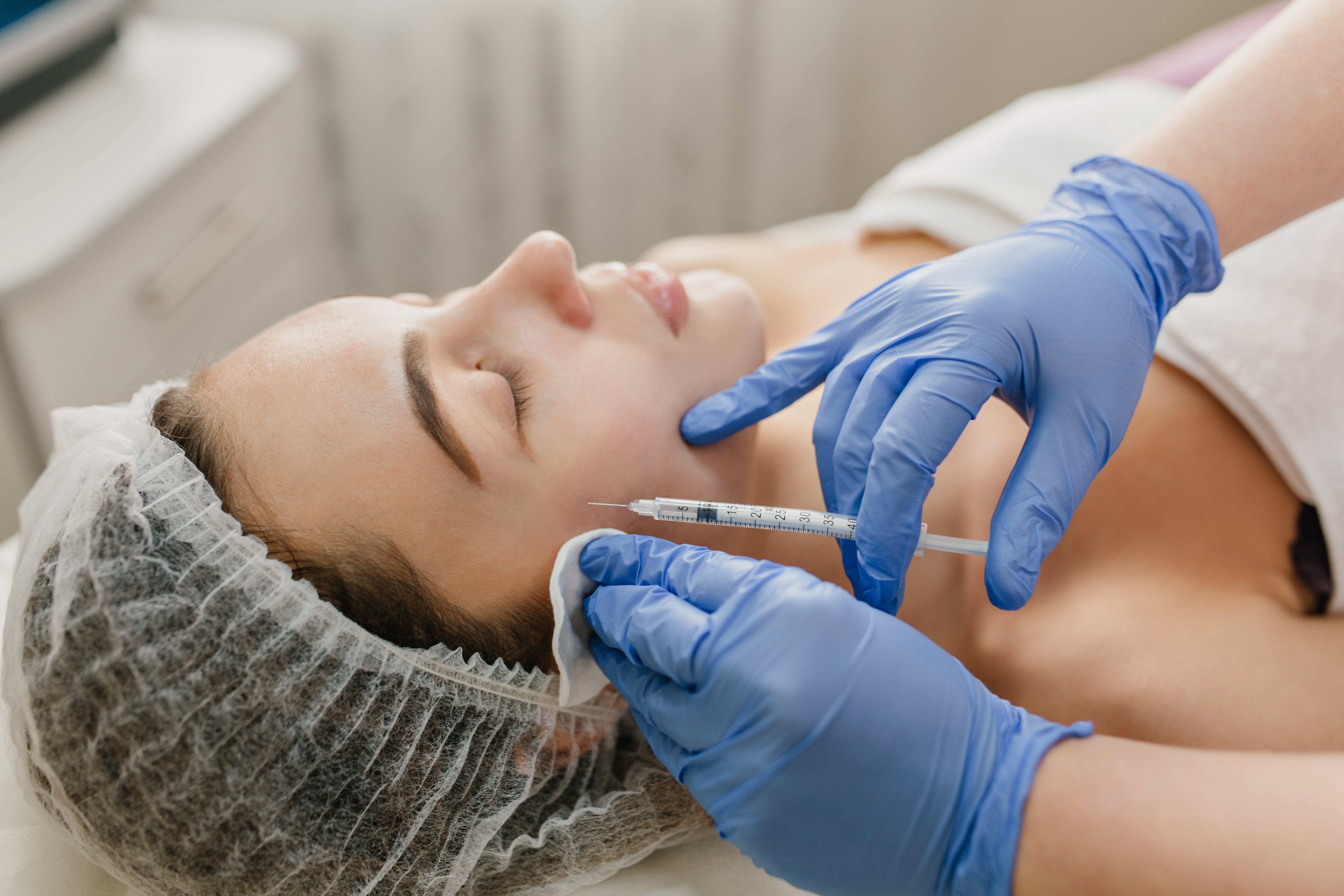
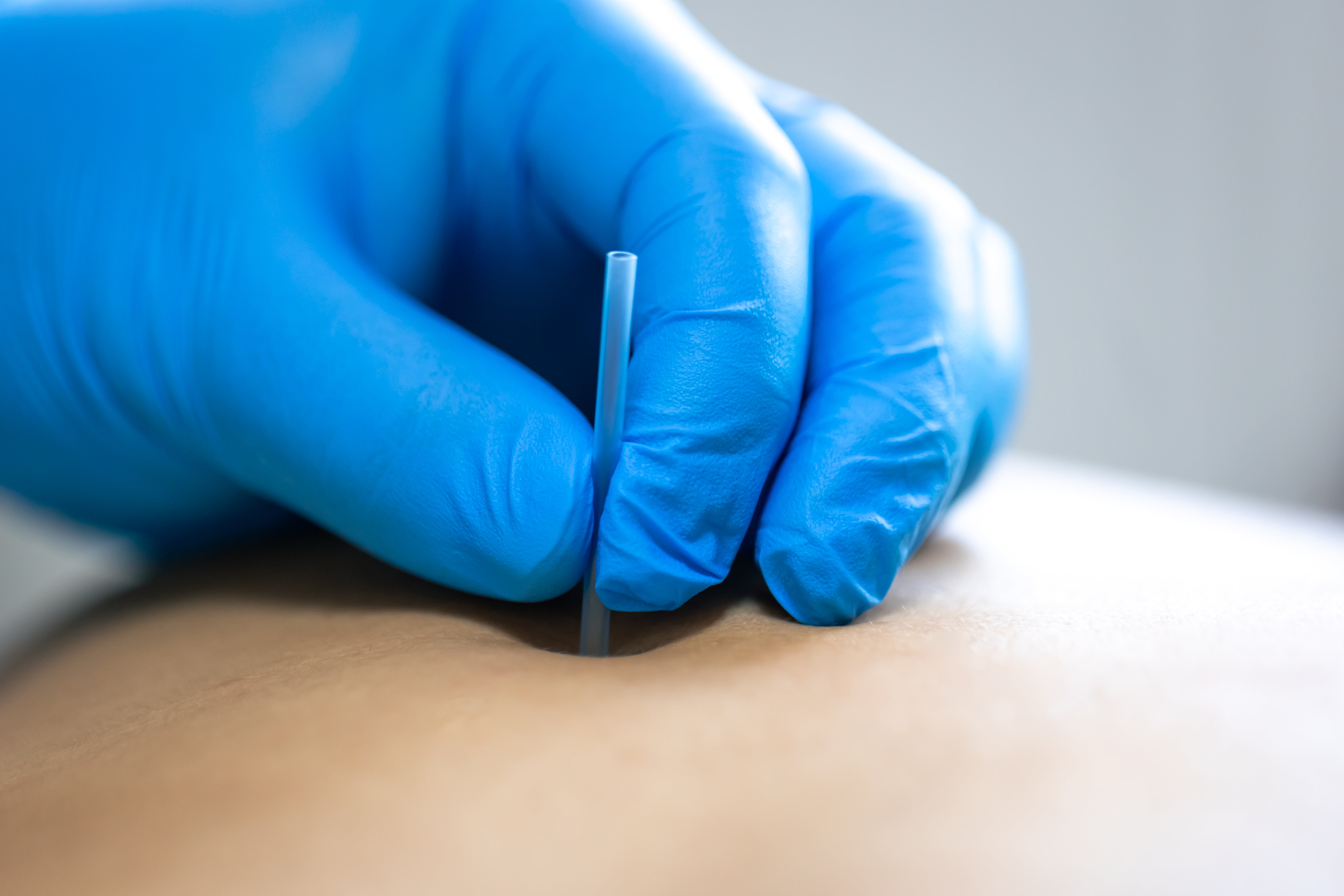
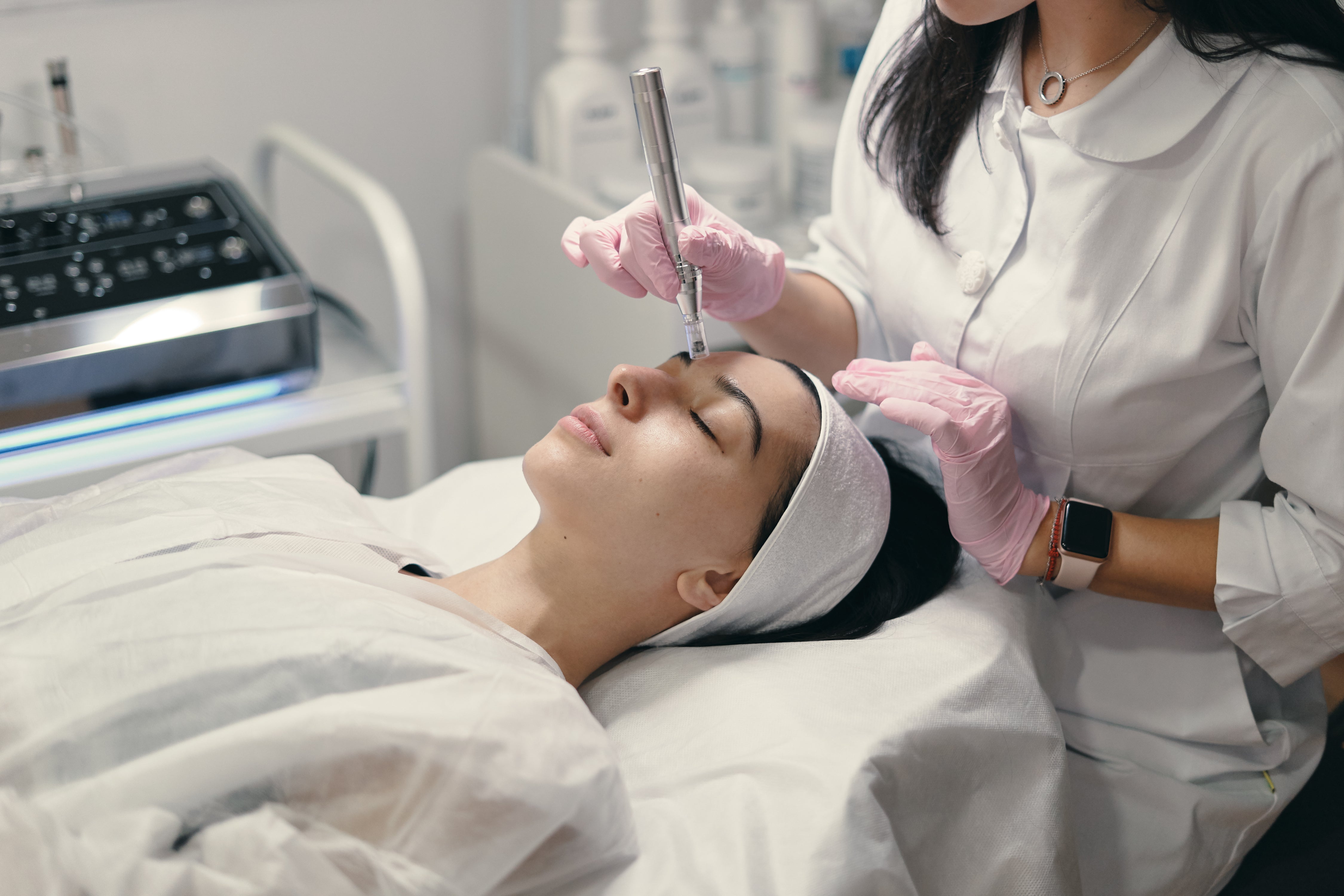
- Microneedling — collagen induction across the marks; a workhorse for Indian skin with low pigmentation risk
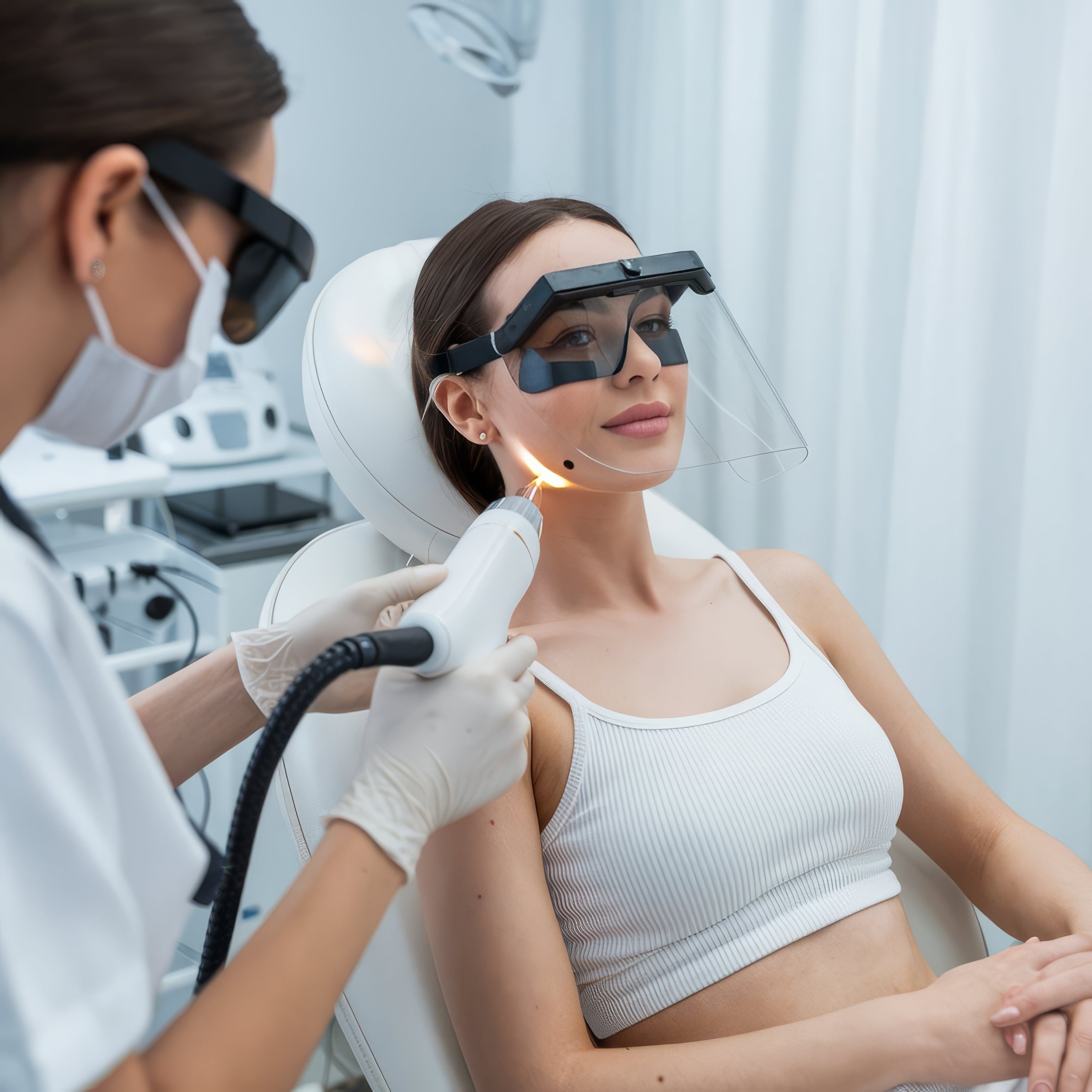
- Fractional lasers — dermal remodelling for texture and colour
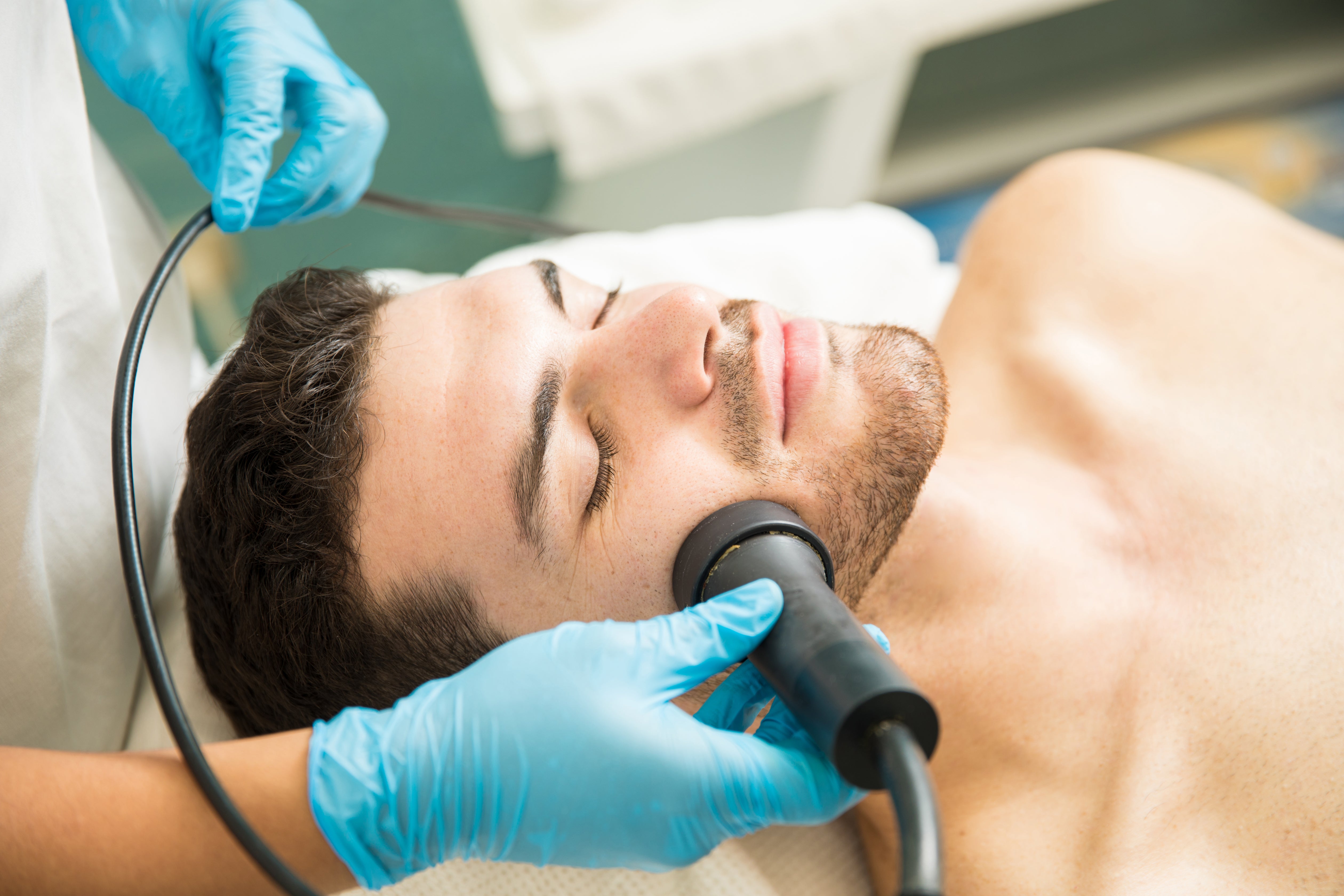
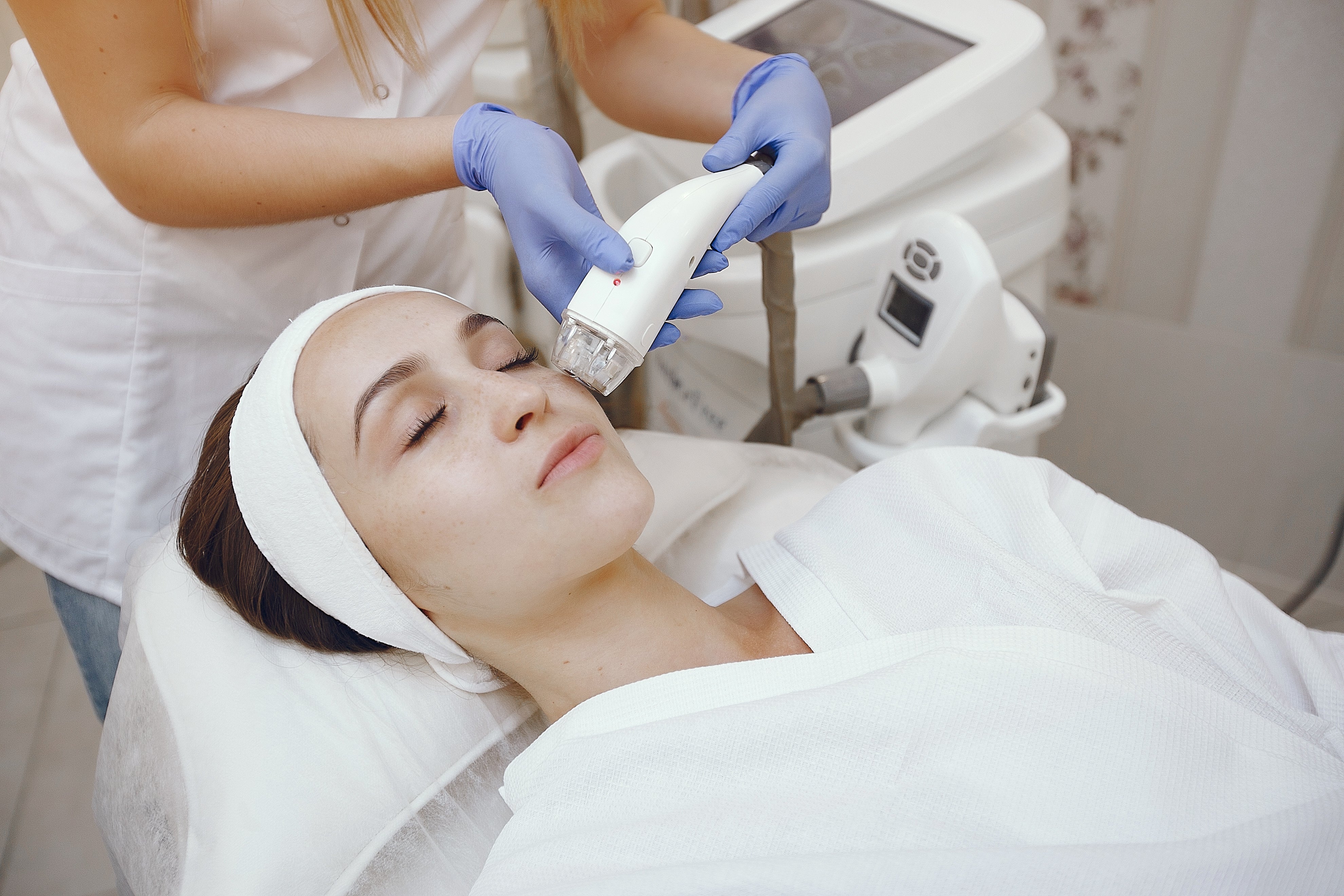
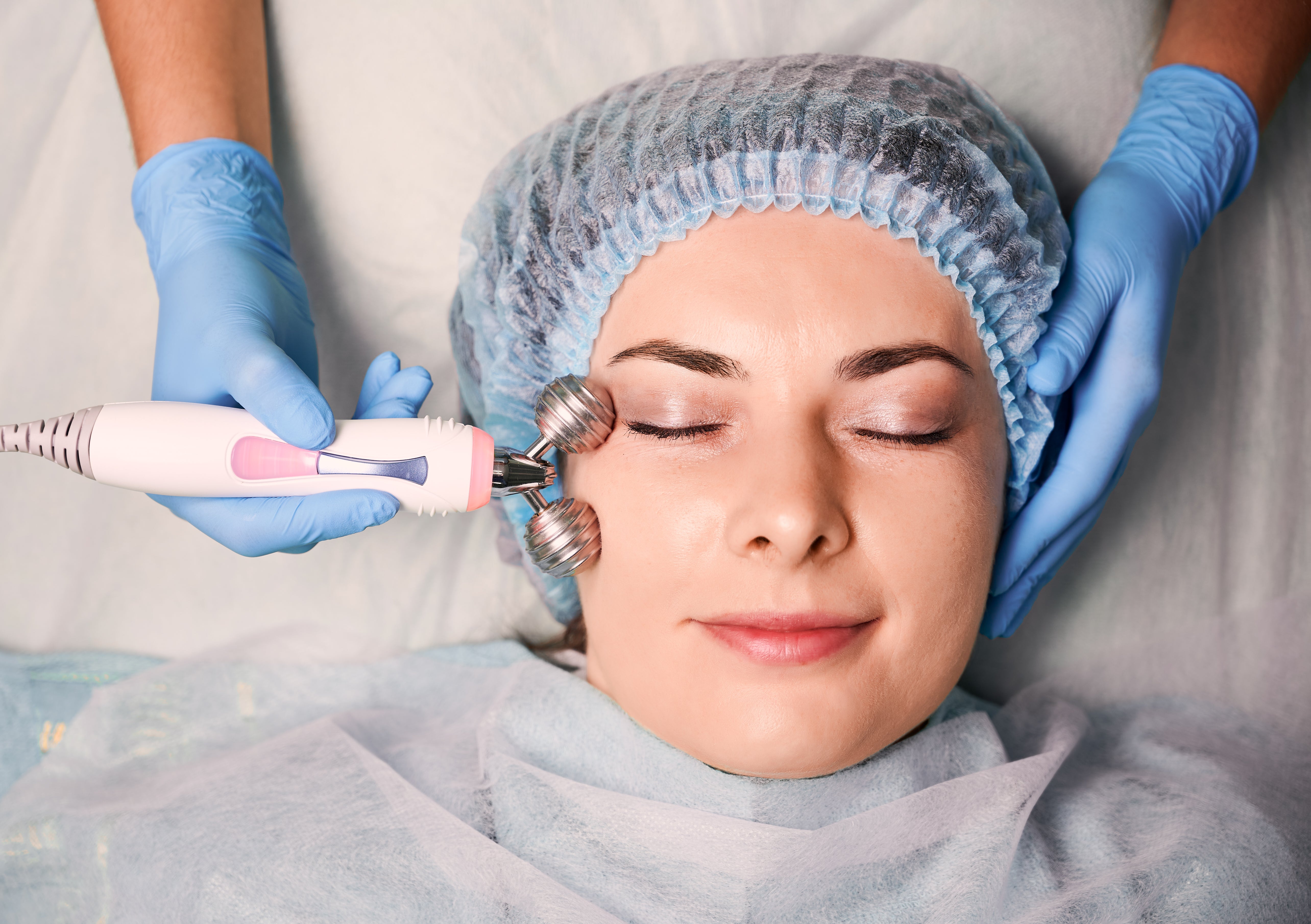
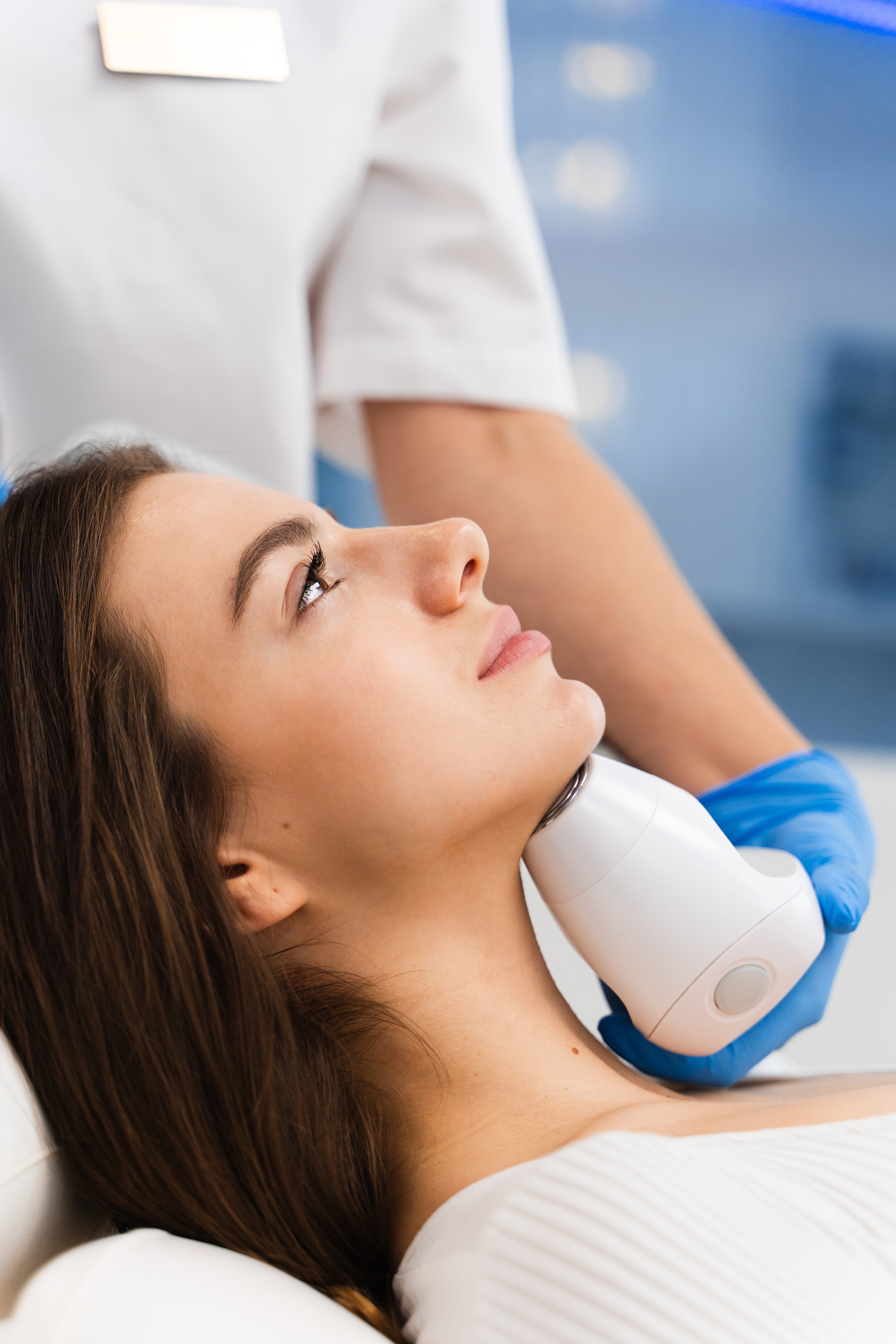
- Radiofrequency devices and MNRF — energy-driven collagen stimulation at depth
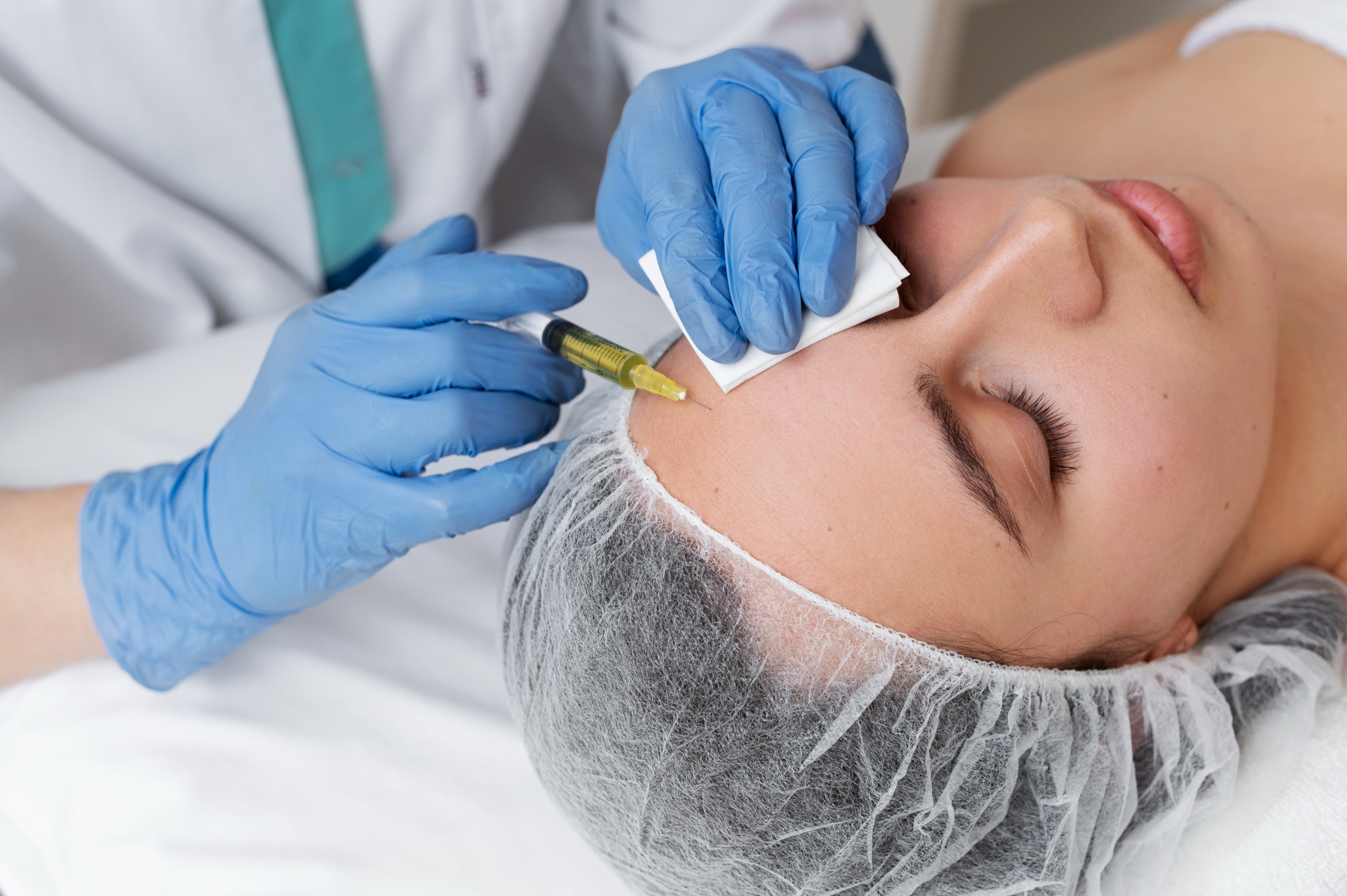
- Platelet-rich plasma (PRP) — often layered with microneedling to enhance remodelling
- Combination collagen-stimulating protocols — in practice, pairing modalities over a series of sessions outperforms any single tool
Visit our dedicated stretch marks treatment page for how these are sequenced.
Prevention and Damage Limitation
During pregnancy, rapid training gains, or planned weight change: keep the skin well moisturised and supple, moderate the rate of change where possible (gradual gain/loss is kinder to dermal fibres), and never use potent steroid creams on thin-skinned zones without supervision. Genetics deal the base hand — some skin marks easily regardless — but rate-of-stretch and skin condition are the levers within reach.
Aftercare Around Procedures
Collagen-stimulating sessions reward good habits: keep treated skin moisturised and sun-protected (fresh remodelling pigments easily in Indian skin), avoid friction from tight waistbands over healing areas for a few days, space sessions the full interval your dermatologist sets, and photograph monthly in identical lighting — striae improve too gradually for the mirror to register, but a quarter's photos show it plainly.
When to See a Dermatologist
See a dermatologist while marks are still red or purple to use the responsive window; for a combination-procedure plan on established white marks; or if "stretch marks" appeared without a stretching cause — widespread spontaneous striae can accompany hormonal conditions worth checking. Book a consultation here.
FAQs
Q: Can stretch marks be removed completely? No treatment reliably erases them; realistic outcomes are meaningful softening of texture, colour, and visibility — often substantial with combination therapy over months.
Q: Do creams and oils prevent pregnancy stretch marks? Evidence for prevention is modest; consistent moisturisation supports skin comfort and elasticity, and is worth doing, but genetics and stretch rate dominate.
Q: How many sessions of microneedling or laser are needed? Typically 4–8 sessions spaced weeks apart, with improvement accruing for months afterward as collagen matures.
Q: When after delivery can treatment start? Topical actives and procedures are generally scheduled after pregnancy and, for several options, after breastfeeding — your dermatologist will time each safely.
📌 Case Study Reference: Publicly shared patient images and query, r/DermatologyQuestions, Reddit — "Stretch marks inner thigh from pregnancy/weight…". Educational discussion only; not a final diagnosis. Clinical commentary by the Allodermis dermatology team.
