
















Quick Answer: A firm, raised scar confined to the boundaries of the original injury is a hypertrophic scar — the result of excessive collagen production during wound healing after surgery, trauma, burns, piercings, or acne. Unlike keloids, hypertrophic scars do not grow beyond the wound area. They are typically raised, firm, pink/red or darker than surrounding skin, and sometimes itchy or tender. Early treatment gives the best results: silicone gel or sheets, pressure therapy, intralesional corticosteroid injections, laser therapy, and combinations for resistant scars — and most flatten gradually over time.
Case Snapshot: A patient asked: "Anyone know what this could be? Have had it for…" — images showed a firm, raised scar sitting exactly within the footprint of a previous injury: the defining geography of a hypertrophic scar, and the feature that separates it from its more troublesome cousin, the keloid.
How Hypertrophic Scars Form
Normal wound healing lays down collagen, then remodels and flattens it over months. In a hypertrophic scar, the collagen production phase overshoots — the wound heals, but with an excess of dense collagen that stands proud of the skin. Common settings: surgery, trauma, burns, piercings, and acne — any wound, particularly over high-tension, mobile areas (chest, shoulders, joints) where skin stretch continually stimulates the healing response.
Hypertrophic Scar vs Keloid: The Boundary Rule
The distinction patients most need:
- Hypertrophic scar: raised but confined to the original wound area; tends to appear within weeks of injury and often flattens gradually over months to years
- Keloid: grows beyond the original wound boundaries, invading surrounding normal skin; appears later, keeps growing, rarely regresses, and recurs more stubbornly after treatment
Same family — excessive collagen — different behaviour, different prognosis, and somewhat different treatment aggressiveness. The scar in this case respecting its borders is genuinely good news.
The Typical Features
Hypertrophic scars are:
- Raised and firm to the touch
- Pink, red, or darker than surrounding skin — with post-inflammatory darkening especially visible in Indian skin
- Sometimes itchy or tender — active, remodelling scars commonly itch
- Confined to the original wound area
Treatment: Early Is Everything
Early treatment often gives the best results — a young, red, active scar responds far better than an old, pale, established one:
- Silicone gel or silicone sheets — the evidence-backed first-line: worn/applied consistently for weeks-to-months, they hydrate and regulate the scar surface, softening and flattening it
- Pressure therapy in selected cases — sustained pressure garments, classically for burn scars
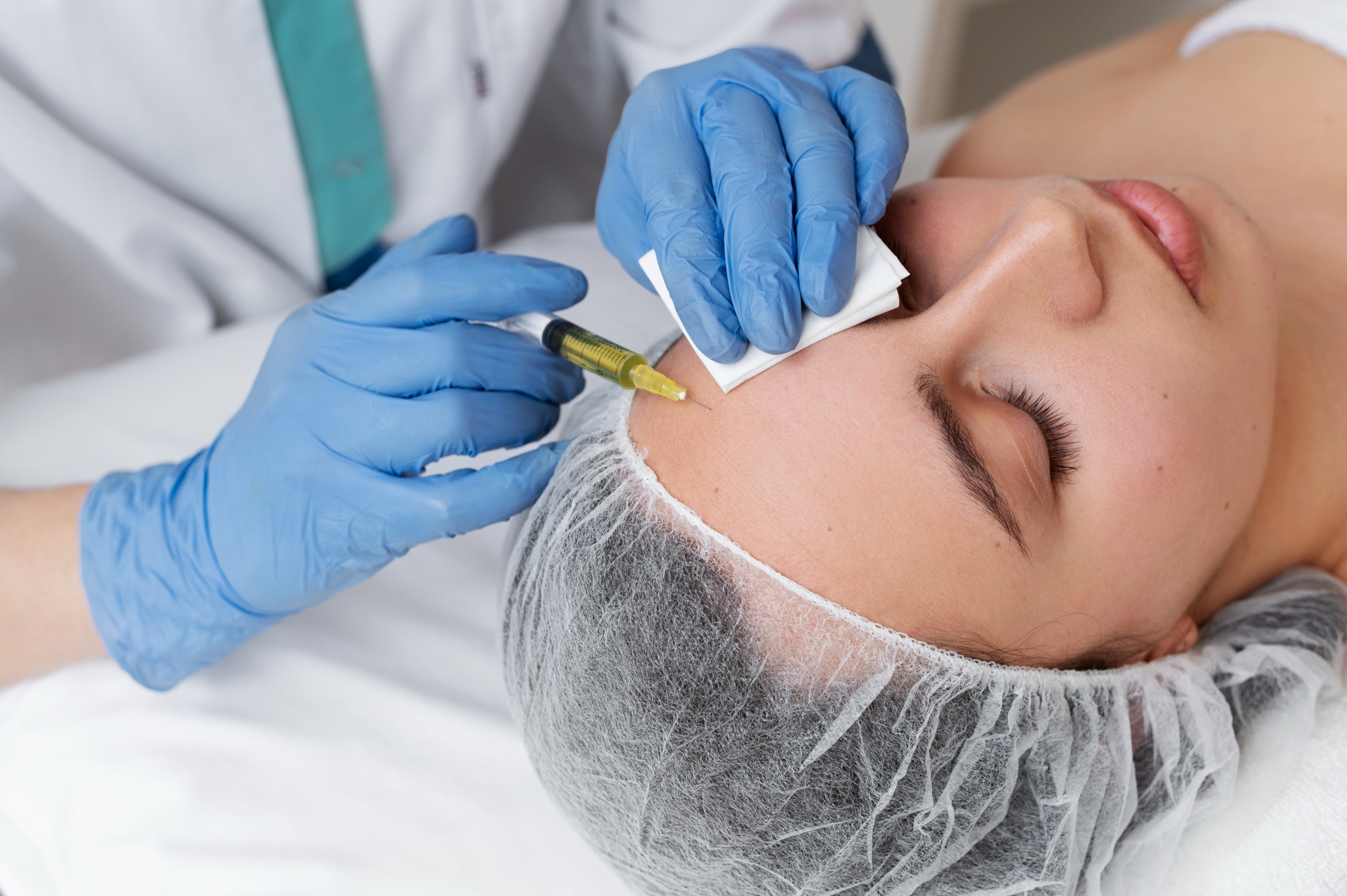
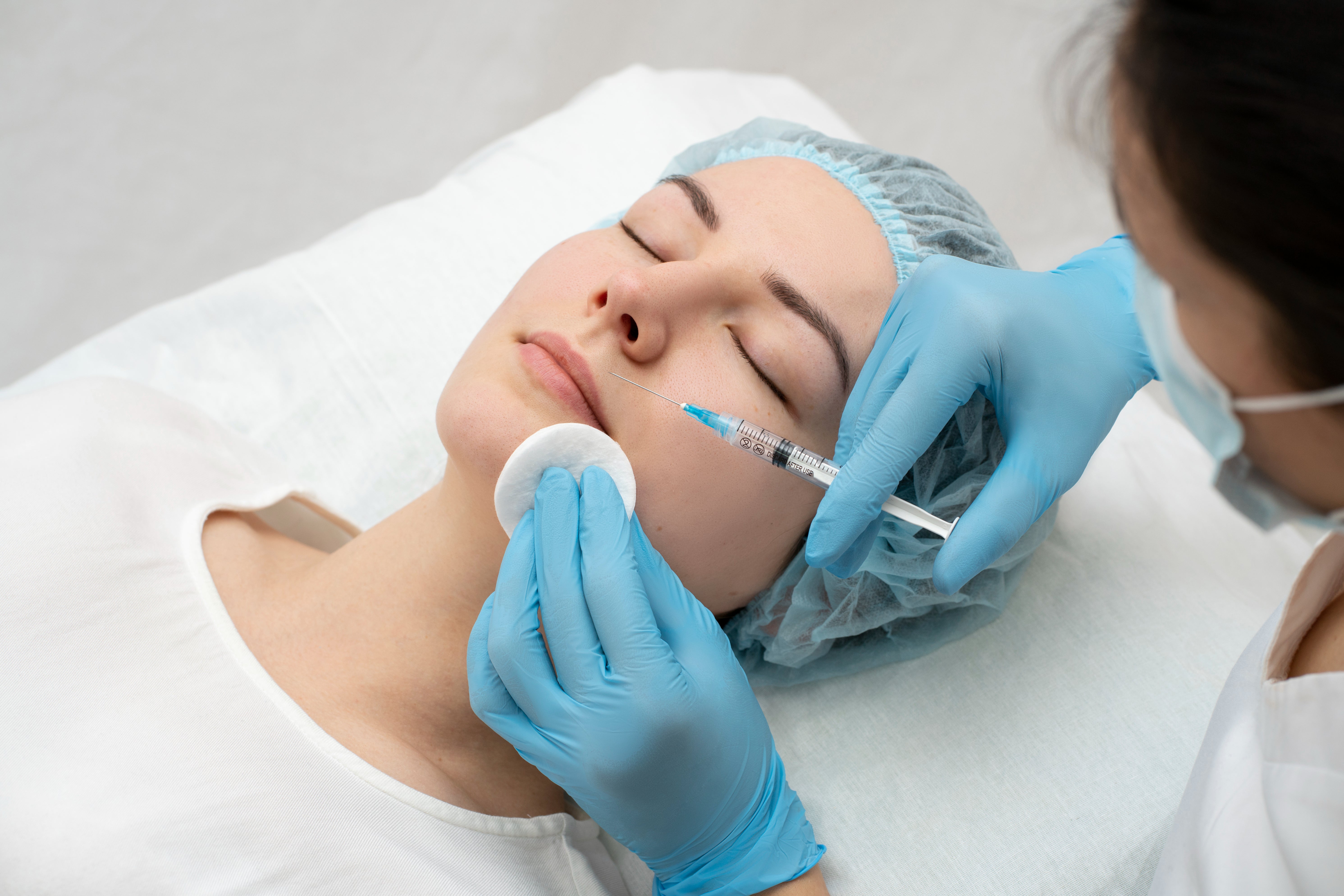
- Intralesional corticosteroid injections — the workhorse for firm, raised scars: injected directly into the scar in spaced sessions, softening and flattening progressively, and calming itch
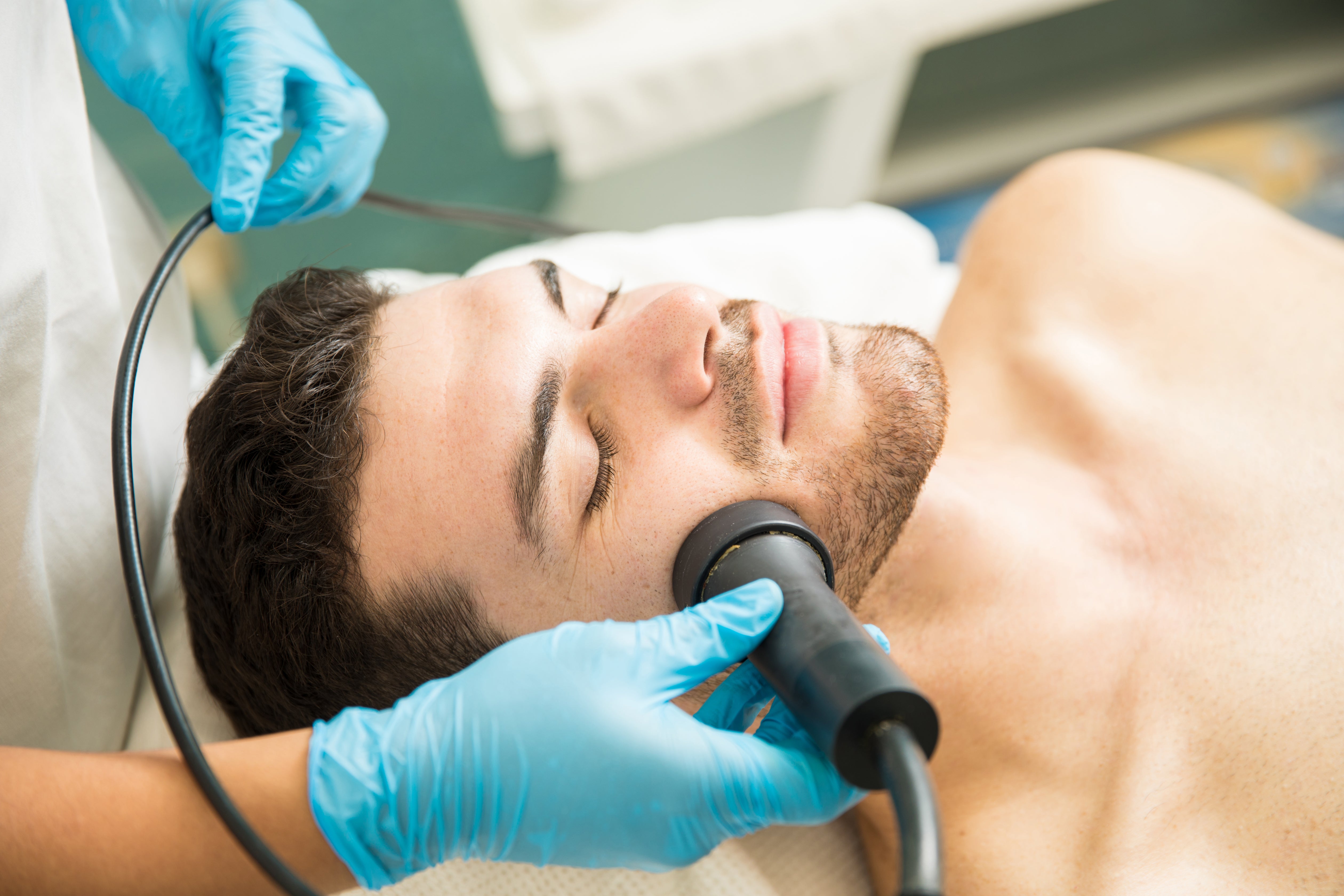
- Laser therapy — targeting redness and stimulating remodelling
- Combination treatments for resistant scars — injections plus silicone plus laser outperform any single tool on stubborn lesions
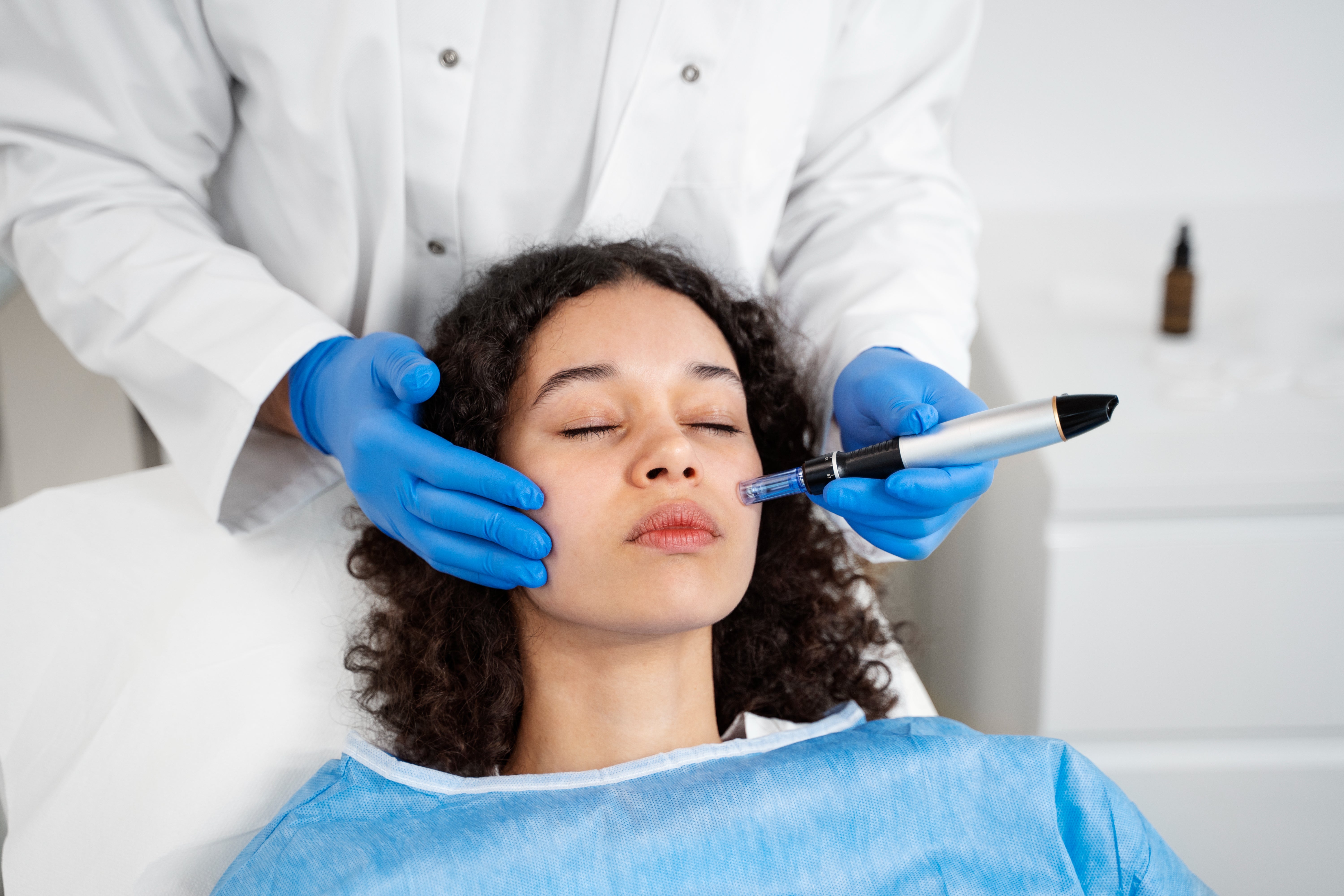
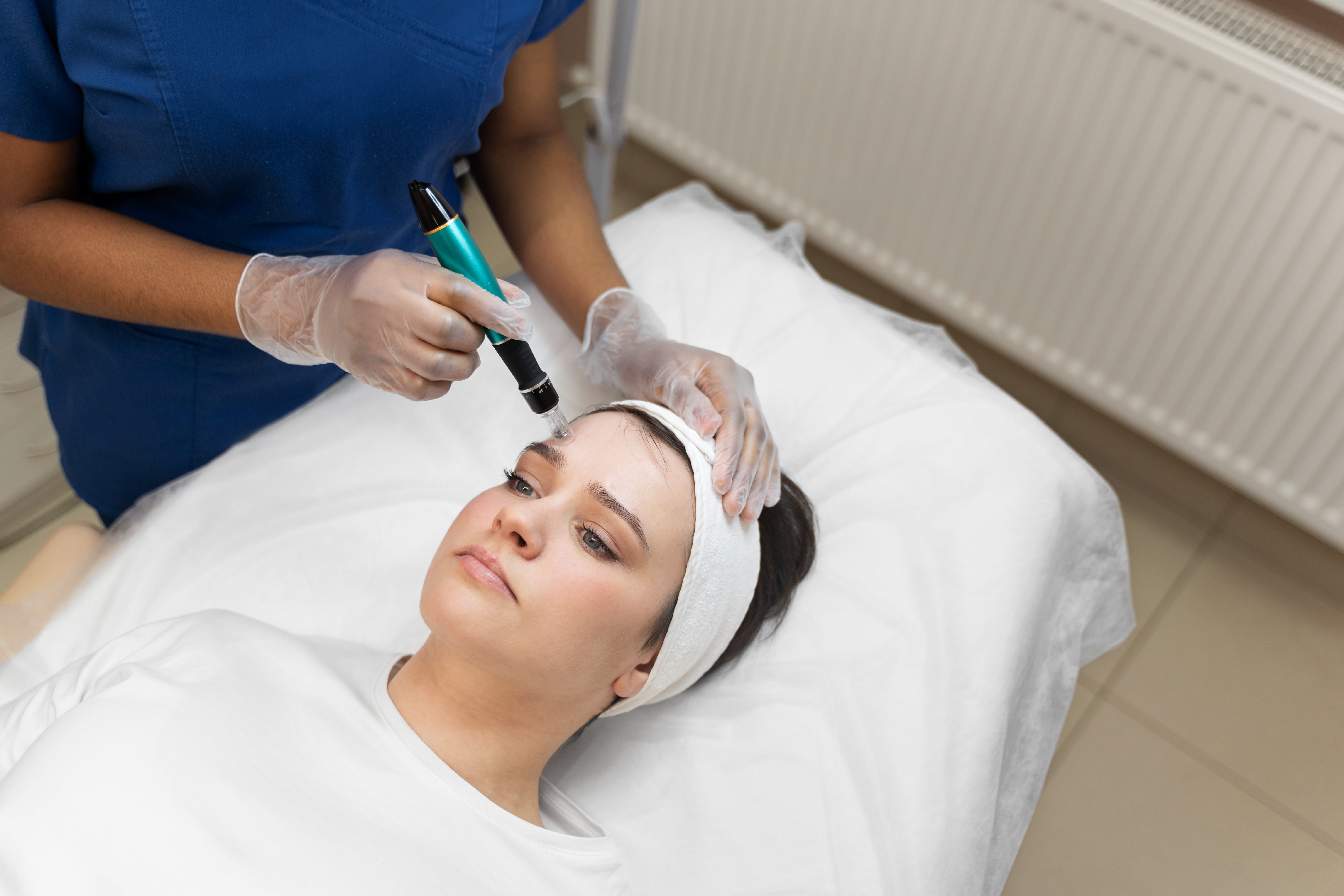
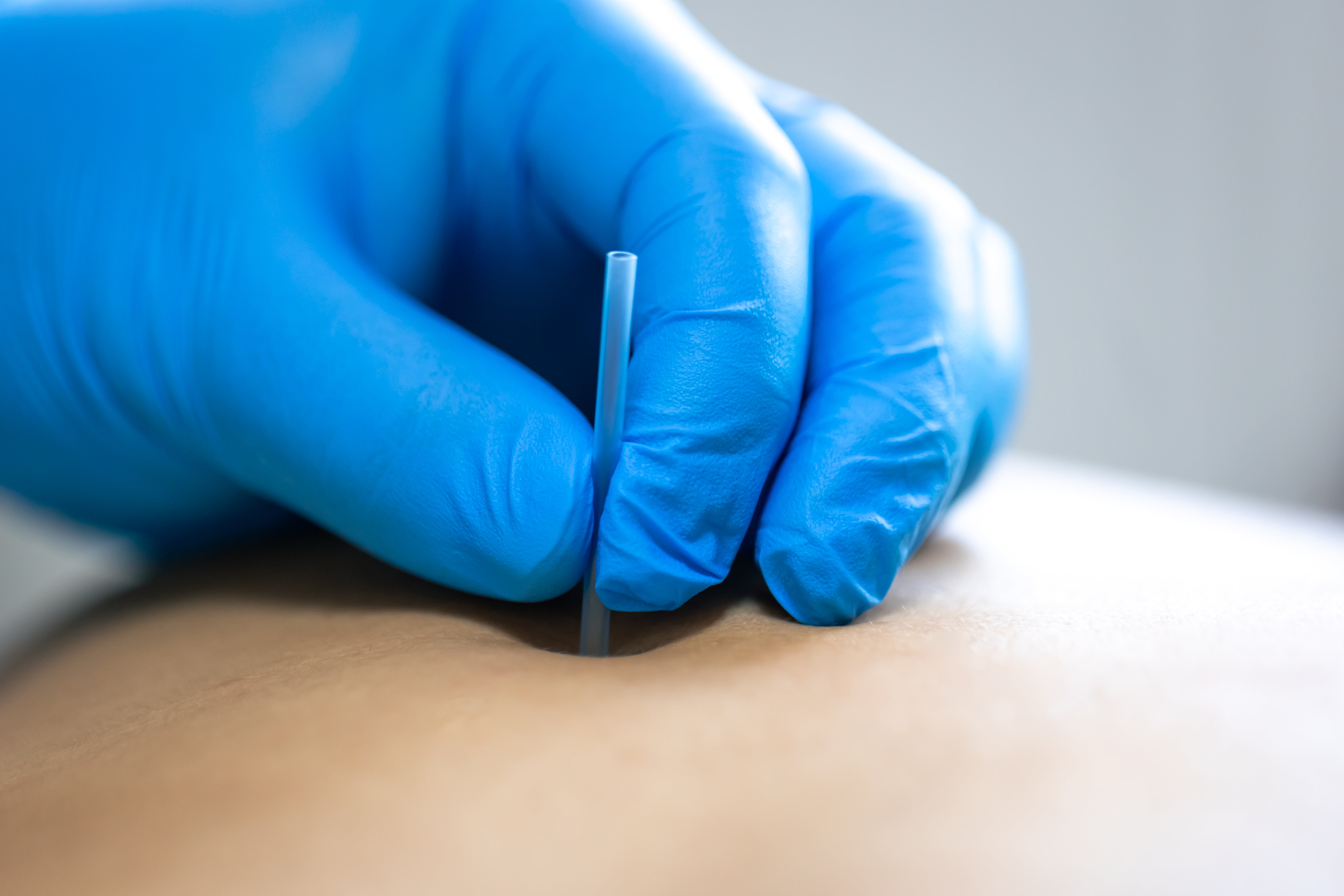
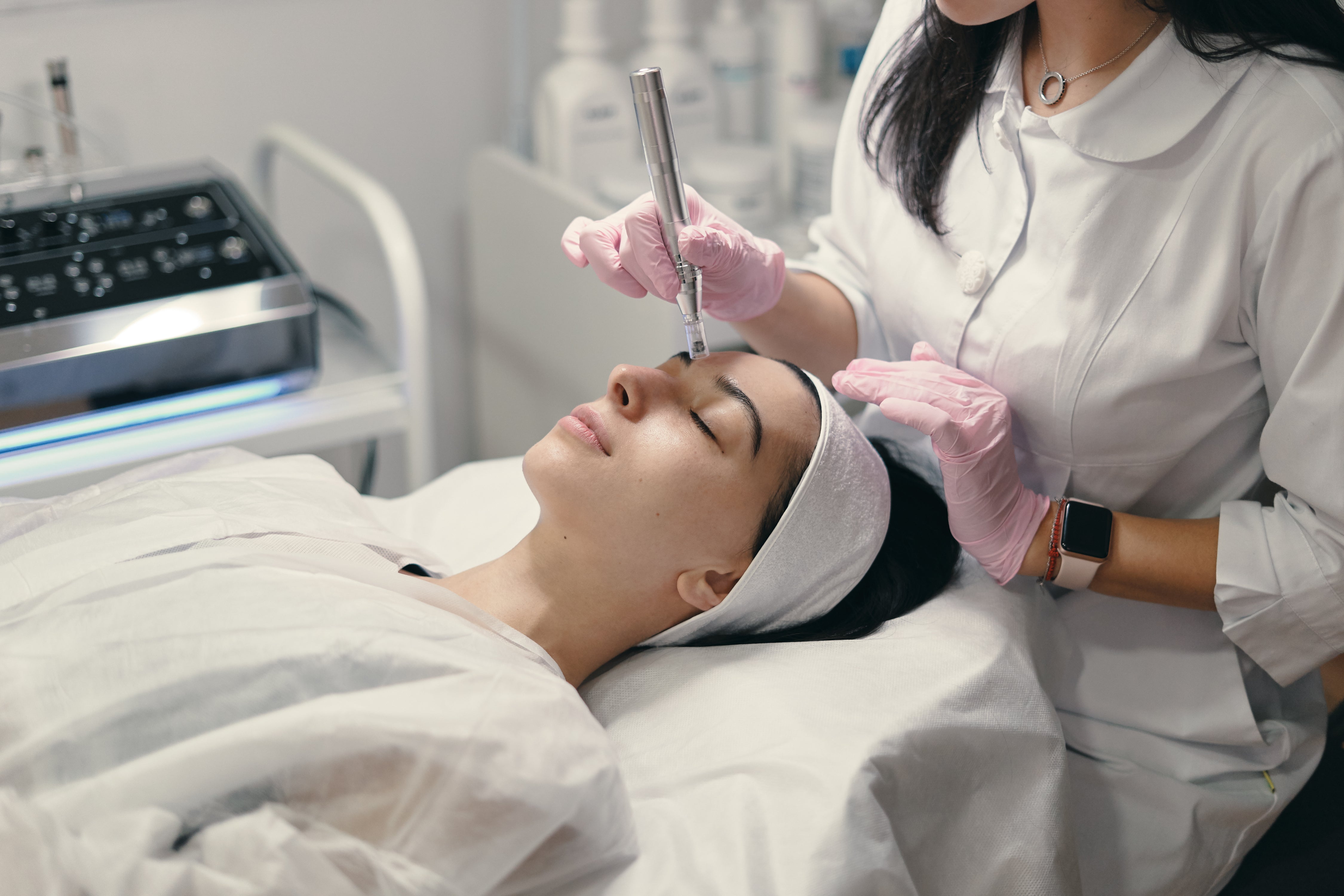
Adjacent textural work — microneedling and related remodelling — has its place in selected matured scars under dermatologist guidance.
Prevention for the Scar-Prone
Avoiding unnecessary trauma, scratching, and tension on healing wounds helps reduce excessive scar formation. For anyone who has formed one hypertrophic scar: care meticulously for future wounds (moist healing, sun protection on fresh scars), start silicone early on healing surgical wounds, think twice about elective piercings in high-risk sites, and treat acne promptly — since every inflamed lesion is a potential scar seed (our acne and acne scar programs exist for exactly this pipeline).
When to See a Dermatologist
See a dermatologist early — ideally within the first months of a scar rising — for the best flattening window; for any scar that is itchy, tender, growing, or extending beyond its original borders (the keloid alarm); and for old resistant scars where combination therapy can still deliver meaningful improvement. While hypertrophic scars often flatten gradually over time, treatment improves symptoms and cosmetic appearance rather than waiting years for nature. Book a scar consultation here.
FAQs
Q: Will my raised scar go away on its own? Hypertrophic scars often soften and flatten substantially over one to two years — treatment accelerates this and improves the final result, especially started early.
Q: Do scar removal creams work? Silicone-based products have real evidence for hypertrophic scars; most other "scar removal" creams do little. Firm raised scars usually need injections or procedures for major change.
Q: Why does my scar itch? Itch signals an active, remodelling scar — common and benign, and one of the symptoms steroid injections and silicone relieve well.
Q: If I've formed one hypertrophic scar, will every wound do this? You're at higher risk, particularly in the same body zones — which makes early silicone use and careful wound care on future injuries a worthwhile routine.
📌 Case Study Reference: Publicly shared patient images and query, r/DermatologyQuestions, Reddit — "Anyone know what this could be? Have had it for…". Educational discussion only; not a final diagnosis. Clinical commentary by the Allodermis dermatology team.
