

















Quick Answer: Skin that looks rough, dull, and 'fish-scale' like usually indicates xerosis — severe dryness caused by a damaged skin barrier. The most effective treatment is a thick moisturiser containing ceramides, urea, or lactic acid applied within minutes of bathing, combined with lukewarm showers and soap-free cleansers. Persistent or itchy xerosis may signal underlying conditions like atopic dermatitis, diabetes, or thyroid disease.
Case Snapshot: A patient presented with rough, scaling, dull skin over the legs and arms, with fine fish-scale-like cracking, itching, and a sensation of tightness that worsened after hot showers.
What Is Xerosis?
Xerosis is the medical term for very dry skin. Healthy skin maintains a lipid-rich barrier — think of it as mortar between skin-cell bricks — that locks moisture in. When this barrier is lost, water escapes, cells dry and curl at the edges, and the surface develops rough texture, visible scaling, itching, and sometimes painful cracks. The characteristic polygonal, fish-scale pattern is the visual signature of a severely dehydrated surface.
Why the Barrier Fails
- Skin conditions: atopic dermatitis (eczema) is the most common underlying tendency
- Internal diseases: diabetes and thyroid disorders both impair skin hydration — xerosis can be their first visible sign
- Ageing: oil gland activity and barrier lipids naturally decline with age
- Lifestyle aggravators: inadequate water intake, frequent hot showers (hot water strips barrier lipids), and harsh soaps that alkalinise and degrease the skin
The Dermatologist's Repair Protocol
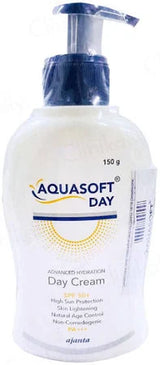
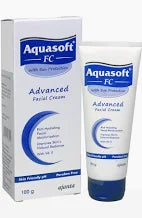
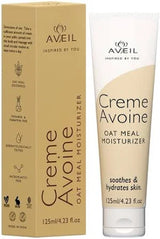
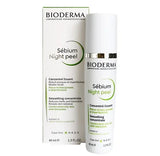
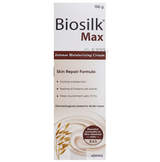
- Thick moisturisers with ceramides, urea, or lactic acid. Ceramides replace missing barrier lipids; urea and lactic acid are humectant-keratolytics that hydrate while gently smoothing scale.
- The 3-minute rule: apply moisturiser immediately after bathing, while skin is still damp, to trap water in the skin. This single habit change often transforms outcomes.
- Switch to gentle, soap-free cleansers (syndets) that clean without stripping.
- Shorten showers and lower the temperature to lukewarm.
- Reapply moisturiser at night and after every hand wash on affected areas.
Red Flags That Need Medical Attention
Xerosis that is severe, intensely itchy, cracked, or persistent despite the above measures deserves a proper work-up. Your dermatologist may screen for atopic dermatitis, check for diabetes or thyroid dysfunction, and rule out true ichthyosis — a genetic scaling disorder that mimics severe xerosis but needs specific management. Scratched, cracked skin can also become secondarily infected, requiring treatment beyond moisturisers.
The Bigger Picture: Barrier First, Everything Else Second
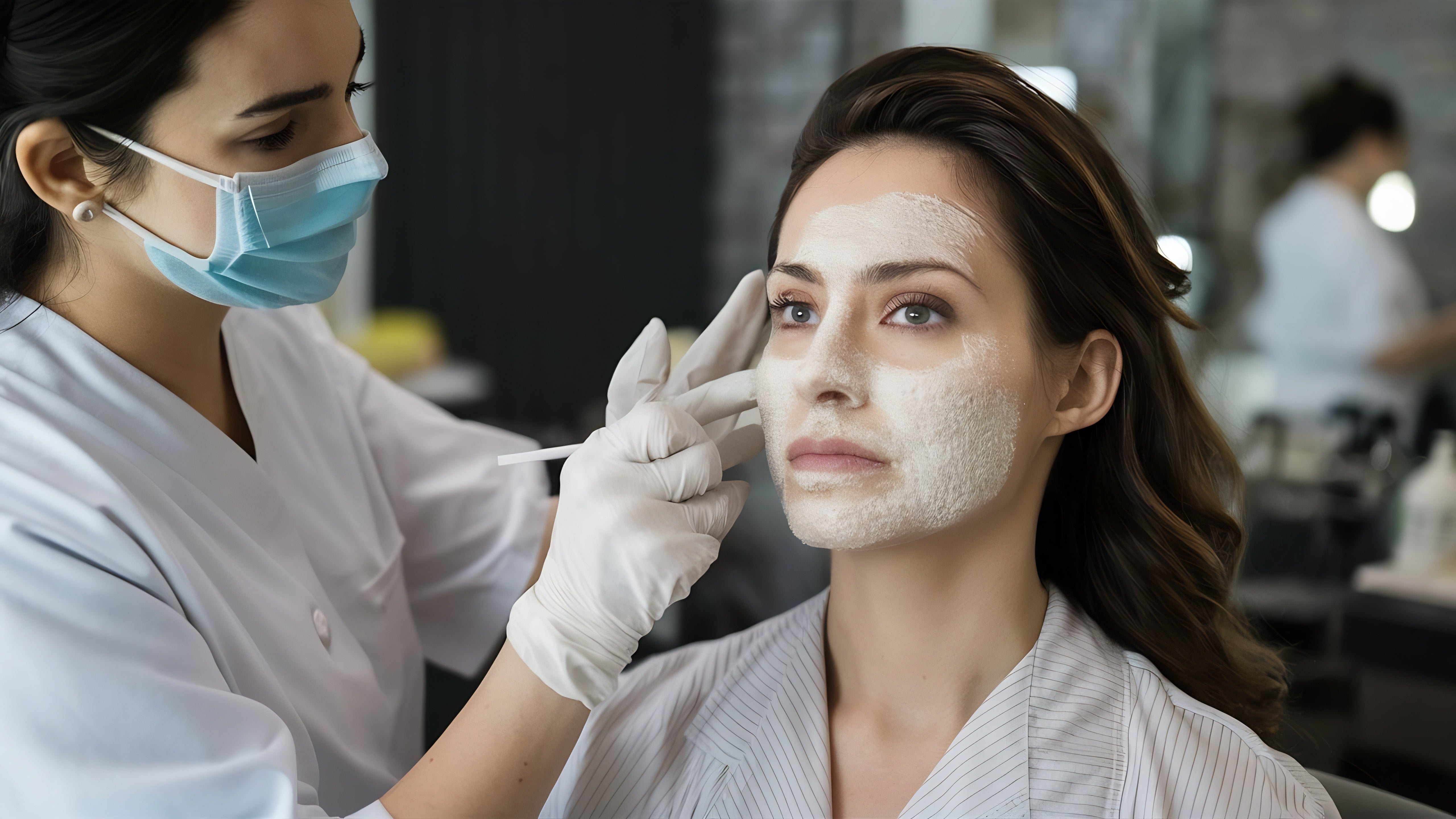
Patients often layer actives — exfoliating acids, retinoids, brightening serums — on top of a broken barrier, worsening irritation. In dermatology, the rule is simple: repair the barrier first. Once skin is calm and hydrated, other concerns like dullness and uneven tone can be safely addressed — for instance through gentle, professionally supervised chemical peels or a dull skin treatment plan.
When to See a Dermatologist
If your skin remains rough, itchy or cracked after 3–4 weeks of intensive moisturisation, or if scaling covers large body areas, book a consultation. Prescription-strength emollients and screening for internal causes can make a decisive difference.
FAQs
Q: Why does my skin get worse every winter? Cold, low-humidity air pulls moisture out of the skin, and indoor heating compounds it. Winter xerosis responds to thicker occlusive moisturisers and shorter, cooler showers.
Q: Is fish-scale skin the same as ichthyosis? Ichthyosis is a distinct genetic condition. Severe xerosis can look similar; a dermatologist can differentiate the two on examination and history.
Q: How many times a day should I moisturise? At minimum twice daily — always after bathing — and more often on severely affected areas.
Q: Which moisturiser ingredients should I look for on the label? Ceramides, urea, lactic acid, glycerin, petrolatum, and shea butter are the workhorses. For fish-scale texture, urea 10% or lactic acid formulations are particularly effective at smoothing scale while hydrating.
How to Choose Between Lotion, Cream, and Ointment
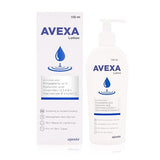
Texture matters as much as ingredients. Lotions are light and suit mild dryness or humid weather; creams carry more lipid and suit moderate xerosis; ointments (petrolatum-heavy) are the most occlusive and best for cracked, severely scaling areas, especially overnight. Many patients do well with a cream by day and an ointment layered over urea cream at night on the worst zones — shins, elbows, and feet, where oil glands are scarce and xerosis strikes first.
Bathing Habits That Repair Rather Than Strip
- Keep showers under 10 minutes, lukewarm rather than hot
- Use a soap-free syndet cleanser only on areas that need it; plain water suffices elsewhere
- Pat dry, never rub — then moisturise within three minutes
- In winter, consider a humidifier in the bedroom; overnight ambient humidity meaningfully reduces morning tightness
- Wear soft cotton layers against the skin; wool directly on xerotic skin triggers itch
Why Itch Control Matters
Dry skin itches; scratching breaks the barrier further, which dries and itches more — the classic itch–scratch cycle. Breaking it early with intensive moisturisation (and, when prescribed, short courses of anti-itch treatment) prevents the thickened, darkened patches that chronic scratching leaves behind, which are far harder to reverse than the dryness itself.
📌 Case Study Reference: Publicly shared patient image and query, Reddit skincare communities. Educational discussion only; not a final diagnosis. Clinical commentary by the Allodermis dermatology team.
Written By: Dr. Pranomita
