












Quick Answer: Painful red bumps with occasional pus-filled pimples indicate inflammatory acne, driven by blocked pores, excess oil, and overgrowth of acne-causing bacteria. First-line treatment is a night-time retinoid (adapalene) combined with benzoyl peroxide or topical antibiotics, started at low strength, alongside a gentle cleanser, non-comedogenic moisturiser, and daily sunscreen. Early treatment is the best protection against permanent marks and scars.
Case Snapshot: A young patient presented with tender, red raised bumps and intermittent pus-filled pimples on the face, on a background of visibly oily skin. Several lesions had been squeezed, leaving fresh dark marks.
How Inflammatory Acne Develops
Inflammatory acne is the visible end-point of a four-step biological cascade: excess oil production → blocked pores → bacterial overgrowth (Cutibacterium acnes) → inflammation. Once inflammation ignites, comedones transform into the red papules and pus-filled pustules that hurt, linger, and threaten to scar.
Common Triggers and Aggravators
- Hormonal changes — puberty, menstrual cycles, PCOS
- Oily skin and chronic stress (stress hormones stimulate oil glands)
- High-sugar diets, which can drive oil production and inflammation in susceptible people
- Improper skincare and comedogenic products that silently clog pores
- Picking and squeezing pimples — the single most damaging habit, as it deepens inflammation and seeds infection into surrounding skin
The Evidence-Based Treatment Protocol
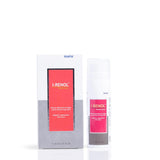
- Night-time retinoid (adapalene): unclogs pores and prevents new lesions — the foundation of every acne regimen.
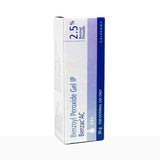
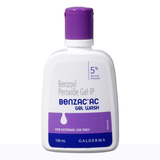
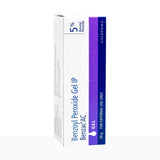
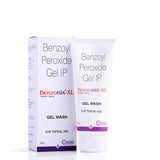
- Benzoyl peroxide or topical antibiotics: reduce bacterial load and calm inflammation. Benzoyl peroxide also prevents antibiotic resistance when the two are combined.
- Start with lower strengths and build tolerance gradually — aggressive starts cause irritation and treatment dropout.
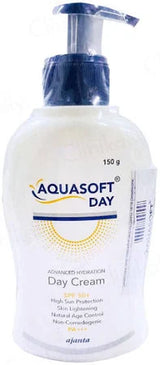
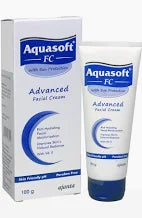
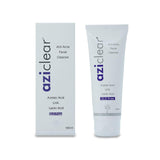
- Support the barrier: gentle cleanser twice daily, a non-comedogenic moisturiser, and daily sunscreen (acne treatments increase sun sensitivity, and sun exposure darkens post-acne marks).
What About Moderate and Severe Cases?
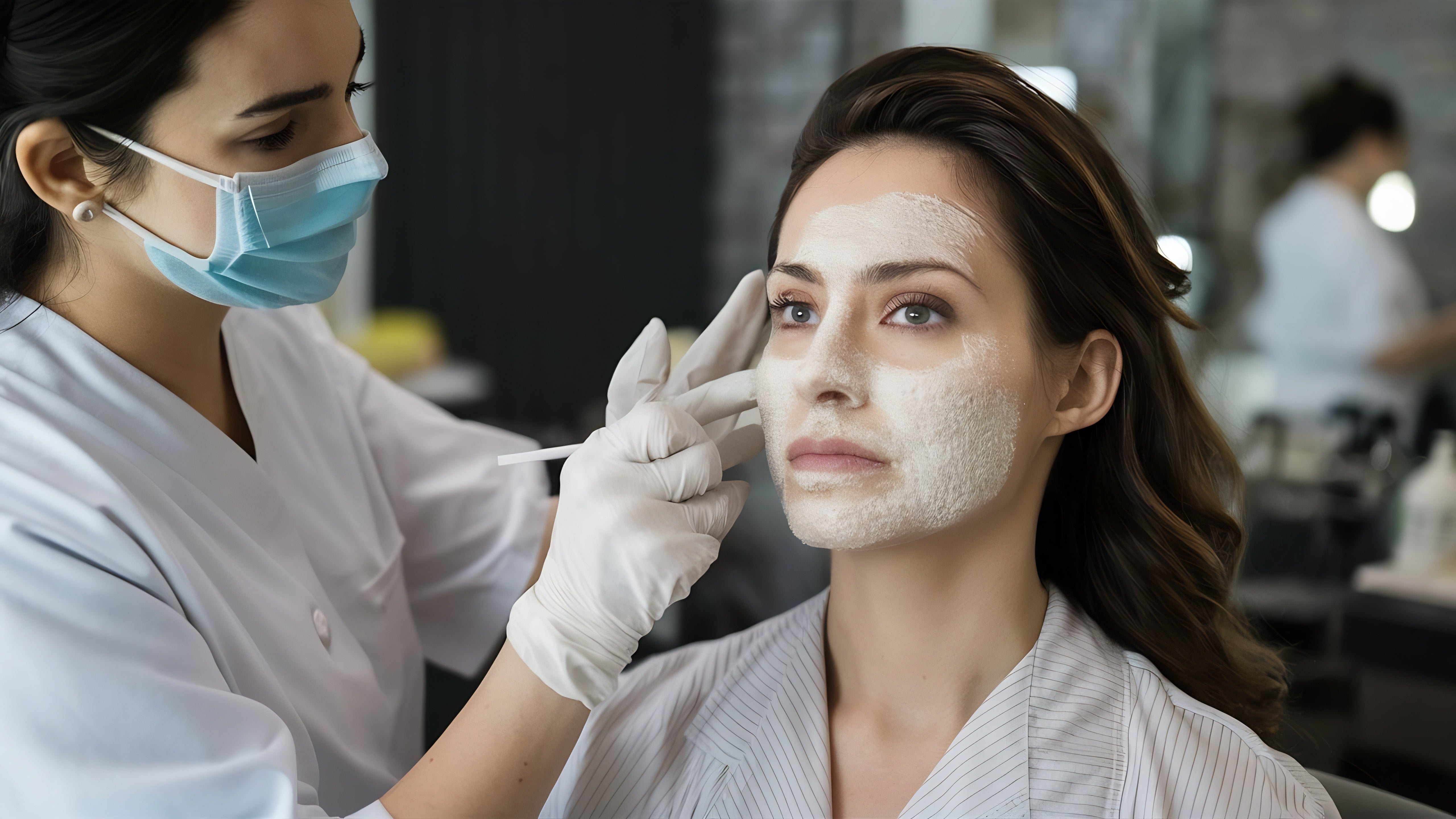
When pustules are numerous, nodules develop, or topicals plateau, dermatologists add short courses of oral antibiotics, hormonal therapy where indicated, or oral isotretinoin for severe, scarring acne — always under supervision. In-clinic support such as chemical peels accelerates clearance and fades marks.
Why Early Treatment Is Non-Negotiable
Every inflamed pimple carries scar potential. Untreated inflammatory acne is the leading cause of post-acne marks and permanent scars, which are far harder and costlier to treat than the acne itself. Personalised pimple treatment started early is genuine scar prevention. For the complete roadmap — including how long each treatment takes and when to escalate — read our in-depth guide: Acne Treatment Explained: Causes, Types, Best Options, Timelines, and Scar Prevention.
When to See a Dermatologist
See a dermatologist early if acne is painful, pus-filled, recurrent, leaving marks, or affecting your confidence. Acne treatment should always be personalised — skin type, severity, hormones, and lifestyle all shape the right plan. Book your consultation here.
FAQs
Q: Should I stop treatment once my pimples clear? No — acne is a chronic tendency. Maintenance therapy (usually a night retinoid) prevents relapse, especially in hormonal acne.
Q: Do sugary foods really cause acne? High-glycaemic diets can worsen acne in susceptible individuals by increasing oil production and inflammation. Diet is a modifier, not the sole cause.
Q: How soon will I see results? Expect meaningful improvement at 8–12 weeks of consistent use. Judging a regimen before that is premature.
Q: Can stress alone trigger a breakout? Stress hormones stimulate oil glands and inflammation, so stress reliably worsens existing acne and can tip borderline skin into a flare — though it acts alongside, not instead of, the core pore-blocking process.
Mistakes That Keep Inflammatory Acne Alive
- Spot-treating only visible pimples — acne medication works by preventing the next lesion, so it must cover the entire acne-prone zone, not just today's bump
- Layering multiple actives at once — combining strong acids, benzoyl peroxide, and retinoids without guidance wrecks the barrier and inflames skin further
- Skipping moisturiser "because skin is oily" — a dehydrated barrier triggers compensatory oil production and makes treatments intolerable
- Frequent switching — abandoning a regimen at week 4 restarts the clock; acne biology simply doesn't move faster than 8–12 weeks
- Picking — every squeezed pustule is a potential permanent mark
Marks vs Scars: Know What You're Left With
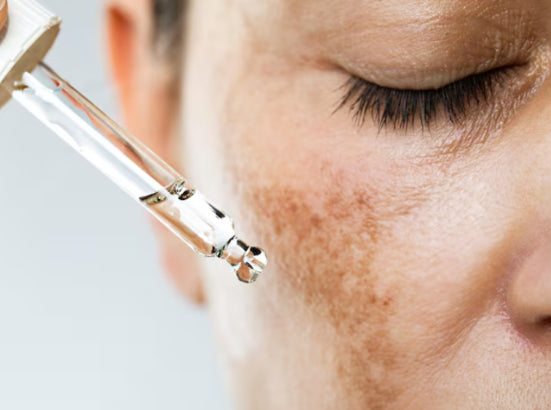
After a pimple heals, a flat red or brown mark (post-inflammatory pigmentation) is common and fades over weeks to months — faster with sunscreen and azelaic acid. A scar is a texture change — a pit or depression — and will not fade on its own; it needs procedural treatment. Distinguishing the two early keeps expectations realistic and prevents money wasted on creams for problems that need scar procedures.
📌 Case Study Reference: Publicly shared patient image and query, r/IndianSkincareAddicts community, Reddit — https://www.reddit.com/r/IndianSkincareAddicts/. Educational discussion only; not a final diagnosis. Clinical commentary by the Allodermis dermatology team.
