


















Quick Answer: Painless tiny white or yellow bumps on the lips are usually Fordyce spots — naturally occurring, visible oil (sebaceous) glands. They are completely harmless, not infectious, and not a sexually transmitted disease. No treatment is required, though cosmetic options like topical retinoids or laser exist for those who are bothered by their appearance.
Case Snapshot: An anxious patient asked about small white-yellow bumps along the border of the lips that neither hurt nor itched, worried they might be an infection or something sexually transmitted.
What Are Fordyce Spots?
Fordyce spots are normal sebaceous (oil) glands that happen to be visible on the lips or genital skin. Every human has sebaceous glands; in most areas they open into hair follicles and stay hidden, but on the lip border and genital skin they open directly onto the surface, where they can appear as tiny pale bumps. They are:
- ✅ Harmless — a normal anatomical variation, present in a large proportion of adults
- ✅ Not infectious — they cannot spread to another person
- ✅ Not a sexually transmitted disease — despite frequently causing STD anxiety
Why Do They Suddenly Become Noticeable?
Patients often report that the spots "appeared recently." In reality, the glands were always there and became more visible due to:
- Skin stretching (which spreads the overlying skin thinner)
- Dryness of the lips, reducing surface glow that camouflages them
- Hormonal changes that increase oil-gland activity, enlarging the glands slightly
Do Fordyce Spots Need Treatment?
Usually not. Dermatologists worldwide consider them a normal variant requiring only reassurance. If they are genuinely cosmetically bothersome, in-clinic options exist:
- Topical retinoids to modestly reduce prominence over time
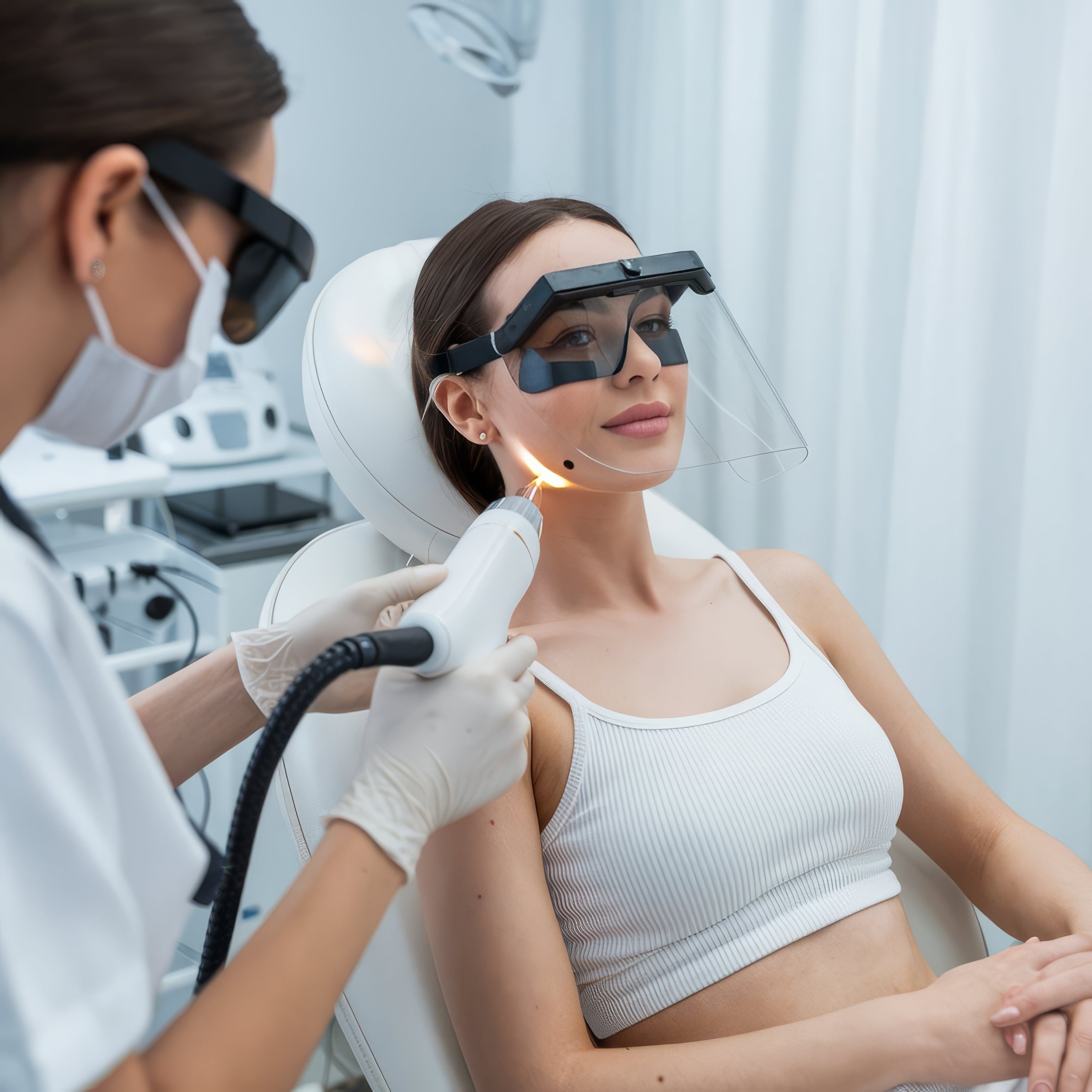
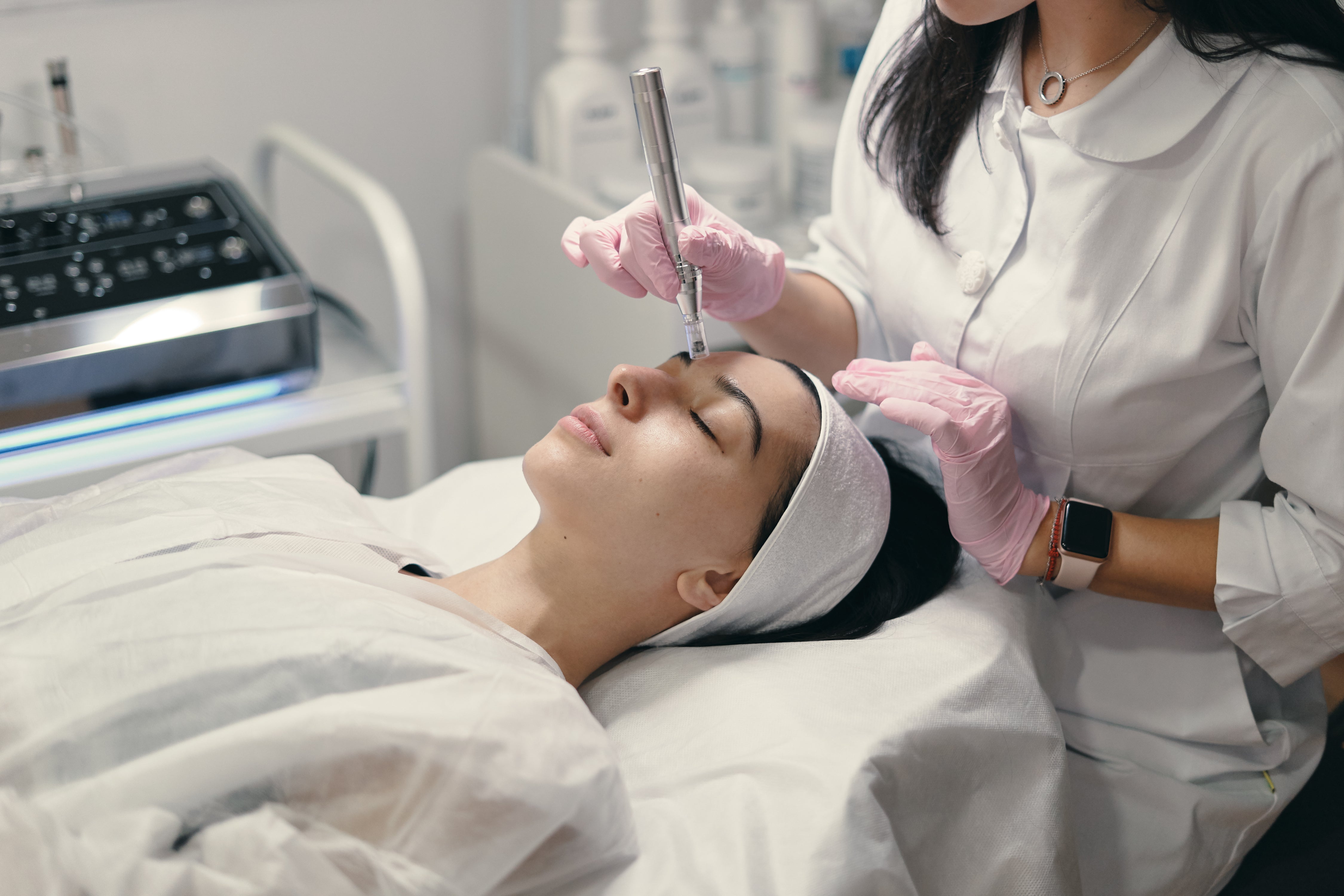
- CO₂ laser, chemical cautery, electrocautery, or micro-punch excision in selected cases
It is important to set expectations: results vary, and recurrence can occur, because the underlying glands are a permanent, normal part of the skin. Aggressive removal attempts risk scarring far more noticeable than the spots themselves.
The Important Caveat: Not Every Lip Bump Is Fordyce
Several conditions can mimic Fordyce spots — milia, flat warts, molluscum contagiosum, and occasionally early mucosal lesions. The distinguishing features (uniformity, distribution, absence of symptoms) are best judged in person, sometimes with dermoscopy. Getting a confirmed diagnosis before considering any procedure is essential; our skin diagnostic services and dermatologist consultations are designed exactly for this.
The Psychological Side
A large part of managing Fordyce spots is managing the anxiety around them. Patients frequently avoid relationships or feel embarrassed over what is, medically, as normal as a freckle. Clear information is the treatment: these are your own oil glands, everyone has them, and nothing is wrong.
When to See a Dermatologist
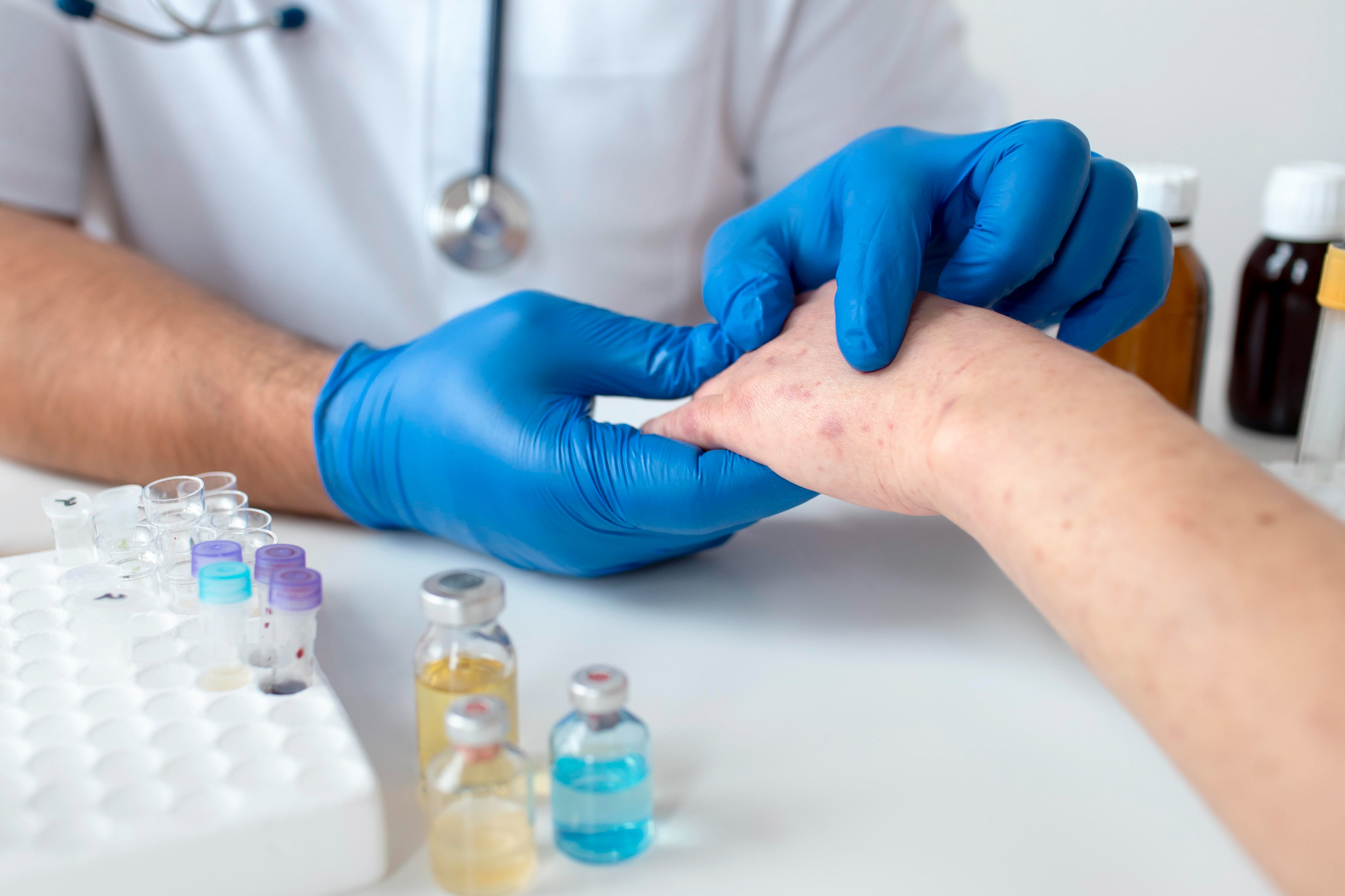
See a dermatologist if bumps change, grow, become painful, itch, ulcerate, or bleed — those features suggest a different diagnosis. Also consult before undergoing any cosmetic removal so a qualified doctor can confirm the diagnosis and discuss realistic outcomes. Book an appointment with our team here.
FAQs
Q: Can Fordyce spots spread to my partner? No — they are your own oil glands, not an infection, and cannot be transmitted.
Q: Do lip balms remove Fordyce spots? No, but keeping lips well hydrated can make them appear less prominent.
Q: Will Fordyce spots go away on their own? They typically persist as a normal skin feature, though prominence fluctuates with hydration and hormones.
Q: Should I try to extract or pop Fordyce spots? Never. They are solid glands, not pimples — there is nothing to "pop." Squeezing only injures the lip border, risking marks, infection, and scarring in one of the most cosmetically visible zones of the face.
How Dermatologists Confirm the Diagnosis
Diagnosis is usually clinical: Fordyce spots present as multiple, uniform, 1–2 mm pale yellow-white bumps, symmetrically distributed along the vermilion border, painless and unchanging over time. Dermoscopy can help in doubtful cases, showing the characteristic yellowish lobular pattern of sebaceous glands. Features that argue against Fordyce spots — a single growing lesion, umbilicated (dimpled) bumps suggesting molluscum, rough warty surfaces, or any ulceration — prompt closer evaluation and occasionally a small skin biopsy for certainty.
If You Do Choose Cosmetic Treatment
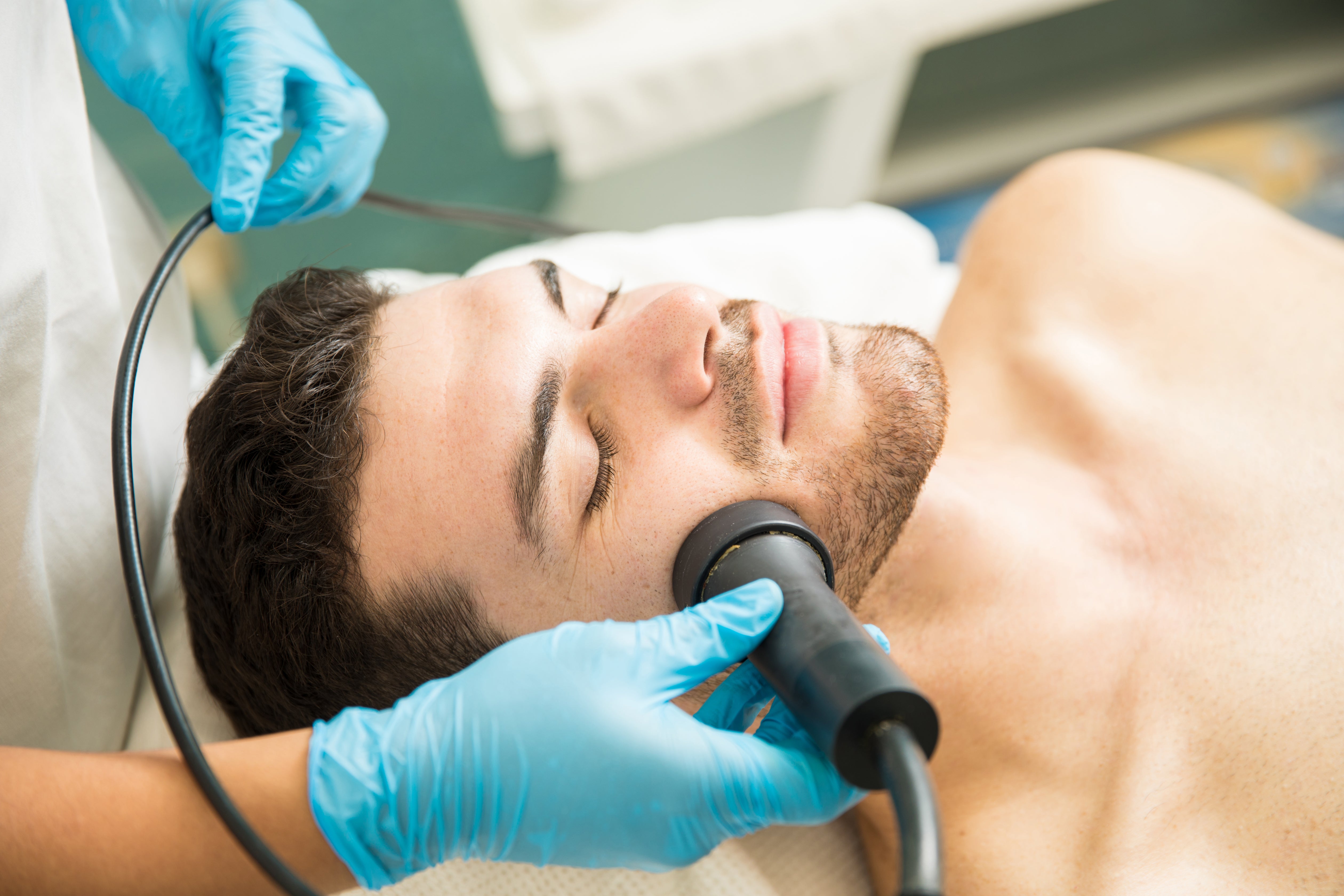
For the minority who pursue removal, sensible ground rules apply: treat a test area first to preview results and healing; expect multiple sessions for laser-based approaches; protect healing skin with strict sun protection to prevent post-procedure pigmentation, especially in Indian skin; and accept that new glands can become visible later, since the treatment removes visible glands, not the tendency. Costs, downtime (usually a few days of mild redness or crusting), and realistic before-and-after expectations should all be discussed at consultation — a good dermatologist will talk as many patients out of treatment as into it, because reassurance genuinely is the best medicine here.
📌 Case Study Reference: Publicly shared patient image and query, r/IndianSkincareAddicts community, Reddit — https://www.reddit.com/r/IndianSkincareAddicts/. Educational discussion only; not a final diagnosis. Clinical commentary by the Allodermis dermatology team.
