
















Quick Answer: Acne scars form when deep inflammation destroys the skin's collagen, leaving pits, depressions, and uneven texture — most often on the cheeks. The single biggest preventable cause of worsening scars is picking or squeezing pimples. Early acne treatment under dermatologist guidance is the best prevention; existing scars improve significantly with microneedling, subcision, TCA CROSS, and laser treatments.
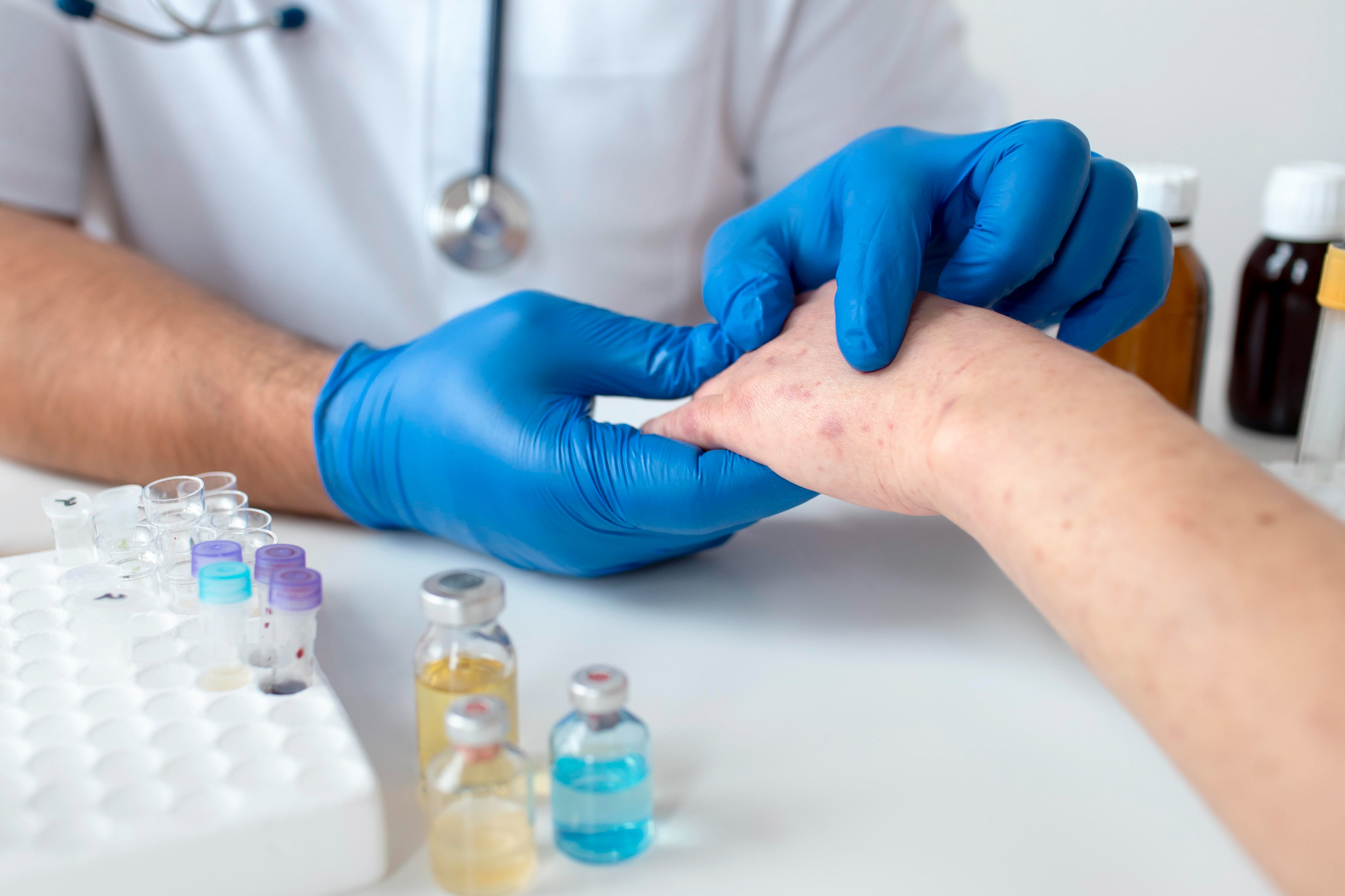
Case Snapshot: A user on r/IndianSkincareAddicts shared images of pitted cheek scarring left behind by past breakouts and asked for product suggestions — highlighting a common misconception that scars can be fixed with skincare products alone.
How Acne Scars Actually Form
When acne inflammation penetrates deep into the dermis, it damages the skin's structural collagen. As the skin heals, it either produces too little collagen (creating atrophic scars — pits and depressions) or occasionally too much (raised hypertrophic scars). The cheeks are the most common battleground, and once collagen architecture is lost, no cream can rebuild it — which is why prevention is everything.
The #1 Cause of Worsening Scars
Picking and squeezing pimples. Squeezing multiplies inflammation and pushes infected material deeper into the dermis, converting a lesion that might have healed cleanly into one that scars permanently. If one habit change protects your future skin, it is this: hands off.
The Prevention Playbook
- Start acne treatment early — every month of untreated inflammatory acne adds scar risk
- Use dermatologist-guided medications: retinoids, benzoyl peroxide, or prescription therapy matched to your severity
- Control breakouts fully rather than partially — smouldering low-grade acne still scars
- Never pick — get painful lesions treated in-clinic instead
For the complete acne roadmap, read Acne Treatment Explained, and explore our pimple treatment services.
Treating Scars That Already Exist
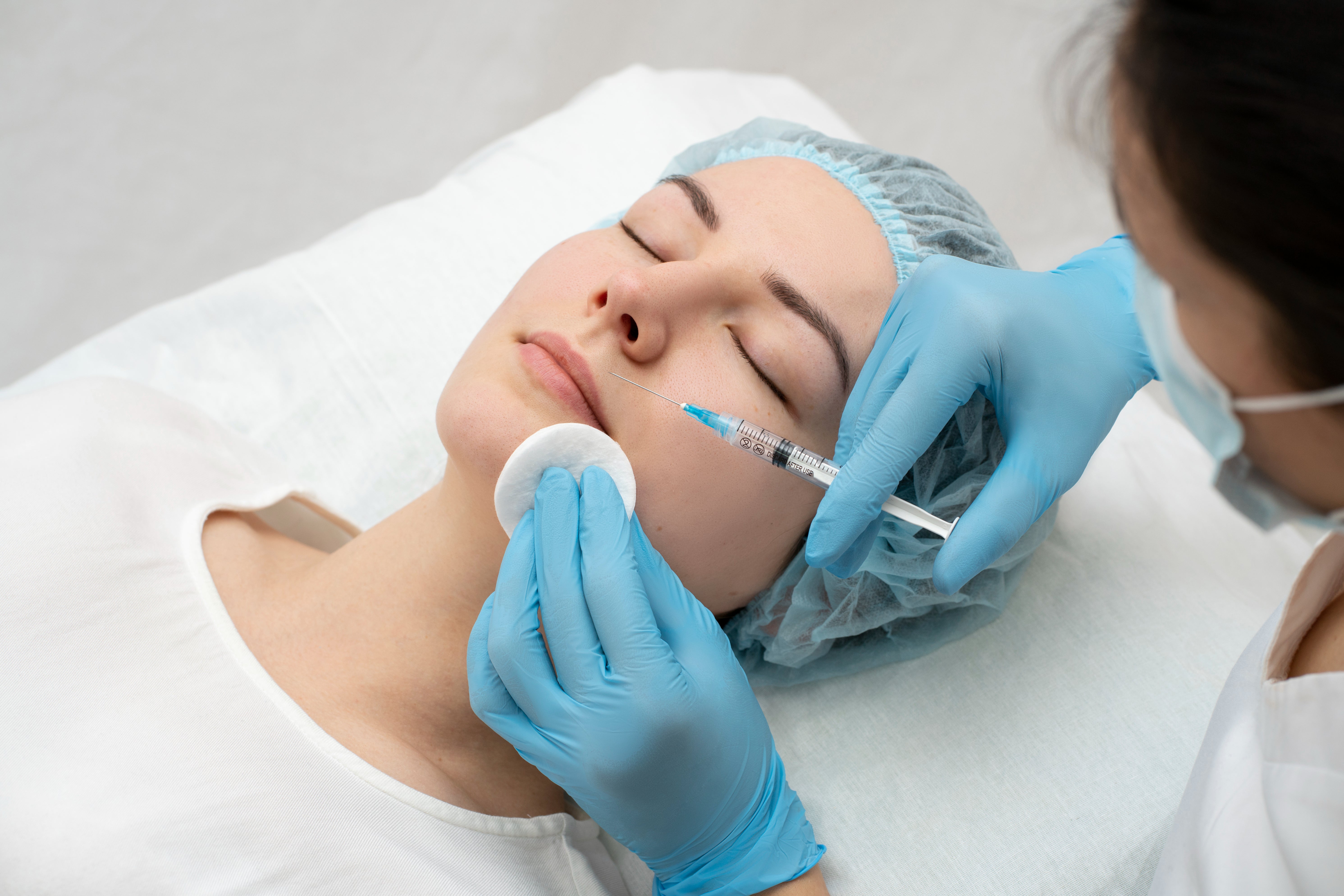
Modern dermatology offers genuinely effective, collagen-remodelling procedures — usually in combination:
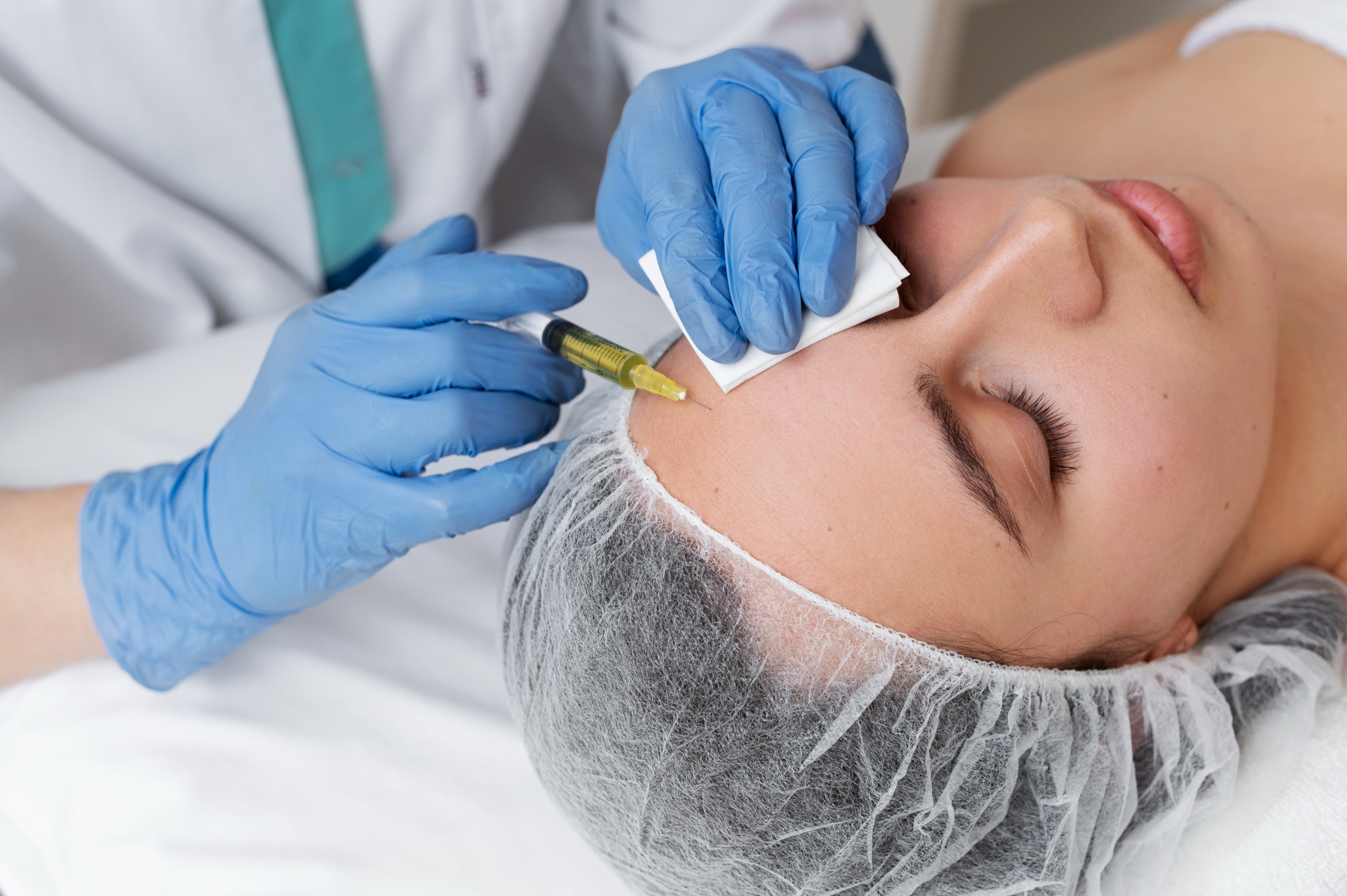
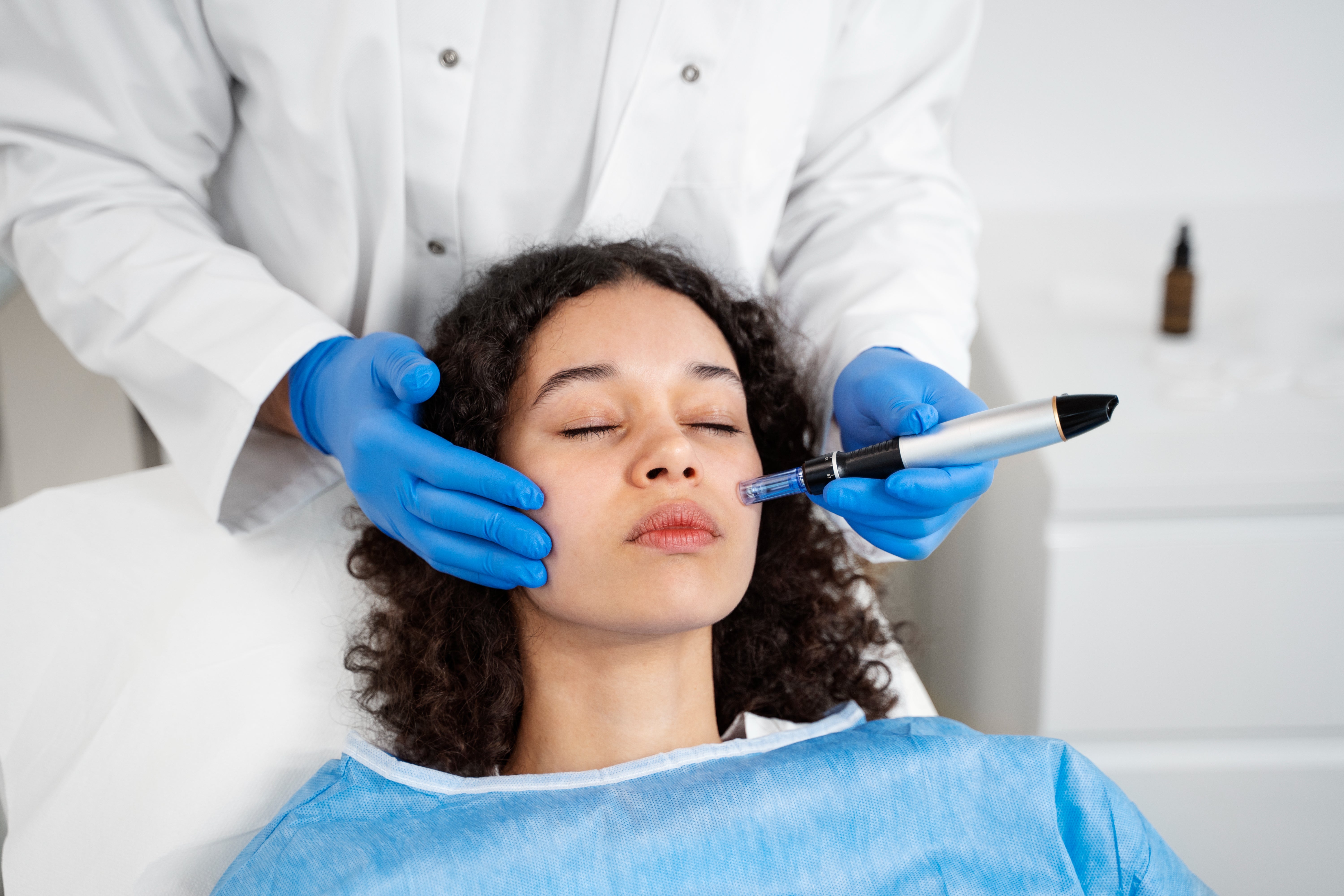
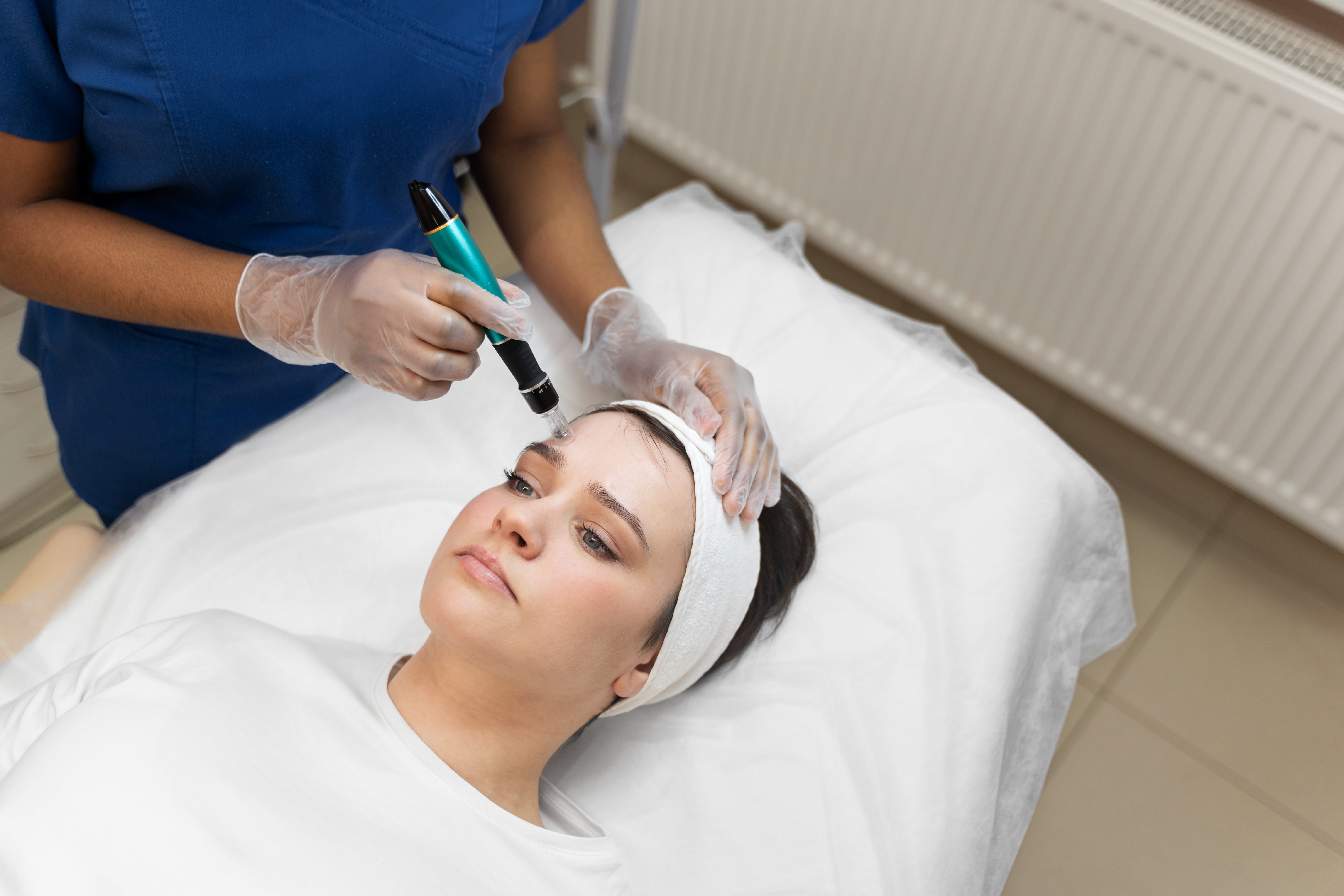
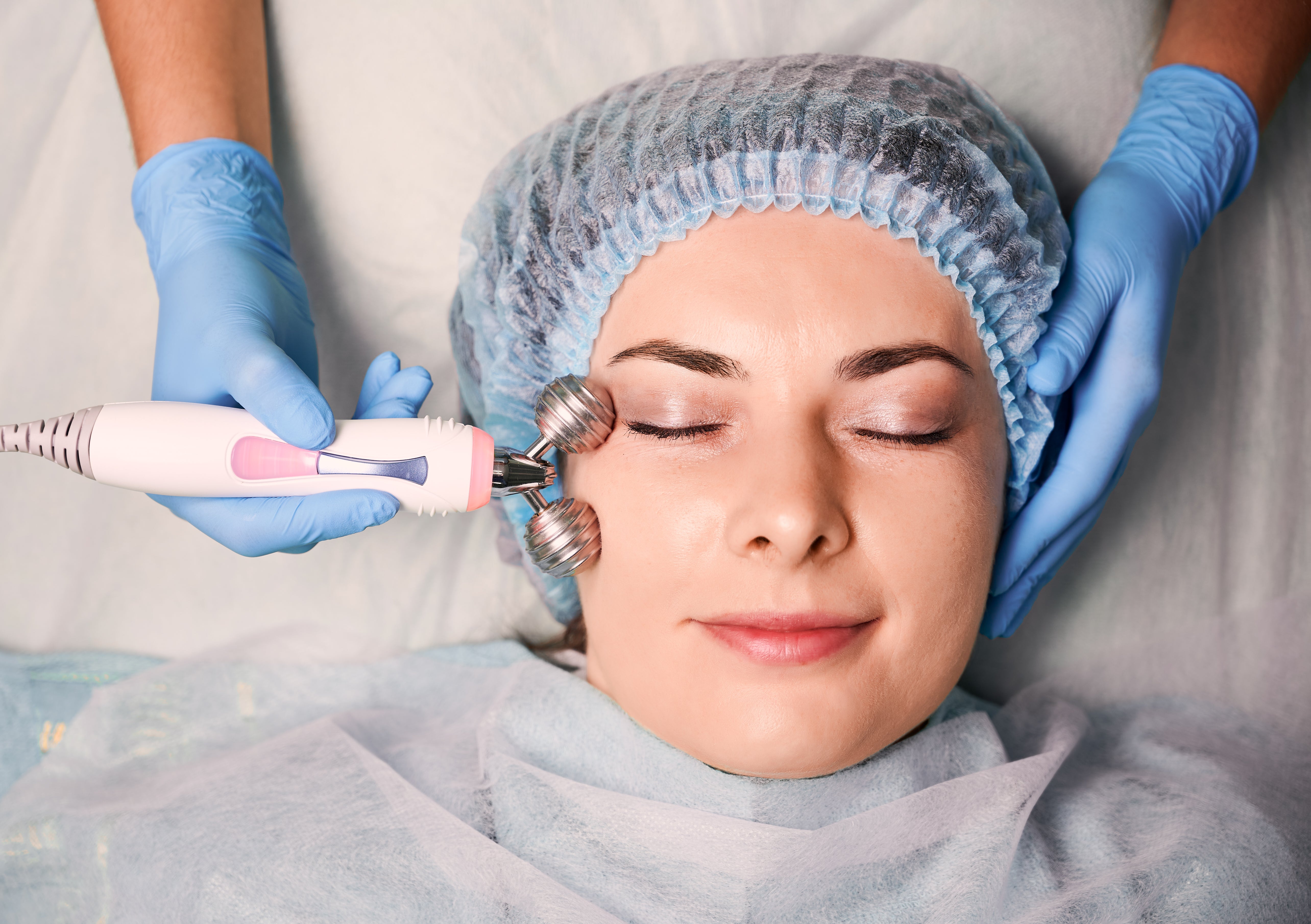
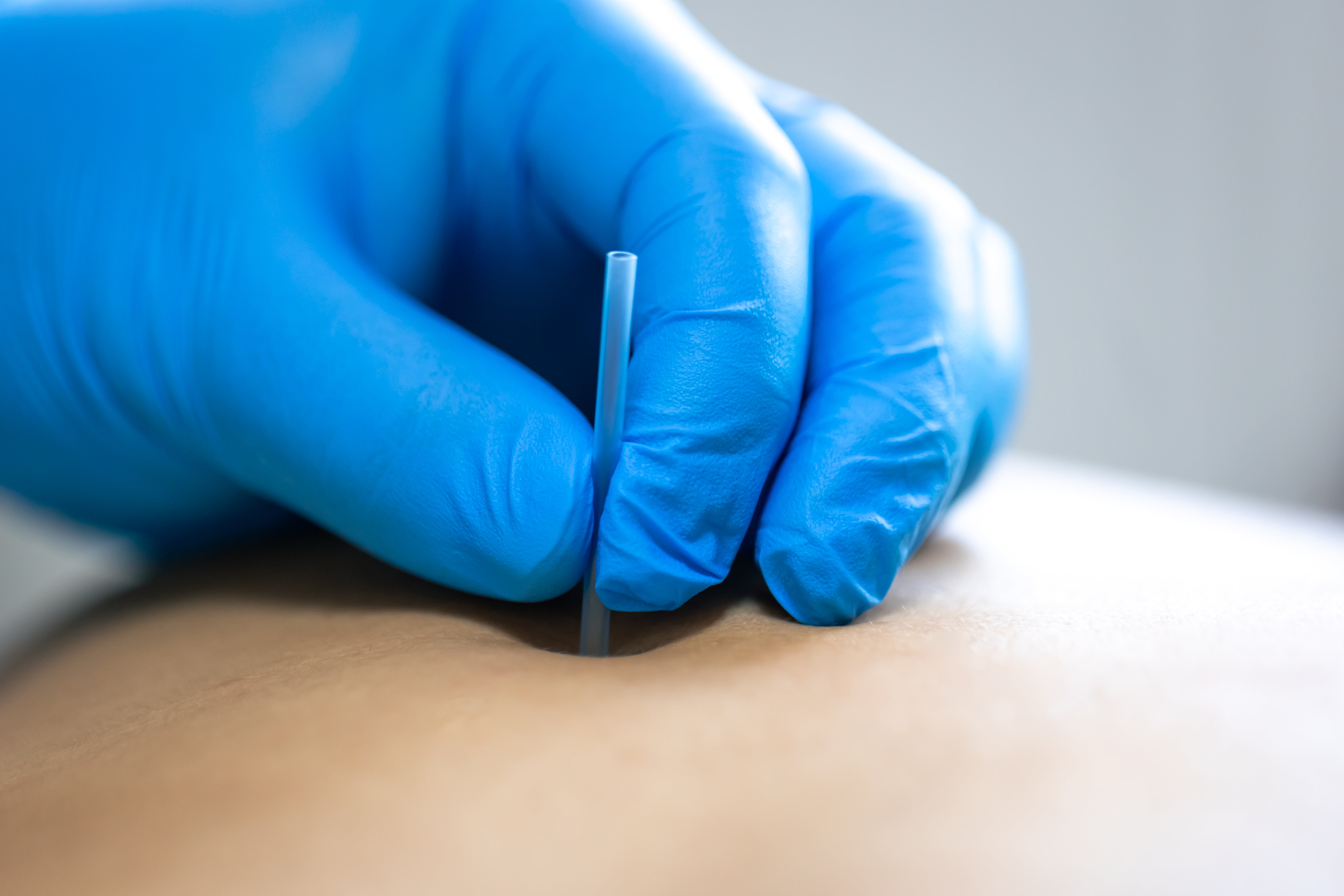
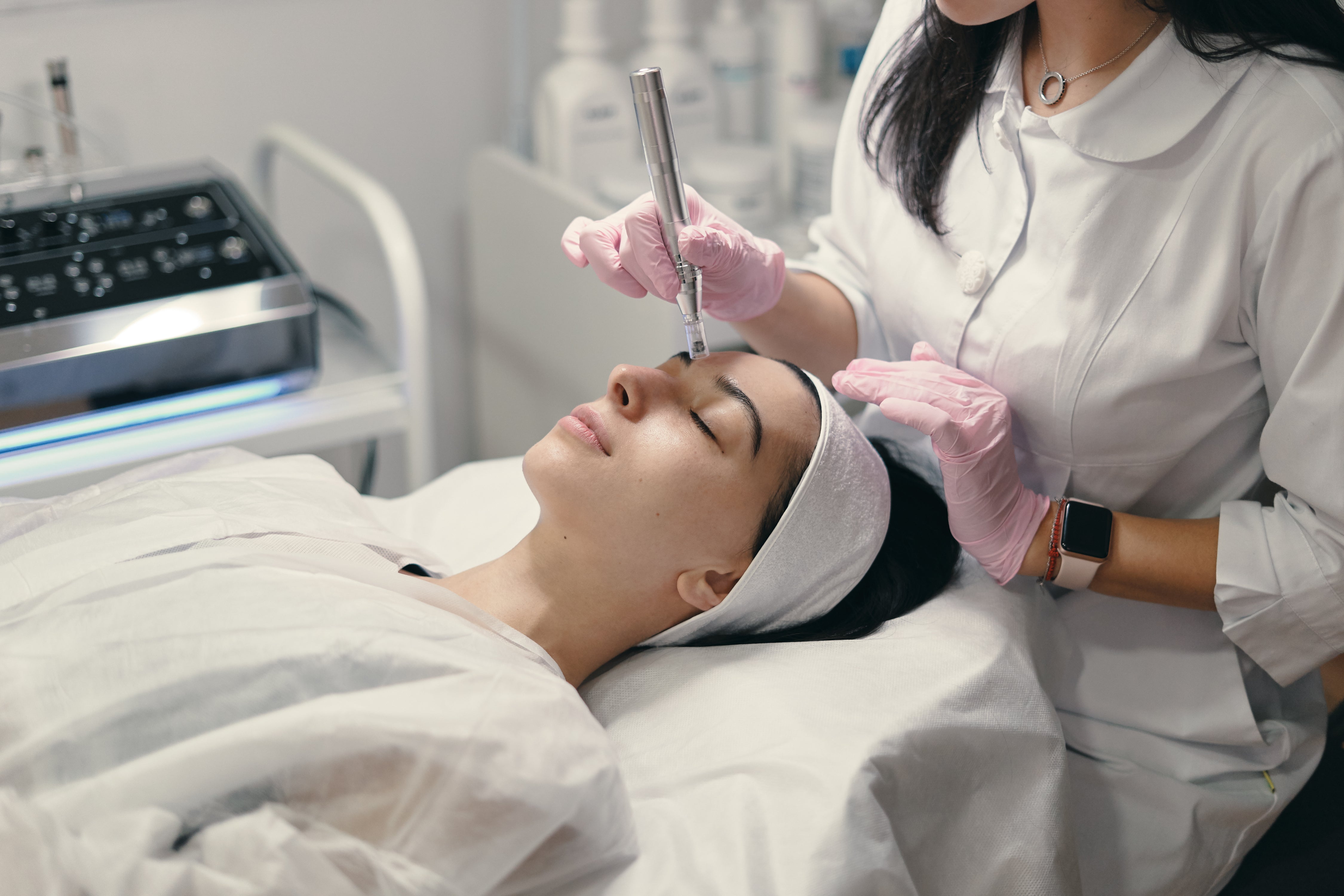
- Microneedling — controlled micro-injury that stimulates fresh collagen
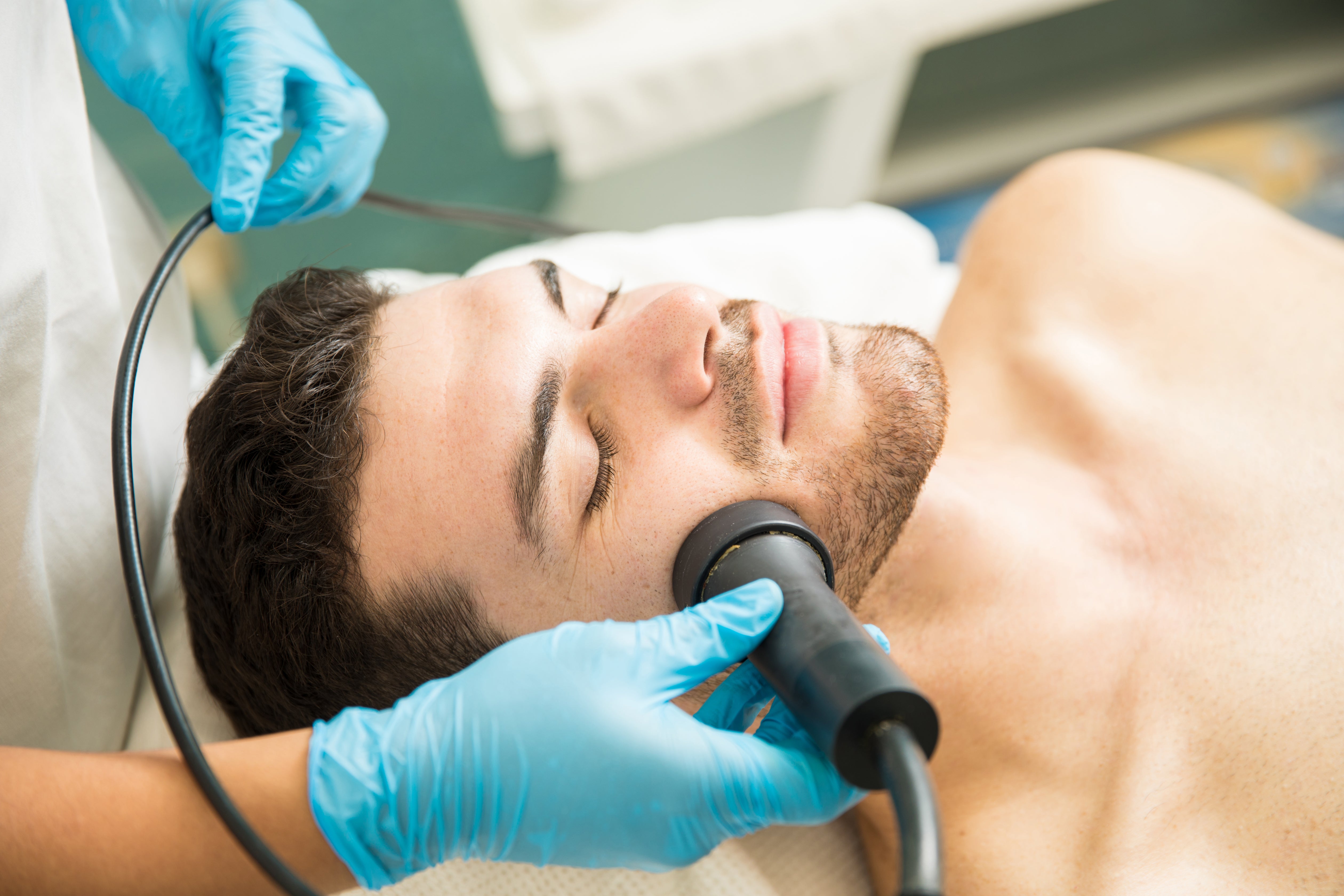
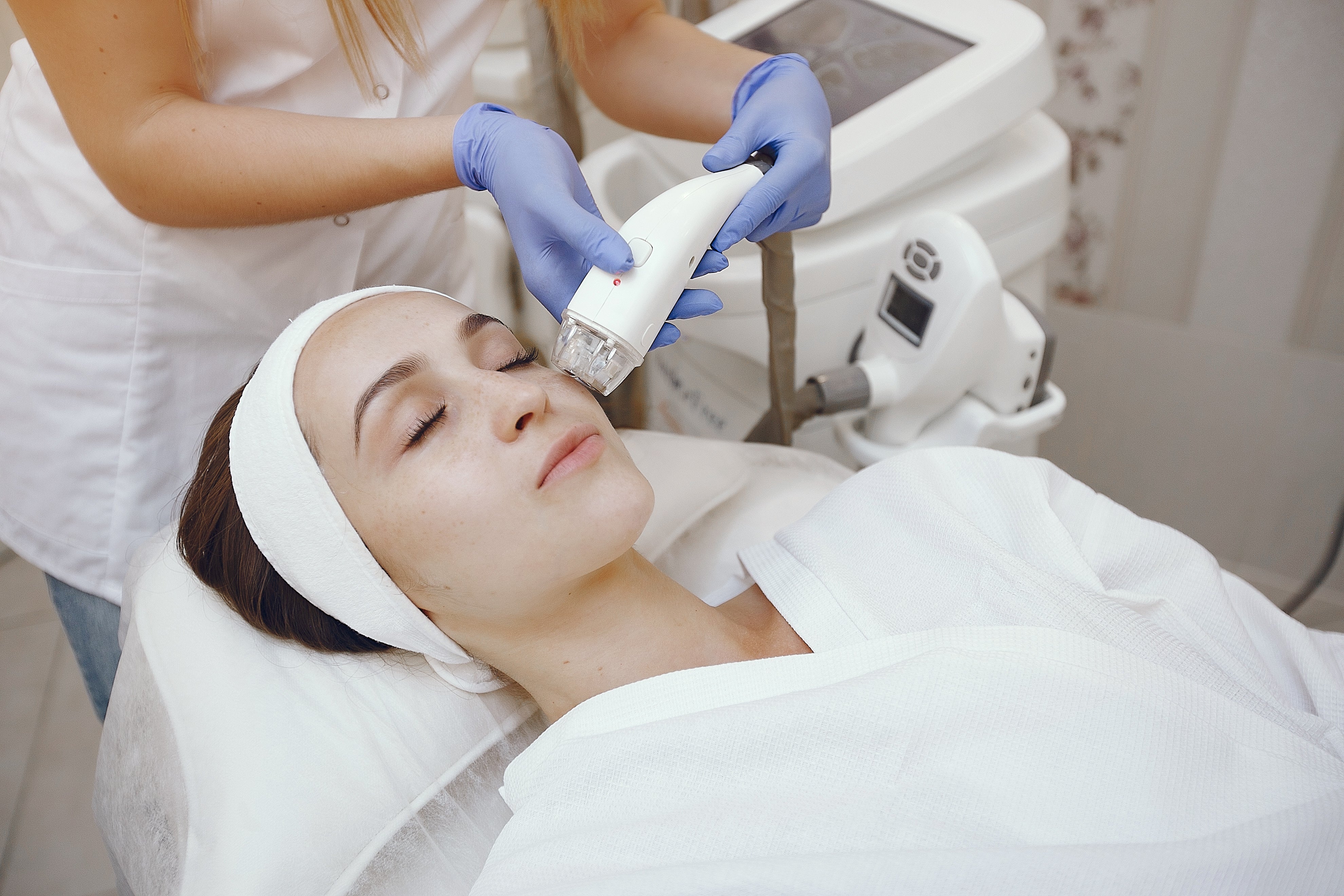
- MNRF (microneedling radiofrequency) — adds radiofrequency energy at depth for rolling and boxcar scars
- Subcision — releases fibrous bands tethering rolling scars downward
- TCA CROSS — high-strength acid applied precisely into deep ice-pick scars
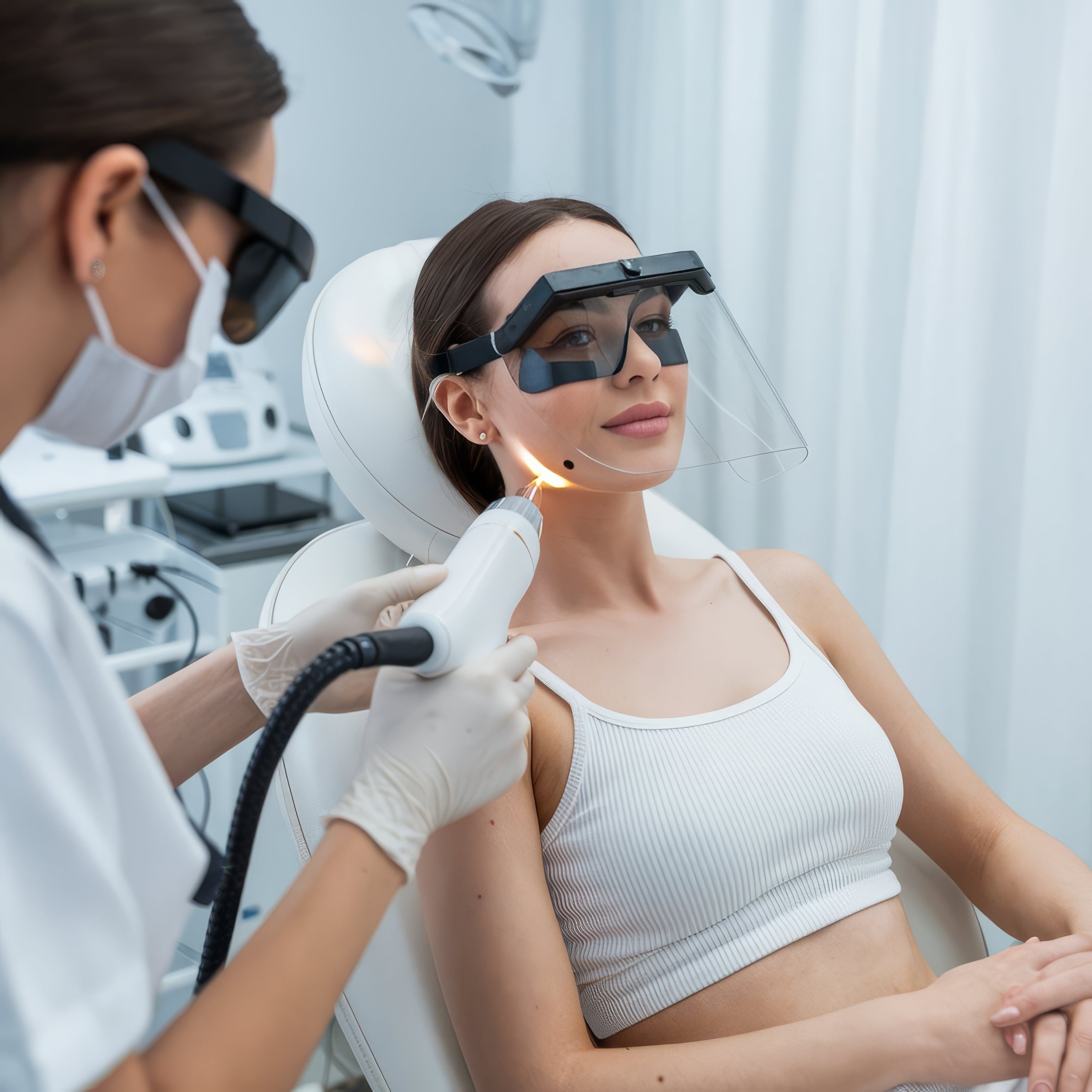
- Fractional laser resurfacing — refines overall texture
Because most patients have a mix of scar types, combination protocols tailored to each scar deliver the best outcomes. See our full acne scar treatment options and the detailed guide Acne Scar Treatment Explained — Types, Best Treatments and Timelines.
Realistic Expectations
Complete scar erasure is uncommon; meaningful, visible improvement of 50–80% is achievable over 6–12 months with 3–8 sessions, depending on scar type and depth. Improvement continues for months after each session as collagen matures. Consistency and the right combination matter more than any single "miracle" procedure.
When to See a Dermatologist
If you currently have active acne, see a dermatologist now — that is scar prevention in real time. If you have established scars, book an assessment so each scar type can be mapped and matched to the right procedure. Schedule your consultation here.
FAQs
Q: Can acne scars disappear completely? Complete removal is uncommon, but combination therapy typically achieves 50–80% visible improvement over 6–12 months.
Q: How many sessions will I need? Usually 3–8 sessions, spaced weeks apart, depending on scar type, depth, and the procedures combined.
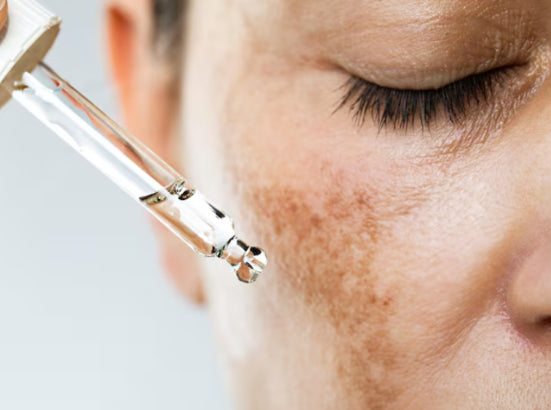
Q: Do scar creams work on pitted scars? No cream rebuilds lost collagen at depth. Creams help surface marks (pigmentation), while pitted scars need procedural treatment.
Q: What's the difference between ice-pick, boxcar, and rolling scars? Ice-pick scars are narrow, deep pits; boxcar scars are wider depressions with sharp edges; rolling scars are shallow waves tethered from below. Each responds best to a different procedure — TCA CROSS, resurfacing, and subcision respectively — which is why scar mapping precedes treatment.
The Numbers Behind Acne Scarring
Scarring is not a rare complication — it is the expected outcome of unmanaged inflammatory acne. Studies suggest that up to 90% of acne patients develop some degree of scarring, and roughly 22% suffer significant scarring. The variables that tip a patient into the severe group are consistent: delayed treatment, deeper inflammatory lesions (nodules and cysts), picking, and genetic healing tendencies. The practical implication is powerful — the timing of your first dermatology visit may matter more for your future skin than any procedure done later.
Aftercare That Protects Your Investment
Scar procedures create controlled injury; how you heal determines the payoff:
- Strict sunscreen for weeks after each session — new collagen and healing skin pigment easily in Indian skin tones
- No picking at treated skin, crusts, or peeling
- Gentle skincare only for the first days: bland cleanser and moisturiser, resuming retinoids on your dermatologist's schedule
- Space sessions correctly — collagen remodelling takes 4–6 weeks between treatments; rushing adds risk, not speed
- Photograph monthly in identical lighting to track genuine progress
📌 Case Study Reference: Publicly shared patient images and query, r/IndianSkincareAddicts, Reddit — https://www.reddit.com/r/IndianSkincareAddicts/comments/1shy5p1/product_suggestions_plzzz/. Educational discussion only; not a final diagnosis. Clinical commentary by the Allodermis dermatology team.
