








FAQs
FAQHub: Moles, Warts & Birthmarks
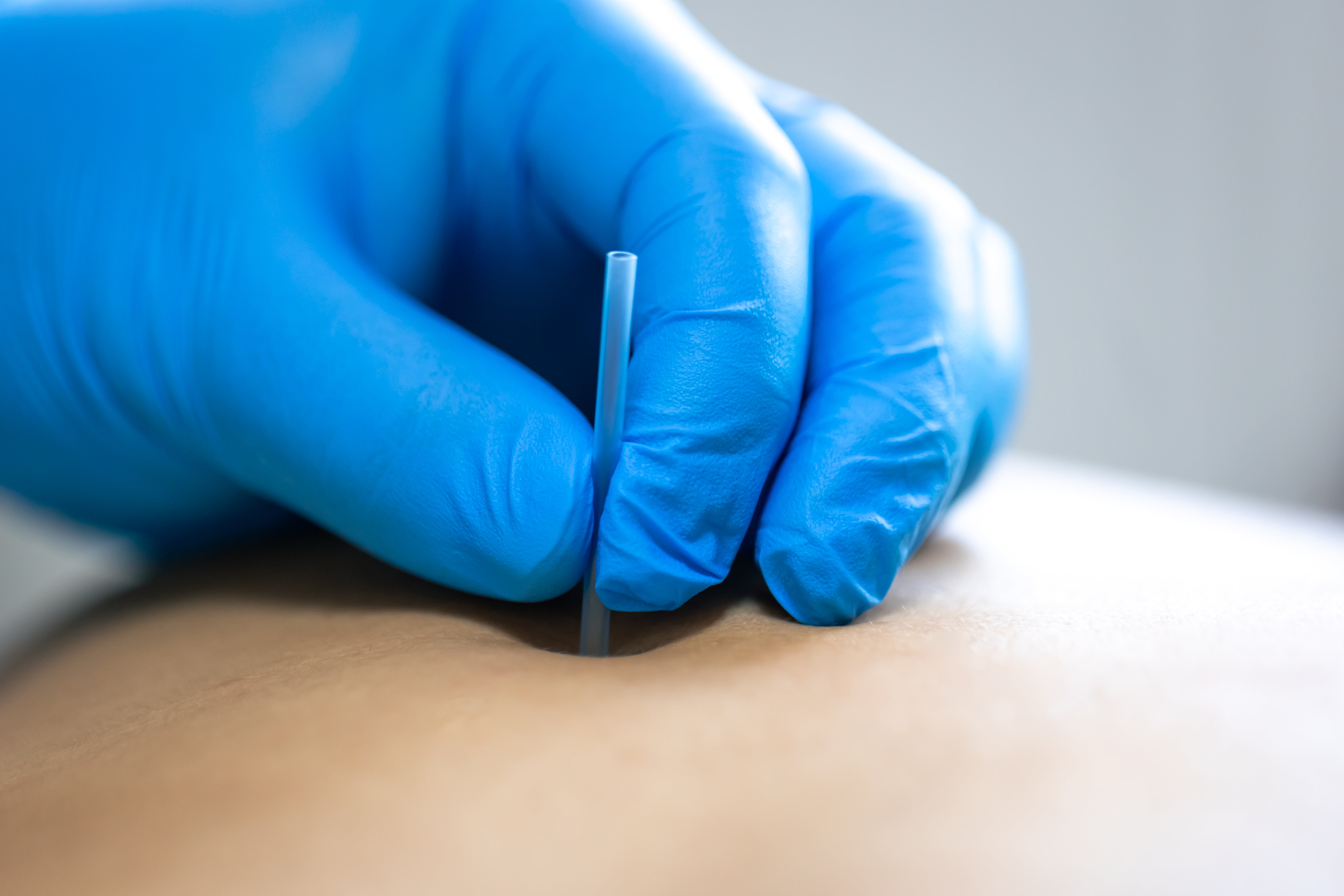
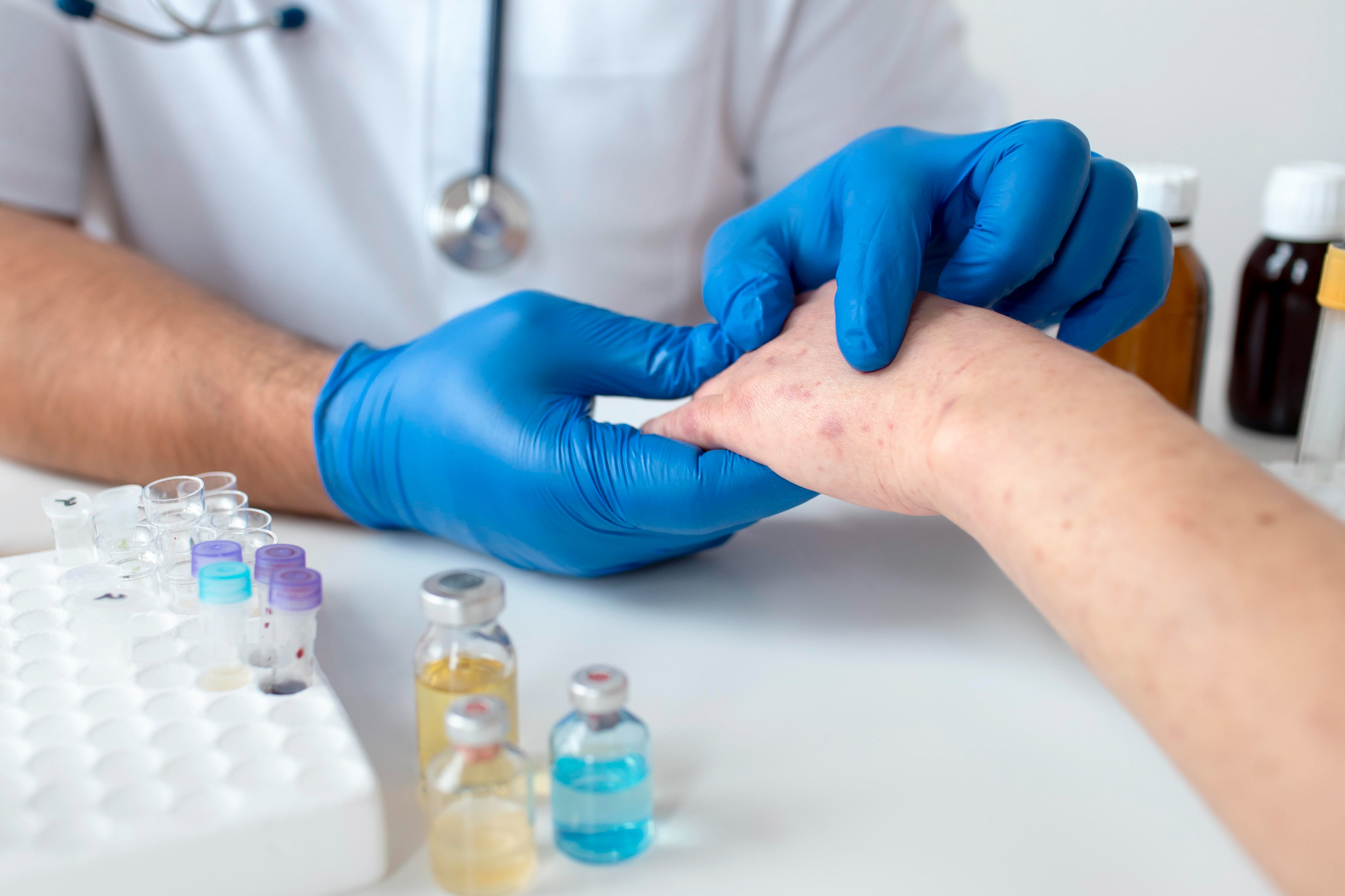
Dermatosurgery cluster for benign lesion removal. Captures safety- and procedure-focused queries. Q1. Does Allodermis remove moles? Yes. Allodermis offers safe mole removal performed by dermatologists, with assessment to ensure the mole is suitable for removal. Q2. How are moles removed? Moles are typically removed with laser or minor surgical techniques under local anaesthesia, chosen based on the mole's size and type. Q3. Is mole removal safe? Yes. When performed by a qualified dermatologist after proper evaluation, mole removal is safe with minimal scarring. Q4. Will mole removal leave a scar? Modern techniques minimize scarring, though some marks may remain depending on the mole's depth and size. Your dermatologist will advise on expected outcomes. Q5. Does Allodermis remove warts? Yes. Allodermis offers wart removal using methods such as cautery, laser or other dermatological techniques. Q6. What causes warts? Warts are caused by a viral infection of the skin and can spread, so professional removal and care help prevent recurrence. Q7. Can birthmarks be treated? Many birthmarks can be lightened or treated with lasers or other procedures. A dermatologist assesses the birthmark type before treatment. Q8. Should I get a suspicious mole checked? Yes. Any mole that changes in size, shape, color or texture should be evaluated by a dermatologist promptly. Q9. Is wart removal painful? Wart removal is done with numbing and causes only minor discomfort, with quick recovery for most patients. Q10. Where can I get mole or wart removal with Allodermis? Mole, wart and birthmark treatments are available at Allodermis Bhubaneswar, Jajpur, Gurugram and Delhi NCR.
Learn moreFAQHub: Stretch Marks
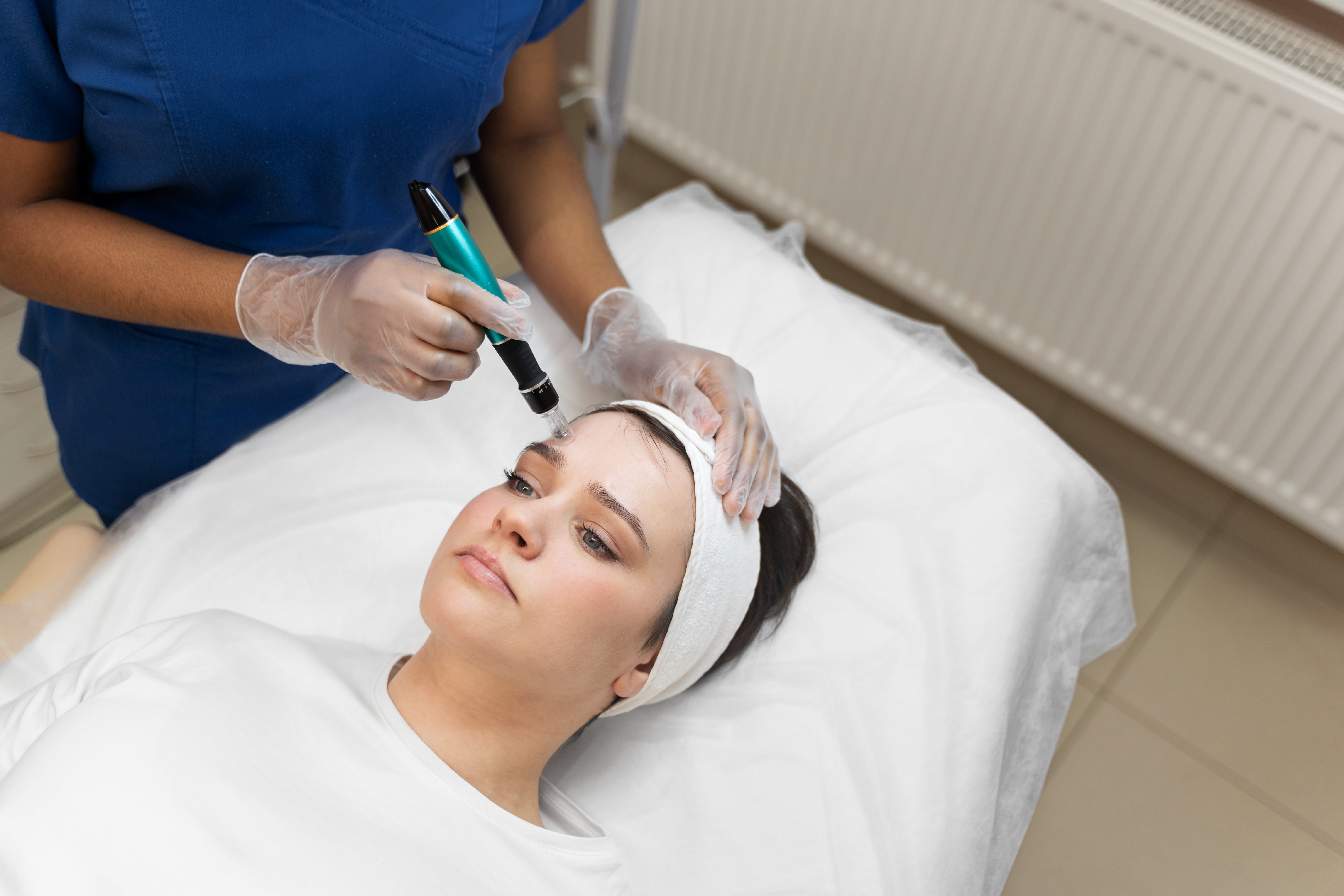
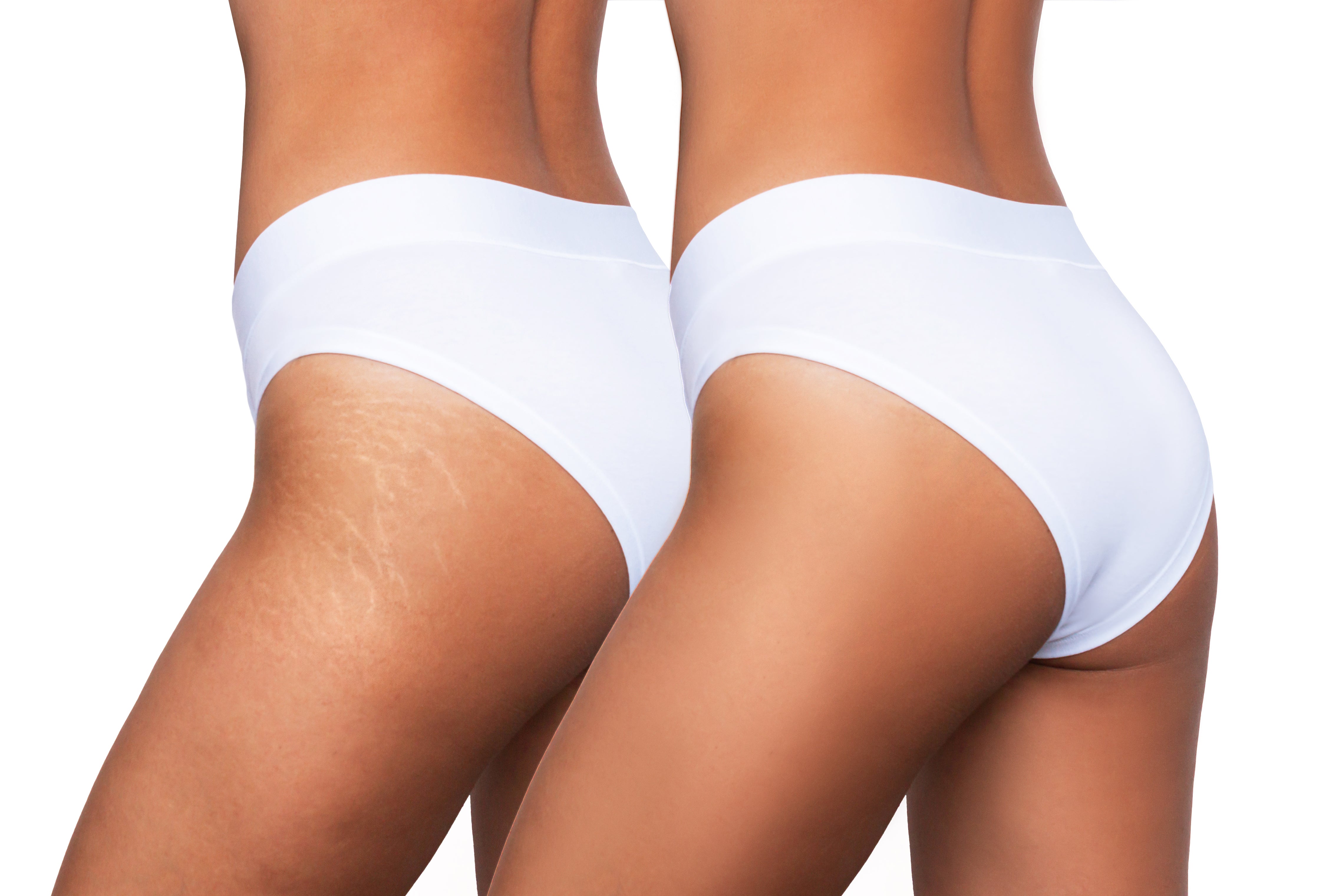
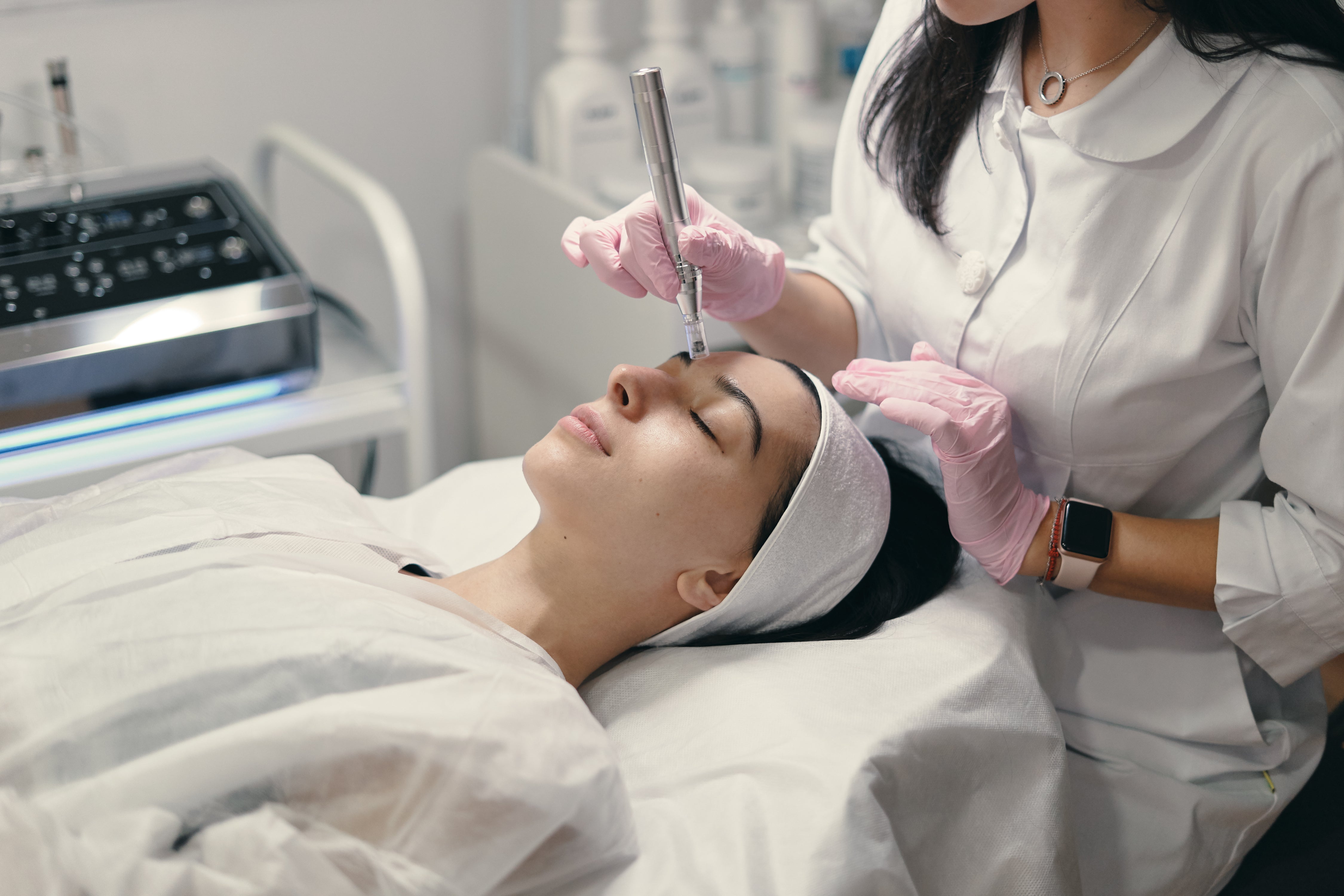
Standalone answers for stretch marks, often searched after pregnancy or weight change. Q1. Does Allodermis treat stretch marks? Yes. Allodermis offers stretch mark treatment using microneedling, MNRF, lasers and topical protocols to improve their appearance. Q2. What causes stretch marks? Stretch marks form when skin stretches rapidly during growth, pregnancy or weight change, causing collagen and elastin to tear. Q3. Can stretch marks be removed completely? Stretch marks can be significantly faded and smoothed rather than fully erased, with the best results on newer, reddish marks. Q4. Which treatments work best for stretch marks? Microneedling and MNRF stimulate collagen to remodel stretch marks, often combined with lasers and topicals for better results. Q5. How many sessions for stretch mark treatment? A course of several sessions is usually needed, with gradual improvement as collagen rebuilds. Q6. Are newer or older stretch marks easier to treat? Newer red or purple stretch marks respond faster, while older white marks improve more slowly but can still be softened. Q7. Is stretch mark treatment safe? Yes. Performed by dermatologists with appropriate settings, stretch mark treatments are safe for Indian skin. Q8. Where can I get stretch mark treatment with Allodermis? Stretch mark treatment is available at Allodermis Bhubaneswar, Jajpur, Gurugram and Delhi NCR.
Learn moreFAQHub: Chemical Peels
Peel-specific answers, since peels appear across acne, pigmentation and glow services and attract their own searches. Q1. What is a chemical peel? A chemical peel applies a solution that exfoliates the upper skin layers to improve texture, tone, pigmentation, acne and dullness. Q2. What concerns can chemical peels treat? Peels help acne, acne marks, pigmentation, melasma, dull skin, uneven texture and tan, with the type chosen to match your concern. Q3. Are chemical peels safe for Indian skin? Yes. Allodermis selects peel types and strengths suited to Indian skin and uses careful protocols to minimize pigmentation risk. Q4. How many peel sessions do I need? Most concerns need a series of peels spaced weeks apart, with the exact number based on your skin and goals. Q5. Is there downtime after a chemical peel? Light peels have minimal downtime with mild flaking, while deeper peels may cause a few days of peeling and require sun protection. Q6. Do chemical peels hurt? Peels may cause brief tingling or warmth during application, which is generally well tolerated. Q7. What aftercare is needed after a peel? Use gentle skincare, moisturize, avoid sun and apply sunscreen diligently, and avoid picking flaking skin. Q8. Can peels lighten my skin tone permanently? Peels improve pigmentation and even out tone rather than permanently lightening your baseline skin color. Q9. What is a black peel? A black peel is a specialized peel used to control active acne and oil while improving clarity, performed under dermatologist supervision. Q10. Where can I get a chemical peel with Allodermis? Chemical peels are available at Allodermis Bhubaneswar, Jajpur, Gurugram and Delhi NCR clinics.
Learn moreFAQHub: Medifacials & Skin Rejuvenation
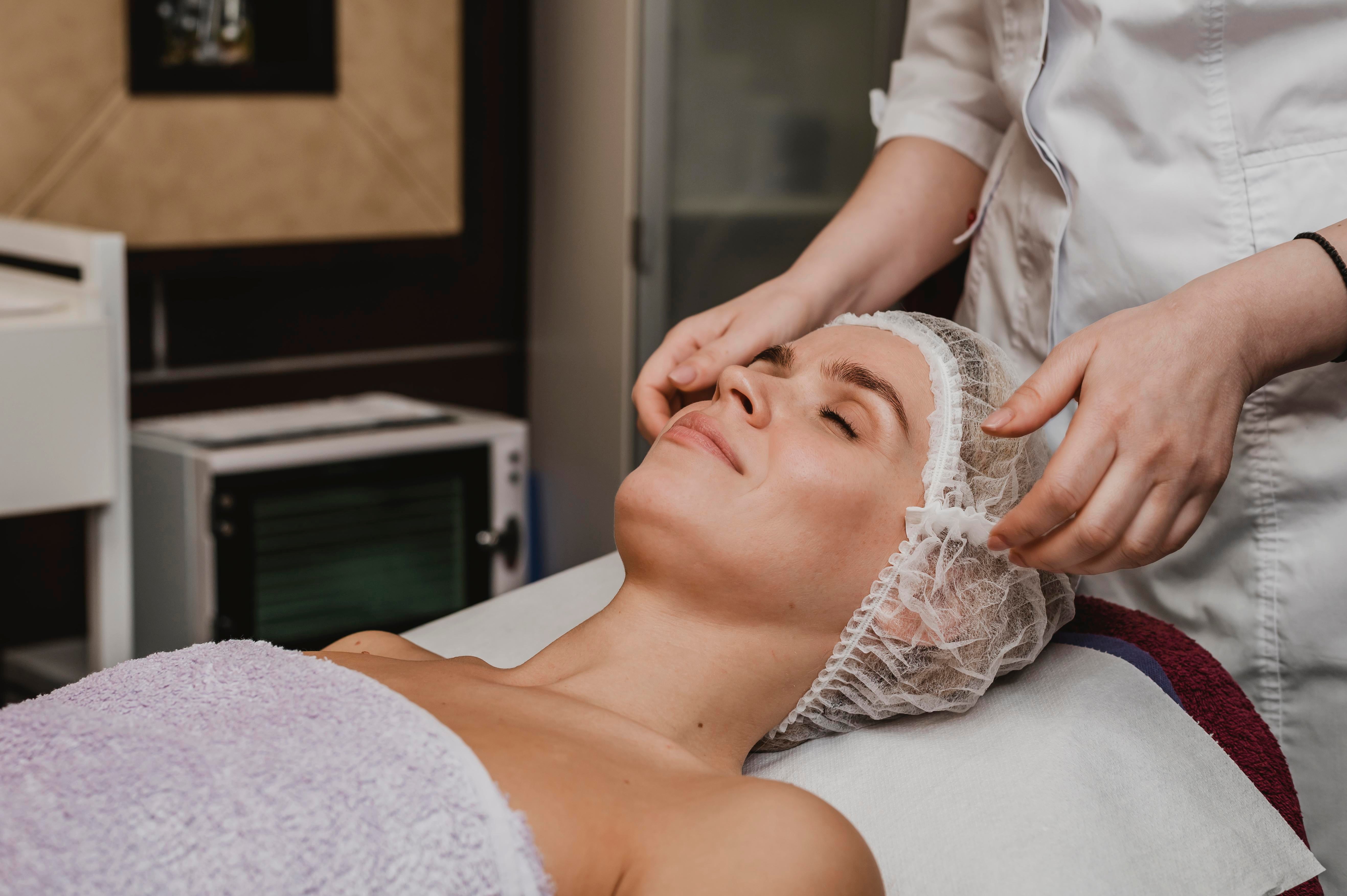
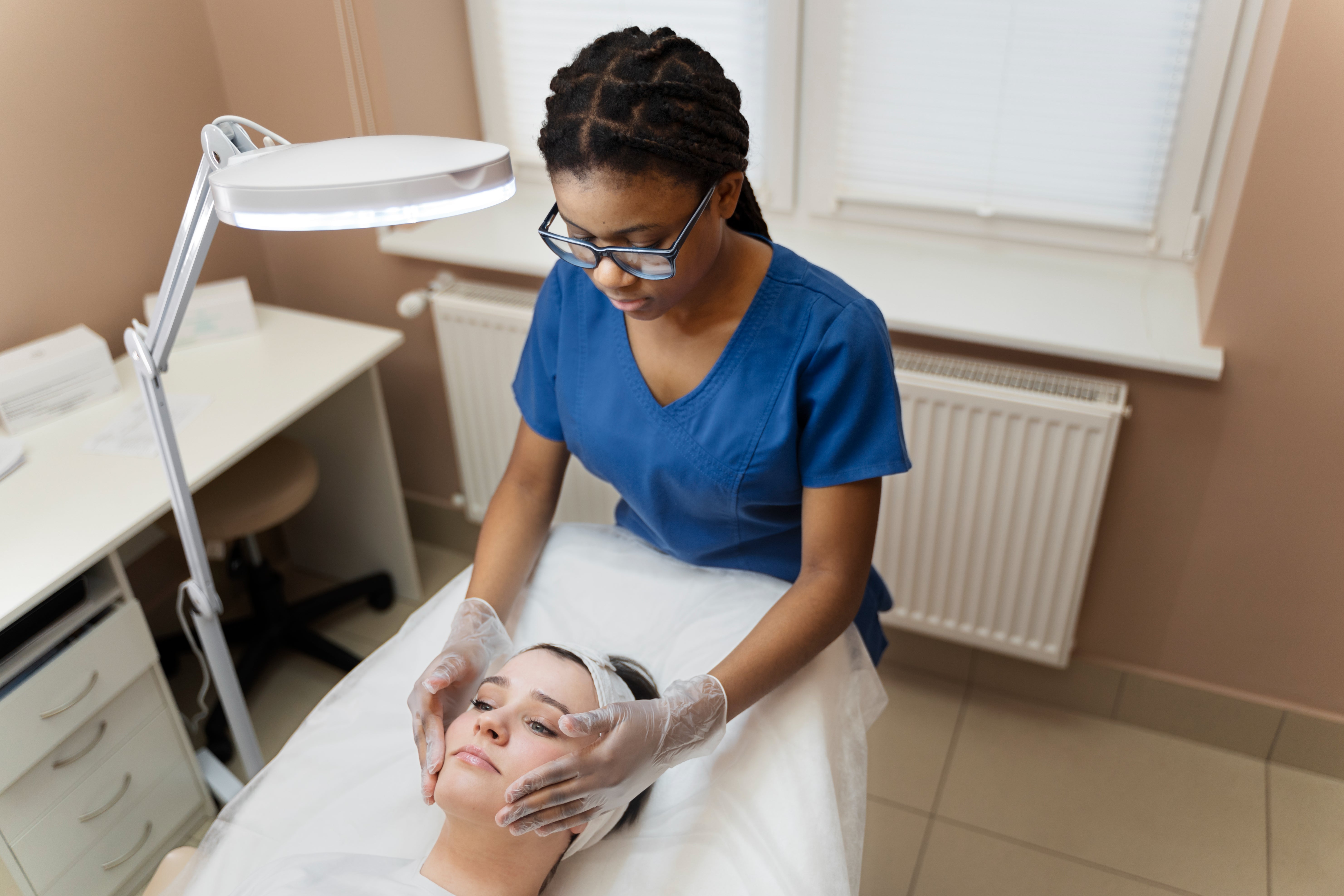
Glow and rejuvenation cluster covering medifacials, Hollywood facial, carbon peel and boosters — strong for event-driven searches. Q1. What is a medifacial at Allodermis? A medifacial is a dermatologist-grade facial that combines cleansing, exfoliation and active treatments to deliver visible glow and skin health, customized to your skin. Q2. How is a medifacial different from a salon facial? A medifacial uses medical-grade products and protocols under dermatologist guidance, targeting specific concerns rather than offering only relaxation like a salon facial. Q3. What is the InstaGlow treatment? InstaGlow is a skin rejuvenation medifacial designed to brighten, hydrate and refresh the skin for an immediate glow. Q4. What is a Hollywood facial? The Hollywood facial, often a carbon laser peel, brightens skin, refines pores and improves texture for a radiant, photo-ready finish. Q5. What is a carbon laser peel? A carbon laser peel applies a carbon layer that absorbs laser energy to exfoliate, reduce oil, tighten pores and brighten the complexion. Q6. What is a PDRN skin booster? A PDRN skin booster delivers regenerative ingredients to improve hydration, elasticity and skin repair for healthier, rejuvenated skin. Q7. What is DermaFrac treatment? DermaFrac combines microneedling with infusion of serums to improve texture, fine lines, pigmentation and overall skin quality with minimal downtime. Q8. What is facial PRP or GFC treatment? Facial PRP and GFC use growth factors from your own blood to rejuvenate skin, improve glow and support collagen for fresher-looking skin. Q9. Are medifacials suitable before an event? Yes. Medifacials such as InstaGlow and Hollywood facial are popular before weddings and events for an immediate, healthy glow. Q10. How often should I get a medifacial? Many people benefit from a medifacial every few weeks, but frequency is tailored to your skin type and goals by your dermatologist. Q11. Is there downtime after a medifacial? Most medifacials have little to no downtime, with possible mild redness that settles quickly. Q12. Are medifacials safe for sensitive skin? Yes. Medifacials are customized and dermatologist-supervised, with products and intensity adjusted for sensitive skin. Q13. What is biorepeel treatment? Biorepeel is a peel that exfoliates, brightens and improves texture and tan with minimal downtime, used on the face and body. Q14. Where can I get a medifacial with Allodermis? Medifacials and rejuvenation treatments are available at Allodermis Bhubaneswar, Jajpur, Gurugram and Delhi NCR. Q15. Will a medifacial help dull skin? Yes. Medifacials exfoliate and hydrate to restore radiance, making them effective for dull, tired-looking skin.
Learn moreFAQHub: Laser Hair Removal
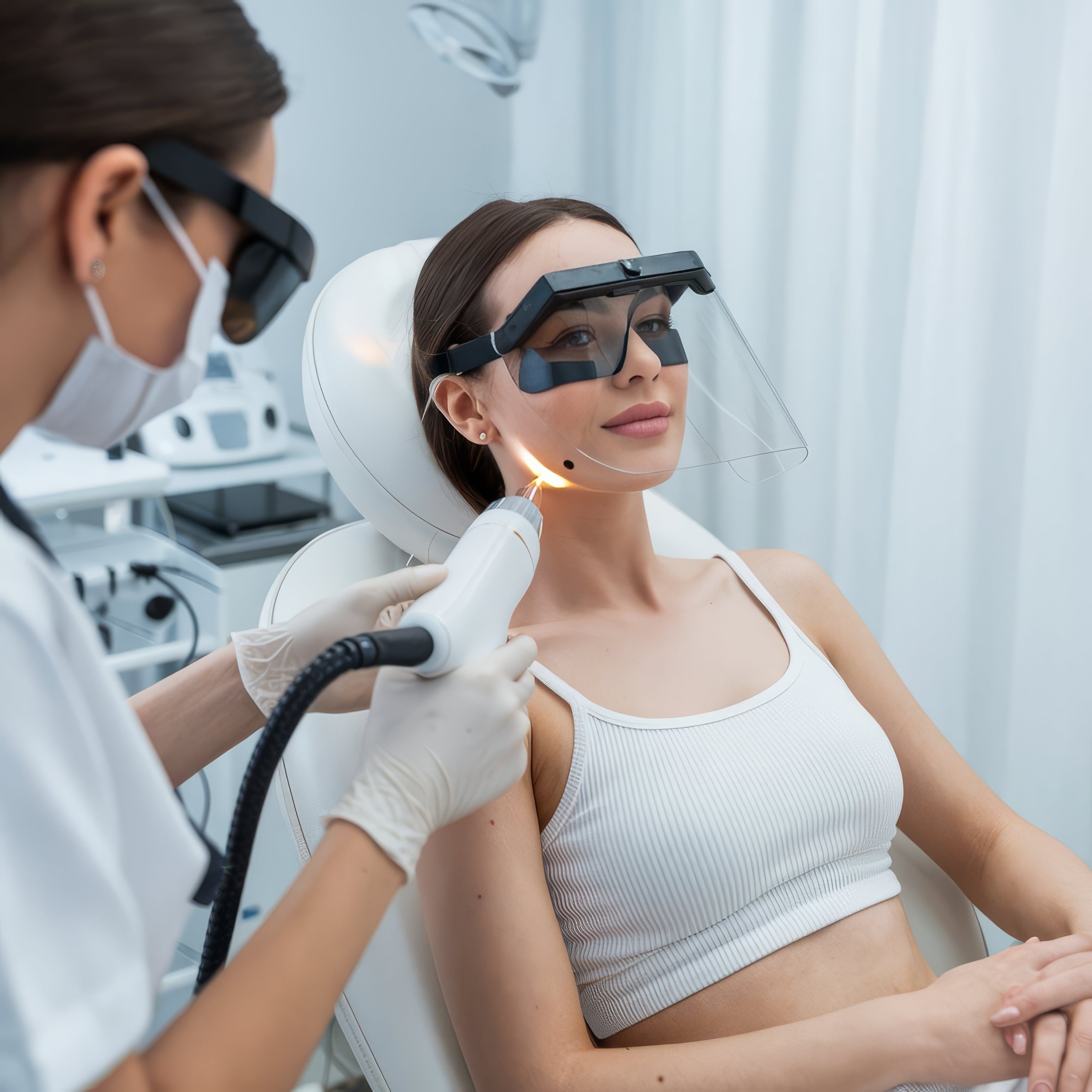
The clinic's flagship volume service. Detailed answers covering areas, safety, sessions and pricing, plus PCOS context from the brand blog. Q1. Does Allodermis offer laser hair removal? Yes. Allodermis offers laser hair removal for the face and body using USFDA-approved technology, suitable for Indian skin tones. Q2. How does laser hair removal work? Laser energy is absorbed by melanin in the hair follicle and converts to heat, which gradually weakens the follicle's ability to produce thick hair during its active growth phase. Q3. How many sessions does laser hair removal need? Most people need about 6 to 8 sessions spaced several weeks apart, because only follicles in the active growth phase respond optimally at each session. Q4. Is laser hair removal permanent? Laser offers long-term hair reduction rather than absolute permanence. Hormonal factors, genetics and age can influence regrowth, so maintenance sessions are sometimes needed. Q5. Is laser hair removal safe for Indian skin? Yes. With appropriate wavelengths and cooling, laser hair reduction is safe for Fitzpatrick skin types III to VI, which are common in India. Q6. Which body areas can be treated with laser? Common areas include upper lip, chin, jawline, cheeks, sideburns, underarms, bikini, legs, arms, abdomen, back, beard line and full body. Q7. Does Allodermis offer facial laser hair removal? Yes. Facial laser hair removal for upper lip, chin, cheeks and jawline is available, with settings adjusted for thinner, more sensitive facial skin. Q8. What is the starting price for laser hair removal? Laser hair removal at Allodermis starts from ₹249. Final pricing depends on the area and package, confirmed after consultation. Q9. Is laser hair removal painful? Most people feel only mild warmth or a slight snap. Built-in cooling systems significantly reduce discomfort during treatment. Q10. How long does a laser session take? A session usually takes 10 to 20 minutes depending on the area treated. Q11. Can laser hair removal help with PCOS facial hair? Yes. Laser can significantly reduce thickness and growth speed of PCOS-related facial hair, though more sessions and maintenance may be needed alongside hormonal management. Q12. Does laser hair removal cause ingrown hairs? No, it reduces them. Laser lowers follicular inflammation, decreasing ingrown hairs and folliculitis compared with shaving, waxing or threading. Q13. Is laser hair removal available for men? Yes. Men commonly use it for beard shaping, neckline correction, cheekline definition and body hair, with settings adjusted for thicker hair. Q14. What is laser beard reshaping? Laser beard reshaping uses targeted laser to define and clean up the beard line and neckline for a sharper, low-maintenance look. Q15. What is laser bikini or Brazilian hair removal? Laser bikini and Brazilian treatments reduce unwanted hair in the bikini area safely and hygienically under professional supervision. Q16. When will I see results from laser hair removal? Visible reduction usually begins after 2 to 3 sessions, with progressive thinning and slower growth over the full course. Q17. What should I avoid before a laser session? Avoid waxing, plucking or bleaching the hair before treatment, since the laser needs the root present. Shaving is usually fine. Avoid heavy sun exposure too. Q18. What is the aftercare for laser hair removal? Use sunscreen, avoid sun and heat exposure, skip harsh products for a day or two, and follow your dermatologist's instructions to reduce redness or pigmentation risk. Q19. Can laser worsen hair growth? Rarely, paradoxical hair growth can occur, particularly in hormonal patterns. Proper assessment and correct settings minimize this risk. Q20. Where can I get laser hair removal with Allodermis? Laser hair removal is available at Allodermis Bhubaneswar, Jajpur, Gurugram and Delhi NCR clinics.
Learn moreFAQHub: Botox & Dermal Fillers
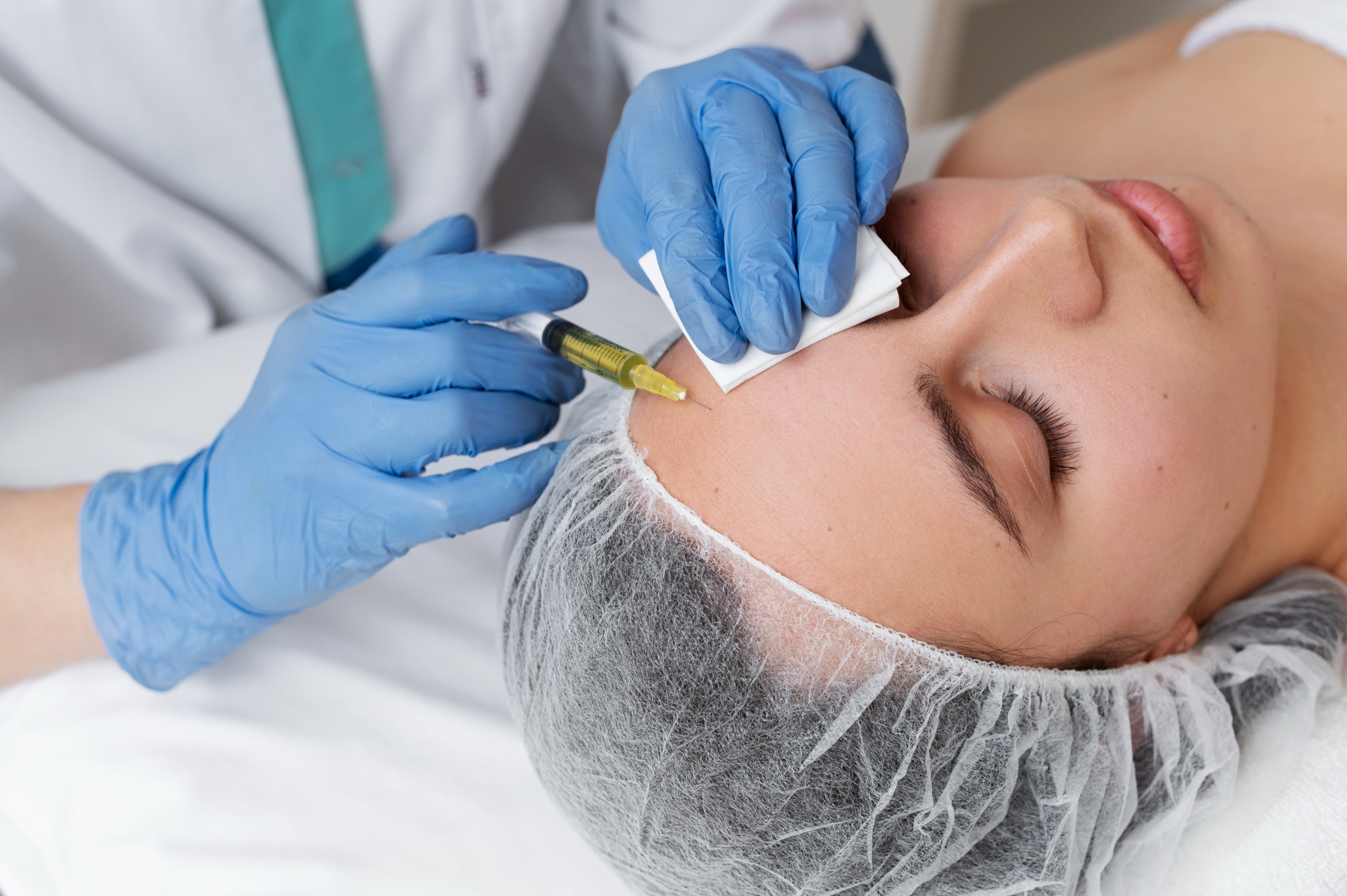
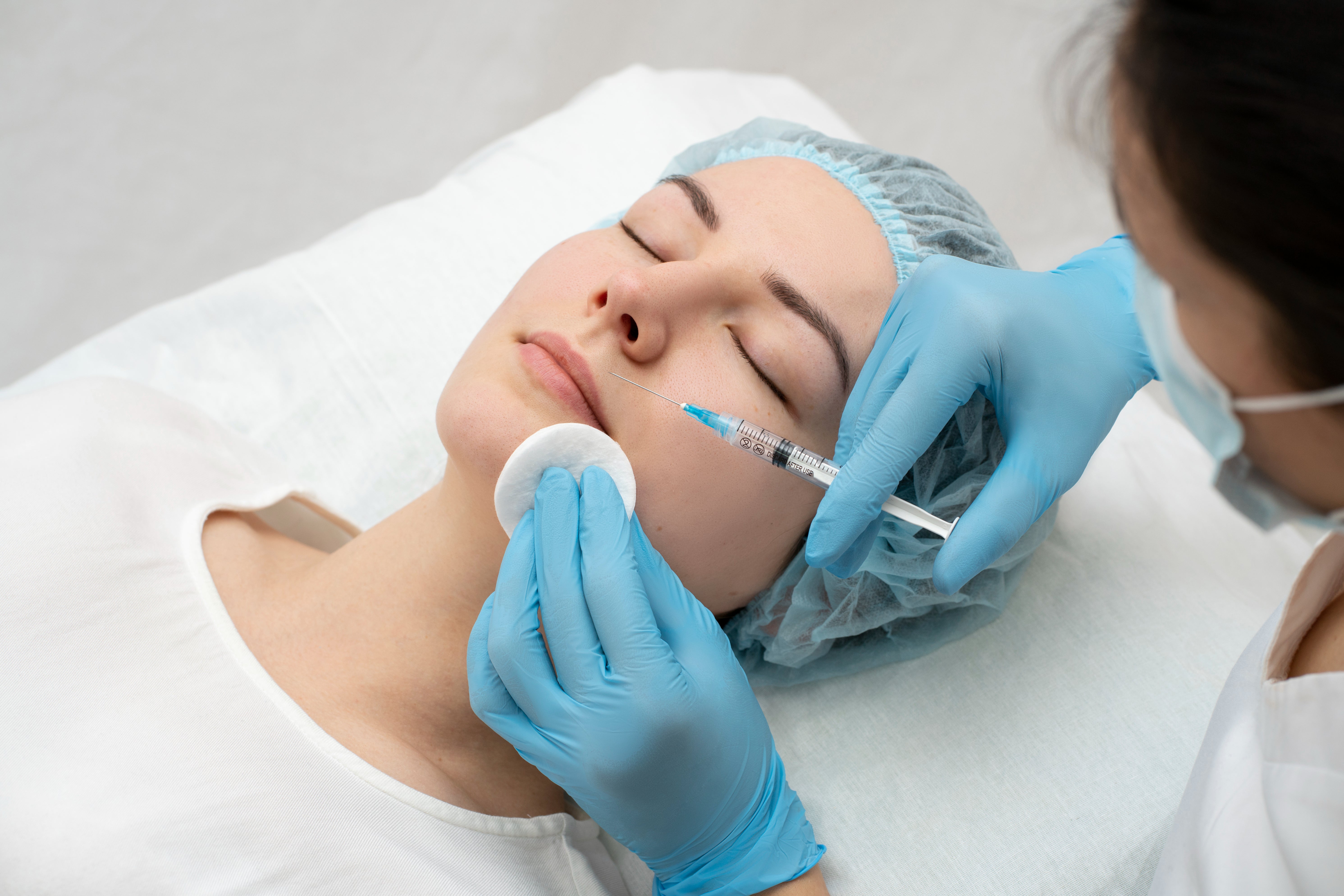
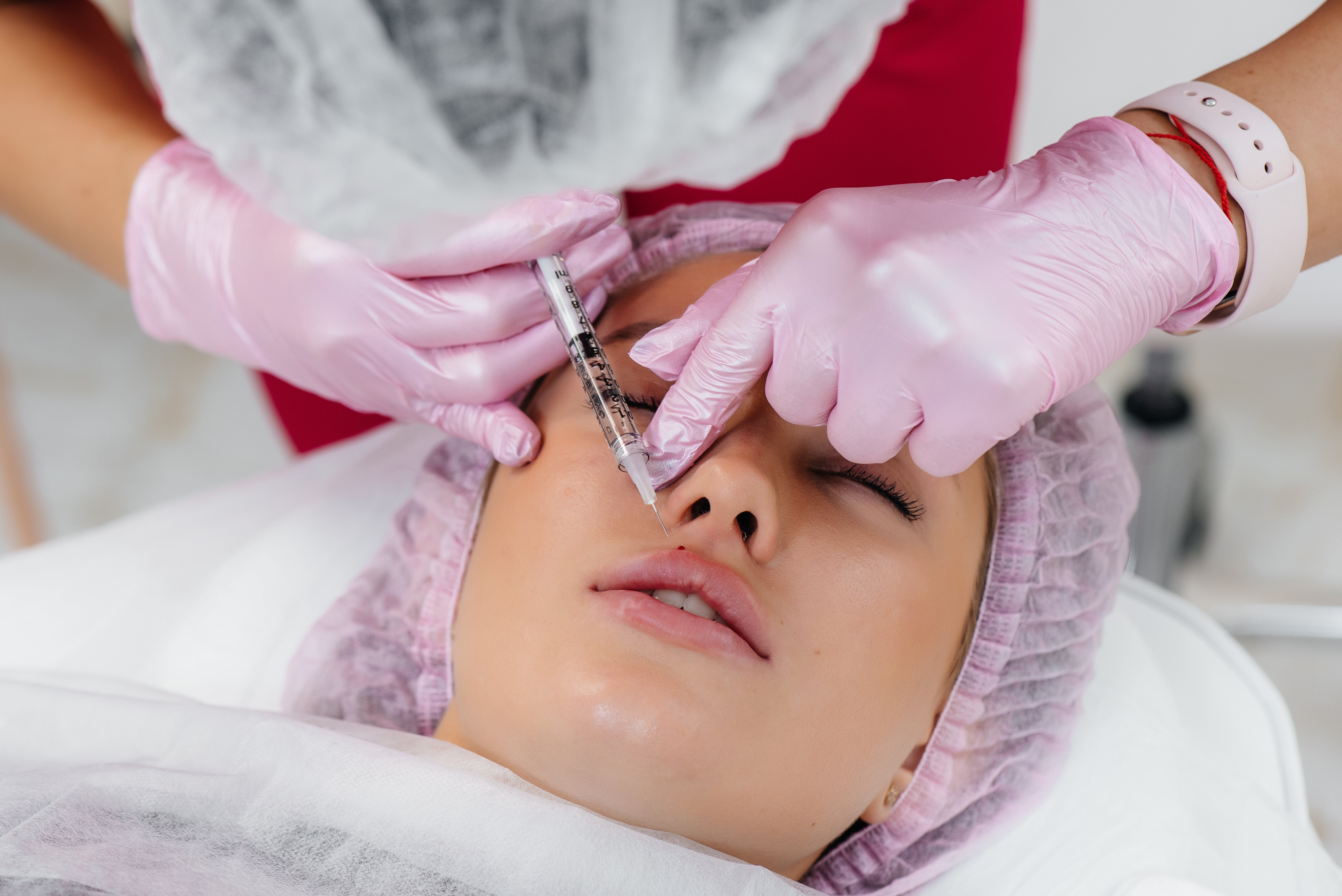
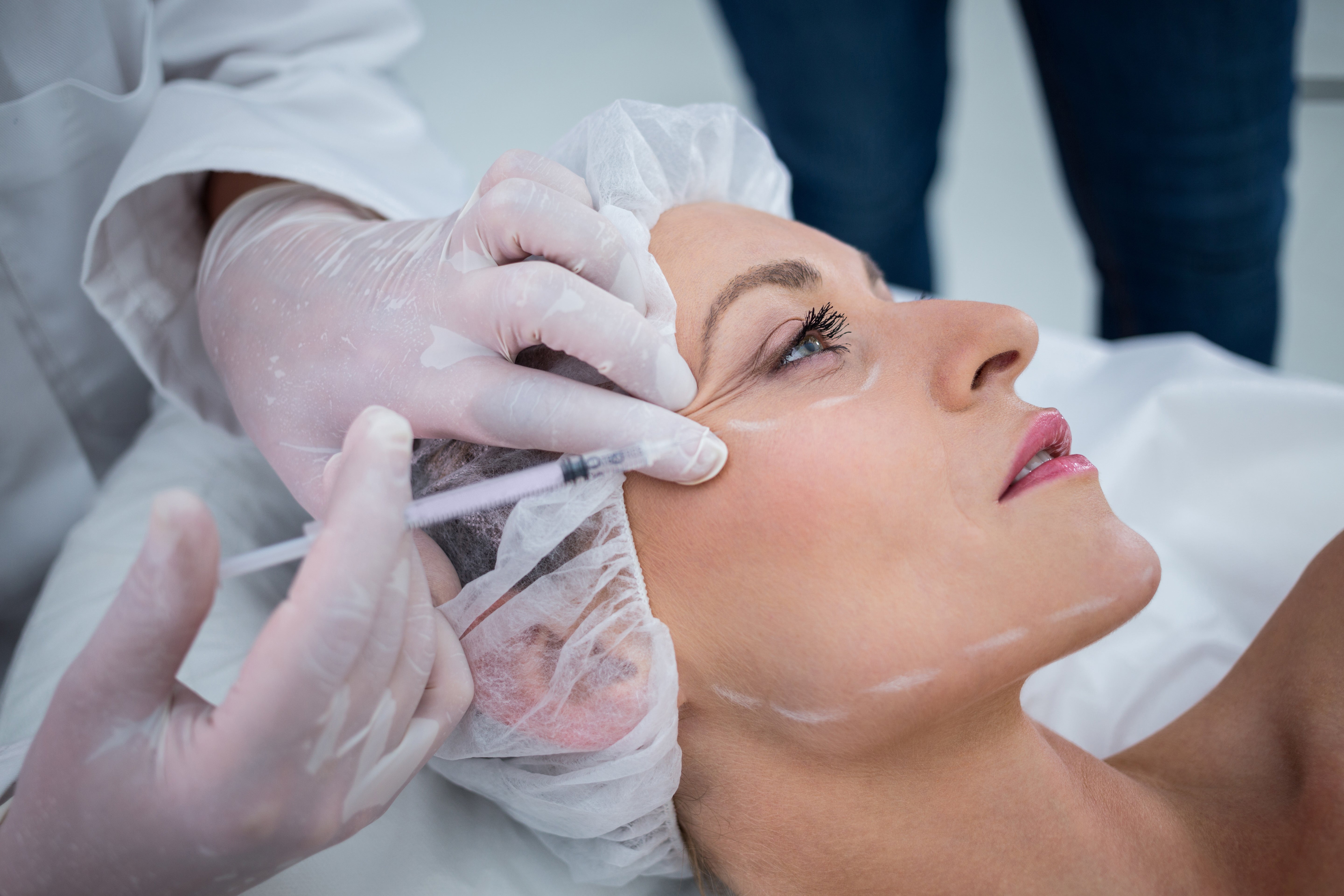
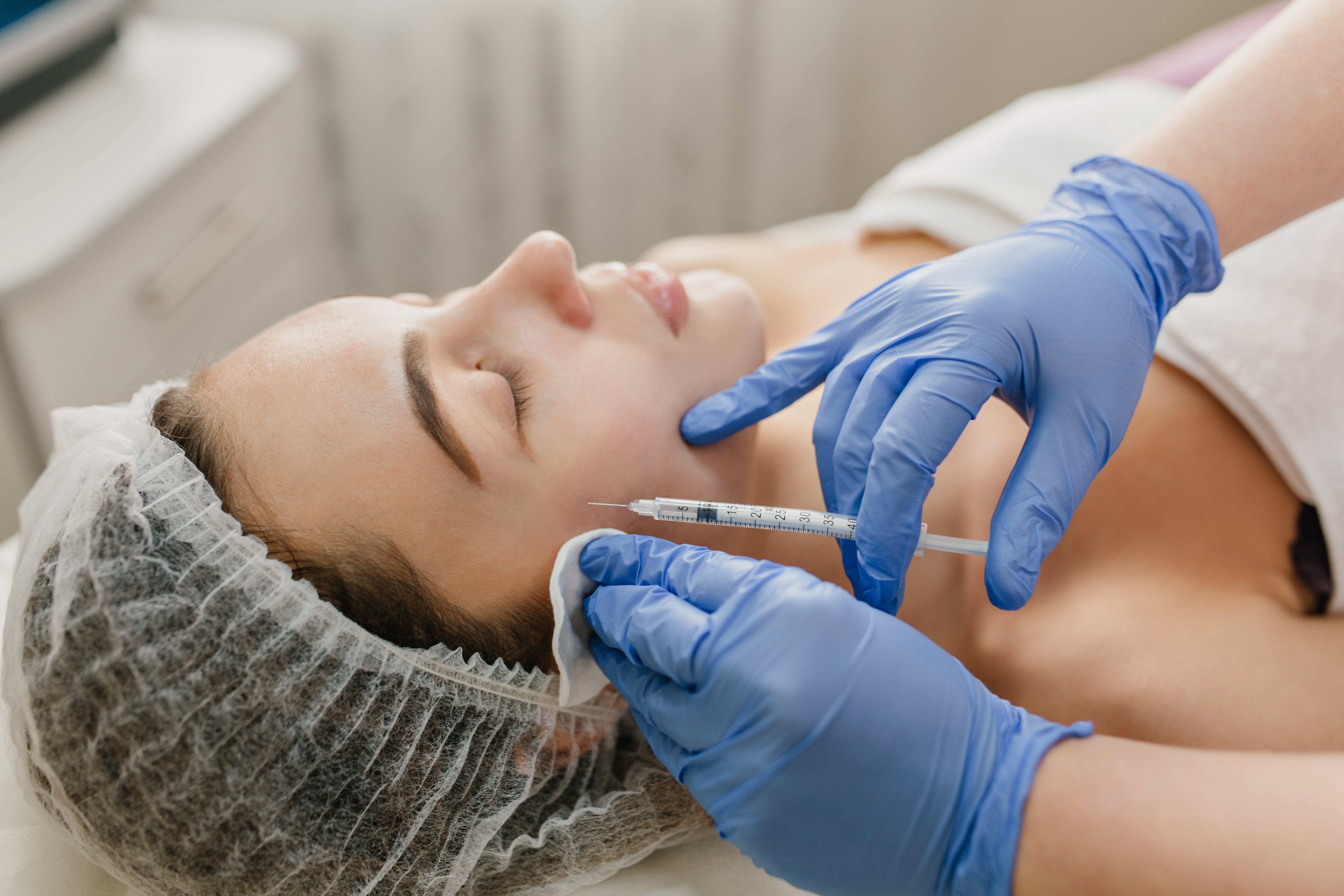
Dedicated injectables cluster — among the highest-intent aesthetic queries. Separated from general anti-ageing for clarity. Q1. Does Allodermis offer Botox? Yes. Allodermis offers Botox performed by qualified MD dermatologists to soften wrinkles and refine facial features. Q2. What is Botox used for? Botox relaxes specific muscles to soften expression lines such as forehead lines, frown lines and crow's feet, and can also be used for jaw slimming and sweating. Q3. How long does Botox last? Botox results typically last around three to four months, after which maintenance sessions can preserve the effect. Q4. Is Botox safe? Yes. When administered by trained MD dermatologists in correct doses, Botox is a safe and well-established treatment. Q5. Does Botox hurt? Botox involves tiny injections that cause only brief, minimal discomfort. Numbing can be applied for sensitive patients. Q6. What are dermal fillers? Dermal fillers are injectable gels, usually hyaluronic acid, that restore volume, smooth folds and enhance features such as lips, cheeks, chin and under-eyes. Q7. What can fillers treat? Fillers treat volume loss, nasolabial folds, thin lips, weak chin or jawline, under-eye hollows and nose shape concerns. Q8. How long do dermal fillers last? Most hyaluronic acid fillers last around six to eighteen months depending on the product and area treated. Q9. Are lip fillers available at Allodermis? Yes. Lip fillers for shape, volume and correction are available, performed for natural-looking results by MD dermatologists. Q10. What is an under-eye filler? Under-eye filler restores volume in hollow tear troughs, reducing shadows and the appearance of dark circles. Q11. Can fillers reshape the nose without surgery? Yes. A non-surgical nose correction with fillers can refine shape and smooth contours without surgery, as offered at Allodermis. Q12. Is there downtime after Botox or fillers? Downtime is minimal. Mild swelling, redness or bruising may occur briefly and usually settles within a day or two. Q13. Will Botox or fillers look unnatural? No, when done conservatively. Allodermis prioritizes subtle, natural enhancement appropriate to your features. Q14. Can men get Botox and fillers? Yes. Botox and fillers are popular with men for wrinkles, jawline definition and a refreshed appearance. Q15. Where can I get Botox and fillers with Allodermis? Botox and dermal fillers are available at Allodermis Gurugram, Delhi NCR, Bhubaneswar and Jajpur clinics.
Learn moreFAQHub: Anti-Ageing & Wrinkles
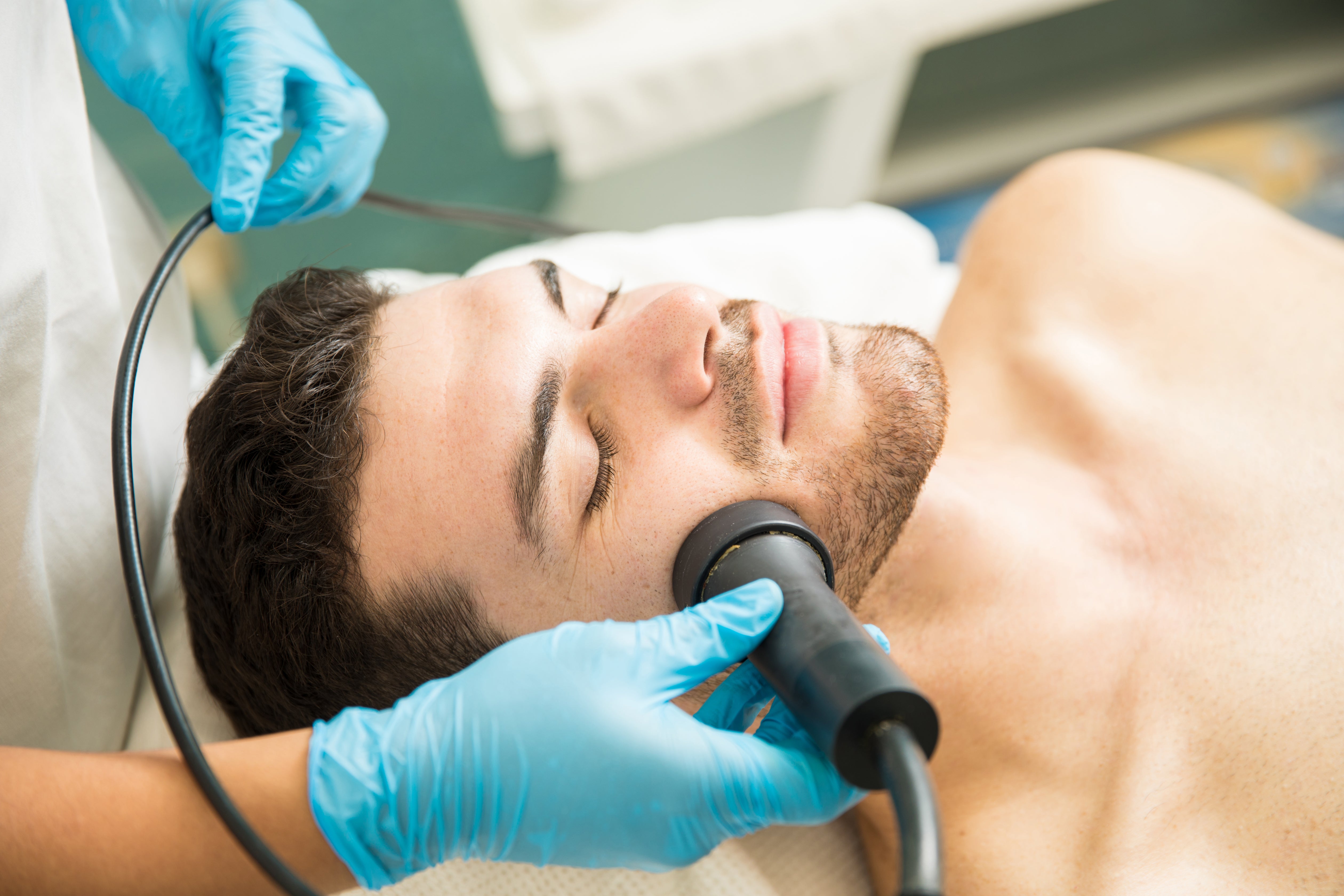
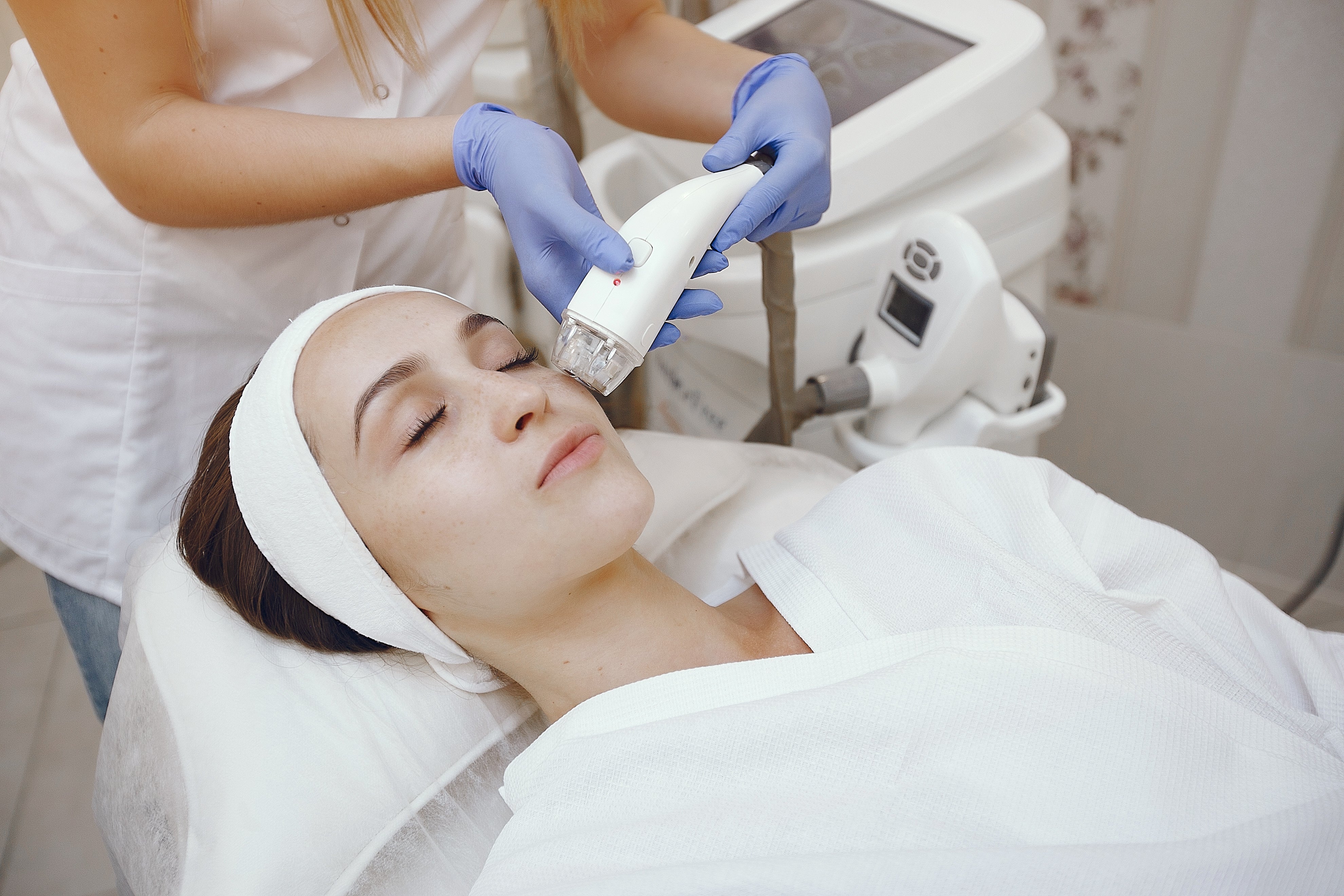
Broad anti-ageing cluster covering wrinkles, sagging and the energy-based and regenerative options Allodermis offers. Q1. Does Allodermis offer anti-ageing treatments? Yes. Allodermis offers anti-ageing treatments including Botox, dermal fillers, HIFU, Profhilo, skin tightening, thread lifts and vampire facelift. Q2. What causes skin ageing and wrinkles? Ageing skin loses collagen, elastin and volume over time, worsened by sun exposure, smoking, stress and lifestyle, leading to wrinkles, sagging and dullness. Q3. What is the best treatment for wrinkles? The best option depends on the wrinkle type: Botox softens expression lines, fillers restore volume, and HIFU or thread lifts address sagging. A dermatologist matches the right approach. Q4. What is HIFU treatment? HIFU (high-intensity focused ultrasound) is a non-surgical skin tightening treatment that lifts and firms by stimulating collagen deep in the skin. Q5. What is Profhilo? Profhilo is an injectable hyaluronic acid treatment that hydrates, improves skin quality and provides subtle firmness and glow. Q6. What is a vampire facelift? A vampire facelift combines your own platelet-rich plasma with techniques to rejuvenate skin, improve texture and restore a youthful appearance. Q7. What is skin tightening treatment? Skin tightening uses energy-based devices such as HIFU or radiofrequency to firm loose skin without surgery. Q8. Are anti-ageing treatments surgical? Most Allodermis anti-ageing treatments are non-surgical, including Botox, fillers, HIFU, Profhilo and threads, with little to no downtime. Q9. At what age should I start anti-ageing treatment? Preventive anti-ageing care can start in the late twenties to thirties, but treatments are tailored to your skin rather than a fixed age. Q10. How long do anti-ageing results last? Results vary by treatment: Botox lasts a few months, fillers and Profhilo several months to over a year, and HIFU effects build and last many months. Q11. Is anti-ageing treatment safe? Yes. When performed by qualified MD dermatologists using approved products and devices, anti-ageing treatments are safe with predictable results. Q12. What is a thread lift? A thread lift uses dissolvable threads to lift and reposition sagging skin, especially along the jawline and cheeks, with minimal downtime. Q13. Can anti-ageing treatments look natural? Yes. Allodermis dermatologists focus on natural, balanced enhancement rather than overdone results. Q14. What is jawline correction? Jawline correction uses fillers, threads or contouring techniques to define and sharpen the jawline for a more sculpted profile. Q15. What is chin sculpting? Chin sculpting reshapes and balances the chin using fillers or contouring to improve facial proportion and profile. Q16. Can I combine anti-ageing treatments? Yes. Combining treatments such as Botox, fillers and skin tightening is common and is planned by your dermatologist for harmonious results. Q17. Is there downtime after anti-ageing treatments? Most have minimal downtime. Mild redness or swelling may occur briefly after injectables, settling within hours to a couple of days. Q18. Where can I get anti-ageing treatment with Allodermis? Anti-ageing treatments are available at Allodermis Bhubaneswar, Jajpur, Gurugram and Delhi NCR under expert MD dermatologists.
Learn moreFAQHub: Open Pores & Skin Texture
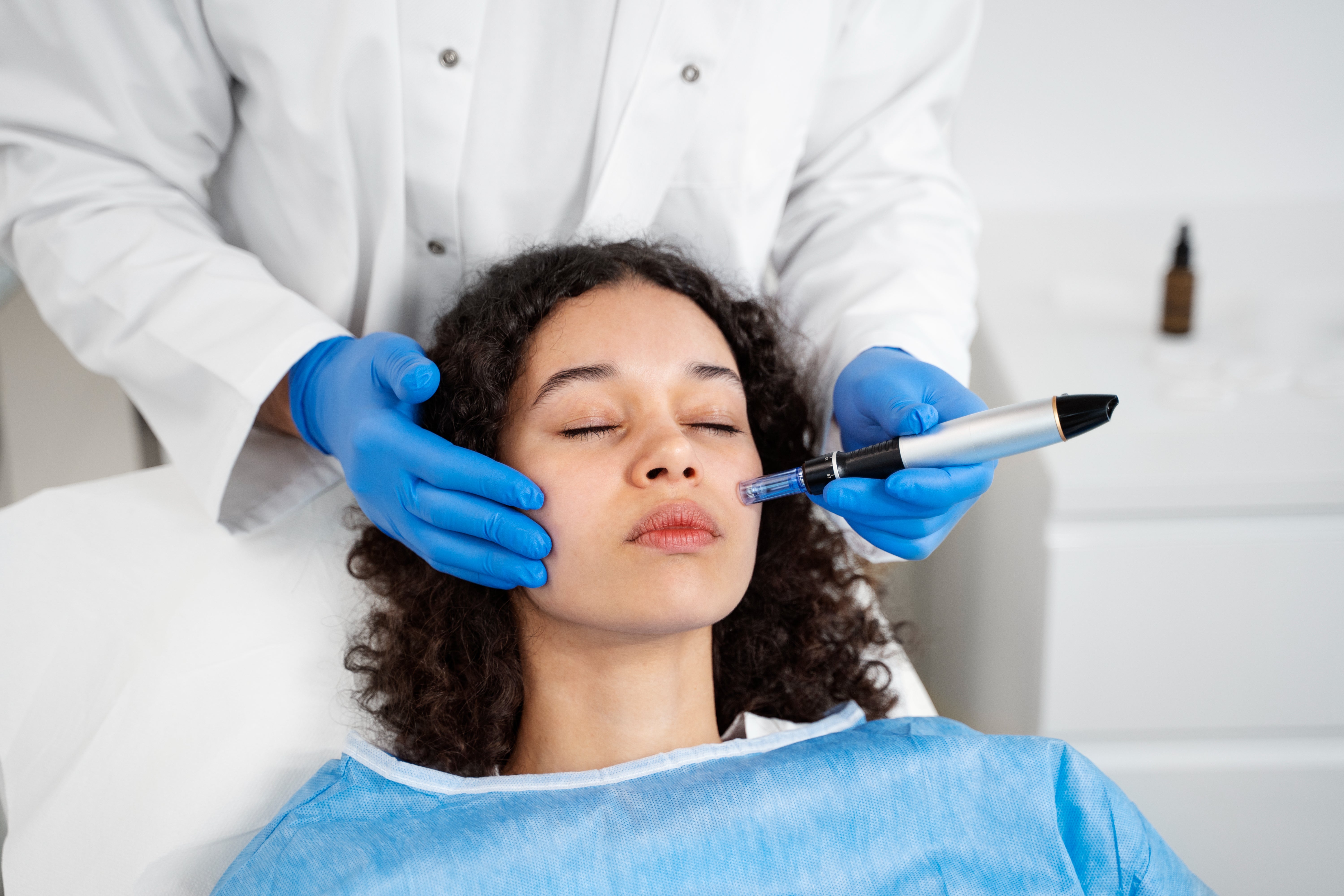
Answers for enlarged pores and rough texture, frequently searched alongside oily skin and acne. Q1. Does Allodermis treat open pores? Yes. Allodermis treats open or enlarged pores with MNRF, microneedling, chemical peels, laser toning and oil-control routines. Q2. What causes open pores? Open pores result from excess oil, loss of skin firmness, sun damage, ageing and genetics, which make pore openings appear larger. Q3. Can open pores be closed permanently? Pores cannot be erased, but they can be visibly reduced and tightened with collagen-stimulating treatments and consistent skincare. Q4. How does MNRF help open pores? MNRF stimulates collagen and tightens skin around pores, reducing their appearance over a course of sessions. Q5. Do chemical peels help with pores and texture? Yes. Peels exfoliate, clear clogged pores and smooth texture, improving the look of enlarged pores when done in a series. Q6. How many sessions for open pore treatment? Visible improvement usually needs several sessions, with results building gradually as collagen remodels. Q7. Is open pore treatment suitable for oily skin? Yes. Open pore treatments are well suited to oily and combination skin, often combined with oil-control skincare. Q8. Where can I get open pore treatment at Allodermis? Open pore and texture treatment is available at Allodermis Bhubaneswar, Jajpur, Gurugram and Delhi NCR.
Learn moreFAQHub: Dark Circles & Under-Eye
Dedicated answers for under-eye concerns, separating the multiple causes that need different treatments. Q1. Does Allodermis treat dark circles? Yes. Allodermis treats dark circles with under-eye treatments, peels, PRP/GFC, fillers and topical care based on the underlying cause. Q2. What causes dark circles? Dark circles can come from pigmentation, thin under-eye skin showing blood vessels, hollowness and shadowing, genetics, sleep and lifestyle factors. Q3. How are dark circles treated at Allodermis? Treatment is matched to the cause: pigment-type dark circles respond to peels and brightening, while hollow-type respond to under-eye fillers or fat grafting. Q4. Can under-eye fillers help dark circles? Yes. Under-eye fillers restore lost volume in hollow tear troughs, reducing shadowing that causes a dark appearance. Q5. What is under-eye PRP or GFC treatment? PRP and GFC use growth factors from your own blood to improve under-eye skin quality, thickness and tone over a series of sessions. Q6. How many sessions are needed for dark circles? Most patients need a short course of sessions. The exact plan depends on whether the cause is pigment, hollowness or both. Q7. Can lack of sleep cause dark circles? Poor sleep can worsen the appearance of dark circles by causing dullness and puffiness, though structural and pigment causes also play a role. Q8. Are dark circle treatments safe? Yes. Under-eye treatments at Allodermis are performed by dermatologists using safe, controlled techniques suited to the delicate eye area. Q9. Can creams alone remove dark circles? Creams help mild pigment-type dark circles but rarely fix hollowness or structural causes, which need in-clinic treatments. Q10. Where can I get dark circle treatment with Allodermis? Dark circle and under-eye treatment is available at Allodermis Bhubaneswar, Jajpur, Gurugram and Delhi NCR.
Learn more